Artwork
The Screes, Wastwater
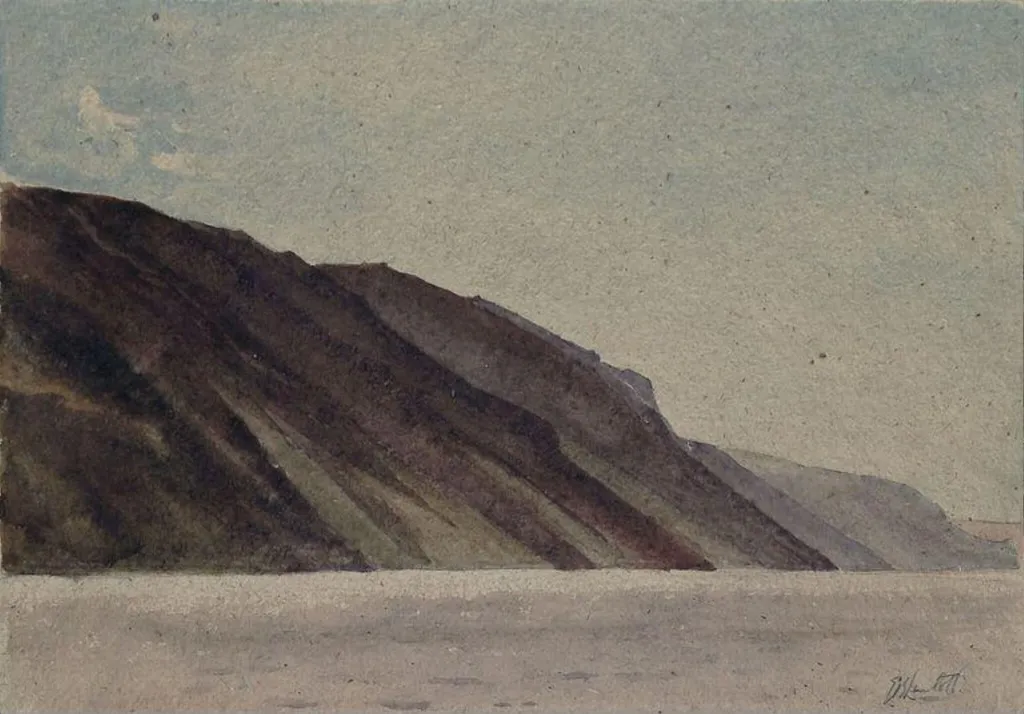
The Screes, Wastwater is a watercolor work on paper by Lintott. It dates from 1950 and is held in the collection of the Victoria and Albert Museum.
About this work
Overview
Painted in 1950, *The Screes, Wastwater* is a watercolour by Lintott capturing a section of the Lake District’s rugged terrain.
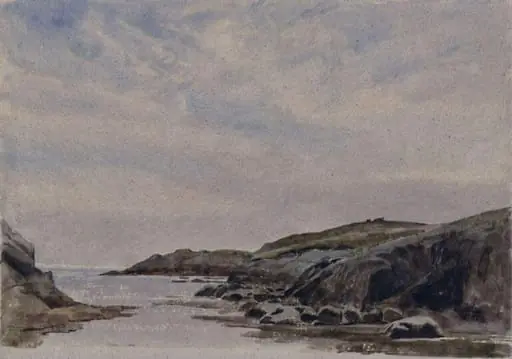
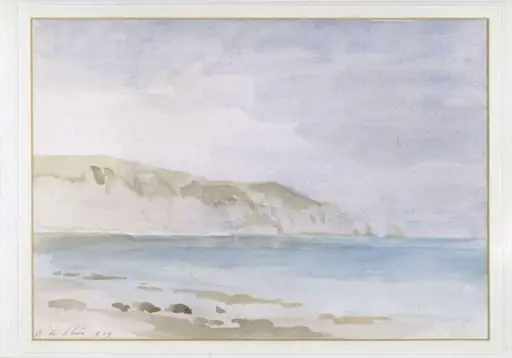
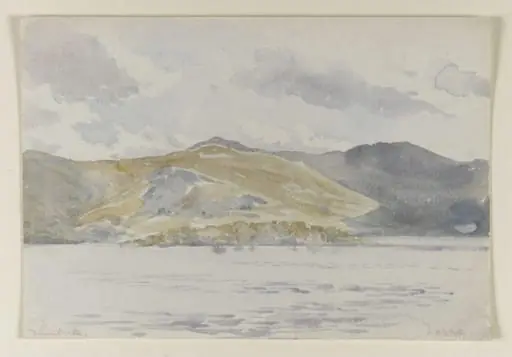
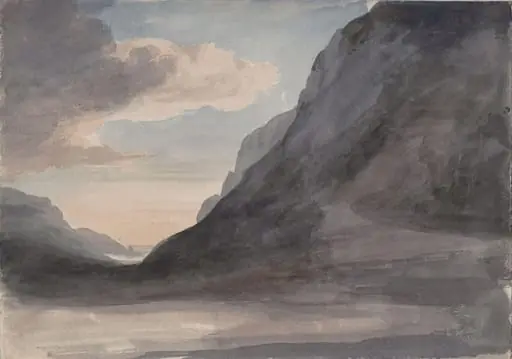
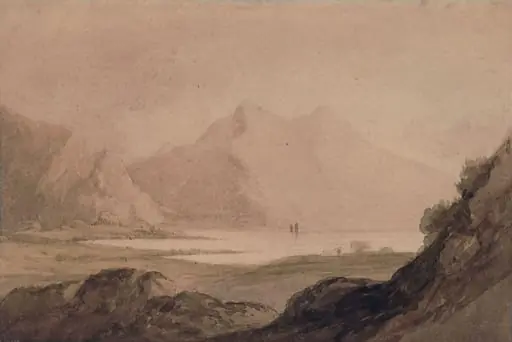
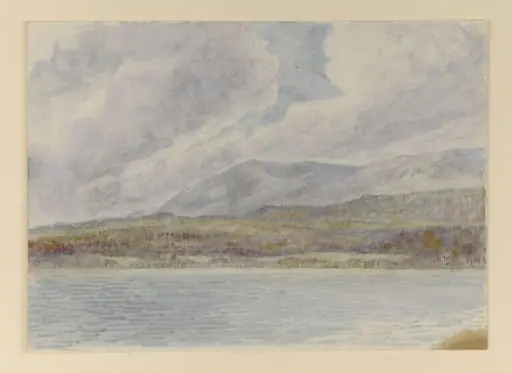
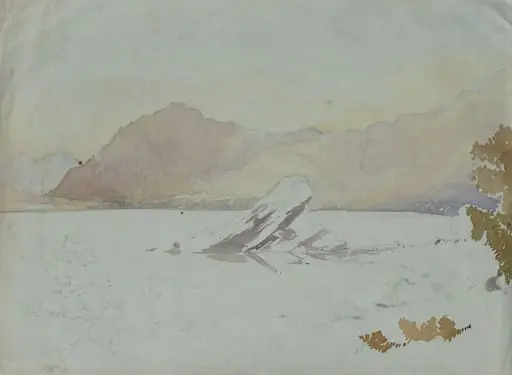
Painted in 1950, *The Screes, Wastwater* is a watercolour by Lintott capturing a section of the Lake District’s rugged terrain. The scene centers on the steep, stony slopes descending from Whin Rigg and Illgill Head toward Wastwater’s eastern shore. Executed with restrained tonality, the work emphasizes geological form over narrative, reflecting a quiet observation of natural structure rather than romanticized scenery.
Subject & Meaning
The subject is the screes—accumulations of loose rock fragments at the base of cliffs—formed by erosion over centuries. Lintott presents these not as dramatic peaks but as quiet, enduring features of the landscape. The absence of human presence or seasonal markers suggests a focus on timelessness, inviting contemplation of geological processes rather than aesthetic spectacle.
Technique & Style
Lintott employed soft watercolour washes to model the uneven surfaces of the screes, using layered greys, browns, and pale blues to suggest depth and texture. The flat, light-toned ground contrasts with the jagged upper slopes, enhancing the sense of verticality. Brushwork is deliberate but unobtrusive, prioritizing tonal harmony and structural clarity over detail or flourish.
History & Provenance
The work is signed by the artist and dates from the postwar period, a time when British watercolourists often turned to regional landscapes with renewed attention to topographical accuracy. While its early ownership is undocumented, its inclusion in the Victoria and Albert Museum’s collection indicates recognition within institutional circles focused on 20th-century British watercolour.
Context
Created during a resurgence of interest in British landscape watercolour, the piece aligns with artists who rejected idealized views in favor of unembellished natural forms. Lintott’s approach echoes contemporaries who documented regional geology with scientific precision, situating the work within a broader movement that valued observation over sentiment.
Legacy
Though not widely exhibited beyond institutional collections, *The Screes, Wastwater* remains a representative example of mid-century British watercolour practice. Its quiet precision continues to inform how landscape is studied through medium and material, offering a model of restraint in depicting nature’s enduring forms.
Artist & collection