Artwork
Portrait of Anna Pitt as Hebe
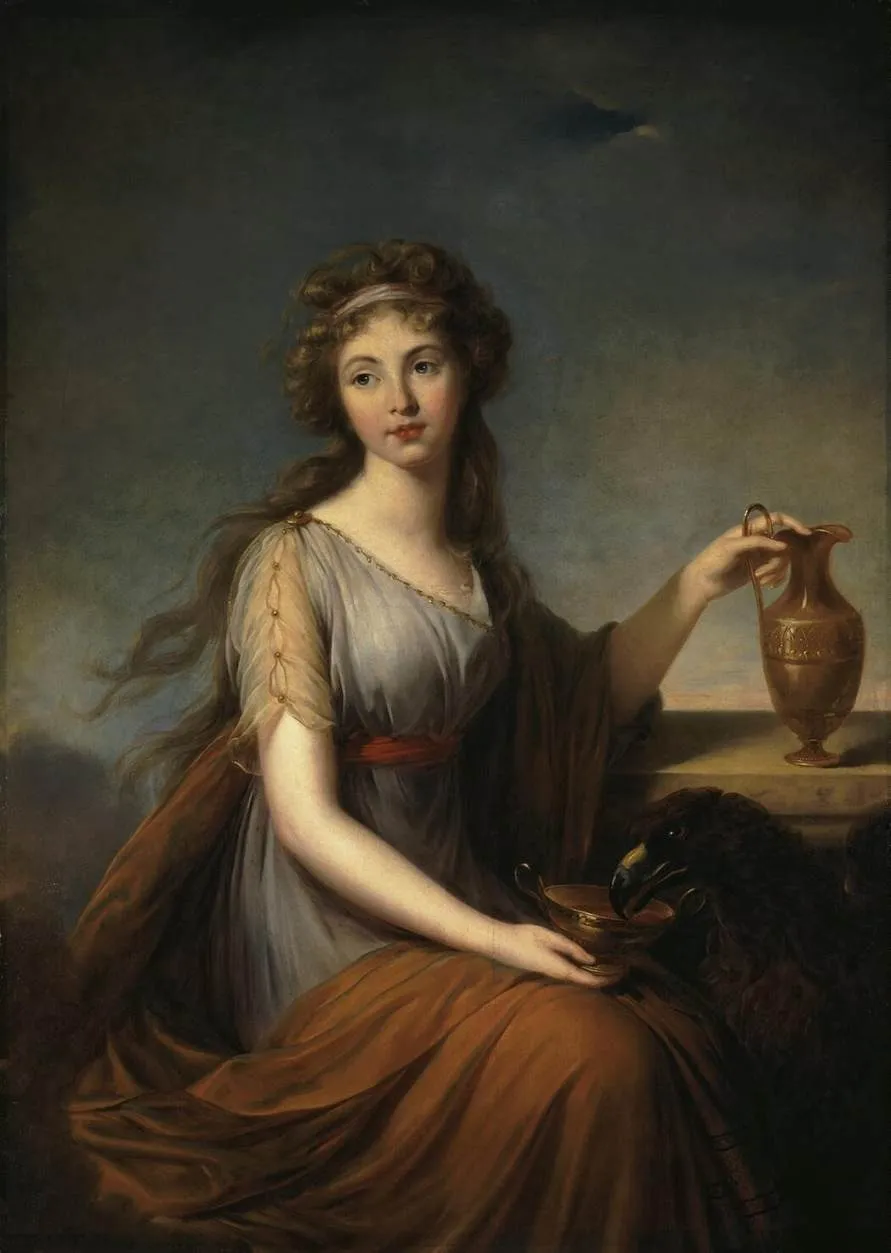
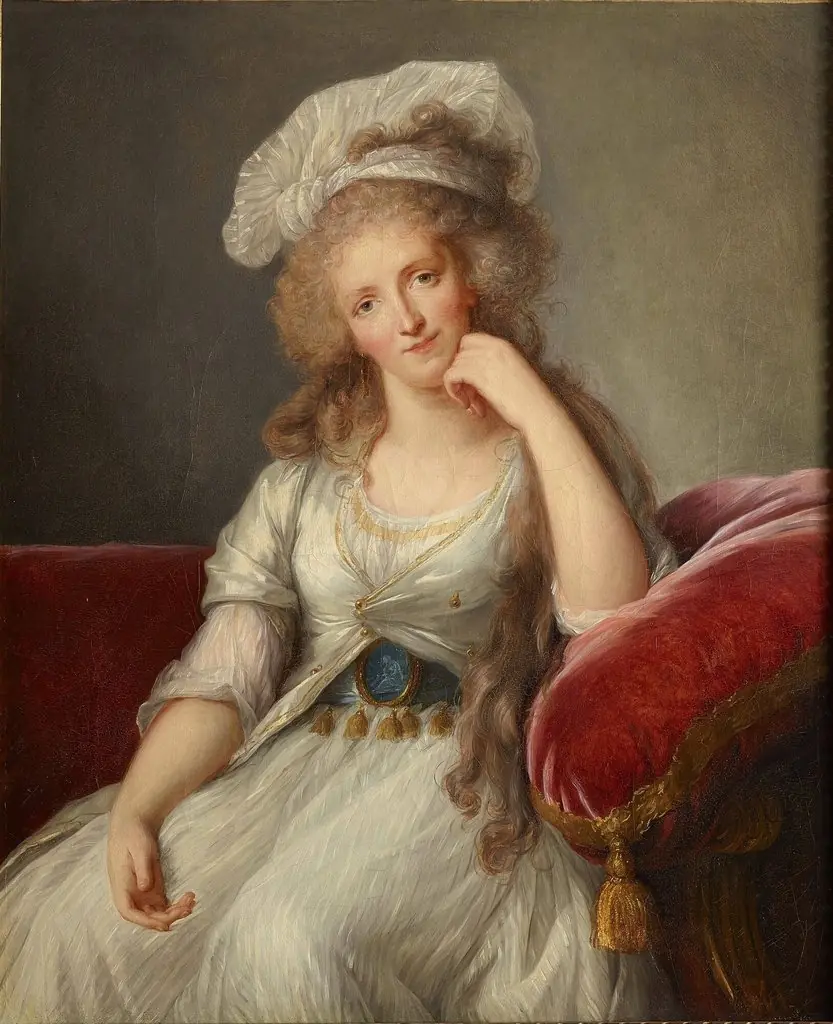
Portrait of Anna Pitt as Hebe is an oil painting by the Rococo painting artist Élisabeth Louise Vigée Le Brun. It dates from 1796 and is held in the collection of the Hermitage Museum. Élisabeth Vigée Le Brun’s 1792 oil portrait presents Anne Pitt dressed as the classical goddess Hebe.
About this work
Overview
Élisabeth Vigée Le Brun’s 1792 oil portrait presents Anne Pitt dressed as the classical goddess Hebe. The work captures the English aristocrat at a time when she was known as Baroness Grenville, reflecting both her social standing and the fashionable neoclassical taste of the late eighteenth century.
Subject & Meaning
Anne Pitt, daughter of Thomas Pitt, 1st Baron Camelford, is portrayed in the role of Hebe, the youthful deity of youth and cupbearer to the gods.
Anne Pitt, daughter of Thomas Pitt, 1st Baron Camelford, is portrayed in the role of Hebe, the youthful deity of youth and cupbearer to the gods. The allegorical identification underscores her status within the prominent Pitt family, a political dynasty that shaped British governance, and hints at virtues of renewal and service associated with her forthcoming role as the wife of future Prime Minister William Grenville.
Technique & Style
Executed in oil on canvas, the painting employs Vigée Le Brun’s characteristic smooth brushwork and delicate coloration. The composition balances a graceful pose with a restrained background, allowing the subject’s attire and the symbolic attributes of Hebe—such as a cup and a garland—to dominate the visual narrative.
History & Provenance
Created shortly after Anne Pitt’s marriage to her cousin William Grenville, the portrait entered the Grenville family collection. It later passed through private hands before being acquired by a public institution, where it remains accessible for study of both the artist’s oeuvre and the social networks of late‑Georgian Britain.
Context
The portrait emerges from a period when French artists like Vigée Le Brun were in exile during the Revolution, finding patronage among the British aristocracy. The choice of a classical persona reflects the era’s neoclassical revival, which linked contemporary elites to the virtues of antiquity.
Artist & collection
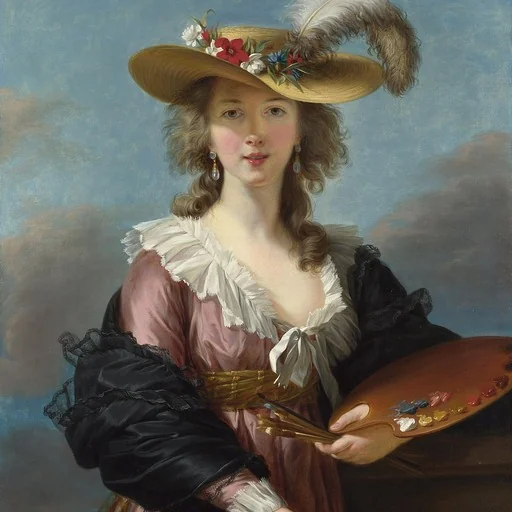
Artist
Élisabeth Louise Vigée Le Brun
Élisabeth Louise Vigée Le Brun (French: ; née Vigée; 16 April 1755 – 30 March 1842), also known as Louise Élisabeth Vigée Le Brun or simply Madame Le Brun, was a French painter who mostly specialized in portrait…

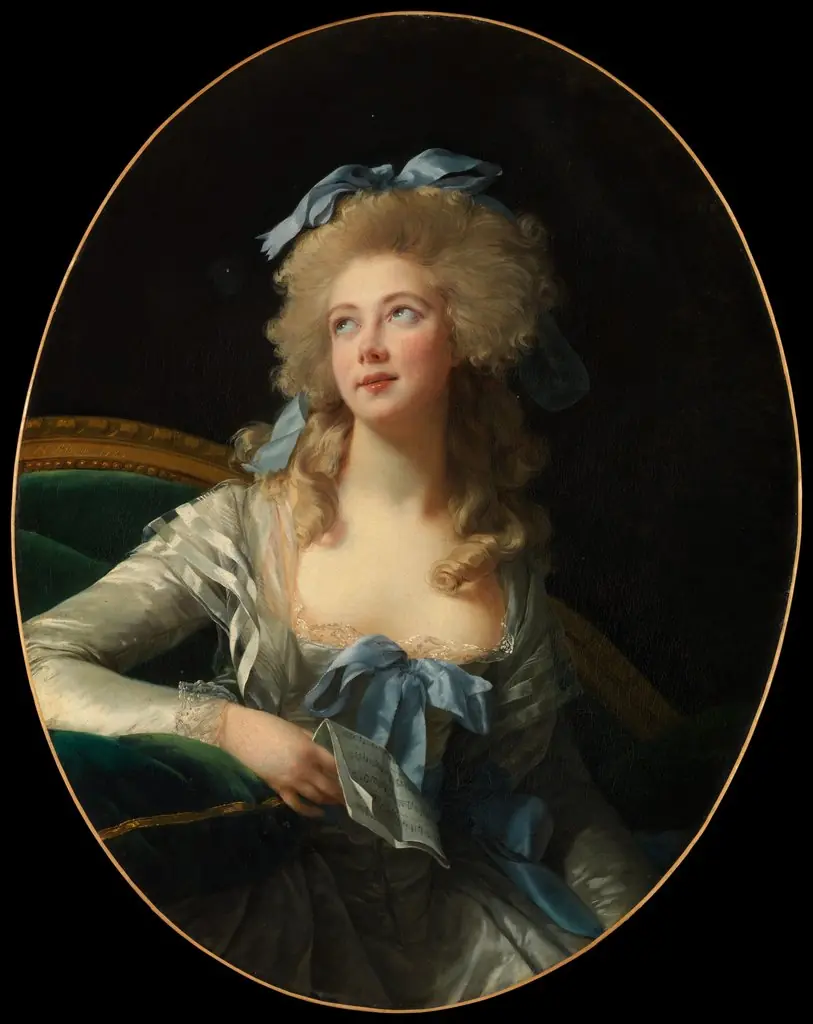 Madame Grand (Noël Catherine Verlée, 1761–1835)
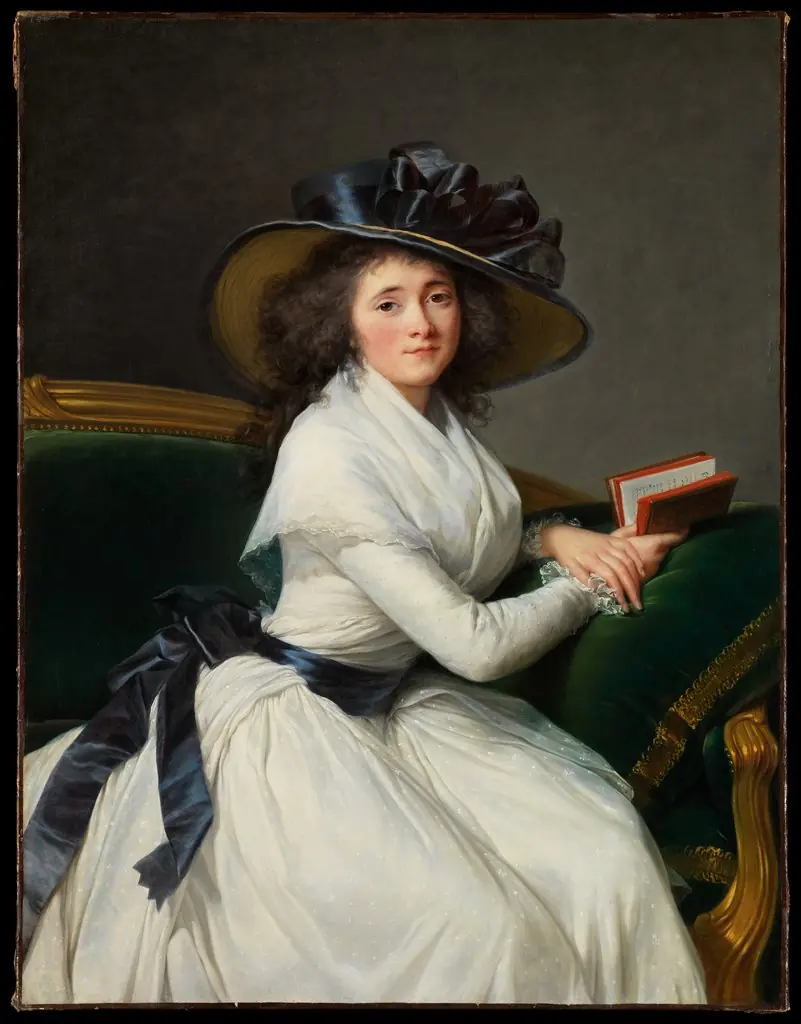 Comtesse de la Châtre (Marie Charlotte Louise Perrette Aglaé Bontemps, 1762–1848)
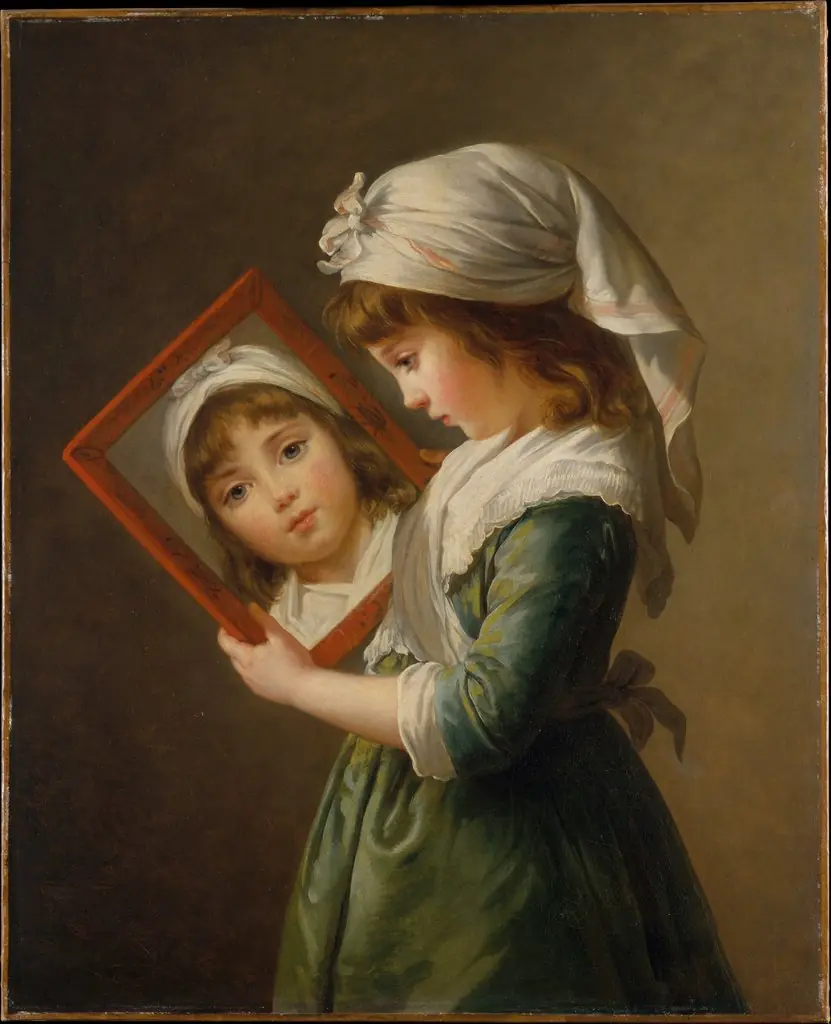 Julie Le Brun (1780–1819) Looking in a Mirror
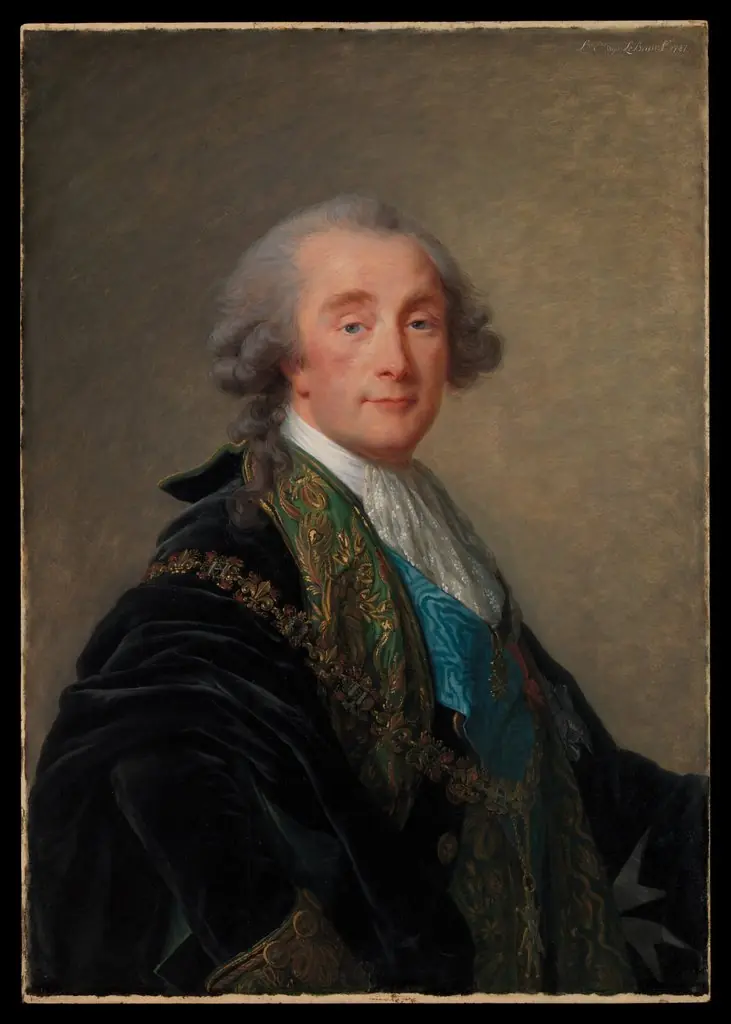 Alexandre Charles Emmanuel de Crussol-Florensac (1743–1815)
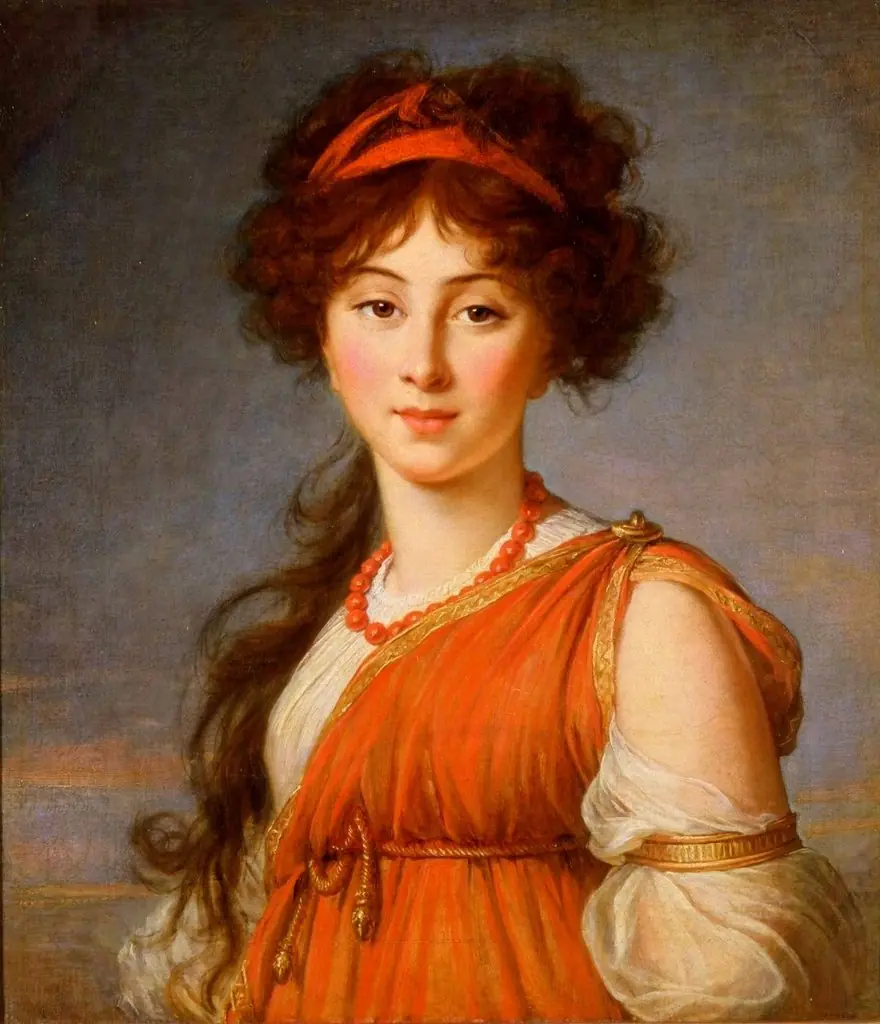 Varvara Ivanovna Ladomirsky
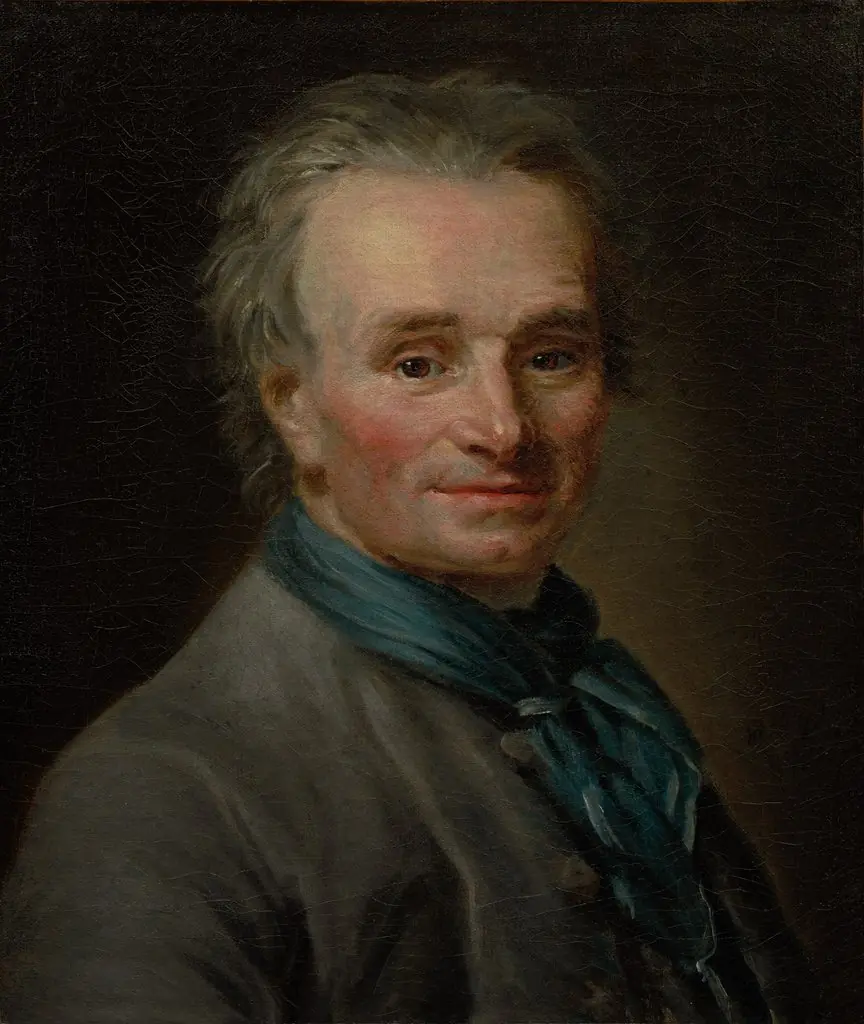 Portrait of Jean-Baptiste Lemoyne the Younger
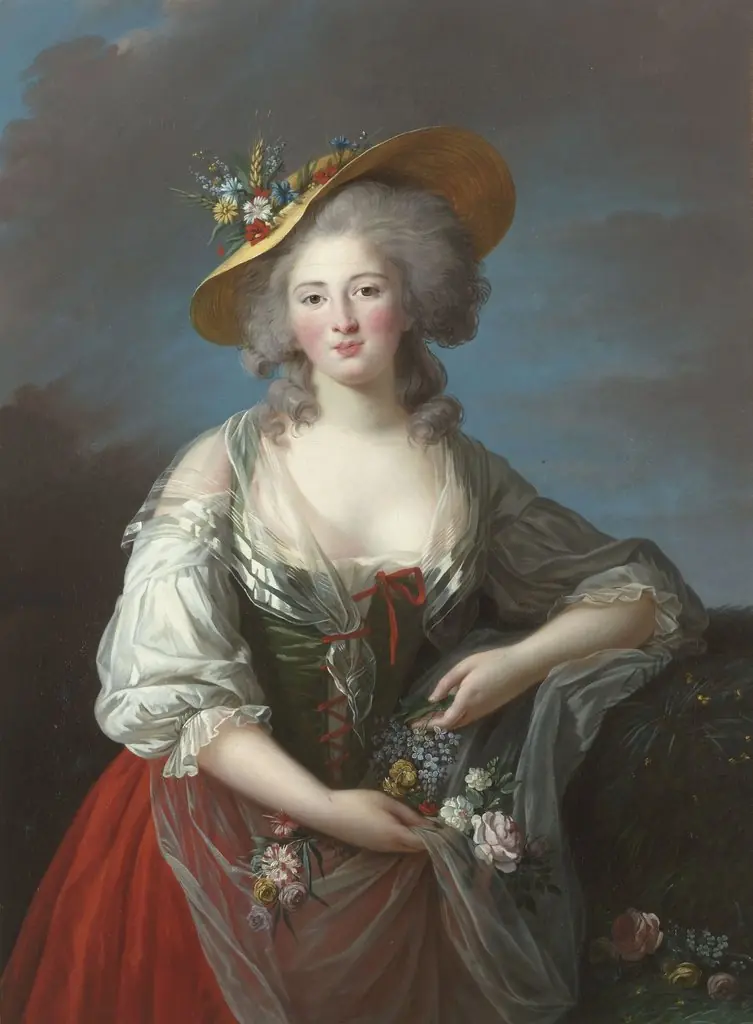 Elisabeth-Philippe-Marie-Hélène de France, dite Madame Elisabeth
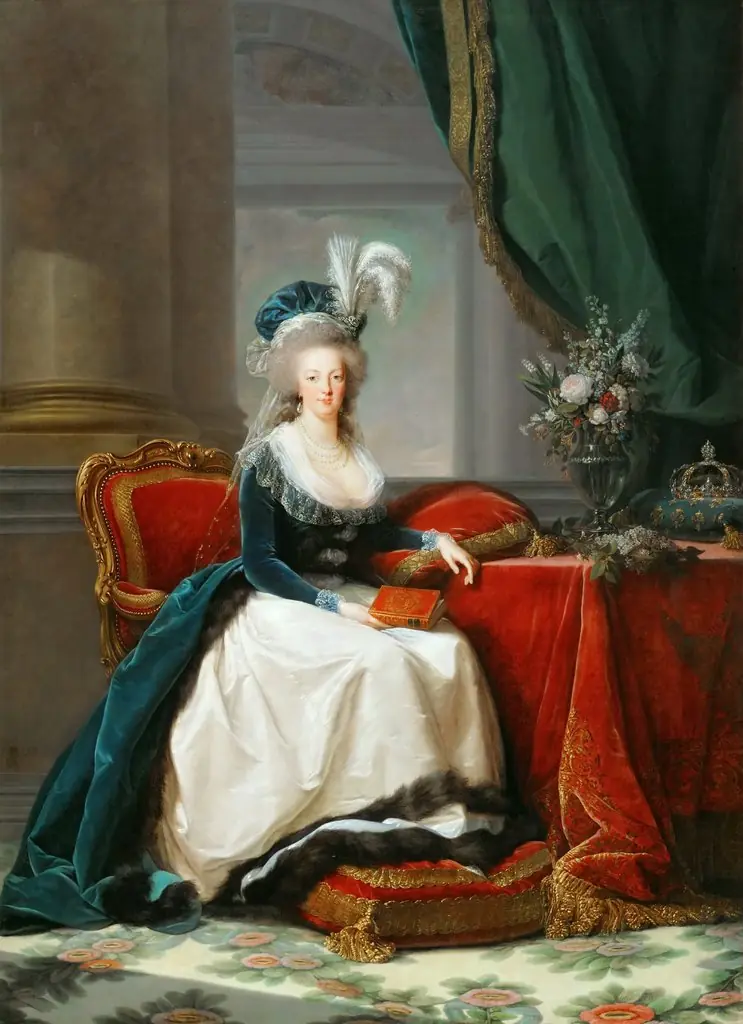 Marie-Antoinette seated, in blue coat and white dress, holding a book in her hand
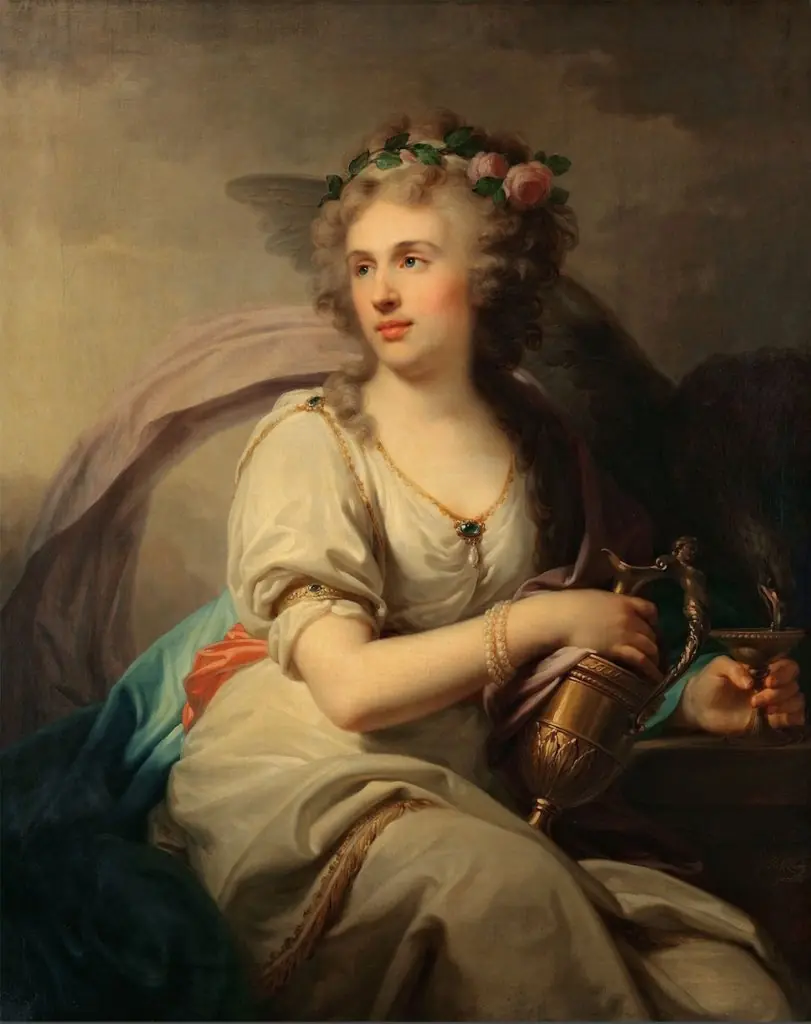 Porträt des Ekaterina Dolgorukaya
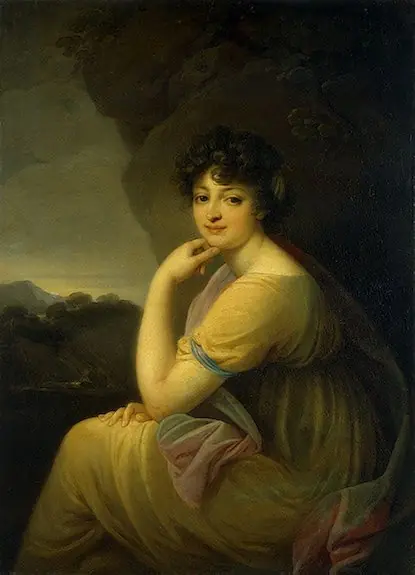 Portrait of Yekaterina Bakunina
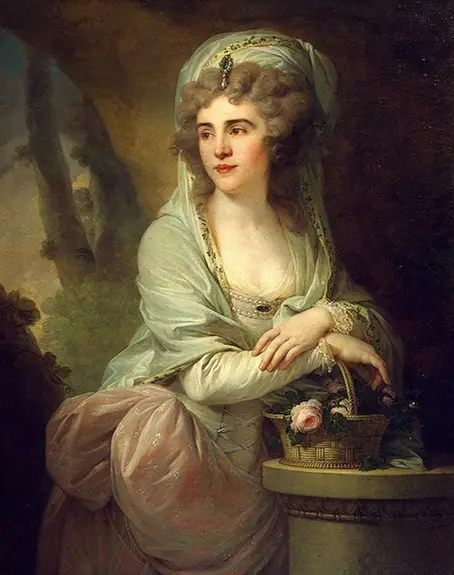 Portrait of Yekaterina Samoilova
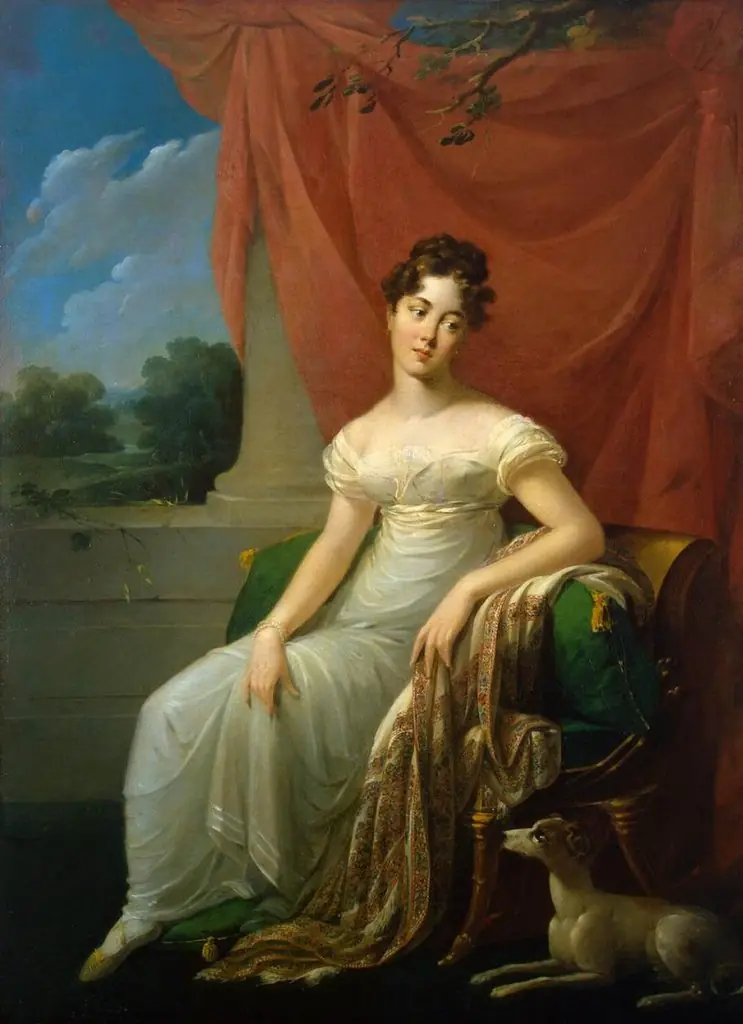 Portrait of Sofia Apraxina
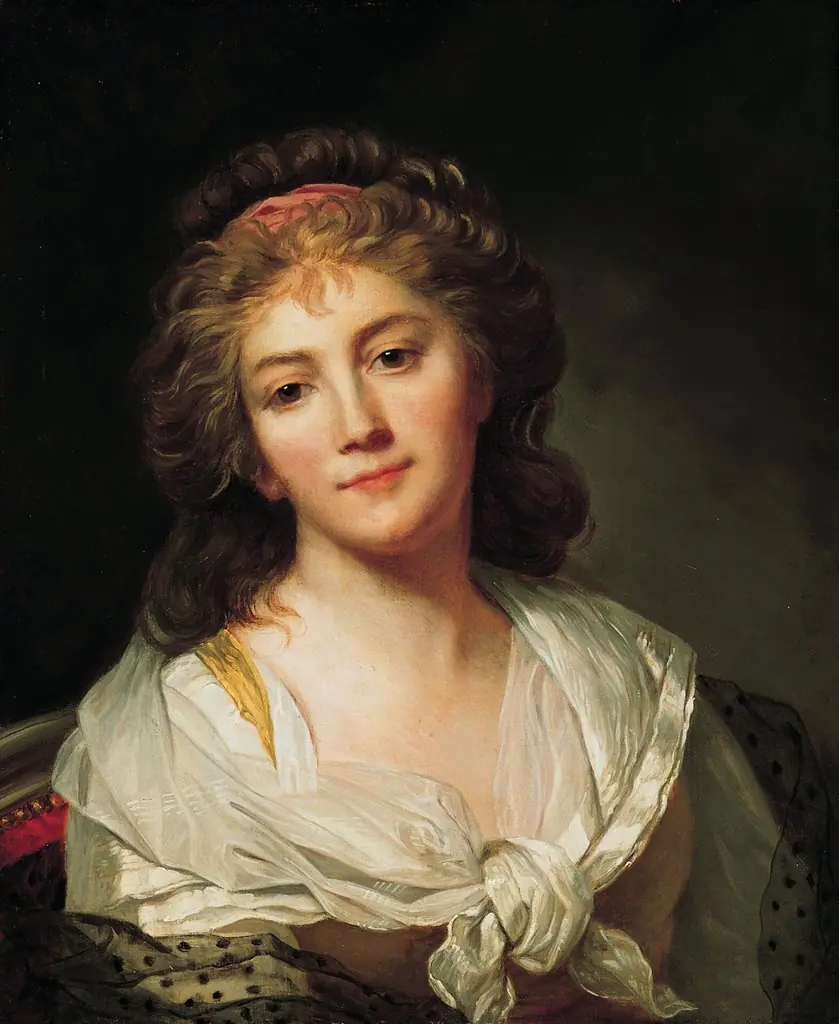 Self-portrait
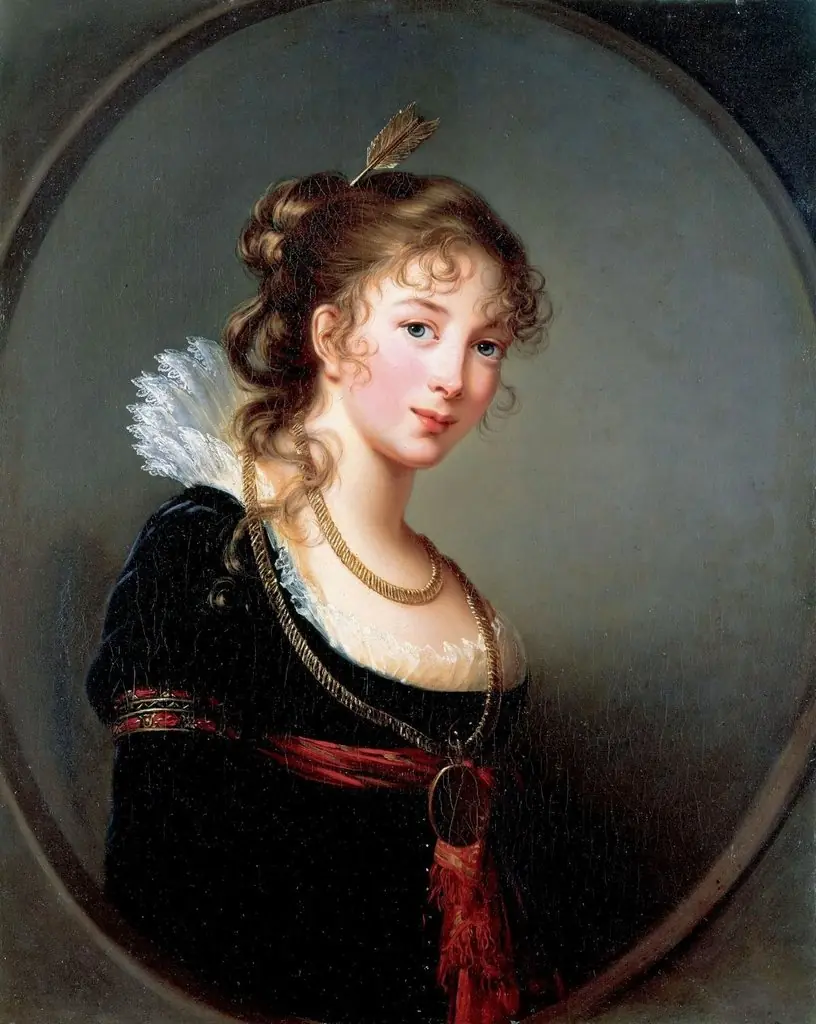 Porträt der Luise von Preußen (1770-1836), Ehefrau von Anton Radziwiłł (1775-1833)
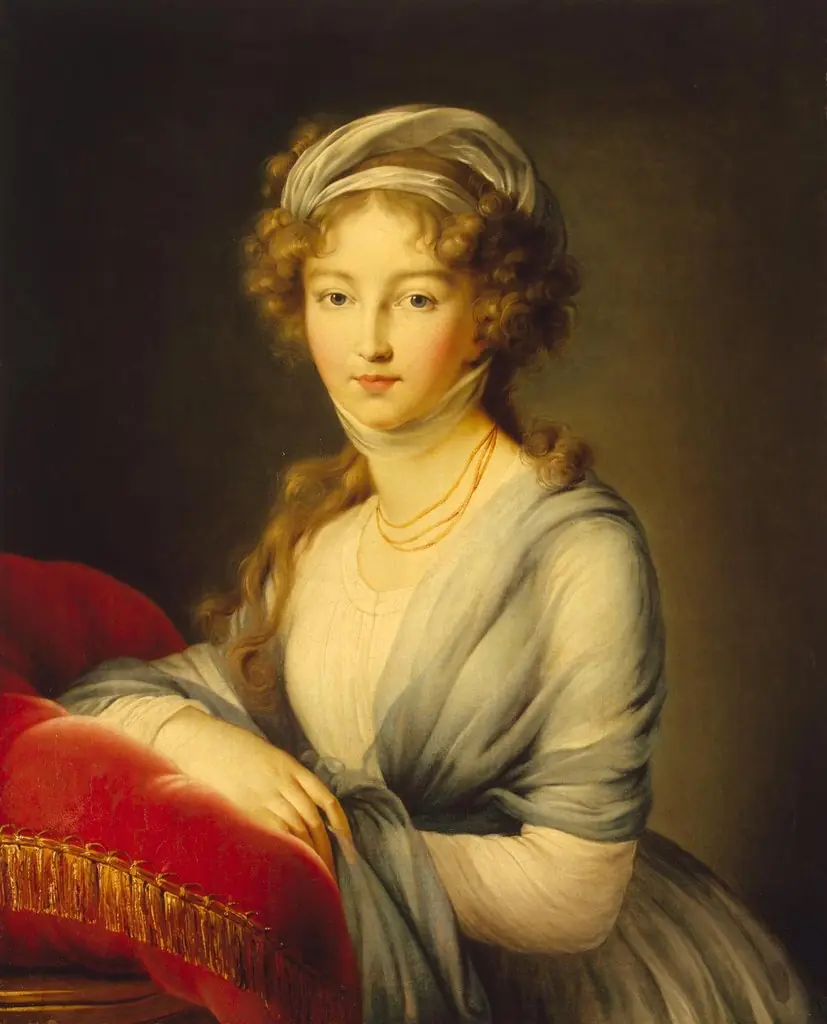 Portrait of Empress Yelizaveta Alekseyevna
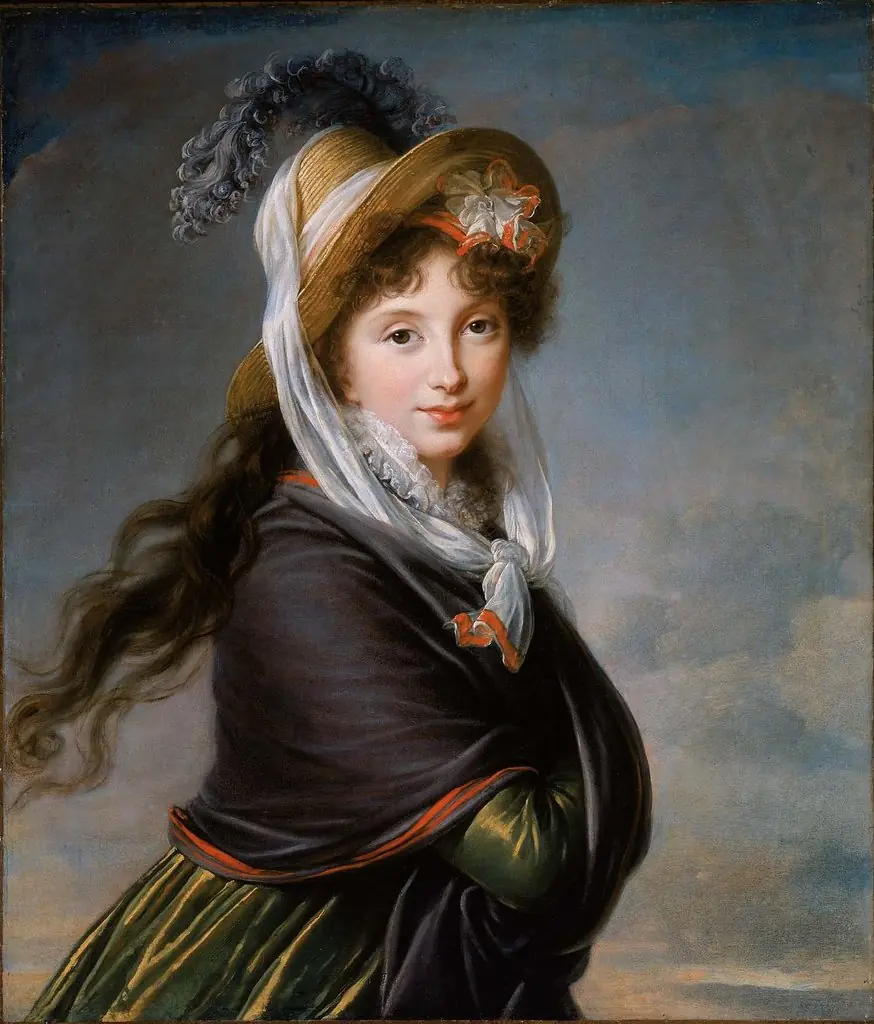 Portrait of a Young Woman
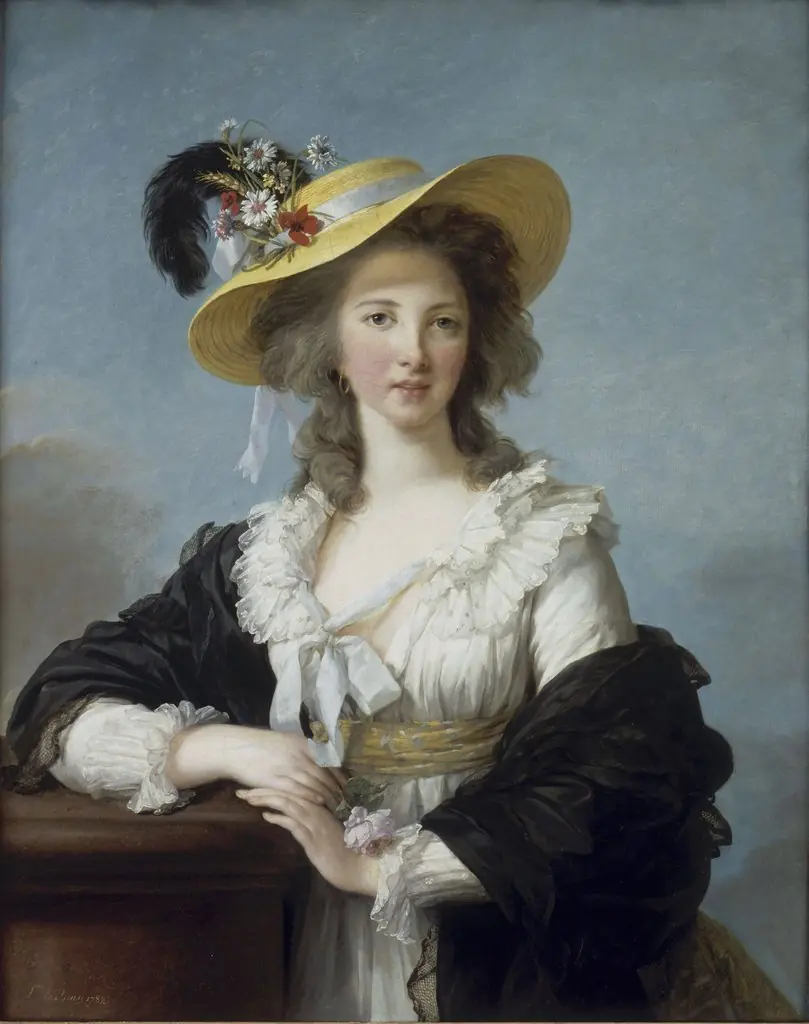 Yolande-Martine-Gabrielle de Polastron, Duchess de Polignac
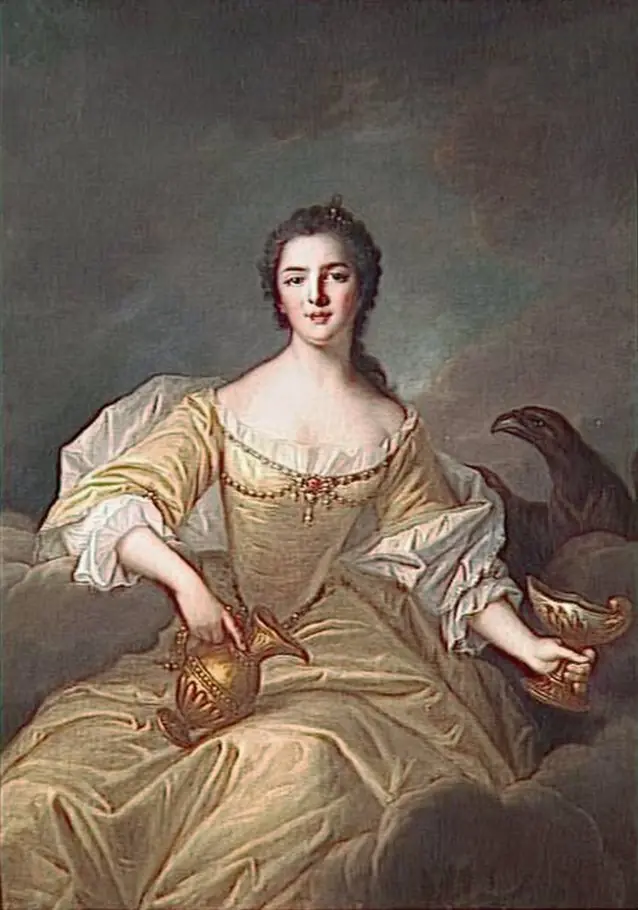 Victoire Marie Louise Thérèse de France, dite Madame Victoire en Hébé
 Louise-Marie-Adélaïde de Bourbon-Penthièvre, Duchess of Orléans