Artwork
Porträt des Ekaterina Dolgorukaya
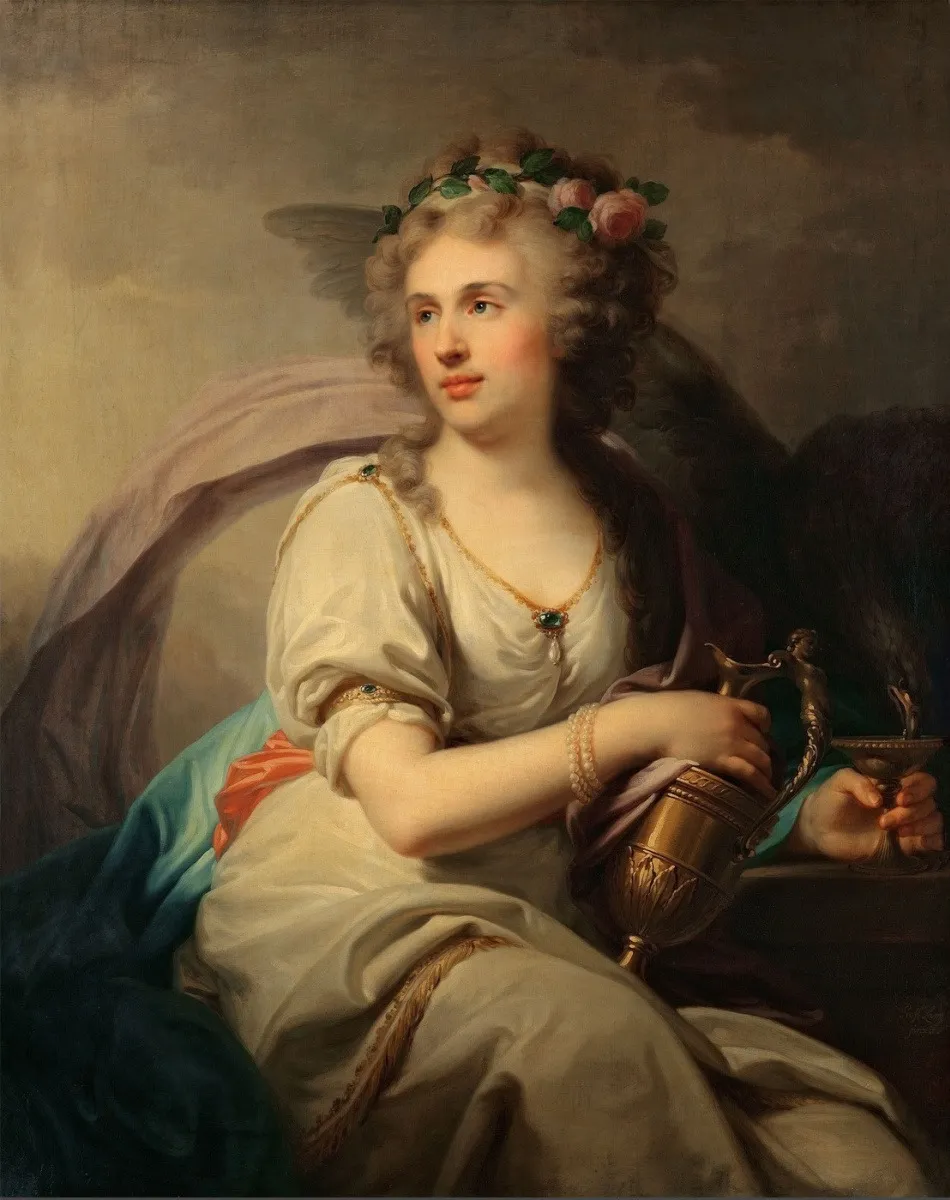
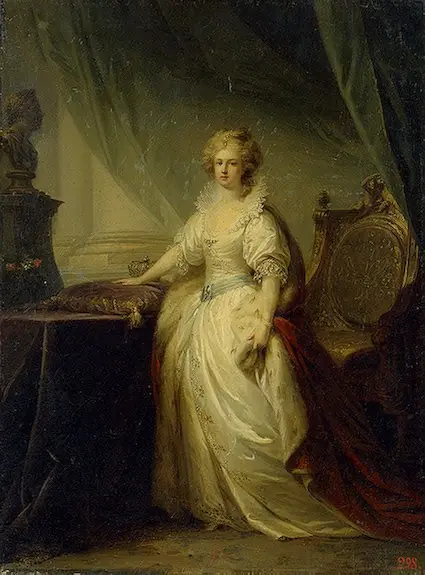
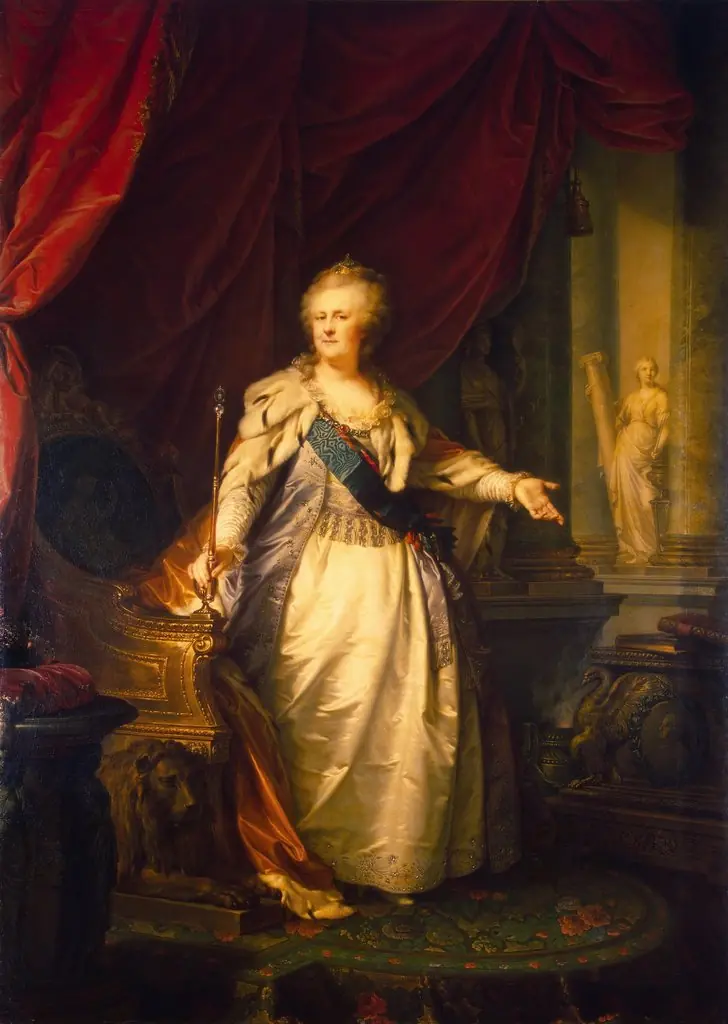
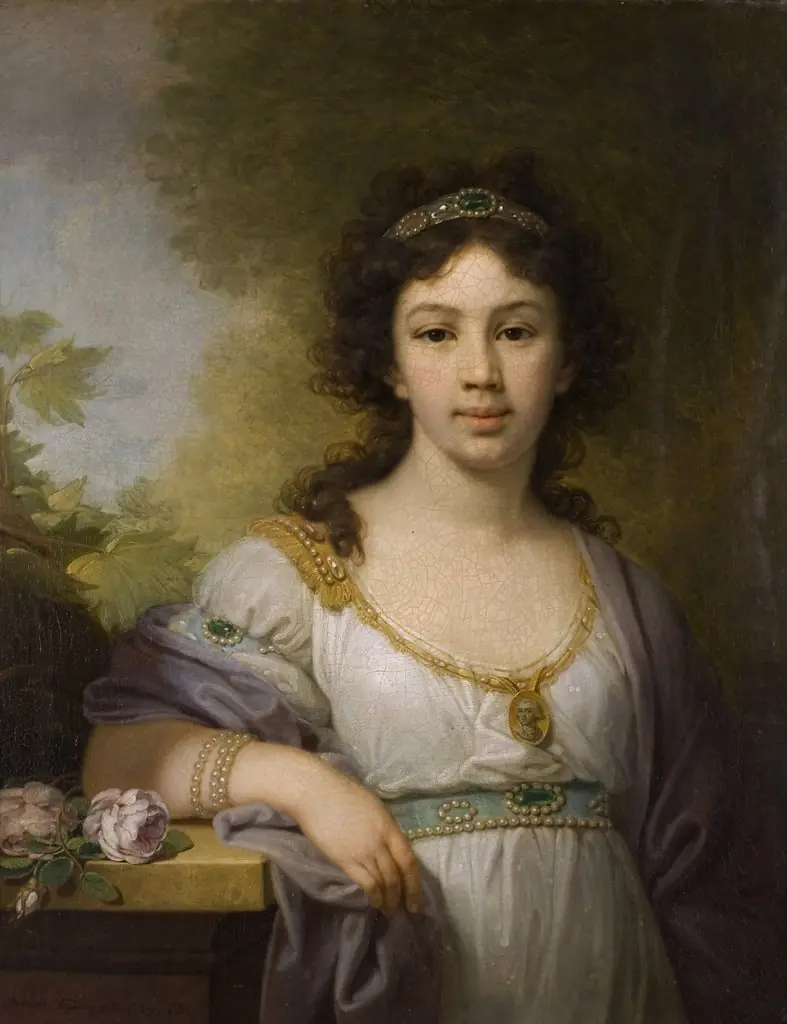
Porträt des Ekaterina Dolgorukaya is an oil painting by the Rococo painting artist Johann Baptist von Lampi the Elder. It dates from 1789 and is held in the collection of the Tretyakov Gallery.
About this work
Overview
The work is held in the Tretyakov Gallery in Moscow and reflects the refined portraiture favored at the Russian court during the late 18th century.
Painted in 1789 by Johann Baptist von Lampi the Elder, this oil portrait depicts Ekaterina Dolgorukaya, a Russian noblewoman. Lampi, an Austrian-Italian artist who settled in the Russian Empire after the Third Partition of Poland, was commissioned by Tsar Paul I. The work is held in the Tretyakov Gallery in Moscow and reflects the refined portraiture favored at the Russian court during the late 18th century.
Subject & Meaning
Ekaterina Dolgorukaya is portrayed in formal attire, her posture composed and gaze directed slightly to the side, conveying quiet dignity. The gold cup she holds may symbolize status or ceremonial role, while the floral wreath and rich sash suggest aristocratic identity. The neutral expression and restrained gestures align with ideals of noble composure, avoiding overt emotion in favor of dignified presence.
Technique & Style
Lampi employed oil paint with subtle gradations to render fabric textures and skin tones. The white dress contrasts with the muted brown background, drawing focus to the figure. Delicate highlights on the gold jewelry and floral crown add refinement, while soft shadows define volume without dramatic contrast. The style blends Rococo elegance with emerging Neoclassical restraint, typical of court portraiture in post-Enlightenment Russia.
History & Provenance
Lampi moved to Russia following the geopolitical shifts after the Third Partition of Poland and gained favor at the imperial court. This portrait was likely commissioned during the reign of Paul I, who valued artists who could convey aristocratic authority. The painting entered the Tretyakov Gallery’s collection in the 19th century, where it remains as part of its historical portrait holdings.
Context
In late 18th-century Russia, portraiture served as a tool for reinforcing social hierarchy and cultural alignment with European norms. Noblewomen like Dolgorukaya were depicted with symbols of refinement—fine textiles, jewelry, and classical motifs—to affirm their place within the imperial elite. Lampi’s work reflects this trend, bridging Western artistic traditions with Russian aristocratic identity.
Legacy
Lampi’s portraits, including this one, contributed to the development of Russian academic portraiture. Though not widely known outside specialist circles, his works helped establish visual conventions for depicting nobility during a period of cultural consolidation. The painting endures as a documented example of how foreign artists shaped Russian imperial imagery in the late Enlightenment era.
Artist & collection
Artist
Johann Baptist von Lampi the Elder
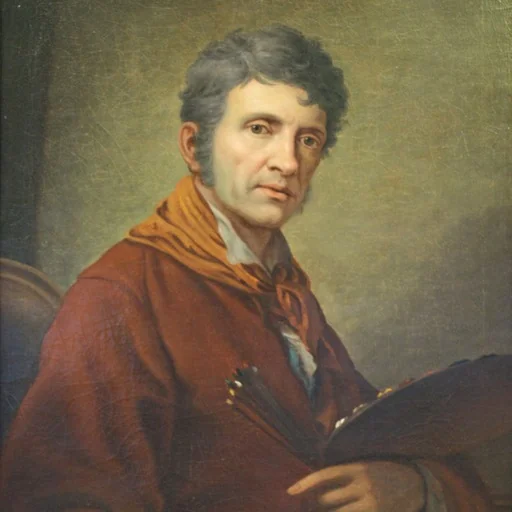
Johann Baptist von Lampi the Elder (German: Johann Baptist von Lampi der Ältere, Polish: Jan Chrzciciel Lampi; 31 December 1751 – 11 February 1830) was an Austrian-Italian historical and portrait painter.

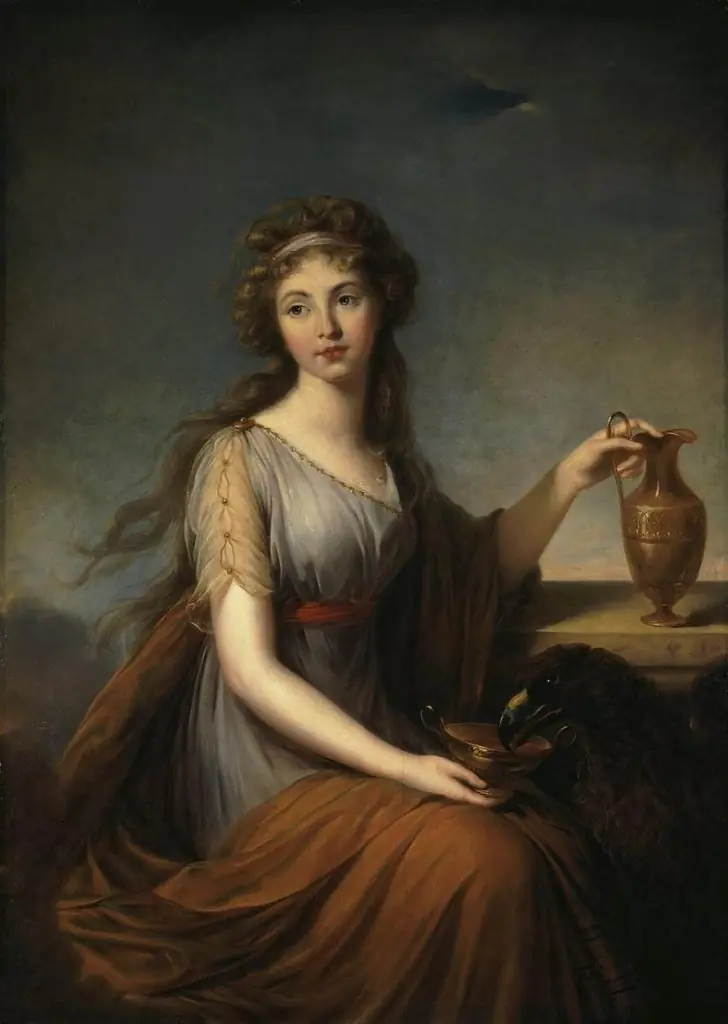 Portrait of Anna Pitt as Hebe
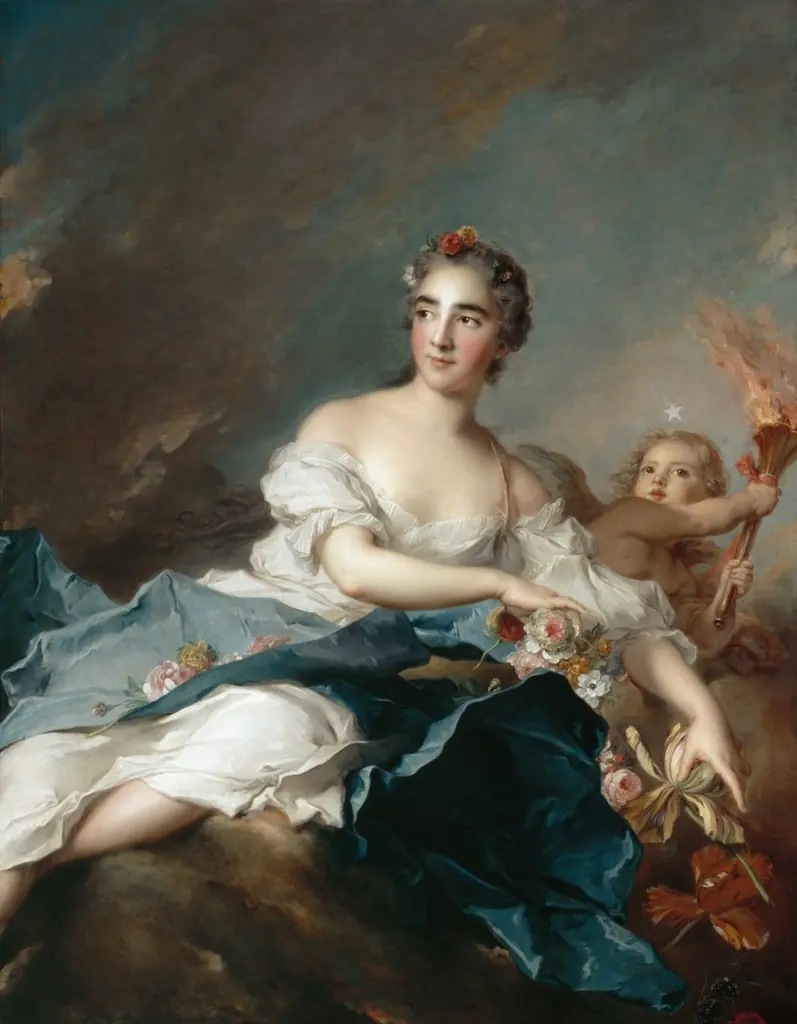 The Countess de Brac as Aurora
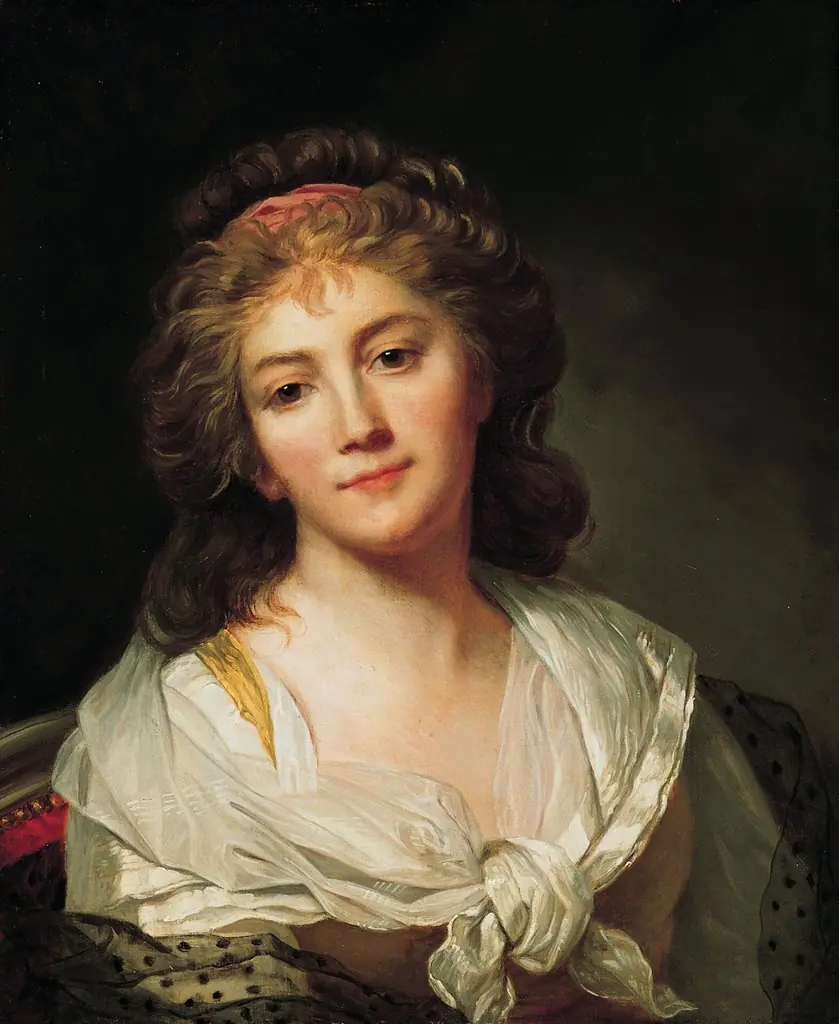 Self-portrait
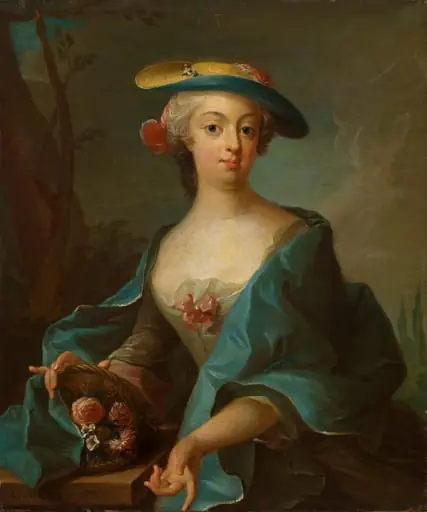 Naisen muotokuva
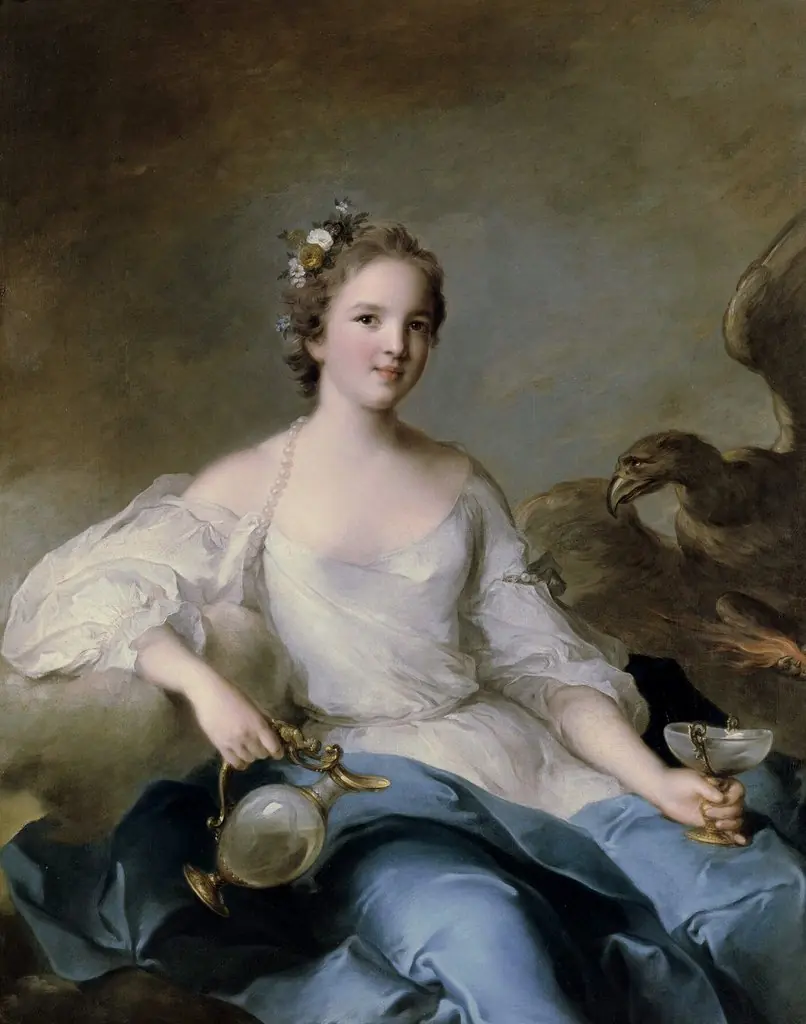 Portrait of Charlotte-Louise de Rohan-Guéméné, princesse de Masseran (1722-1786)
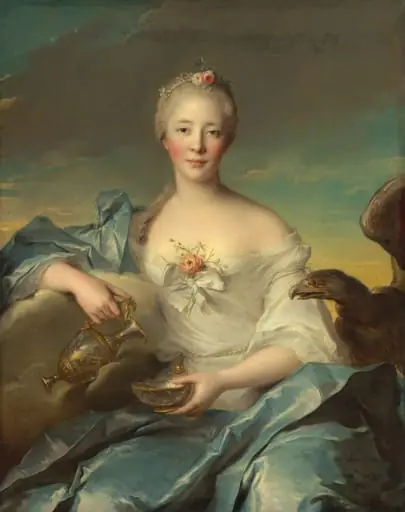 Madame Le Fèvre de Caumartin as Hebe
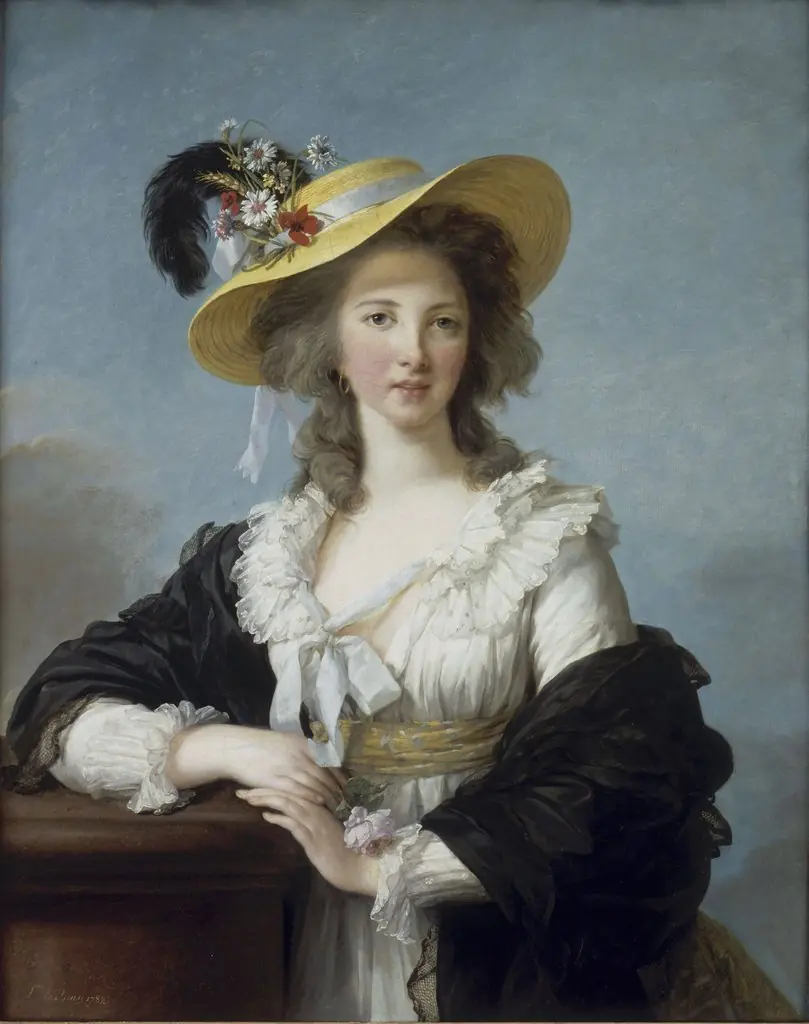 Yolande-Martine-Gabrielle de Polastron, Duchess de Polignac
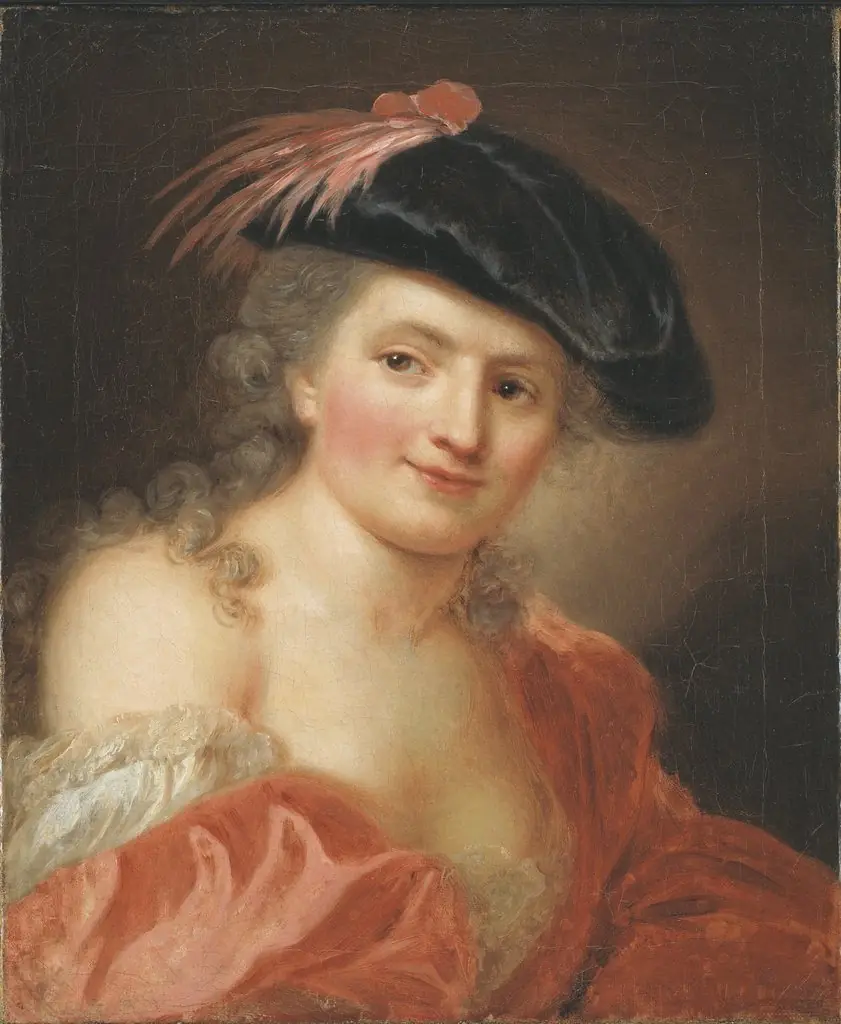 Self Portrait
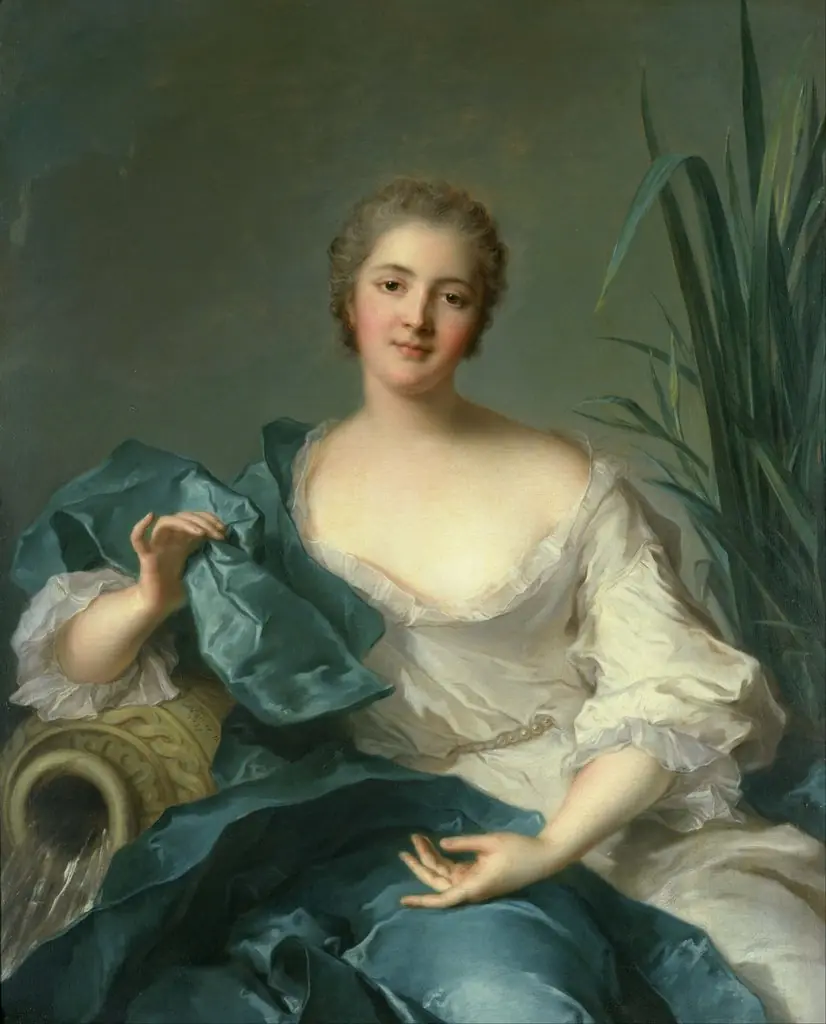 Portrait of Madame Marie-Henriette Berthelot de Pléneuf
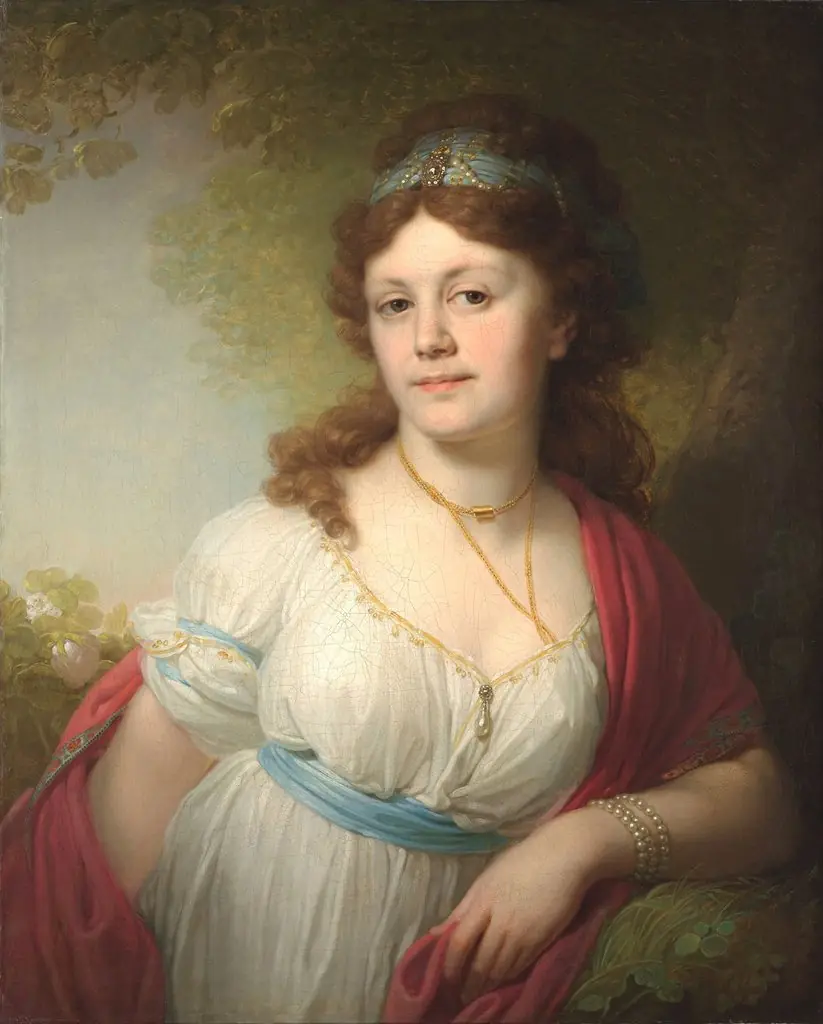 Porträt der Elizaveta Grigorevna Temkina (b.1775)
 Porträt der Varvara Shidlovskaya