Artwork
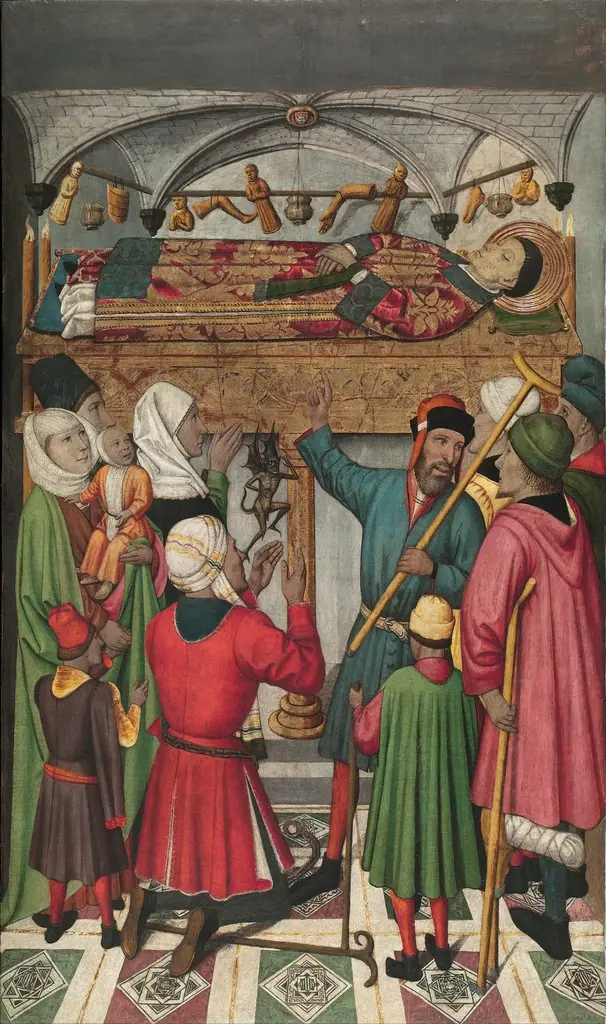
Saint Hippolyte cures the Leg of the Oxherd Peter
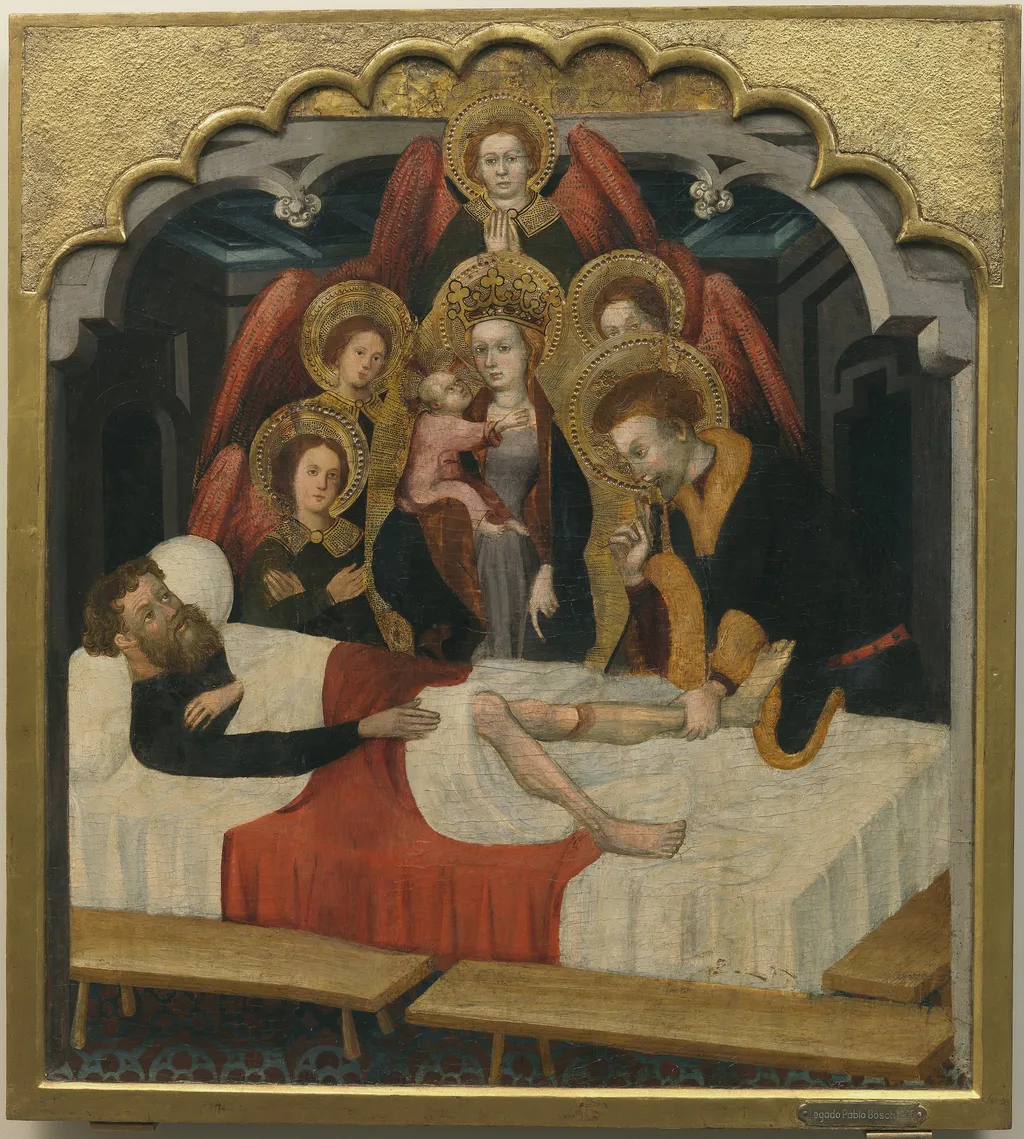
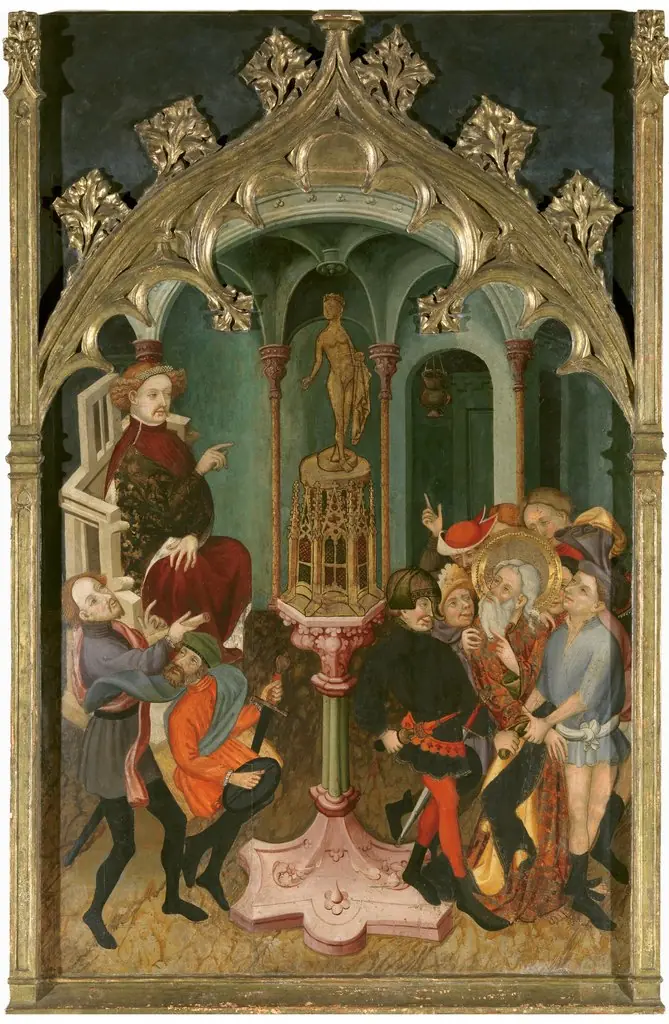
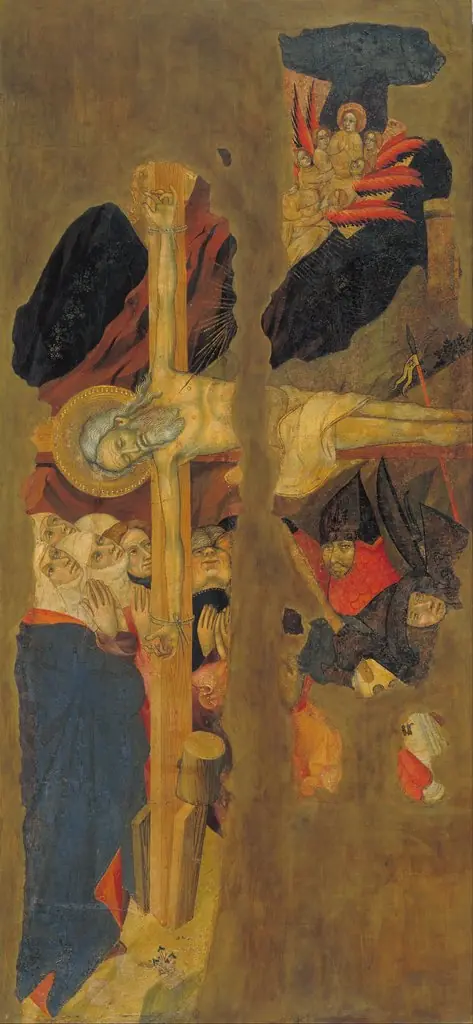
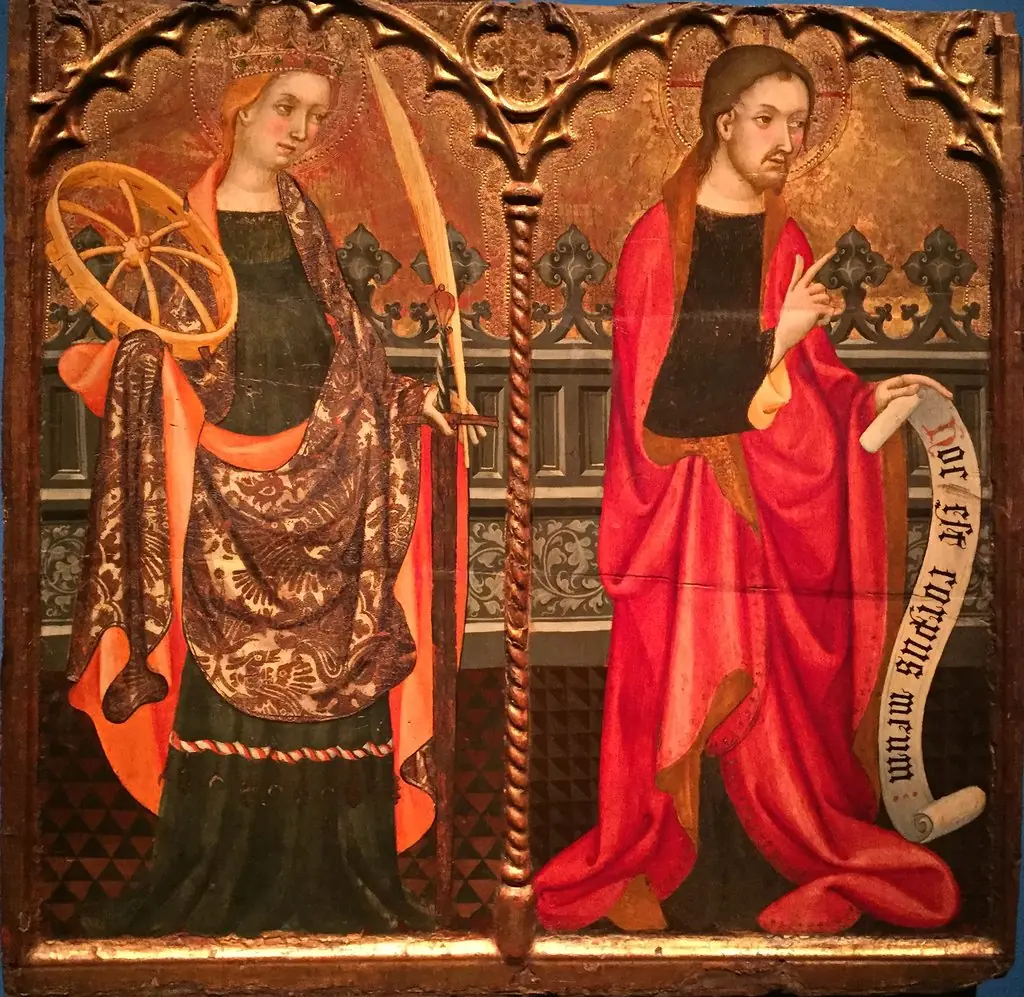
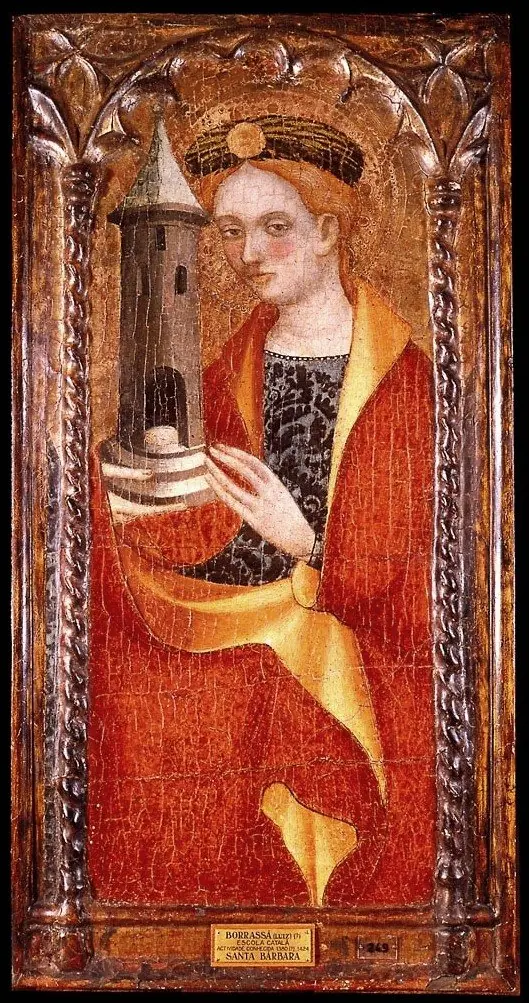
Saint Hippolyte cures the Leg of the Oxherd Peter is an unspecified painting by the Early Renaissance artist Lluís Borrassà. It dates from 1419 and is held in the collection of the Museo del Prado.
About this work
Overview
The painting 'Saint Hippolyte cures the Leg of the Oxherd Peter' is a work by Lluís Borrassà, created in 1419. It is an example of the International Gothic style, characteristic of the early Renaissance in Catalonia.
Subject & Meaning
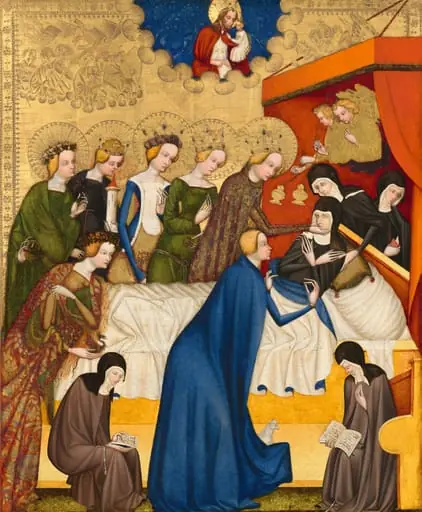
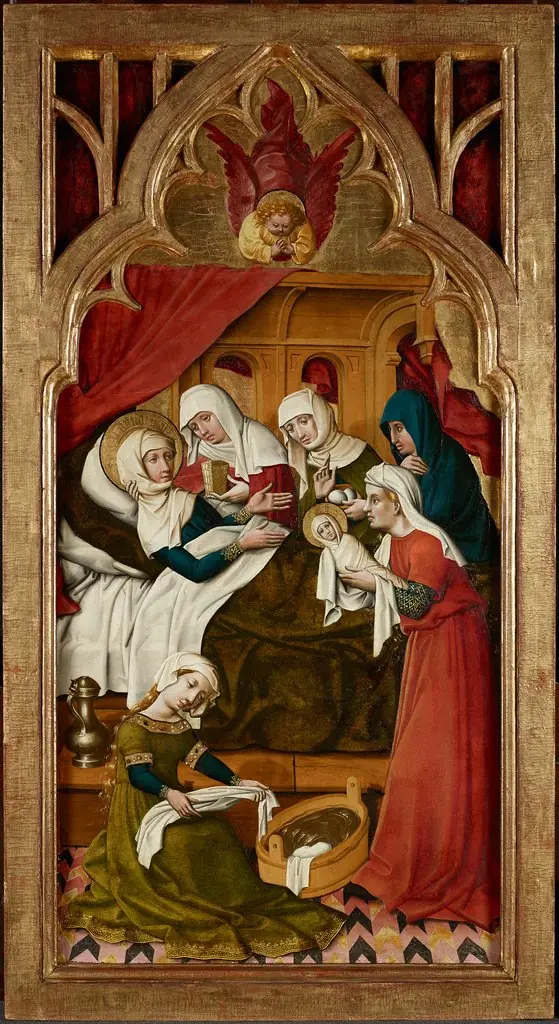
The scene depicted is a miracle attributed to Saint Hippolytus, a Christian martyr. However, the visual elements shown, including a woman with a baby and three angels, do not directly relate to the saint's known legend, suggesting a possible narrative specific to the artist's interpretation or local tradition.
Technique & Style
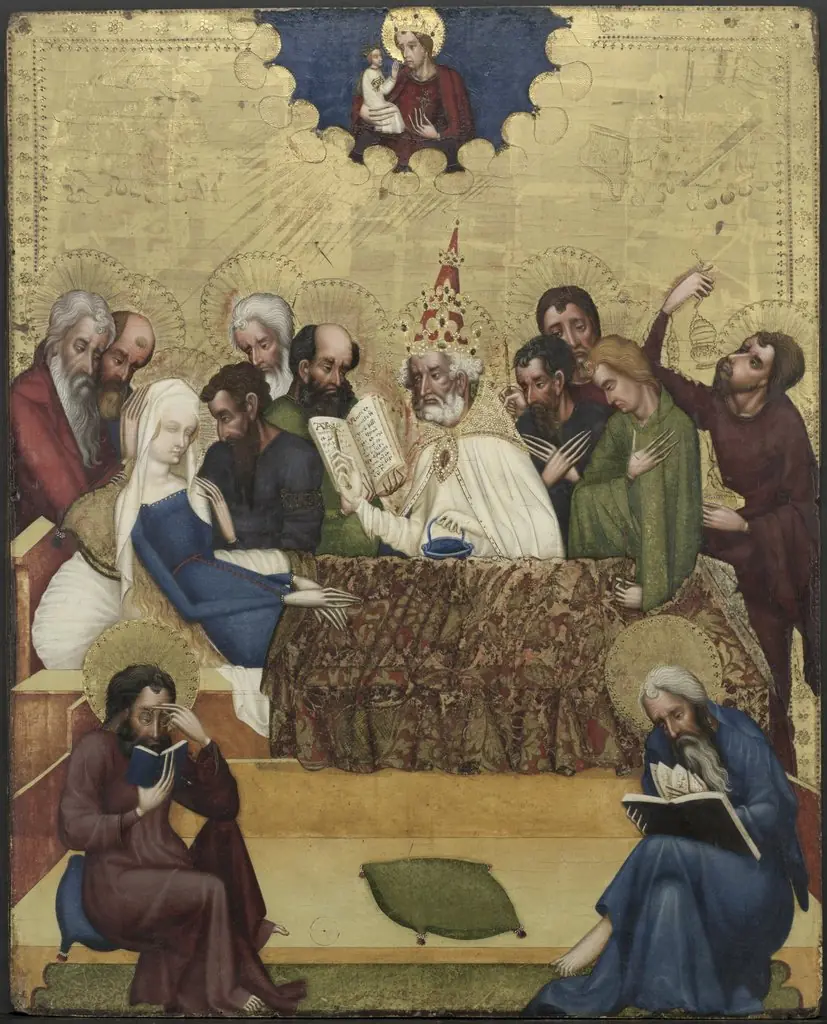
The painting features bright, flat colors and a gold background with a scalloped border, characteristic of the International Gothic style. The figures appear stiff and slightly off-balance, with a contrast between the naturalistic portrayal of the woman and the more stylized depiction of the angels.
History & Provenance
The painting is now housed at the Museo del Prado. It was produced during Borrassà's active period in the Crown of Aragon around the turn of the 15th century, reflecting his influence on Catalan art.
Artist & collection
Artist
Lluís Borrassà (c.1360, Girona? - c.1426, Barcelona?) was a Catalan painter. He was employed by the Crown of Aragon and is widely considered to have introduced the International Gothic painting style into the Principality of Catalonia.