Artwork
Crucifixion of Saint Andrew
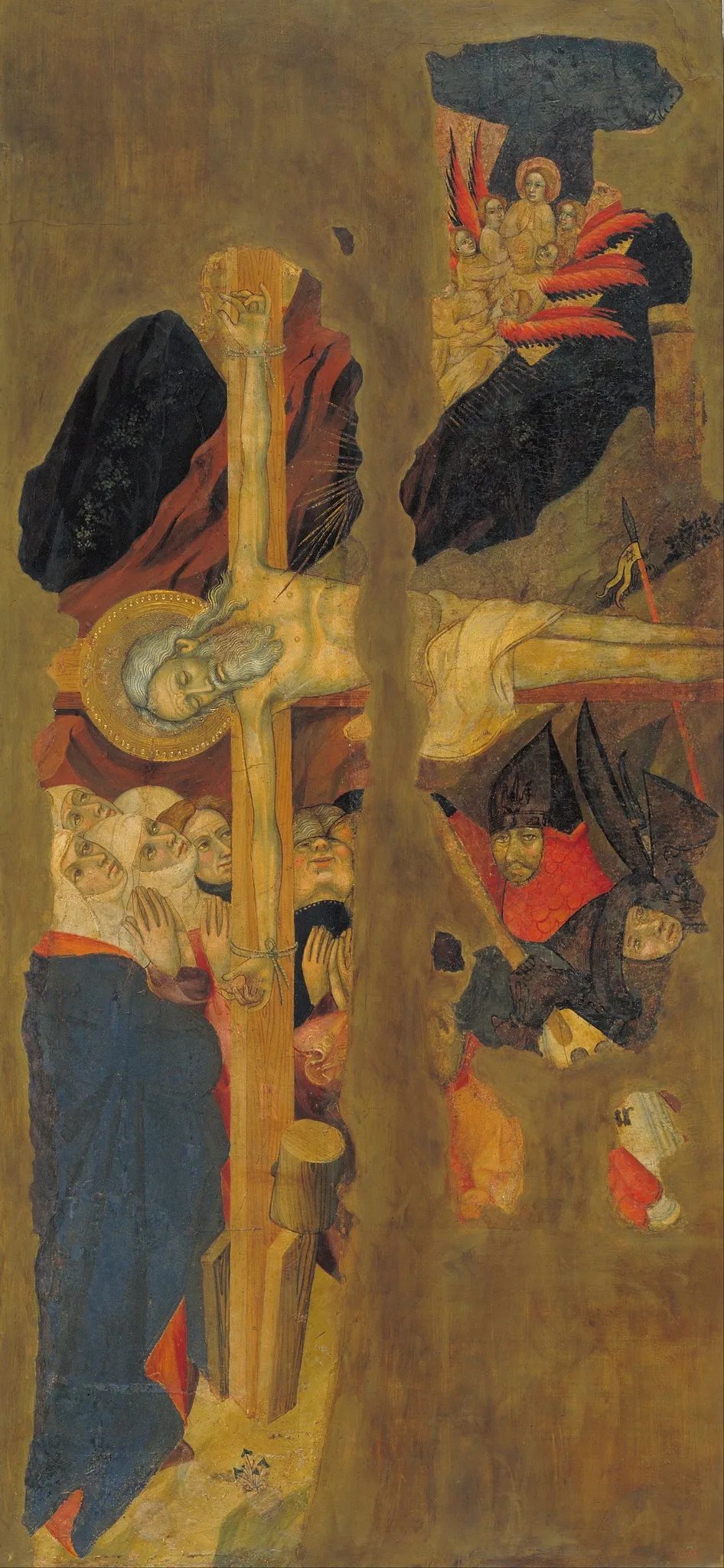
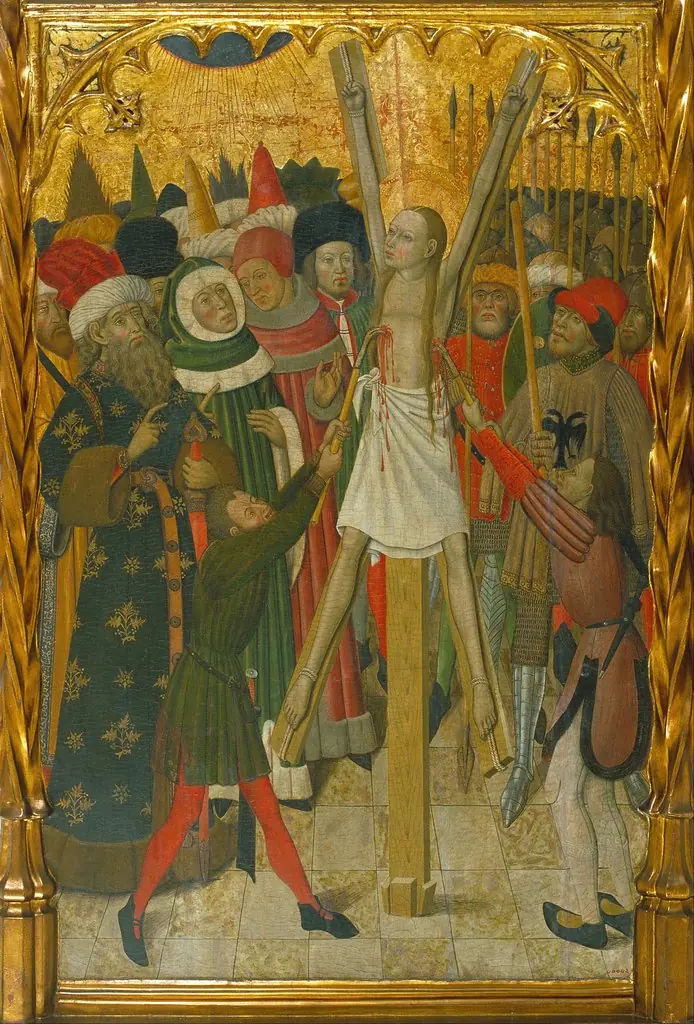
Crucifixion of Saint Andrew is an unspecified painting by the Early Renaissance artist Lluís Borrassà. It dates from 1407 and is held in the collection of the Museu Nacional d'Art de Catalunya.
About this work
Overview
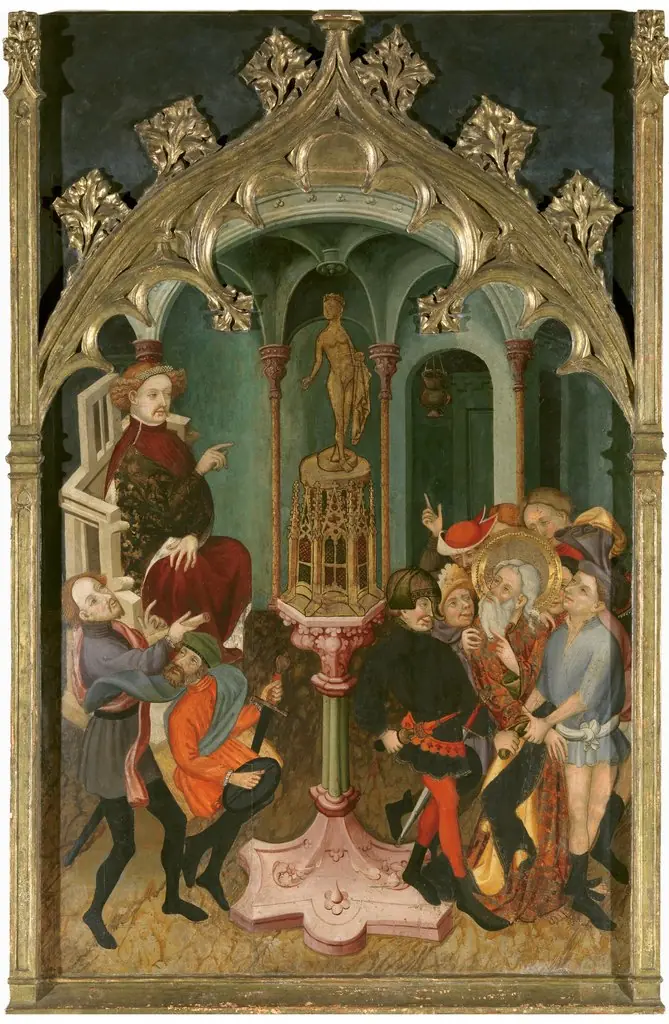
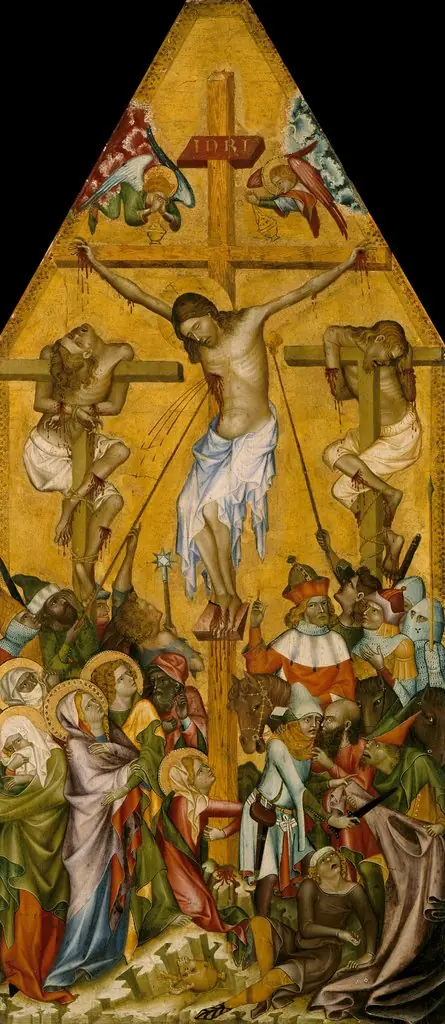
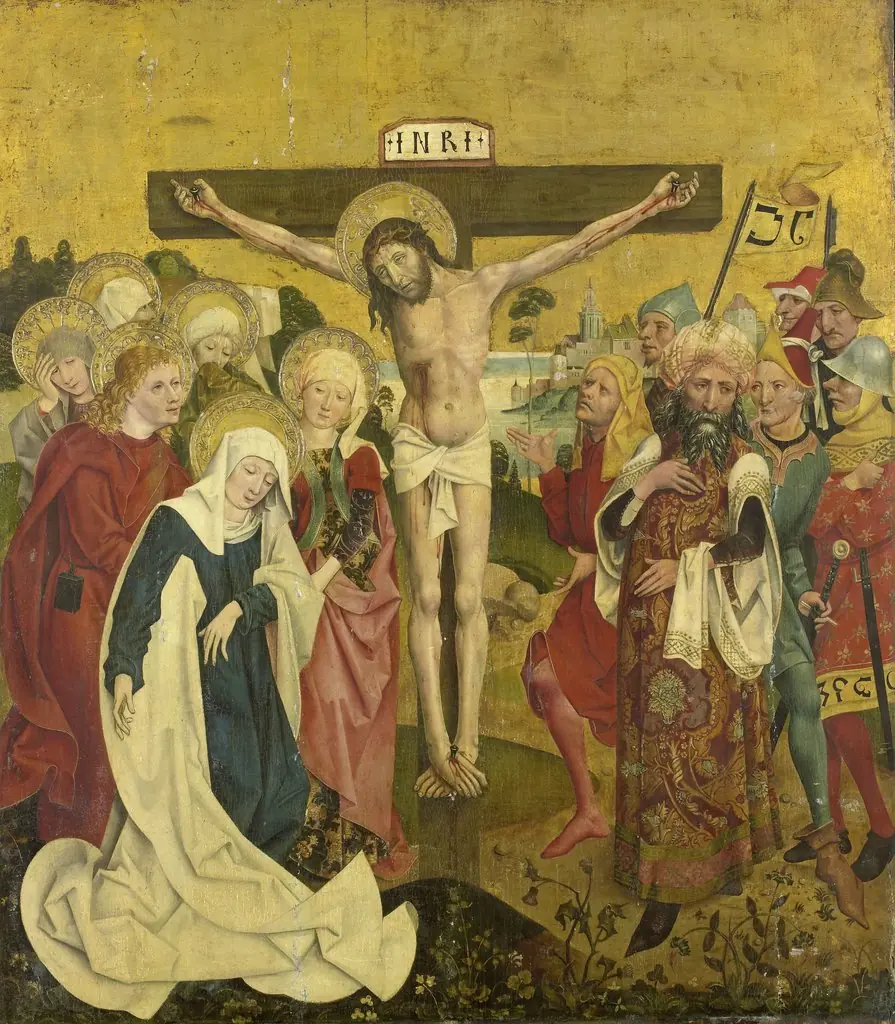
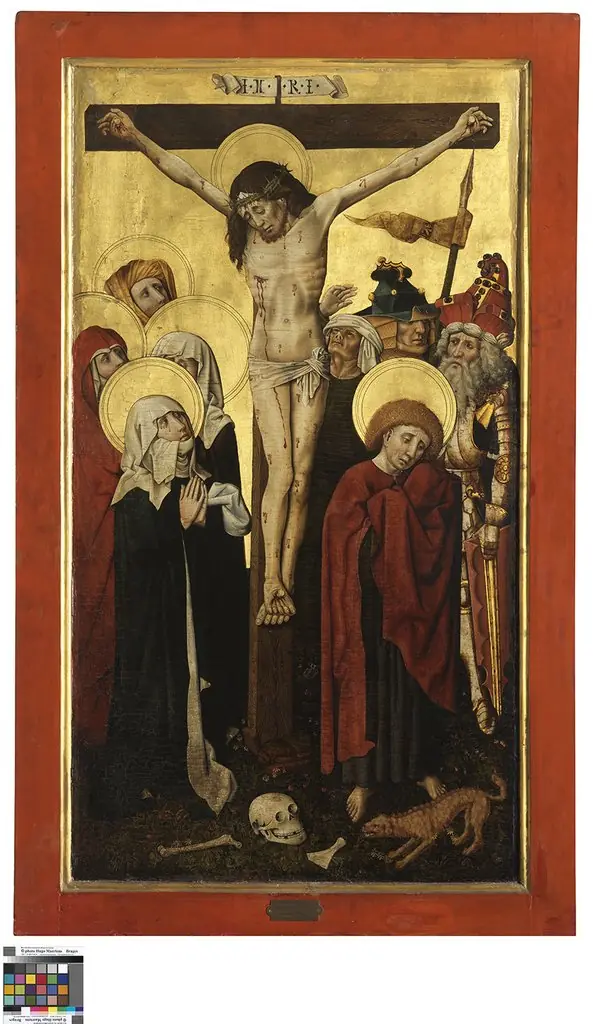
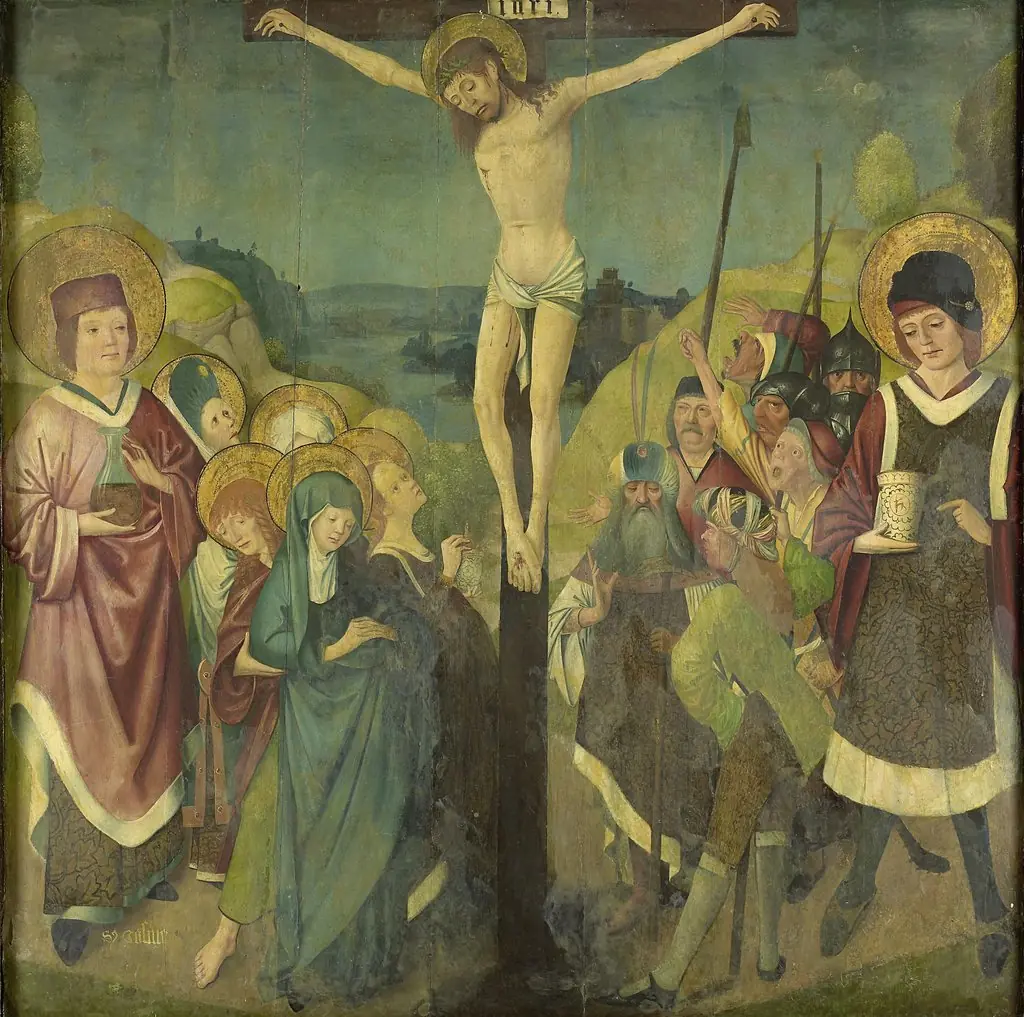
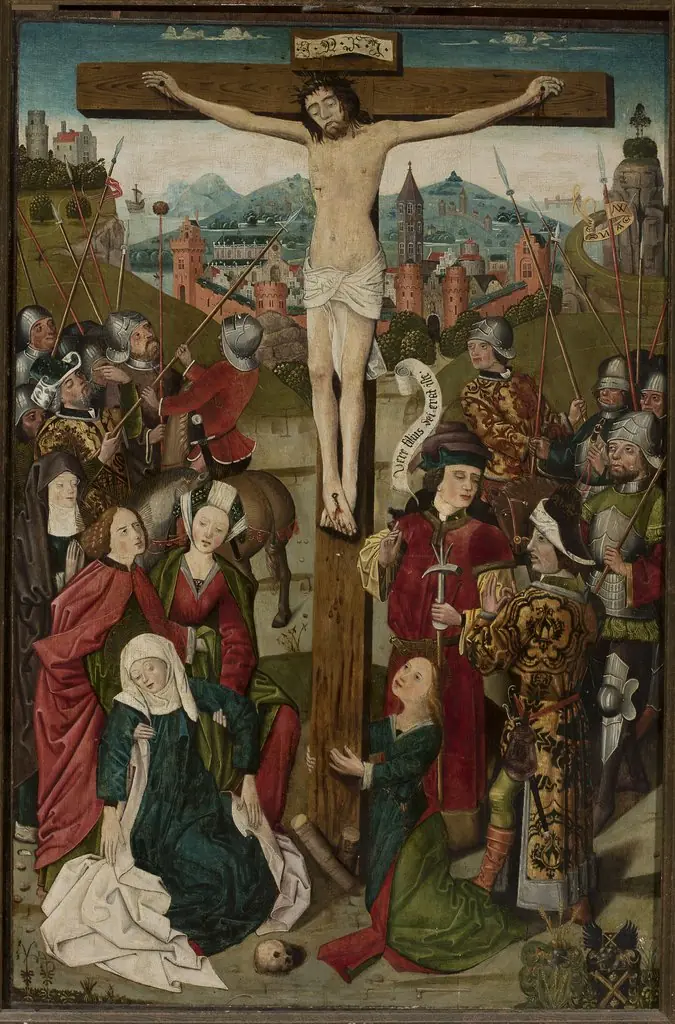
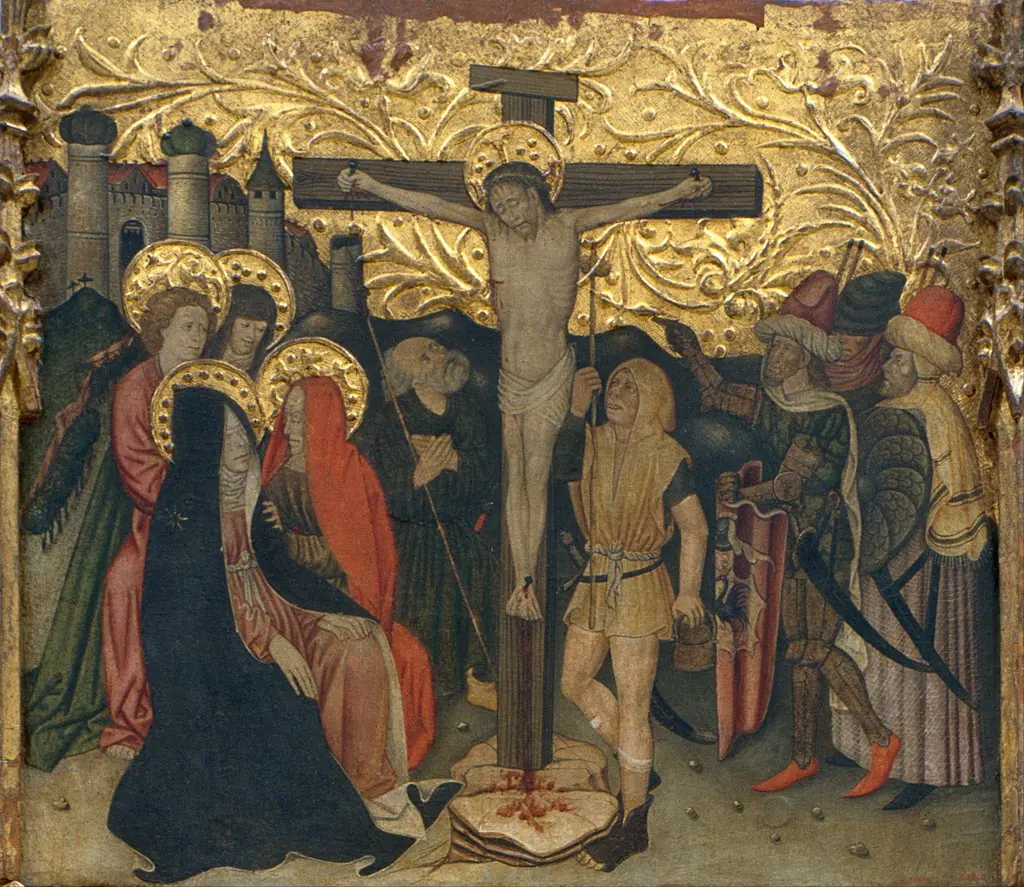
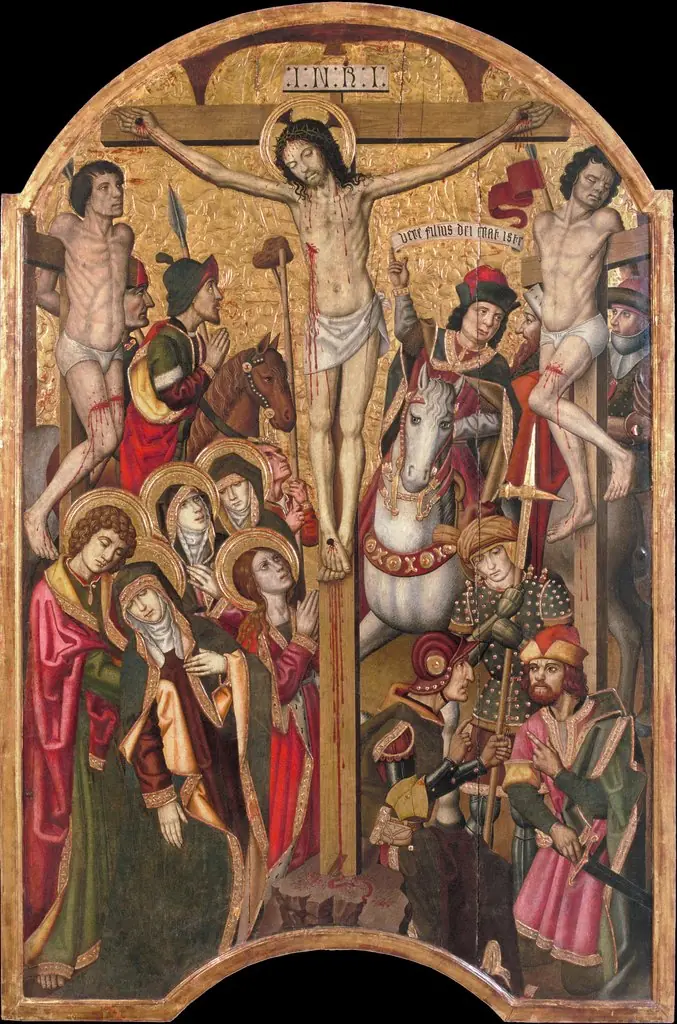
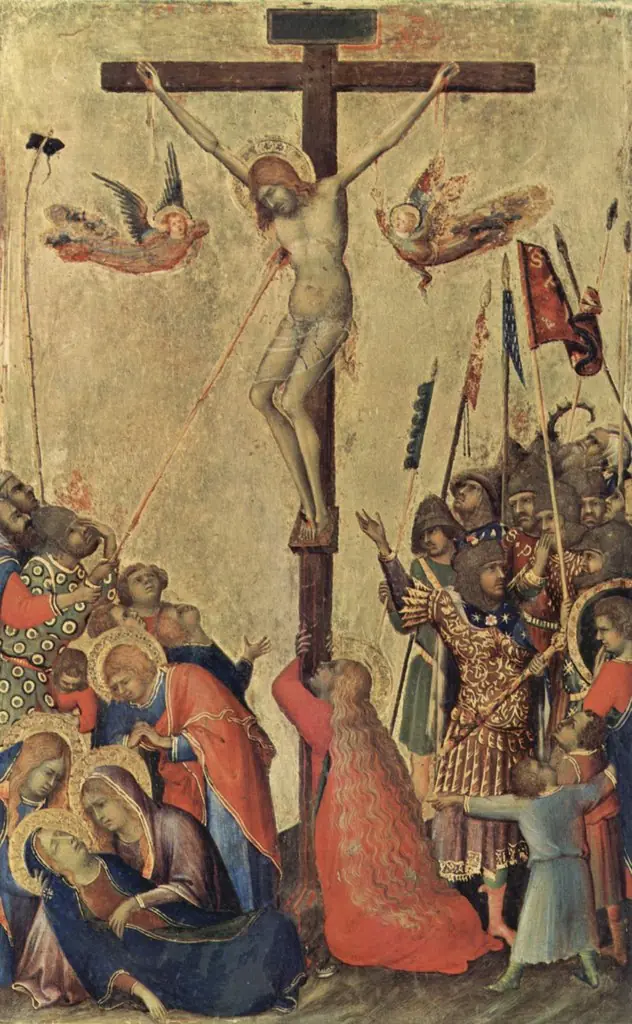
Crucifixion of Saint Andrew is a 1407 religious painting by Lluís Borrassà, a key figure in introducing the International Gothic style to Catalonia. The work depicts the martyrdom of Andrew the Apostle.
Subject & Meaning
The painting portrays Saint Andrew's crucifixion, emphasizing somberness and reverence. Saint Andrew is shown tied to a cross with outstretched arms and bent knees, surrounded by concerned onlookers in dark robes, set against a dark, ominous sky.
Technique & Style
Borrassà employed chiaroscuro to create depth and dimensionality, focusing the viewer's attention on the central figure. This technique contributes to the overall sense of solemnity.
History & Provenance
Created in 1407 for the Crown of Aragon, the painting is now part of the collection at the Museu Nacional d'Art de Catalunya.
Artist & collection
Artist
Lluís Borrassà (c.1360, Girona? - c.1426, Barcelona?) was a Catalan painter. He was employed by the Crown of Aragon and is widely considered to have introduced the International Gothic painting style into the Principality of Catalonia.