Artwork
John Sparrow, Mystic
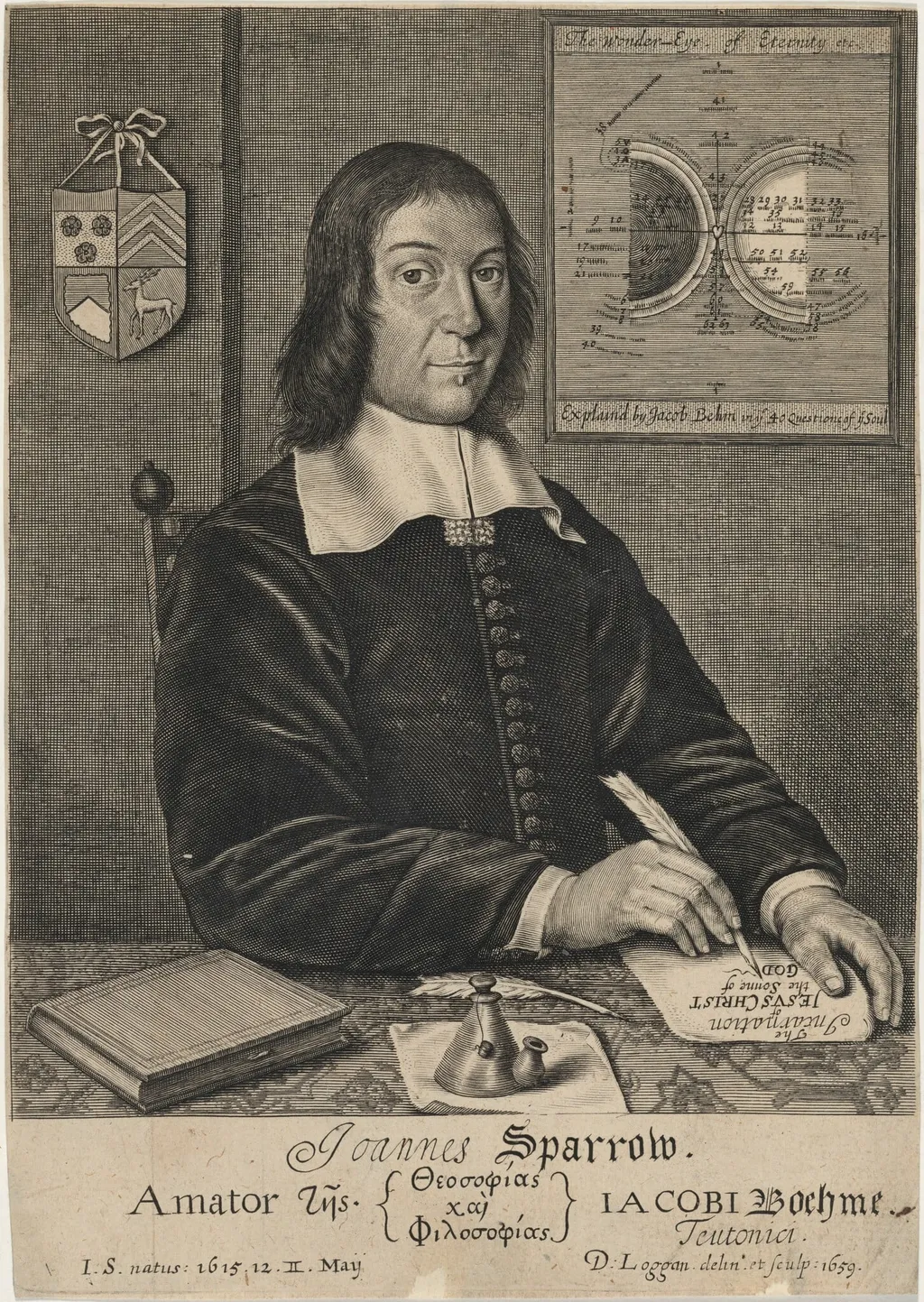
John Sparrow, Mystic is an ink print by the Baroque artist David Loggan. It dates from 1659 and is held in the collection of the National Gallery of Art.
About this work
Overview
David Loggan’s 1659 engraving titled John Sparrow, Mystic portrays a seated figure in a dark coat with a white collar, his hand resting on a stack of books. Behind him hangs a shield bearing enigmatic symbols, while to the right appear a diagram of an eye, musical notation, and a small head model containing a gear. The inscription beneath reads “Amator V.S. Theosophiae.”
Subject & Meaning
The composition combines scholarly and occult elements, suggesting the sitter’s engagement with both learned study and esoteric inquiry.
The composition combines scholarly and occult elements, suggesting the sitter’s engagement with both learned study and esoteric inquiry. The eye diagram, crossed out, evokes early attempts to reconcile observation with mysticism, while the gear within the head model alludes to mechanistic theories of cognition that predate modern neuroscience. The Latin phrase implies a lover of divine wisdom, reinforcing the intellectual‑spiritual duality.
Technique & Style
Executed as a copper engraving, Loggan employed fine line work to render textures—from the sheen of the coat to the intricate symbols on the shield. Cross‑hatching creates depth in the shadows, while stippling defines the delicate details of the musical notes and mechanical head. The monochrome palette emphasizes contrast, a common trait in mid‑seventeenth‑century printmaking.
History & Provenance
Created in 1659, the print is attributed to Loggan, a noted engraver active in England and the Netherlands. It appears in several 17th‑century collections of portrait prints, though the identity of John Sparrow remains uncertain beyond the title. The work has circulated in academic libraries and museum print rooms, reflecting its interest to scholars of early scientific illustration.
Context
The engraving emerges during a period when natural philosophy, alchemy, and emerging scientific methods intersected. Visual motifs such as the eye diagram and internal gear echo contemporary interests in optics, anatomy, and the mechanistic view of the body championed by figures like René Descartes. Loggan’s inclusion of musical symbols further situates the piece within the broader Renaissance notion of the harmony of the spheres.
Artist & collection

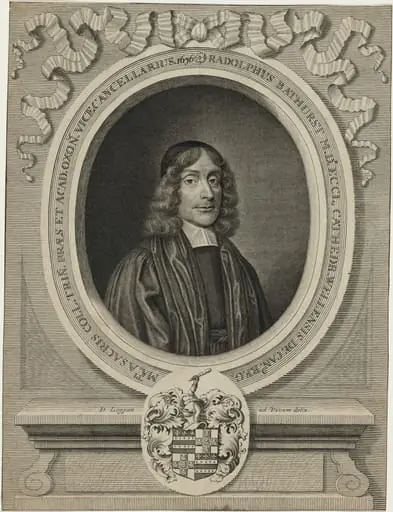
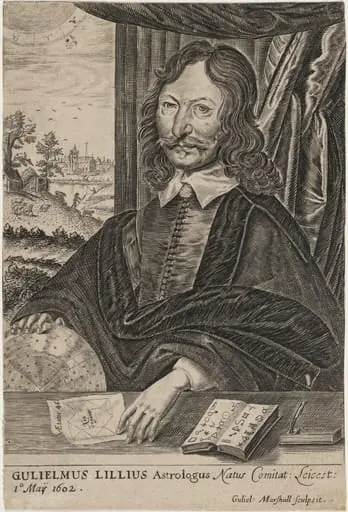 William Lilly, Astrologer
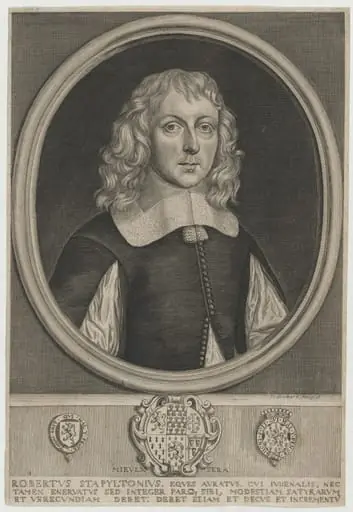 Sir Robert Stapylton, Dramatic Poet and Translator
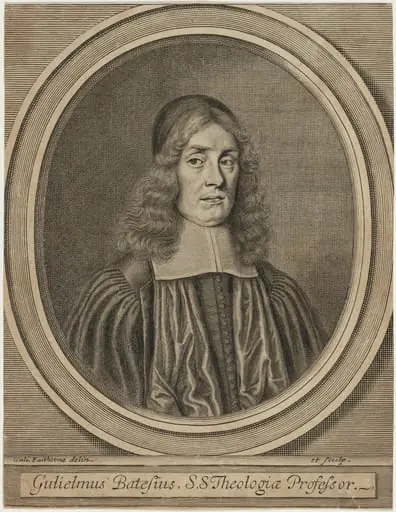 William Bates, D.D.
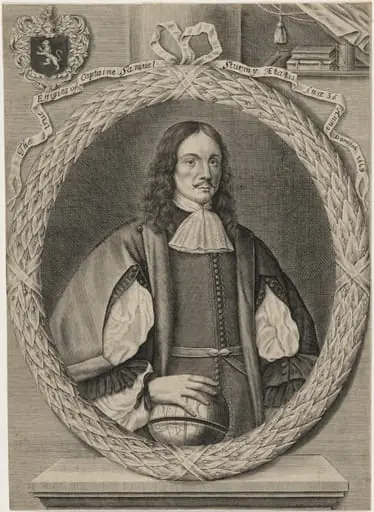 Captain Samuel Sturmy, Navigator
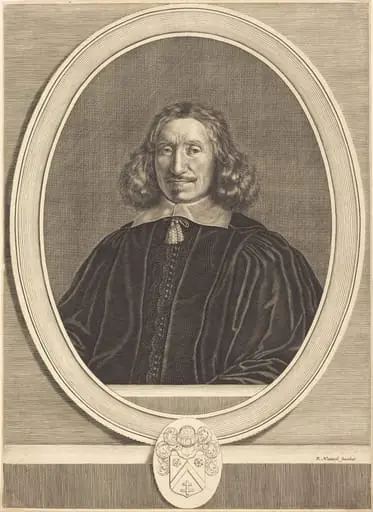 Michel Larcher
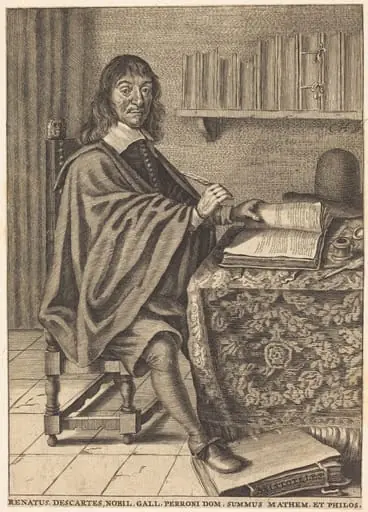 René Descartes
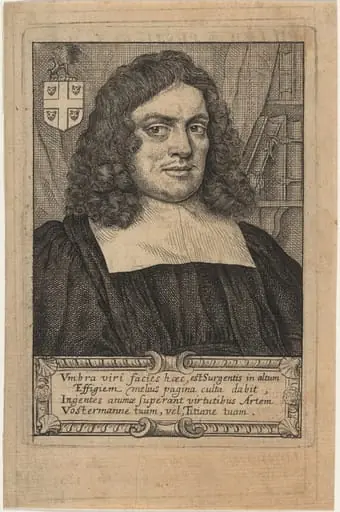 Richard Kingston, Political Pamphleteer, Chaplain to Charles I
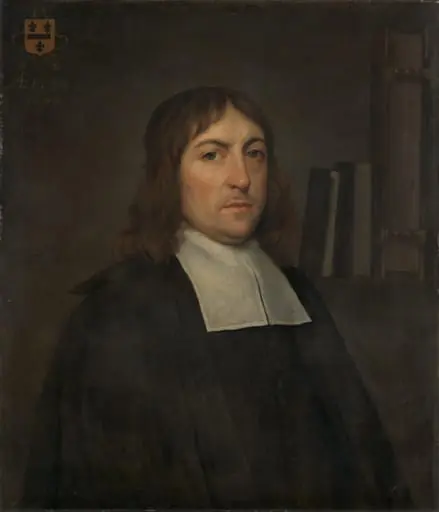 Portrait of Barend Hakvoort (1652-1735)
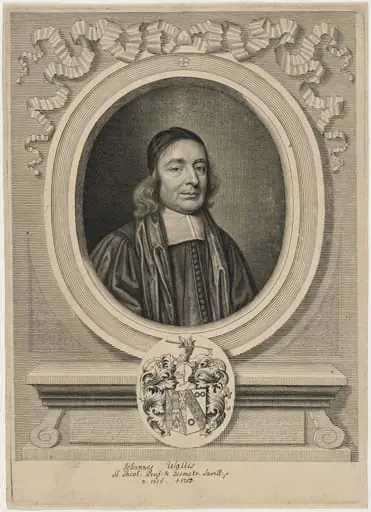 John Wallis, Mathematician
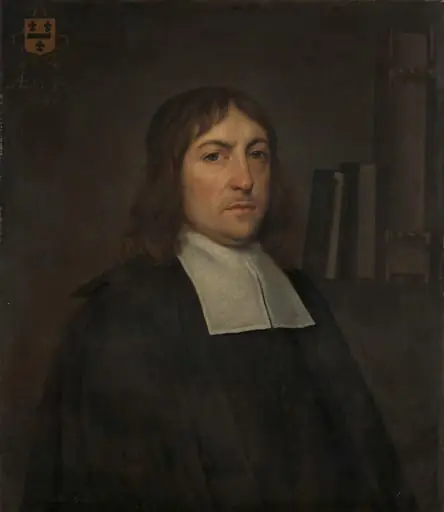 Portrait of Barend Hakvoort (1652-1735)
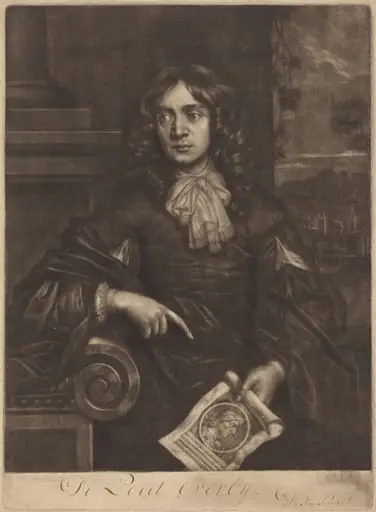 Thomas Flatman
 James Cooke