Artwork
Thomas Fuller, Divine and Historian
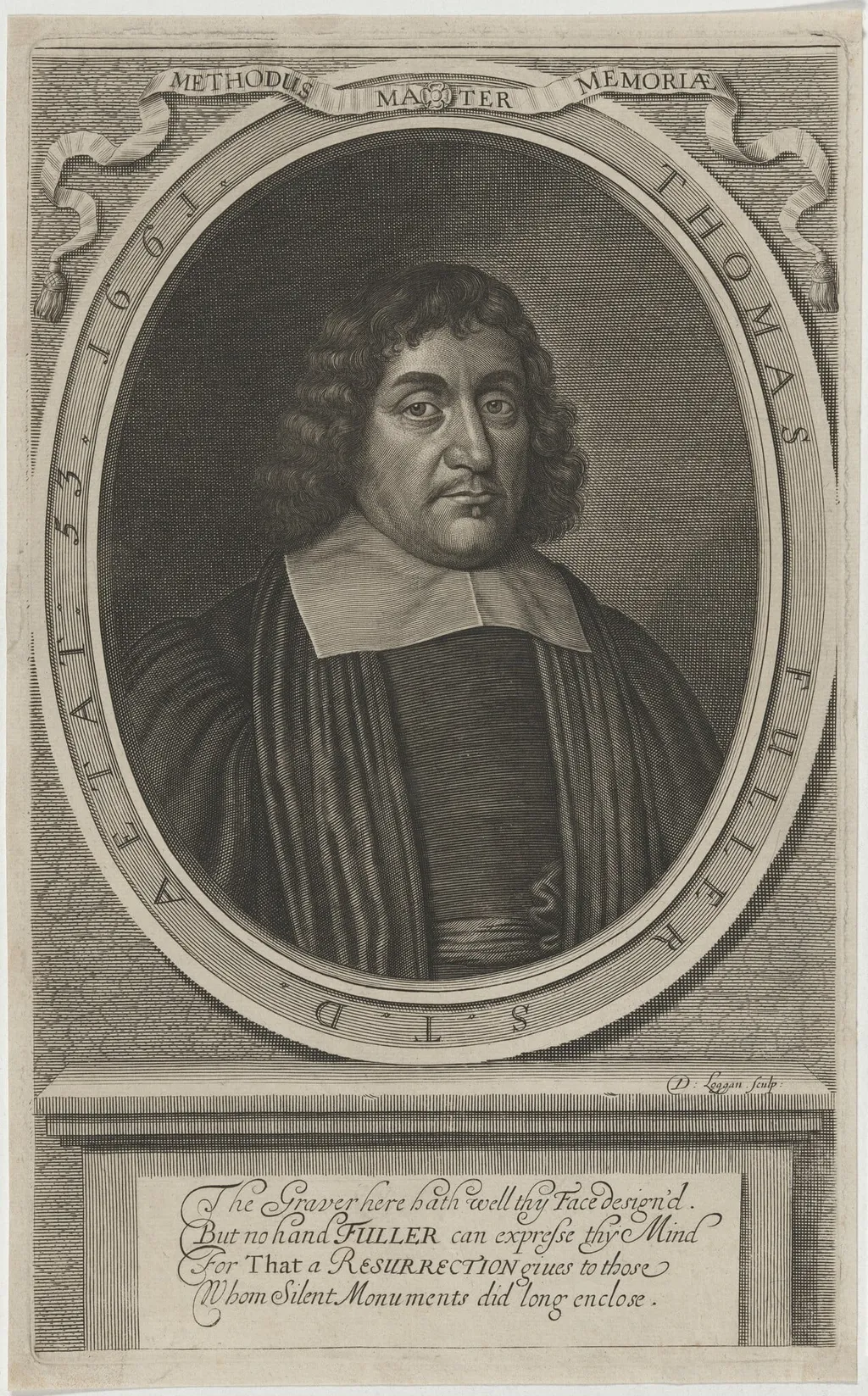
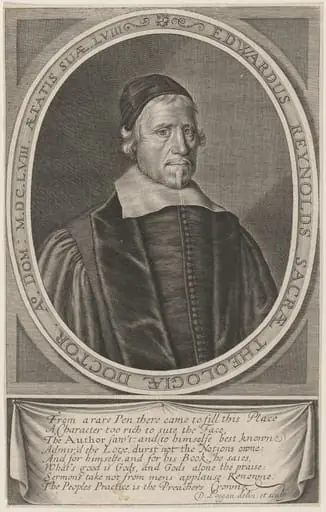
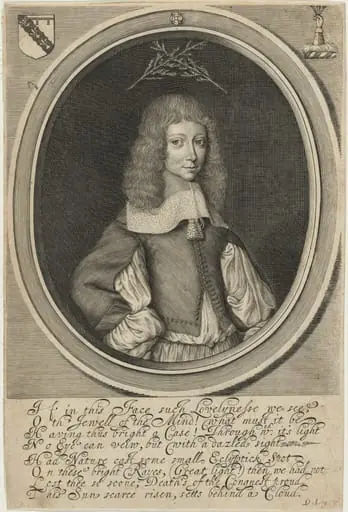
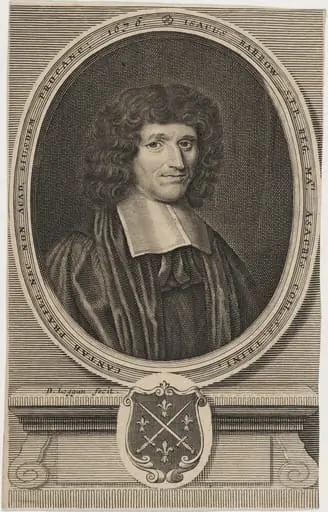
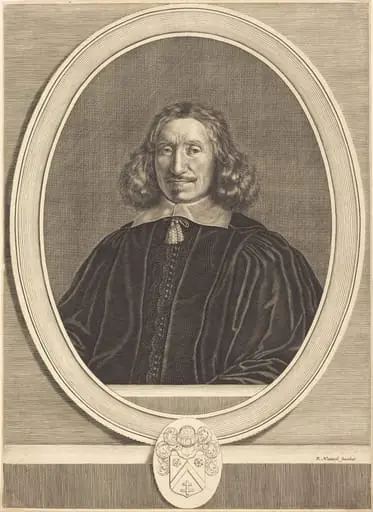
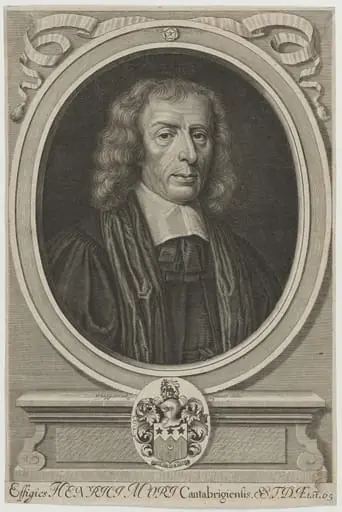
Thomas Fuller, Divine and Historian is an ink print by the Baroque artist David Loggan. It dates from 1661 and is held in the collection of the National Gallery of Art.
About this work
Overview
Latin inscriptions and decorative flourishes frame the portrait, reinforcing Fuller’s scholarly status and the print’s function as a commemorative artifact.
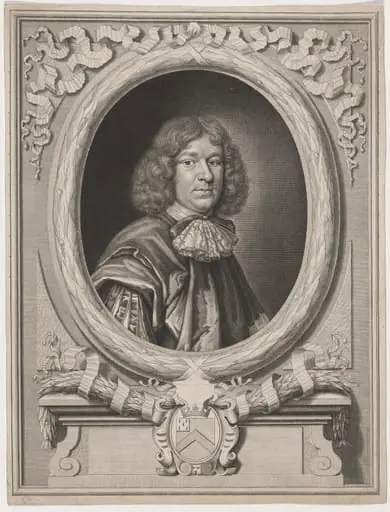
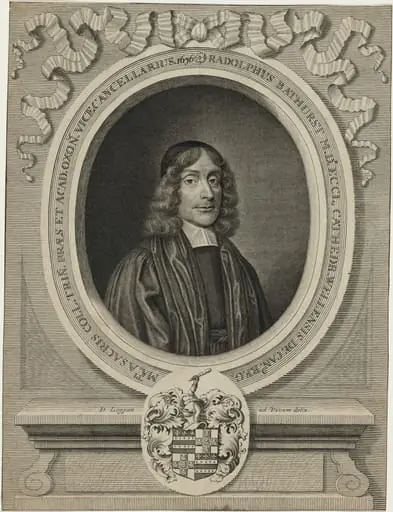
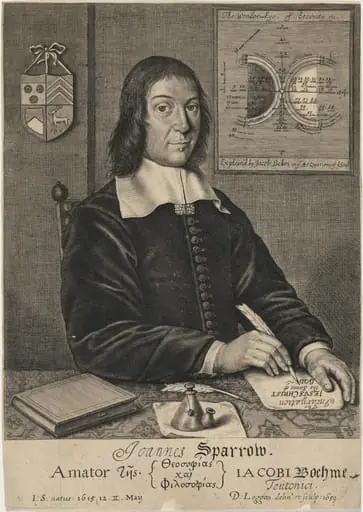
This 1661 engraving by David Loggan depicts Thomas Fuller, an English clergyman and historian, in formal ecclesiastical attire. Rendered in monochrome, the portrait emphasizes his dignified bearing through precise linework. The composition centers the figure against a neutral background, with an ornate border encircling the image. Latin inscriptions and decorative flourishes frame the portrait, reinforcing Fuller’s scholarly status and the print’s function as a commemorative artifact.
Subject & Meaning
Thomas Fuller was a respected theologian and author known for his historical writings and sermons. The engraving captures him with a stern, contemplative expression, reflecting his intellectual reputation. The Latin text along the border alludes to his scholarly achievements, while the bottom inscription subtly contrasts his physical likeness with the perceived depth of his mind—suggesting the difficulty of conveying inner thought through image alone.
Technique & Style
Loggan employed fine-line engraving on copper to achieve detailed textures in Fuller’s hair, beard, and lace collar. The contrast between the sharply defined face and the elaborate, swirling border highlights the artist’s technical precision. The border’s ornamental Latin phrases, typical of 17th-century portraiture, serve both decorative and honorific purposes, aligning the subject with classical traditions of learning and virtue.
History & Provenance
Created in 1661, the engraving was likely produced to accompany Fuller’s published works or as a standalone tribute following his growing reputation. It was part of Loggan’s series of scholarly portraits, commissioned to document prominent figures of the era. The print circulated among academic and ecclesiastical circles, preserving Fuller’s image for later generations and reflecting the period’s interest in documenting intellectual life.
Context
In post-Restoration England, portraiture of clergy and scholars served to affirm social and intellectual hierarchies. Loggan’s work aligned with a broader trend of using engraved portraits to memorialize learned men. The inclusion of Latin inscriptions and classical motifs reflected the era’s reverence for humanist traditions, positioning Fuller not merely as a religious figure but as a keeper of historical and moral knowledge.
Legacy
Loggan’s engraving of Fuller remains one of the most recognizable images of the 17th-century English clergy. It contributed to the visual record of early modern intellectual life and influenced later portraiture of scholars. The print’s survival in institutional collections underscores its role as a historical document, offering insight into how learning and authority were visually constructed during the Restoration period.
Artist & collection