Artwork
William Lilly, Astrologer
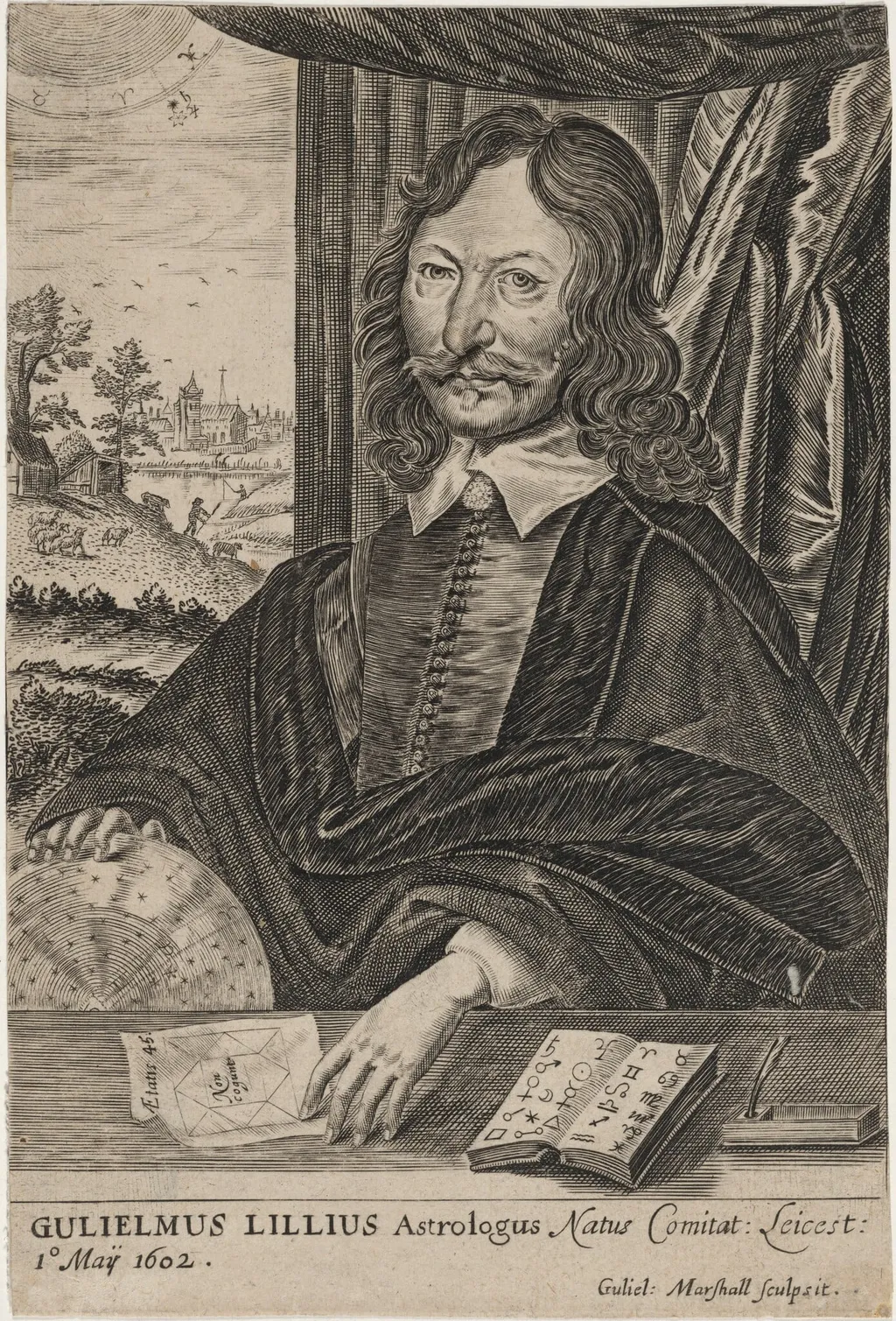
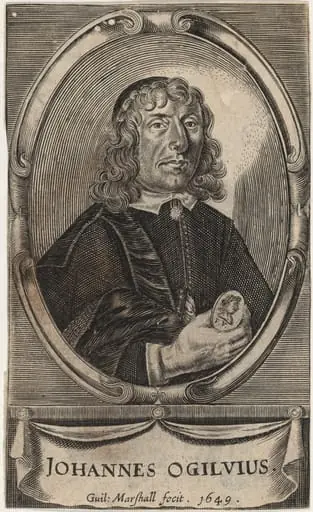
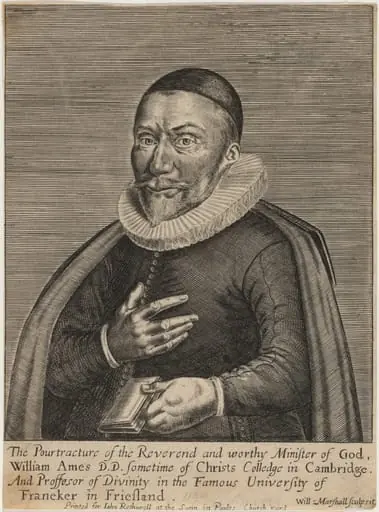
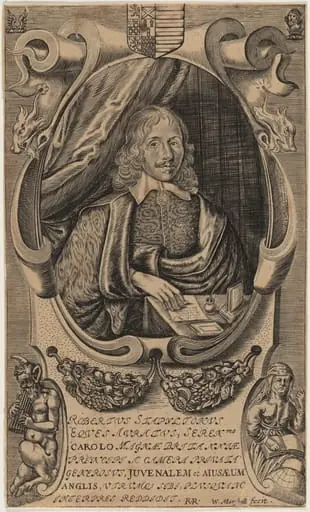
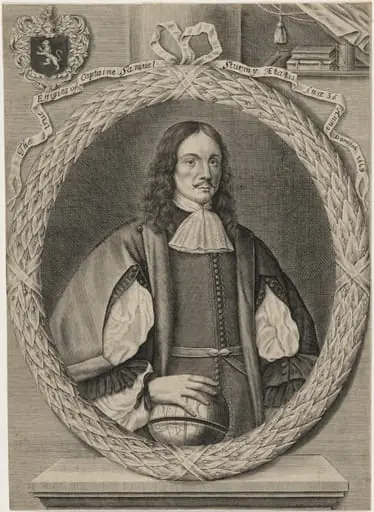
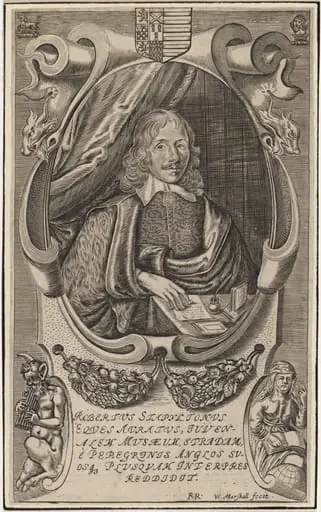
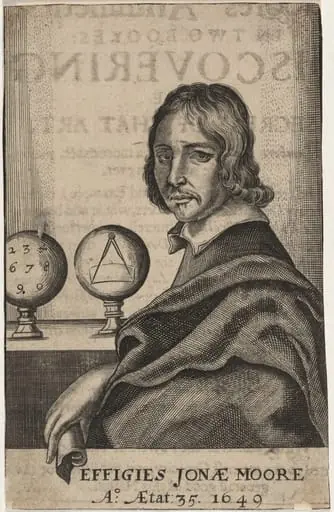
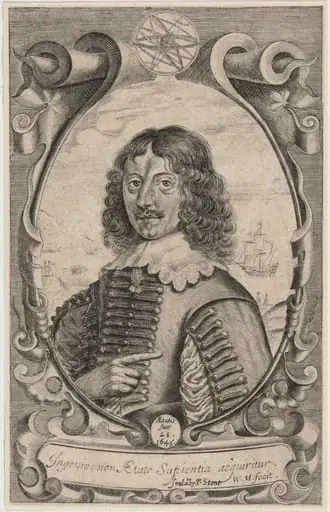
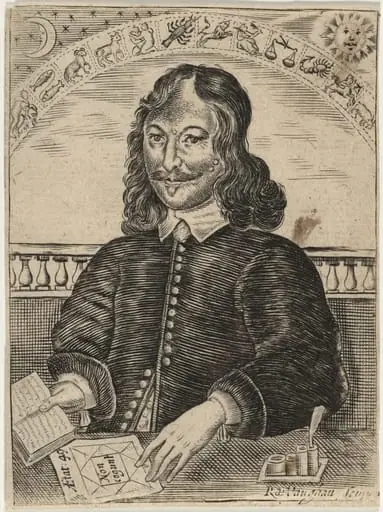
William Lilly, Astrologer is an ink print by the Renaissance artist William Marshall. It dates from 1623 and is held in the collection of the National Gallery of Art. The print is a black‑and‑white engraving depicting the 17th‑century English astrologer William Lilly.
About this work
He’s dressed in a high-collar shirt, holding a book and a piece of paper with sketches.
This is a black-and-white portrait of a man with a long beard and curly hair. He’s dressed in a high-collar shirt, holding a book and a piece of paper with sketches. Behind him, a small landscape shows trees, a church, and people working in a field.
The name at the bottom reads *Gulielmus Lillius*, but the artist’s name is *Marshall*. The date 1602 is also listed, though the man’s face looks older than that.
Next, look up engraving to see how artists like Marshall created such detailed prints.
Overview
The print is a black‑and‑white engraving depicting the 17th‑century English astrologer William Lilly. Executed by the printmaker William Marshall, the image presents Lilly in a scholarly pose, holding a book and a sheet of paper, set against a modest landscape that includes trees, a church and figures working in a field.
Subject & Meaning
Lilly is shown with a full beard and curly hair, dressed in a high‑collared shirt that signals his learned status. The inclusion of a book and sketches suggests his work in astrology and the calculation of celestial charts, while the background landscape may allude to the earthly realm he sought to interpret through the heavens.
Technique & Style
Marshall employed the intaglio engraving process, incising fine lines into a copper plate to achieve detailed textures in the figure’s facial features, clothing, and the surrounding scenery. The contrast of dense cross‑hatching with lighter areas creates depth, a hallmark of early 17th‑century English portrait prints.
History & Provenance
The plate bears the inscription *Gulielmus Lillius* and the date 1602, though stylistic analysis and the artist’s own dating place its production around 1623. The work likely circulated among scholarly circles, serving both as a portrait and as a visual endorsement of Lilly’s reputation as a leading astrologer of his time.
Context
Printed during a period when astrology held considerable influence in England, the portrait reflects the era’s intertwining of scientific inquiry and occult practice. Engravings such as this were common means of disseminating the likenesses of notable intellectuals to a broader public.
Legacy
The image remains a valuable visual record of William Lilly, whose astrological almanacs were widely read. As an example of Marshall’s engraving skill, it contributes to the understanding of early modern print culture and the visual representation of learned figures.
Artist & collection