Artwork
Guy Little Theatrical Photograph
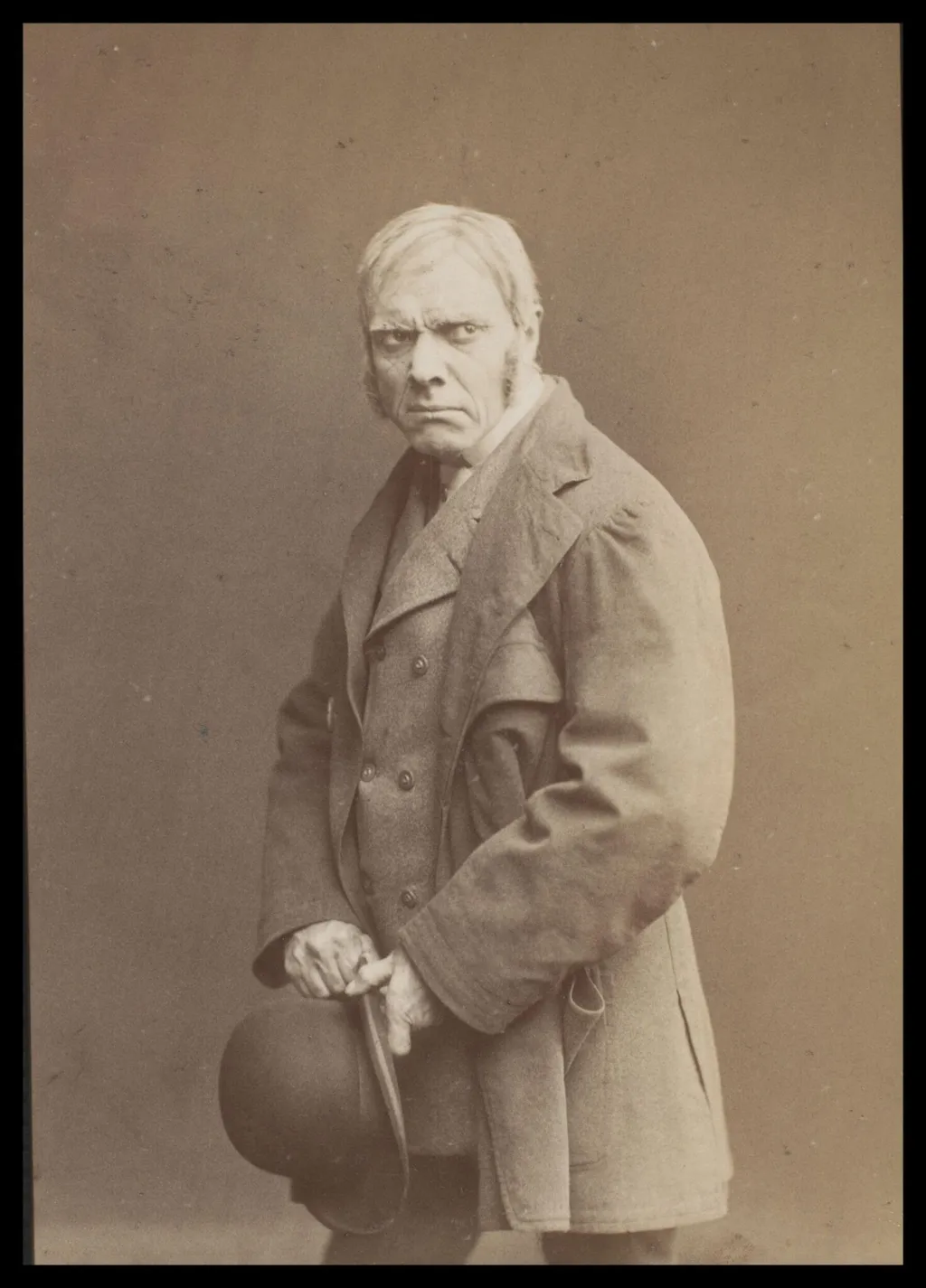
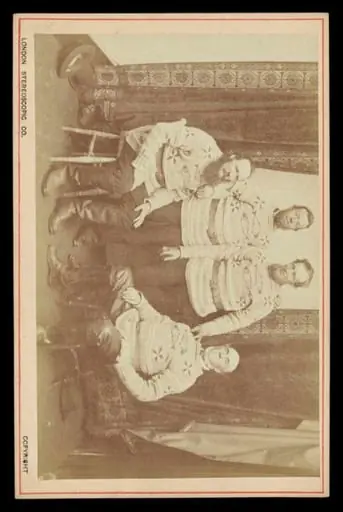
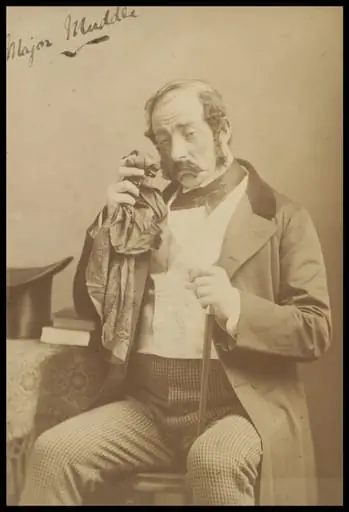
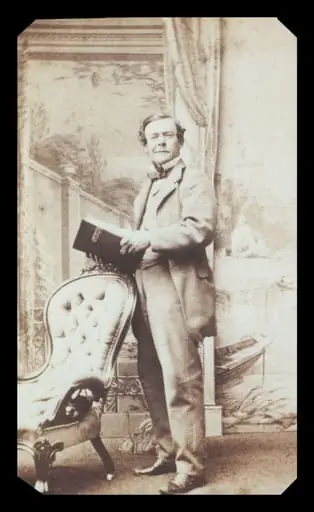
Guy Little Theatrical Photograph is a photographic photography by the Impressionist artist London Stereoscopic and Photographic Company. It dates from 1885 and is held in the collection of the Victoria and Albert Museum.
About this work
It was taken at Haymarket Theatre during a time when acting portraits became popular keepsakes.
This photo shows Robert Pateman playing William Evans in a 1885 play called *Dark Days*. It was taken at Haymarket Theatre during a time when acting portraits became popular keepsakes.
These photos weren’t just for fans. Actors used them to promote shows and theaters. The photographer printed them on stiff card stock, something new back then.
Check out more work by the London Stereoscopic and Photographic Company.
Overview
This photograph, taken in 1885 at London’s Haymarket Theatre, captures actor Robert Pateman in character as William Evans from the play Dark Days. Produced by the London Stereoscopic and Photographic Company, it belongs to a collection of theatrical portraits assembled by Guy Tristram Little, a solicitor and avid collector of ephemera. The image was mounted on card stock, typical of the period, and later integrated into Little’s personal albums, which he bequeathed to the V&A.
Subject & Meaning
Robert Pateman’s portrayal of William Evans, a character in the 1885 drama Dark Days, reflects the Victorian practice of using theatrical portraits to solidify public recognition of performers. These images served dual purposes: as mementos for audiences and as promotional tools for productions. By capturing Pateman in costume, the photograph anchors the actor’s identity to the role, reinforcing the play’s presence in the cultural imagination of the time.
Technique & Style
The image is an albumen print on card, a standard method for cabinet cards in the 1880s. Made from glass negatives, the process yielded sharp detail and tonal range suitable for mass reproduction. The photographer employed controlled studio lighting to highlight the actor’s costume and expression, minimizing background distraction. The card’s stiff backing, printed with the studio’s name, lent durability and commercial legitimacy to the portrait.
History & Provenance
The photograph was part of a larger assemblage of theatrical portraits collected by Guy Tristram Little, who meticulously removed images from their original mounts and organized them into albums. Little, a partner in a London law firm, inherited and preserved materials from Gabrielle Enthoven’s theatrical archive. Upon his death in 1953, the collection was donated to the V&A, forming a foundational component of its theatre holdings.
Context
During the late 19th century, cabinet cards replaced the smaller cartes de visite as the preferred format for theatrical portraits, reflecting broader shifts in consumer culture. These images circulated widely among theatregoers and were often displayed in homes, mirroring the growing middle-class interest in celebrity and performance. The London Stereoscopic and Photographic Company, a leading producer of such images, helped standardize the visual language of theatrical promotion.
Legacy
Little’s collection, now housed at the V&A, preserves a rare, organized record of Victorian theatrical portraiture. Unlike scattered individual cards, his albums offer insight into how these images were curated and valued by collectors. The photograph of Pateman remains a tangible link to the mechanics of 19th-century theatre marketing and the evolving relationship between performance and visual documentation.
Artist & collection
Artist
London Stereoscopic and Photographic Company
They snapped portraits for London’s theater crowd in the 1800s, turning actors and dancers into instant celebrities.

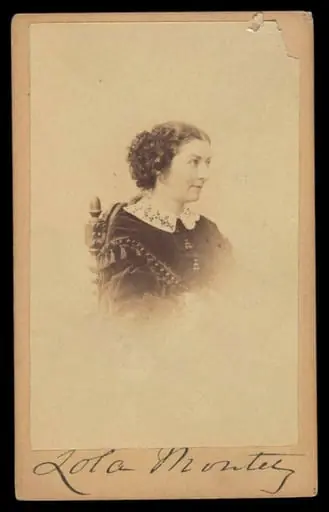
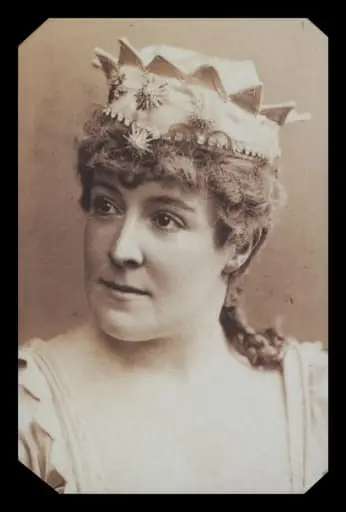
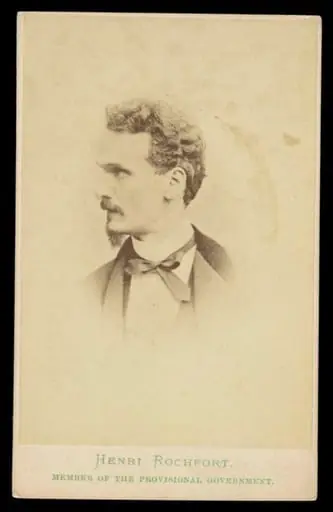
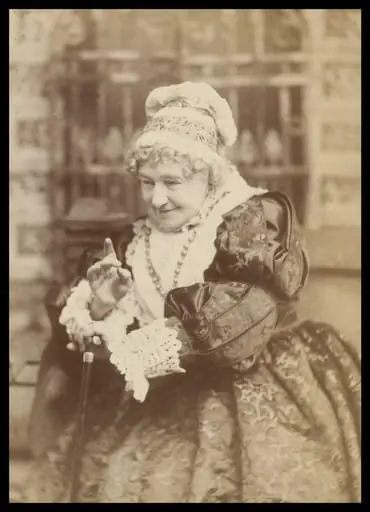
 Guy Little Theatrical Photograph
 A portrait of 'Marcus Mercer'
 Guy Little Theatrical Photographs
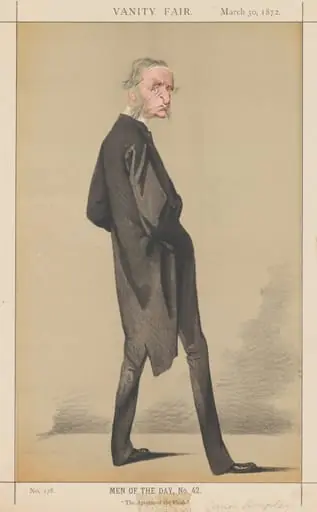 Vanity Fair: Men of the Day, No. 42 "The Apostle of the Flesh"
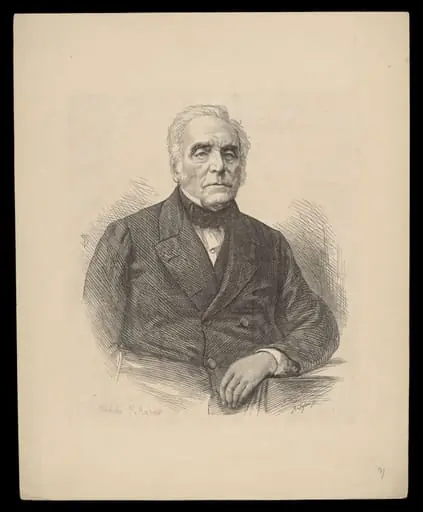 H Beard Print Collection
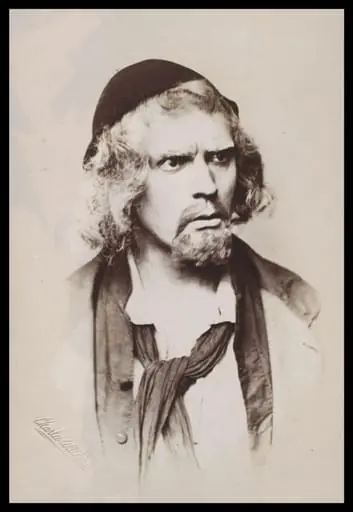 Guy Little Theatrical Photograph
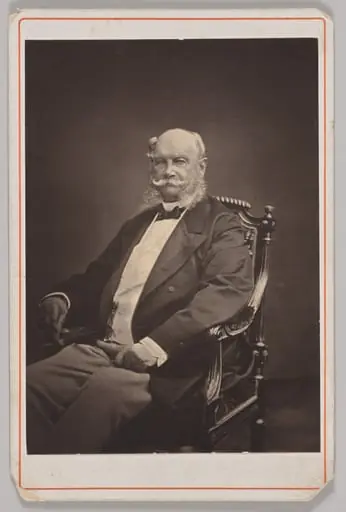 Wilhelm I, King of Prussia
 Guy Little Theatrical Photograph
 Steel
Steel Vanity Fair: Men of the Day No. 14 "A Faithful Friend, an eminent Savant, and the best possible of Presidents"