Artwork
Guy Little Theatrical Photograph
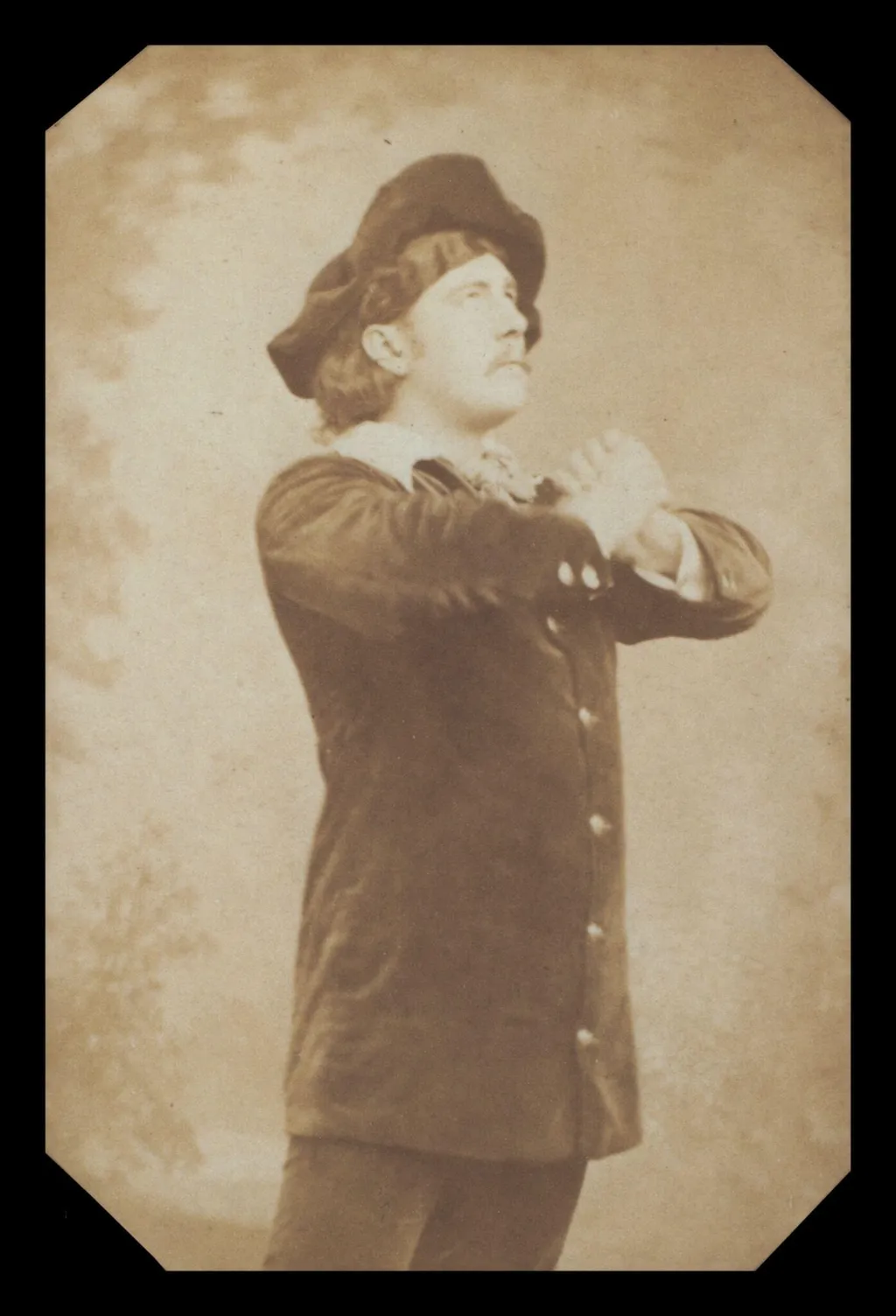
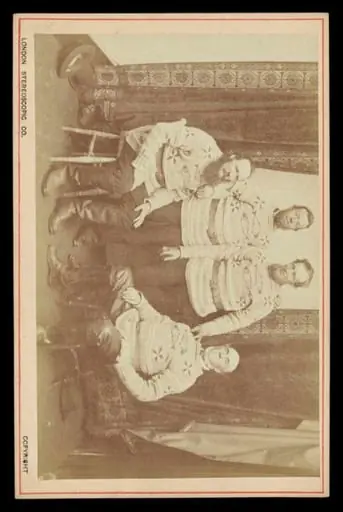
Guy Little Theatrical Photograph is a photographic photography by the Impressionist artist London Stereoscopic and Photographic Company. It dates from 1881 and is held in the collection of the Victoria and Albert Museum.
About this work
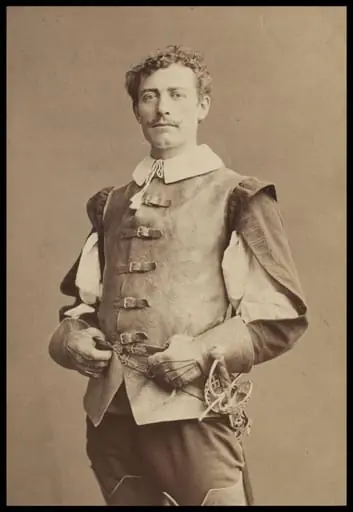
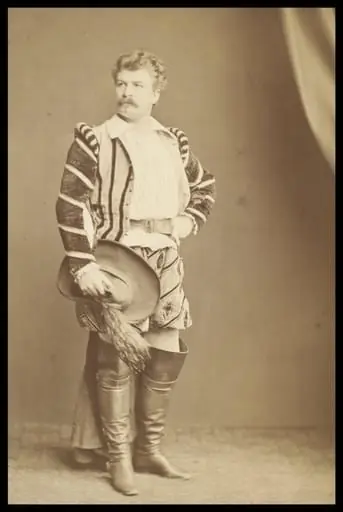
This photo shows Rutland Barrington dressed as Archibald Grosvenor in the 1881 show Patience. It came from a London studio that made actor portraits for fans.
The image fits two art movements of the 1800s, Impressionism and Realism. Cameras were still new, so stage stars posed for keepsake photos.
Pick up another actor portrait by the same studio at the Victoria and Albert Museum.
Overview
Produced as a cabinet card, it belongs to a personal collection assembled by Guy Tristram Little, a solicitor and avid collector of ephemera.
This photograph captures Rutland Barrington in costume as Archibald Grosvenor from the 1881 operetta Patience, taken at a London studio specializing in theatrical portraiture. Produced as a cabinet card, it belongs to a personal collection assembled by Guy Tristram Little, a solicitor and avid collector of ephemera. His bequest to the V&A included hundreds of such images, originally mounted in albums after being removed from their card backs, preserving a visual record of Victorian stage culture.
Subject & Meaning
Barrington portrayed Archibald Grosvenor, a satirical figure representing aestheticism in Gilbert and Sullivan’s Patience. The image reflects the public’s fascination with theatrical personalities during the 1880s, when actors became cultural icons. Dressed in the character’s distinctive attire, Barrington’s pose and expression convey the role’s whimsical, effete nature, reinforcing the opera’s critique of artistic pretension through accessible visual media.
Technique & Style
The photograph is an albumen print on a stiff card backing, typical of late 19th-century studio portraiture. Made from a glass negative, it exhibits the soft tonal range and fine detail characteristic of the medium before the rise of gelatin silver prints. Lighting is even, minimizing shadows to emphasize costume and facial expression, consistent with commercial practices designed for mass reproduction and fan consumption.
History & Provenance
The image was part of Guy Little’s personal archive of theatrical photographs, gathered over decades and later donated to the V&A. Little, a partner in a London law firm, was also the executor of Gabrielle Enthoven’s estate, whose extensive theatrical memorabilia formed the core of the museum’s theatre collection. The photograph’s removal from its original mount suggests Little’s methodical reorganization of his holdings into thematic albums.
Context
During the 1880s, cabinet cards replaced cartes de visite as the preferred format for theatrical portraits, offering greater detail and durability. These images were widely traded among fans, functioning as both souvenirs and cultural artifacts. The popularity of such photographs coincided with the expansion of urban entertainment and the rise of celebrity culture, making stage actors among the most photographed figures of the era.
Legacy
Little’s collection, now housed at the V&A, remains a vital resource for studying Victorian theatre and visual culture. This photograph, like others in the archive, documents the intersection of performance, photography, and public taste. Its preservation underscores the historical significance of ephemeral media in shaping how audiences remembered and engaged with the stage beyond live performance.
Artist & collection
Artist
London Stereoscopic and Photographic Company
They snapped portraits for London’s theater crowd in the 1800s, turning actors and dancers into instant celebrities.