Artwork
Le soir
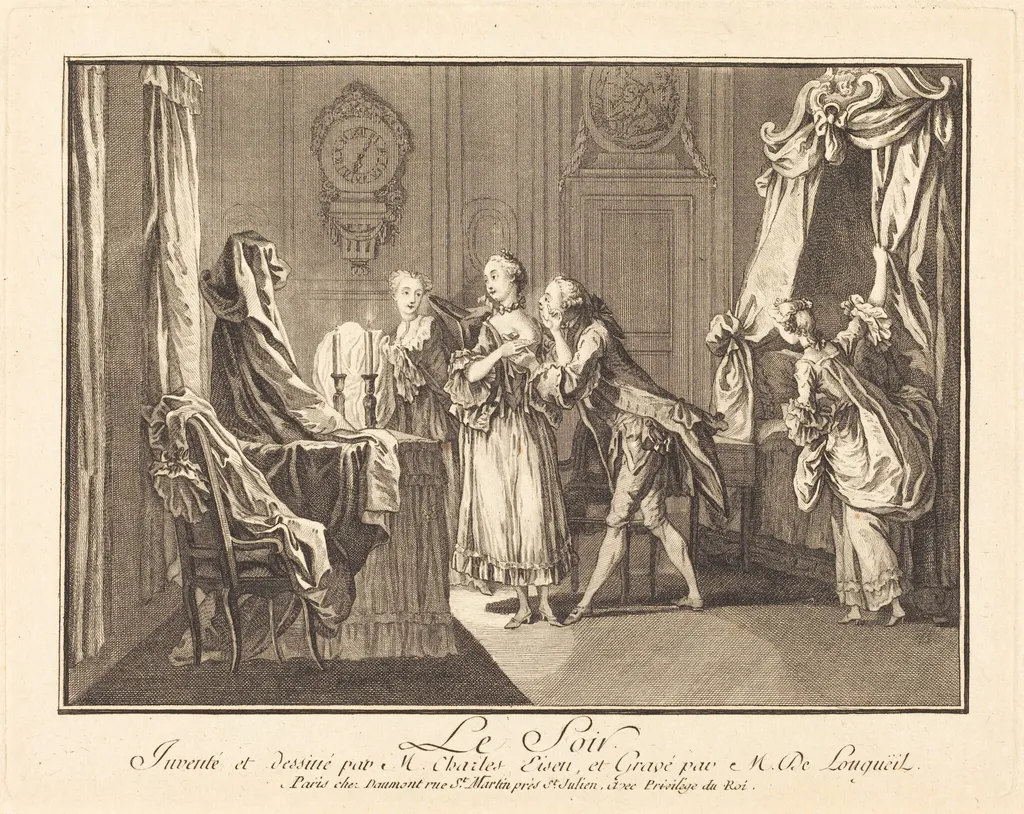
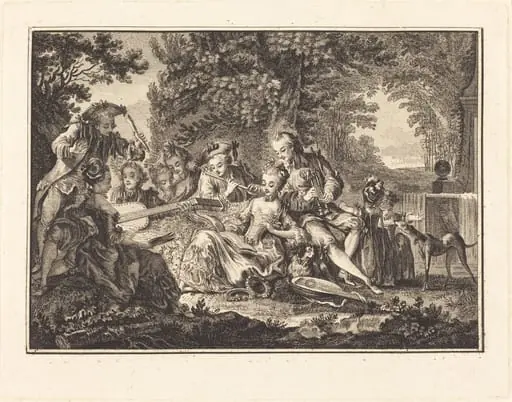
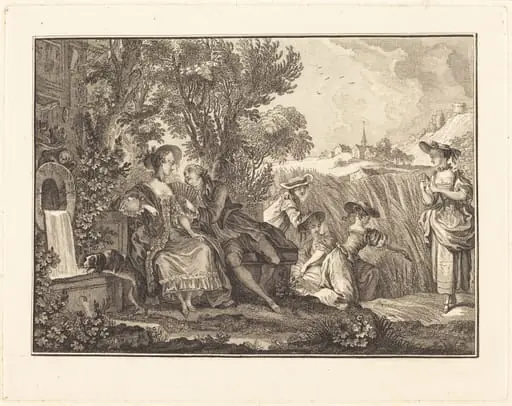
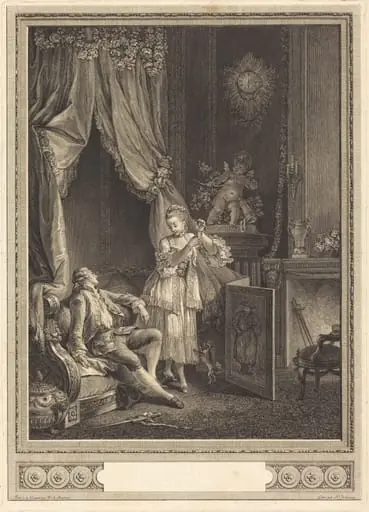
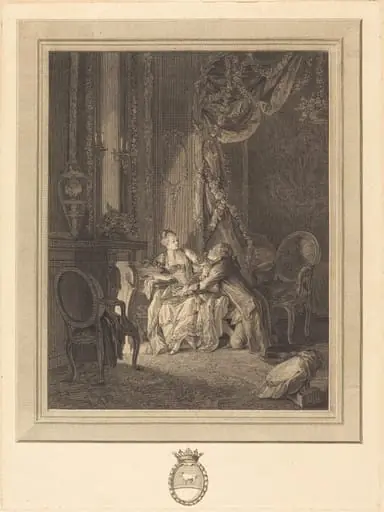
Le soir is an ink print by the Baroque artist Joseph de Longueil. It dates from 1761 and is held in the collection of the National Gallery of Art.
About this work
Overview
Its dual-process method allowed for both precise lines and rich, velvety shadows, distinguishing it from prints using only one technique.
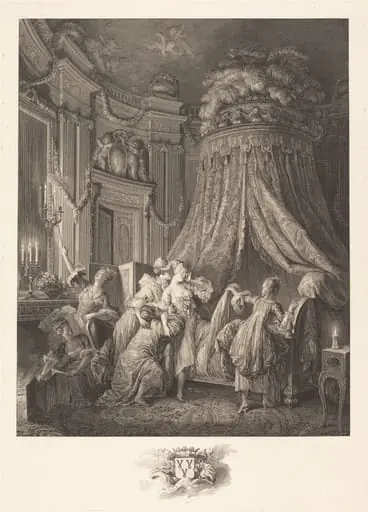
Le soir, created in 1761 by Joseph de Longueil, is a print combining etching and drypoint techniques on a single copper plate. The work captures a quiet interior scene at night, rendered with subtle tonal variations. Its dual-process method allowed for both precise lines and rich, velvety shadows, distinguishing it from prints using only one technique. The result is a contemplative atmosphere, achieved through careful manipulation of light and texture.
Subject & Meaning
The scene depicts a woman seated near a window in a dimly lit room, illuminated by an unseen candle. Books and papers scattered across a table suggest a moment of reflection or study. The absence of overt narrative implies introspection rather than action. The quiet solitude of the figure, framed by the darkened window, evokes a sense of evening stillness, aligning with 18th-century ideals of private contemplation and domestic serenity.
Technique & Style
Longueil employed etching to define the composition’s structure, then enhanced it with drypoint to deepen shadows and soften edges. The drypoint’s burr holds ink unevenly, creating a hazy glow around the candle’s implied light. This layered approach gives the print a tactile richness, with areas of dense black contrasting delicate, faint lines. The technique prioritizes mood over detail, favoring atmospheric effect over precise realism.
History & Provenance
Created in 1761, Le soir belongs to a small body of prints by Joseph de Longueil, a French artist active in the mid-18th century. Few of his works survive, and this piece is among the best-documented. It was likely produced for a limited audience of collectors interested in intimate, domestic subjects. Its preservation suggests early recognition of its technical nuance, though it never entered widespread circulation.
Context
In the decades before the French Revolution, domestic scenes in printmaking gained traction as symbols of refined sensibility. Le soir reflects this trend, aligning with the era’s fascination with private life and emotional restraint. Unlike grand historical or mythological prints, it focuses on the quiet dignity of everyday moments, resonating with Enlightenment values of introspection and modest virtue.
Legacy
Le soir remains a rare example of Longueil’s printmaking, illustrating his skill in blending techniques to evoke mood. While not widely influential in its time, it is now studied for its nuanced handling of light and texture. The work contributes to understanding how 18th-century artists used print media to explore quiet, personal themes, bridging the gap between decorative art and expressive intimacy.
Artist & collection