Artwork
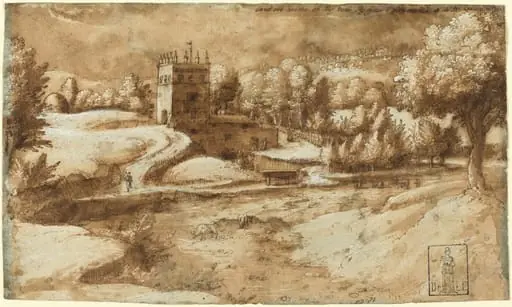
Villa di Papa Giulio
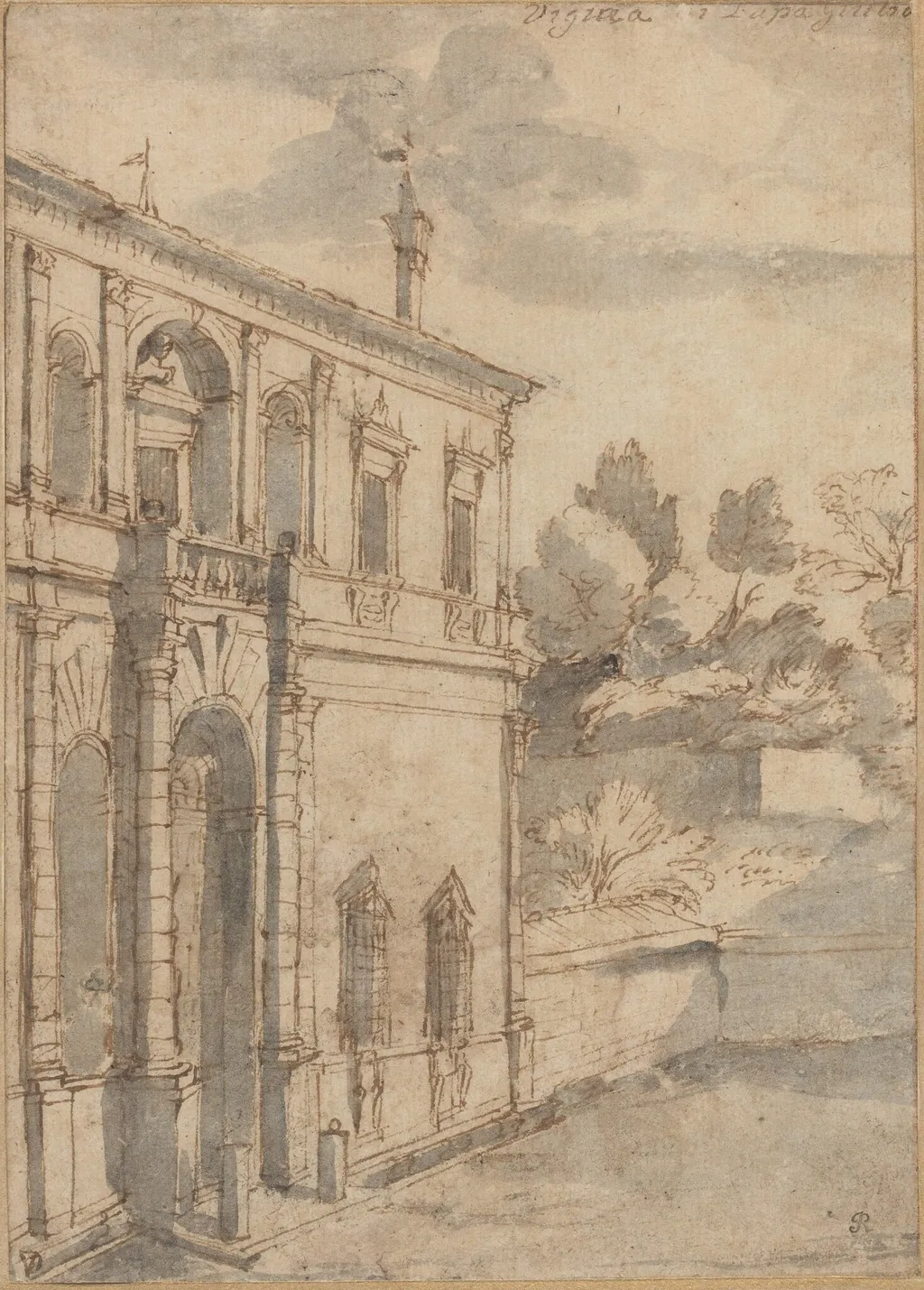
Villa di Papa Giulio is an ink drawing by the Baroque artist Claude Lorrain. It dates from 1635 and is held in the collection of the National Gallery of Art.
About this work
Overview
Villa di Papa Giulio is a drawing created by Claude Lorrain around 1635. It is executed in pen and brown ink with gray wash on laid paper.
Subject & Meaning
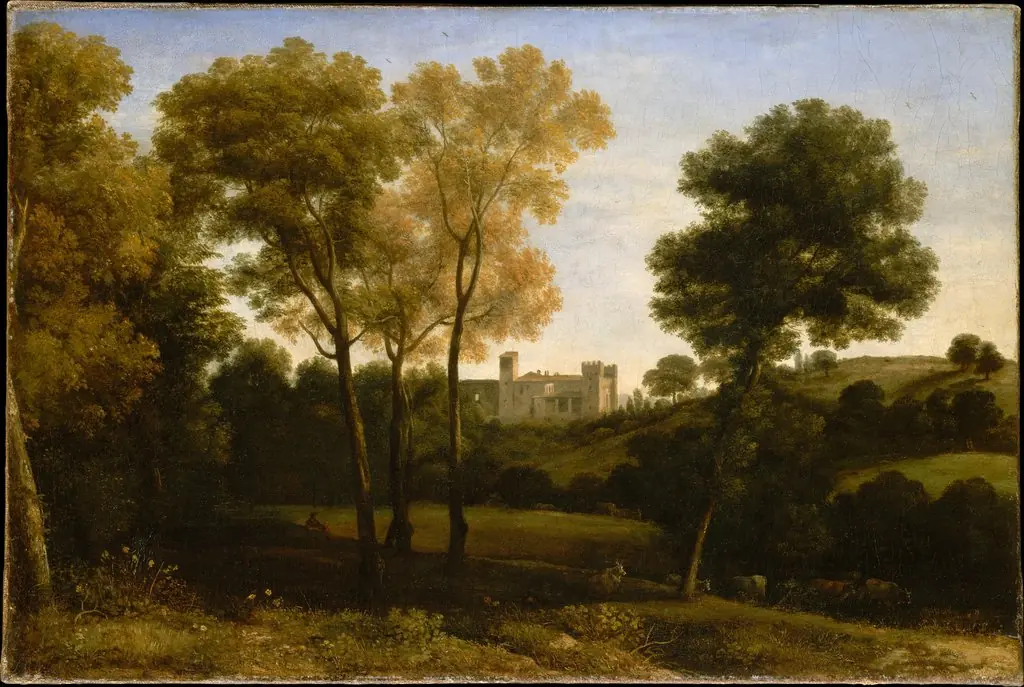
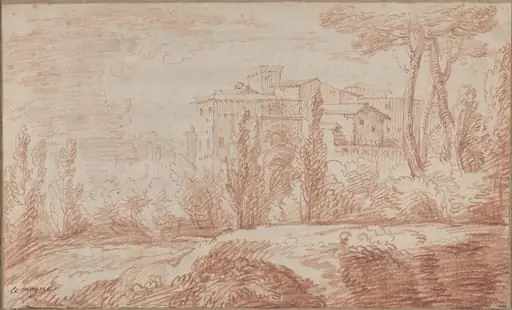
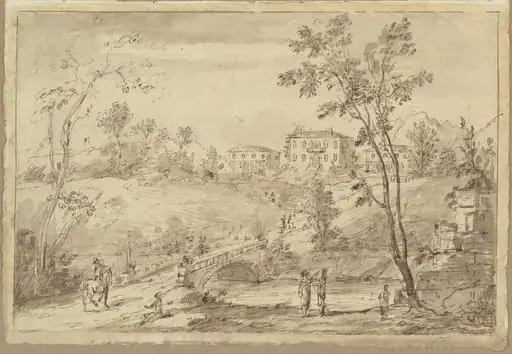
The drawing depicts a large building, likely the Villa of Julius III, set amidst trees and a cloudy sky. The incorporation of a substantial architectural structure and natural surroundings is characteristic of Lorrain's landscape compositions, which often included small figures to evoke classical or biblical narratives.
Technique & Style
The drawing showcases Lorrain's skillful use of cross-hatching to achieve depth and texture. Delicate and precise lines define the building's grandeur, while the gray wash adds atmosphere and mood, guiding the viewer's eye through the composition.
Context
Claude Lorrain, a French artist active primarily in Italy, was a prominent figure in the Baroque era. His work, including Villa di Papa Giulio, reflects the period's emphasis on landscape painting and the integration of classical themes.
Artist & collection
Artist
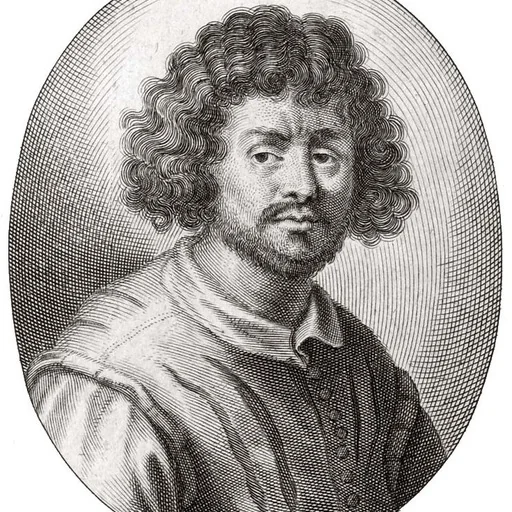
Claude Lorrain (French: ; born Claude Gellée , called le Lorrain in French; traditionally just Claude in English; c.