Artwork
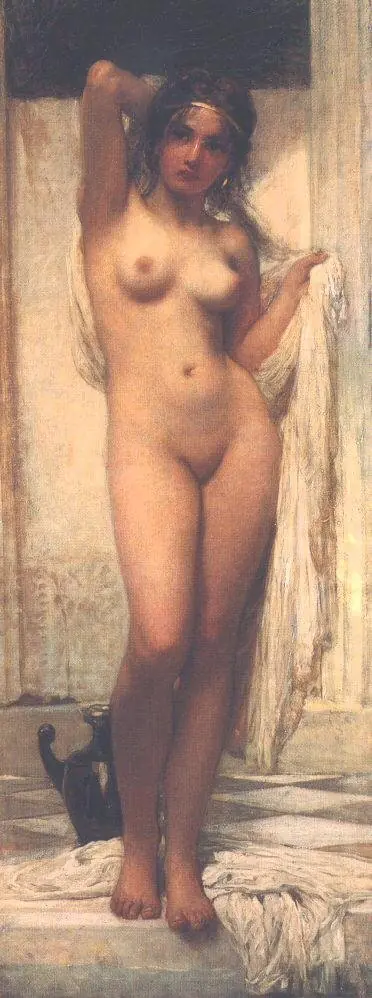
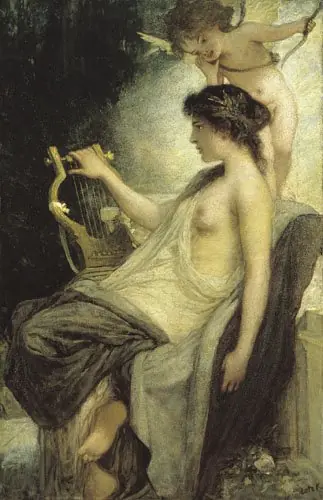
Muză cu liră
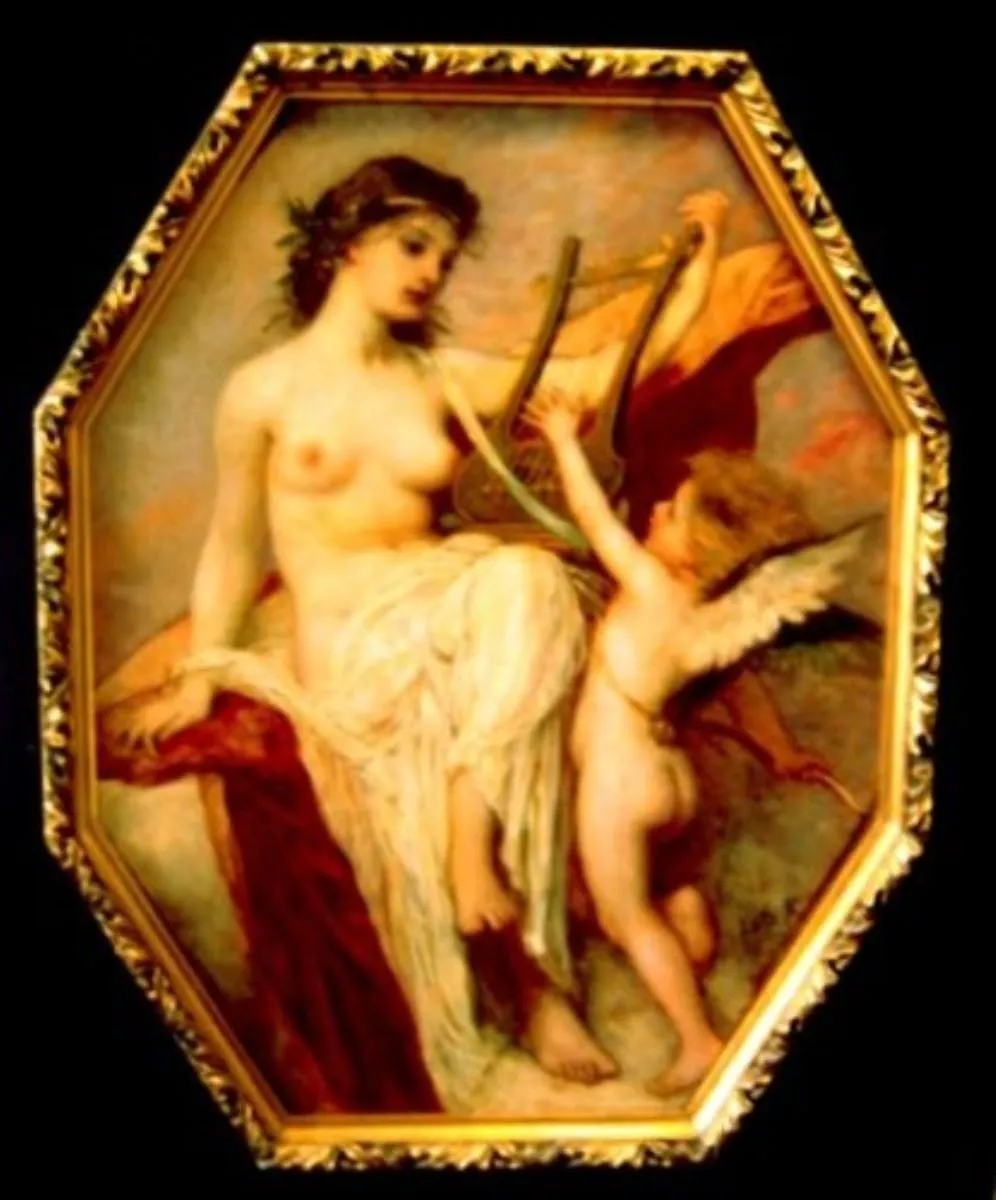
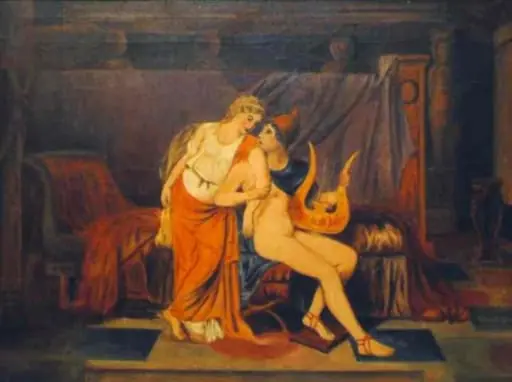
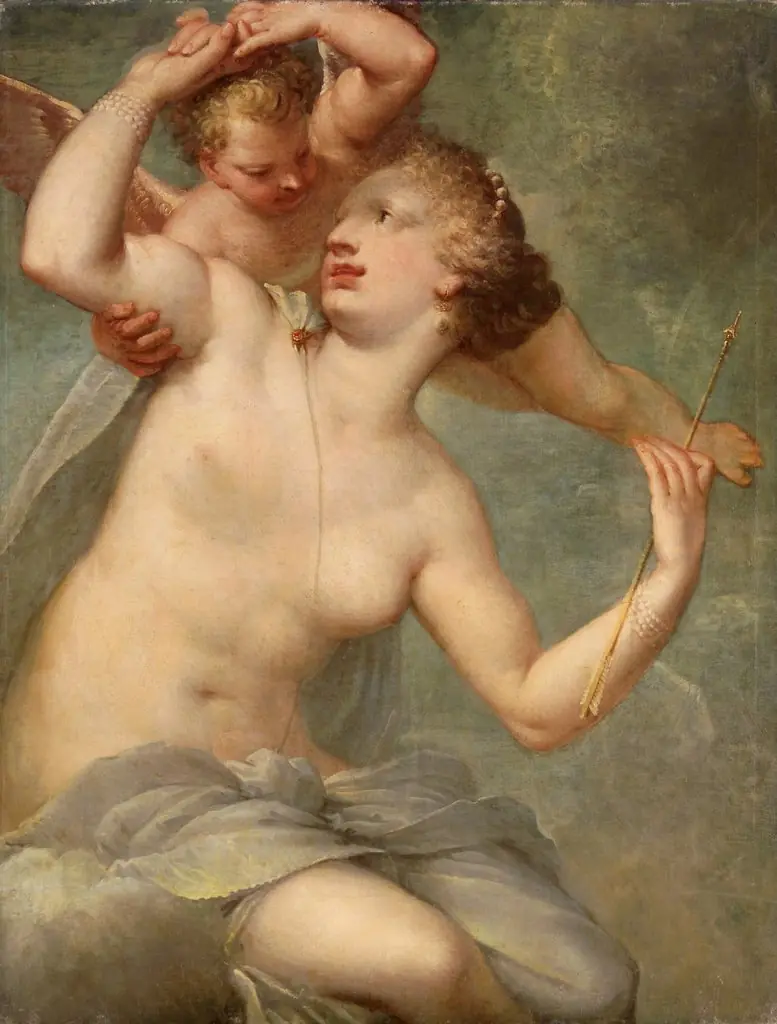
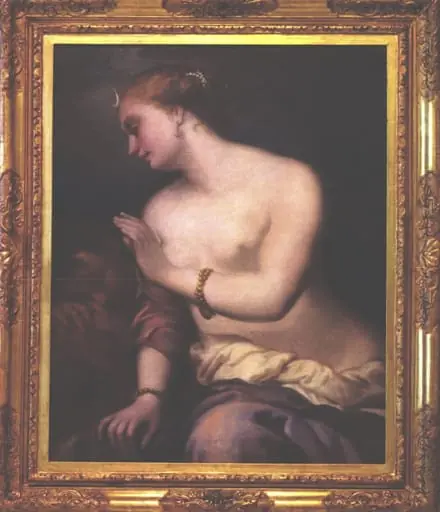
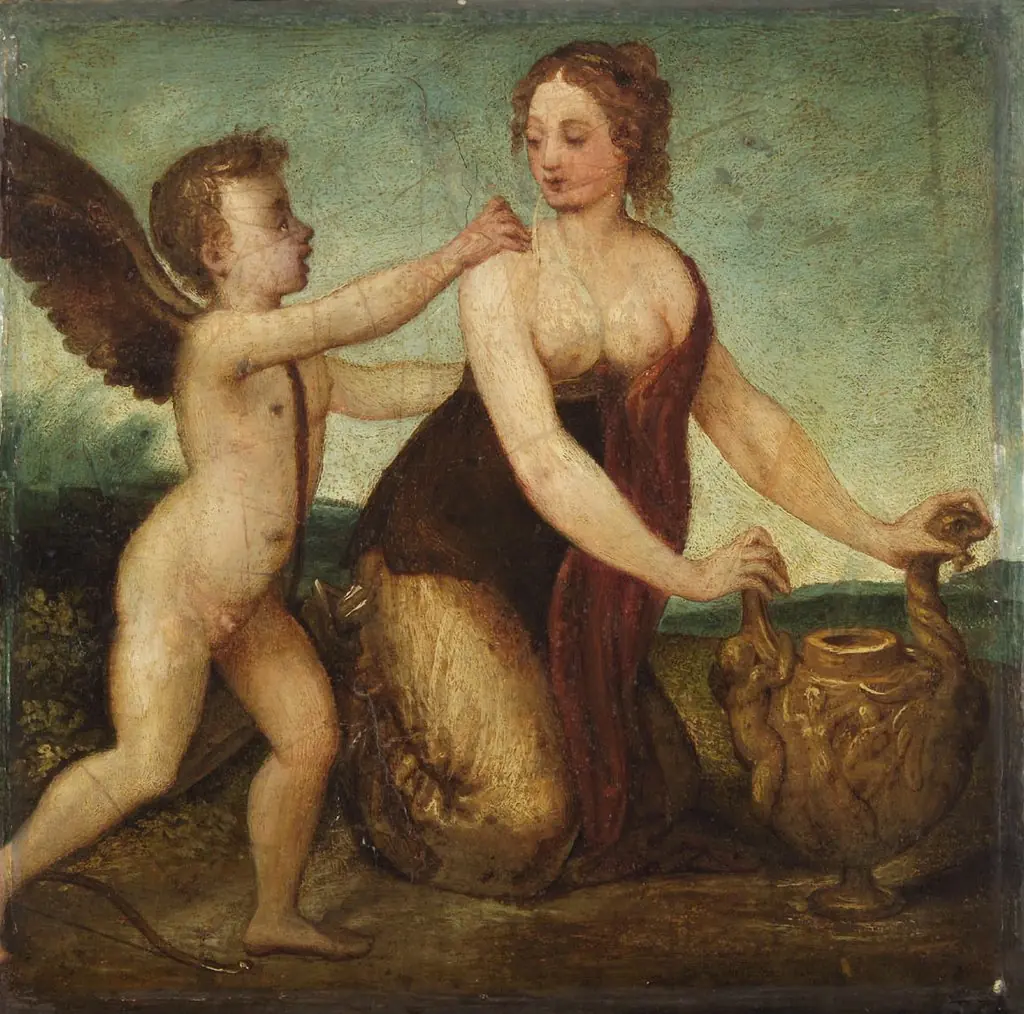
Muză cu liră is an unspecified painting by Károly Lotz. It dates from 1850 and is held in the collection of the Mureș County Museum - Art Museum.
About this work
Overview
The composition balances naturalism with classical allusion, reflecting 19th-century European artistic interests in antiquity and allegory.
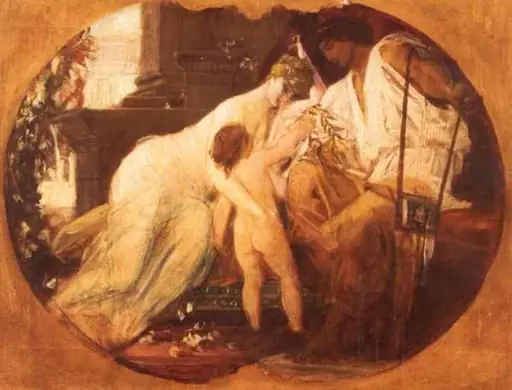
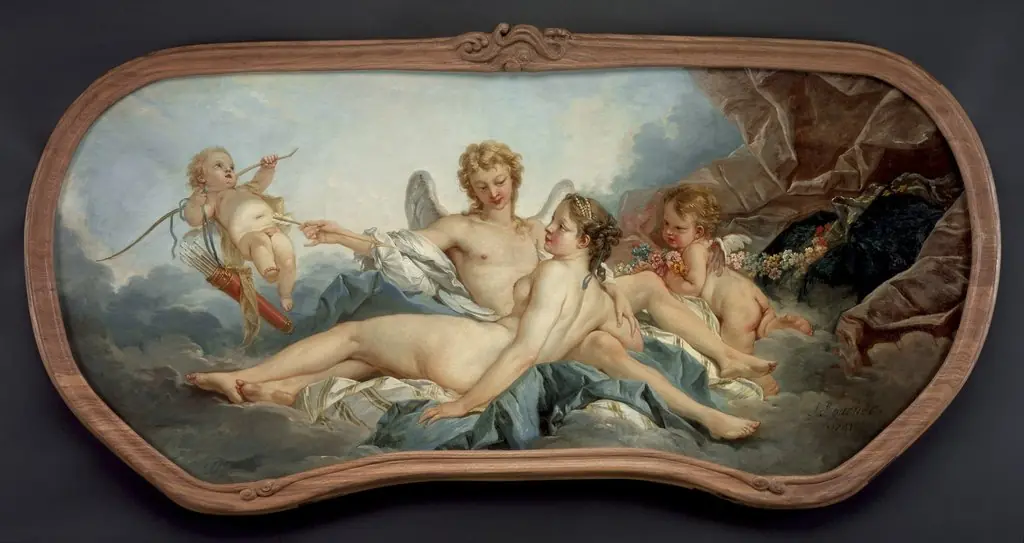
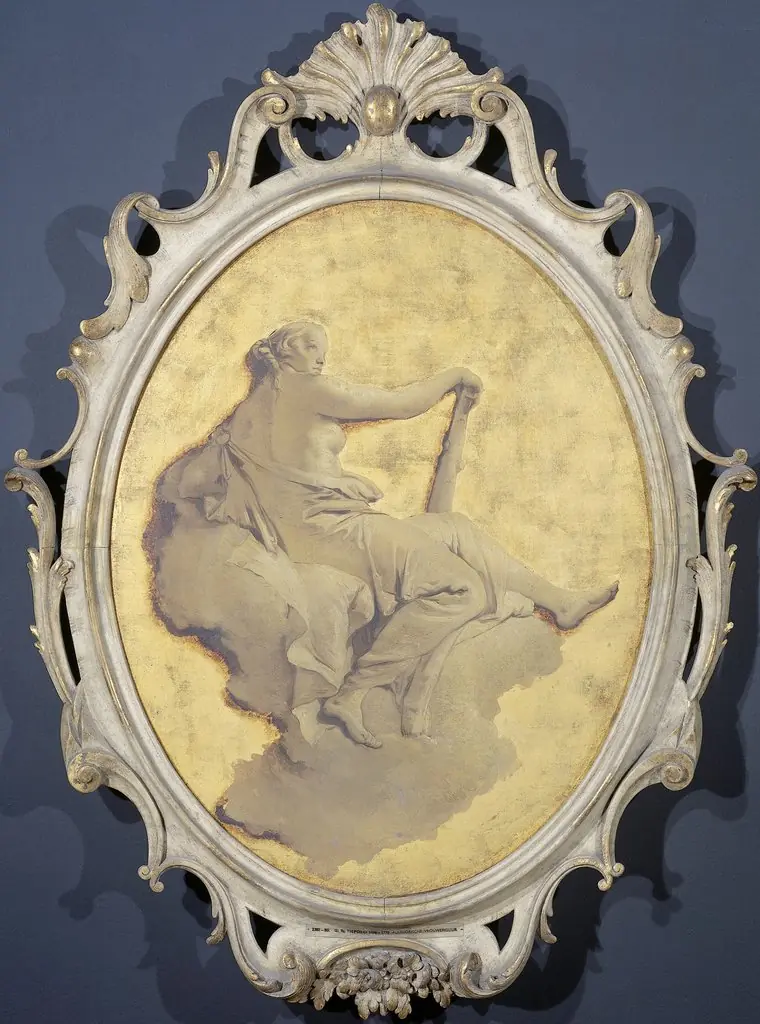
Muză cu liră, painted around 1850 by Hungarian artist Károly Lotz, depicts a mythological figure in a contemplative moment. The work is part of the collection at the Museum of Ethnography in Budapest. It presents a seated female form engaged with a lyre, surrounded by subtle symbolic elements. The composition balances naturalism with classical allusion, reflecting 19th-century European artistic interests in antiquity and allegory.
Subject & Meaning
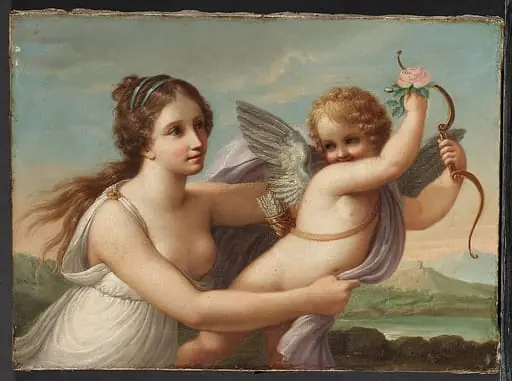
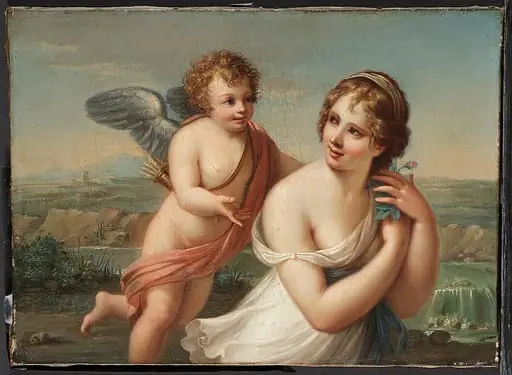
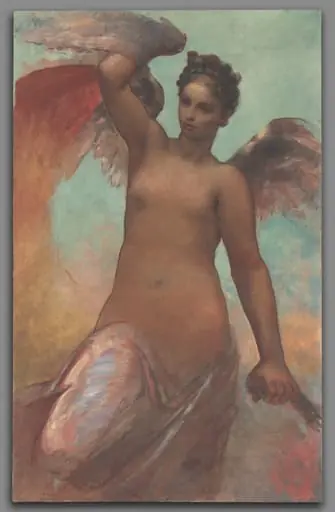
The central figure is likely a muse, traditionally associated with poetic inspiration. Her nudity, softened by a draped cloth and headband, evokes classical ideals of beauty and divine grace. The winged figure beside her may represent Eros or a spirit of inspiration, reaching toward her as if guiding her music. Together, they suggest a quiet communion between creativity and its source, devoid of drama or narrative urgency.
Technique & Style
Lotz employs chiaroscuro to model the figure with gentle gradations of light and shadow, lending volume and presence. The warm, muted background contrasts with the pale skin and white drapery, drawing focus to the central forms. Brushwork is smooth and controlled, avoiding overt texture in favor of harmonious tonal transitions. The composition is static yet balanced, emphasizing stillness over motion.
History & Provenance
Created during Lotz’s early career, the painting reflects his training in academic traditions and his engagement with mythological themes. It entered the Museum of Ethnography’s collection in the late 19th or early 20th century, likely through institutional acquisition or donation. Its presence there, rather than in a fine arts museum, suggests its use in broader cultural or educational contexts beyond pure aesthetics.
Context
In mid-19th-century Hungary, artists like Lotz were navigating national identity through classical motifs, often blending Western academic styles with local cultural aspirations. While mythological subjects were common across Europe, this work’s intimate scale and restrained symbolism distinguish it from grand historical paintings. It aligns with a quieter, more introspective trend in Hungarian art of the period.
Legacy
Though not widely exhibited outside Hungary, Muză cu liră remains a representative example of Lotz’s early work and the academic tradition in Hungarian painting. It contributes to understanding how classical themes were adapted in regional contexts during a time of cultural consolidation. The painting continues to be studied for its technical precision and symbolic restraint.
Artist & collection