Artwork
Shrove Tuesday on the Ice
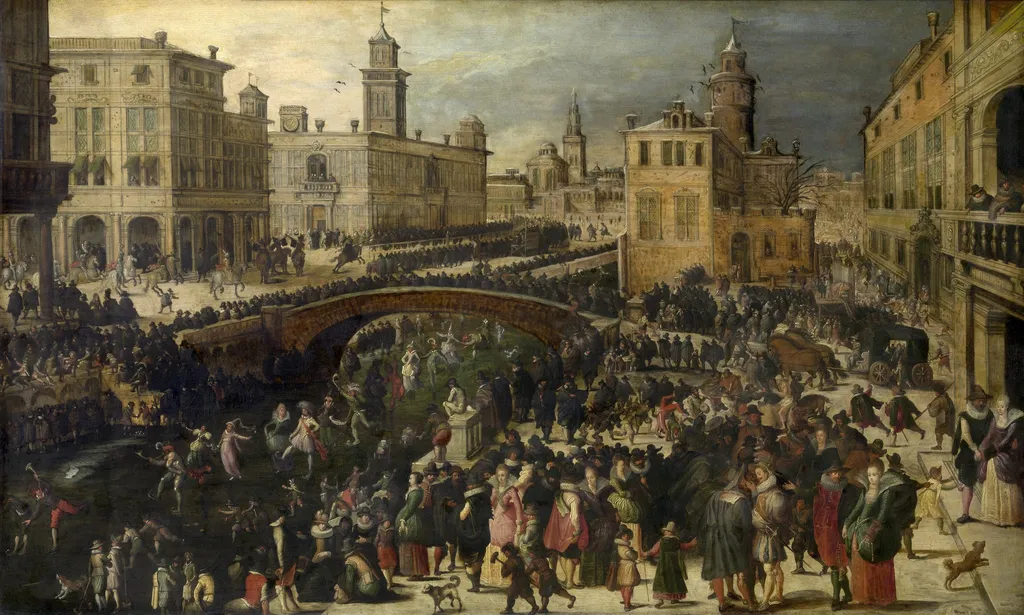
Shrove Tuesday on the Ice is an oil painting by the Flemish Baroque painting artist Louis de Caullery. It dates from 1611 and is held in the collection of the Royal Museum of Fine Arts Antwerp.
About this work
Overview
Shrove Tuesday on the Ice, painted in 1611 by Louis de Caullery, is a Flemish Baroque oil painting on canvas. It captures a vibrant winter scene of communal activity on a frozen waterway, now part of the Royal Museum of Fine Arts Antwerp's collection.
Subject & Meaning
The painting depicts a lively winter gathering on a frozen canal, with a central bridge. Figures engage in skating, play, and socializing amidst ornate, multi-story buildings. The scene conveys the joy and communal spirit of a Shrove Tuesday celebration.
Technique & Style
Caullery employs characteristic Flemish Baroque techniques, rendering a detailed, bustling scene with vivid, colorful attire in the foreground against a muted, cloudy sky, emphasizing the contrasts of a wintry day.
History & Provenance
Created in 1611 by Louis de Caullery, a Flemish painter known for genre and festive scenes, the work is now housed at the Royal Museum of Fine Arts Antwerp, reflecting his contribution to early Flemish depictions of outdoor courtly gatherings.
Context
Part of a trend among early 17th-century Flemish artists, this painting reflects the period's interest in capturing everyday life and festive outdoor events, set against the distinctive architectural backdrop of the time.
Legacy
While specific lasting influences of *Shrove Tuesday on the Ice* are not broadly documented, it remains a representative example of Caullery's style and the Flemish Baroque's emphasis on lively, detailed genre scenes.
Own this work as a print
Artist & collection
Artist
Louis de Caullery, Caulery or Coulery (ca.1580–1621) was a Flemish painter who is known for his architectural scenes, city views, genre scenes, allegorical compositions, religious and history paintings.

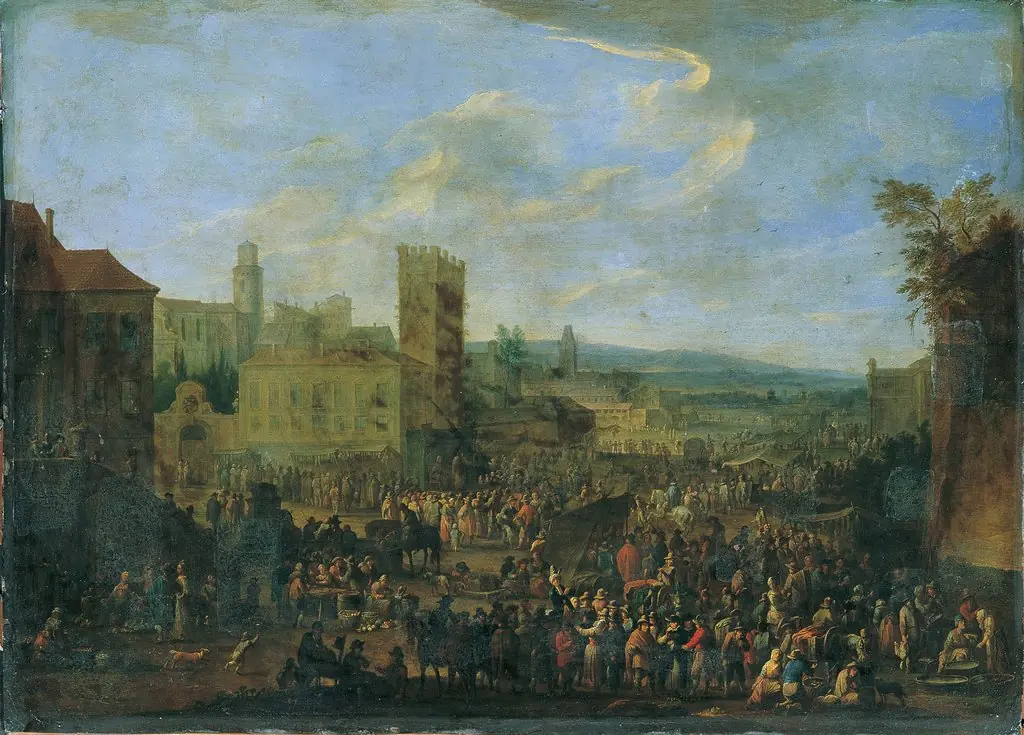 Fairground with Crenellated Keep
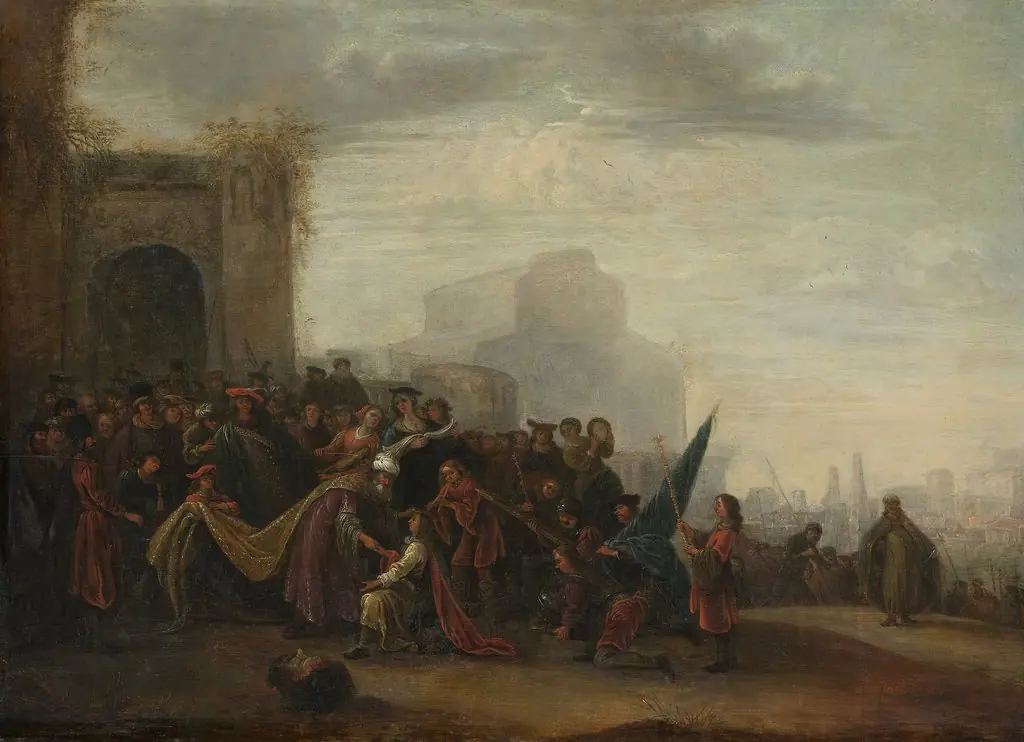 Saul honoring David after his victory over Goliath
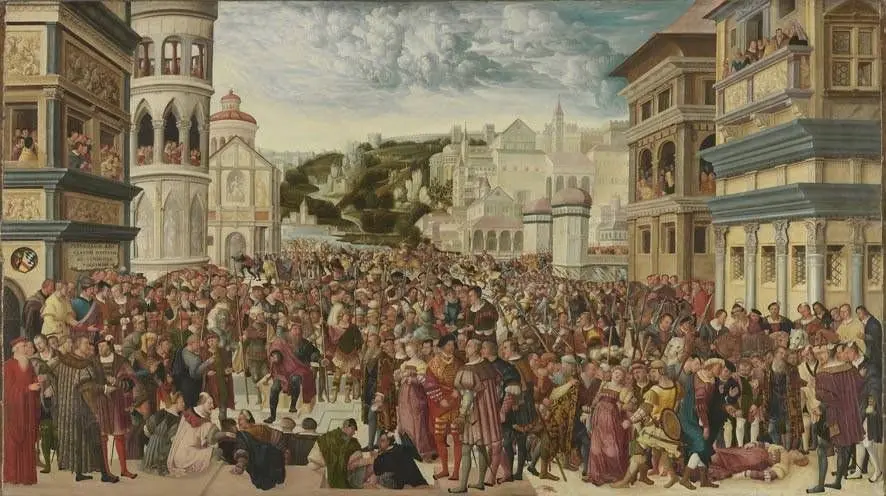 Historienzyklus: Geschichte der Verginia
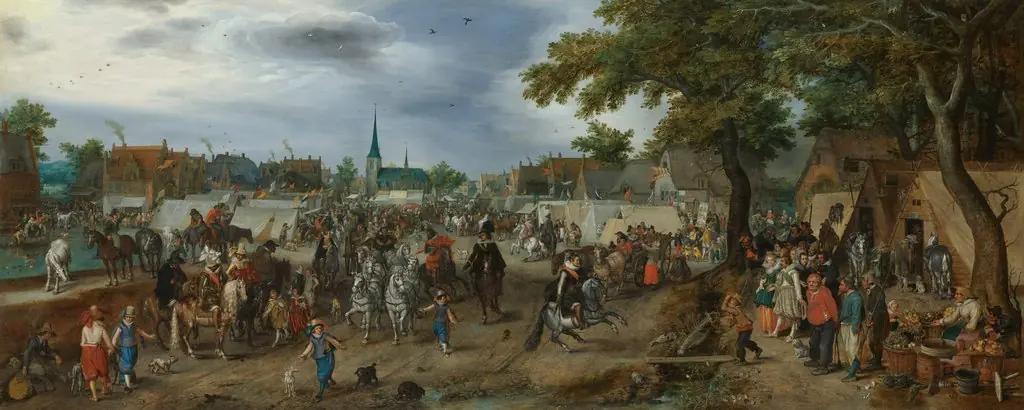 Prince Maurice and Frederick Henry at the Valkenburg Horse Fair
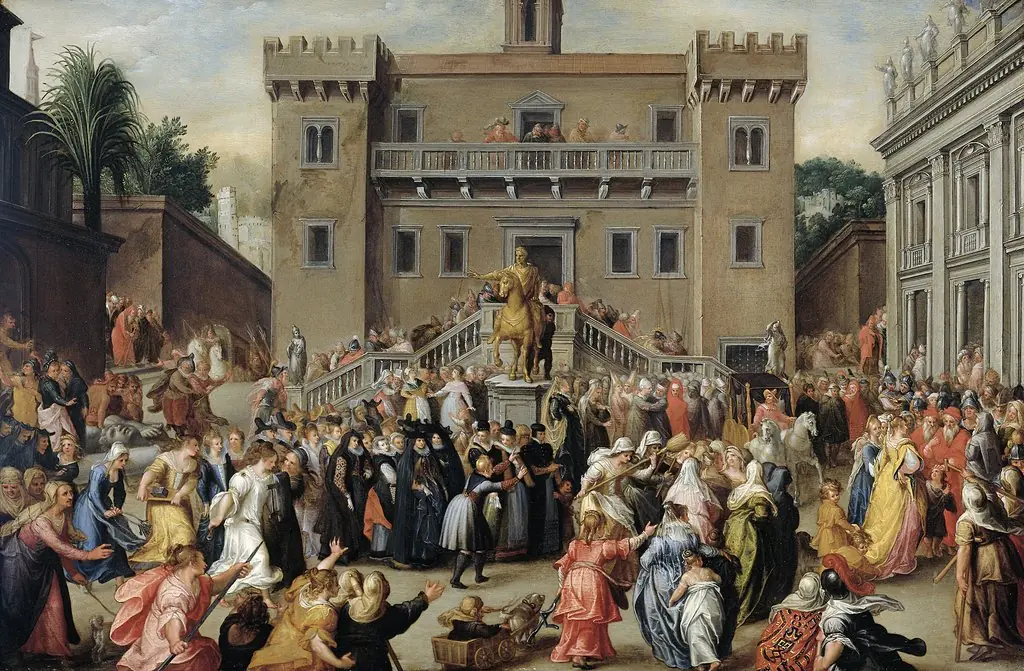 The Women of Rome Gathering at the Capitol
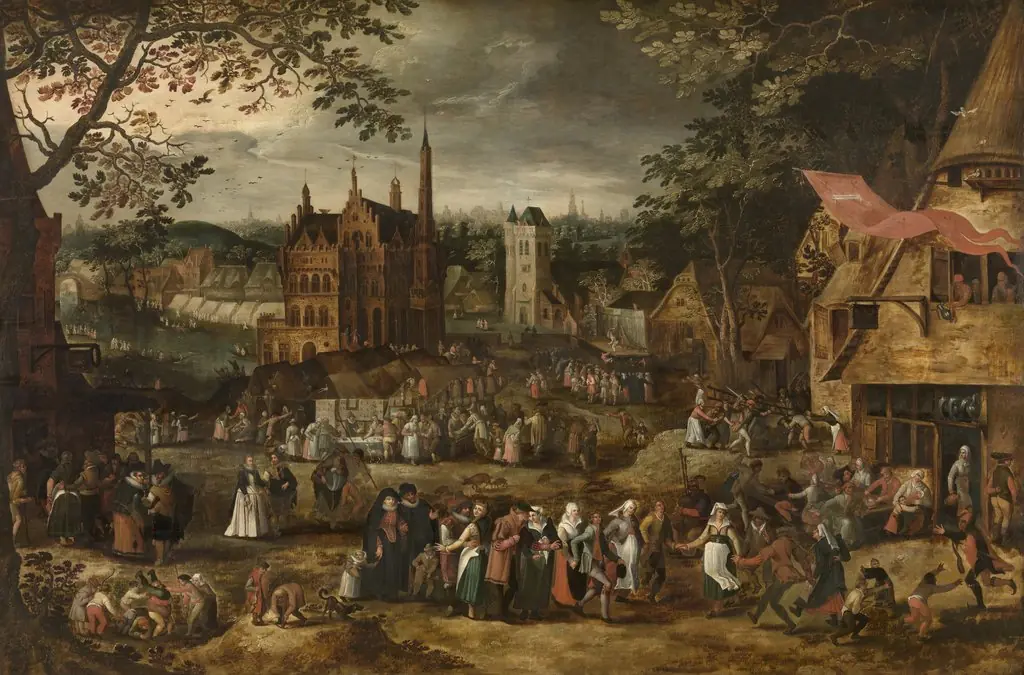 Village Fair
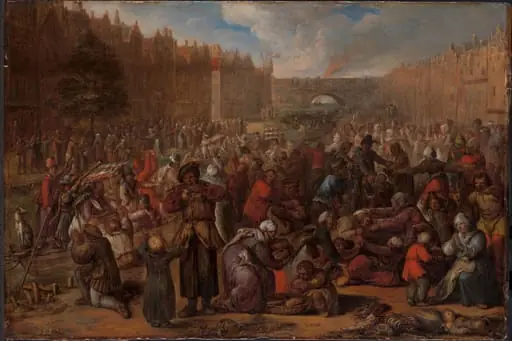 De hongerende bevolking na de opheffing van het beleg van Leiden
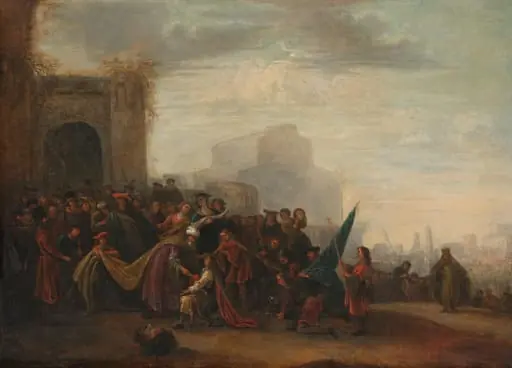 Saul Welcoming David after his Victory over Goliath
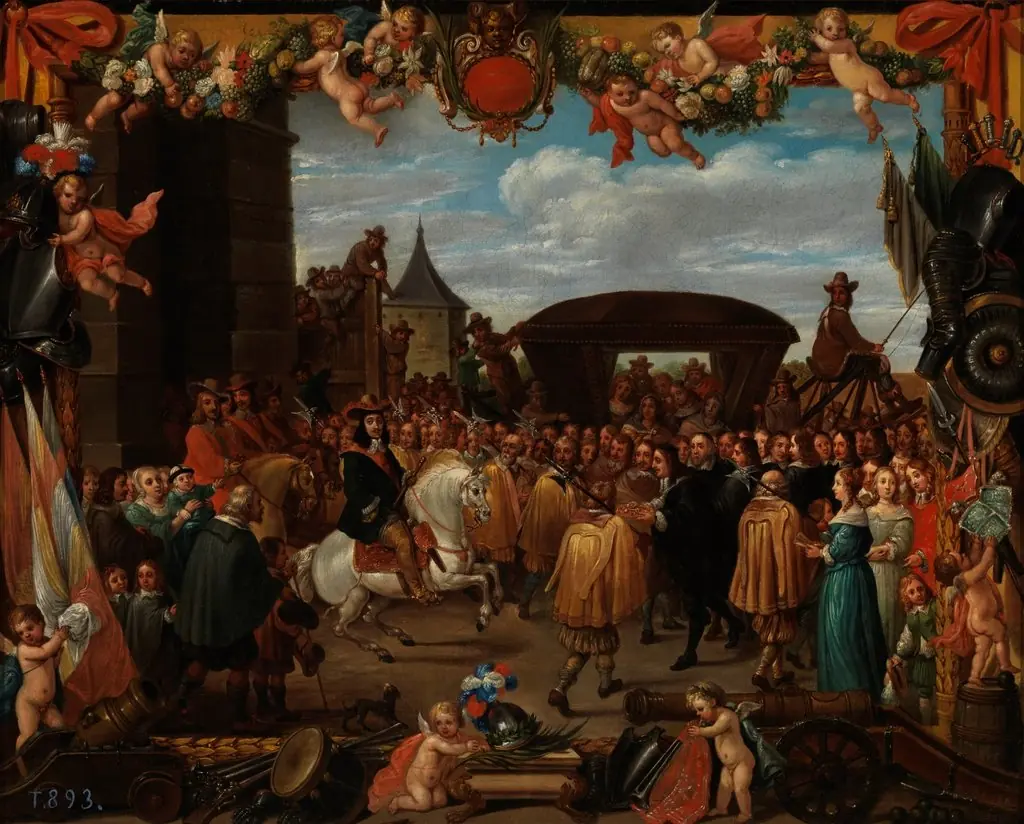 Entrada triunfal de don Juan José de Austria (?)
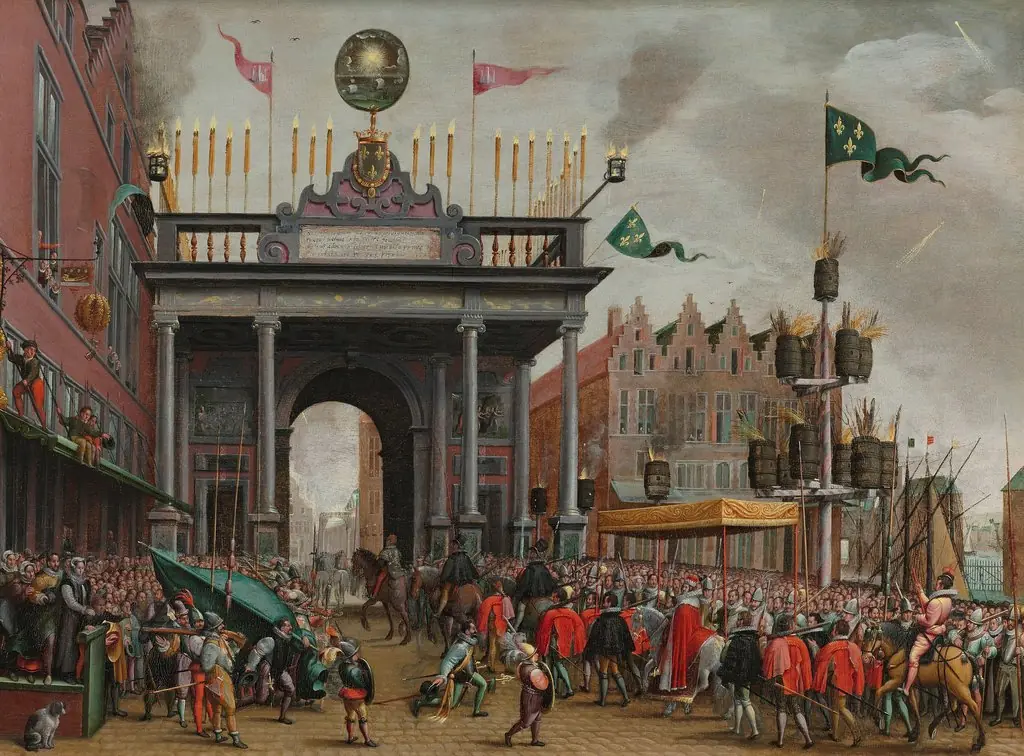 Joyous Entry of François, Duke of Anjou into Antwerp, 19 February 1582, with a Triumphal Arch on St. Jan's Bridge
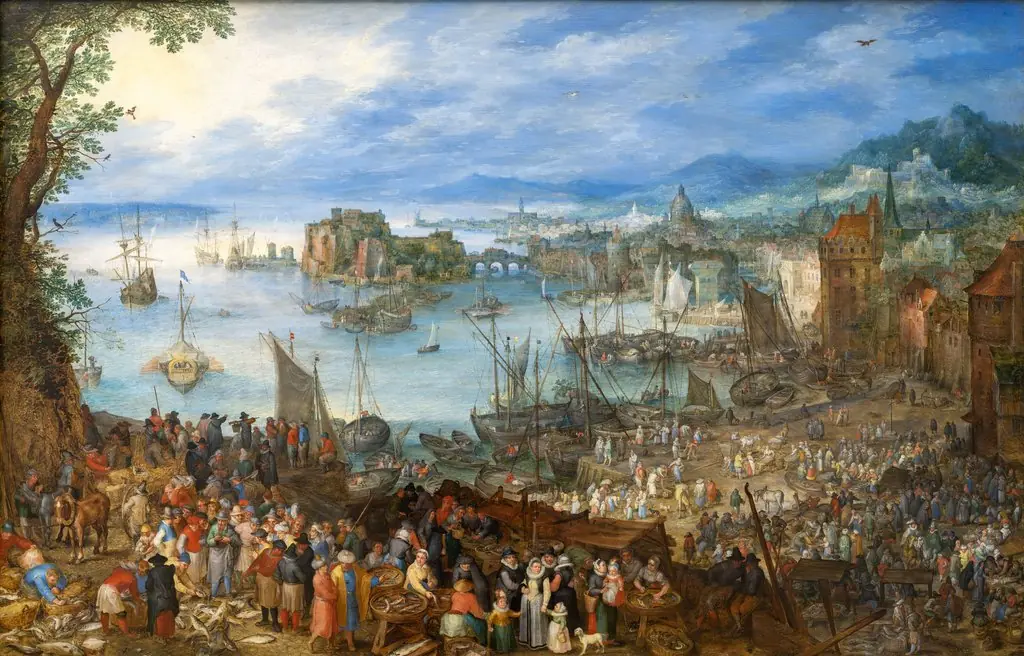 Large Fish Market