Artwork
Maximilien-Emmanuel, Chevalier de Bavière
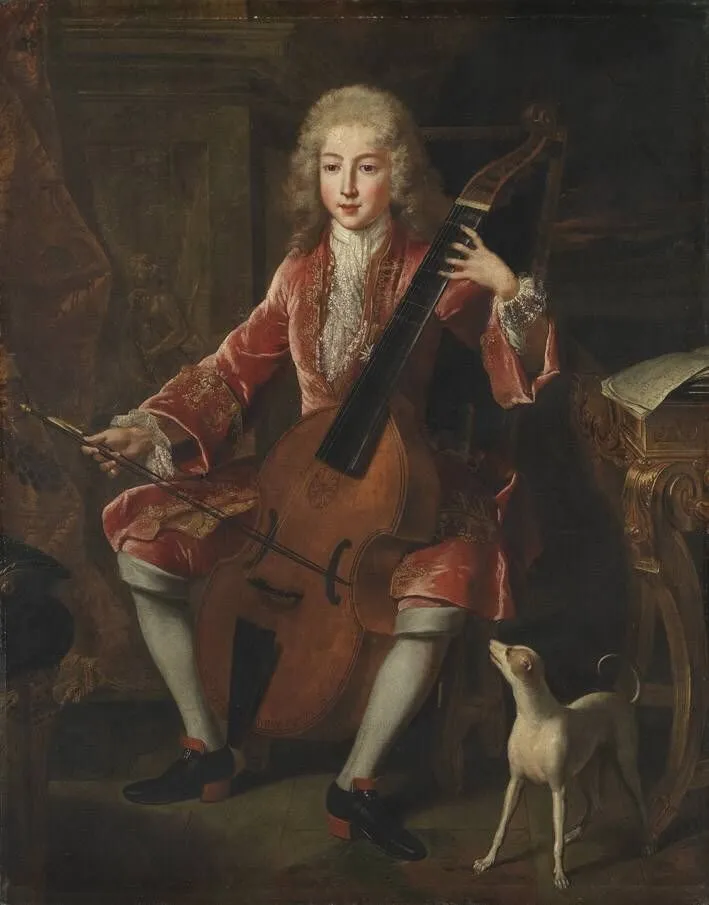
Maximilien-Emmanuel, Chevalier de Bavière is an oil painting by the Rococo painting artist Louis de Silvestre. It dates from 1707 and is held in the collection of the Bavarian State Painting Collections.
About this work
Overview
Maximilien-Emmanuel, Chevalier de Bavière is a 1707 oil painting by Louis de Silvestre, depicting a young Bavarian nobleman in a Rococo-style portrait, now part of the Alte Pinakothek collection.
Subject & Meaning
The painting portrays Maximilien-Emmanuel, Chevalier de Bavière, emphasizing his nobility through lavish attire and refined accessories, including a stringed instrument and a small white dog, conveying an image of elegance and cultured refinement.
Technique & Style
Executed in oil on canvas, the work exemplifies Rococo characteristics through its attention to detail in textiles, the subtle play of light on the subject's clothing, and the overall sense of intimate, high-society luxury.
History & Provenance
Created in 1707 by Louis de Silvestre, a court painter to King Augustus II of Poland and later director of the Royal Academy of Arts in Dresden, the painting is now housed in the Alte Pinakothek.
Context
Reflecting the artistic tastes of early 18th-century European nobility, the portrait showcases Silvestre's ability to capture the essence of aristocratic life, aligning with his role as a court painter.
Legacy
As part of the Alte Pinakothek's collection, Maximilien-Emmanuel, Chevalier de Bavière contributes to the museum's showcase of Rococo portraiture, highlighting Silvestre's contribution to the era's artistic landscape.
Artist & collection
Artist
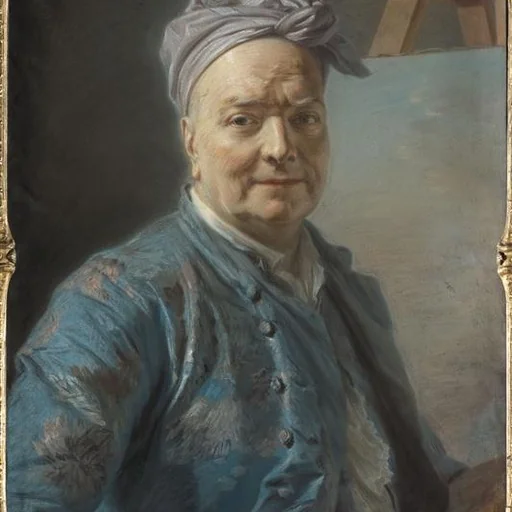
Louis de Silvestre (23 June 1675 – 11 April 1760), also known as Louis de Silvestre the Younger, was a French portrait and history painter.

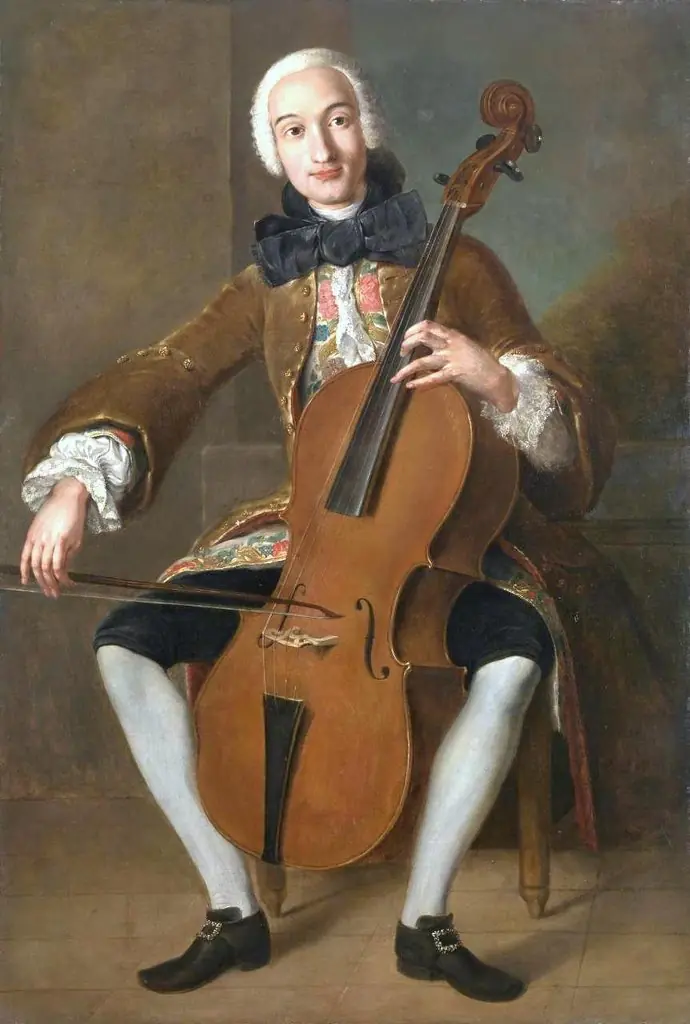 Luigi Boccherini
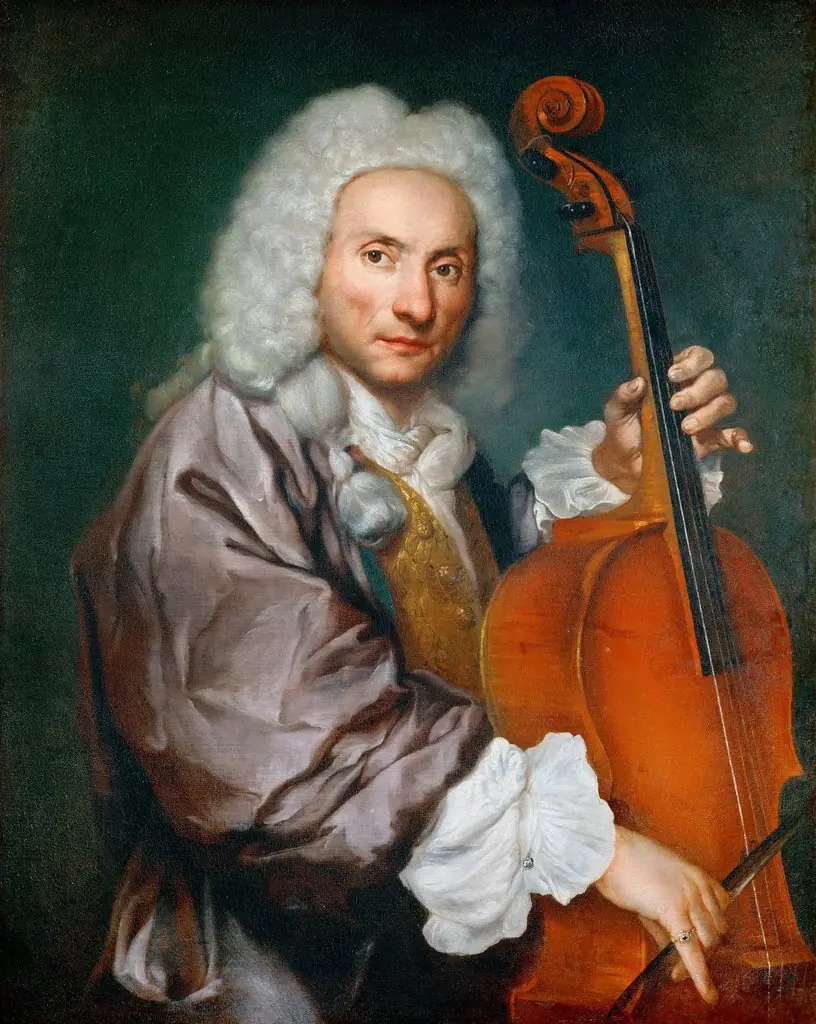 Portrait of a Cello Player
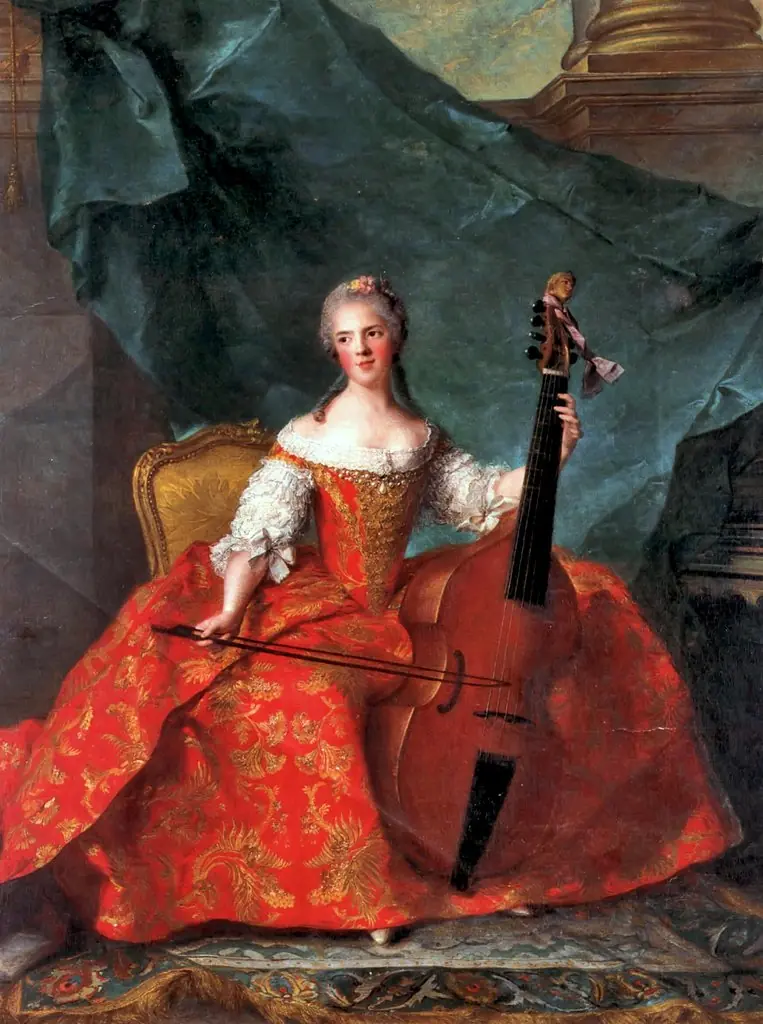 Anne-Henriette de France
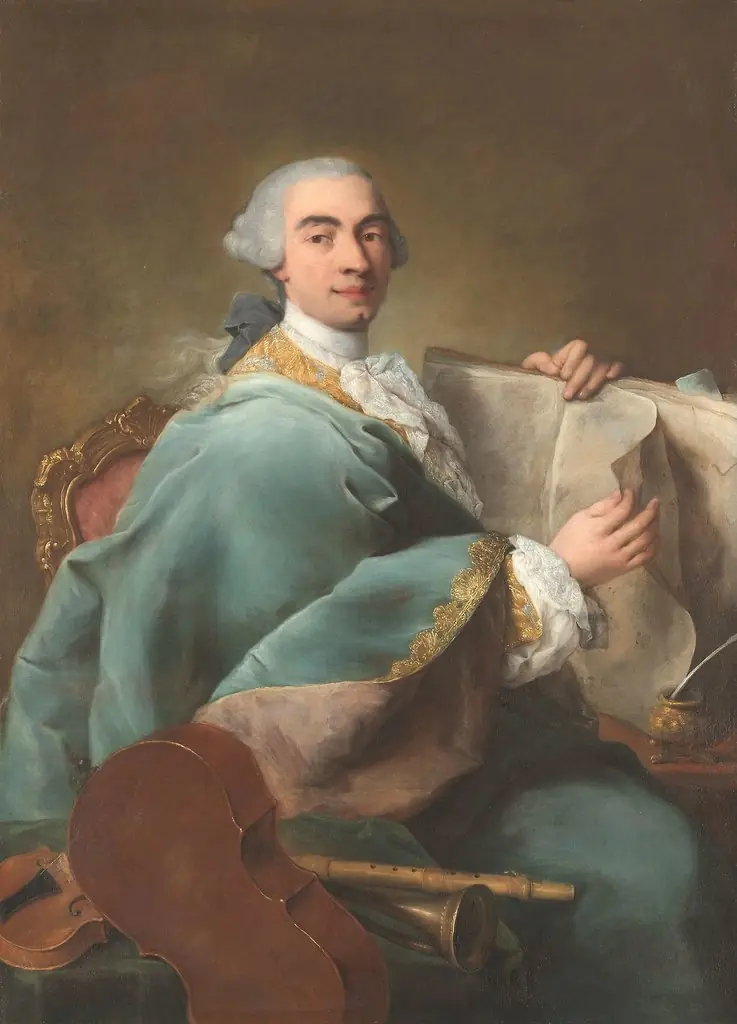 Portrait of a Musician
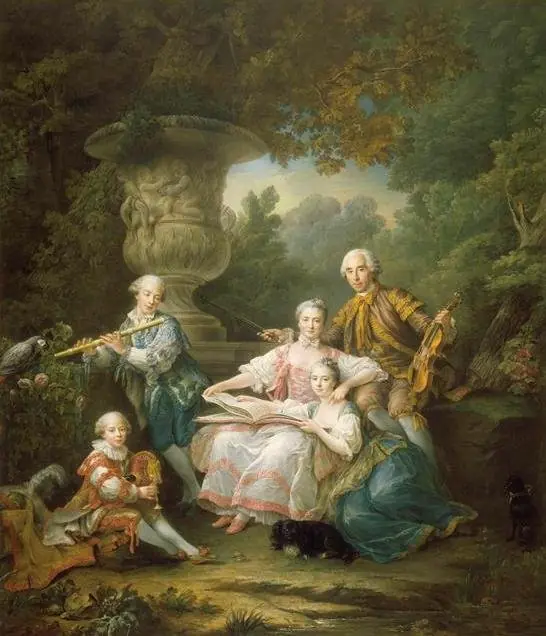 The Sourches family
 Portrait of Charles Tottenham in his Boots
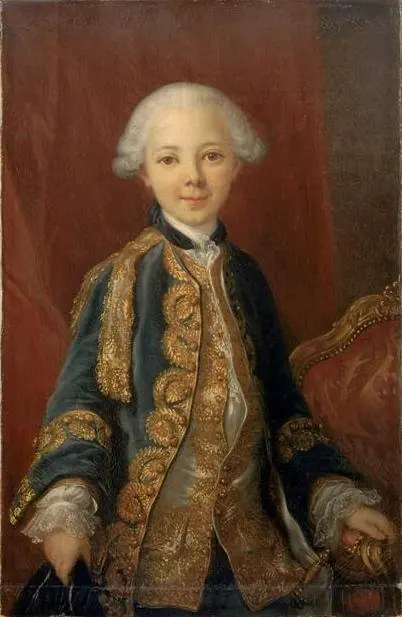 Portrait of Jean Marie de Bourbon, Duke of Châteauvillain third son of the Duke of Penthièvre (1748-1755)
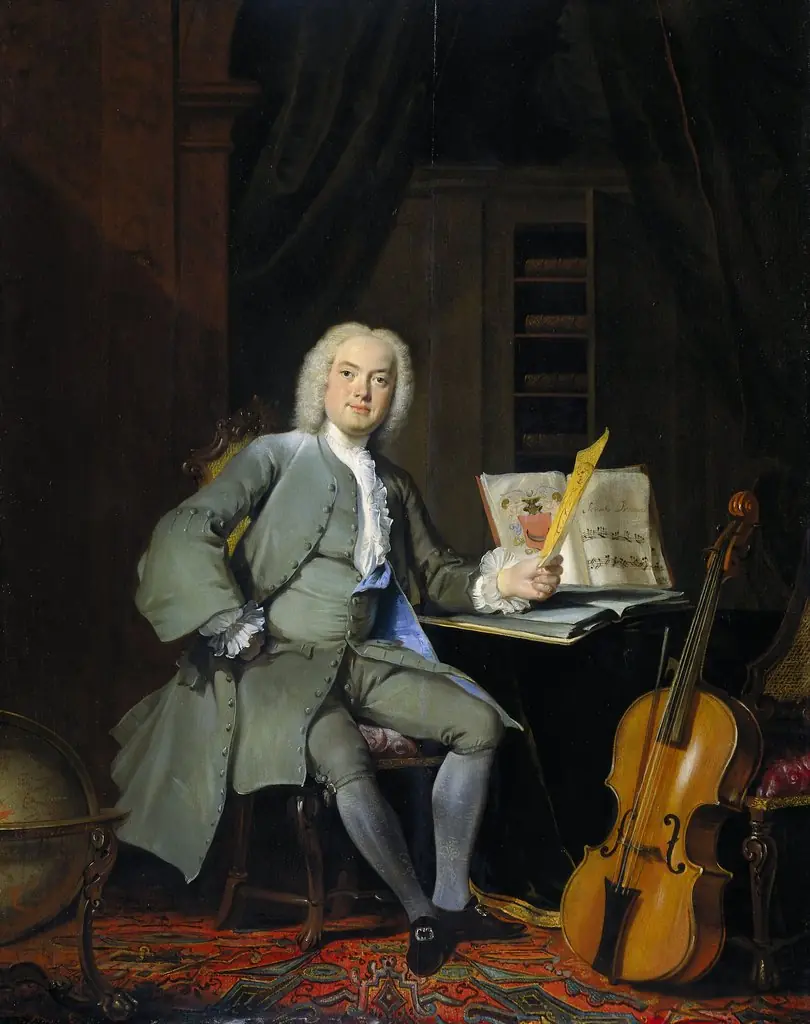 Portrait of a Member of the Van der Mersch Family
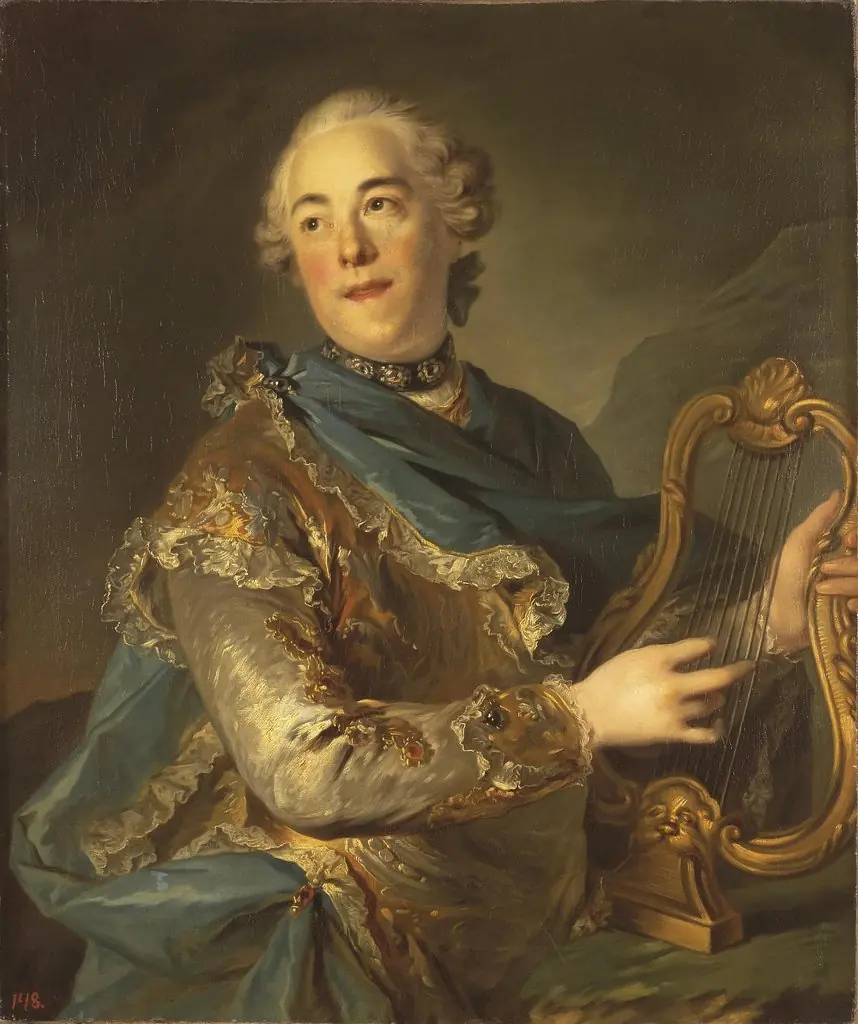 Portrait of Actor as Apollo
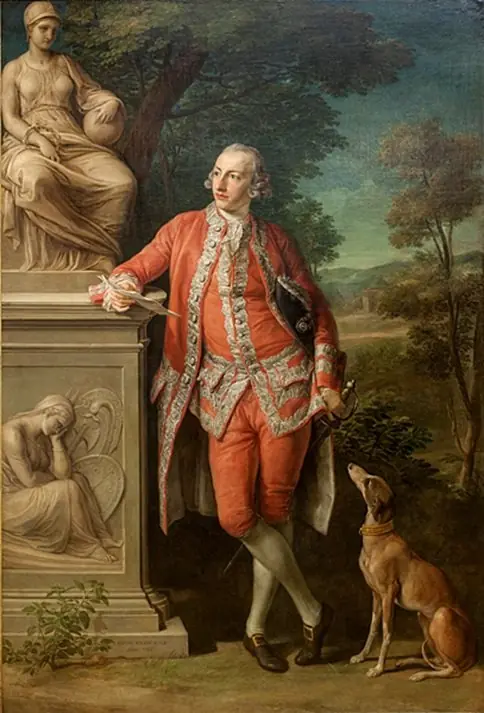 Peter Beckford (1740-1811), godsejer, Dorset.
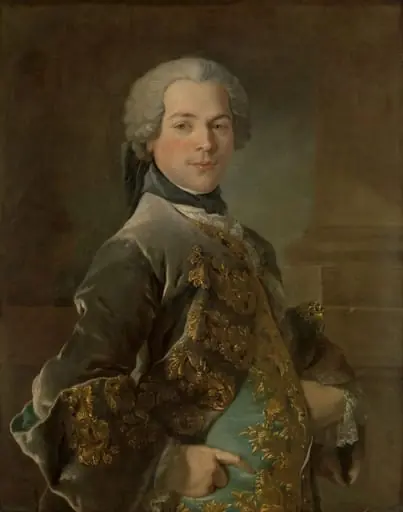 Portrait of Isaac van Rijneveld
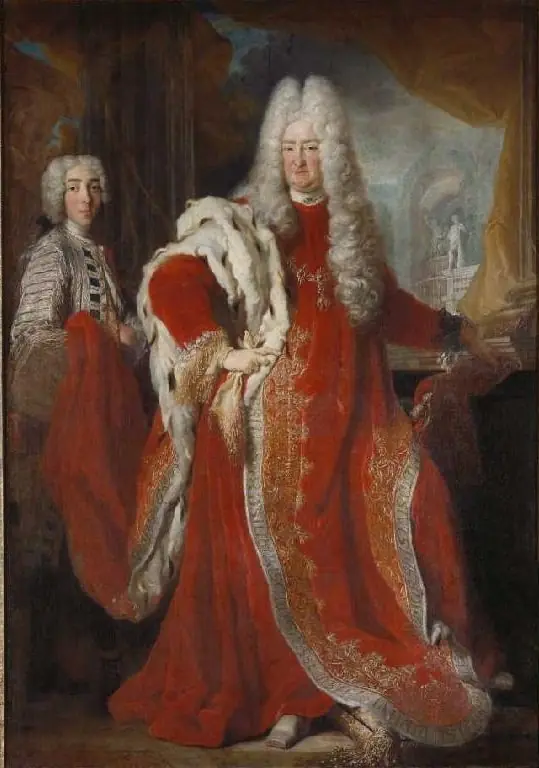 Kurfürst Karl III. Philipp von der Pfalz als Ordensgroßmeister mit Page