Artwork
Maria Amalia de Saxony
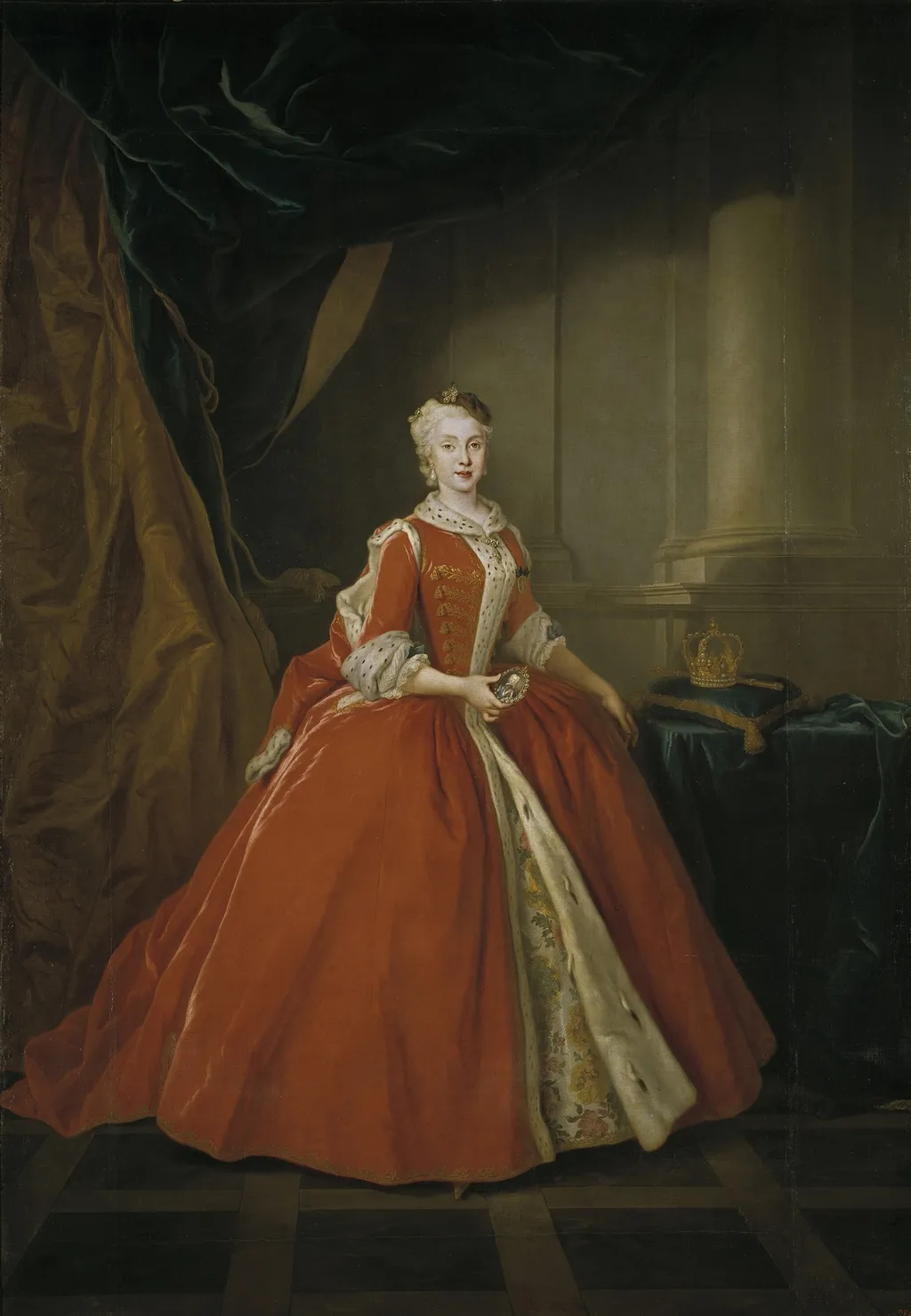
Maria Amalia de Saxony is an oil painting by the Rococo painting artist Louis de Silvestre. It dates from 1738 and is held in the collection of the Museo del Prado.
About this work
Overview
Louis de Silvestre, a French painter active in the early 18th century, executed an oil‑on‑canvas portrait of Maria Amalia of Saxony in 1738. The work, now part of the Museo del Prado collection, exemplifies the Rococo style favored by European courts during that period.
Subject & Meaning
The sitter is Maria Amalia, a Saxon princess, shown seated against a dark backdrop. She holds a crown in her right hand, a symbol of her noble status, while a second crown rests on a nearby table, reinforcing the theme of royal authority and lineage.
Technique & Style
Silvestre employs a refined palette of reds, whites, and golds, rendering the elaborate dress with delicate brushwork that highlights the fabric’s sheen and intricate embroidery. The composition balances the figure’s elegance with a restrained, muted background, a hallmark of Rococo portraiture.
History & Provenance
Created for the Dresden court, the portrait later entered the Spanish royal collection and is now housed in the Prado Museum in Madrid. Its documentation traces a clear line from the artist’s service to King Augustus II of Poland to its present public display.
Context
The painting reflects the diplomatic marriages that linked Saxony, Poland, and other European dynasties in the early 1700s. As a court portrait, it functioned both as a personal likeness and as a visual assertion of political alliances across the continent.
Own this work as a print
Artist & collection
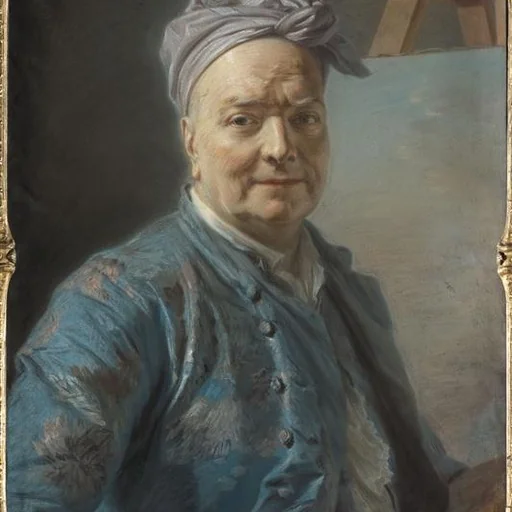
Artist
Louis de Silvestre (23 June 1675 – 11 April 1760), also known as Louis de Silvestre the Younger, was a French portrait and history painter.

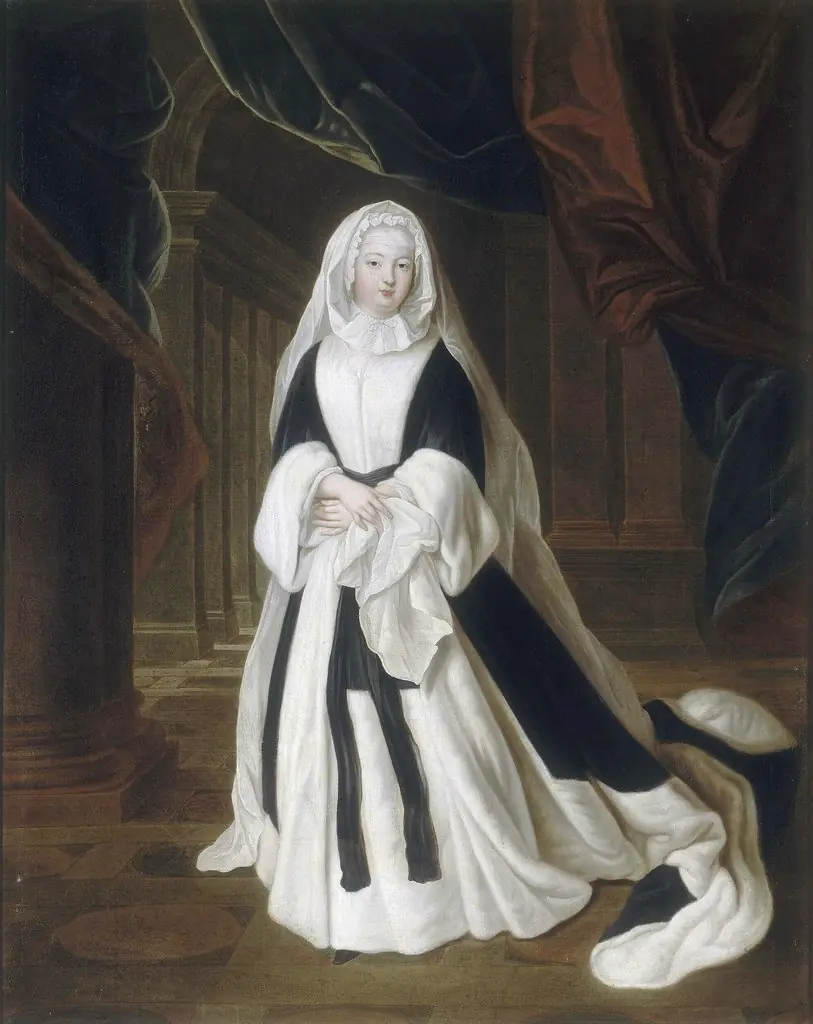 Louise Françoise de Bourbon, Duchess of Bourbon
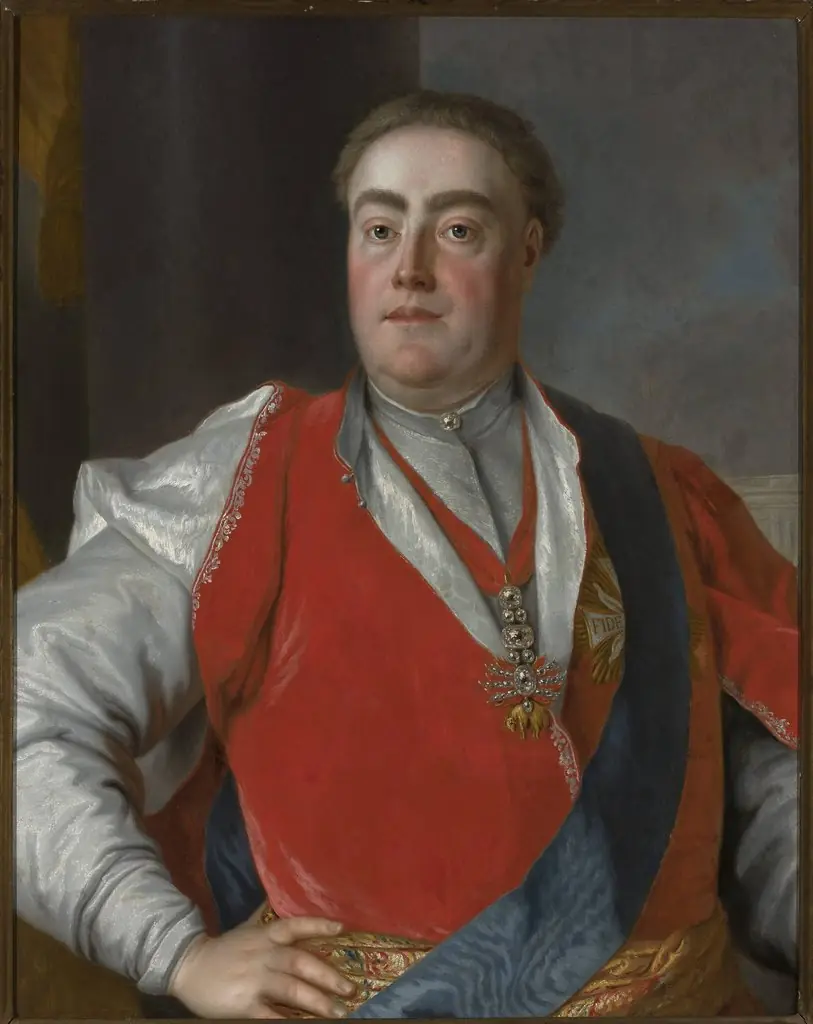 Portrait of Augustus III (1696–1763), King of Poland
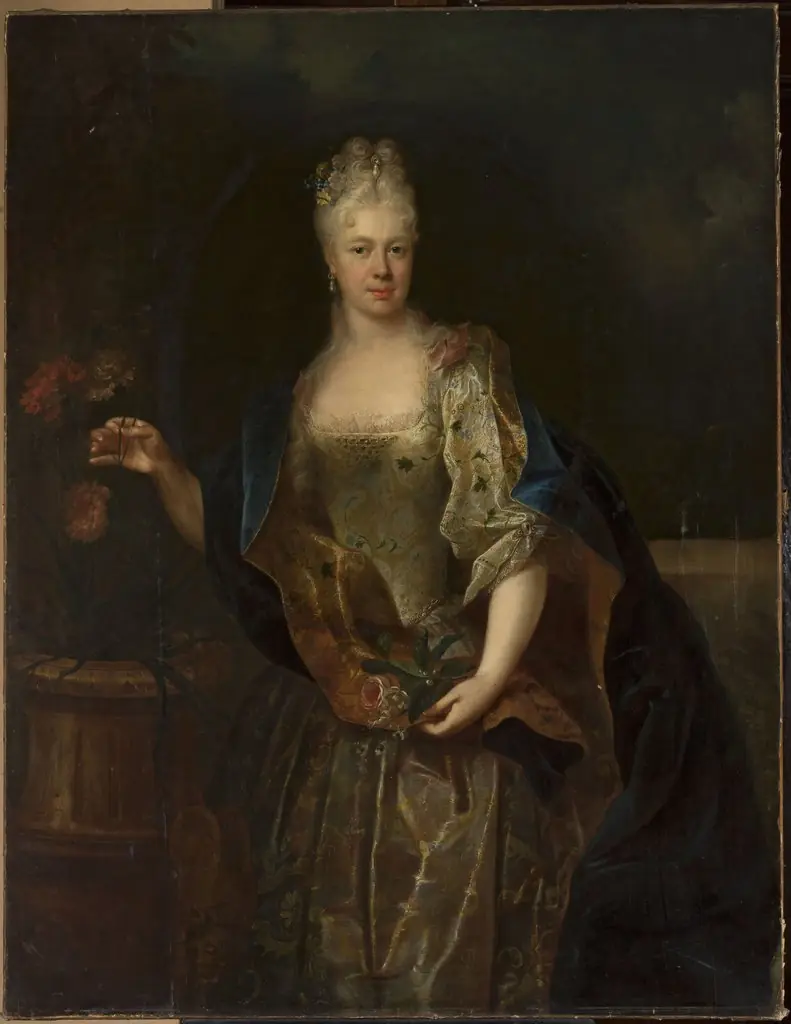 Portrait of Ludwika Amalia Lubomirska (1722–1778)
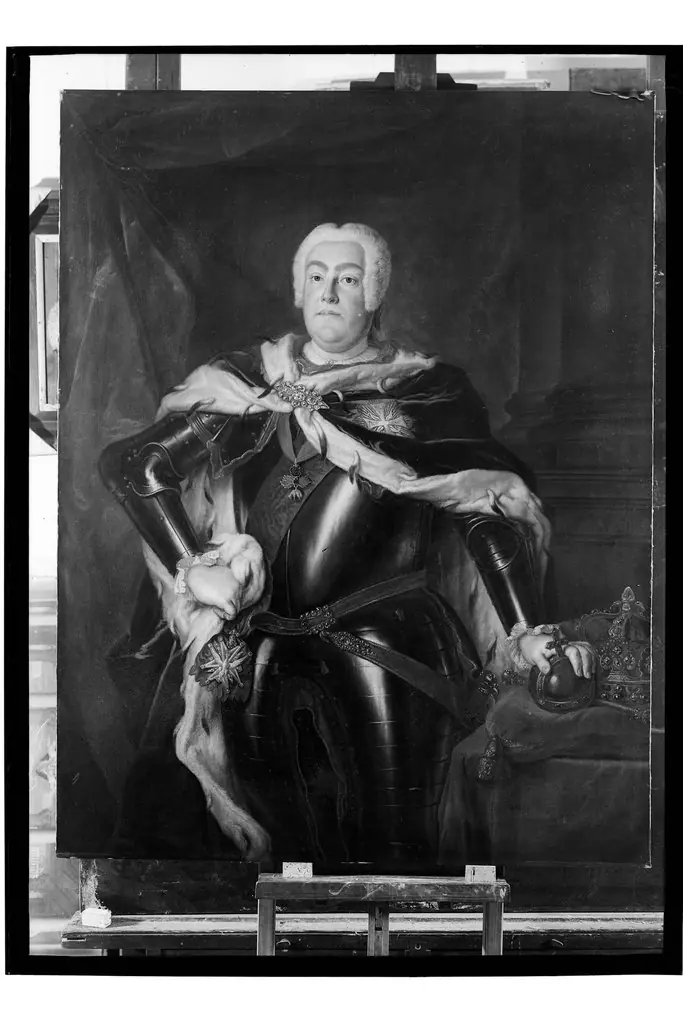 Portrait of Augustus III (1696–1763)
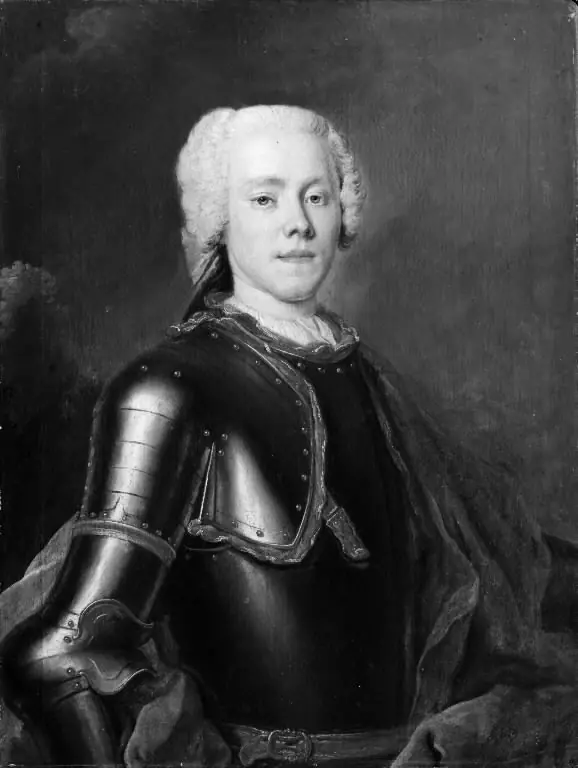 Portrait of Count Jørgen Scheel (1721-1786)
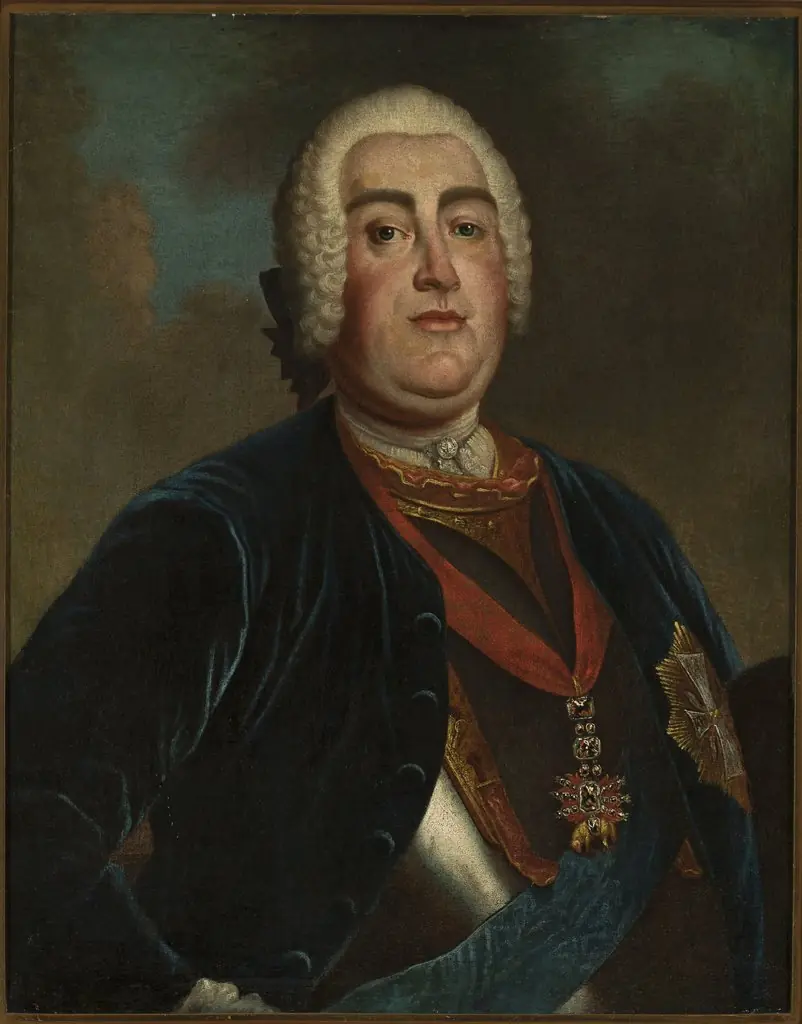 Portrait of Augustus III
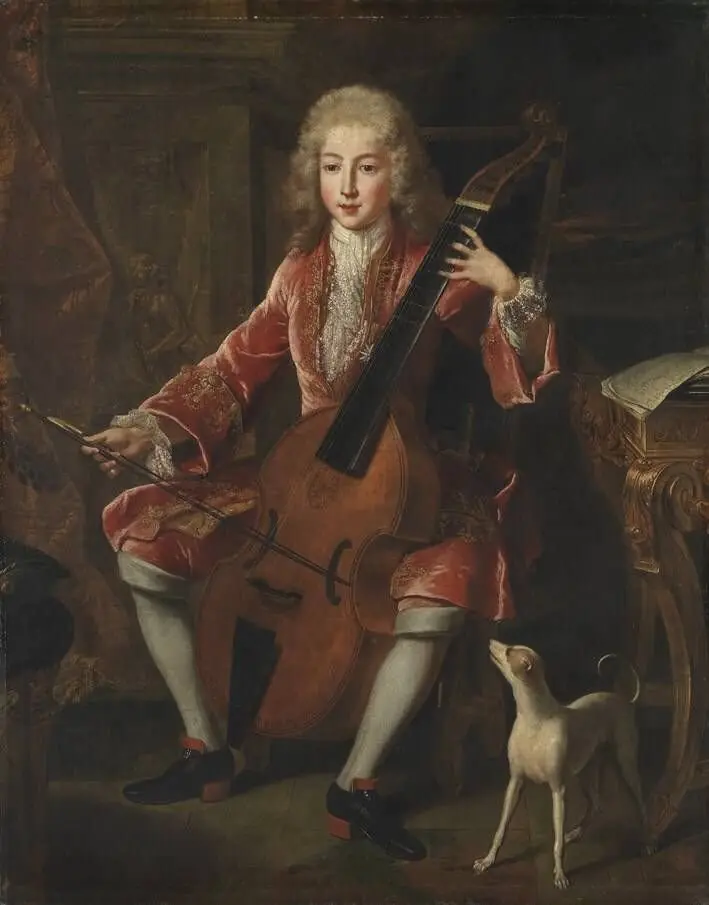 Maximilien-Emmanuel, Chevalier de Bavière
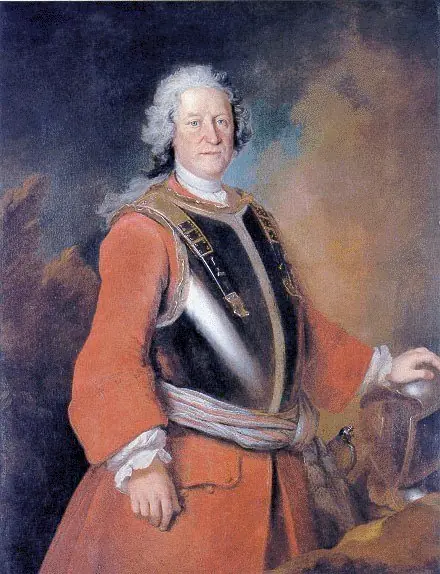 Jean de Bodt (1670-1745)
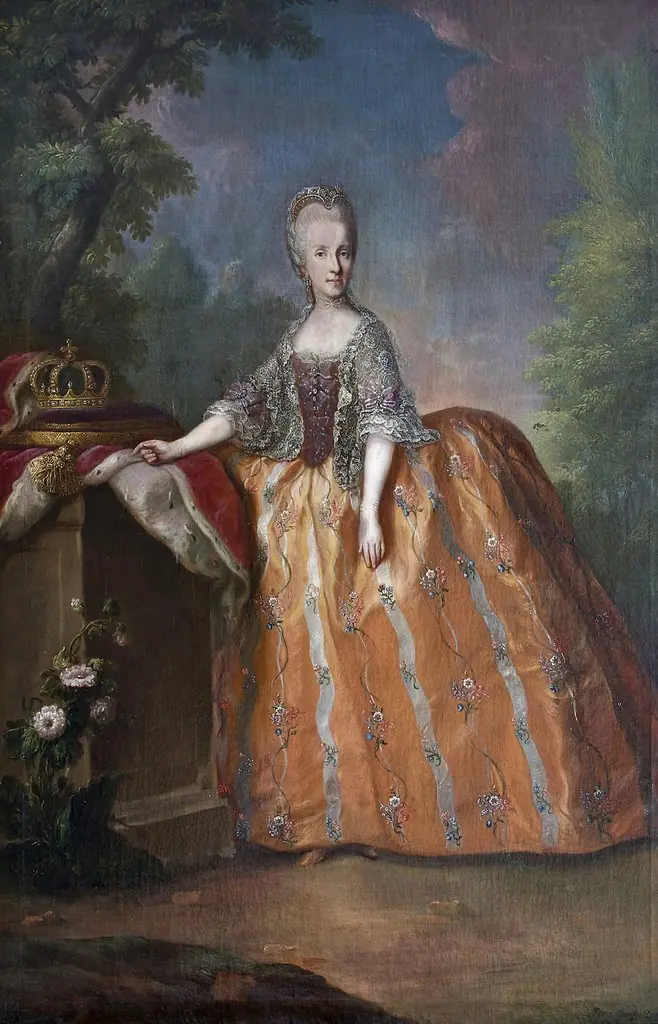 Maria Luisa of Spain, Holy Roman Empress
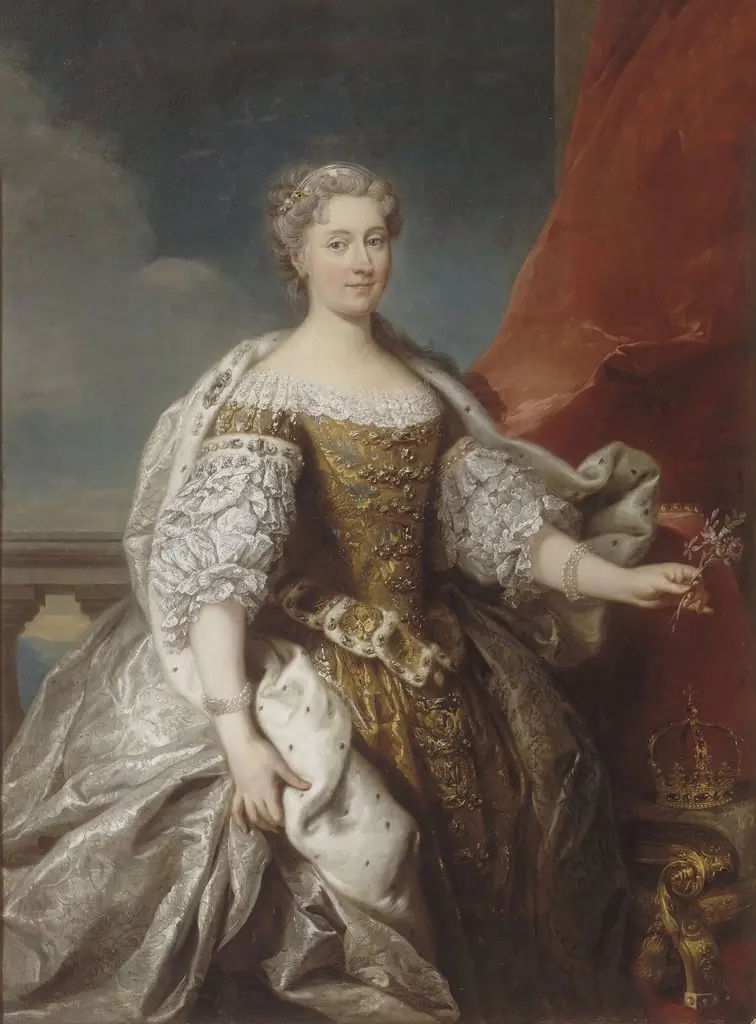 Catherine Opalińska, Queen of Poland
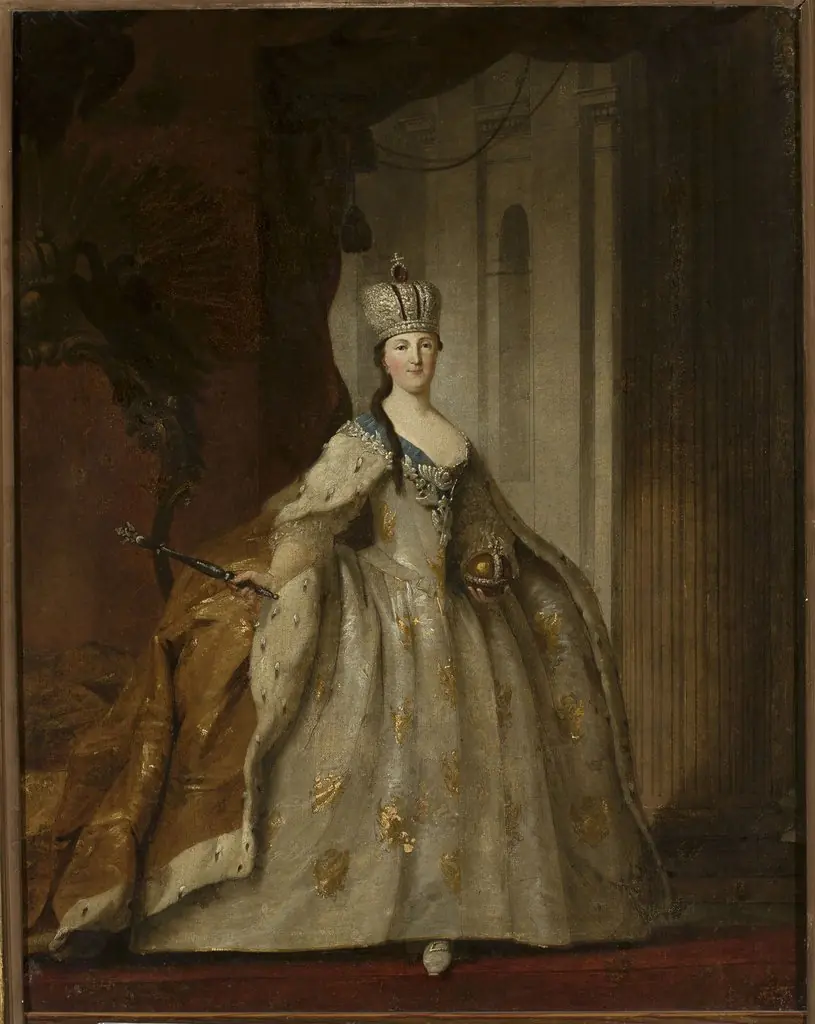 Portrait of Catherine II
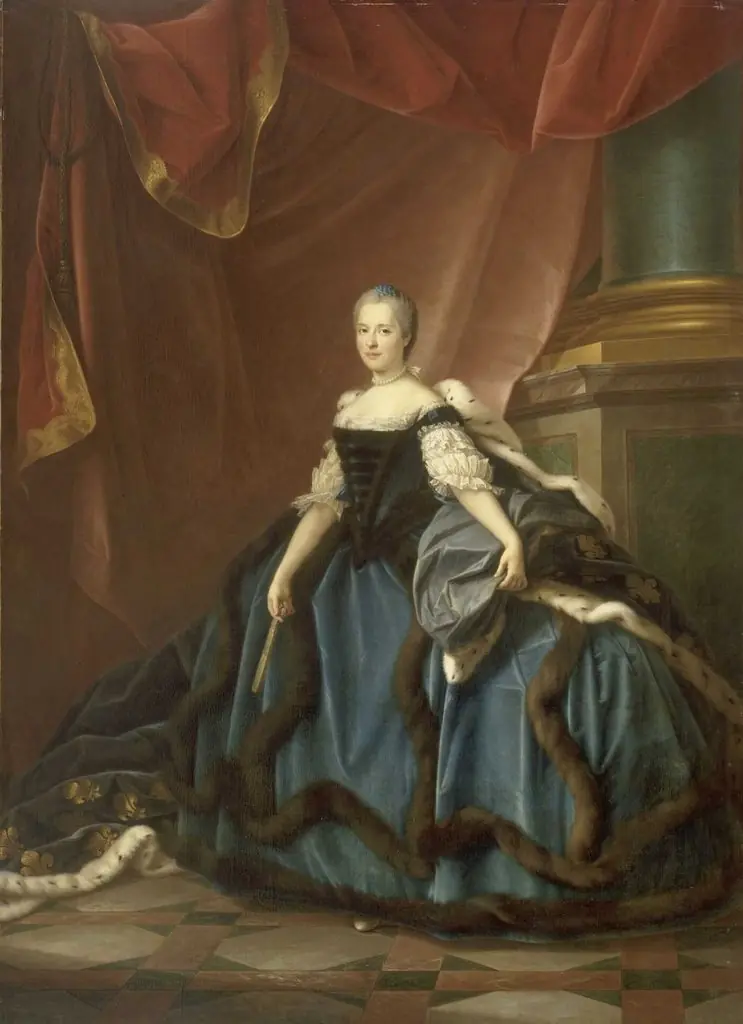 Marie-Josephus of Saxe
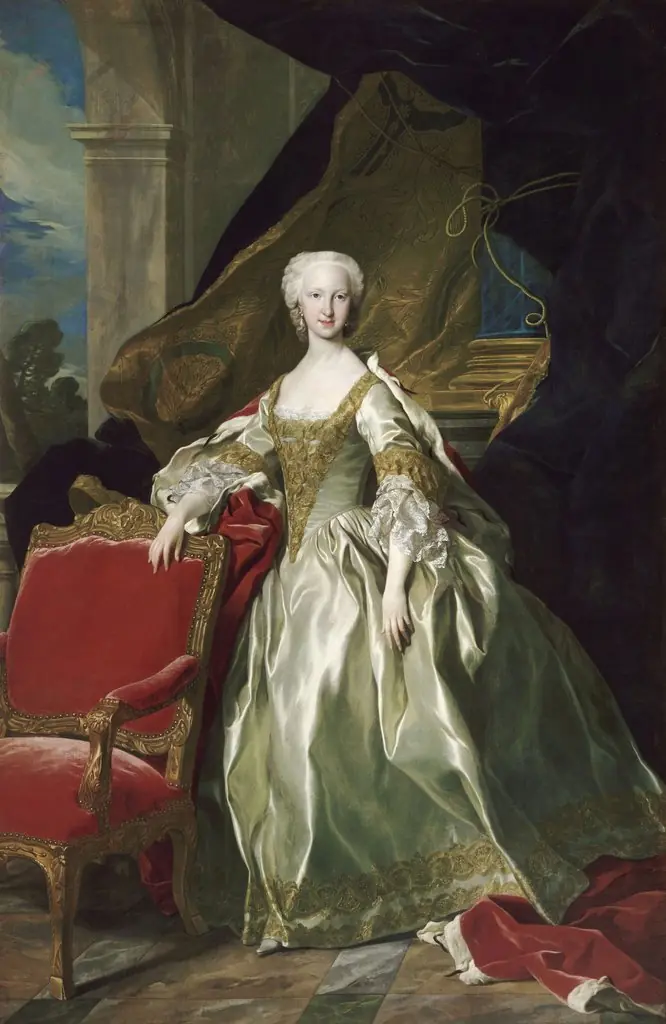 The Infanta María Teresa Rafaela of Spain, future Dauphine of France (1726-1746)
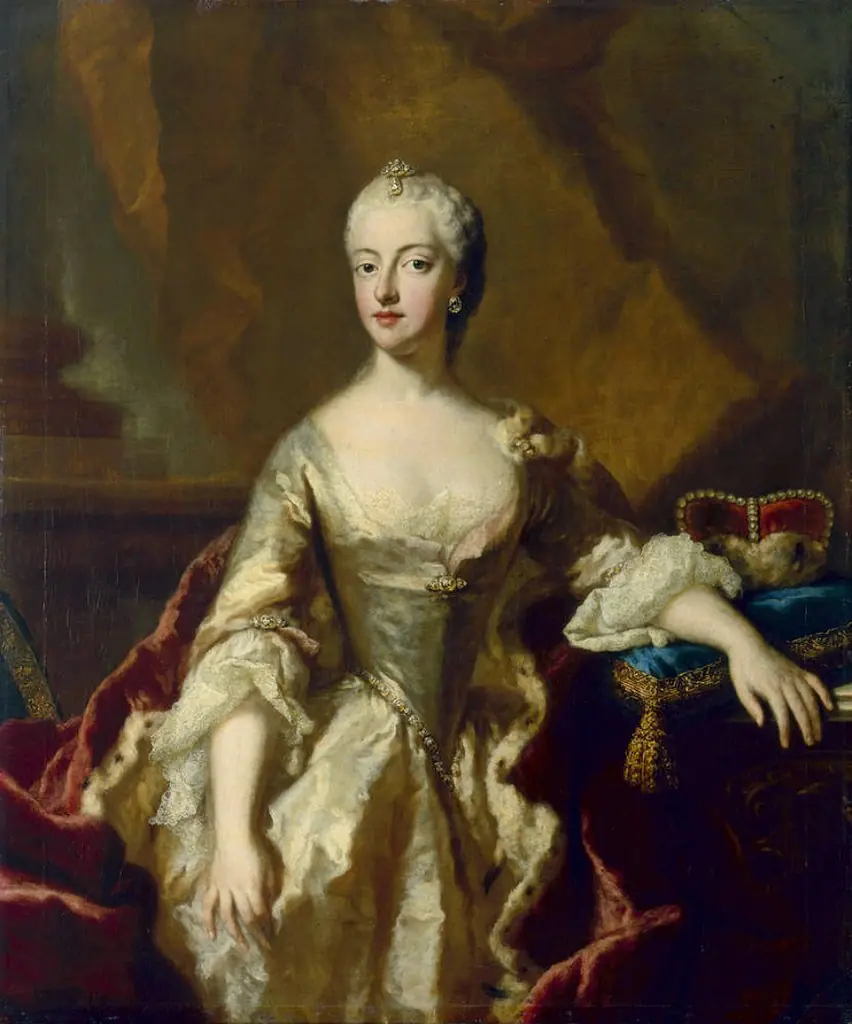 Margravine Maria Anna Josepha of Baden-Baden
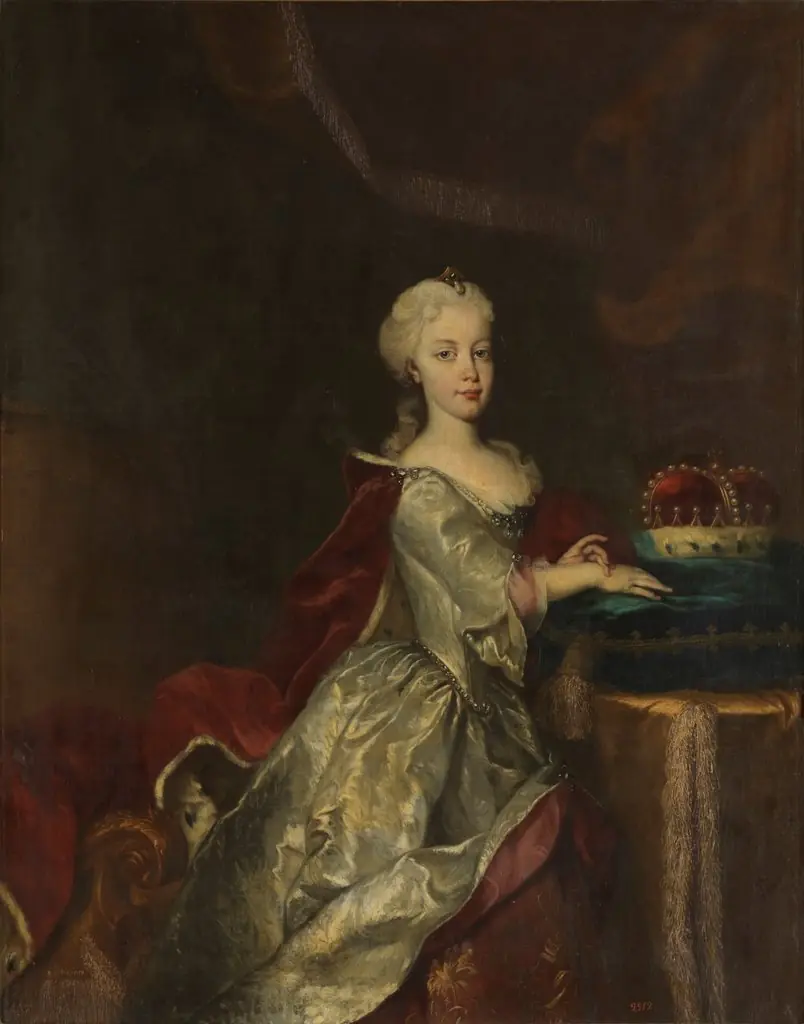 María Teresa archiduquesa de Austria
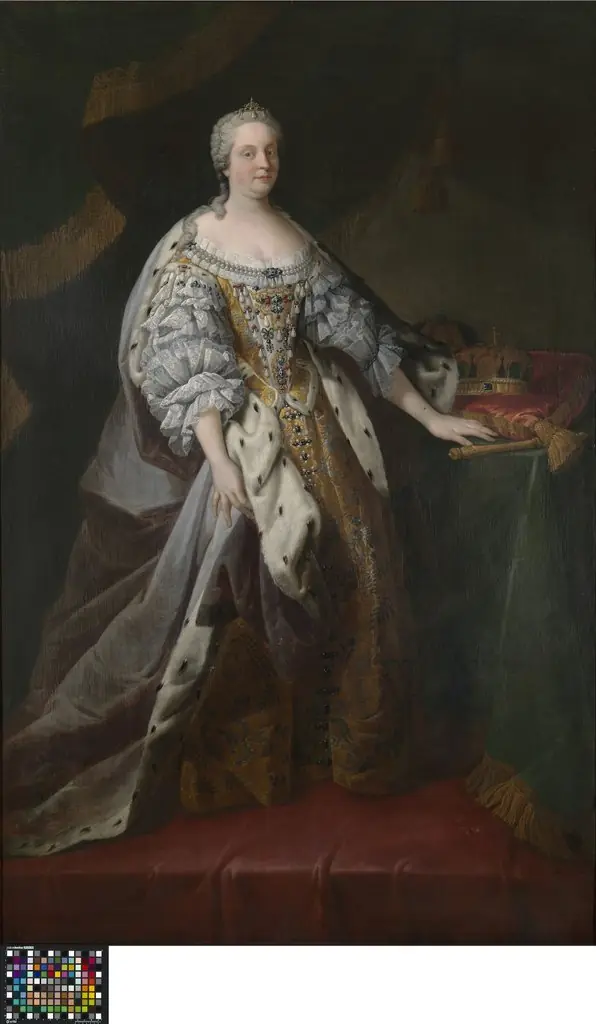 Portret van keizerin Maria Theresia
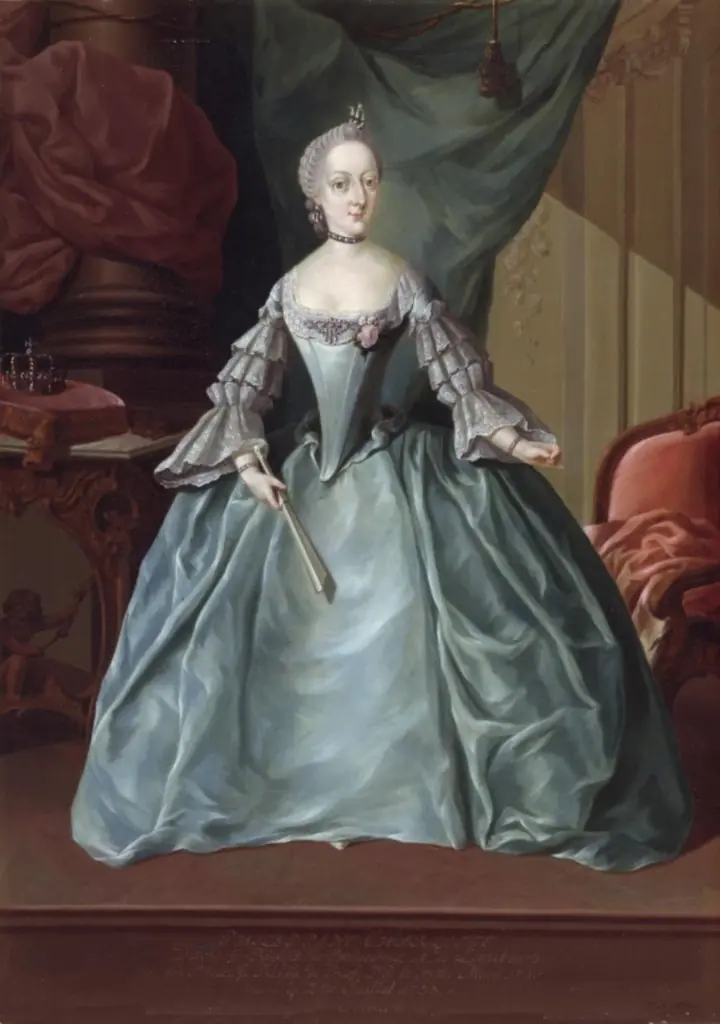 Philippine Charlotte, Duchess of Brunswick and Lüneburg, born Princess of Prussia