Artwork
Jean de Bodt (1670-1745)
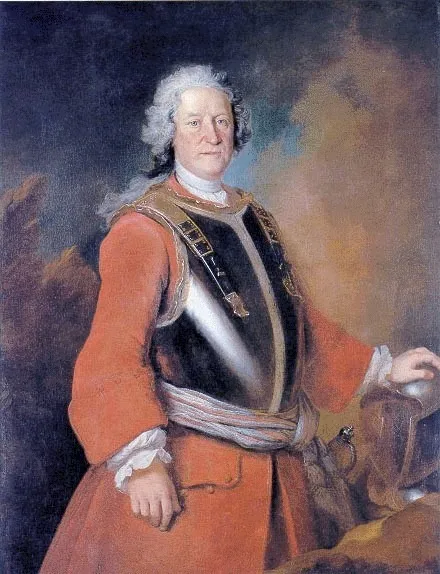
Jean de Bodt (1670-1745) is an oil painting by the Rococo painting artist Louis de Silvestre. It dates from 1729 and is held in the collection of the Staatliche Kunstsammlungen Dresden.
About this work
This portrait painting shows a man in an orange coat with a black vest and white ruffles.
This portrait painting shows a man in an orange coat with a black vest and white ruffles. He has white hair and is looking at the viewer. The background is dark with some light colors.
The man's clothing and hairstyle suggest he is from the 18th century. His expression is serious, and he seems to be posing for the portrait.
To learn more about this style of painting, look up the technique of chiaroscuro.
Overview
Painted in 1729 by Louis de Silvestre, this oil portrait depicts Jean de Bodt, a French-born architect and military engineer active in Saxony. The work is part of the Gemäldegalerie Alte Meister’s collection in Dresden and reflects the refined aesthetic of the early Rococo period. Silvestre, then director of the Dresden Academy, executed the portrait during his tenure at the Saxon court, where he frequently portrayed officials and nobility.
Subject & Meaning
Jean de Bodt is portrayed as a man of authority and precision, his serious expression and formal attire conveying his professional stature. His orange coat, black vest, and lace ruffles signify status within the 18th-century administrative elite. The direct gaze and composed posture suggest a deliberate assertion of identity, aligning with the tradition of portrait painting as a tool for personal and institutional representation among state servants.
Technique & Style
Silvestre employs soft modeling and subtle tonal gradations to render Bodt’s features and textiles, characteristic of Rococo portraiture. The dark background isolates the figure, enhancing three-dimensionality through gentle chiaroscuro. Delicate brushwork captures the texture of lace and fabric, while the warm orange of the coat contrasts with cooler shadows, creating visual harmony without theatricality. The composition remains restrained, avoiding excessive ornamentation.
History & Provenance
Commissioned during Silvestre’s service to Augustus II of Poland and Saxony, the portrait entered the Dresden royal collection shortly after its completion. It remained within the Saxon state holdings through the 19th century and was later integrated into the Gemäldegalerie Alte Meister’s permanent display. Its continuous institutional custody ensures its preservation and documented lineage from the early 1700s to the present.
Context
In early 18th-century Saxony, portraits of civil and military officials served to legitimize state authority and celebrate technical expertise. Bodt, who contributed to fortifications and urban planning, exemplified the Enlightenment ideal of the rational administrator. Silvestre’s approach, blending elegance with restraint, mirrored the court’s preference for dignified representation over flamboyance, even amid the Rococo’s ornamental trends.
Legacy
The portrait stands as a representative example of courtly portraiture in Saxony during the transition from Baroque to Rococo. It documents the visual language of bureaucratic power and the role of artists in shaping public personas. Though not widely exhibited beyond Dresden, it remains a key reference for understanding how technical professionals were commemorated in early modern European courts.
Artist & collection
Artist
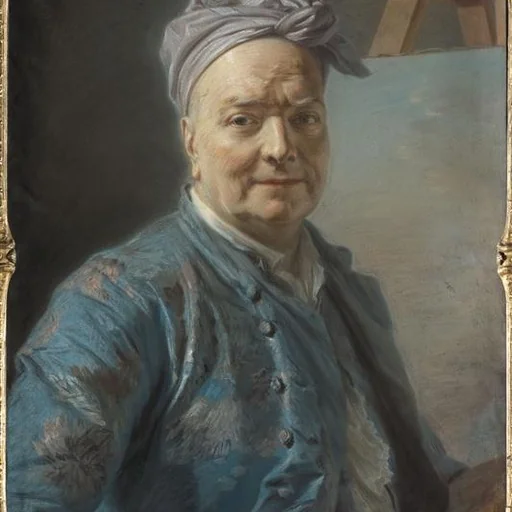
Louis de Silvestre (23 June 1675 – 11 April 1760), also known as Louis de Silvestre the Younger, was a French portrait and history painter.

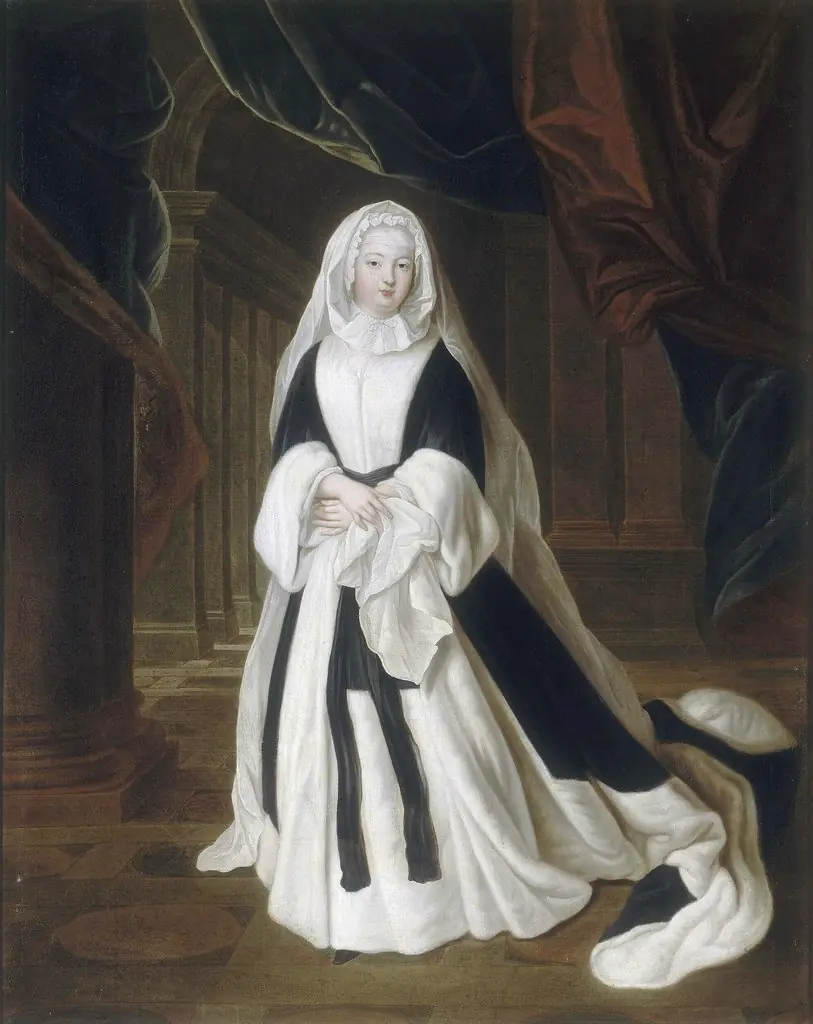 Louise Françoise de Bourbon, Duchess of Bourbon
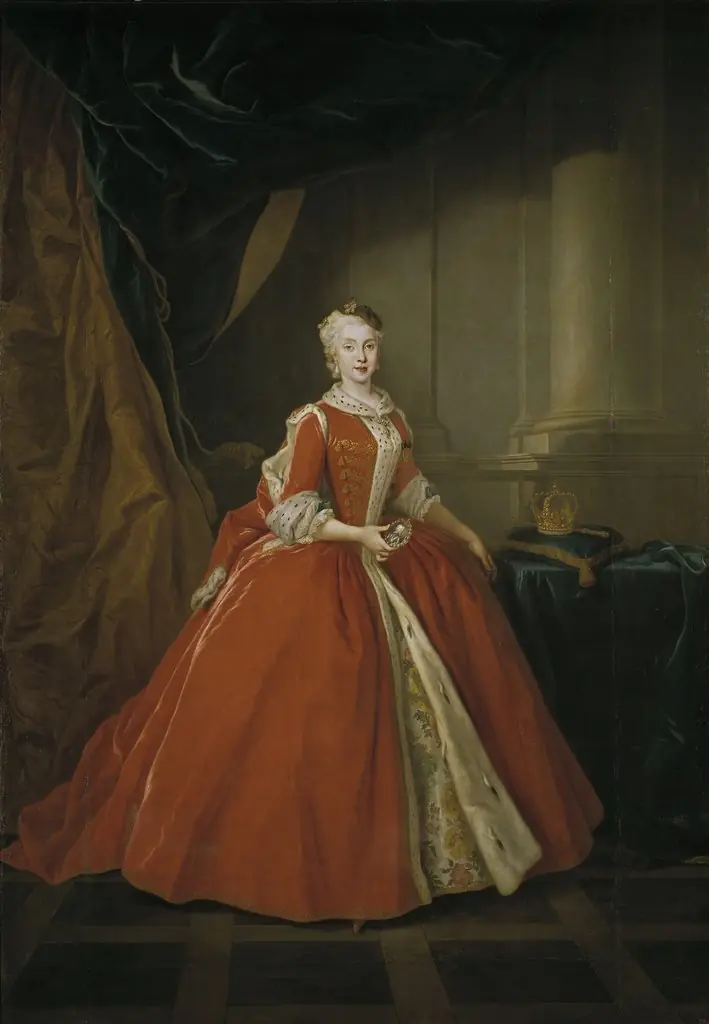 Maria Amalia de Saxony
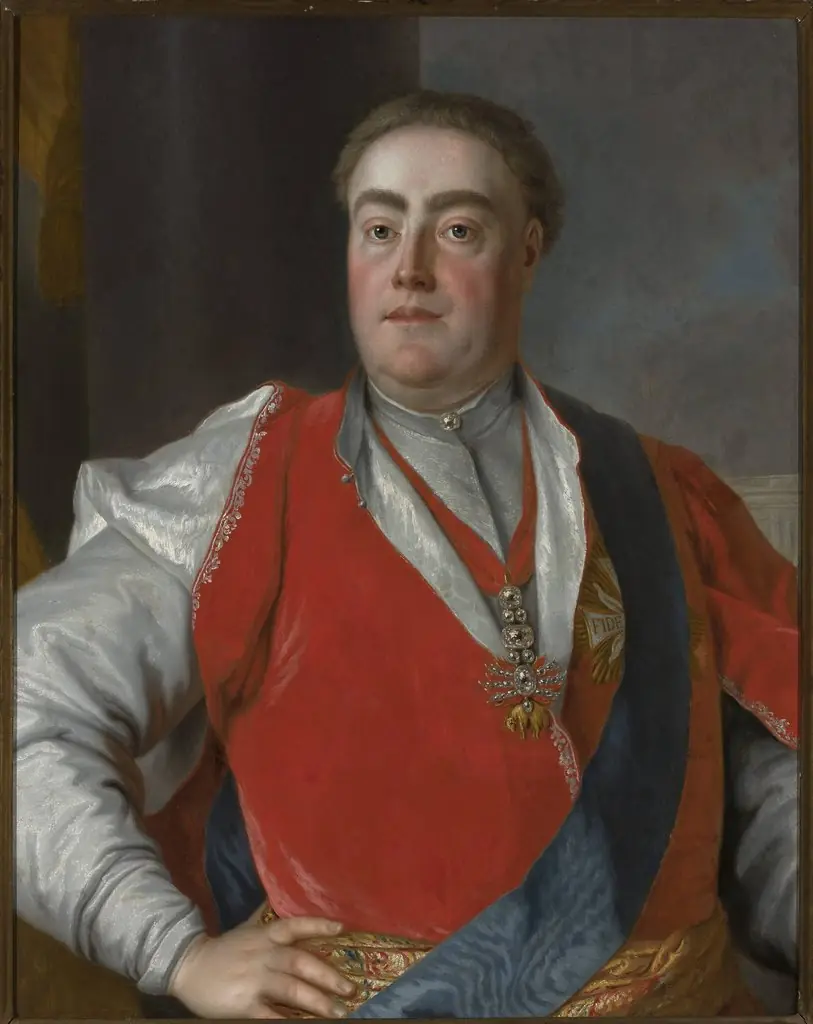 Portrait of Augustus III (1696–1763), King of Poland
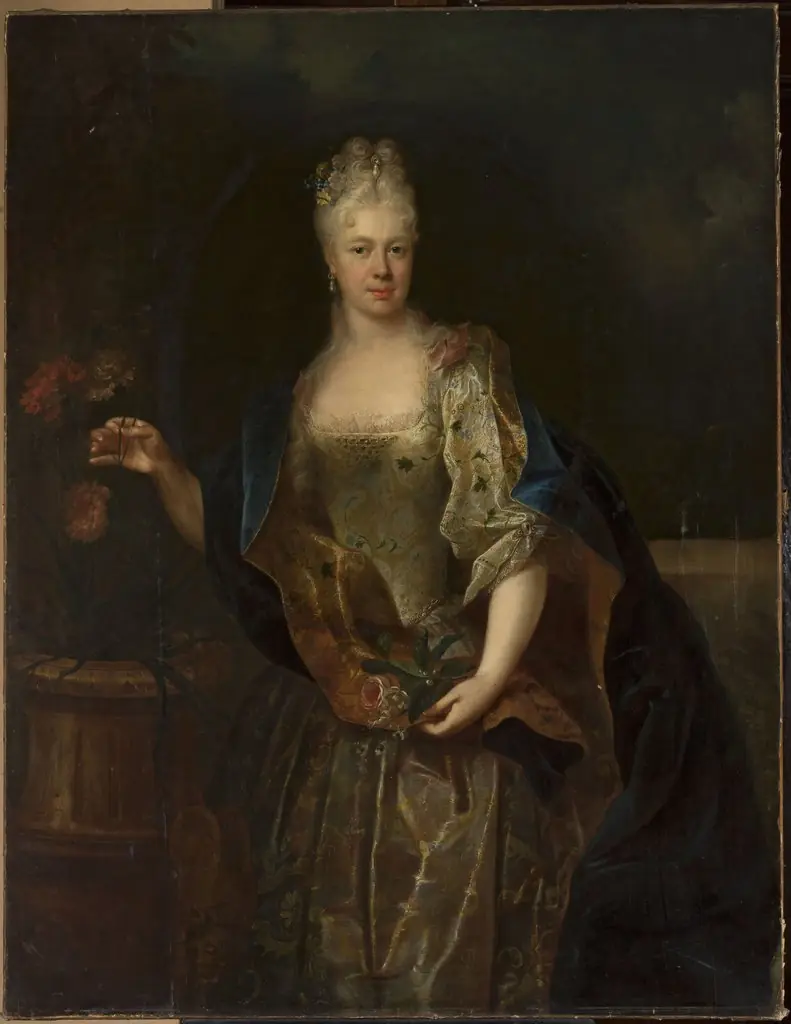 Portrait of Ludwika Amalia Lubomirska (1722–1778)
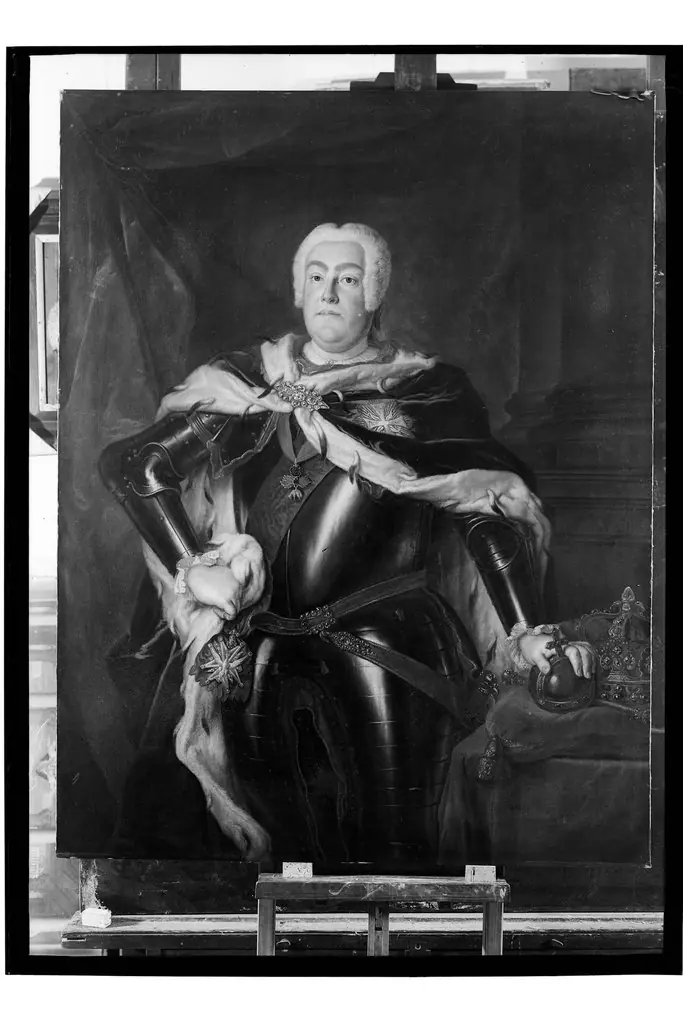 Portrait of Augustus III (1696–1763)
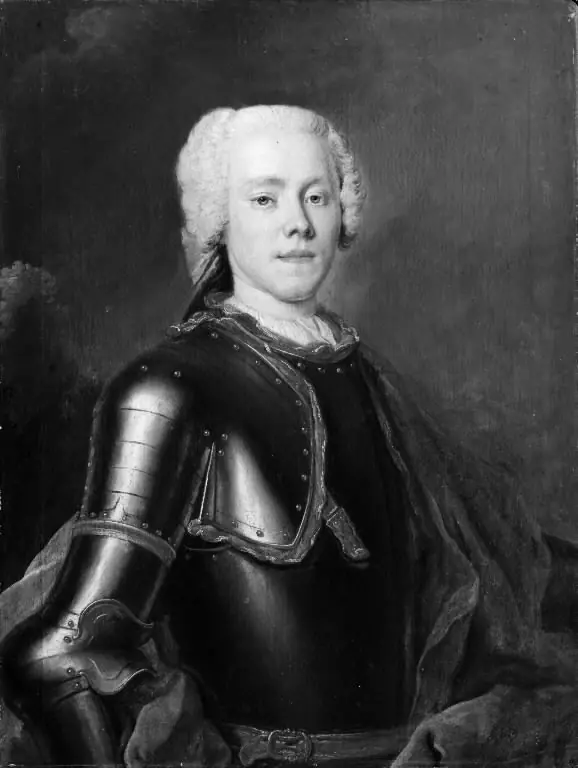 Portrait of Count Jørgen Scheel (1721-1786)
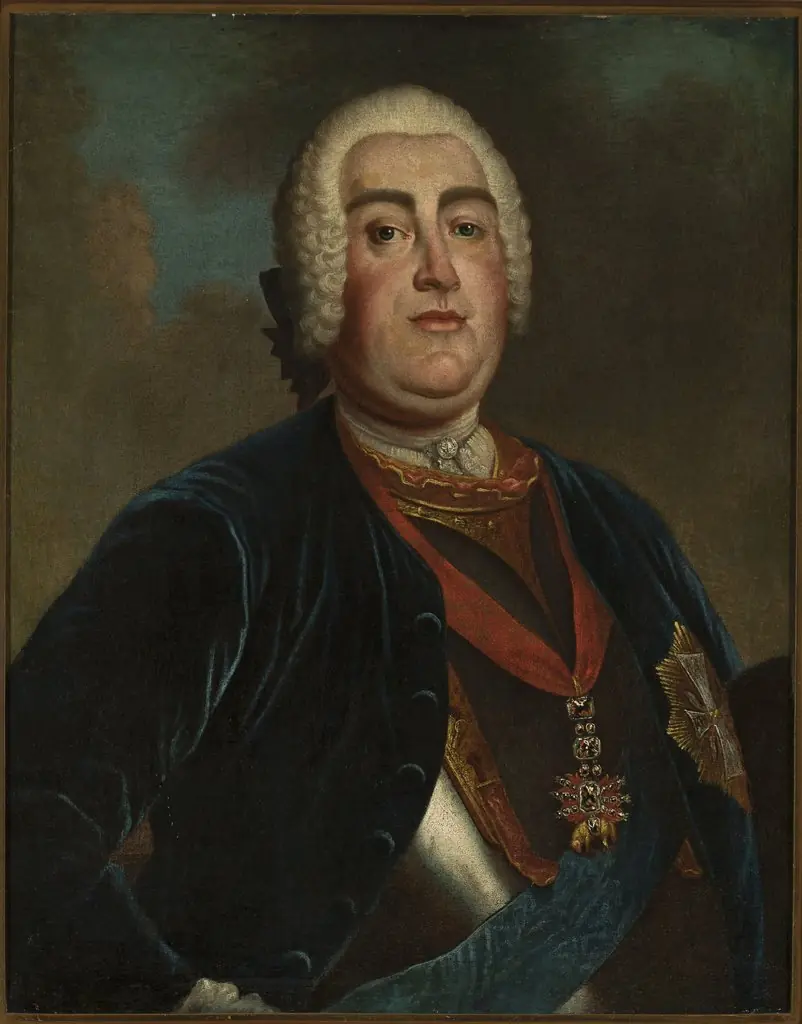 Portrait of Augustus III
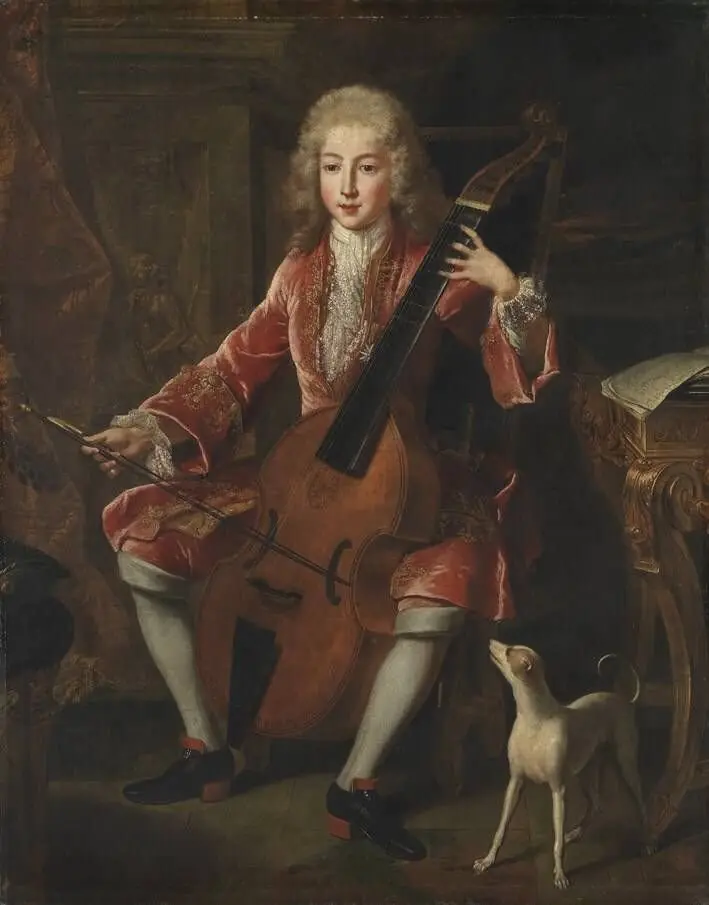 Maximilien-Emmanuel, Chevalier de Bavière
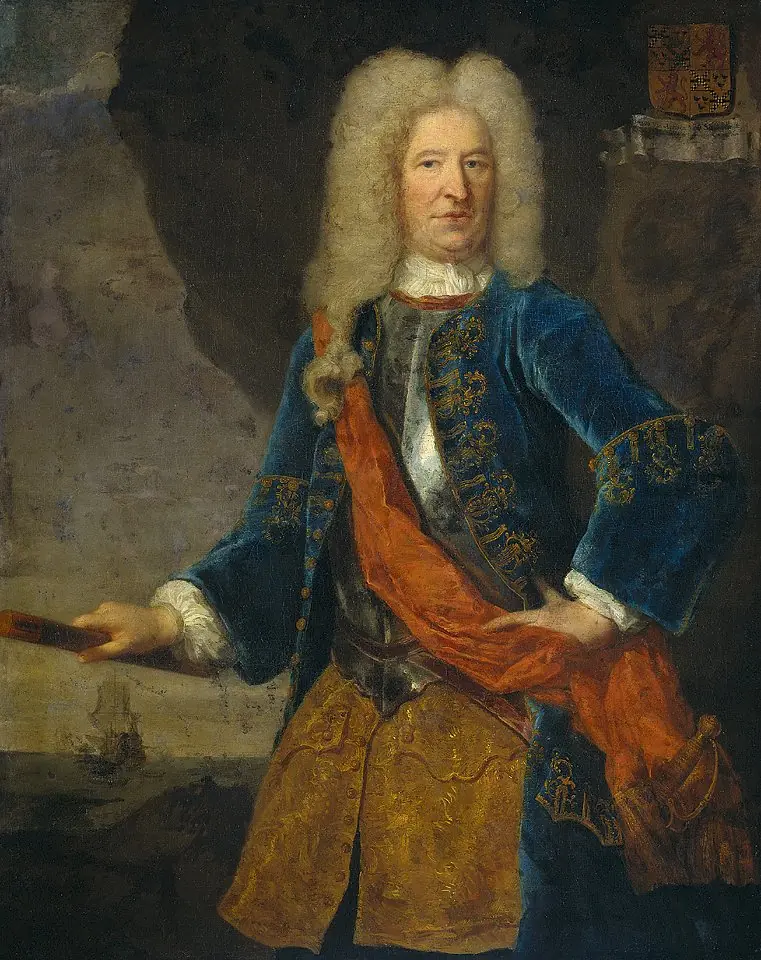 Portrait of François van Aerssen, Lord of Sommelsdijk, Vice-Admiral of Holland and West-Friesland
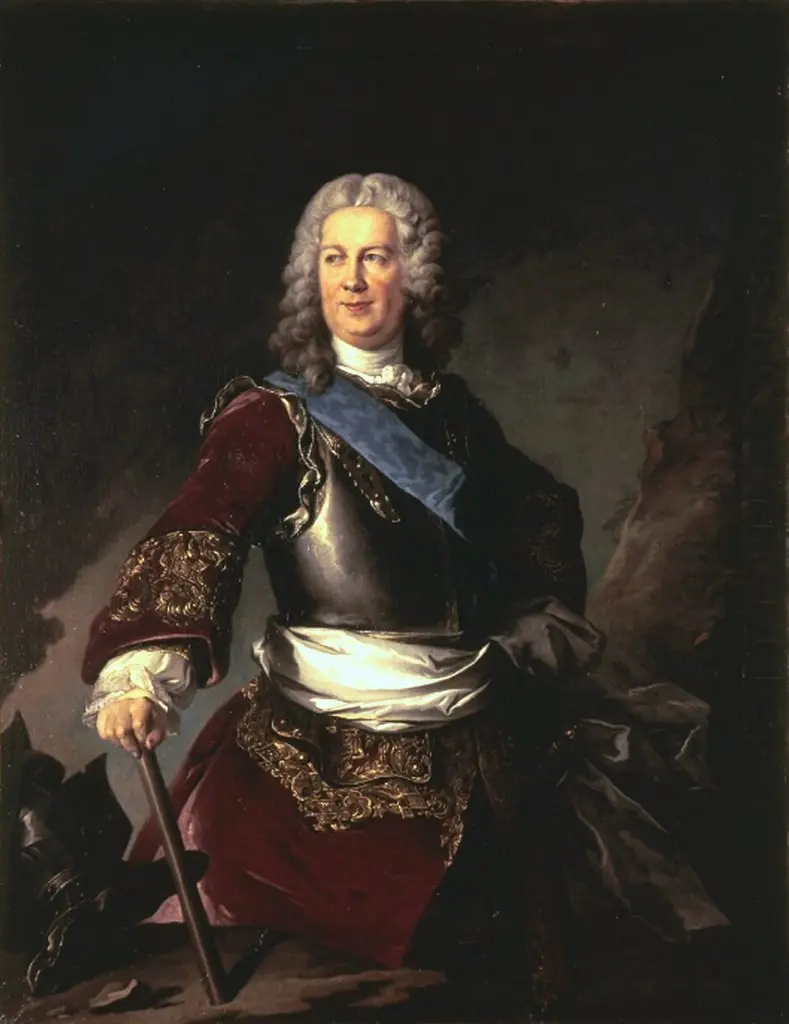 Thomas Goyon de Matignon (1684-1766), comte de Gacé, seigneur de Briquebec, Brigadier des armées du Roi en 1719.
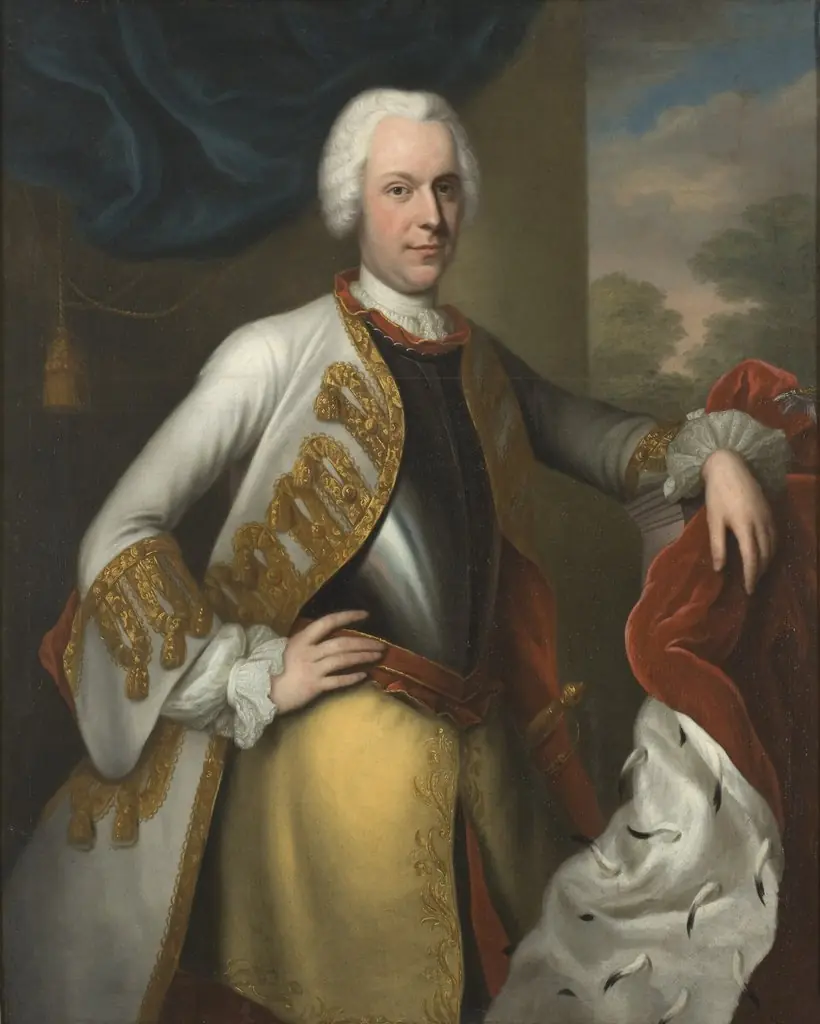 Adolf Fredrik (1710-1771), king of Sweden, duke of Holstein-Gottorp, prince bishop of Lübeck, married to Lovisa Ulrika of Prussia
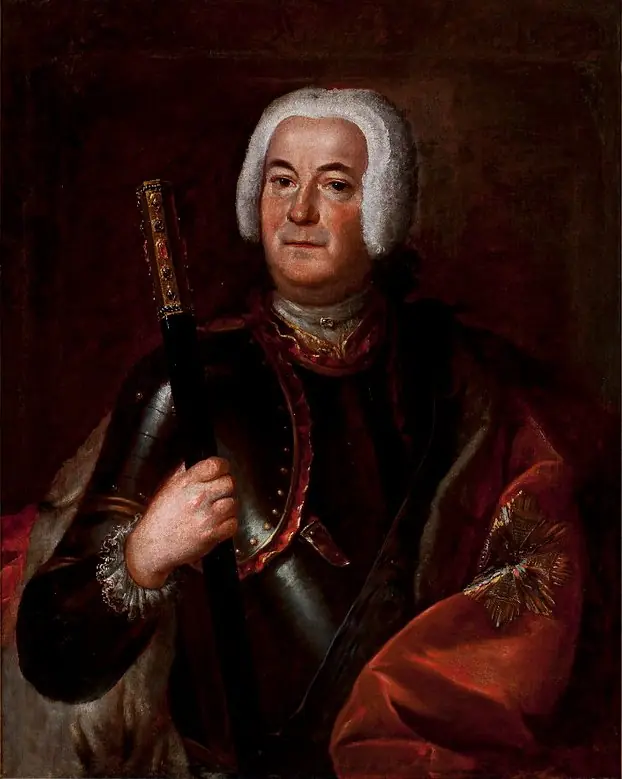 Portrait of Paweł Karol Sanguszka (1680–1750), Grand Marshal of Lithuania
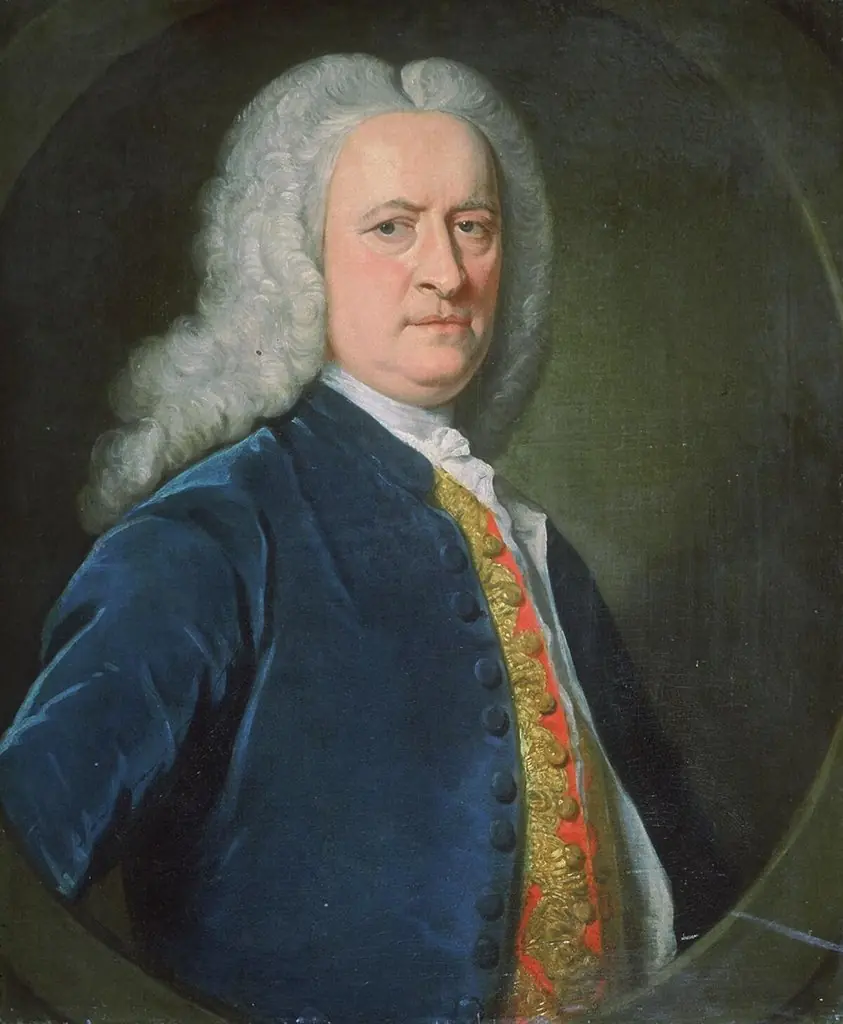 Portrait of a man
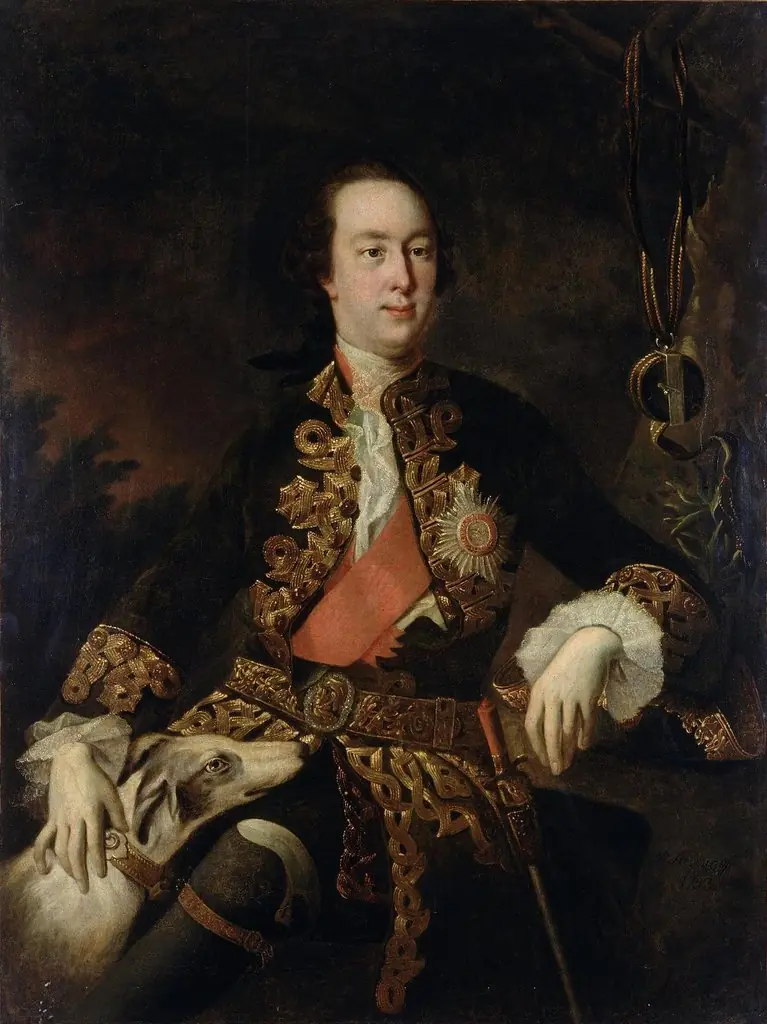 Portrait of P.B. Sheremetev
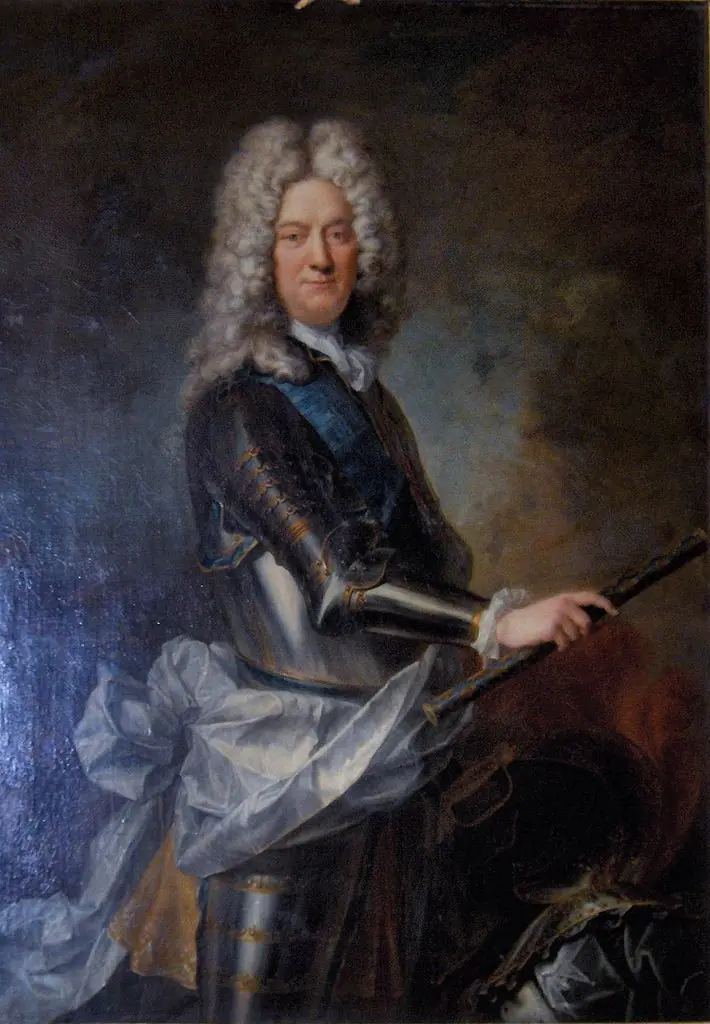 Portrait of Charles-Armand de Gontaut, Duke of Biron, Marshall of France
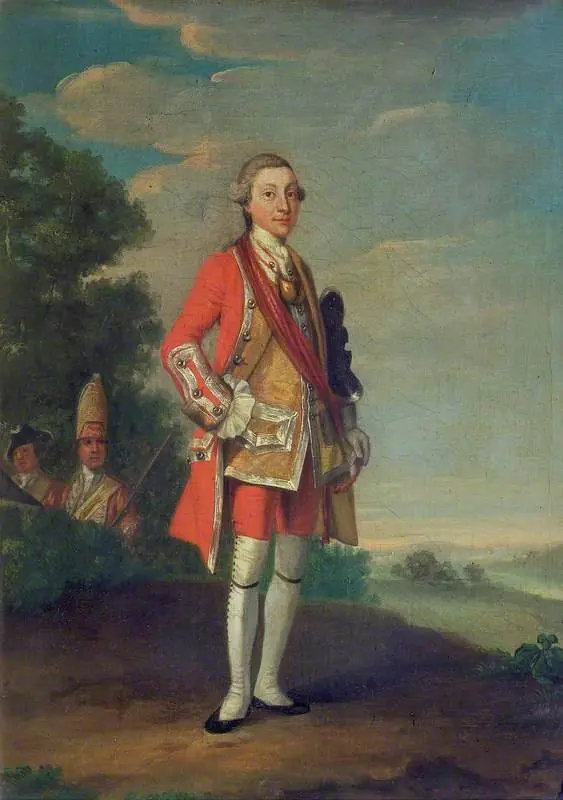 William Augustus (1721–1765), Duke of Cumberland, Son of George II
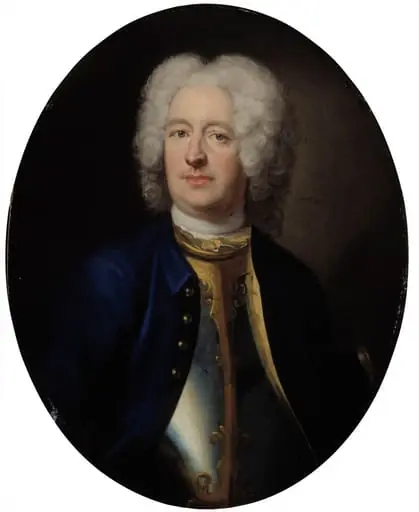 Kenraalimajuri Simon Jacob Wennerstedt
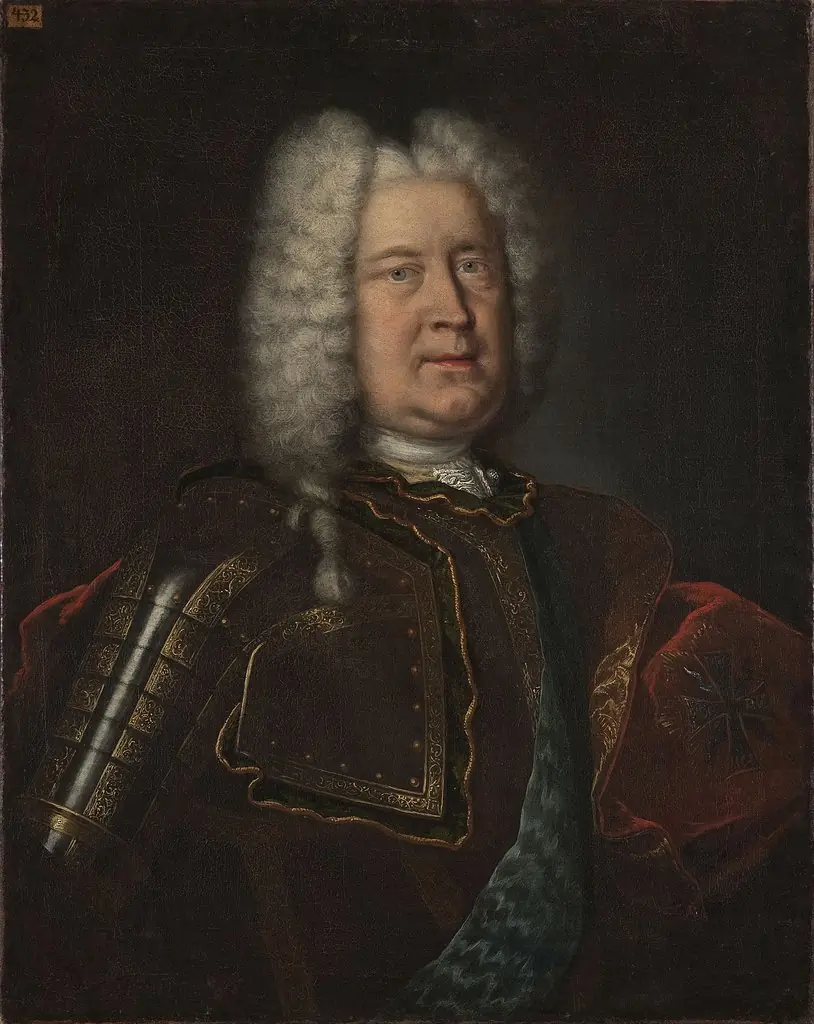 Portrait of a man
 Porträt des Victor Amadeus III of Sardinia (1726-1796)
 Graf Friedrich August von Rutowsky (1702-1764)