Artwork
Battle of Aboukir
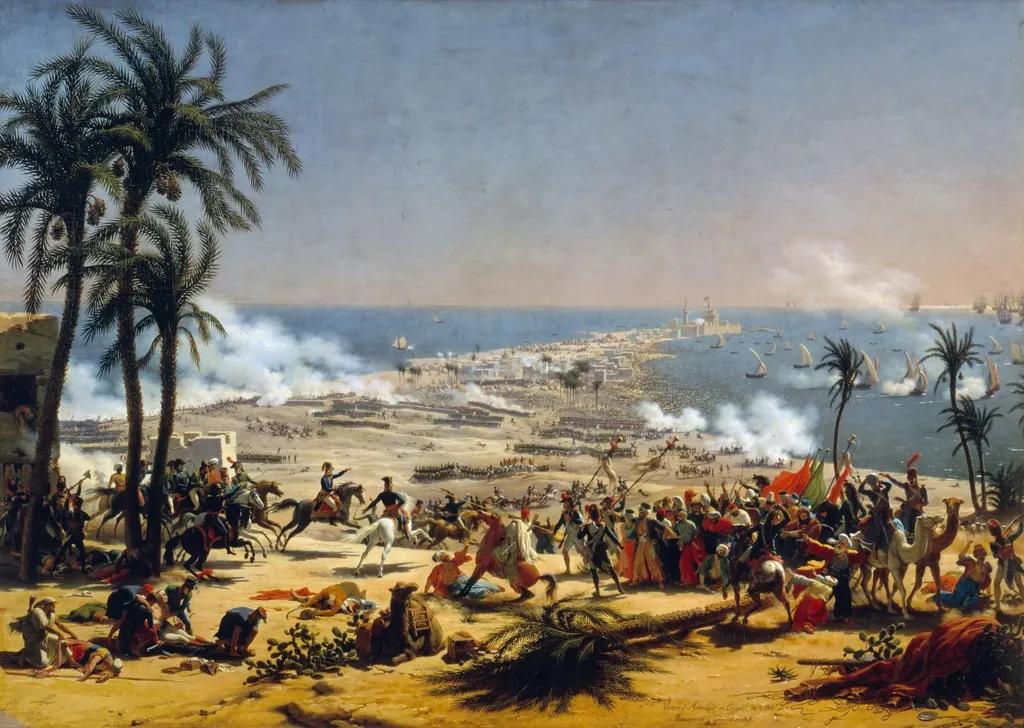
Battle of Aboukir is an oil painting by Baron Lejeune Louis-François. It dates from 1805 and is held in the collection of the Palace of Versailles.
About this work
Overview
Painted in 1804 by Louis-François Lejeune, this oil-on-canvas work records the Battle of Aboukir, fought on 25 July 1799 near the Mediterranean coast of Egypt.
Painted in 1804 by Louis-François Lejeune, this oil-on-canvas work records the Battle of Aboukir, fought on 25 July 1799 near the Mediterranean coast of Egypt. It was one of three battle scenes Lejeune presented at the 1804 Salon in Paris. The painting captures a moment during Napoleon Bonaparte’s Egyptian campaign, when French forces repelled an Ottoman counterattack. Today, it resides in the Musée de l'Histoire de France at the Palace of Versailles.
Subject & Meaning
The scene portrays the climax of a fierce engagement between French troops and Ottoman forces near Abu Qir. French cavalry and infantry are shown in motion, engaging enemy soldiers amid dust and smoke. The composition emphasizes disorder and intensity rather than heroic triumph. Though commissioned to glorify French military success, the painting’s crowded, fragmented structure conveys the confusion and violence inherent in battle.
Technique & Style
Lejeune employed precise, detailed brushwork to render uniforms, weapons, and terrain with documentary clarity. The palette favors earth tones—ochres, grays, and muted browns—enhancing the somber atmosphere. Figures are rendered with careful attention to posture and gesture, though perspective is slightly flattened to accommodate the dense composition. Smoke and distant boats suggest depth, while the blue sky contrasts with the chaos below.
History & Provenance
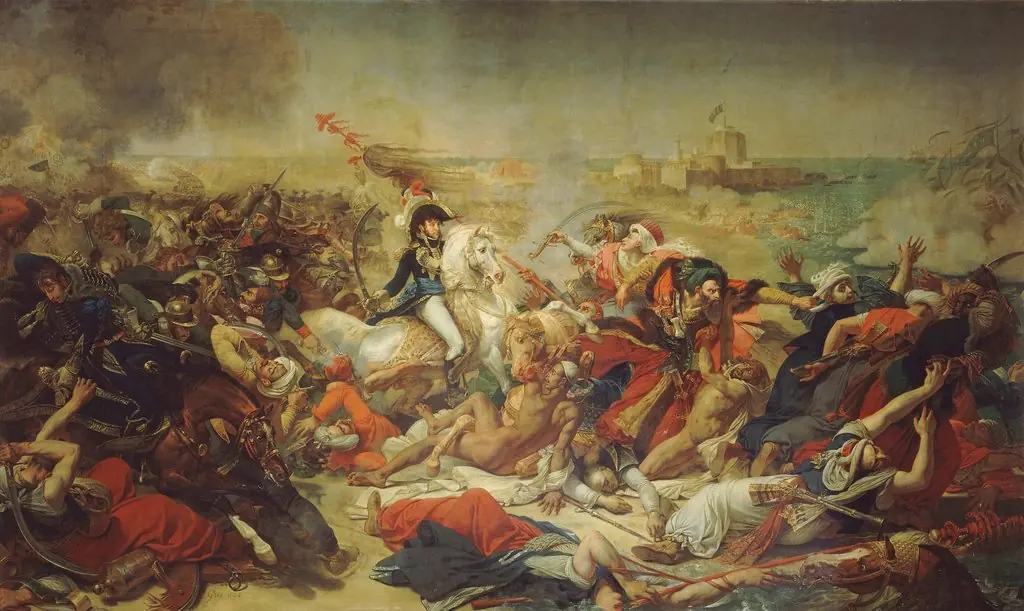
Completed in 1804, the painting was exhibited at the Louvre during the Salon of that year. Lejeune, a veteran of the Egyptian campaign, drew on firsthand experience to construct the scene. It entered the collection of the Musée de l'Histoire de France at Versailles in the 19th century, where it remains alongside Antoine-Jean Gros’s 1806 depiction of the same battle, offering contrasting interpretations of the event.
Context
The Battle of Aboukir occurred during Napoleon’s campaign in Egypt, a strategic effort to disrupt British trade routes. Though a tactical victory, the campaign ultimately failed. Lejeune’s painting was part of a broader effort under Napoleon to legitimize military endeavors through visual propaganda. Its inclusion in the 1804 Salon aligned with state-sponsored efforts to celebrate French victories and reinforce imperial identity.
Legacy
Lejeune’s work stands as a rare example of a battle painting created by an artist who witnessed the conflict firsthand. While overshadowed by Gros’s more dramatic version, it retains value as a detailed, unembellished record of early 19th-century warfare. Its presence in Versailles underscores its role in the institutional memory of Napoleonic military history, preserved not as myth but as observed reality.
Own this work as a print
Artist & collection
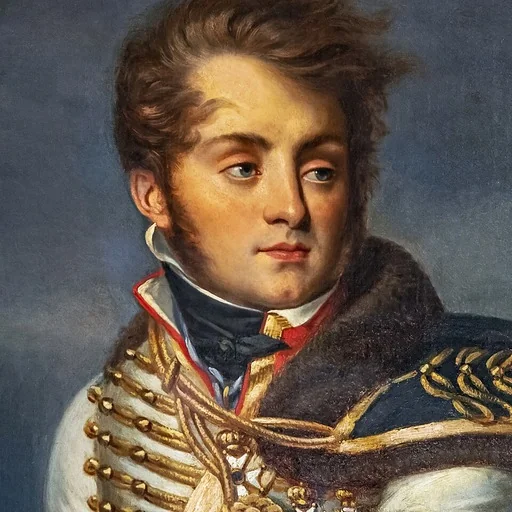
Artist
Brigade-General Louis-François, Baron Lejeune (3 February 1775 – 29 February 1848) was a French Army officer, painter, lithographer and politician who served in the French Revolutionary and Napoleonic Wars.

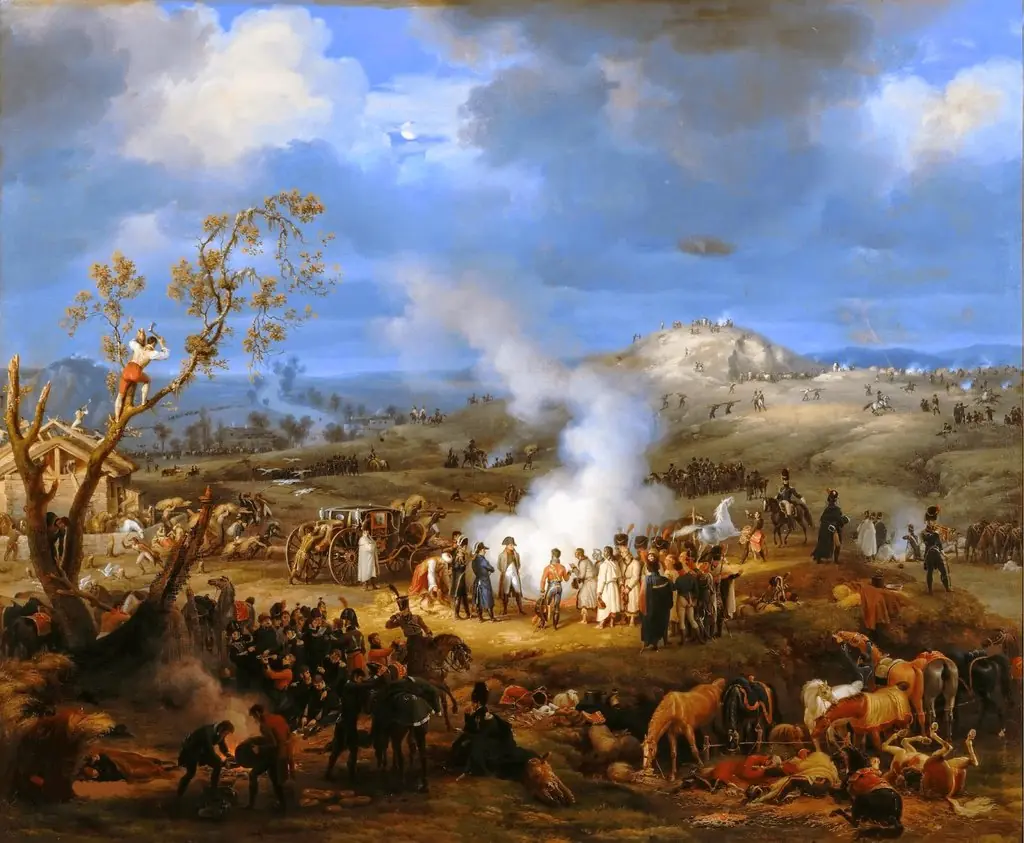 Bivouac on the Eve of the Battle of Austerlitz
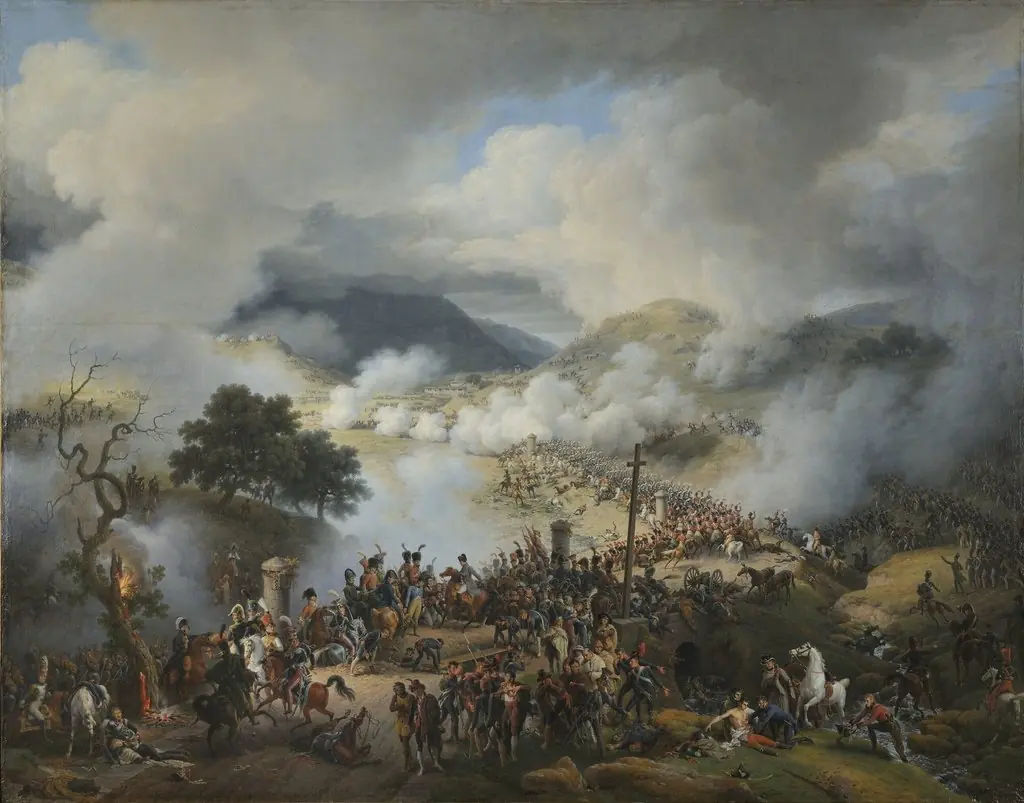 Battle of Somosierra, November 30, 1808
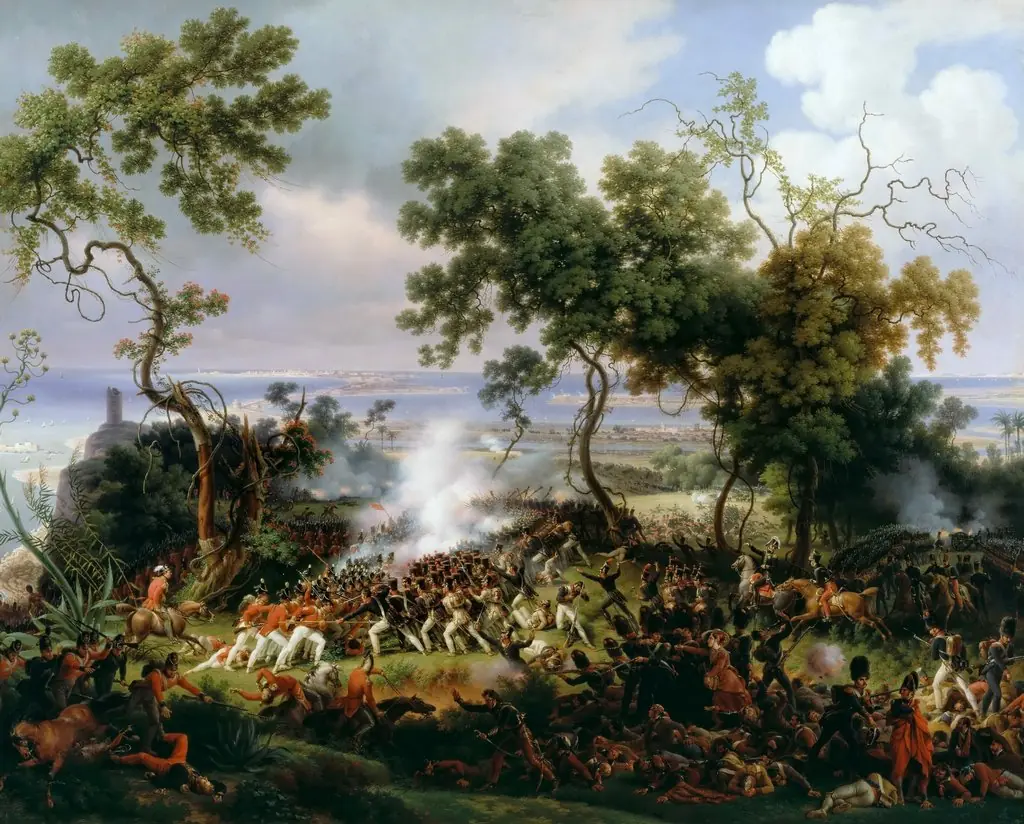 Battle of Chiclana, 5th March 1811
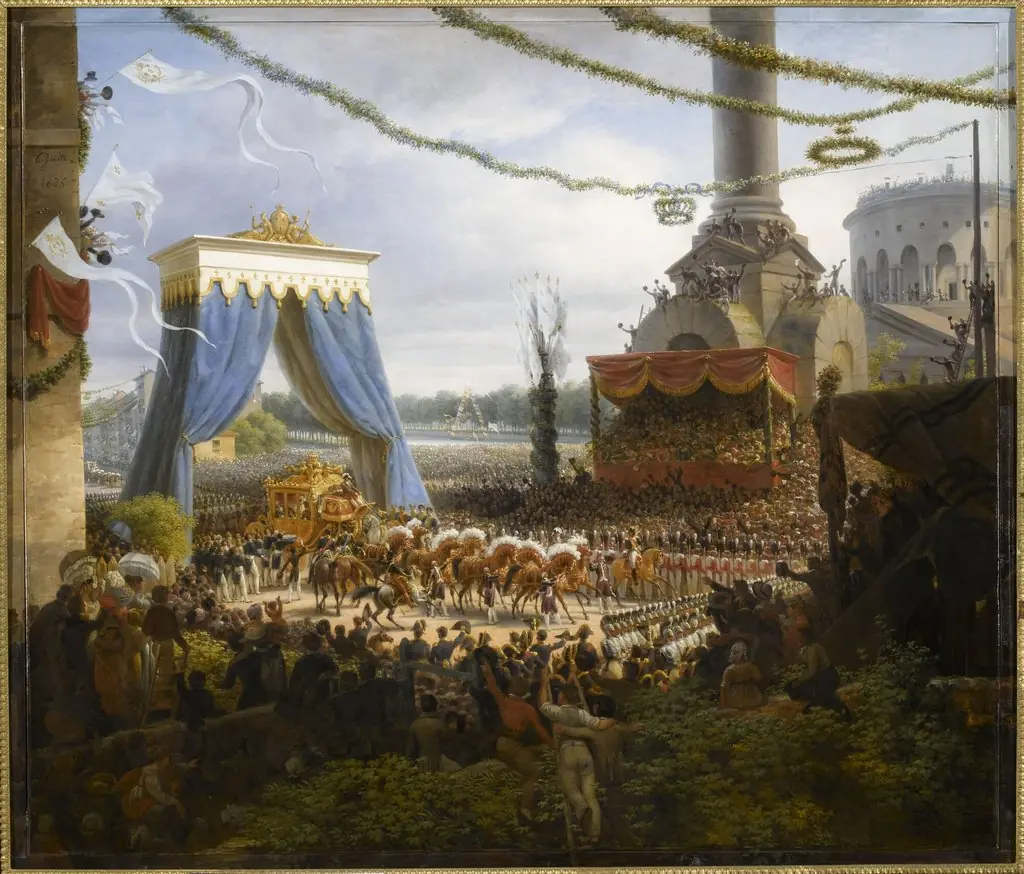 Entry of Charles X into Paris at the Gate of la Villette, after his Coronation
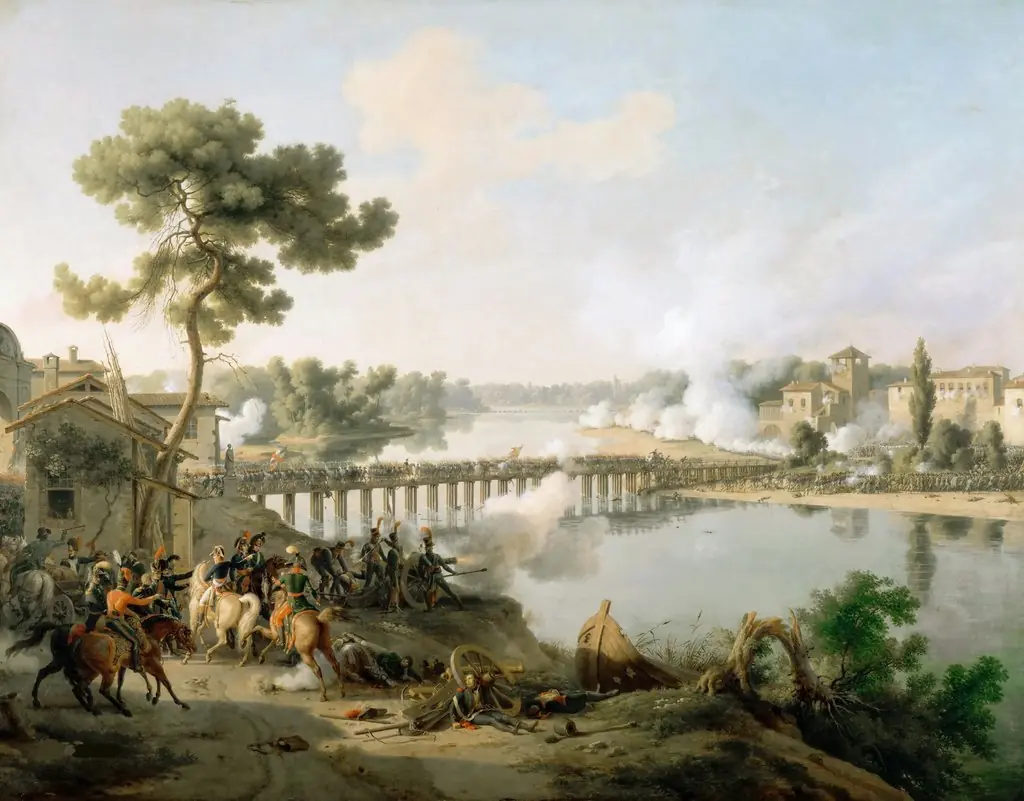 the Battle of Lodi, 10th May 1796, detail of Napoleon (1769-1821) and his staff, by Louis Lejeune
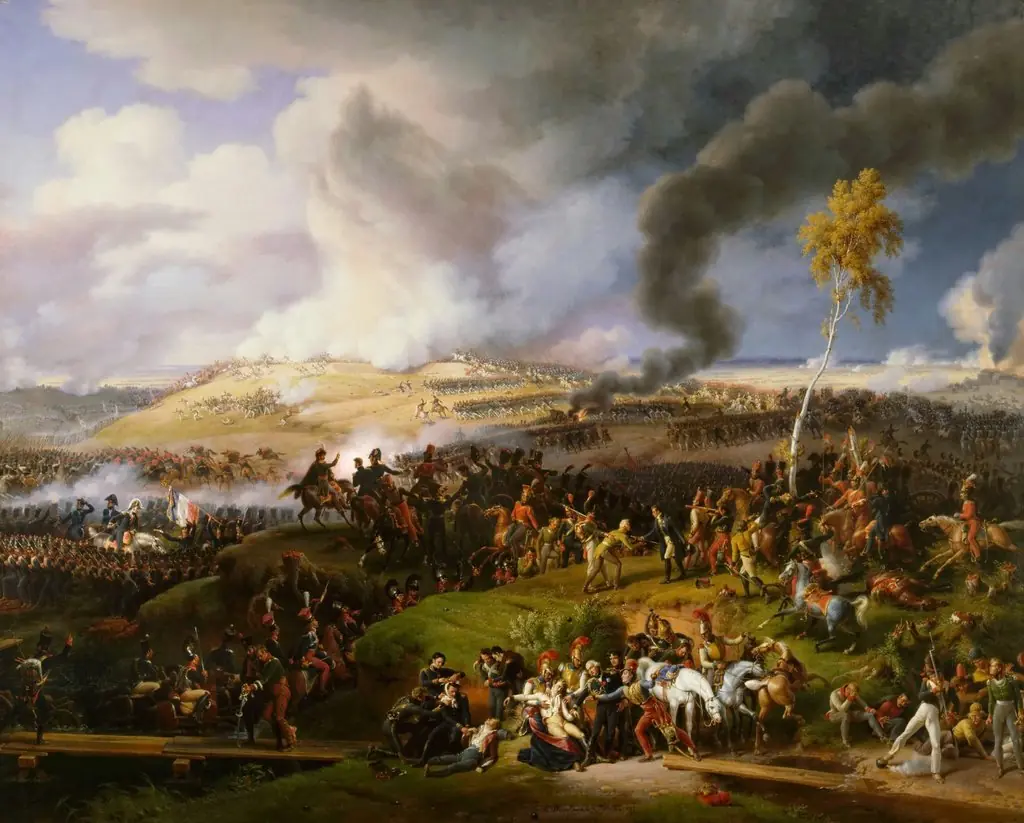 Battle of Moscow, 7th September 1812
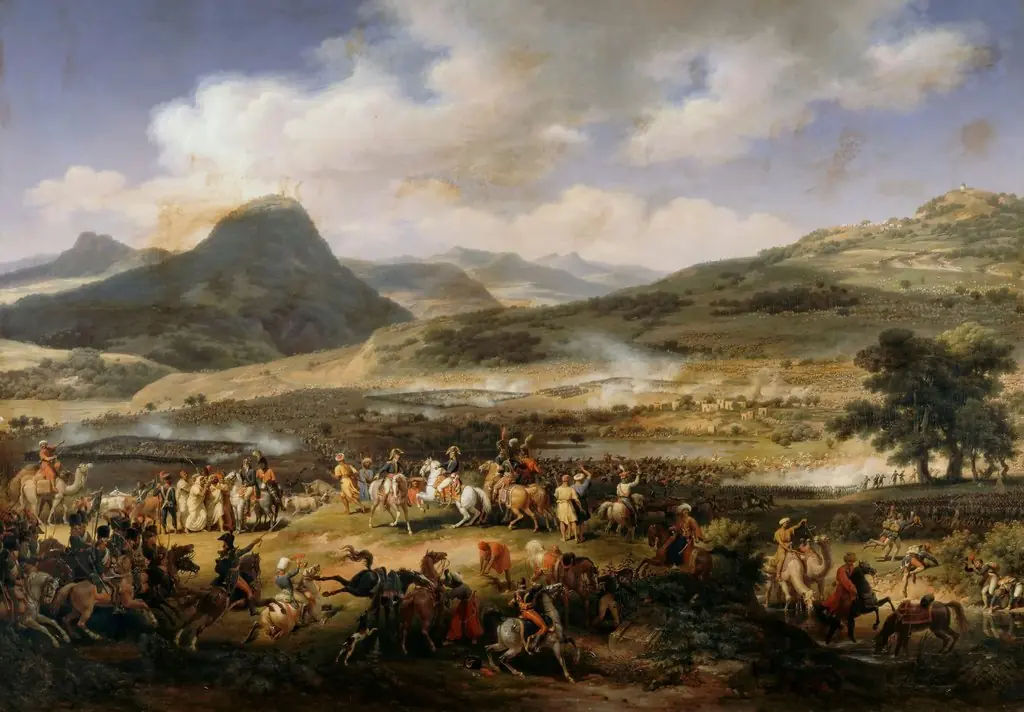 The Battle of Mount Tabor
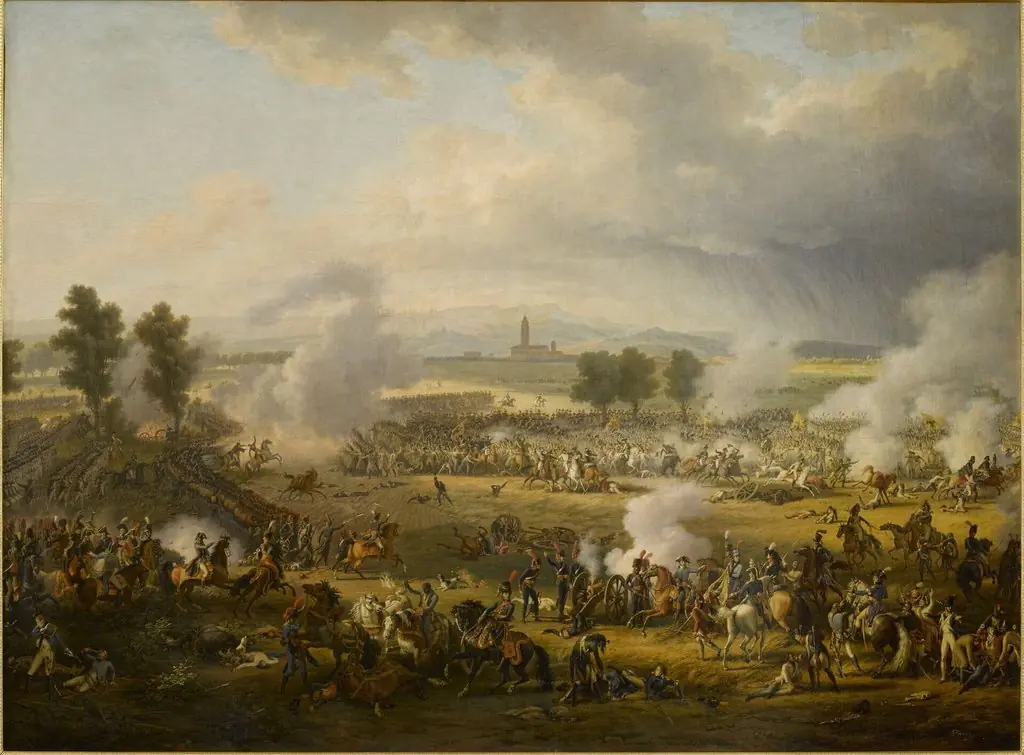 The Battle of Marengo
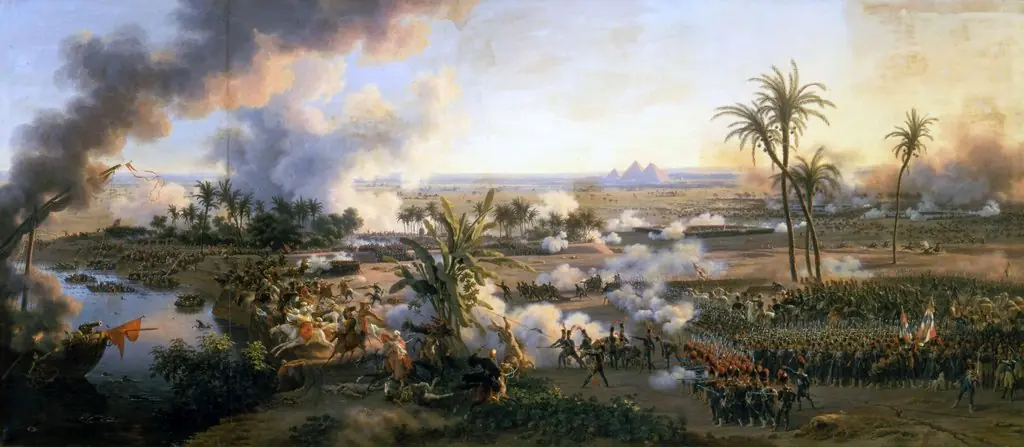 Bataille des Pyramides, 21 juillet 1798
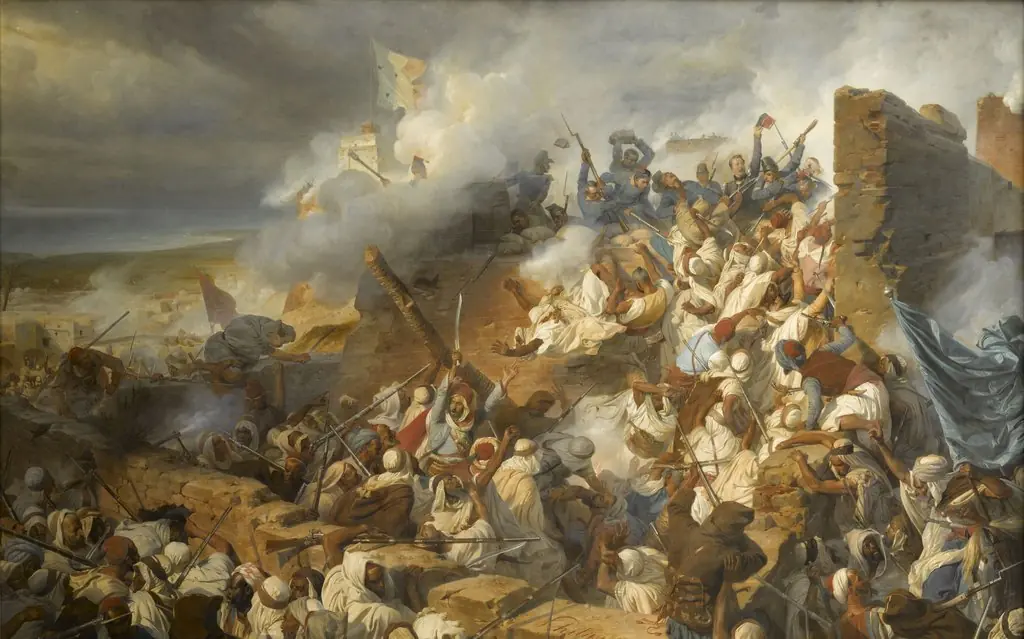 Defense of Mazagran, February 2 to 6, 1840
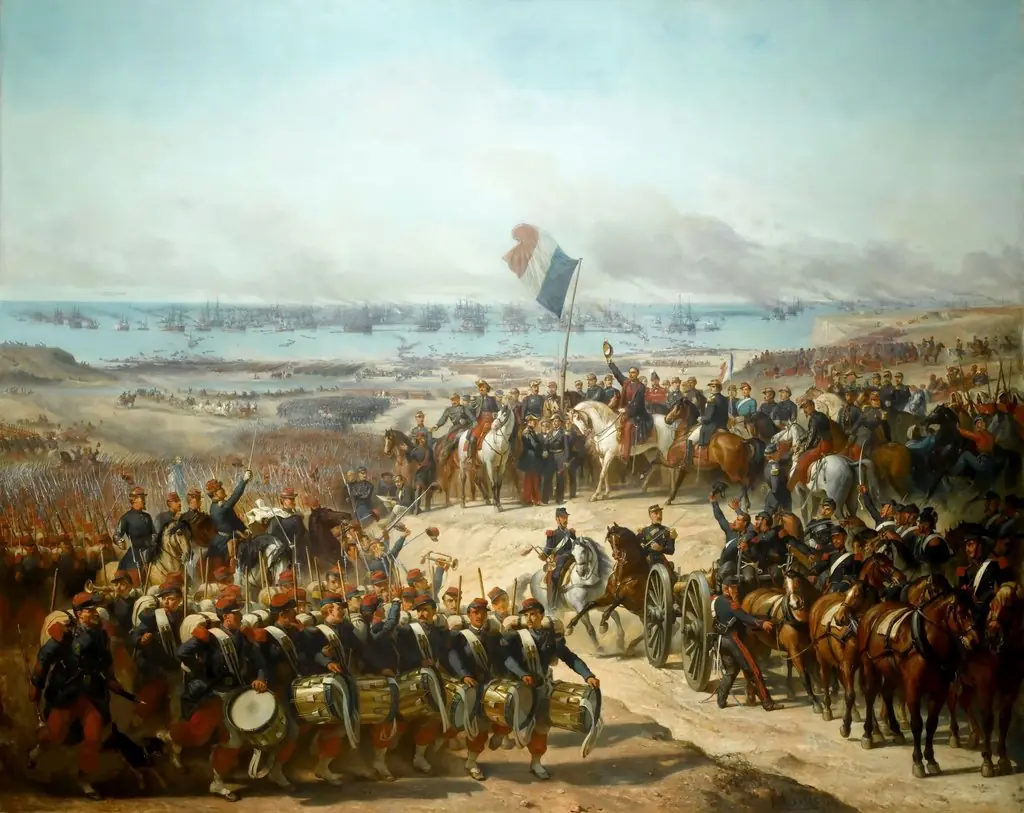 Débarquement de l'armée française à Old-Port (Crimée), 14 septembre 1854.
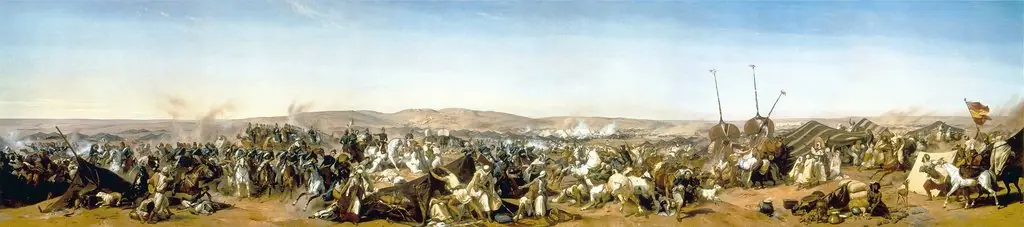 The seizure of Abd-el-Kader's camp in 1843
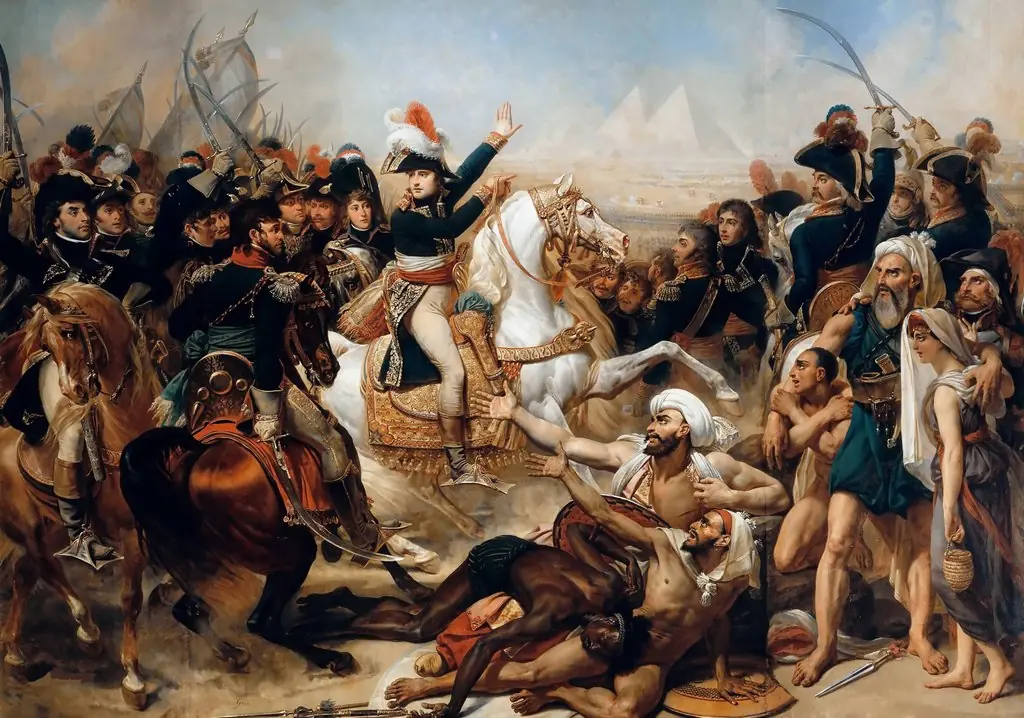 The Battle of the Pyramids
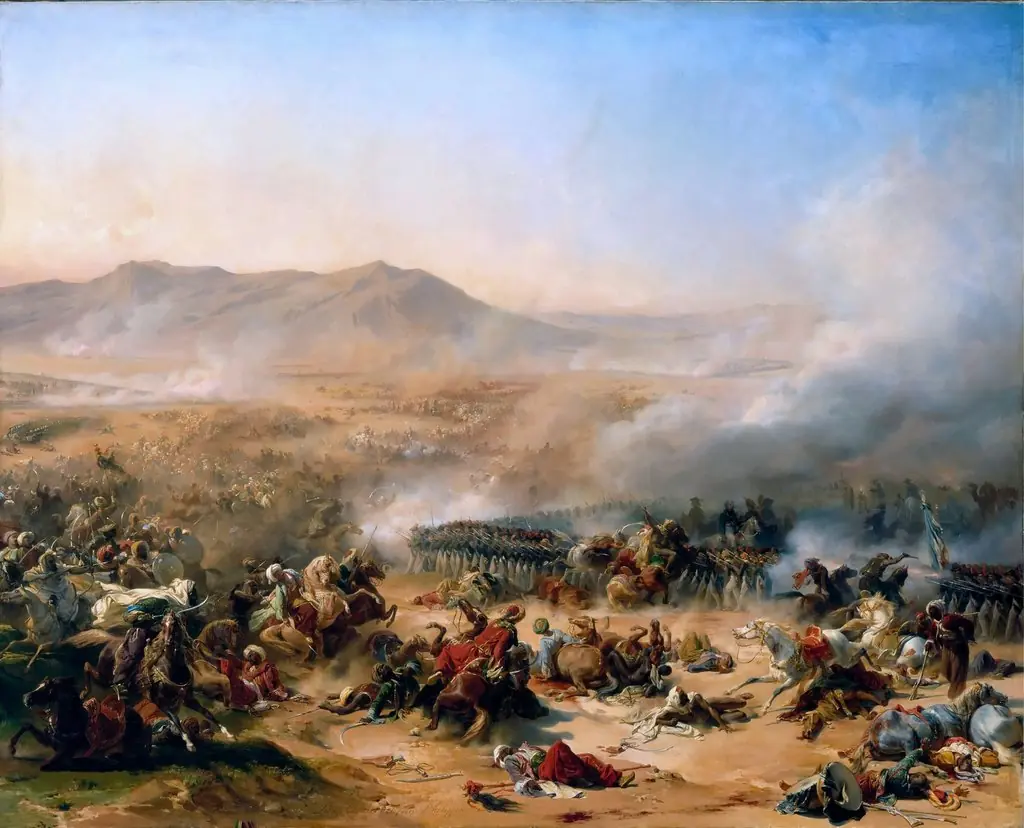 Bataille du Mont Thabor, 16 avril 1799
 Luptă cu arabii
 Η Ναυμαχία του Ναυαρίνου
 Bataille d'Aboukir, 25 Juillet 1799