Artwork
Egypt and Nubia, Volume I: General View of the Island of Philae, Nubia
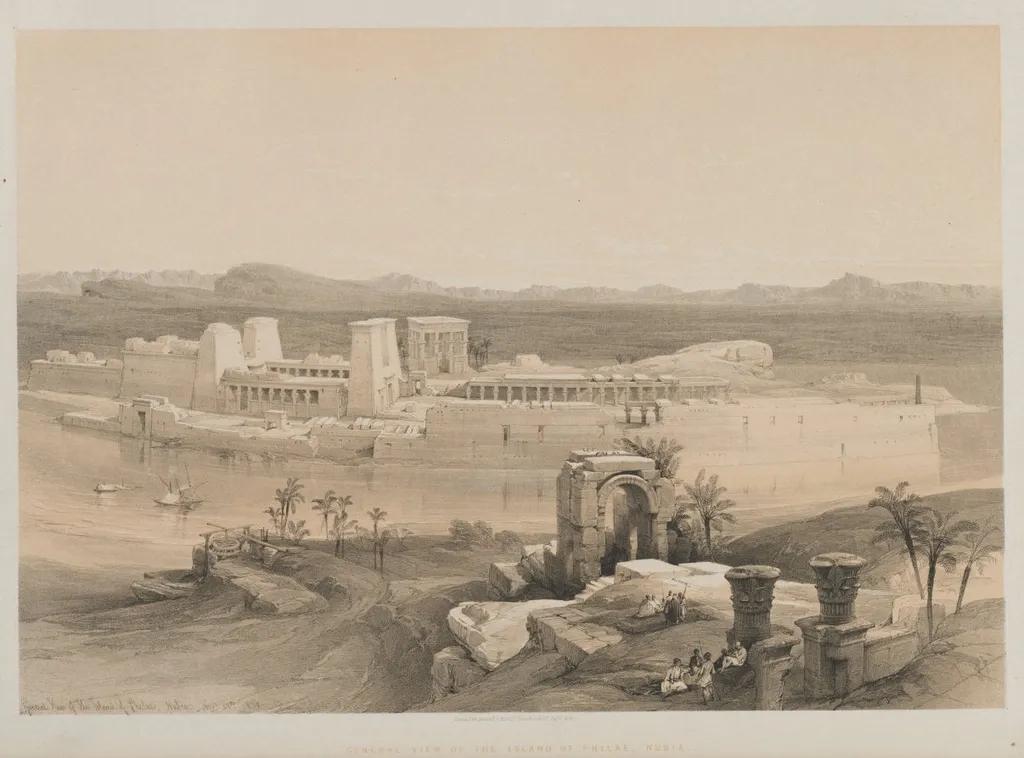
Egypt and Nubia, Volume I: General View of the Island of Philae, Nubia is a print by the Romanticist artist Louis Haghe. It dates from 1846 and is held in the collection of the Cleveland Museum of Art.
About this work
Overview
Egypt and Nubia, Volume I: General View of the Island of Philae, Nubia is an 1846 lithograph by Louis Haghe, depicting the ancient island of Philae in Nubia, as part of a series documenting Egyptian and Nubian antiquities.
Subject & Meaning
The print captures a serene, abandoned landscape of Philae, with crumbling temples, scattered ruins, and palm trees, conveying a sense of forgotten history and solitude. Figures in the foreground are dwarfed by the ancient structures, emphasizing the passage of time.
Technique & Style
Haghe, trained in watercolour and established in lithography, employed his medium to create a detailed, observational cityscape. The work reflects the precision of lithographic reproduction, while the composition and mood align with the contemplative aspects of Romantic-era travel art.
History & Provenance
Created in 1846 by Louis Haghe (1806-1889), a Belgian-born British artist, the work was part of a larger project to document Egyptian and Nubian sites, characteristic of 19th-century European artistic and scholarly expeditions.
Context
The piece is contextualized within 19th-century Romanticism, where artists often used travel and depictions of ruins to evoke themes of decline, nostalgia, and the sublime. Haghe’s travel to the site to record its beauty and antiquity further situates the work within this tradition.
Artist & collection

Artist
Louis Haghe (17 March 1806 – 9 March 1885) was a lithographer and watercolourist from the Netherlands and then the United Kingdom.

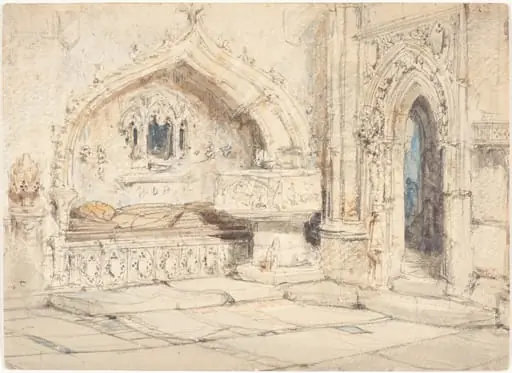 Interior of a Church with a Wall Tomb and Medieval Font
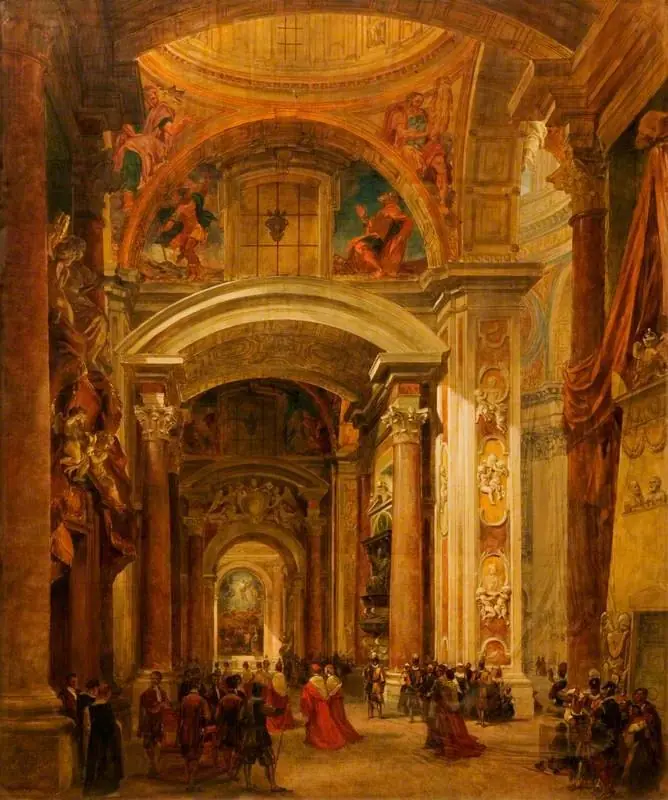 Interior of St Peter's, Rome
 The Corridor, Brewer's Hall, Antwerp
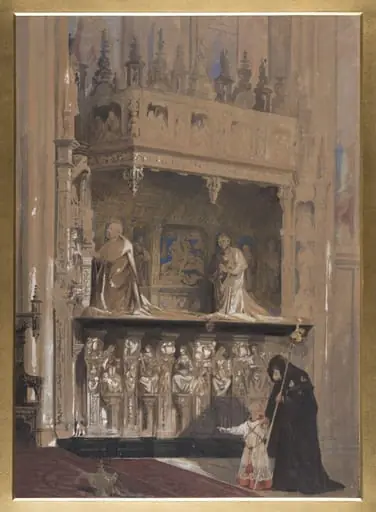 Monument of the Cardinald D'Amboise in Rouen Cathedral
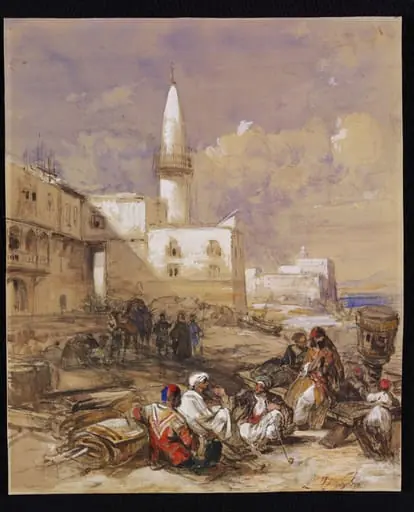 The Quay at Suez
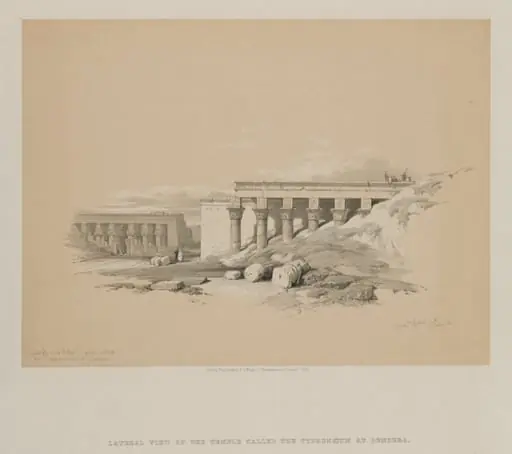 Egypt and Nubia, Volume II: Lateral View of the Temple called The Typhonoeum at Dendera
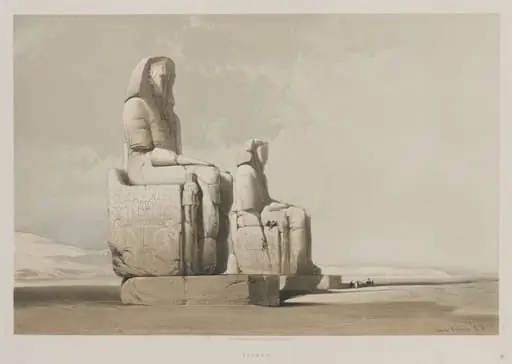 Egypt and Nubia, Volume I: Thebes
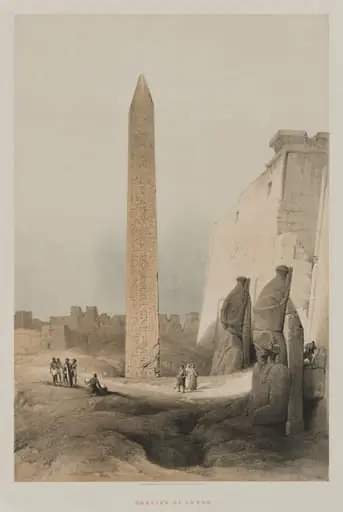 Egypt and Nubia, Volume I: Luxor
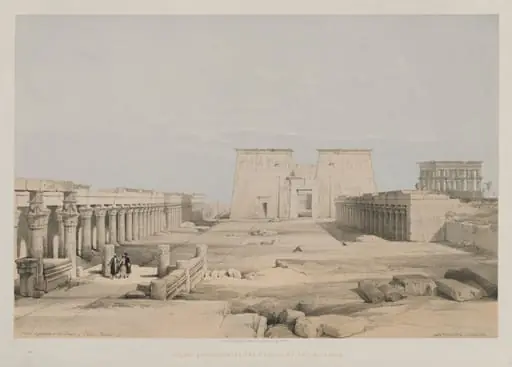 Egypt and Nubia, Volume I: Grand Approach to the Temple of Philae, Nubia
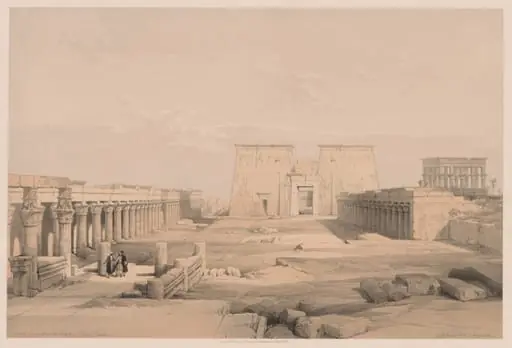 Egypt and Nubia: Volume I - No. 42, Grand Approach to the Temple of Philae, Nubia
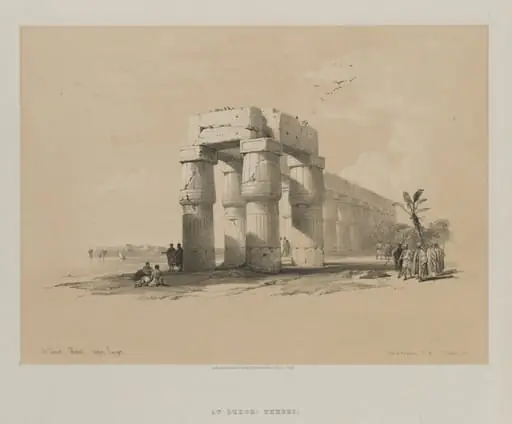 Egypt and Nubia, Volume I: At Luxor, Thebes, Upper Egypt
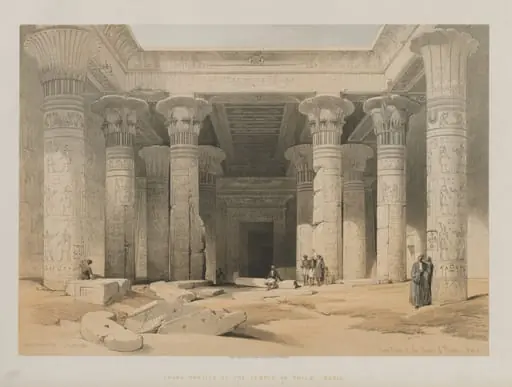 Egypt and Nubia, Volume I: Grand Portico of the Temple of Philae, Nubia
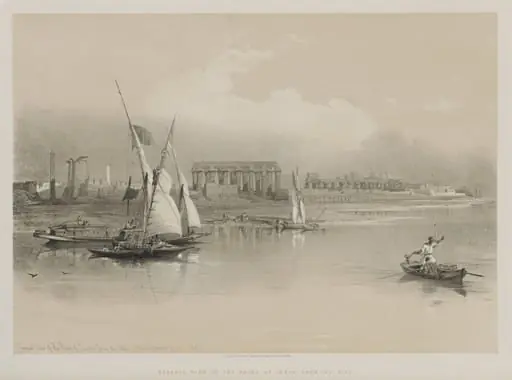 Egypt and Nubia, Volume I: General View of the Ruins of Luxor, From the Nile
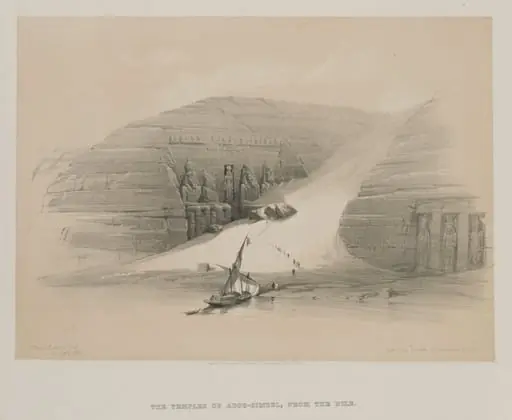 Egypt and Nubia, Volume II: Excavated Temples of Abo Simble, Nubia
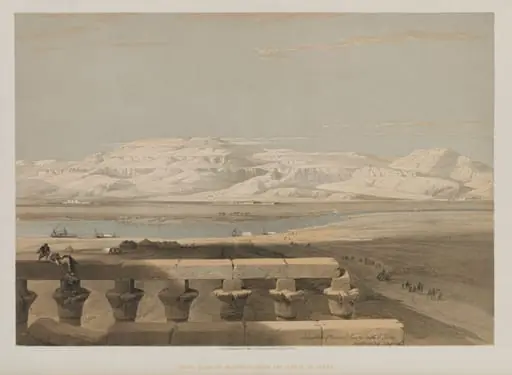 Egypt and Nubia, Volume I: Libyan Chain of Mountains, from the Temple of Luxor
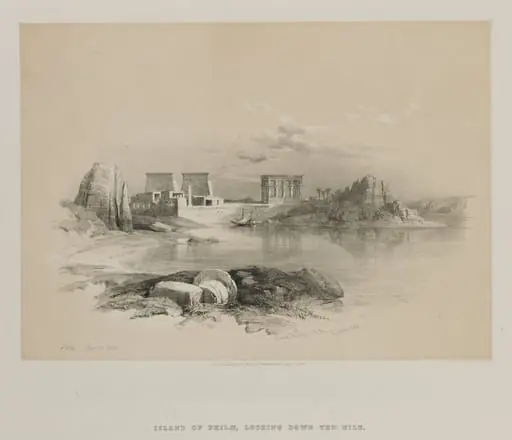 Egypt and Nubia, Volume II: Philae
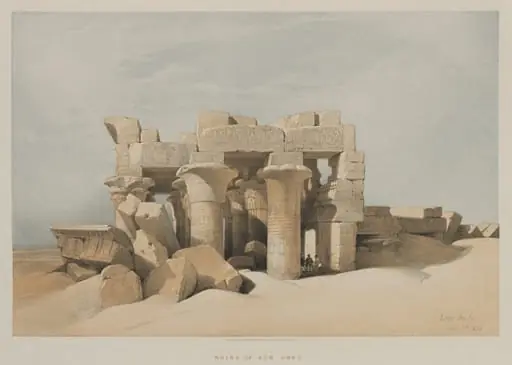 Egypt and Nubia, Volume I: Kom-Ombo
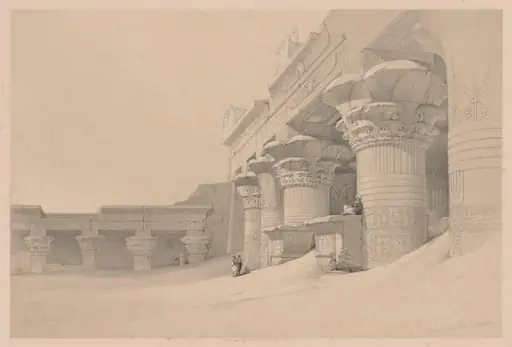 Egypt and Nubia: Volume I - No. 10, Edfou
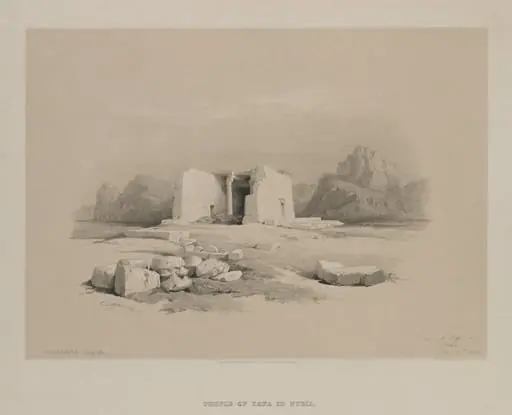 Egypt and Nubia, Volume I: Temple at Tafa in Nubia