Artwork
Egypt and Nubia, Volume II: Excavated Temples of Abo Simble, Nubia
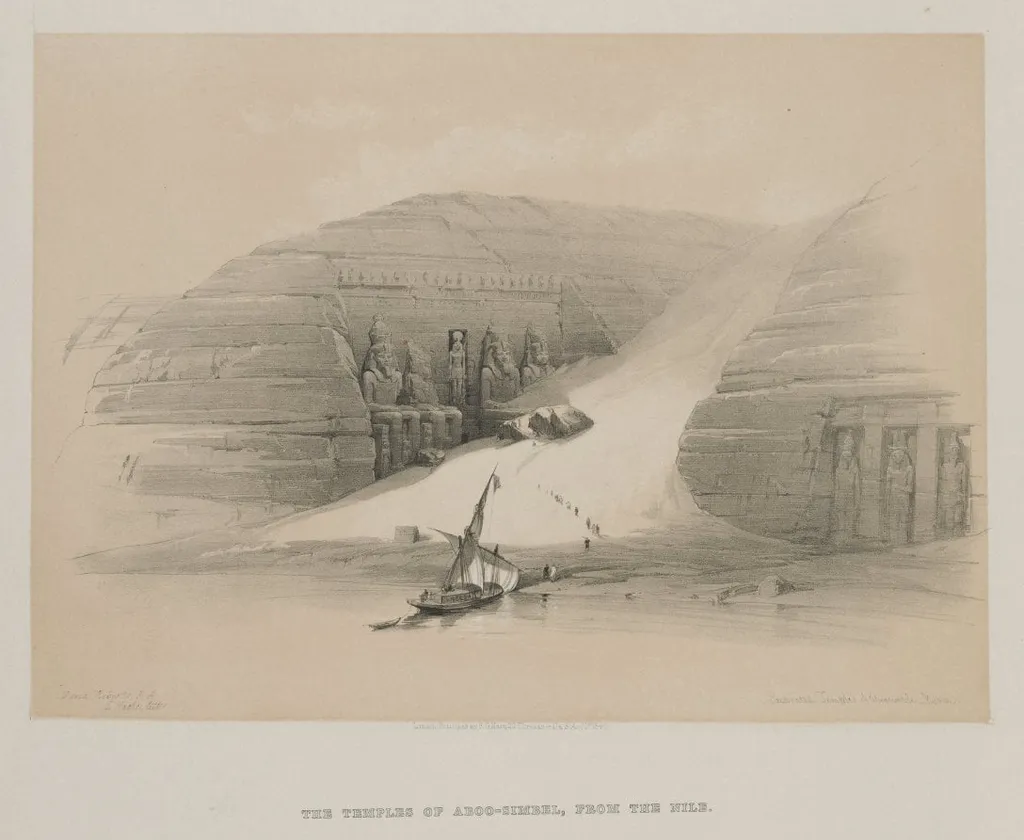
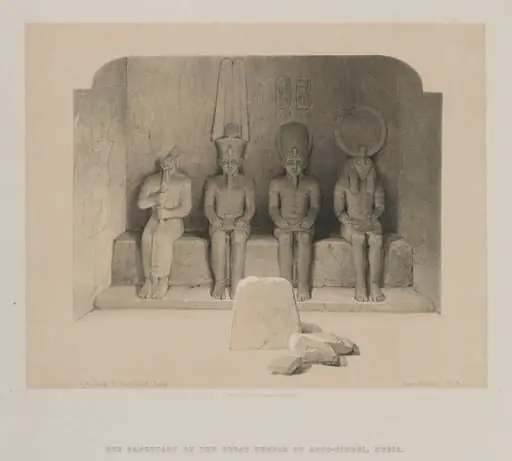
Egypt and Nubia, Volume II: Excavated Temples of Abo Simble, Nubia is a print by the Romanticist artist Louis Haghe. It dates from 1848 and is held in the collection of the Cleveland Museum of Art.
About this work
Overview
Produced in 1848, this lithograph is part of the second volume of a multi-part publication documenting ancient architecture in Egypt and Nubia.
Produced in 1848, this lithograph is part of the second volume of a multi-part publication documenting ancient architecture in Egypt and Nubia. Created by Louis Haghe, a British artist of Dutch origin, it was printed using the lithographic process developed in the early 19th century. Haghe, known for his precision in topographical illustration, collaborated with the London firm Day & Haghe, which specialized in high-quality color lithographs for scholarly and public audiences.
Subject & Meaning
The scene captures the temples of Abu Simbel as they appeared after early excavation efforts, set against the Nile’s riverbank. A small boat with figures aboard anchors the foreground, suggesting human presence amid ancient ruins. The composition emphasizes the scale and endurance of the carved monuments, contrasting them with the quiet activity of river life. It conveys neither grandeur nor myth, but a measured observation of archaeology in its early stages of revelation.
Technique & Style
Haghe employed fine-line lithography to render intricate details of the temple facades, including hieroglyphs and sculpted figures, with remarkable clarity. Subtle gradations of tone and careful shading model the stone surfaces and the water’s surface, enhancing spatial depth. The muted palette and controlled lighting reflect the documentary aims of the project, prioritizing accuracy over dramatic effect, while retaining a quiet atmospheric quality consistent with topographical traditions of the period.
History & Provenance
The lithograph was published as part of a larger archaeological record commissioned during a wave of European interest in Nubian antiquities. It derives from surveys conducted in the 1830s and 1840s, following the removal of the temples’ sand cover. As a printed volume, it circulated among scholars, institutions, and collectors, contributing to the growing body of visual documentation that preceded modern archaeological methods in the region.
Context
This work emerged during a period when European powers were systematically recording ancient sites in the Nile Valley, often in tandem with colonial and scientific expeditions. While Romanticism influenced aesthetic sensibilities, Haghe’s approach remained grounded in empirical observation. His images served as both archival records and tools for public education, aligning with broader 19th-century efforts to classify and preserve cultural heritage through visual means.
Legacy
Haghe’s lithographs helped shape Western visual understanding of Nubian temples before modern conservation efforts. Though later archaeological methods rendered some details outdated, his prints remain valuable for documenting the state of the sites prior to 20th-century interventions. They continue to be referenced in studies of 19th-century Egyptology and the history of print culture as early examples of scientific illustration in the service of archaeology.
Artist & collection
Artist
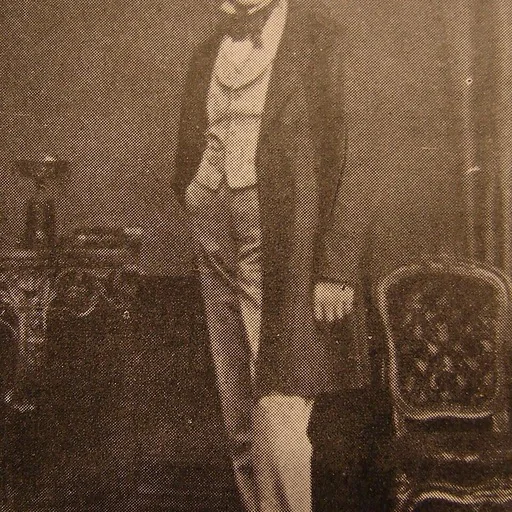
Louis Haghe (17 March 1806 – 9 March 1885) was a lithographer and watercolourist from the Netherlands and then the United Kingdom.

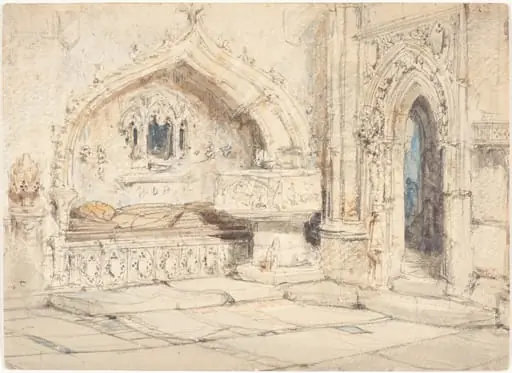 Interior of a Church with a Wall Tomb and Medieval Font
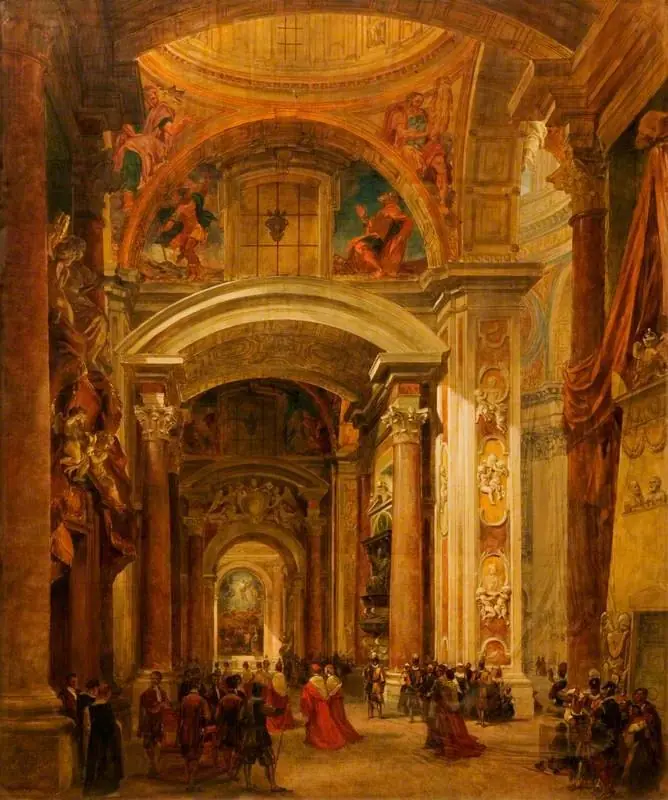 Interior of St Peter's, Rome
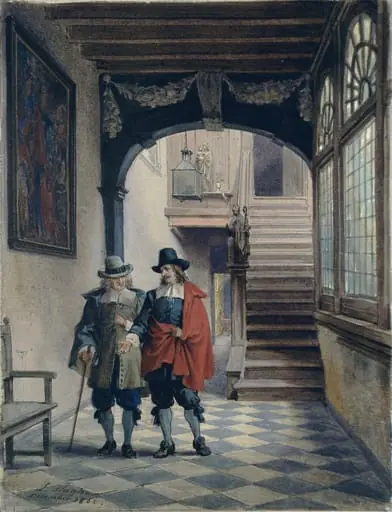 The Corridor, Brewer's Hall, Antwerp
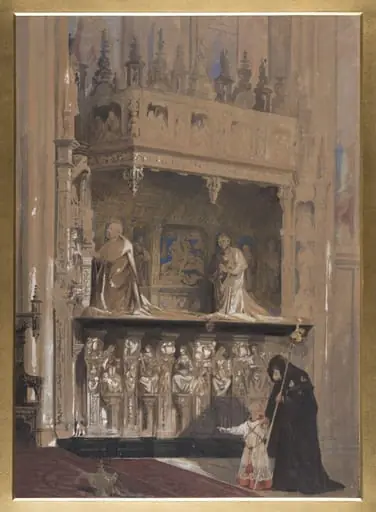 Monument of the Cardinald D'Amboise in Rouen Cathedral
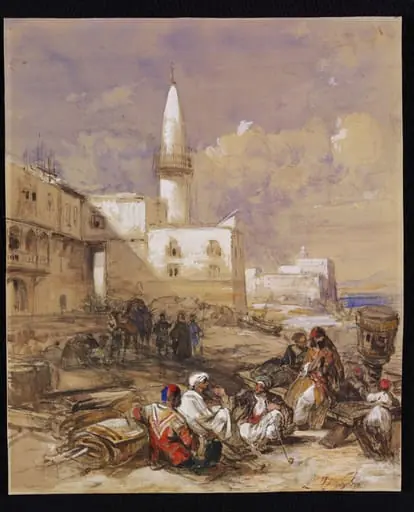 The Quay at Suez
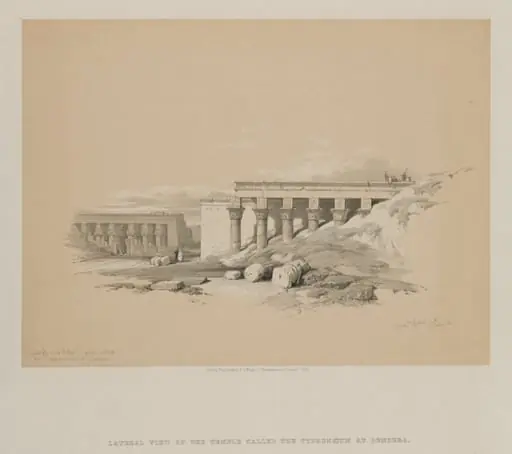 Egypt and Nubia, Volume II: Lateral View of the Temple called The Typhonoeum at Dendera
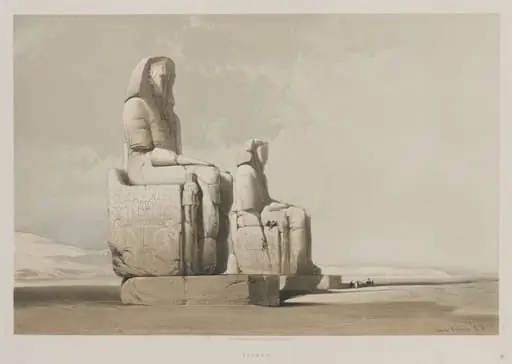 Egypt and Nubia, Volume I: Thebes
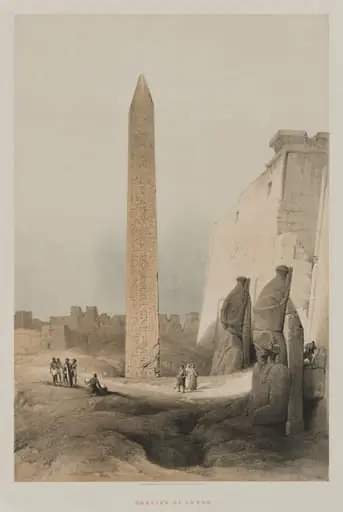 Egypt and Nubia, Volume I: Luxor
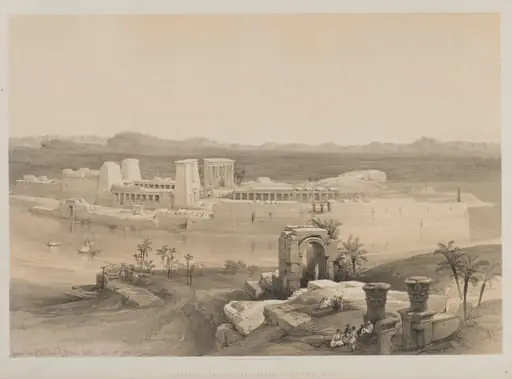 Egypt and Nubia, Volume I: General View of the Island of Philae, Nubia
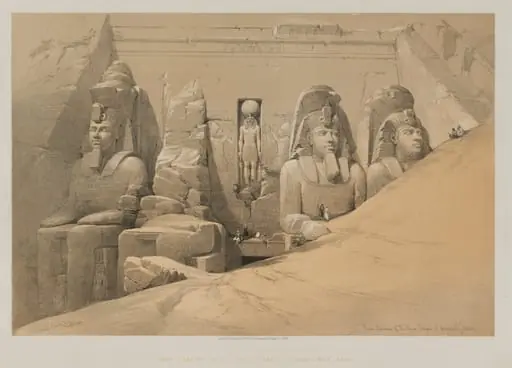 Egypt and Nubia, Volume II: Front Elevation of the Great Temple of Aboo Simbel, Nubia
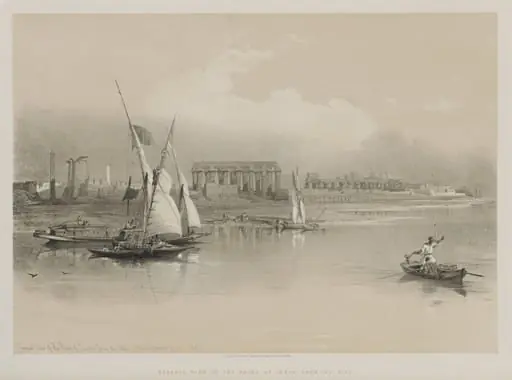 Egypt and Nubia, Volume I: General View of the Ruins of Luxor, From the Nile
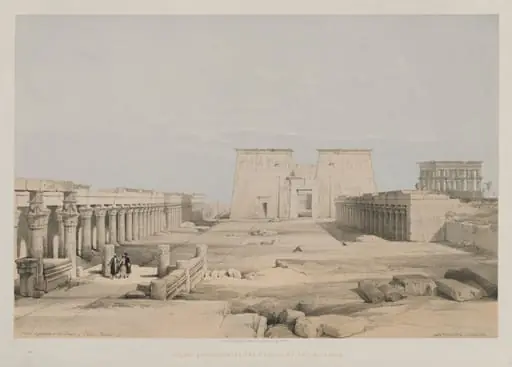 Egypt and Nubia, Volume I: Grand Approach to the Temple of Philae, Nubia
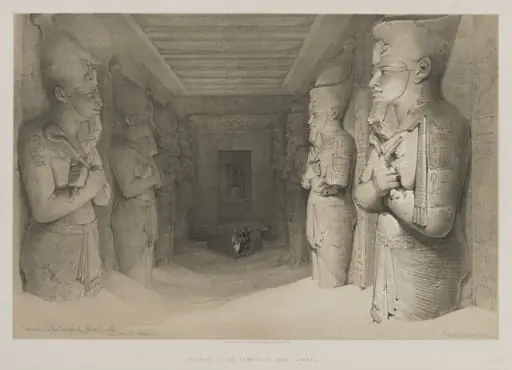 Egypt and Nubia, Volume I: Interior of the Temple of Aboo-Simbel
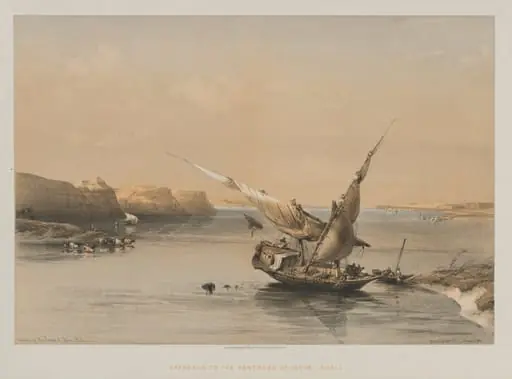 Egypt and Nubia, Volume II: Approach to the Fortress of Ibrim, Nubia
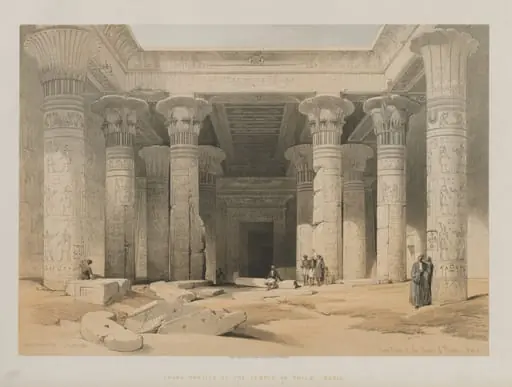 Egypt and Nubia, Volume I: Grand Portico of the Temple of Philae, Nubia
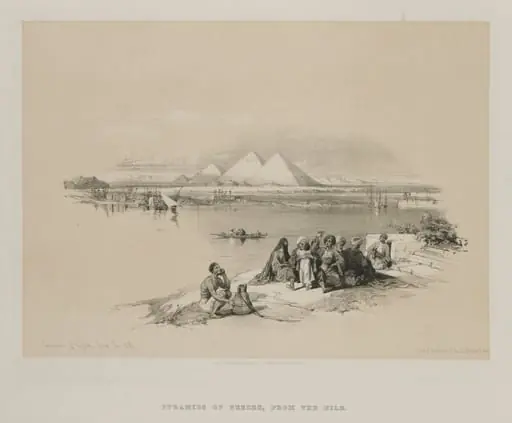 Egypt and Nubia, Volume I: Pyramids of Geezeh, from the Nile
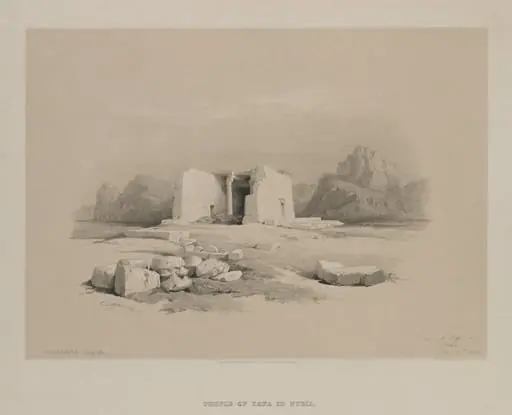 Egypt and Nubia, Volume I: Temple at Tafa in Nubia
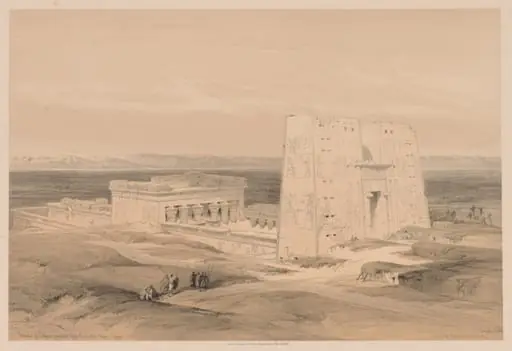 Egypt and Nubia: Volume I - No. 34, Temple of Edfou. Ancient Appolinopolis, Upper Egypt
 Egypt and Nubia, Volume I: Sanctuary of the Temple of Aboo-Simbel, Nubia