Artwork
Egypt and Nubia: Volume II - No. 20, Medinet Abou, Thebes
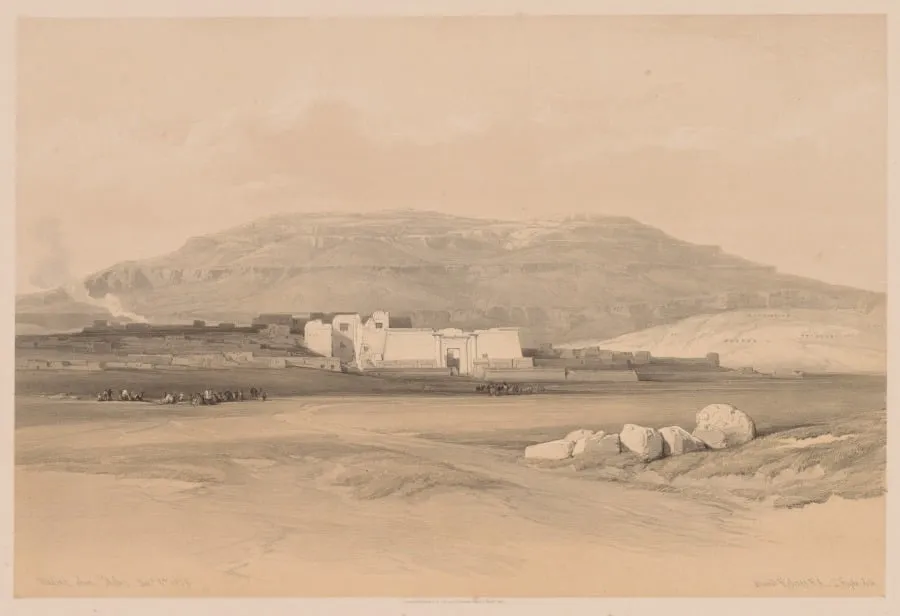
Egypt and Nubia: Volume II - No. 20, Medinet Abou, Thebes is a print by the Romanticist artist Louis Haghe. It dates from 1838 and is held in the collection of the Cleveland Museum of Art.
About this work
Overview
Created in 1838 by Louis Haghe, this lithograph is part of a two-volume series documenting ancient sites in Egypt and Nubia.
Created in 1838 by Louis Haghe, this lithograph is part of a two-volume series documenting ancient sites in Egypt and Nubia. As a British lithographer of Belgian descent, Haghe specialized in translating field sketches into detailed printed images. This plate, numbered 20 in Volume II, captures the temple complex of Medinet Habu near Thebes, produced during a period of growing European interest in Egypt’s archaeological heritage.
Subject & Meaning
The image centers on the monumental temple of Medinet Habu, a well-preserved New Kingdom structure dedicated to Ramesses III. Surrounding smaller buildings and figures suggest human activity without dramatization, emphasizing the site’s quiet endurance. The composition avoids narrative or mythological elements, instead presenting the ruins as enduring monuments against an undisturbed landscape, reflecting a documentary rather than romantic intent.
Technique & Style
Haghe employed lithography to achieve fine tonal gradations, using a restrained palette of browns, grays, and ochres to convey the arid environment. Light and shadow model the temple’s mass, enhancing its architectural volume without theatrical effect. The foreground rocks and distant hills establish spatial depth, while the absence of vivid color reinforces the work’s scholarly, observational character.
History & Provenance
The print was produced by Day & Haghe, the London firm Haghe co-founded in 1830, which became known for high-quality lithographic reproductions of travel sketches. This plate was issued as part of a subscription series intended for scholars and collectors, accompanying written accounts of expeditions. Original impressions are held in institutional collections, including the British Museum and the Metropolitan Museum of Art.
Context
Published during the early phase of Egyptology’s institutional development, the series responded to increased Western access to Egypt following Napoleon’s campaign and the decipherment of the Rosetta Stone. Unlike earlier exoticizing depictions, Haghe’s work prioritized architectural accuracy, aligning with emerging scientific approaches to documenting antiquities.
Legacy
Haghe’s lithographs contributed to the standardization of archaeological illustration in the 19th century. His precise rendering of Medinet Habu influenced later surveys and publications, setting a precedent for the visual recording of heritage sites. Though overshadowed by later photographic documentation, his prints remain valued for their technical clarity and historical record of the site’s condition in the 1830s.
Artist & collection
Artist
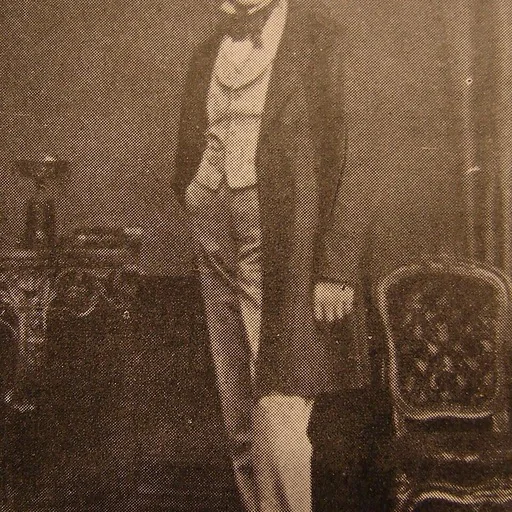
Louis Haghe (17 March 1806 – 9 March 1885) was a lithographer and watercolourist from the Netherlands and then the United Kingdom.

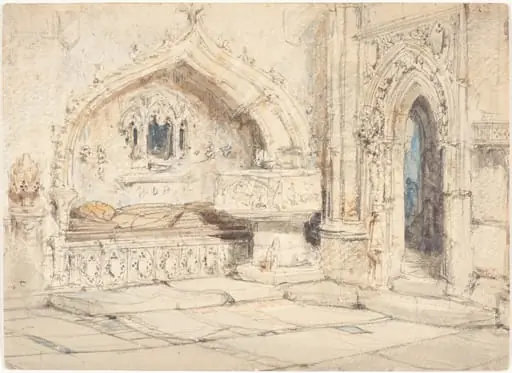 Interior of a Church with a Wall Tomb and Medieval Font
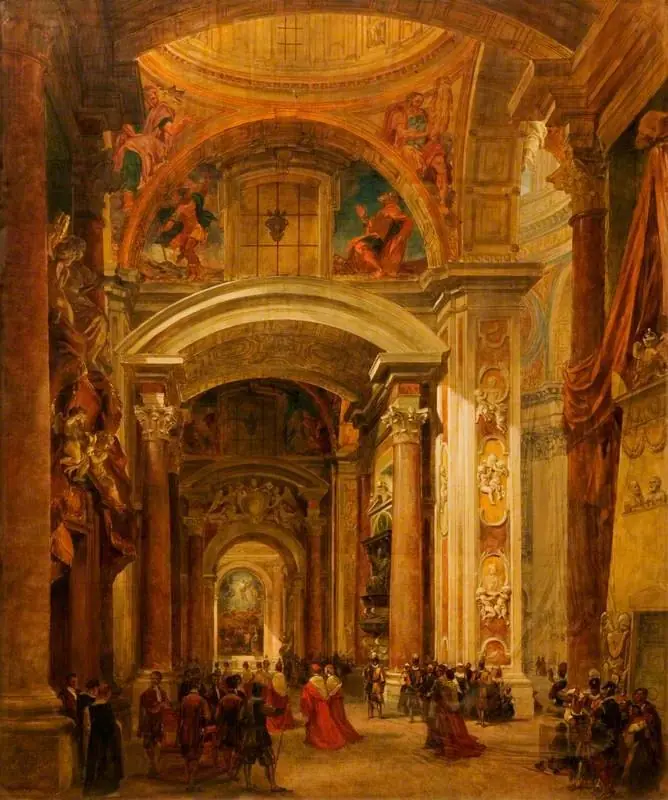 Interior of St Peter's, Rome
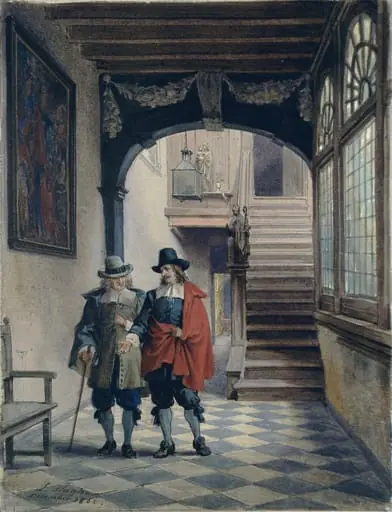 The Corridor, Brewer's Hall, Antwerp
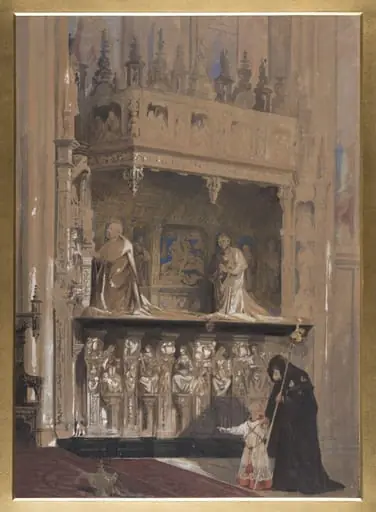 Monument of the Cardinald D'Amboise in Rouen Cathedral
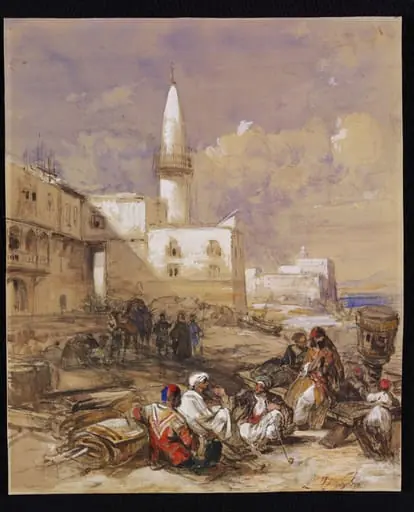 The Quay at Suez
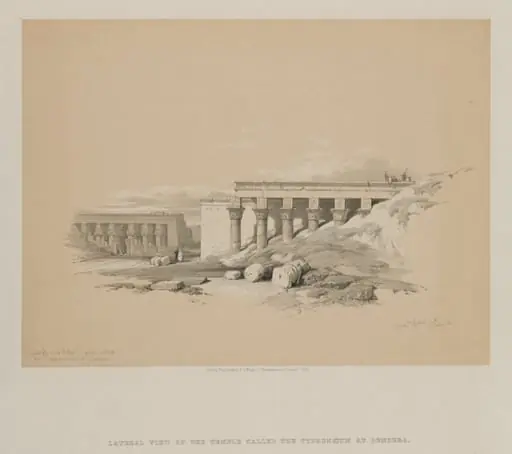 Egypt and Nubia, Volume II: Lateral View of the Temple called The Typhonoeum at Dendera
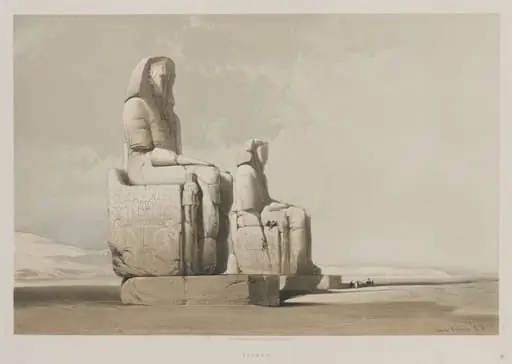 Egypt and Nubia, Volume I: Thebes
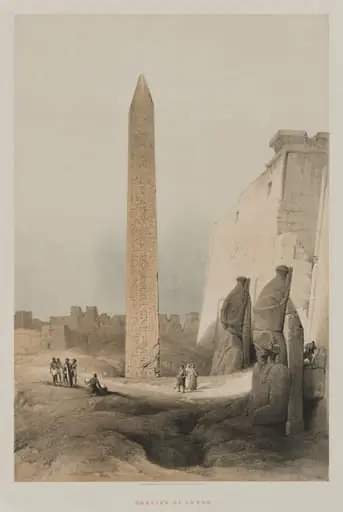 Egypt and Nubia, Volume I: Luxor
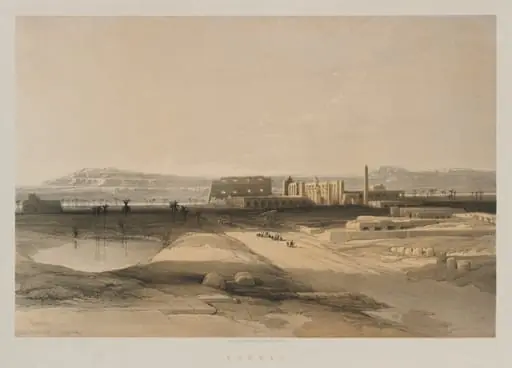 Egypt and Nubia, Volume II: Karnak
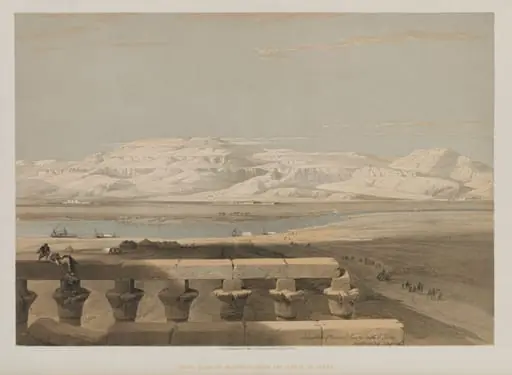 Egypt and Nubia, Volume I: Libyan Chain of Mountains, from the Temple of Luxor
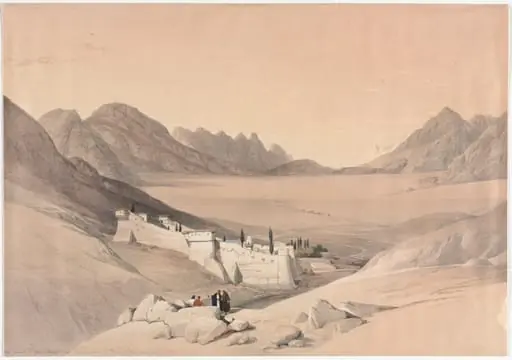 The Convent of St. Catherine, Mount Sinai, Looking towards the Plain of the Encampment
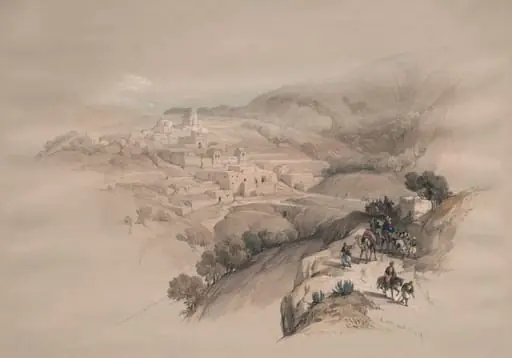 Bethany
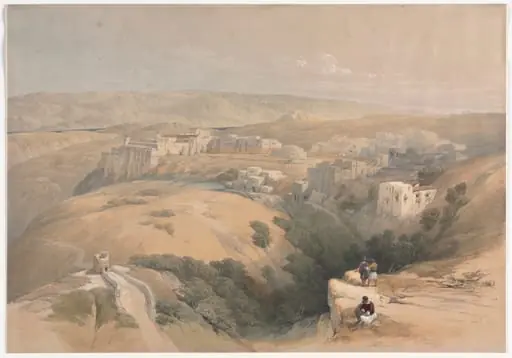 Bethlehem
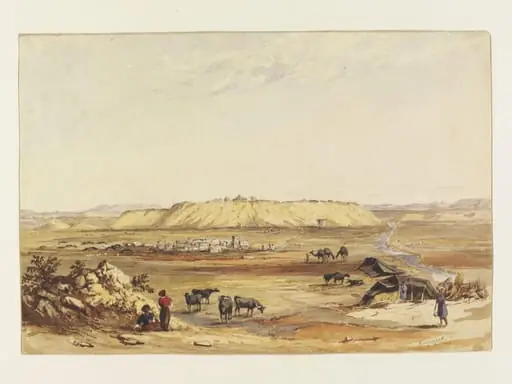 Kouyunjick
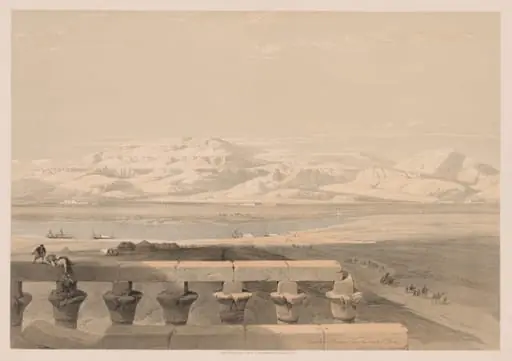 Egypt and Nubia: Volume I - No. 30, Lybian Chain of Mountains from the Temple of Luxor
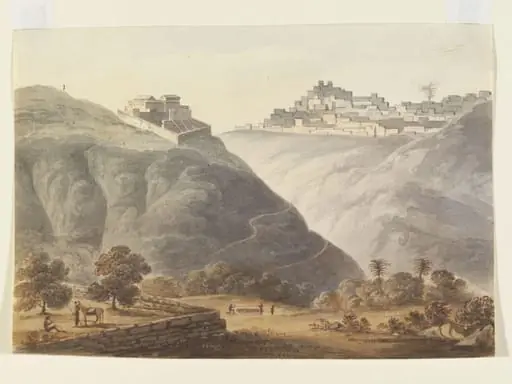 Bethlehem
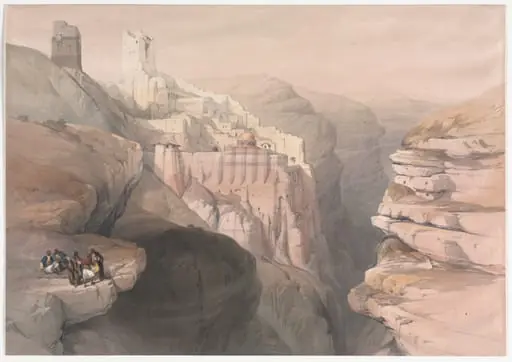 Convent of St. Saba