Artwork
Egypt and Nubia, Volume III: Tombs of the Khalifs, Cairo
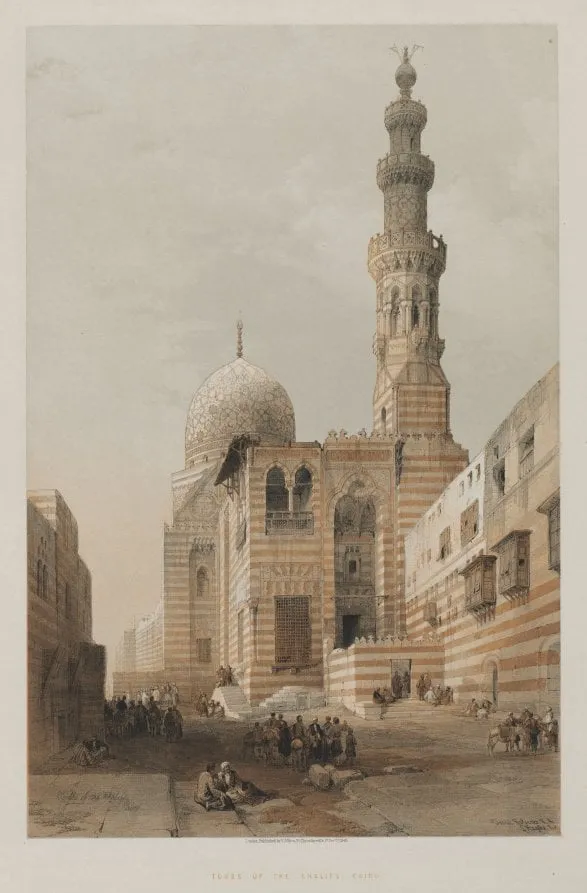
Egypt and Nubia, Volume III: Tombs of the Khalifs, Cairo is a print by the Romanticist artist Louis Haghe. It dates from 1848 and is held in the collection of the Cleveland Museum of Art.
About this work
The buildings look old, with arched doors and small windows, and the ground is uneven with some rubble.
This painting shows a tall, striped tower with a pointed top and a rounded dome next to it. Below, a busy courtyard has people sitting, standing, and walking around. The buildings look old, with arched doors and small windows, and the ground is uneven with some rubble.
The tower’s stripes and the dome’s pattern suggest careful detail work. This was made in 1848 by an artist who focused on faraway places.
Look up Romanticism to see how artists like this one showed distant lands.
Overview
Louis Haghe’s 1848 lithograph, titled *Egypt and Nubia, Volume III: Tombs of the Khalifs, Cairo*, presents a view of a Cairo courtyard framed by a tall, striped tower capped with a pointed spire and a rounded, patterned dome. The scene captures a bustling urban space populated by figures in motion amid aged stone structures, arches, and uneven ground.
Subject & Meaning
The composition records an architectural ensemble of tombs and surrounding buildings, illustrating the historic fabric of Cairo’s Khalif district. By foregrounding everyday activity alongside monumental forms, Haghe offers a visual record of 19th‑century Egyptian urban life, reflecting contemporary European curiosity about the region’s heritage.
Technique & Style
Executed as a lithograph, the work showcases Haghe’s precise line work and careful shading, evident in the striped tower and the decorative dome. The rendering balances detailed architectural elements with atmospheric depth, aligning with the Romantic era’s penchant for exotic, meticulously observed landscapes.
History & Provenance
Hagge, a Belgian‑born artist who trained in watercolor and lithography, co‑founded the London firm Day & Haghe, a leading early Victorian printing house. The print entered the collection of the Cleveland Museum of Art, where it remains part of the museum’s holdings of 19th‑century travel imagery.
Context
Produced during a period of heightened European interest in Egypt and Nubia, the lithograph forms part of a larger series documenting archaeological and architectural sites. Such works catered to a market eager for visual accounts of distant cultures, feeding both scholarly study and popular imagination.
Artist & collection
Artist
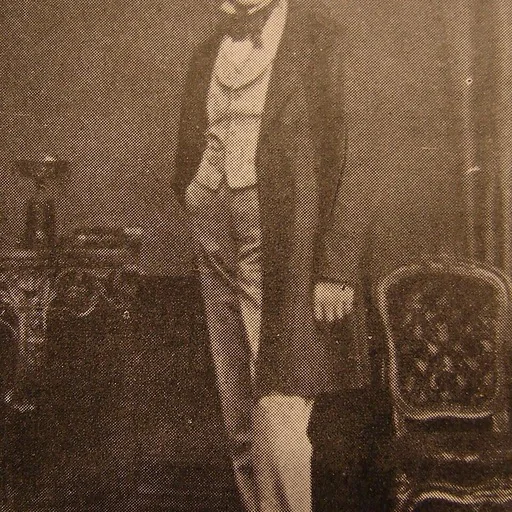
Louis Haghe (17 March 1806 – 9 March 1885) was a lithographer and watercolourist from the Netherlands and then the United Kingdom.

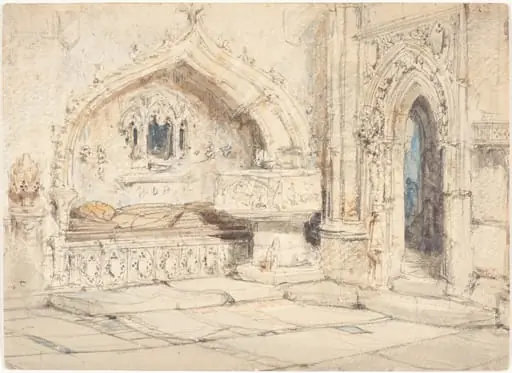 Interior of a Church with a Wall Tomb and Medieval Font
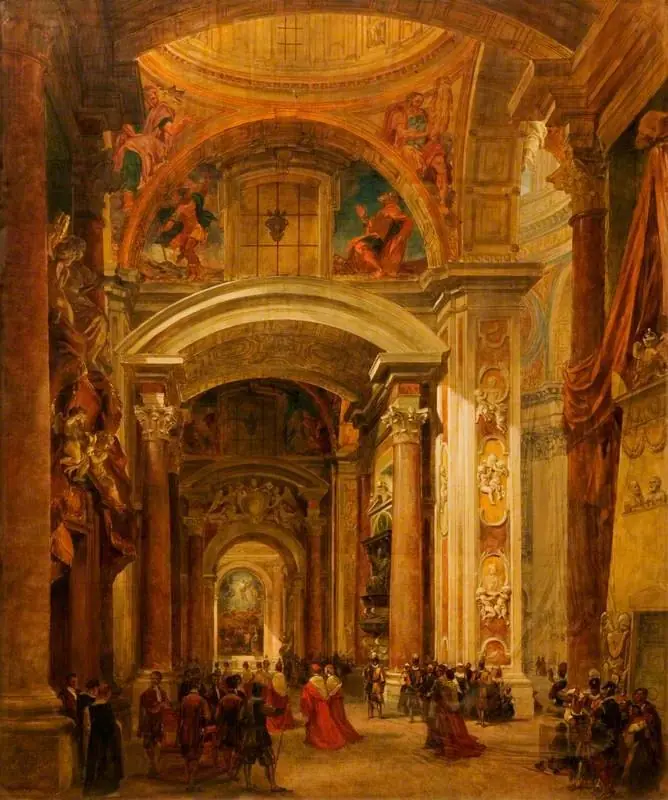 Interior of St Peter's, Rome
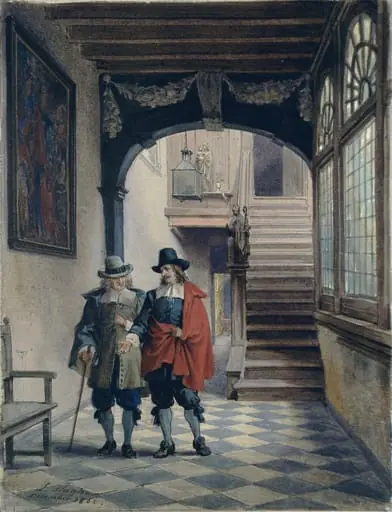 The Corridor, Brewer's Hall, Antwerp
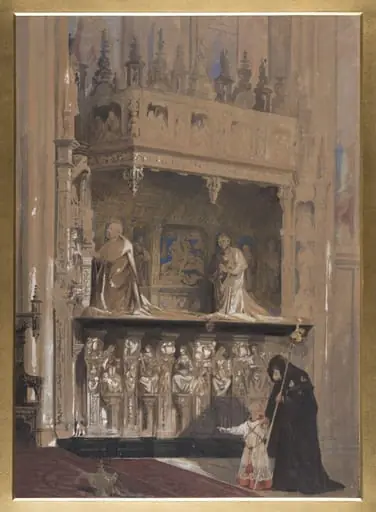 Monument of the Cardinald D'Amboise in Rouen Cathedral
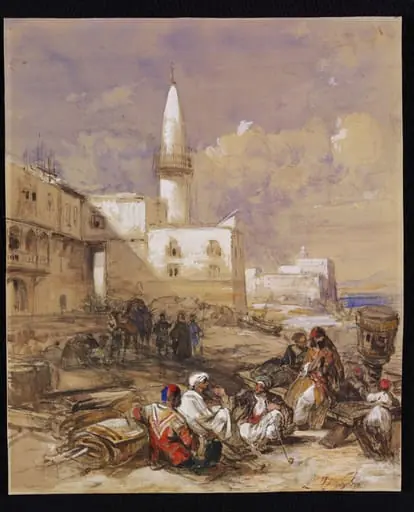 The Quay at Suez
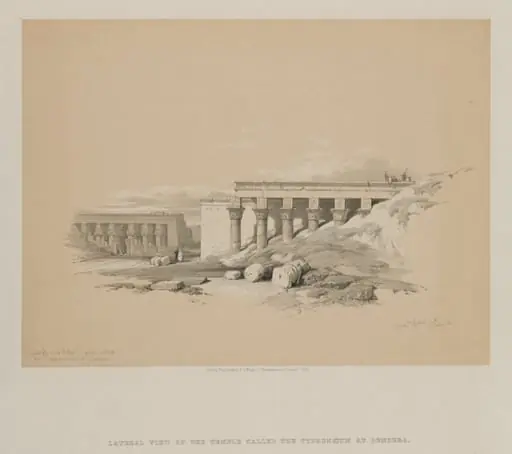 Egypt and Nubia, Volume II: Lateral View of the Temple called The Typhonoeum at Dendera
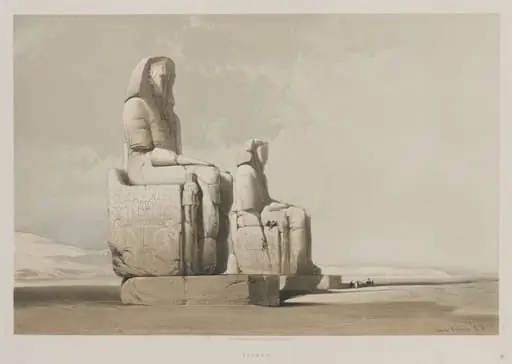 Egypt and Nubia, Volume I: Thebes
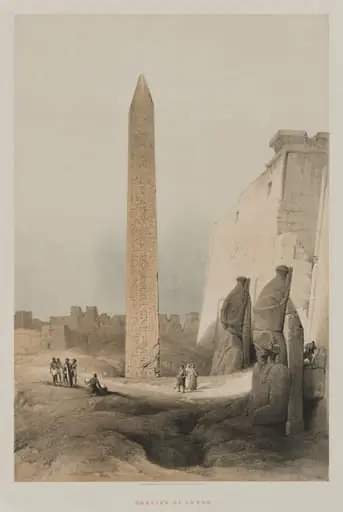 Egypt and Nubia, Volume I: Luxor
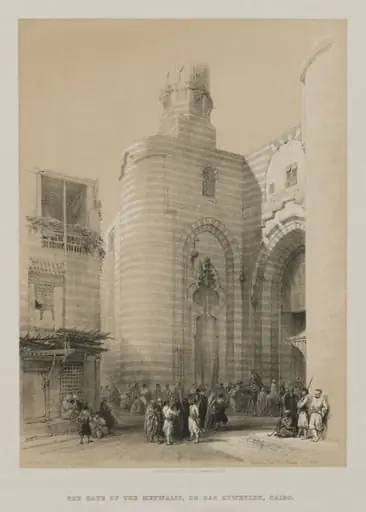 Egypt and Nubia, Volume III: Gate of the Metwaleys, Cairo
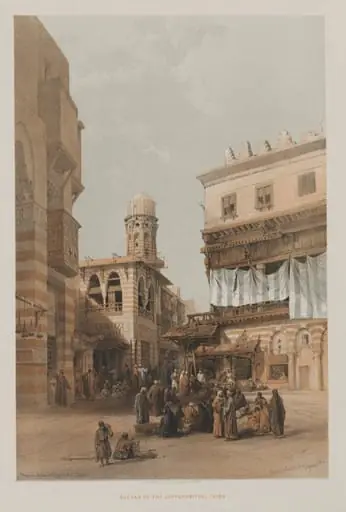 Egypt and Nubia, Volume III: Bazaar of the Coppersmiths, Cairo
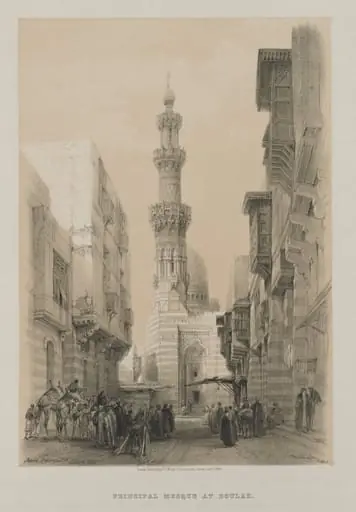 Egypt and Nubia, Volume III: Bullack, Cairo
![Egypt and Nubia, Volume III: Tombs of the Caliphs-Cairo. Mosque of Ayed Be[y], by Louis Haghe](https://artifactworldgallery.com/img/louis-haghe--egypt-and-nubia-volume-iii-tombs-of-the-caliphs-cairo-mosque--9062e89e981f8684-w320.webp) Egypt and Nubia, Volume III: Tombs of the Caliphs-Cairo. Mosque of Ayed Be[y]
Egypt and Nubia, Volume III: Tombs of the Caliphs-Cairo. Mosque of Ayed Be[y]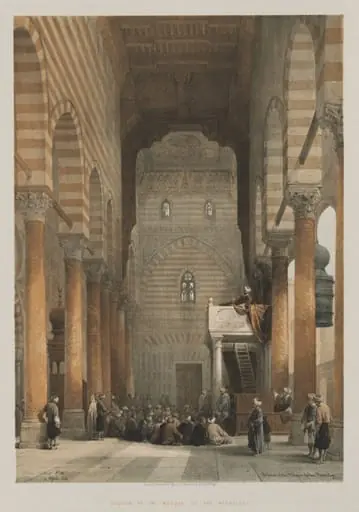 Egypt and Nubia, Volume III: Interior of the Mosque of the Metwalys
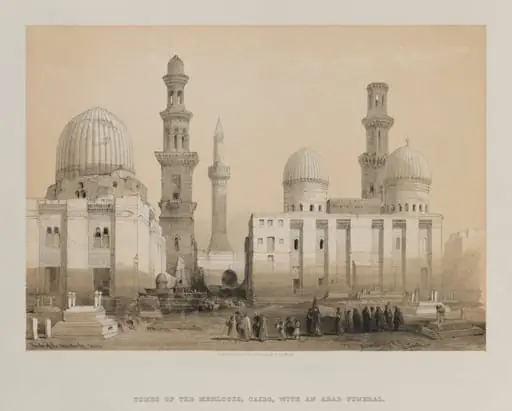 Egypt and Nubia, Volume III: Tomb of the Memlooks, Cairo
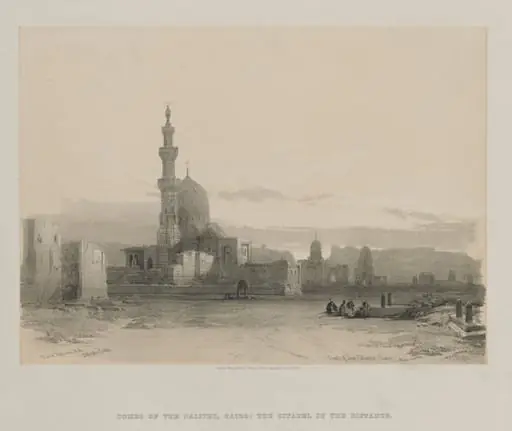 Egypt and Nubia, Volume III: Tombs of the Caliph's, Cairo
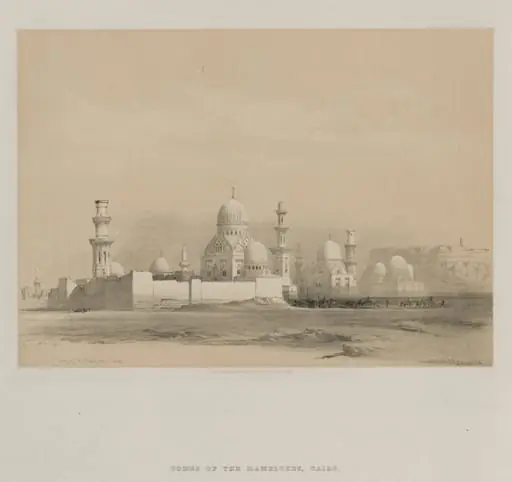 Egypt and Nubia, Volume III: Tombs of the Memlooks, Cairo
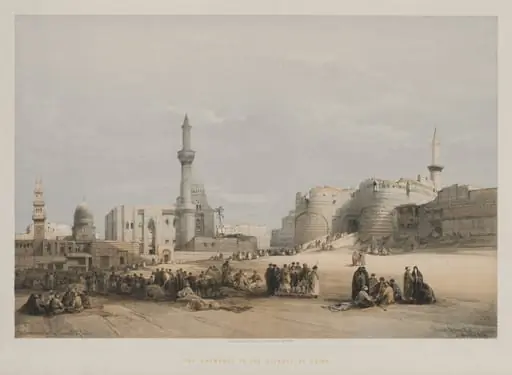 Egypt and Nubia, Volume III: The Entrance to the Citadel of Cairo
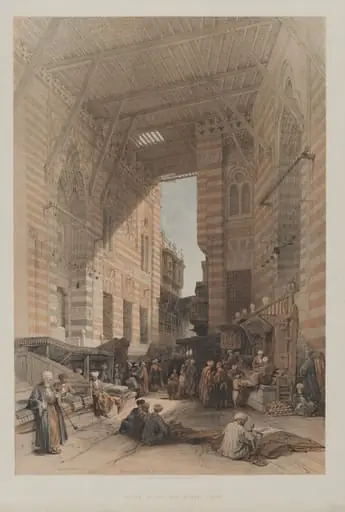 Egypt and Nubia, Volume III: Bazaar of the Silk Mercers, Cairo
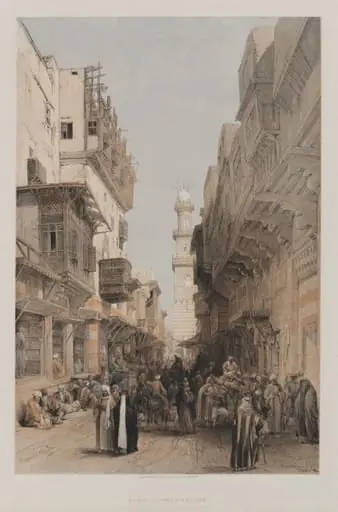 Egypt and Nubia, Volume III: Mosque el Mooristan, Cairo