Artwork
Game of Billiards
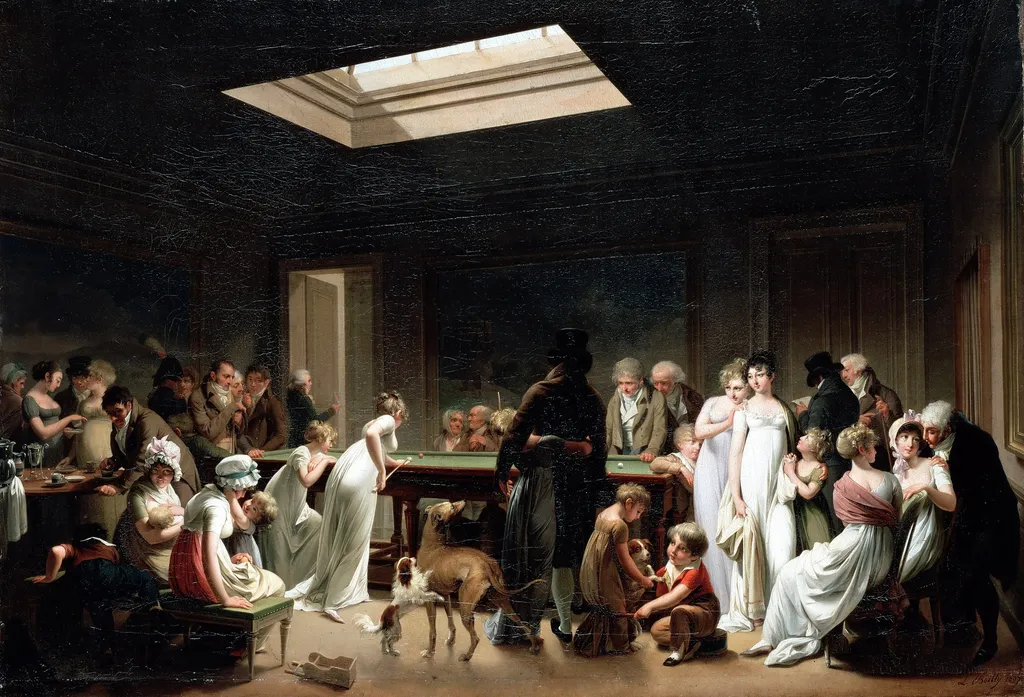
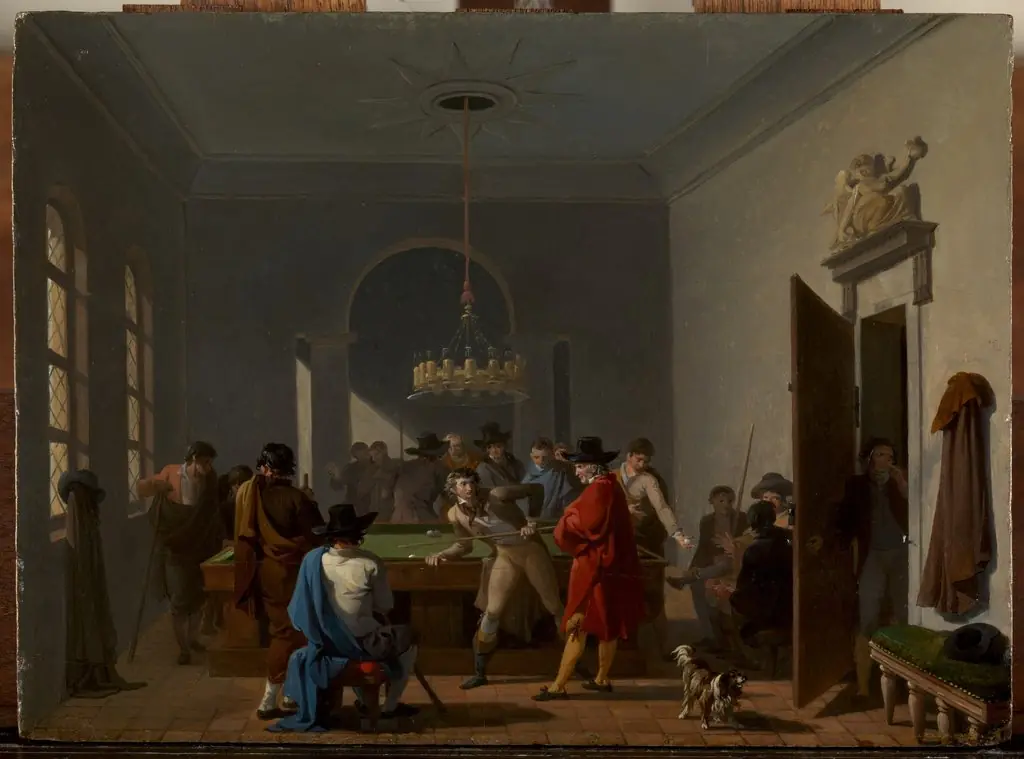
Game of Billiards is an oil painting by Louis-Léopold Boilly. It dates from 1807 and is held in the collection of the Hermitage Museum.
About this work
Overview
Painted in 1807 by Louis-Léopold Boilly, this oil-on-canvas work captures a quiet moment in a Parisian billiards room. As a genre scene, it focuses on everyday social life rather than mythological or historical themes. Its composition and attention to detail reflect Boilly’s skill in observing and recording the customs of his time, particularly among the urban middle class.
Subject & Meaning
The painting portrays men and women engaged in a game of billiards, a pastime typically associated with male-dominated spaces. By including women as active participants, Boilly subtly challenges social norms of the period. The scene suggests a level of familiarity and equality among the players, offering a rare glimpse into mixed-gender leisure in early 19th-century Paris.
Technique & Style
Boilly employs precise brushwork and controlled lighting to render textures—fabric, wood, and glass—with clarity. The figures are arranged in a balanced, almost theatrical composition, drawing attention to gestures and expressions. His style blends realism with a touch of theatricality, characteristic of his genre scenes, which often invite the viewer to interpret subtle social dynamics.
History & Provenance
The painting was first shown at the 1808 Salon in the Louvre, where it attracted significant attention for its unusual subject. Shortly after, it was acquired by Nikolay Yusupov, a Russian diplomat and art collector, during his time in Paris. It entered the Hermitage Museum’s collection in the early 19th century, where it remains today as part of its French painting holdings.
Context
During the Napoleonic era, Parisian society was undergoing shifts in class and gender roles, particularly in private leisure activities. While public spaces remained rigidly segregated, domestic and semi-private venues like billiard rooms became sites of more fluid interaction. Boilly’s painting reflects these emerging social patterns, capturing a moment of transition in urban French life.
Legacy
Though not widely known outside specialist circles, the painting is recognized as one of Boilly’s most distinctive works for its nuanced portrayal of social interaction. It stands as a document of changing customs in early 19th-century France, offering insight into how leisure, gender, and class intersected in the everyday lives of Parisians.
Own this work as a print
Artist & collection
Artist
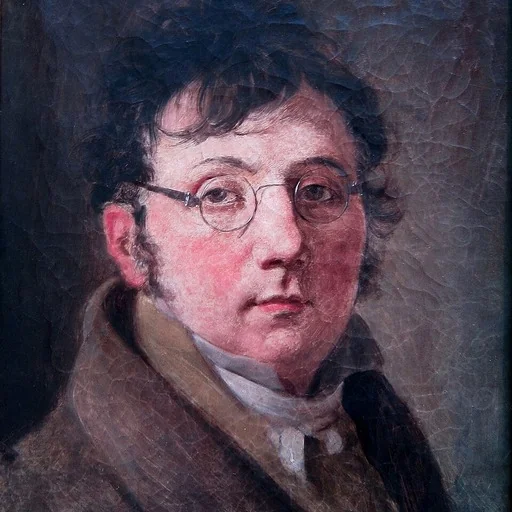
Louis-Léopold Boilly was a French painter and draftsman. A creator of popular portrait paintings, he also produced a vast number of genre paintings documenting French middle-class social life. His life and work spanned…

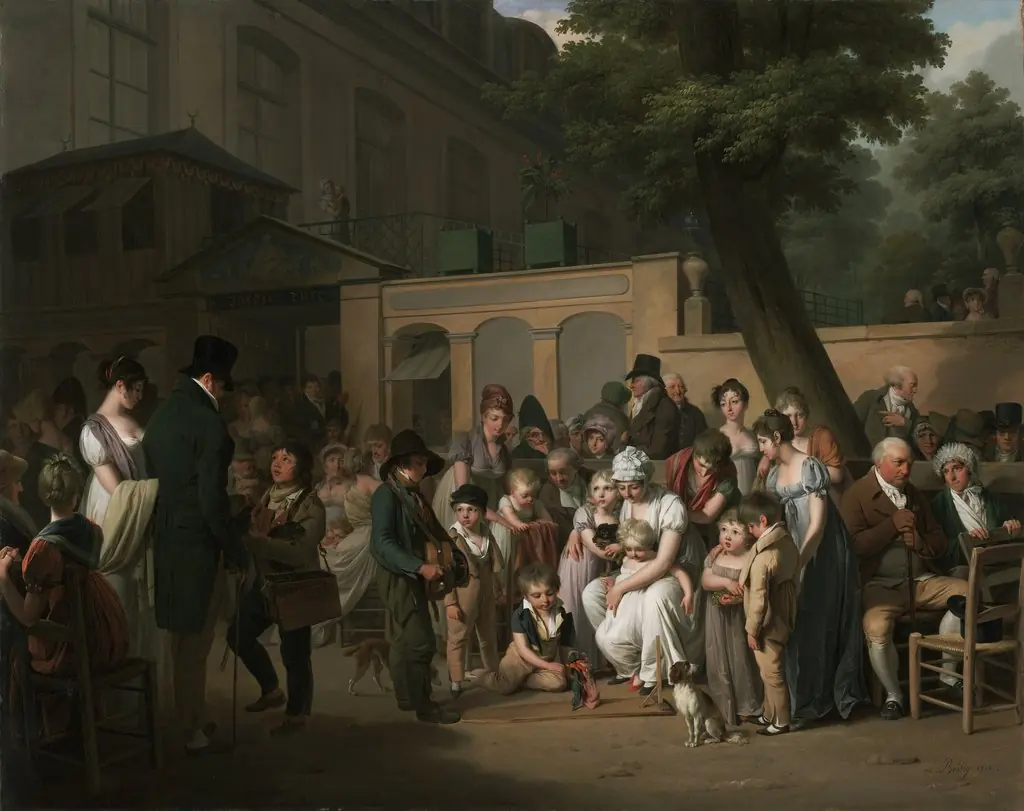 Entrance to the Jardin Turc
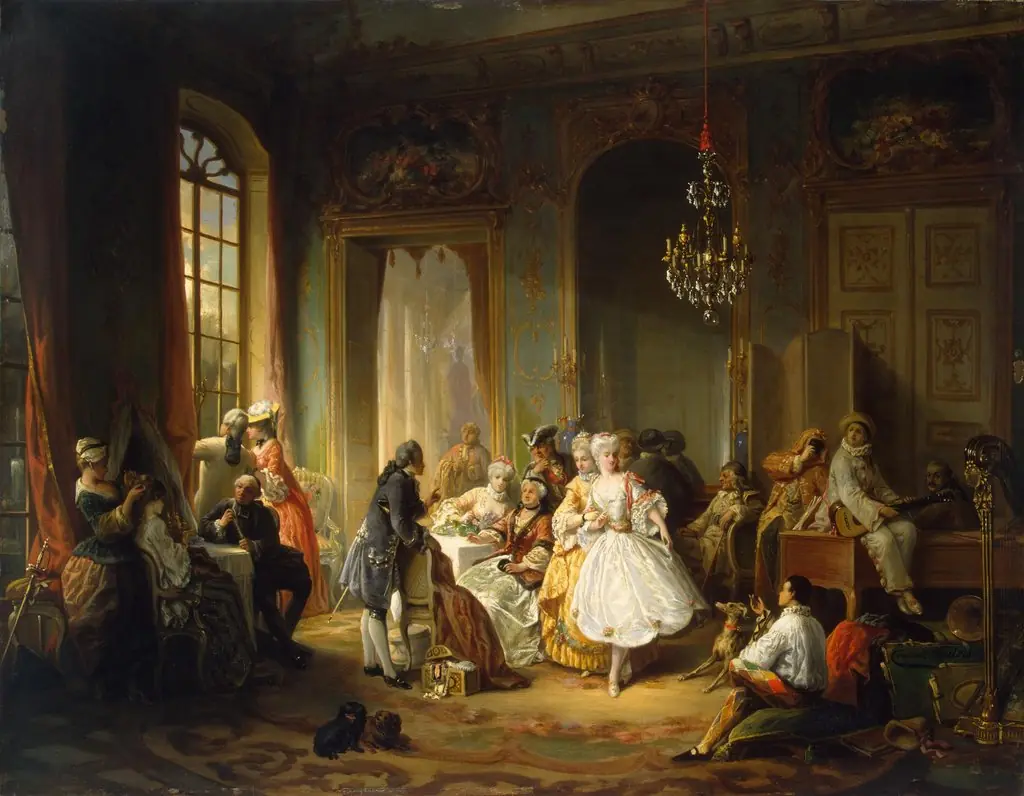 Actors Before a Performance
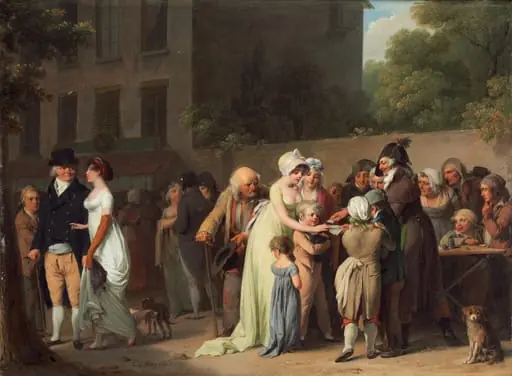 The Card Sharp on the Boulevard
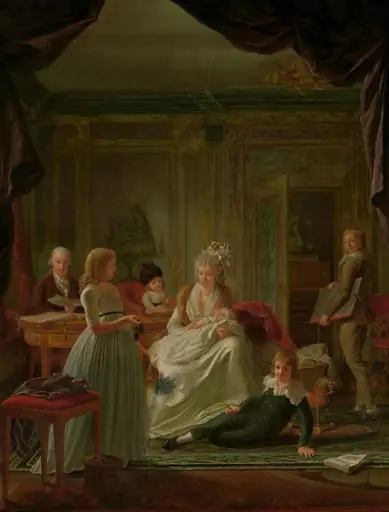 Portrait of Aernout van Beeftingh, his Wife Jacoba Maria Boon and their Children
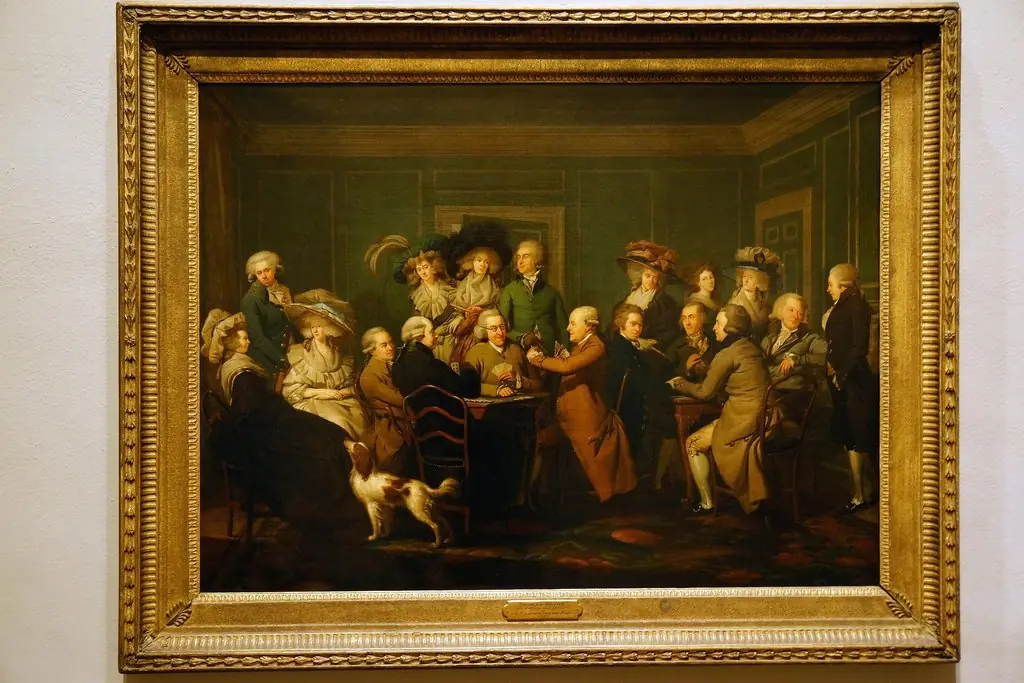 Portrait of Thomas Payne with His Family and Friends
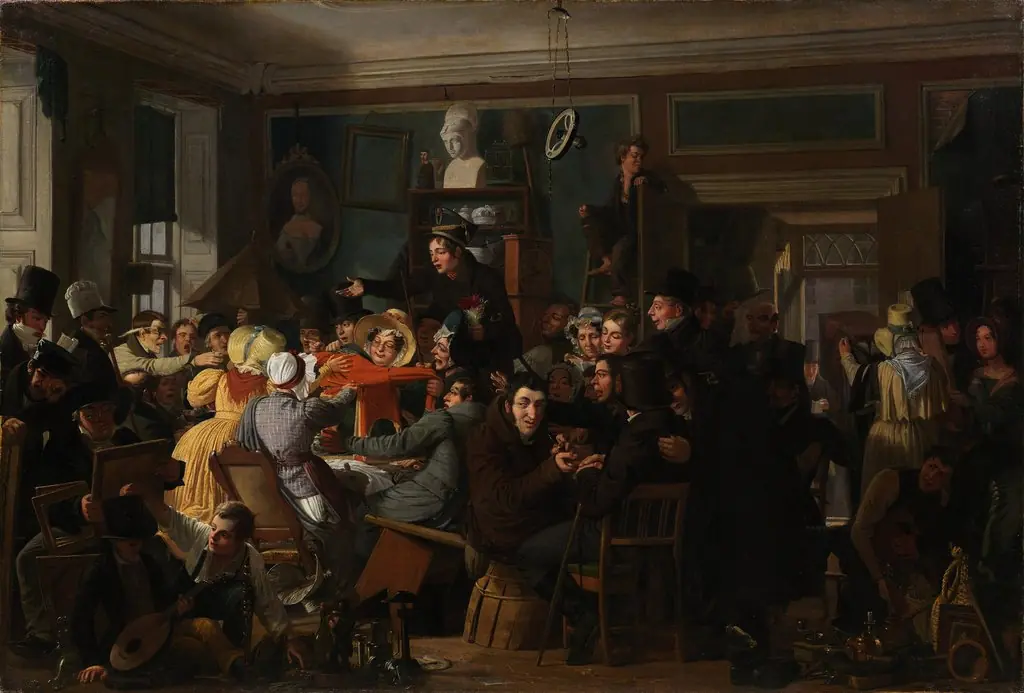 Auction Scene
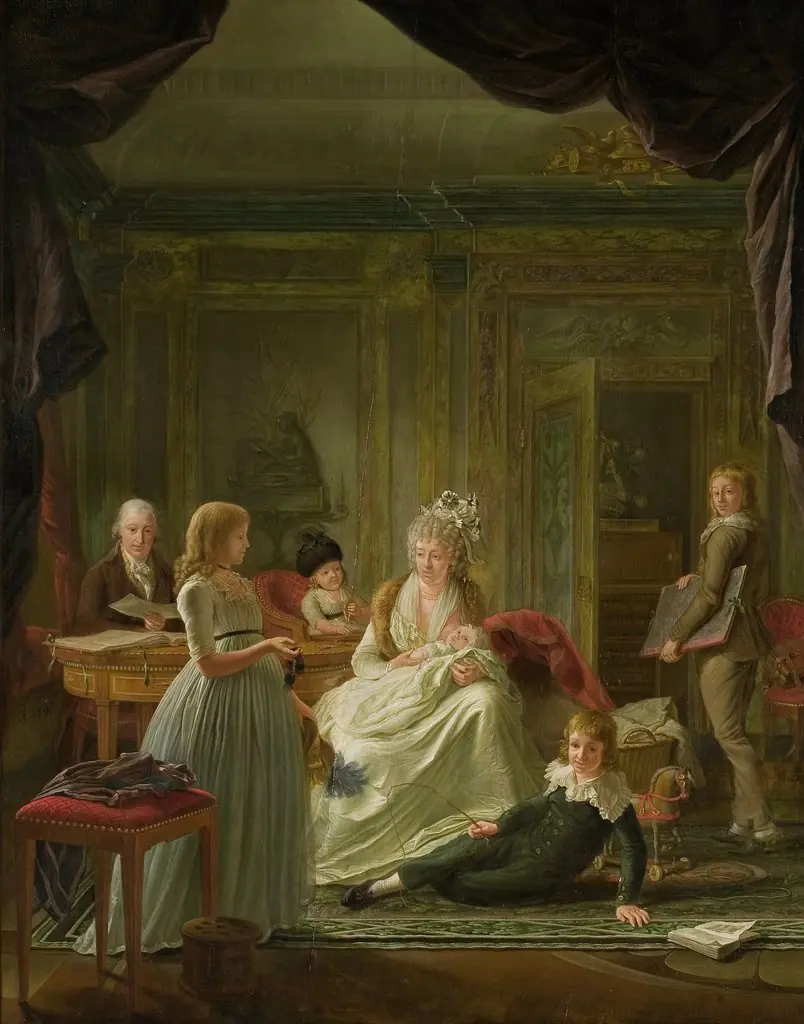 Portrait of Aernout van Beeftingh, his Wife Jacoba Maria Boon and their Children
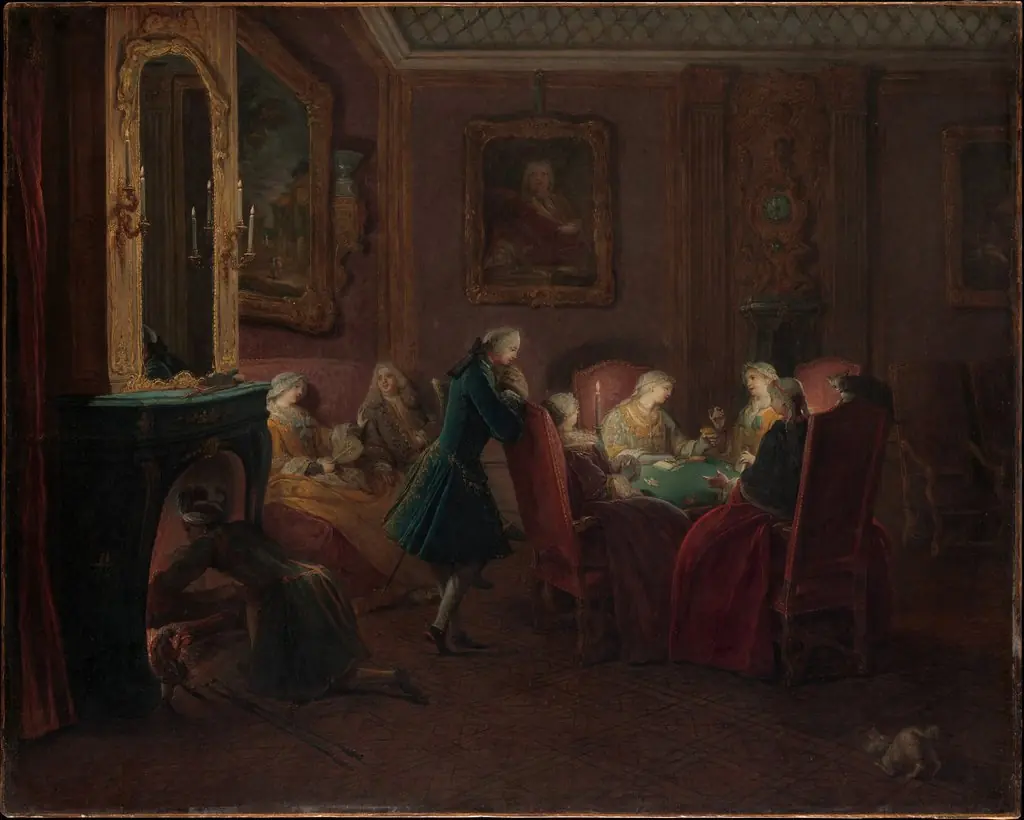 Card Players in a Drawing Room
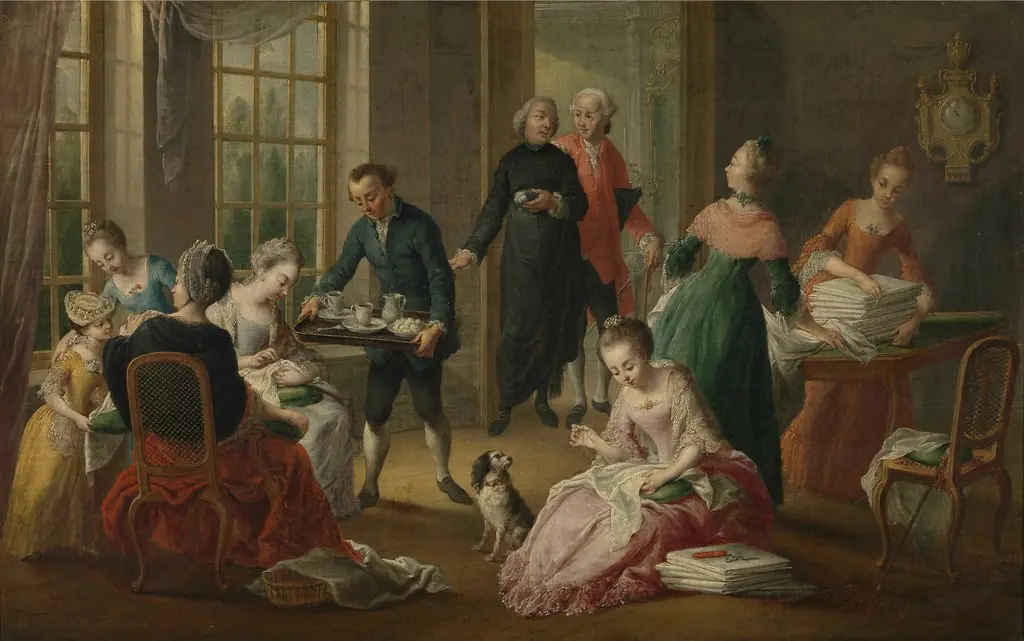 Afternoon Tea
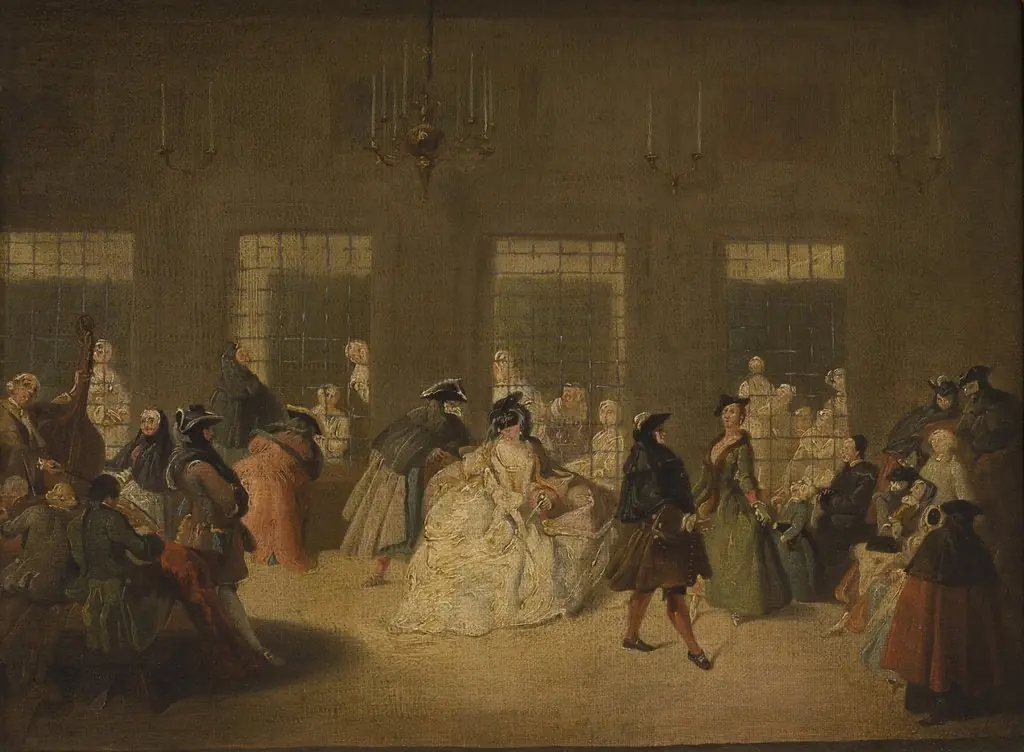 Theme from the Venetian Carnival – In the Parlatory of the Monastery
 The Waagepetersen Family
 The Billiard Room