Artwork
The Card Sharp on the Boulevard
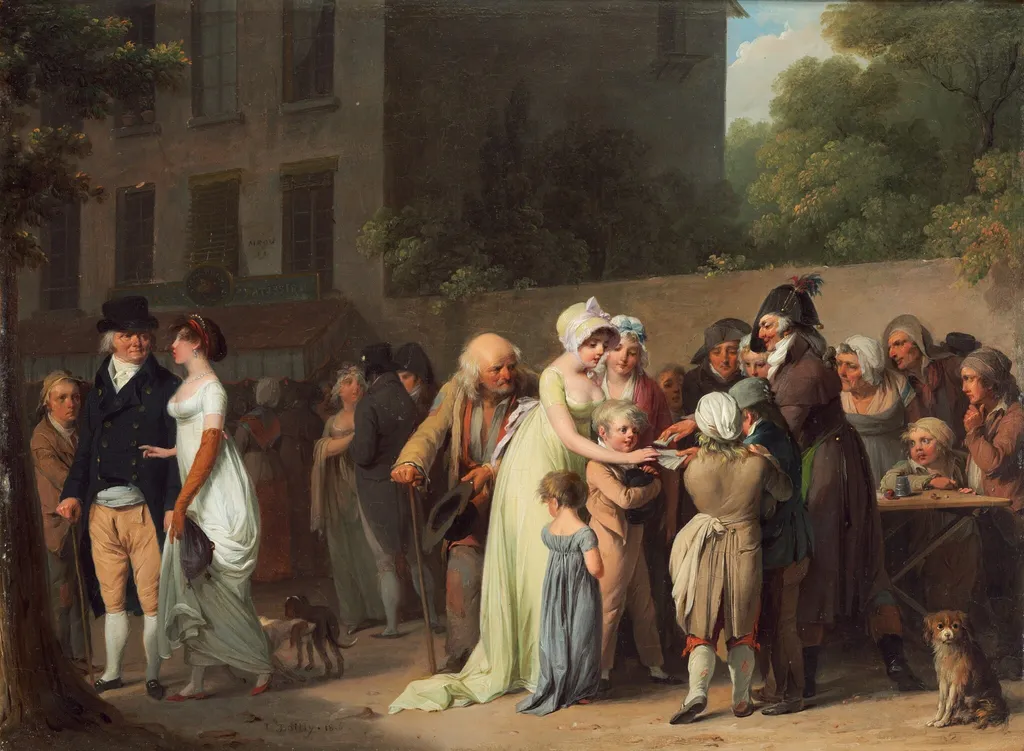
The Card Sharp on the Boulevard is an oil painting by the Romanticist artist Louis-Léopold Boilly. It dates from 1806 and is held in the collection of the National Gallery of Art.
About this work
Overview
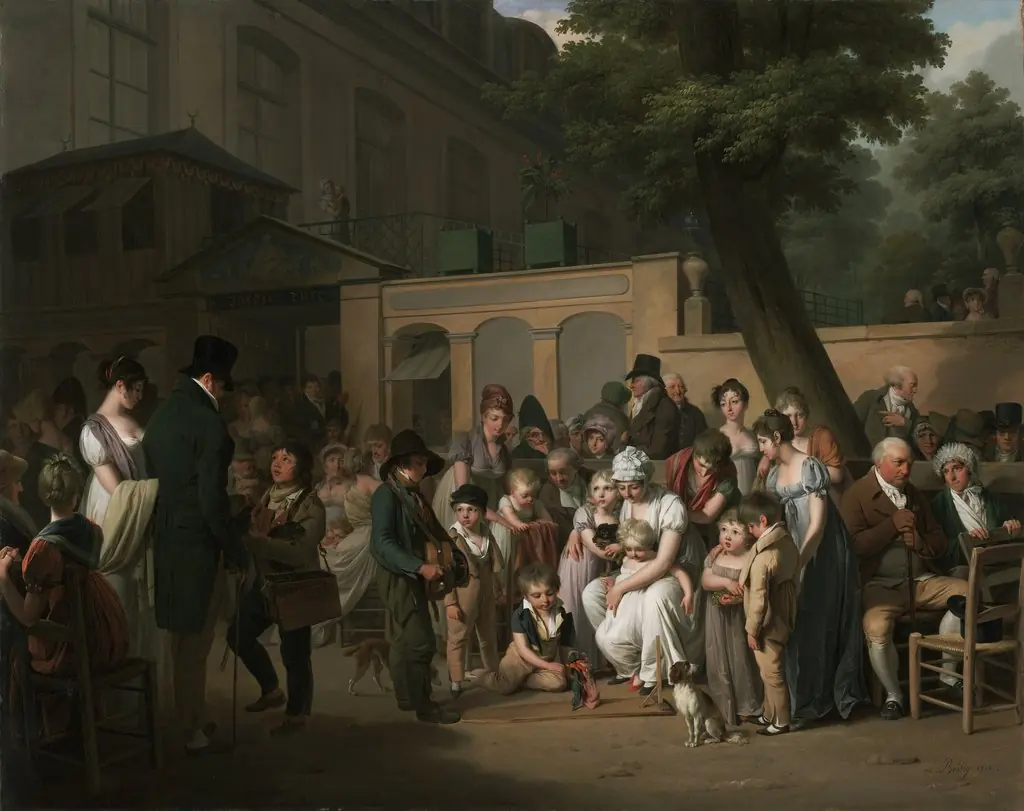
Louis-Léopold Boilly’s 1806 oil on wood, titled The Card Sharp on the Boulevard, captures a bustling street scene in Paris during the Napoleonic period. The work is part of the National Gallery of Art’s collection in Washington, D.C., and presents a lively street entertainment where a card‑cheating performer draws the attention of onlookers.
Subject & Meaning
The composition centers on a street magician or card‑sharper positioned on the right, whose deceptive trick—concealing an extra card—engages a mixed crowd of children and women. Boilly inserts his own likeness among the spectators, wearing a bicorne hat, suggesting a personal connection to the urban tableau and the everyday vices of the time.
Technique & Style
Executed in oil on a wooden panel, Boilly employs meticulous brushwork and subtle glazing to render the varied facial expressions and textures of clothing. The attention to detail creates a vivid sense of immediacy, while the genre‑painting format reflects the artist’s interest in documenting contemporary street life.
History & Provenance
The painting was first shown at the Louvre’s Salon of 1808, paired with a companion piece titled Young Savoyards Showing Their Marmot. It reappeared at the 1814 Salon, organized quickly after the Bourbon Restoration, before eventually entering the National Gallery of Art’s holdings.
Context
Set on the Boulevard du Temple, a thoroughfare known for its bustling entertainment venues, the work illustrates the popular street spectacles that characterized early‑19th‑century Paris. Boilly’s depiction aligns with the broader trend of genre scenes that documented urban leisure and vice.
Own this work as a print
Artist & collection


 Entrance to the Jardin Turc
 Fair
Fair Actors Before a Performance
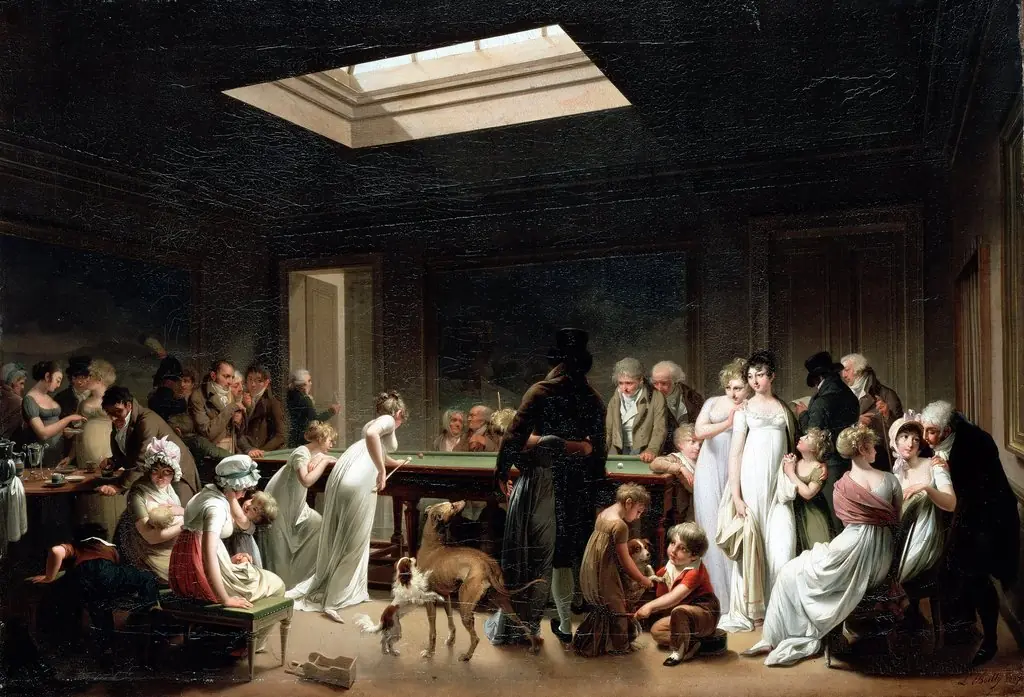 Game of Billiards
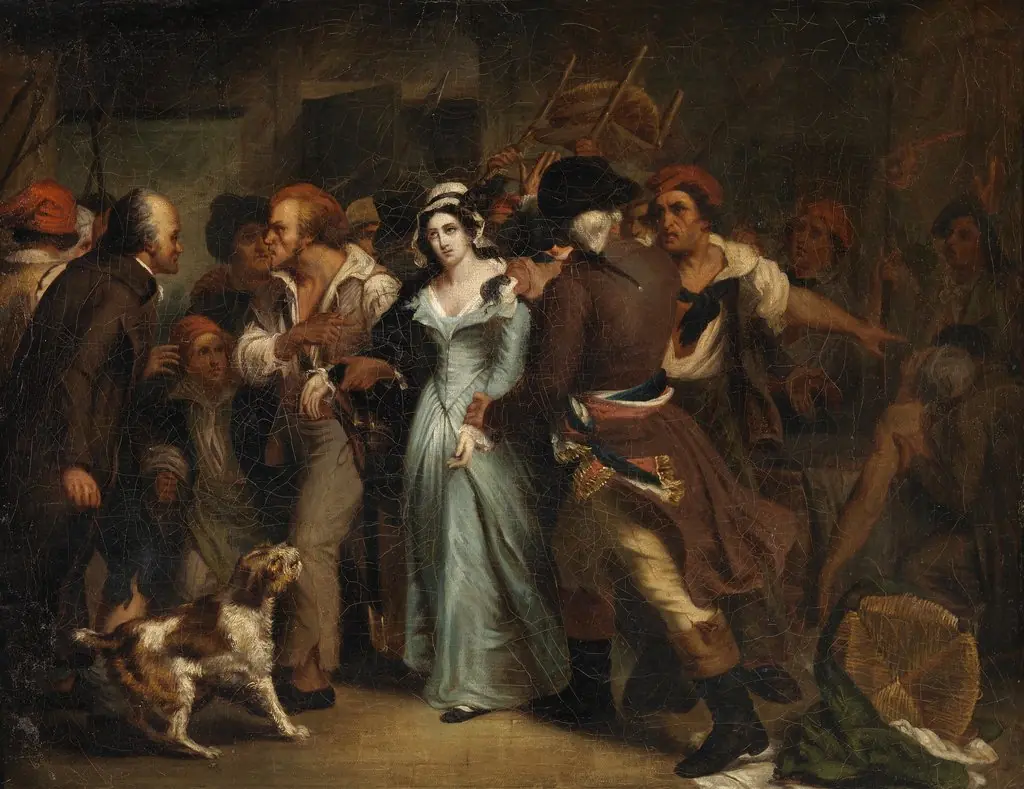 The Arrest of Charlotte Corday
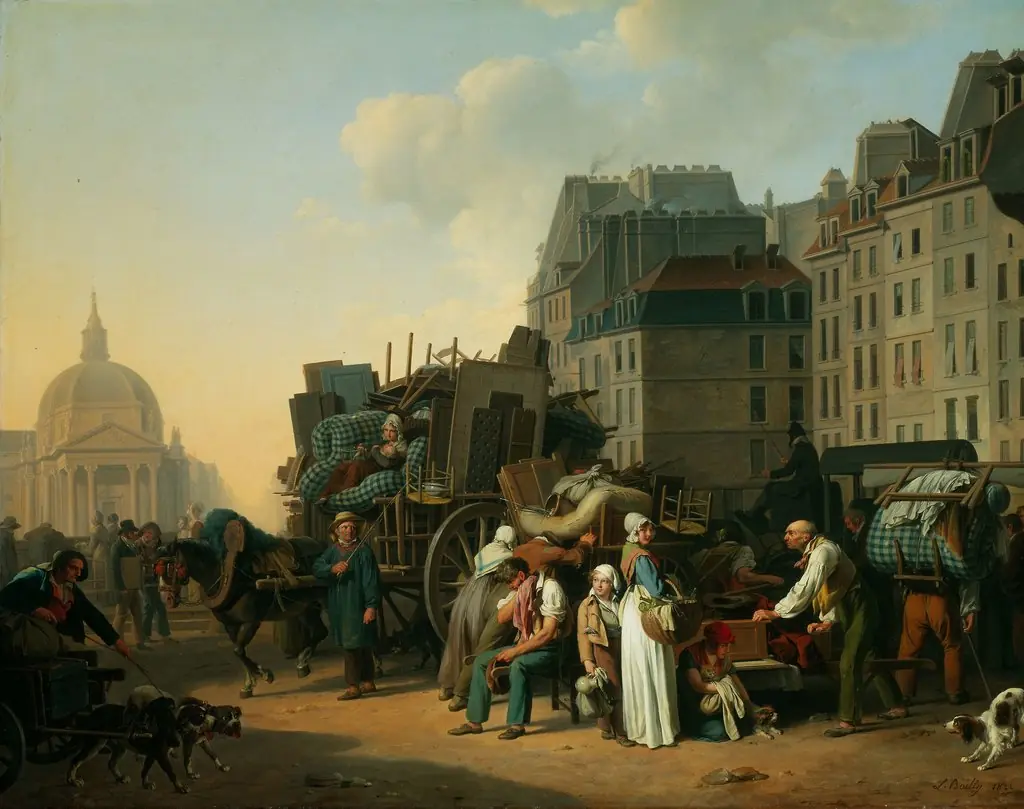 The Movings
 The Movings
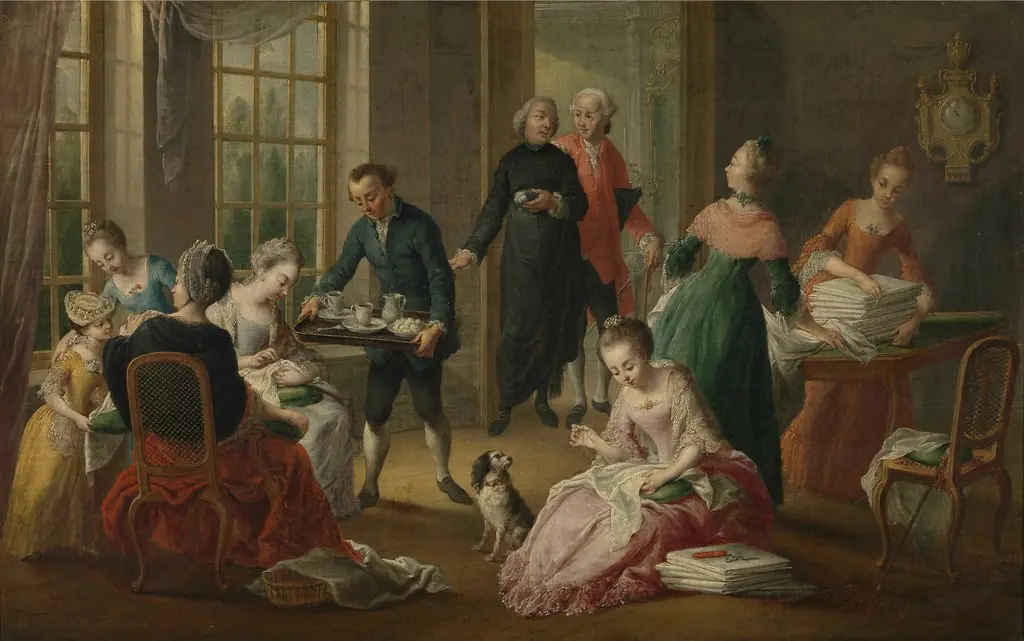 Afternoon Tea
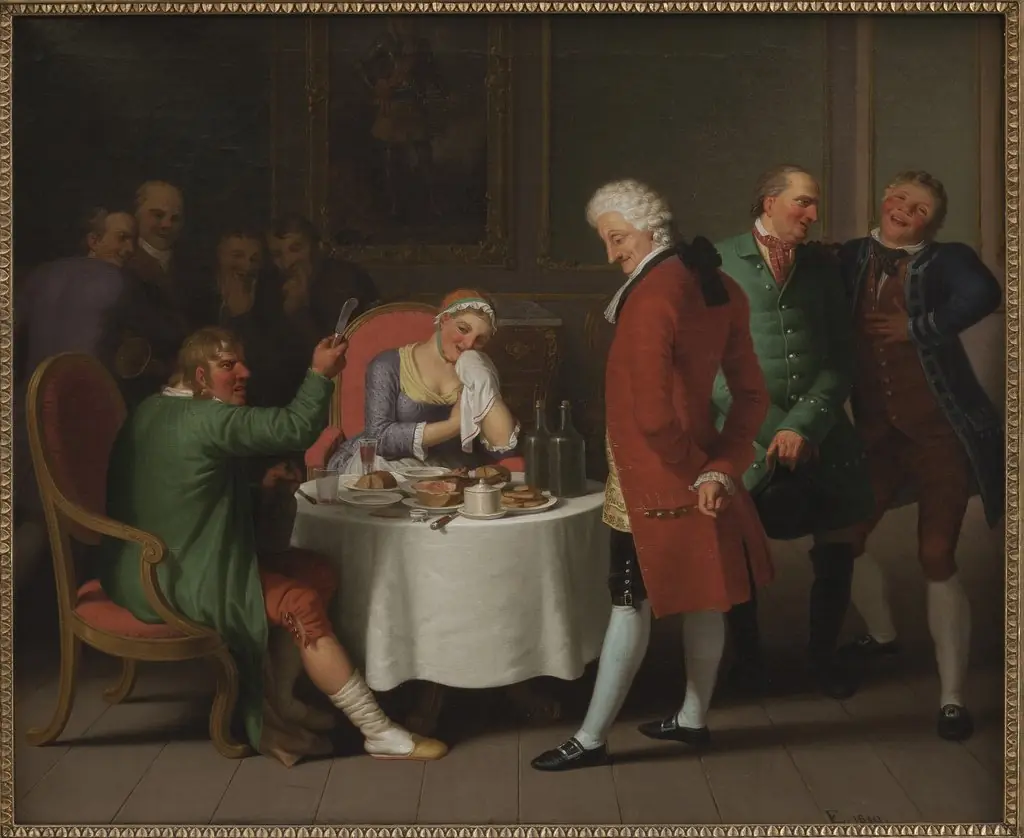 Motiv fra Ludvig Holbergs "Jeppe på Bjerget", III akt, 3. scene
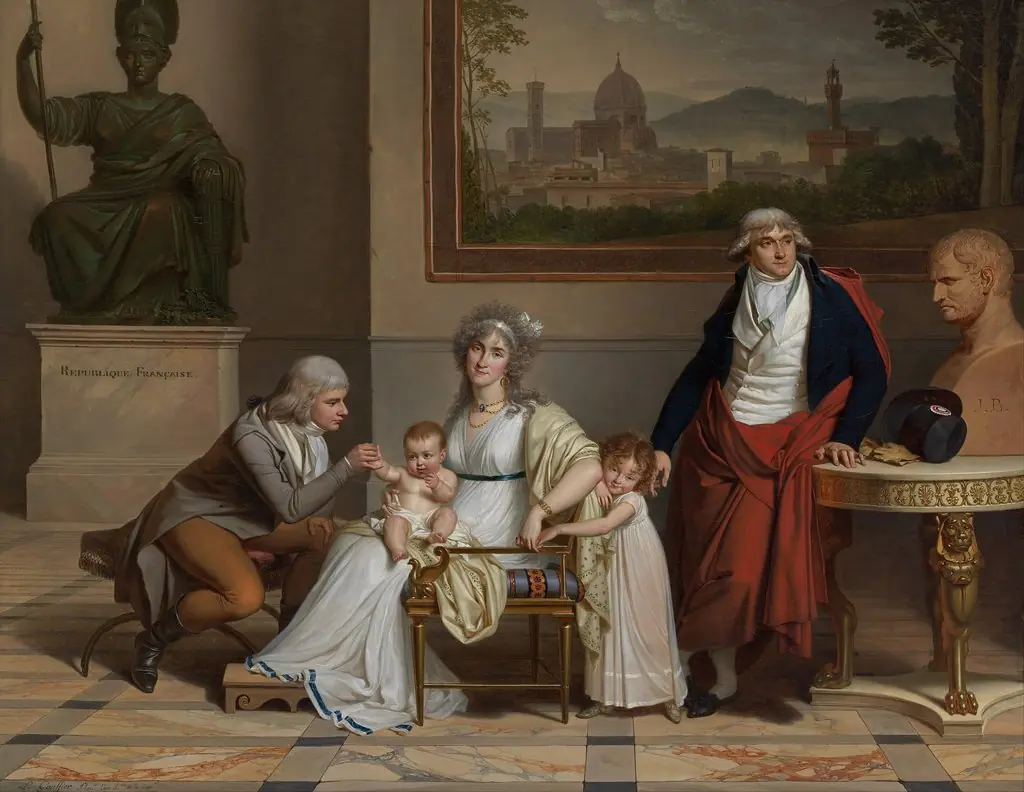 The family of André-François, Count Miot de Melito, (1762-1841) consul of France to Florence
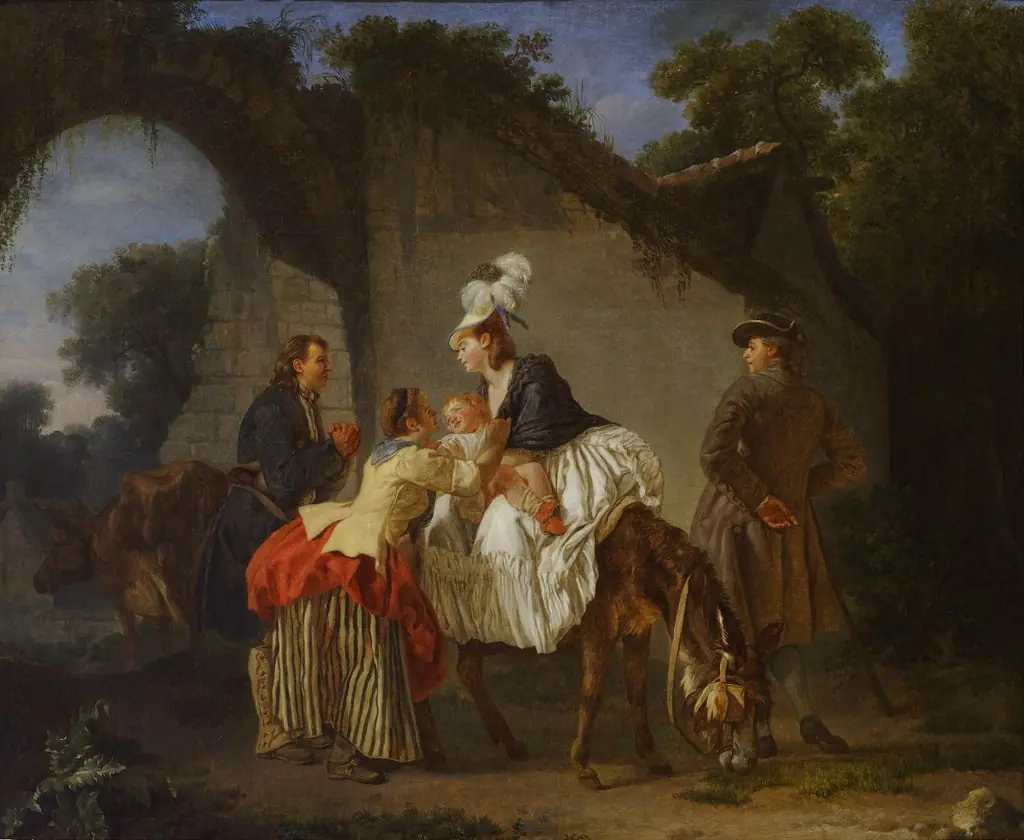 Farewell to the Wet Nurse
 The Poultryman