Artwork
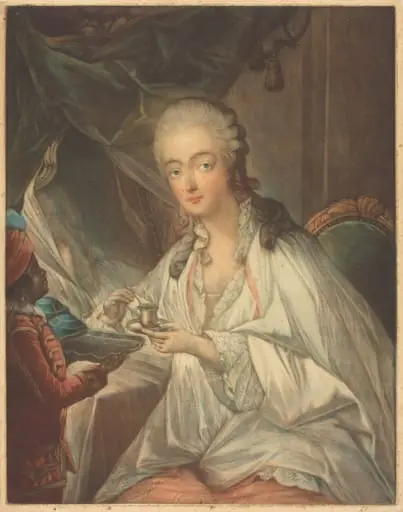
The Woman Taking Coffee
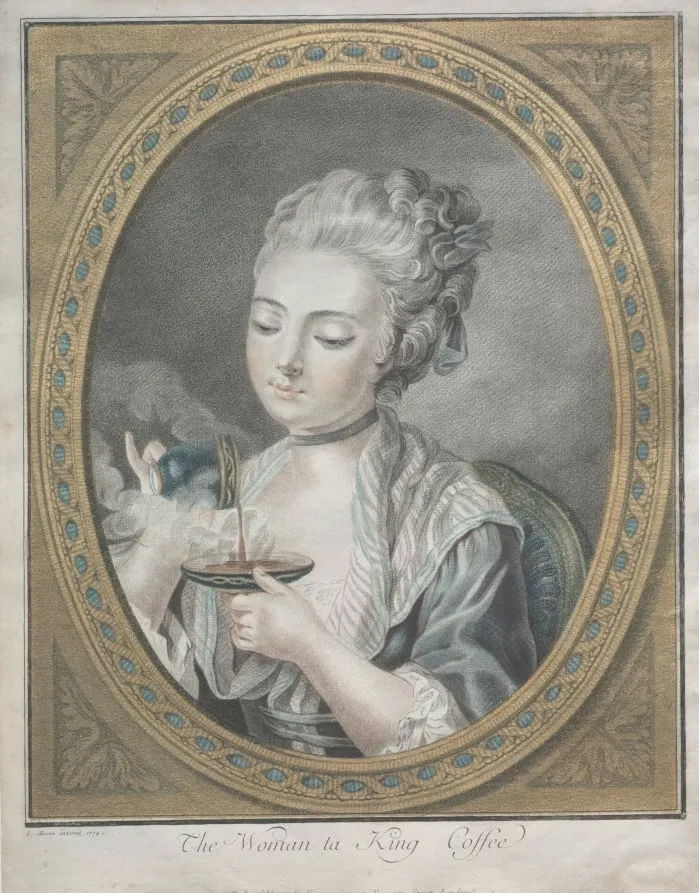
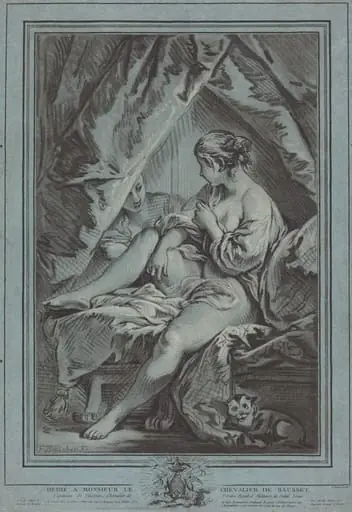
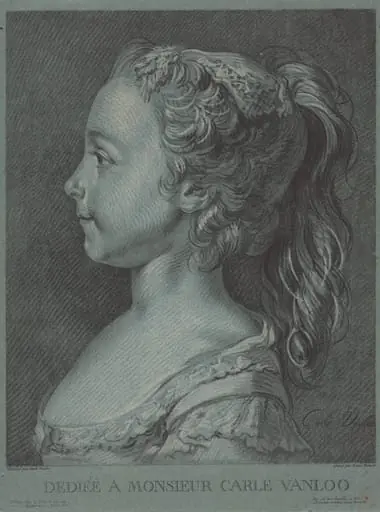
The Woman Taking Coffee is a print by the Romanticist artist Louis-Marin Bonnet. It dates from 1774 and is held in the collection of the Cleveland Museum of Art.
About this work
Overview
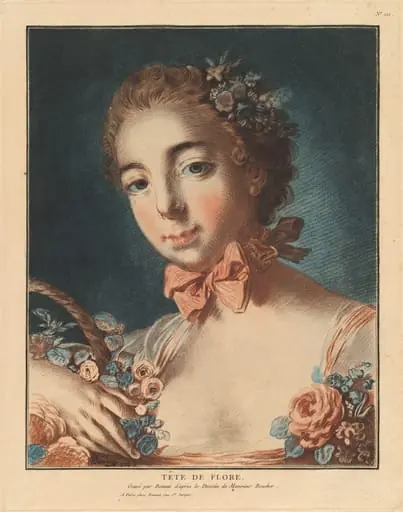
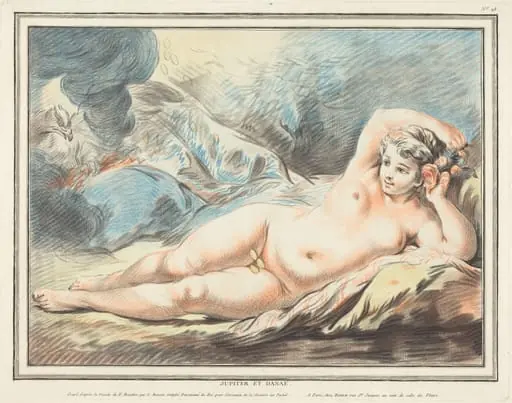
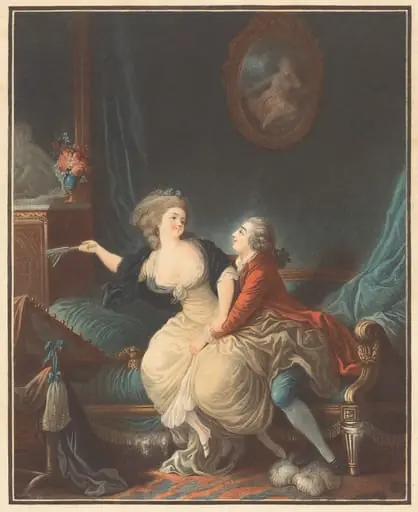
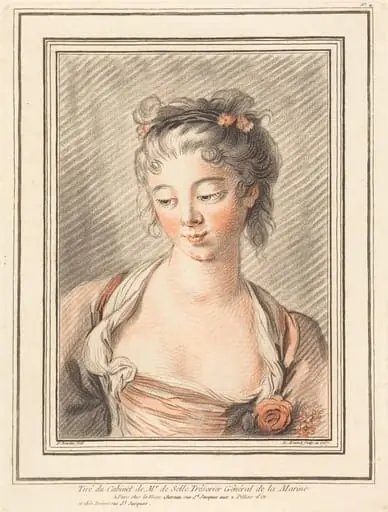
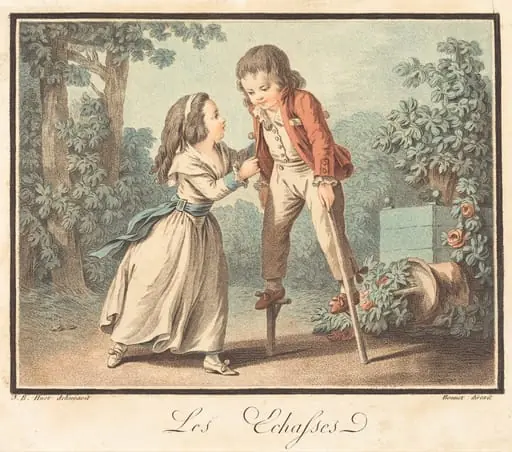
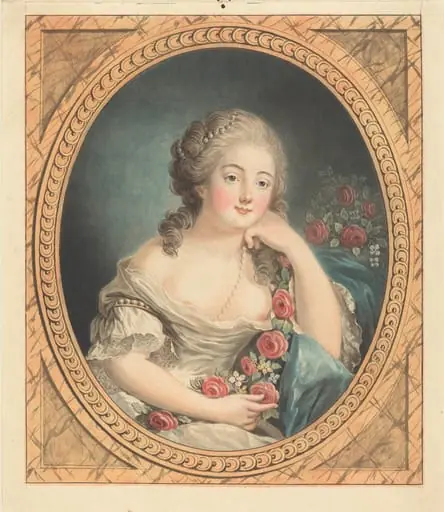
This print is part of a series by Louis-Marin Bonnet that employed layered color printing to replicate the soft, delicate appearance of pastel drawings.
This print is part of a series by Louis-Marin Bonnet that employed layered color printing to replicate the soft, delicate appearance of pastel drawings. Unlike traditional painting, Bonnet achieved tonal subtlety through precise ink applications, mimicking the texture and luminosity favored by collectors of miniature art. His technical innovation allowed mass-produced prints to emulate the exclusivity of hand-drawn works, bridging fine art and printmaking.
Subject & Meaning
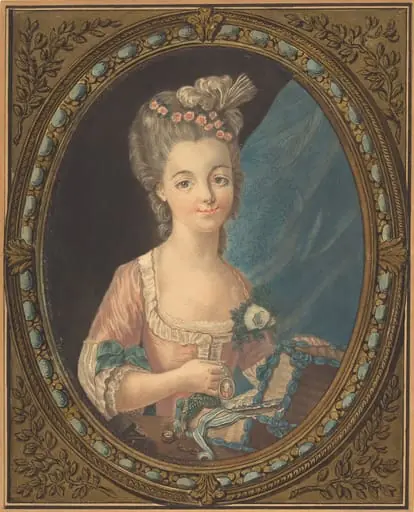
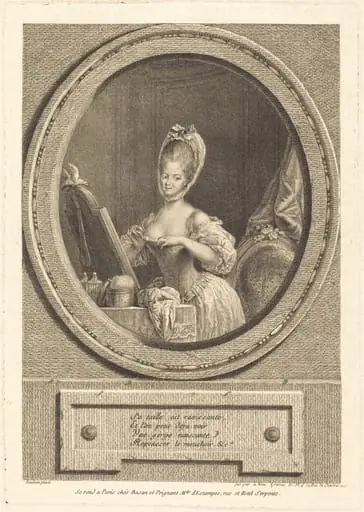
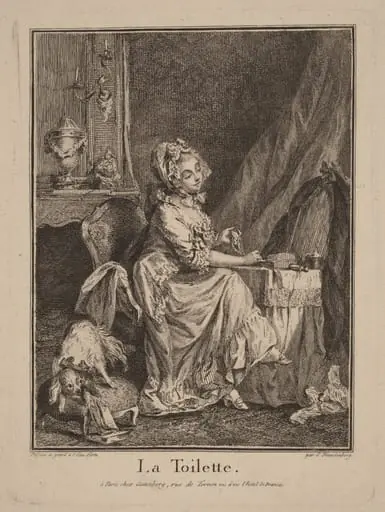
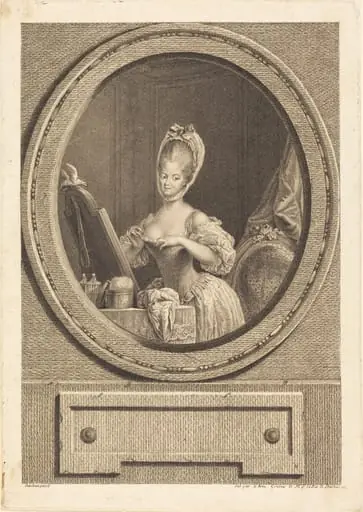
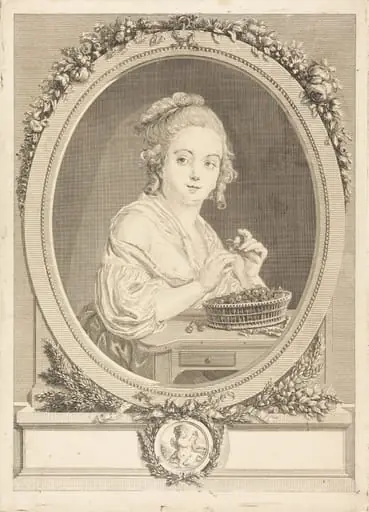
The scene depicts a woman in a quiet domestic moment, lifting a coffee cup with restrained grace. Her pink dress and the softly lit silver tray suggest intimacy and refinement, typical of 18th-century bourgeois leisure. The stillness of the composition invites contemplation rather than narrative, aligning with the era’s fascination with private, unguarded moments as expressions of elegance and sensibility.
Technique & Style
Bonnet used multiple hand-colored ink layers to build subtle gradations of tone, avoiding brushwork in favor of controlled printing. He enhanced the illusion of pastel by softening edges, a method akin to sfumato, and applied real gold leaf to the printed frame borders. This combination of mechanical reproduction and artisanal detail created a hybrid object that blurred the line between print and precious object.
History & Provenance
To circumvent French sumptuary laws restricting gold use in prints, Bonnet marketed his works as English imports under the pseudonym L. Marin. He used a fictional London address and English titles to deceive buyers and authorities. His shop, Au Magasin Anglois, became a hub for these disguised prints, which were widely collected despite their fraudulent origins.
Context
In mid-18th-century France, pastel portraits and miniatures were prized by the aristocracy and rising middle class. Bonnet’s prints responded to this demand by offering affordable alternatives. His deception reflected broader tensions between state regulation and commercial innovation, as well as the cultural prestige attached to English art, which was often viewed as more refined than French equivalents.
Legacy
Bonnet’s methods influenced later printmakers experimenting with color and illusion. Though his ruse was eventually exposed, his technical achievements in color printing were recognized for their ingenuity. The prints remain notable for their quiet aesthetic and the complex interplay between authenticity, reproduction, and perceived value in the art market of the time.
Artist & collection