Artwork
Allégorie du retour des Bourbons le 24 avril 1814 : Louis XVIII relevant la France de ses ruines.
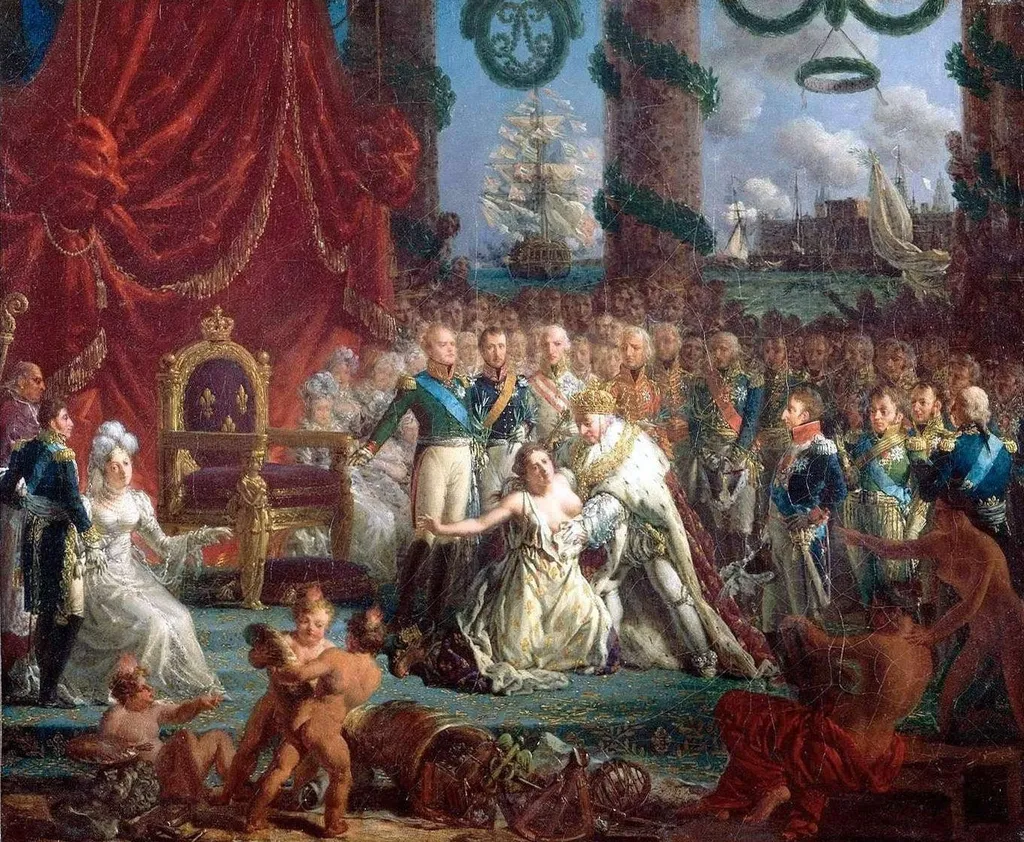
Allégorie du retour des Bourbons le 24 avril 1814 : Louis XVIII relevant la France de ses ruines. is an oil painting by Louis-Philippe Crépin. It dates from 1814 and is held in the collection of the Palace of Versailles.
About this work
Overview
Commissioned to mark a pivotal moment in post-revolutionary France, the painting was intended to legitimize the restored monarchy through symbolic imagery.
Painted in 1814 by Louis-Philippe Crépin, this allegorical work commemorates the return of Louis XVIII to France following Napoleon’s abdication. Though Crépin was primarily known for maritime subjects, this piece marks a rare foray into political allegory. Commissioned to mark a pivotal moment in post-revolutionary France, the painting was intended to legitimize the restored monarchy through symbolic imagery. It remains part of the Palace of Versailles collection, where it serves as a visual document of Bourbon propaganda.
Subject & Meaning
The painting presents Louis XVIII as a restorative figure, kneeling before an allegorical representation of France, personified as a wounded woman rising from rubble. Surrounding figures include nobles, clergy, and military officers, suggesting national unity under the monarchy. The backdrop of ships and sky evokes maritime power and divine favor. The scene is not a historical moment but a constructed myth: the king’s humility is staged to imply moral renewal, framing the Bourbon return as salvation rather than political restoration.
Technique & Style
Crépin employs a theatrical composition typical of early 19th-century academic painting, with strong lighting focused on the central figures. The palette is restrained, dominated by deep reds, golds, and muted blues, enhancing the solemnity of the occasion. Figures are rendered with precise detail, particularly in costume and gesture, while the background recedes into a hazy, idealized landscape. The style blends neoclassical formality with romanticized emotion, aiming to elevate political narrative to the level of sacred ritual.
History & Provenance
Commissioned shortly after Louis XVIII’s return in April 1814, the painting was likely intended for public display to reinforce royal legitimacy. It entered the royal collection and was later transferred to the Palace of Versailles, where it remains today. Crépin, though better known for naval scenes, was selected for this project due to his reputation for disciplined composition. The work reflects the Bourbon regime’s early efforts to use art as a tool of political messaging during a fragile transition of power.
Context
Created amid the collapse of the First Empire and the fragile reestablishment of the monarchy, the painting responds to a nation divided by revolution and war. The Bourbons sought to distance themselves from absolutism while invoking tradition. This allegory deliberately contrasts the chaos of the Napoleonic era with the promise of order and divine sanction. Similar imagery appeared in prints and public ceremonies, but this oil painting was among the most ambitious visual statements of the period’s ideological agenda.
Legacy
Though overshadowed by later political artworks, the painting remains a key example of how visual culture was mobilized to shape public perception during the Bourbon Restoration. It illustrates the monarchy’s reliance on allegory to soften its return after decades of republican upheaval. Crépin’s later appointment as one of France’s first official Marine Painters underscores his institutional recognition, but this work stands as his most politically charged contribution — a quiet testament to the power of imagery in reconstructing national identity.
Artist & collection
Artist
Louis-Philippe Crépin (1772 – 26 November 1851) was a French painter who specialised in marine art. Together with Théodore Gudin, he was appointed as one of France's first two Peintres de la Marine in 1830.

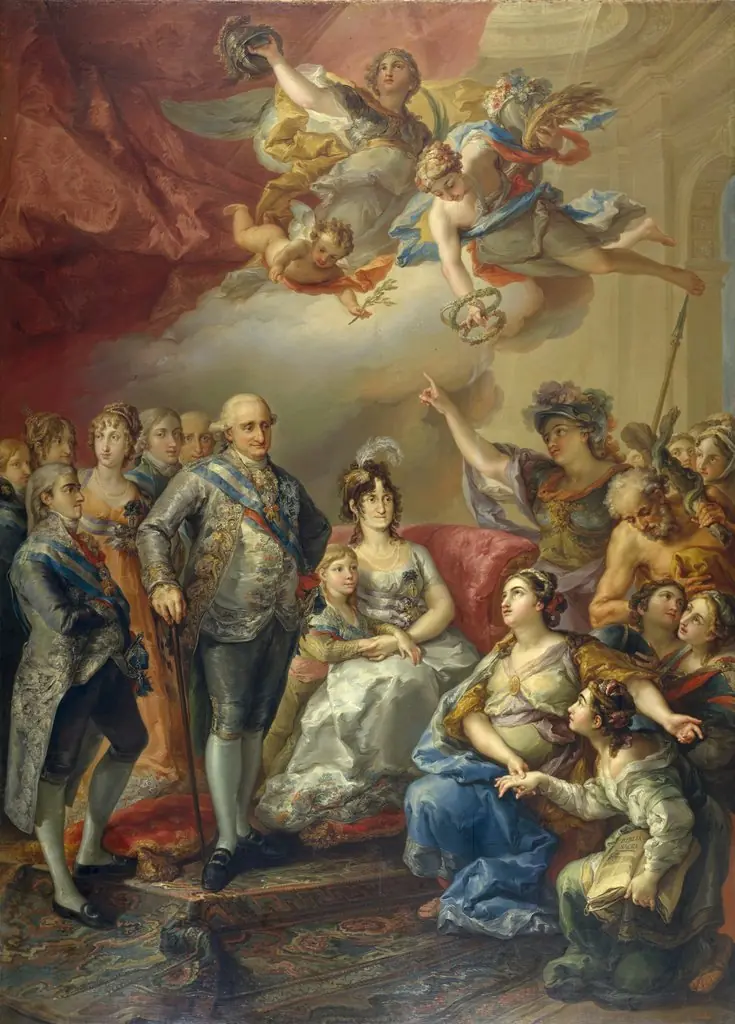 Charles IV and his Family honoured by the University of Valencia
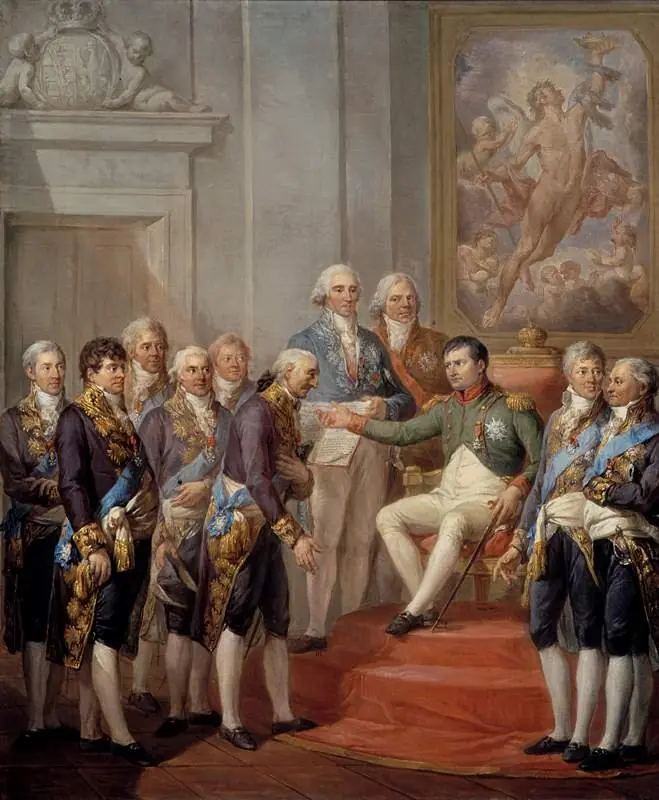 Granting of the Constitution of the Duchy of Warsaw by Napoleon
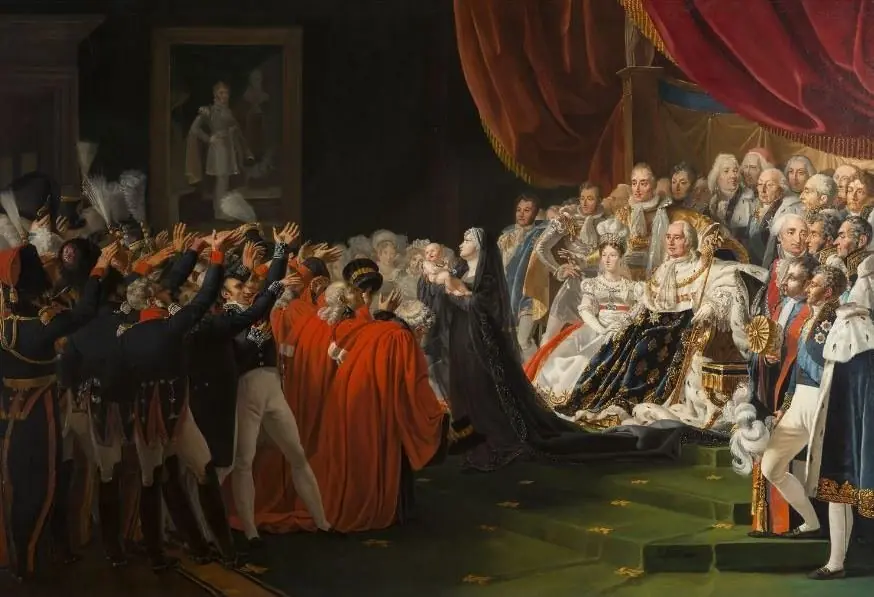 The Duke of Bordeaux presented to the people and the army by the Duchess of Berry in the presence of the king, surrounded by the royal family and the main figures of the State
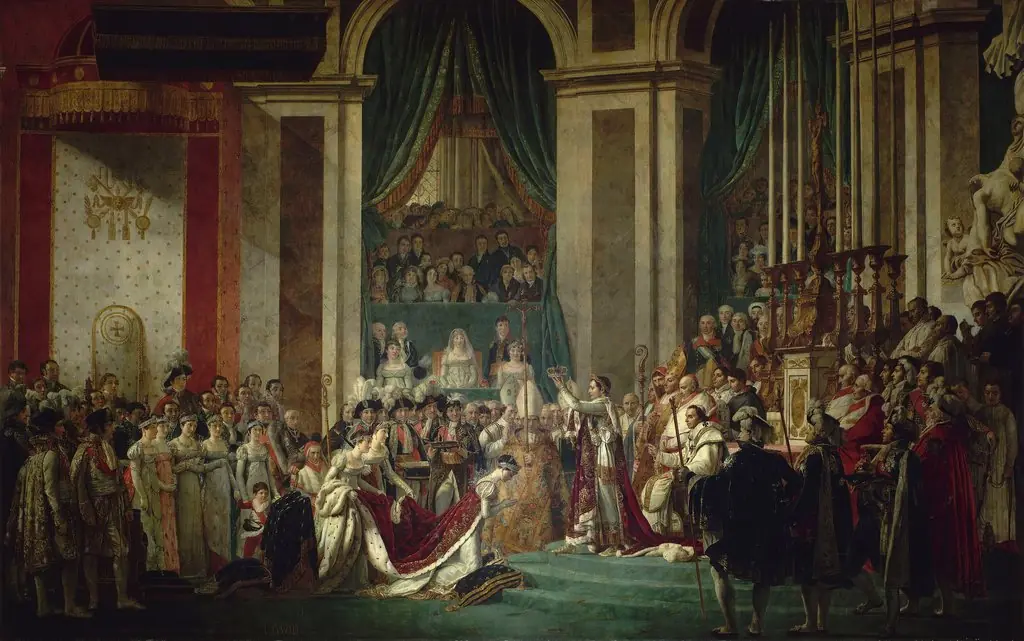 Coronation of Emperor Napoleon I and Coronation of the Empress Josephine
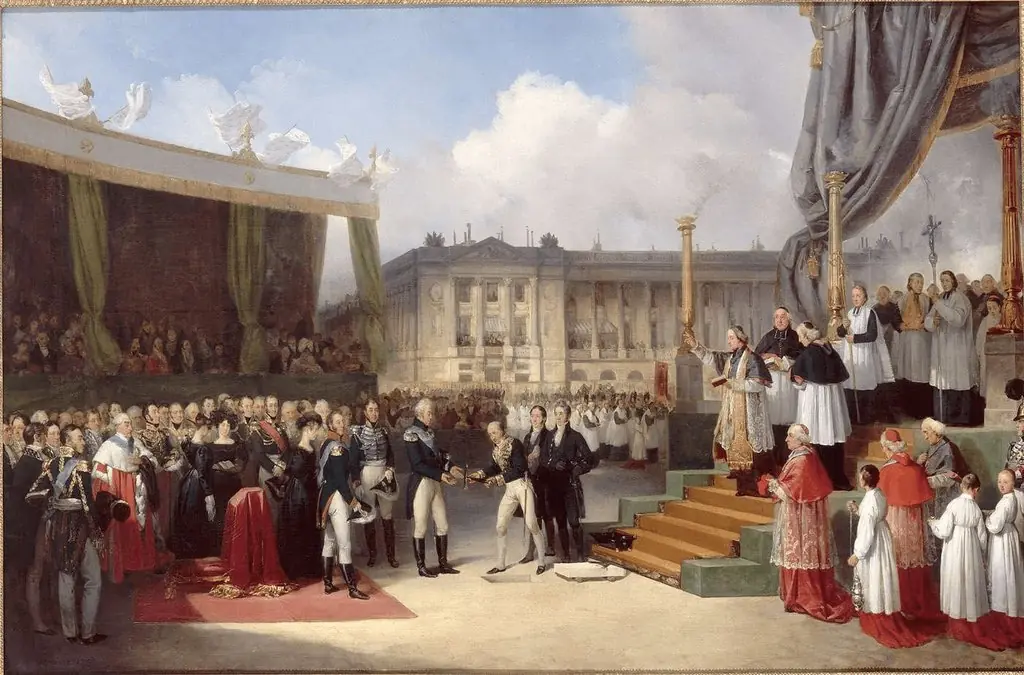 Inauguration du monument à la mémoire de Louis XVI par Charles X, place de la Concorde, 3 mai 1826
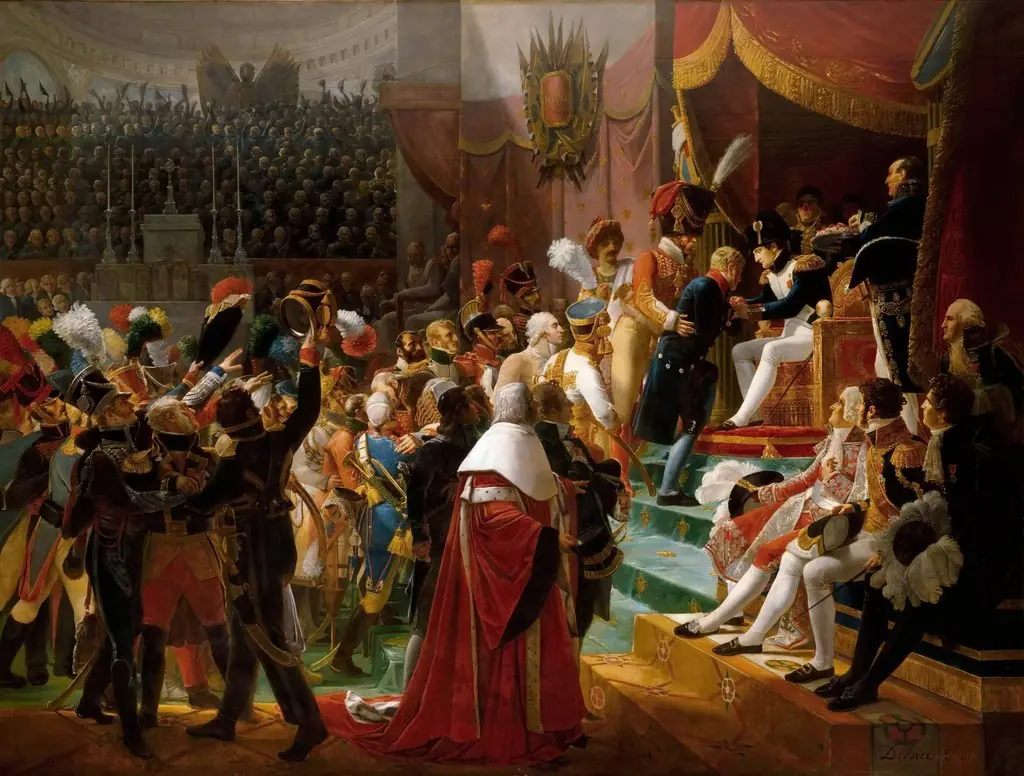 First distribution of the decorations of the Legion of Honor, made by Bonaparte, in the church of the imperial hotel of Invalides, July 14, 1804
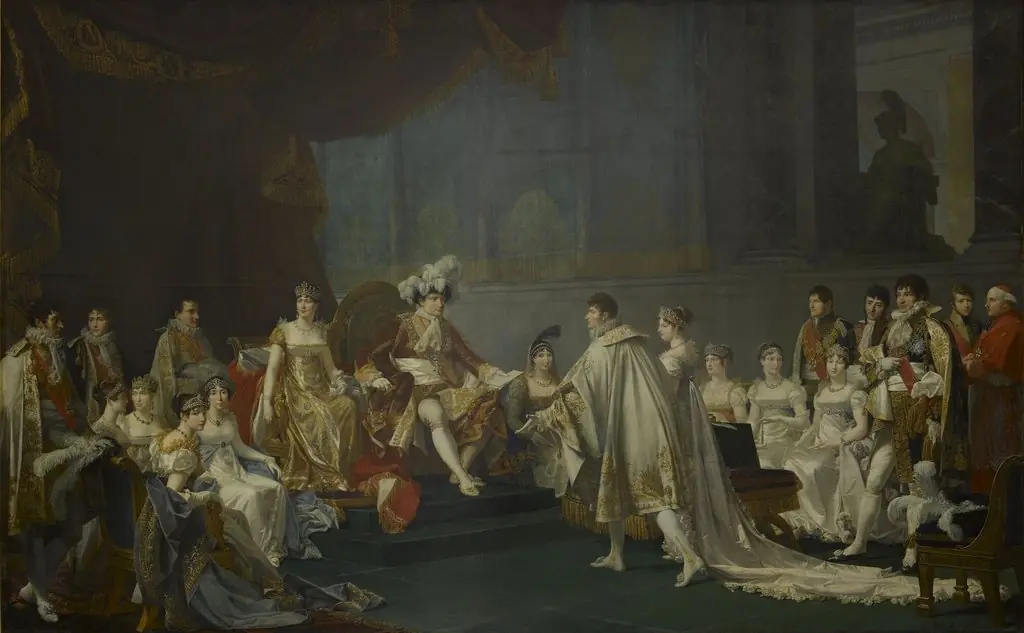 Wedding of Prince Jérôme Bonaparte and Princess Frédérique-Catherine of Wurtemberg, August 22, 1807
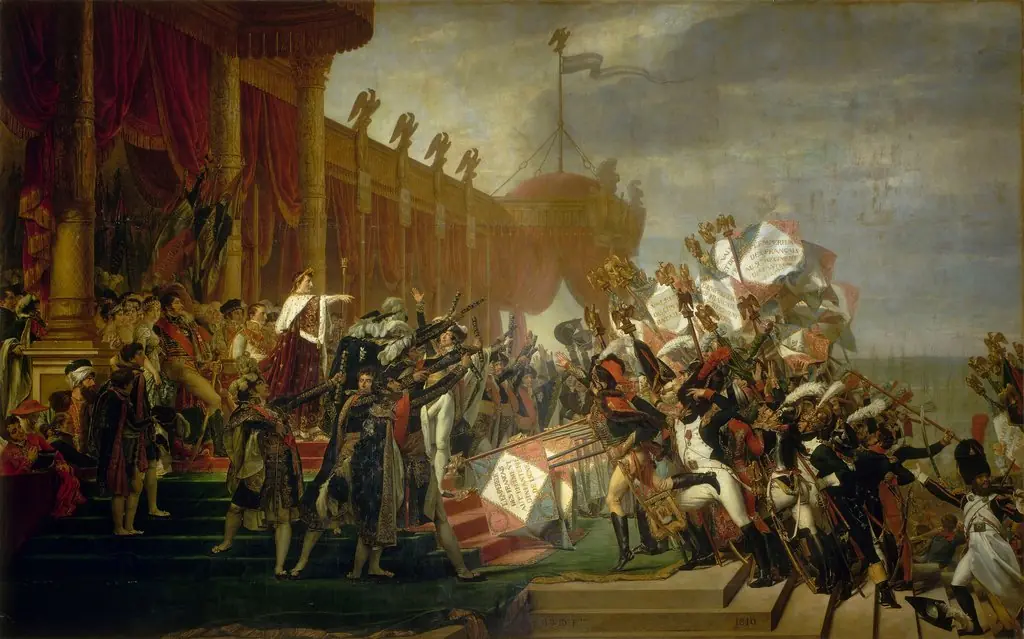 The Distribution of the Eagle Standards
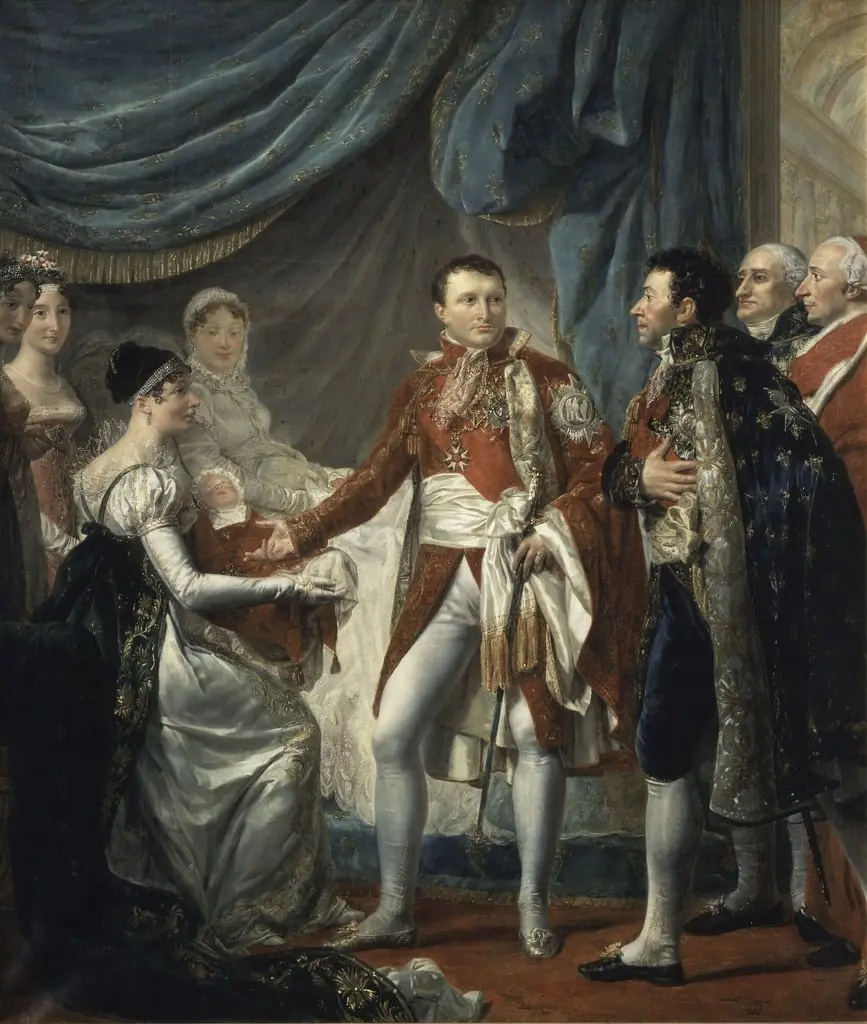 Napoleon I presents the King of Rome to the dignitaries of the Empire, March 20, 1811
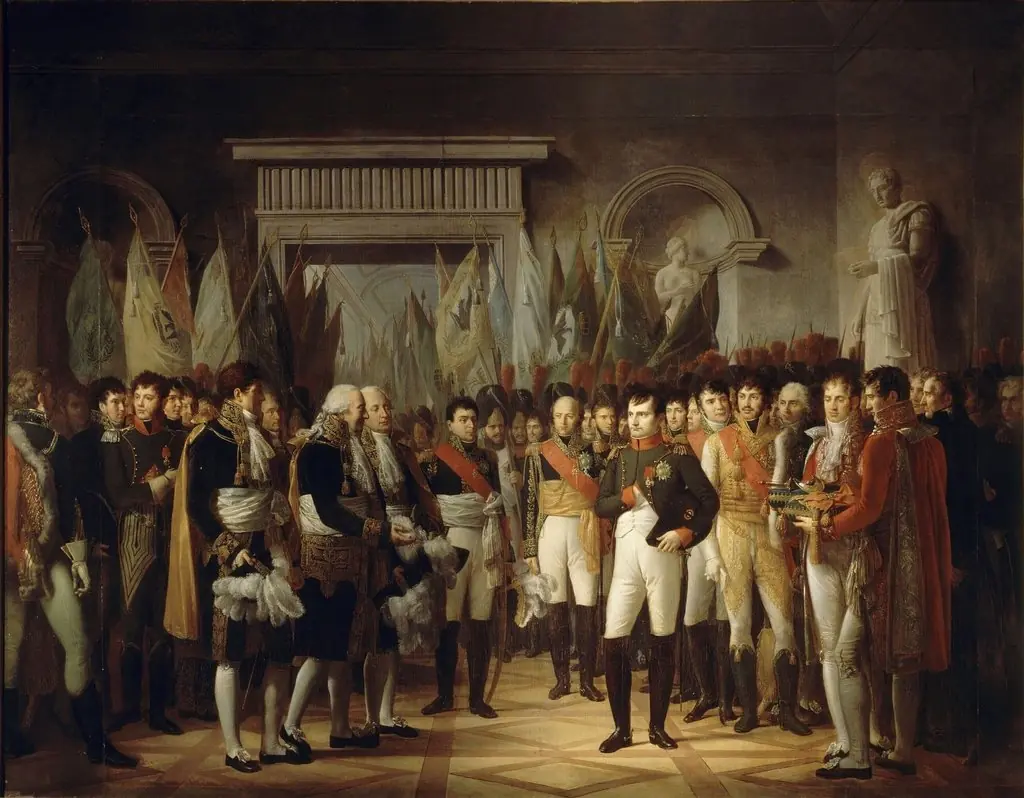 The Emperor receiving the deputies of the Conservative Senate in Berlin at the royal palace, 19 November 1806
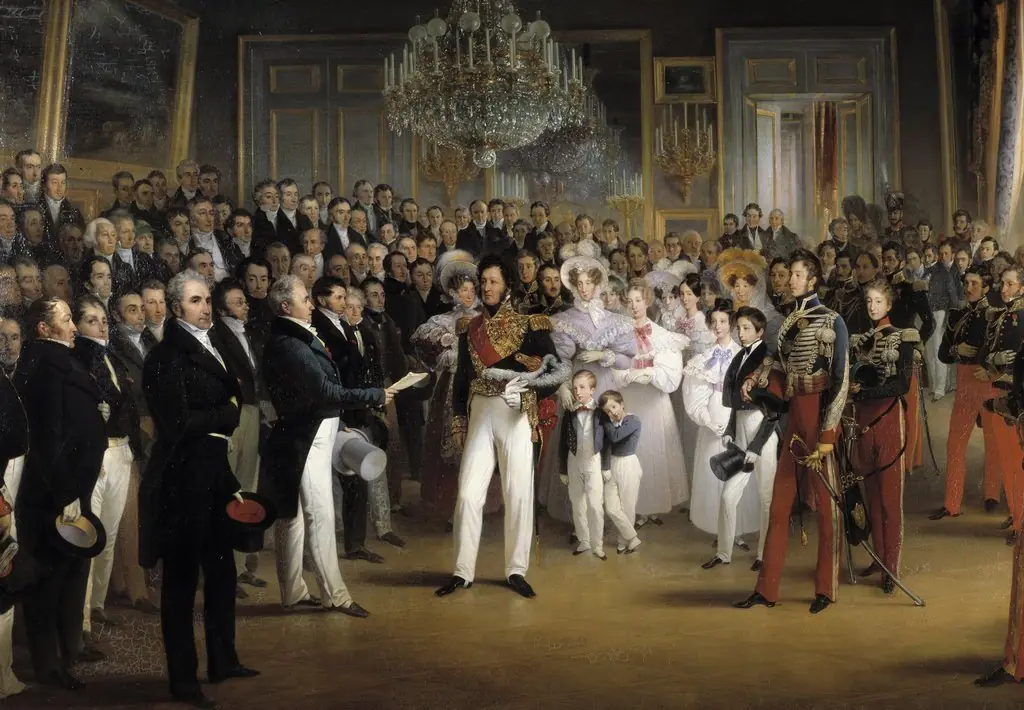 The Chamber of Deputies Received at the Palais-Royal by the Duke of Orleans
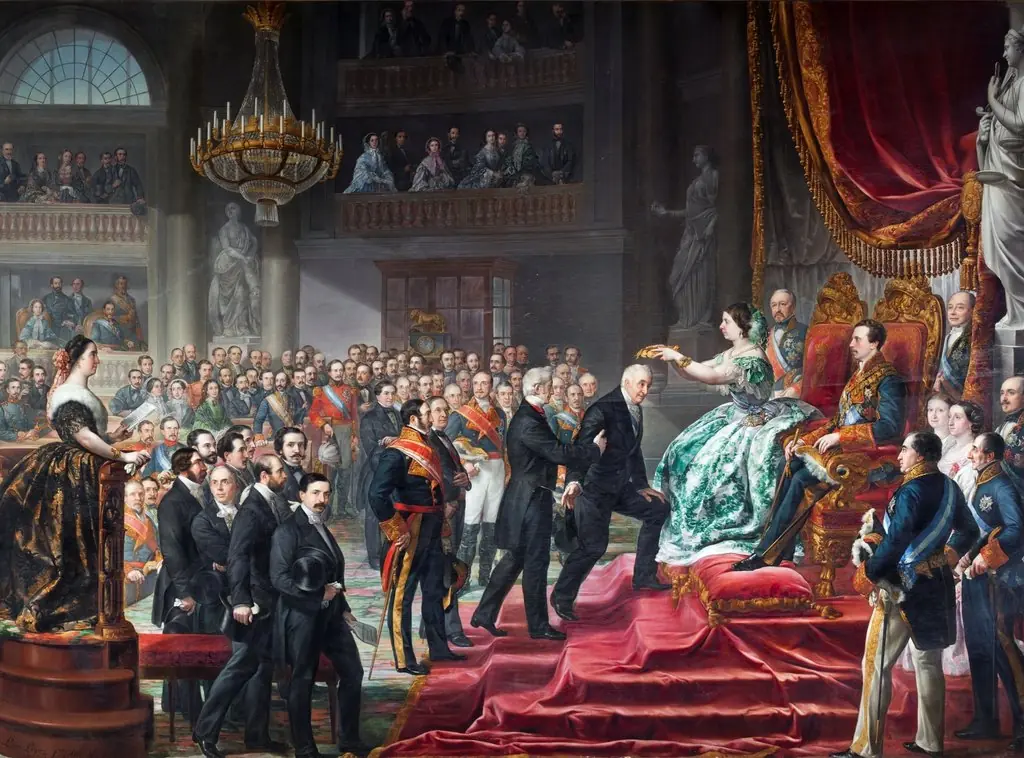 The Coronation of the Quintana