Artwork
Pierre Gassendi
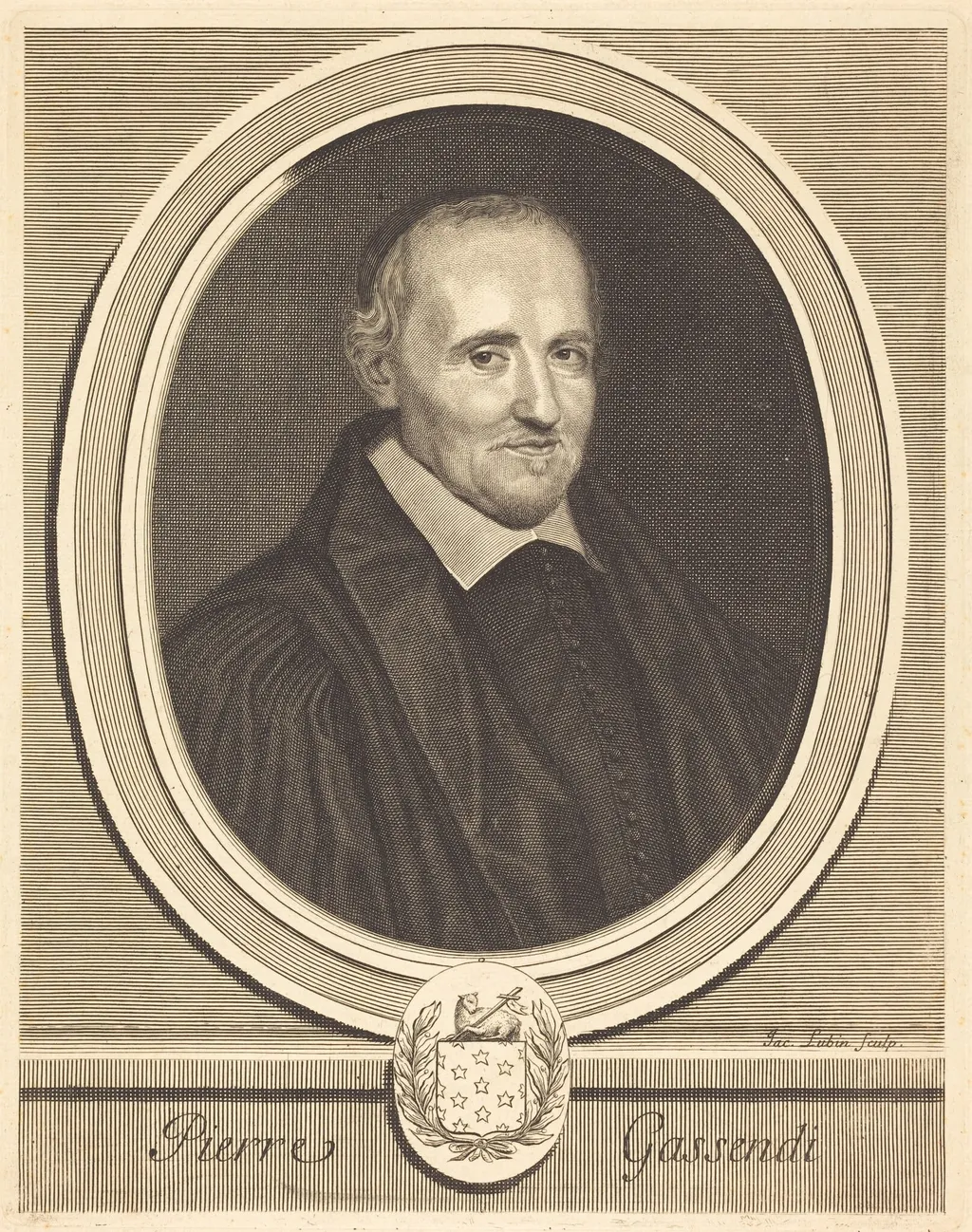
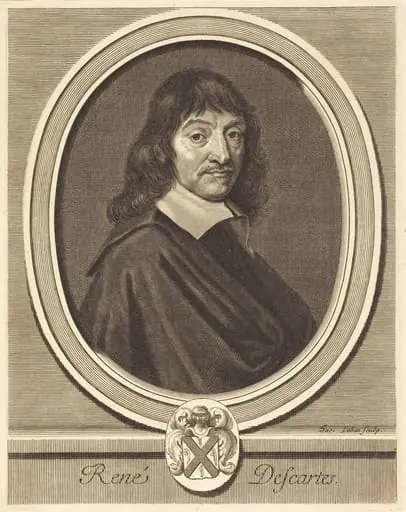
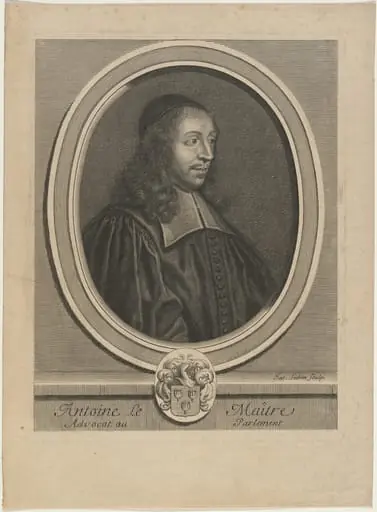
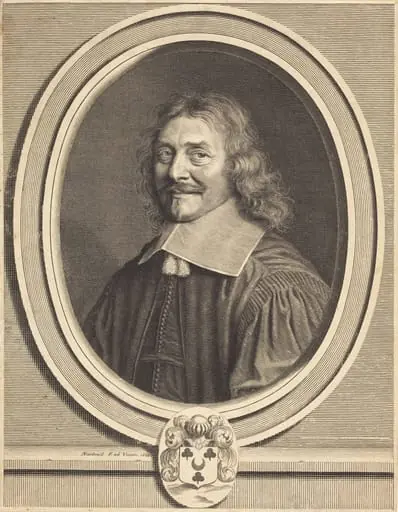
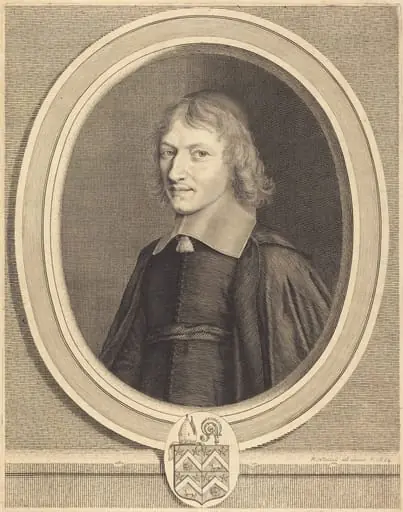
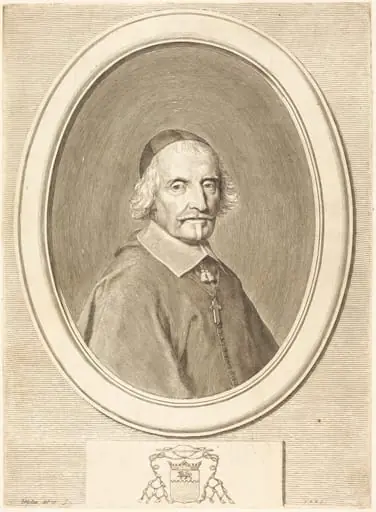
Pierre Gassendi is an ink print by the Baroque artist Jacques Lubin. It dates from 1681 and is held in the collection of the National Gallery of Art.
About this work
Overview
Rendered in monochrome, the portrait is enclosed within a circular frame, a conventional format for scholarly portraits of the period.
This 1681 engraving by Jacques Lubin depicts the French philosopher and scientist Pierre Gassendi. Rendered in monochrome, the portrait is enclosed within a circular frame, a conventional format for scholarly portraits of the period. The composition emphasizes clarity and restraint, focusing on the subject’s facial features and attire without decorative excess. Fine, controlled lines define texture and volume, typical of engraved portraiture in late 17th-century Europe.
Subject & Meaning
Pierre Gassendi, a noted intellectual known for reviving Epicurean philosophy and defending empirical science, is portrayed with solemnity and dignity. His curled hair and short beard reflect contemporary male grooming, while the high collar suggests academic or clerical status. The image conveys intellectual authority rather than personal emotion, aligning with the era’s preference for portraying thinkers as embodiments of reason and learning.
Technique & Style
Lubin employed fine, precise engraving lines to model the contours of Gassendi’s face, creating subtle gradations of light and shadow. The texture of hair, fabric, and skin is suggested through cross-hatching and delicate stippling, techniques standard in printmaking of the time. The circular border and heraldic emblem below are rendered with equal precision, reinforcing the portrait’s formal structure and scholarly intent.
History & Provenance
Created in 1681, the engraving likely served to accompany published works or scholarly collections honoring Gassendi, who died in 1655. Such portraits were often reproduced for academic circles, preserving the likenesses of influential thinkers. While the original plate’s early ownership is undocumented, its survival reflects the enduring interest in Gassendi’s legacy within Enlightenment-era intellectual networks.
Context
In late 17th-century Europe, engraved portraits were a primary means of disseminating the images of philosophers, scientists, and clergy. Lubin’s work fits within a broader tradition of printmaking that linked visual representation with intellectual authority. The inclusion of a heraldic emblem below the portrait signals Gassendi’s institutional recognition, aligning him with the scholarly elite of his time.
Legacy
Though not widely reproduced today, this engraving remains a tangible artifact of how early modern thinkers were visually commemorated. It exemplifies the convergence of art and scholarship in the period, where portraiture functioned as both record and tribute. The image continues to be referenced in historical studies of Gassendi’s reception and the visual culture of science.
Artist & collection