Artwork
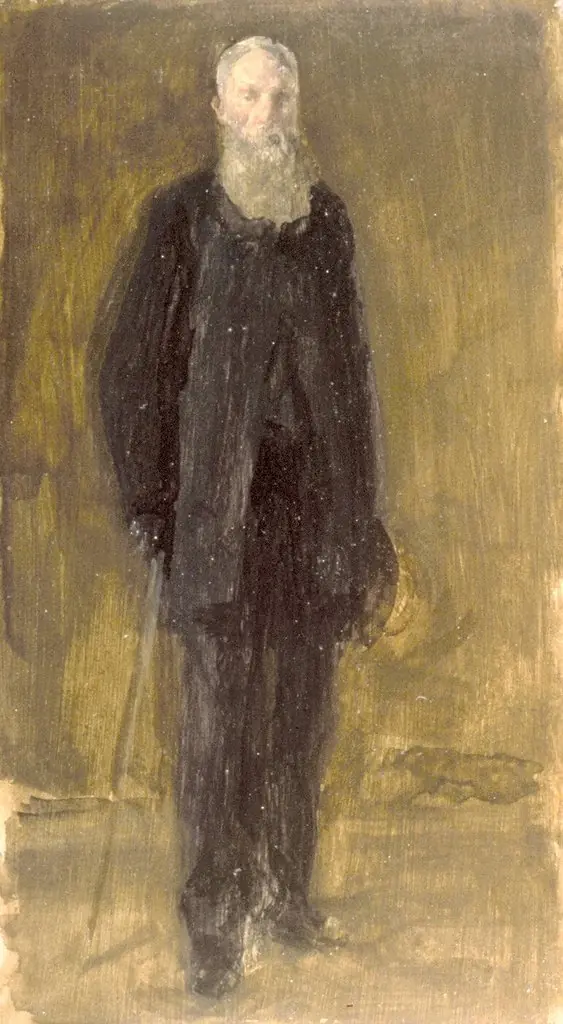
A Gentleman
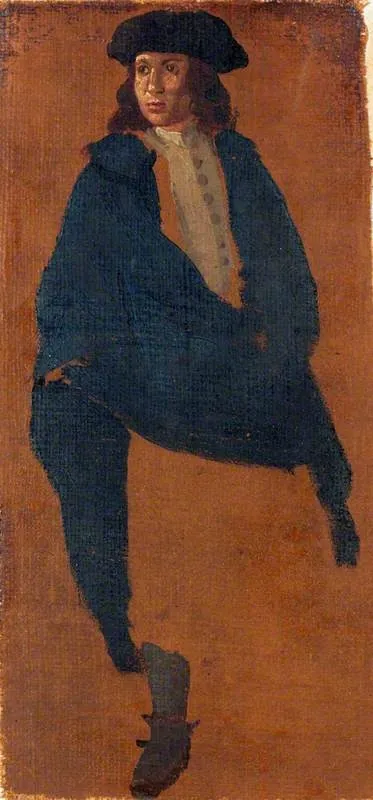
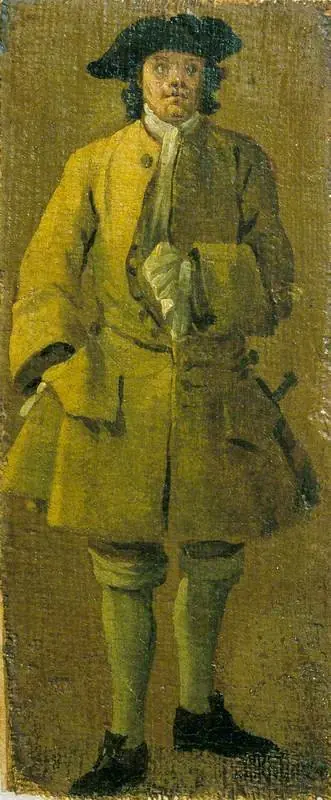
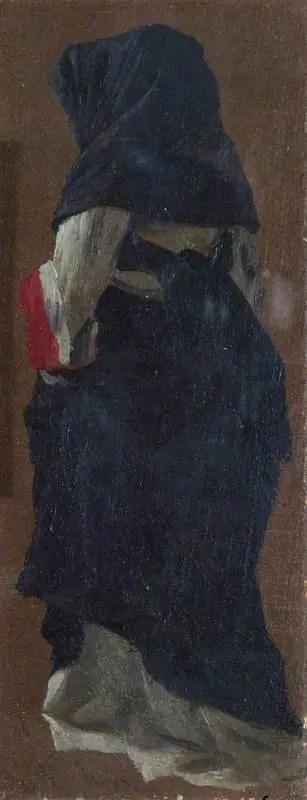
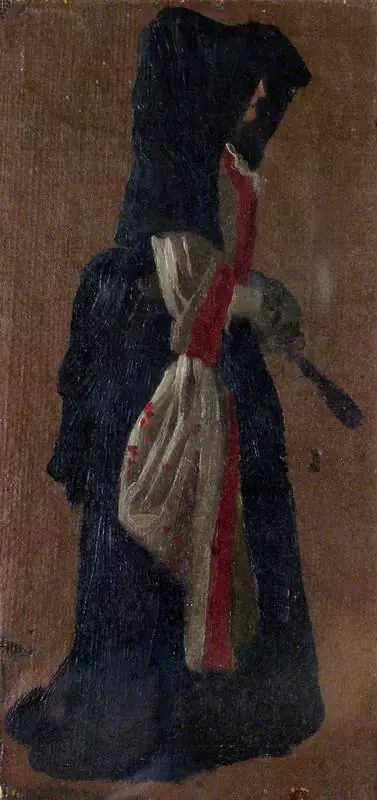
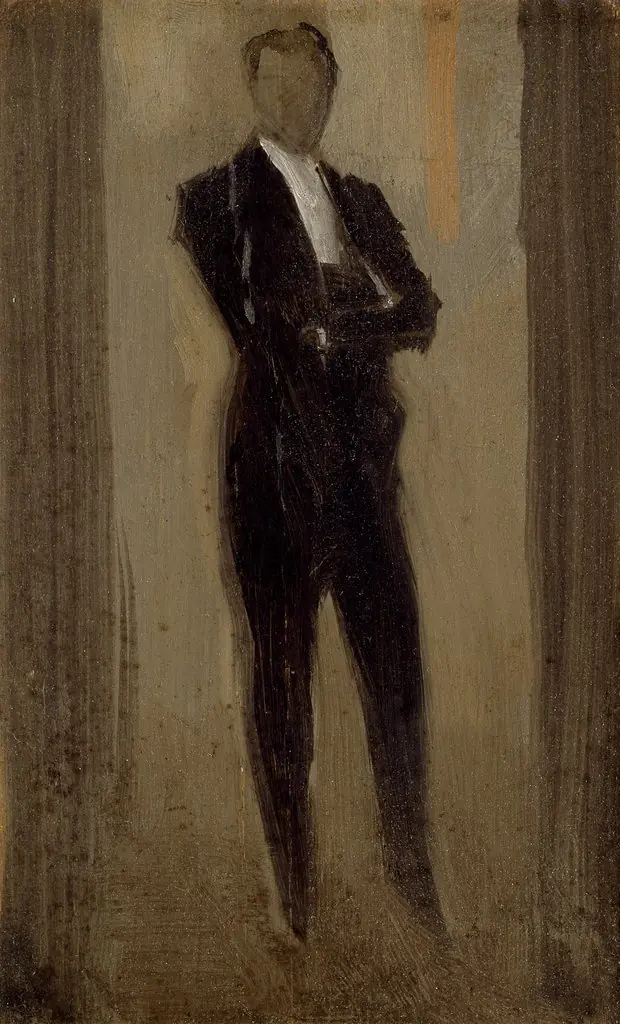
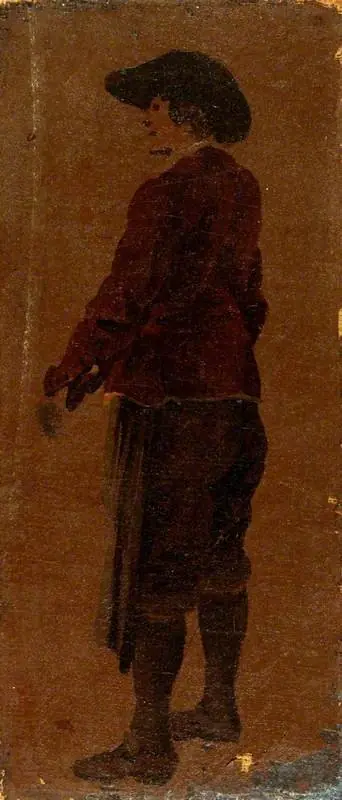
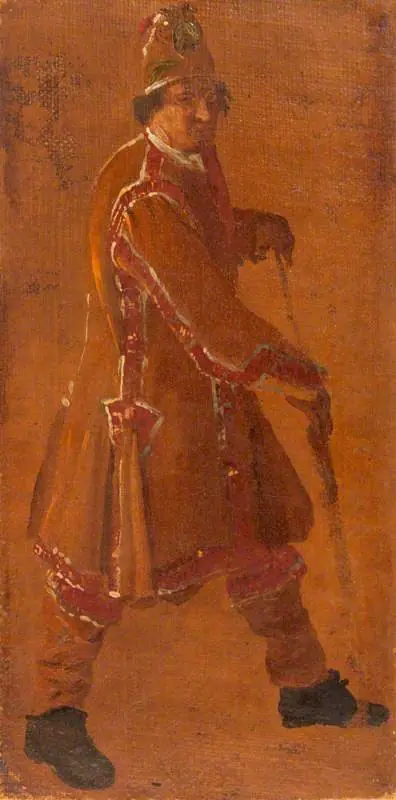
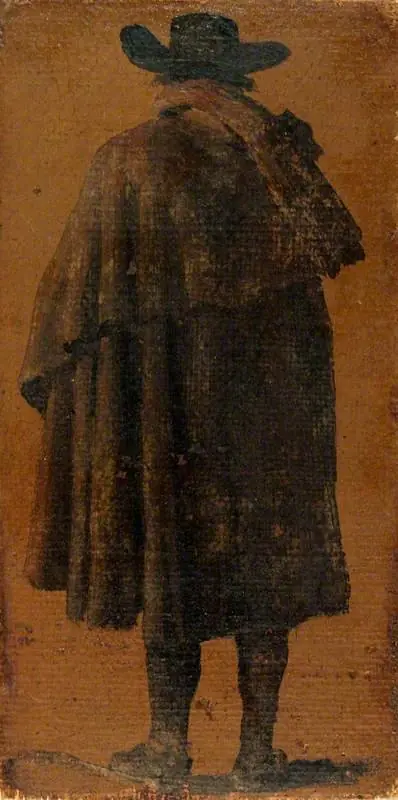
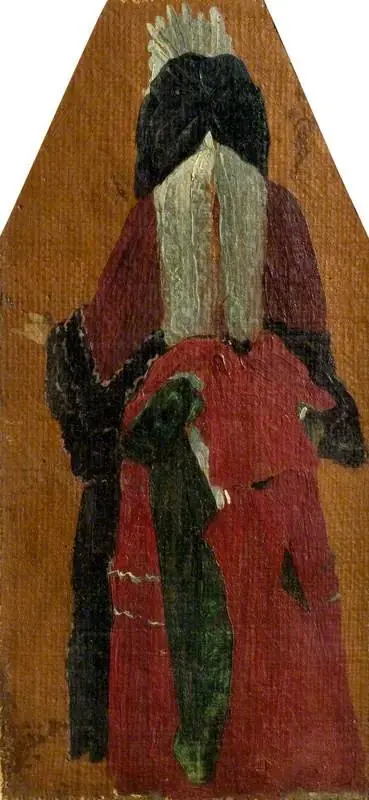
A Gentleman is an oil painting by the Early Baroque Italian artist Luca Carlevarijs. It dates from 1705 and is held in the collection of the Victoria and Albert Museum.
About this work
The use of oil paint and the attention to detail in the man's clothing and facial features are also characteristic of paintings from this time period.
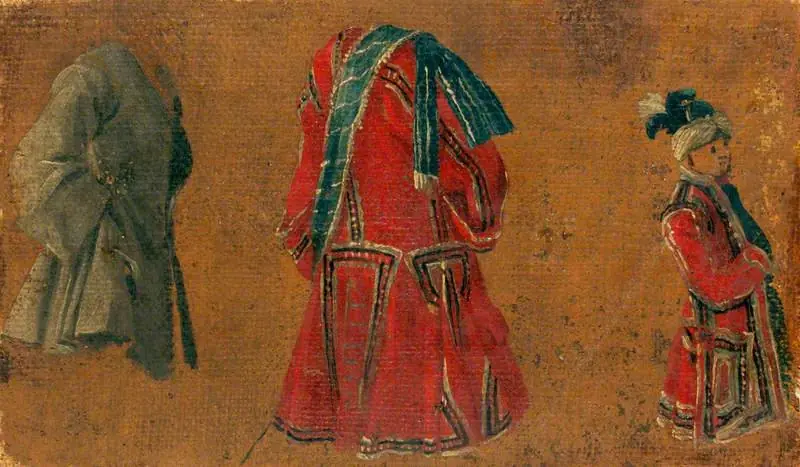
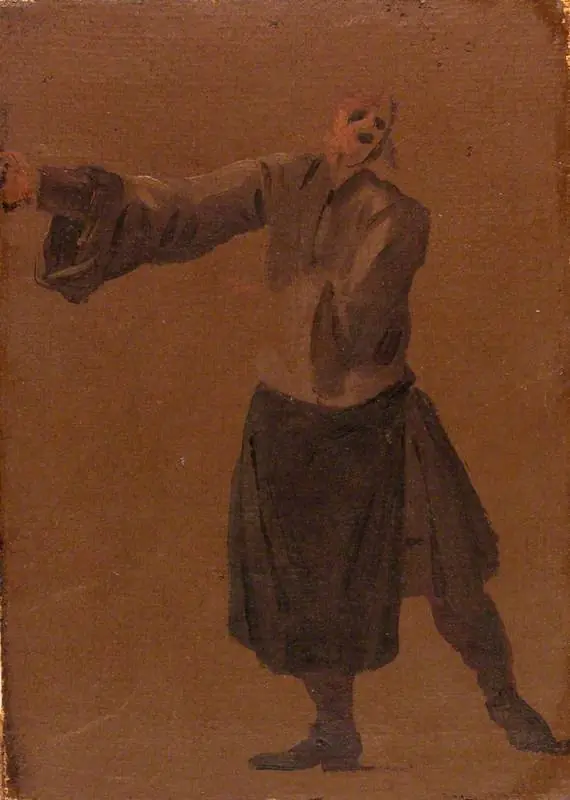
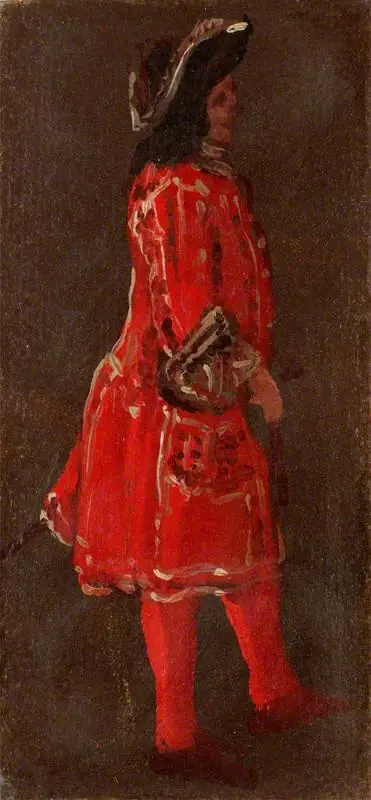
This painting depicts a man in a dark blue coat and hat, with a white shirt underneath. He is shown in a three-quarter view, with his body turned slightly to the right and his head facing forward. The background of the painting is a warm, earthy tone.
The man's attire and the style of the painting suggest that it may be from the early 18th century. The use of oil paint and the attention to detail in the man's clothing and facial features are also characteristic of paintings from this time period.
The artist who created this painting is Luca Carlevarijs.
Overview
Painted in 1705 by Luca Carlevarijs, this oil portrait captures a Venetian gentleman in a composed, three-quarter stance. Though Carlevarijs is best known for his urban landscapes, this work reflects his skill in portraiture, rendered with the precision typical of early 18th-century Venetian painting. The piece resides in the Victoria and Albert Museum, where it stands as a quiet example of civilian portraiture from a period dominated by grander civic and religious themes.
Subject & Meaning
The subject is an unidentified man, dressed in a dark blue coat and white shirt, his posture suggesting modest status rather than aristocratic grandeur. His direct gaze and restrained expression convey dignity without ostentation. The absence of symbolic objects or elaborate settings shifts focus to personal presence, aligning with a growing interest in individual identity during the early Baroque era in Venice.
Technique & Style
Carlevarijs employed oil paint to achieve subtle gradations in fabric texture and skin tone, with careful attention to the folds of the coat and the sheen of the hat. The warm, neutral background isolates the figure, enhancing spatial clarity. Brushwork is controlled yet fluid, reflecting the influence of Venetian colorism and the emerging naturalism of the period, though without the theatricality of High Baroque portraiture.
History & Provenance
The painting entered the Victoria and Albert Museum’s collection as part of its broader 19th-century acquisition of European decorative and fine arts. Its early 18th-century origin and attribution to Carlevarijs are supported by stylistic analysis and archival records. While not widely exhibited, it remains a documented example of his lesser-known portraiture, distinct from his more celebrated vedute.
Context
In early 1700s Venice, portraiture was secondary to landscape and genre scenes, yet private commissions for individuals of middling rank persisted. Carlevarijs, primarily a vedutista, occasionally turned to portraiture, bridging the city’s topographical focus with intimate human representation. This work reflects a transitional moment when personal identity began to gain visual prominence alongside civic imagery.
Legacy
Though Carlevarijs’s influence is chiefly tied to his vedute, which paved the way for Canaletto and Guardi, this portrait illustrates his versatility. It contributes to the understanding of how Venetian artists adapted their skills across genres. As a rare surviving example of his portraiture, it offers insight into the visual culture of non-noble Venetians during the early Baroque.
Artist & collection
Artist
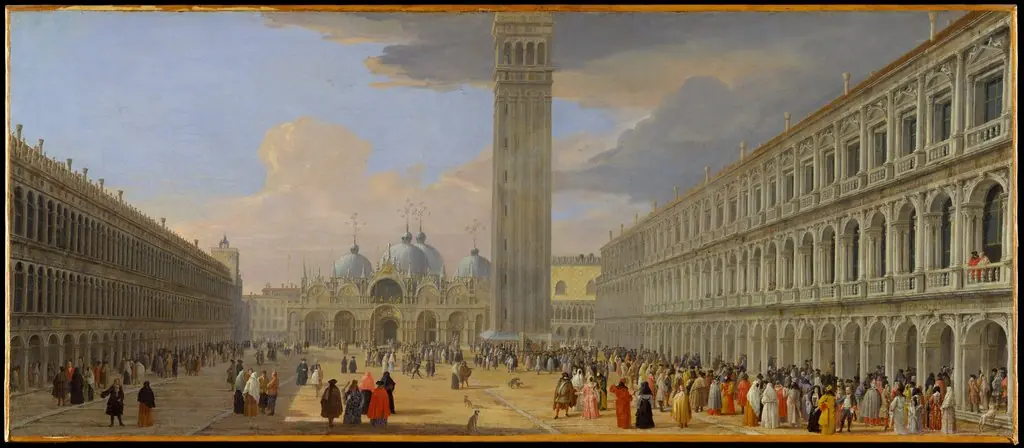
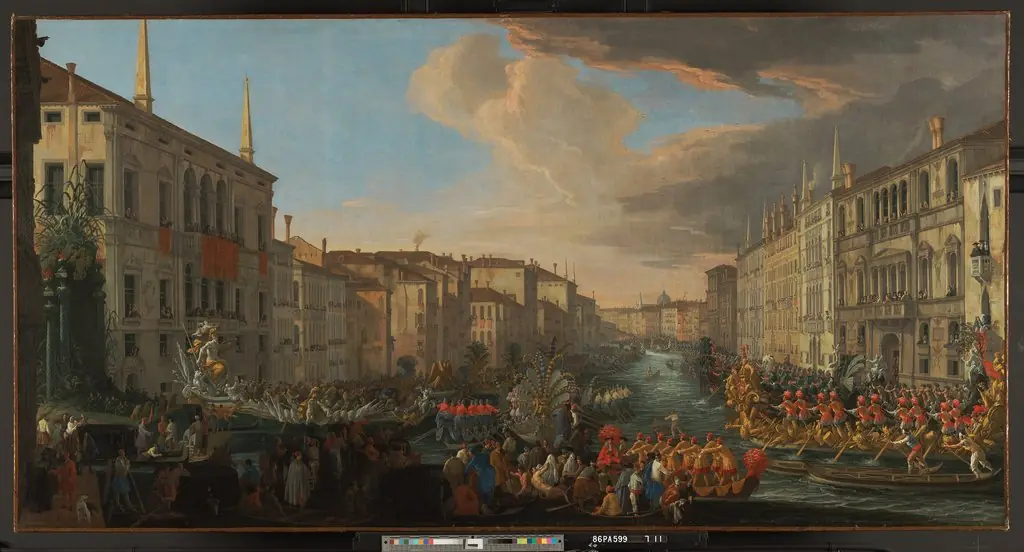
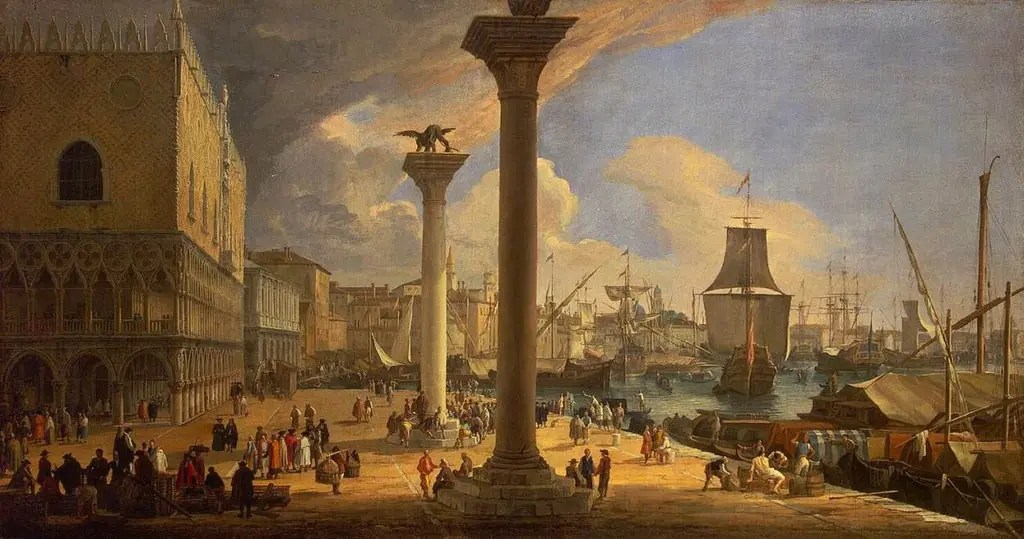
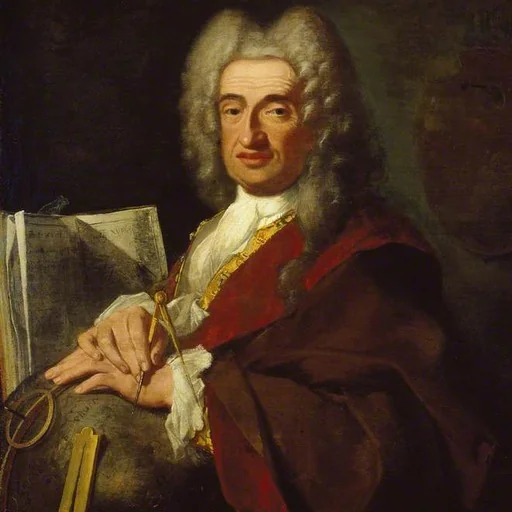
Luca Carlevarijs or Carlevaris (20 January 1663 – 12 February 1730) was an Italian painter and engraver working mainly in Venice.