Artwork
A Lady Holding a Fan and a Mask
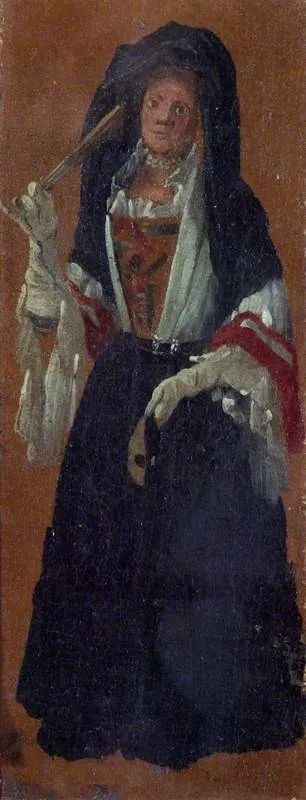
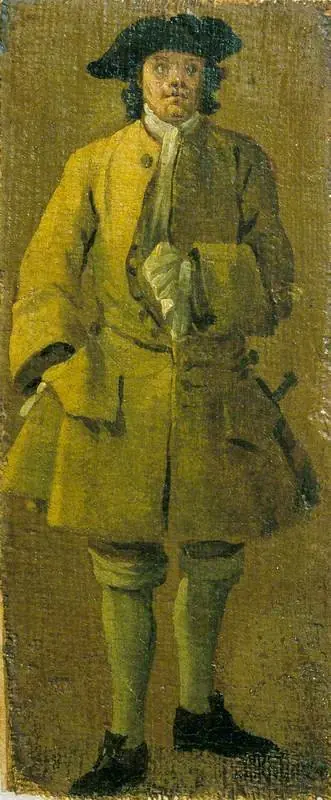
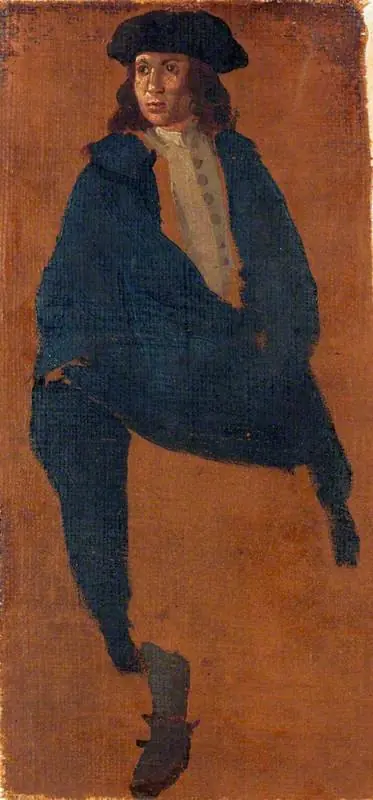
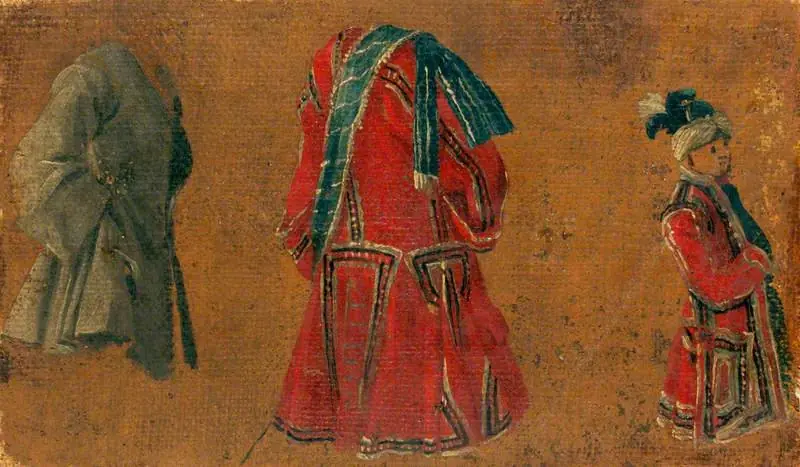
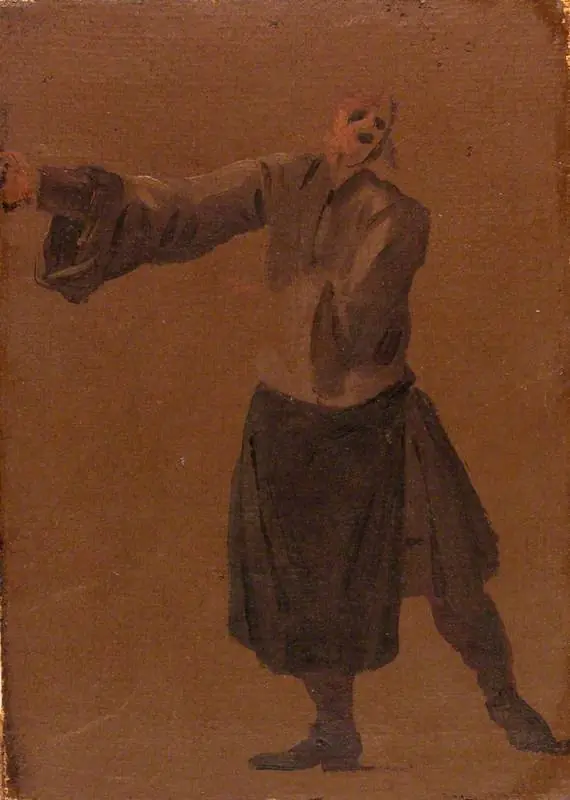
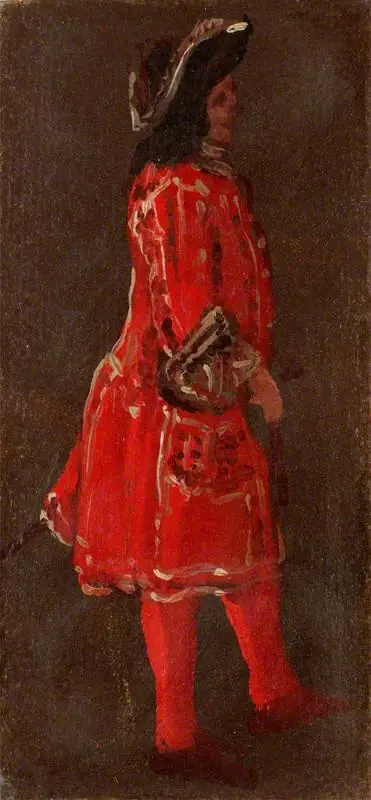
A Lady Holding a Fan and a Mask is an oil painting by the Flemish Baroque painting artist Luca Carlevarijs. It dates from 1705 and is held in the collection of the Victoria and Albert Museum.
About this work
Overview
Painted in 1705 by Luca Carlevarijs, this oil-on-canvas work presents a solitary woman holding a fan and a mask. Though Carlevarijs is best known for his Venetian views, this piece diverges into intimate portraiture. The painting resides in the Victoria and Albert Museum’s collection, reflecting the artist’s engagement with genre subjects alongside his more celebrated topographical works.
Subject & Meaning
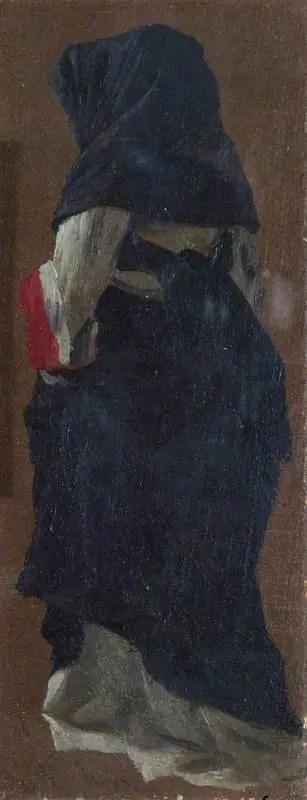
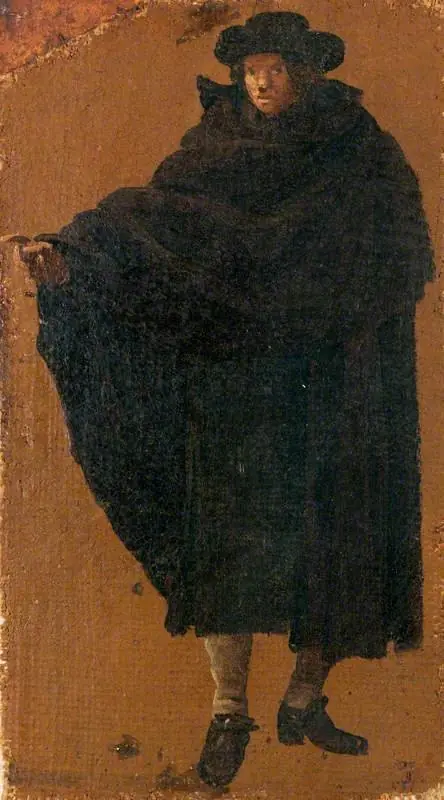
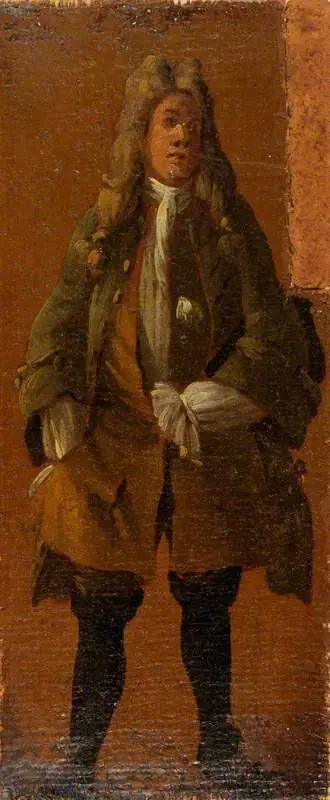
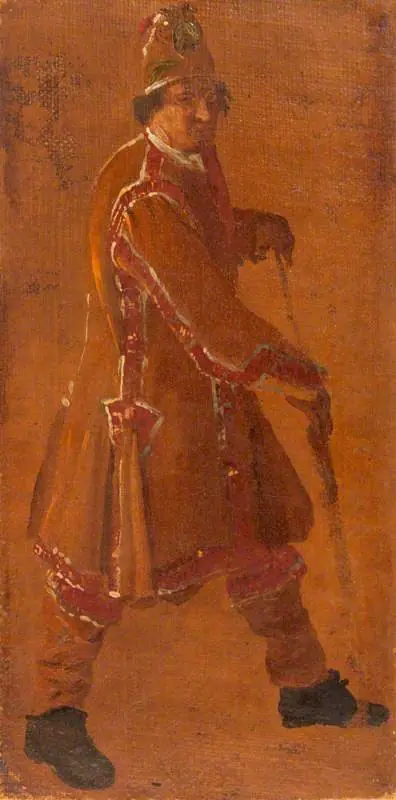
The figure, dressed in a dark cloak over a white-collared gown, holds a fan and mask—objects associated with Venetian social rituals and masked festivities.
The figure, dressed in a dark cloak over a white-collared gown, holds a fan and mask—objects associated with Venetian social rituals and masked festivities. Her direct gaze and neutral expression invite contemplation rather than narrative. The ambiguity of her identity and the absence of context suggest a meditation on anonymity, performance, or the duality of public and private personas in 18th-century Venice.
Technique & Style
Carlevarijs employs a muted palette dominated by browns and soft contrasts, with the figure emerging from a flat, dark background. The fan’s material is rendered with delicate brushwork, hinting at silk or paper. Facial features are deliberately softened, avoiding sharp definition. This restrained approach prioritizes mood over detail, aligning with a quiet, introspective mode of portraiture uncommon in his landscape work.
History & Provenance
The painting entered the Victoria and Albert Museum’s collection through documented acquisitions in the 19th century. Its early history prior to that remains unclear. While Carlevarijs produced numerous engravings and cityscapes, this oil painting is a rare example of his figure studies, suggesting it may have been a private commission or personal experiment rather than a public work.
Context
In early 18th-century Venice, masked balls and theatrical culture were central to social life. Artists frequently depicted figures in costume, but few focused so closely on solitary, unidentifiable subjects. Carlevarijs’s choice to isolate the woman without setting or narrative reflects a shift toward psychological subtlety, paralleling broader European trends in genre painting that valued introspection over spectacle.
Legacy
Though Carlevarijs is primarily remembered for shaping Venetian vedute, this painting reveals his versatility in capturing quiet human presence. It stands as a minor but distinctive example of how artists of the period explored identity and concealment beyond grand historical or architectural themes. Its preservation in a major museum underscores its value as a nuanced artifact of Venetian visual culture.
Artist & collection
Artist
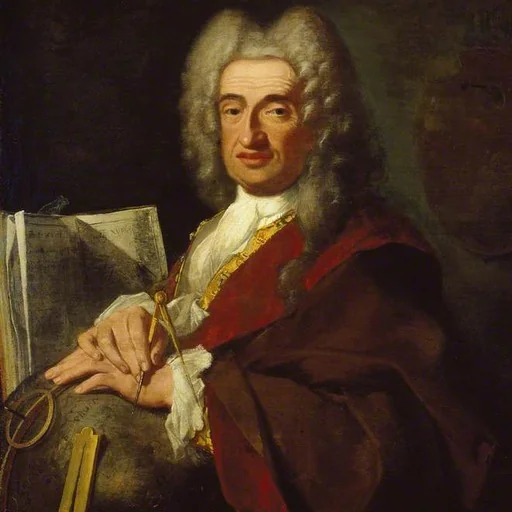
Luca Carlevarijs or Carlevaris (20 January 1663 – 12 February 1730) was an Italian painter and engraver working mainly in Venice.