Artwork
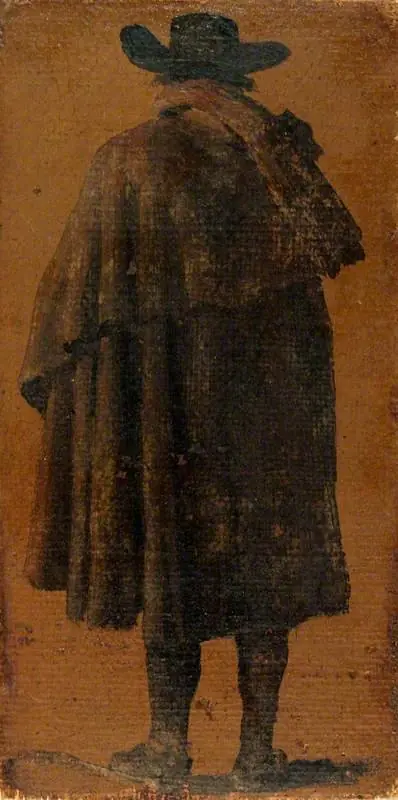
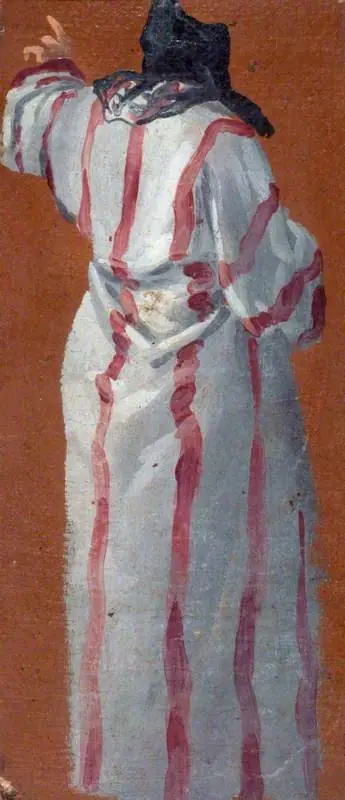
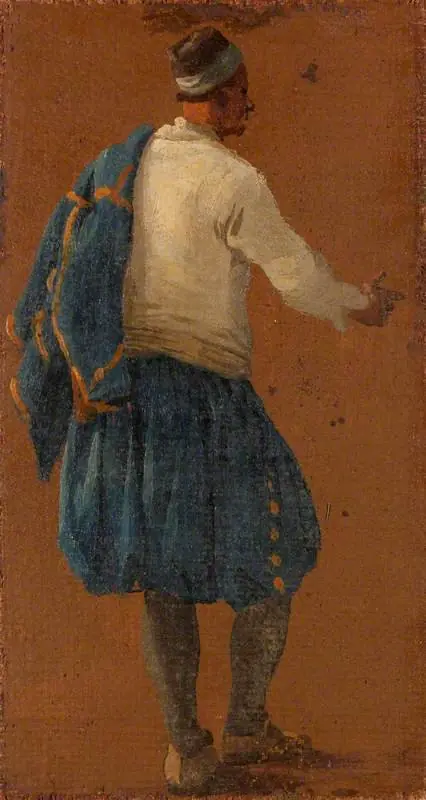
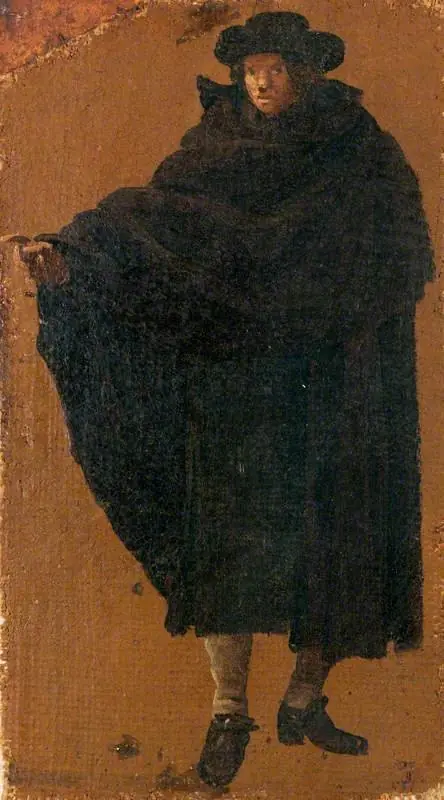
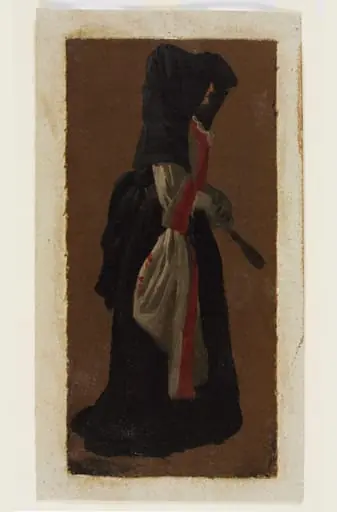
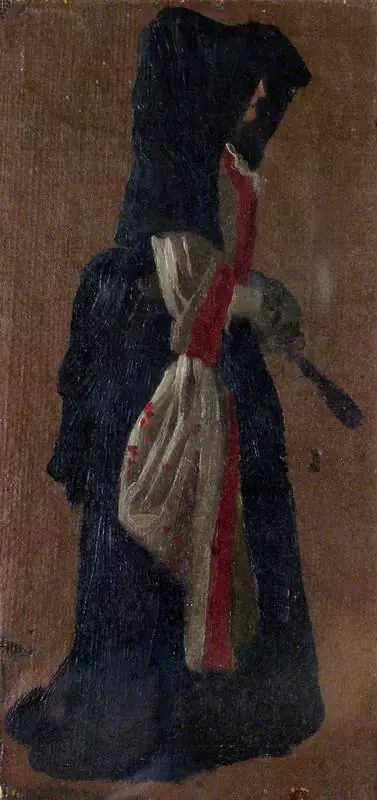
A Lady Seen from Behind
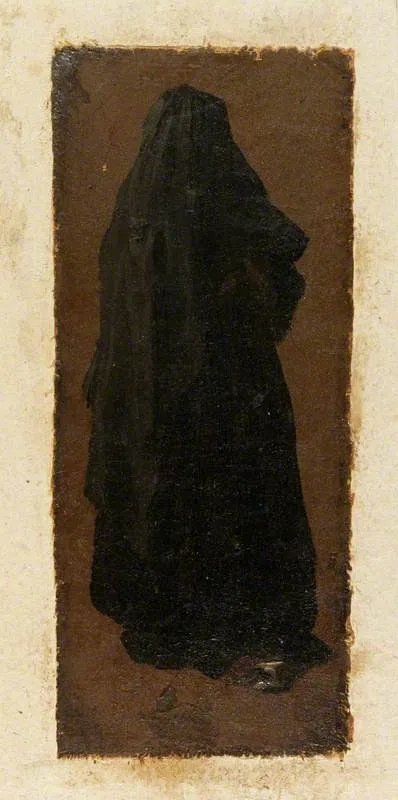
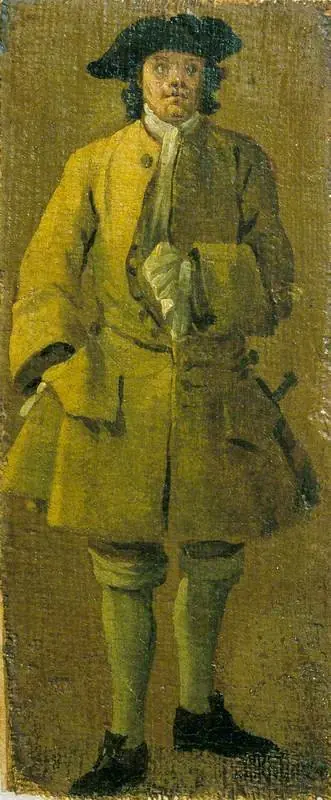
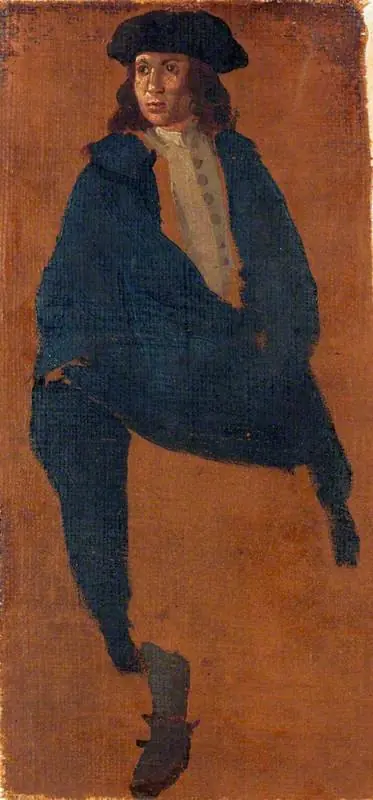
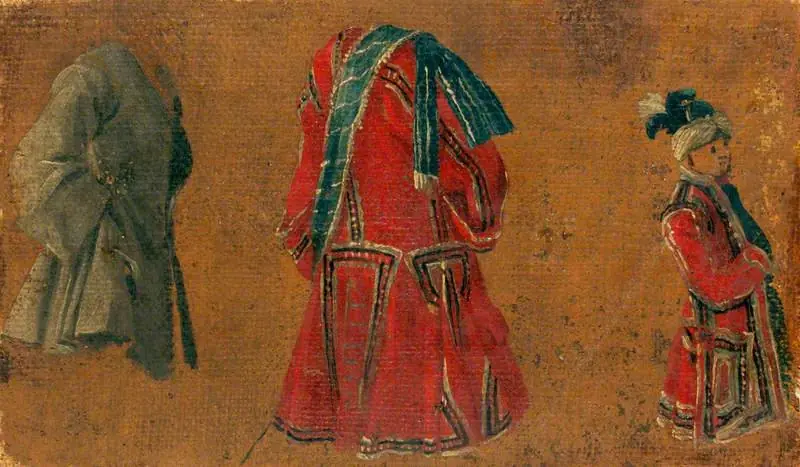
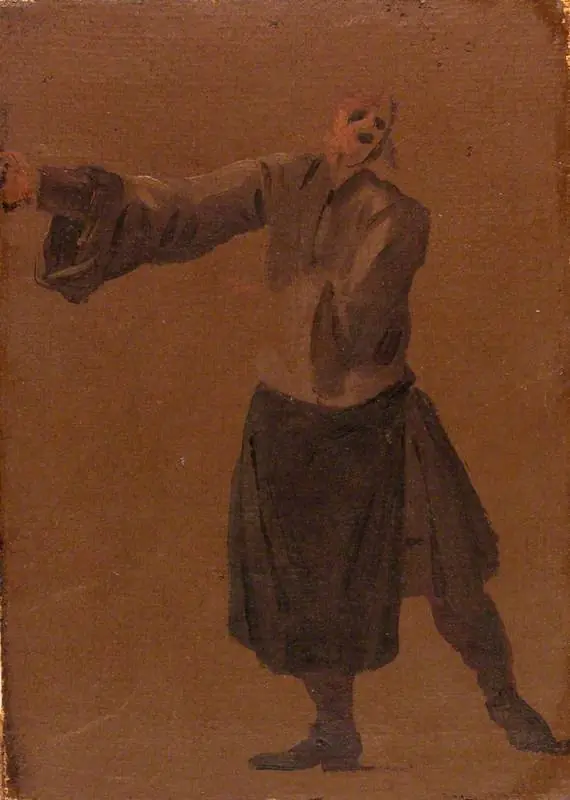
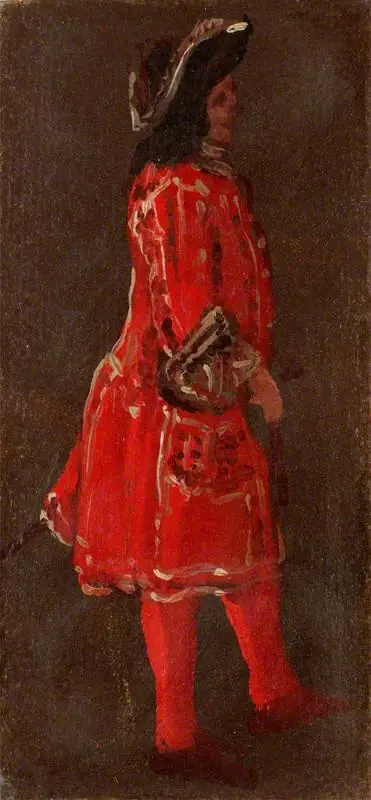
A Lady Seen from Behind is an oil painting by the Rococo painting artist Luca Carlevarijs. It dates from 1705 and is held in the collection of the Victoria and Albert Museum.
About this work
Overview
Though modest in scale and composition, it reflects Carlevarijs’s broader interest in observational detail and atmospheric rendering.
Painted in 1705 by Luca Carlevarijs, this oil on canvas work presents a solitary female figure viewed from behind. Though modest in scale and composition, it reflects Carlevarijs’s broader interest in observational detail and atmospheric rendering. The painting resides in the Victoria and Albert Museum’s collection, where it stands as a quiet example of early 18th-century Venetian figure painting, distinct from his more famous urban views.
Subject & Meaning
The subject is a woman enveloped in a dark, floor-length robe and a heavy veil, her identity deliberately obscured. Her posture and attire suggest modesty or ritual, though no narrative context is provided. The anonymity invites contemplation rather than storytelling, aligning with a broader trend in Venetian art of the period that favored mood and presence over explicit情节.
Technique & Style
Carlevarijs employs chiaroscuro to model the figure’s form, using subtle gradations of dark tones against a flat, earth-brown background. The absence of detailed surroundings focuses attention on the play of light across fabric and silhouette. His brushwork is restrained, emphasizing volume over texture, and the limited palette reinforces the painting’s somber, introspective tone.
History & Provenance
Created during Carlevarijs’s mature period, the painting entered the Victoria and Albert Museum’s collection in the 19th century. While not widely exhibited, it has been consistently cataloged as part of the museum’s holdings of European decorative and fine arts. Its provenance prior to museum acquisition remains undocumented, though it likely passed through private Venetian or British collections.
Context
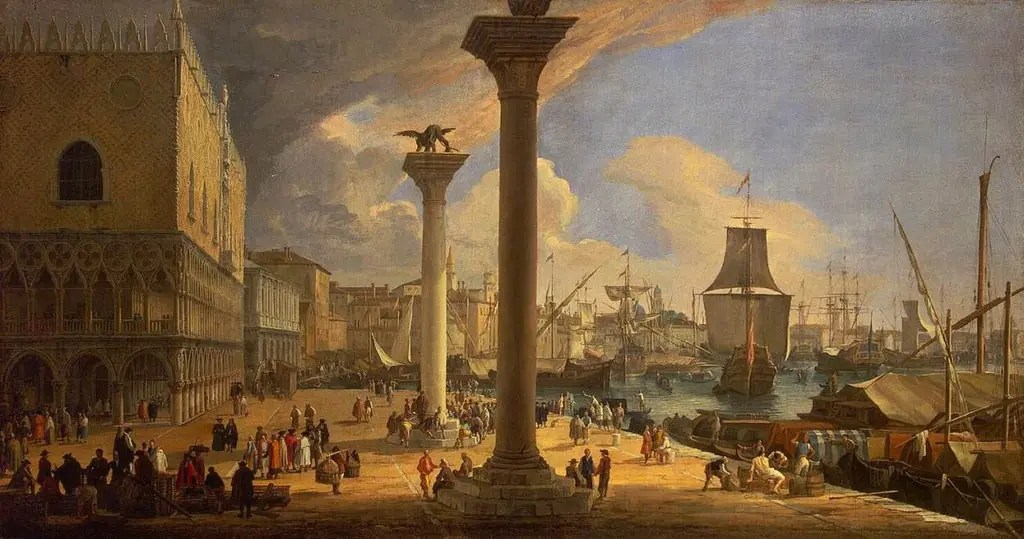
Though often associated with Venetian vedute, Carlevarijs also produced intimate figure studies that reflect the city’s broader artistic culture. This work aligns with contemporaneous interest in private, contemplative scenes, possibly influenced by Dutch genre painting and the growing market for small-scale, emotionally resonant works among collectors seeking quiet elegance over grandeur.
Legacy
While Carlevarijs is chiefly remembered for his cityscapes, this painting illustrates his versatility and sensitivity to human presence within space. It contributes to an understudied strand of Venetian art that prioritized psychological nuance over spectacle. Though not directly influential on major successors like Canaletto, it exemplifies the observational rigor that underpinned the city’s artistic output in the early 1700s.
Artist & collection
Artist
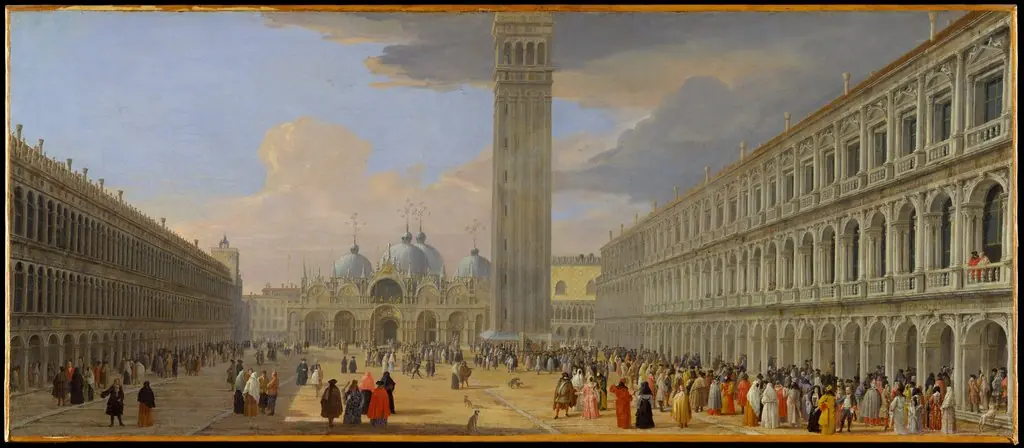
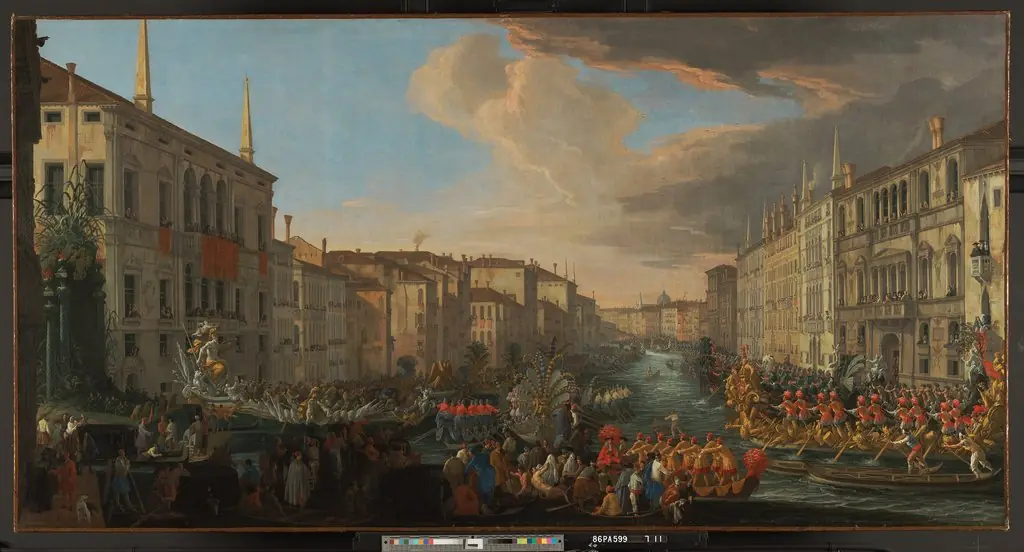
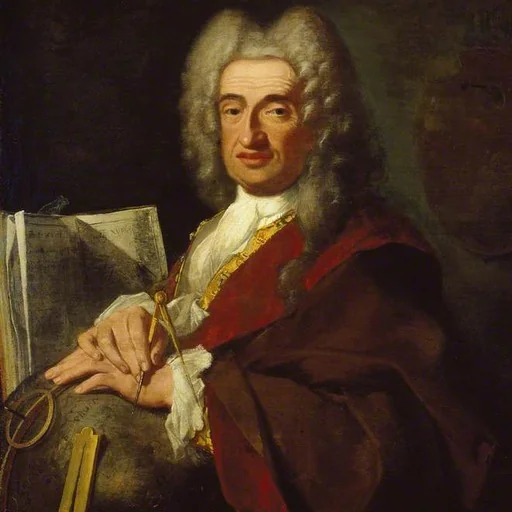
Luca Carlevarijs or Carlevaris (20 January 1663 – 12 February 1730) was an Italian painter and engraver working mainly in Venice.