Artwork
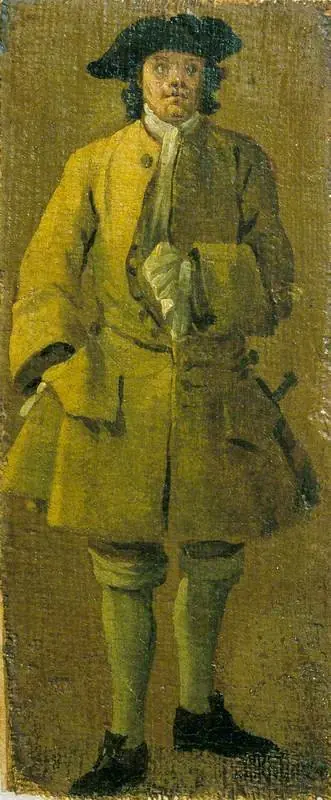
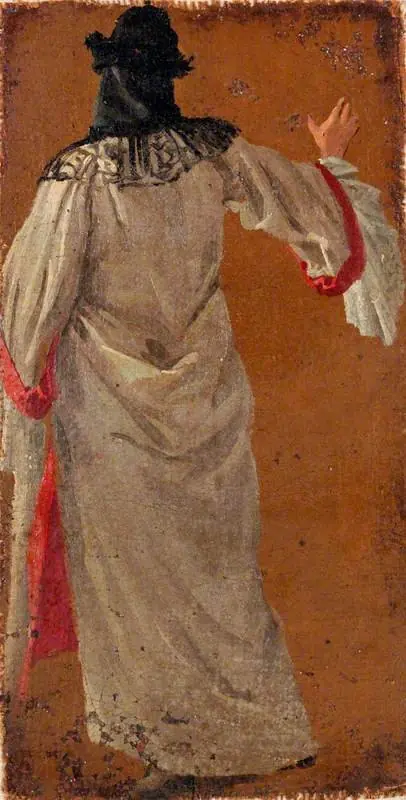
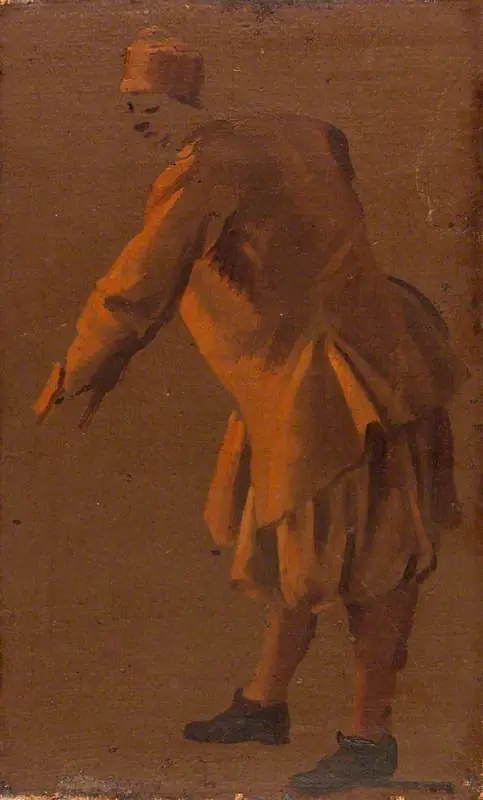
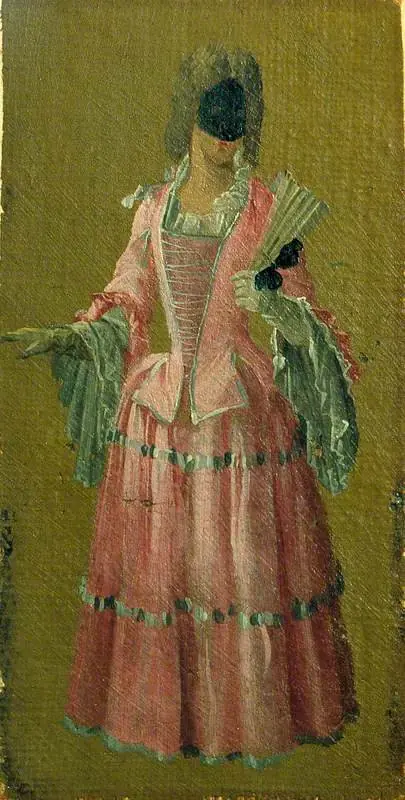
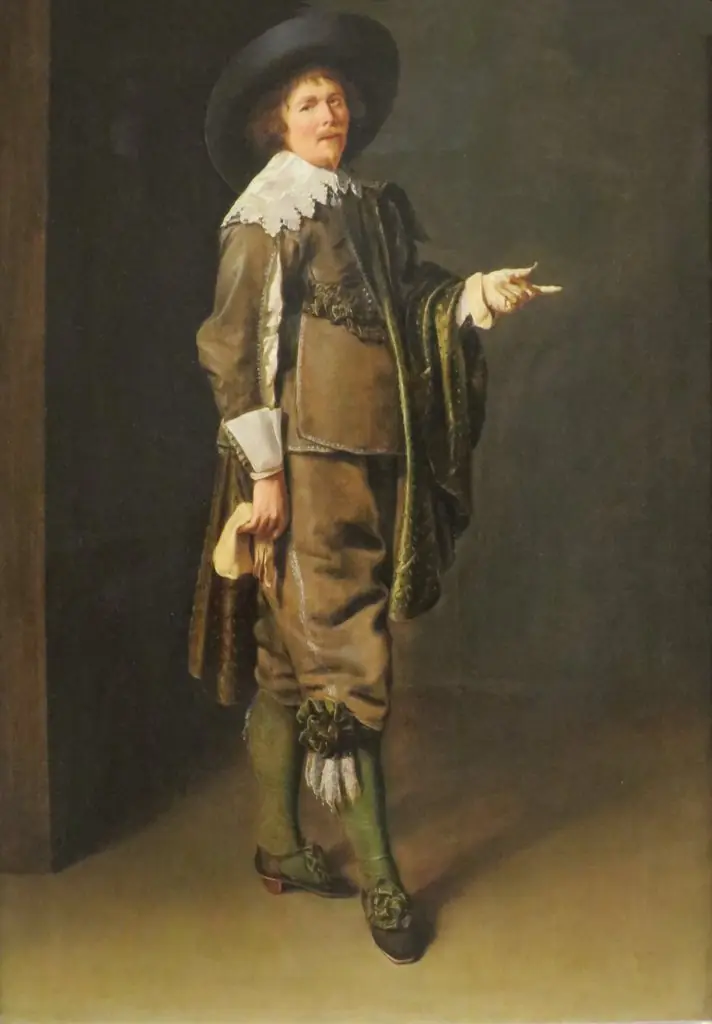
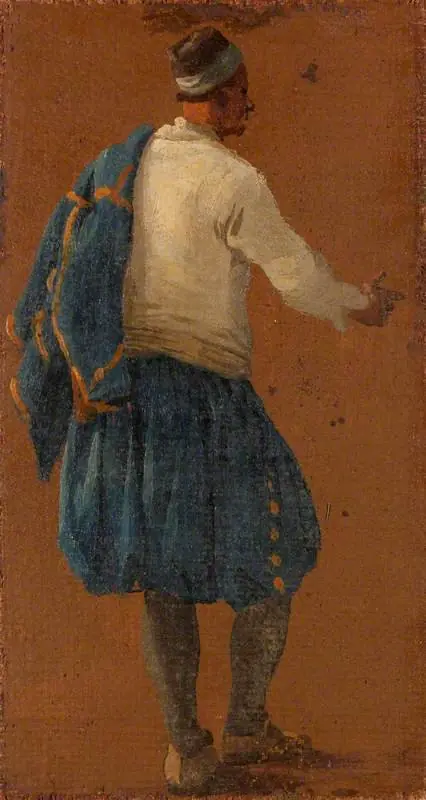
A Gentleman Wearing a White Coat
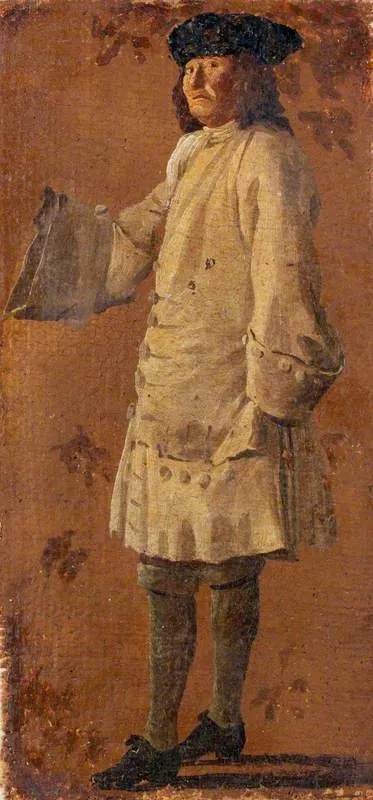
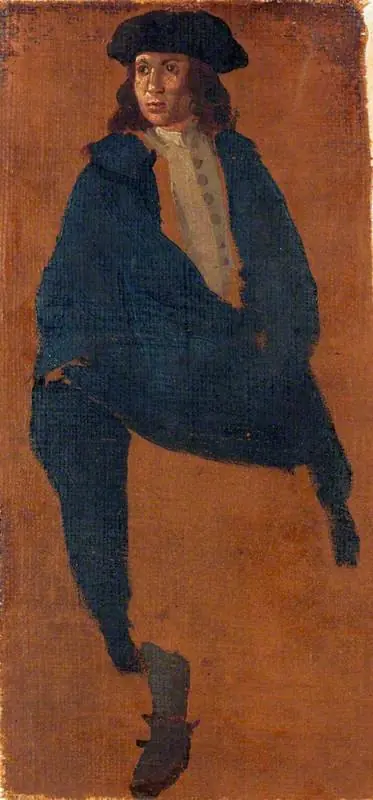
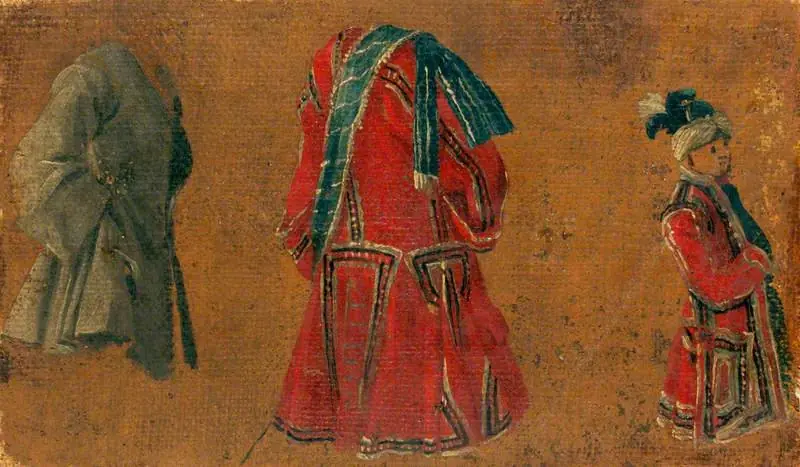
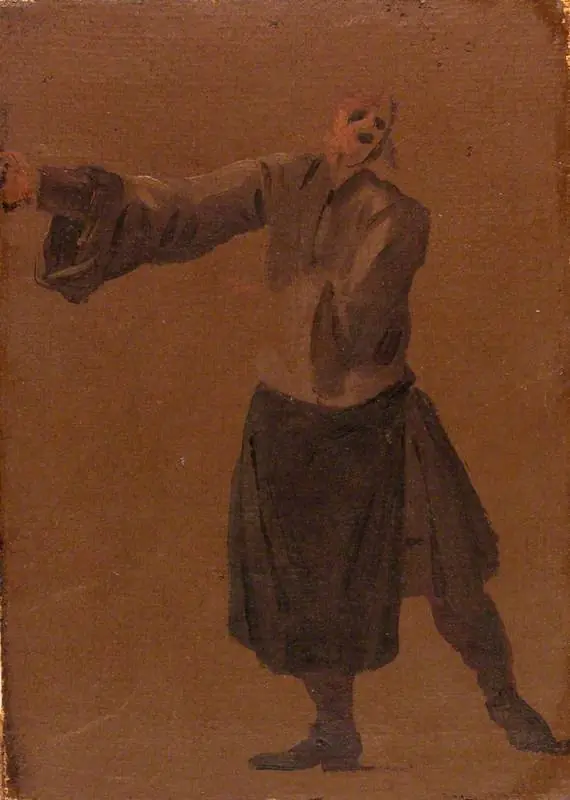
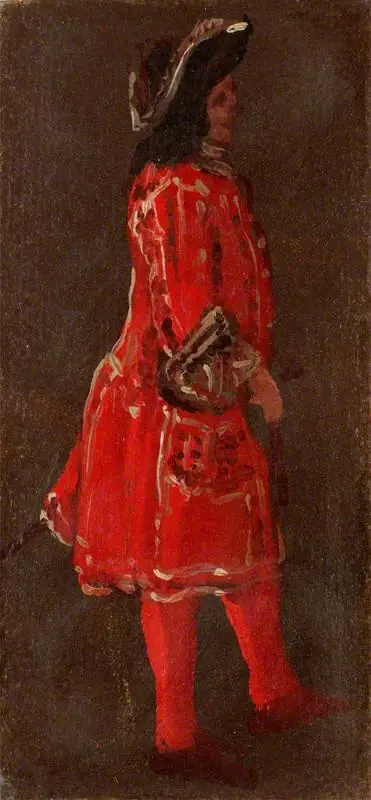
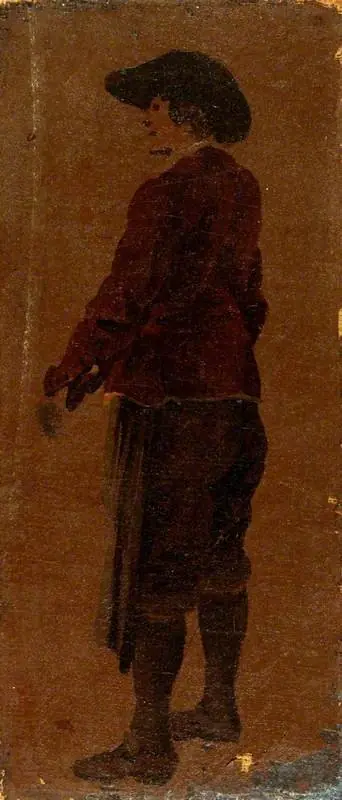
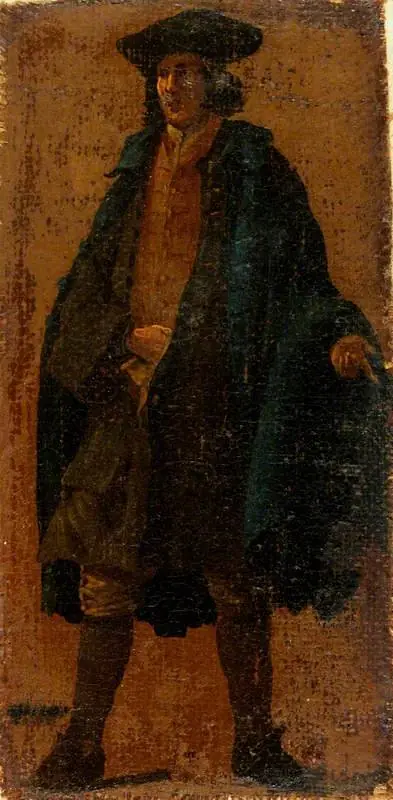
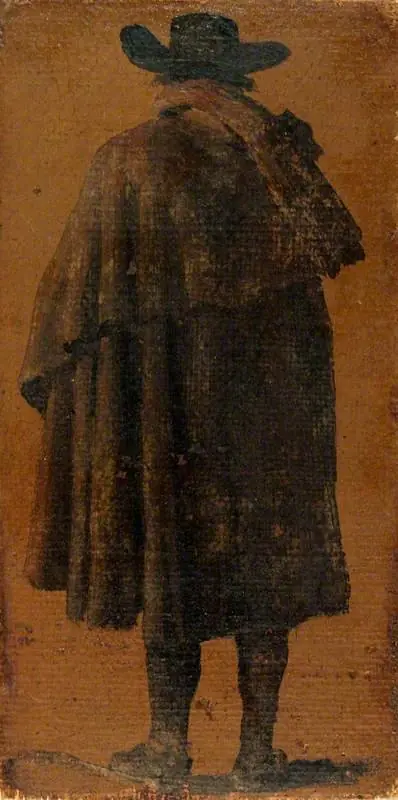
A Gentleman Wearing a White Coat is an oil painting by the Early Baroque Italian artist Luca Carlevarijs. It dates from 1705 and is held in the collection of the Victoria and Albert Museum.
About this work
Overview
A Gentleman Wearing a White Coat is an oil painting created by Luca Carlevarijs in 1705, characteristic of the early Baroque Italian period.
Subject & Meaning
The painting portrays a formally dressed gentleman in a white coat, set against a plain background, with his pose and attire suggesting refinement. His right arm is bent, resting on his hip, while his left arm extends, holding an unspecified object.
Technique & Style
Carlevarijs employed chiaroscuro to achieve depth and volume, with the gentleman’s face illuminated against a dark background. Although the work aligns with Carlevarijs’s detailed urban and architectural focus, this piece focuses on a singular figure rather than a cityscape.
History & Provenance
Created in 1705 by Luca Carlevarijs, an Italian painter and engraver based in Venice, the painting predates the works of later Venetian vedute pioneers like Canaletto and Francesco Guardi.
Context
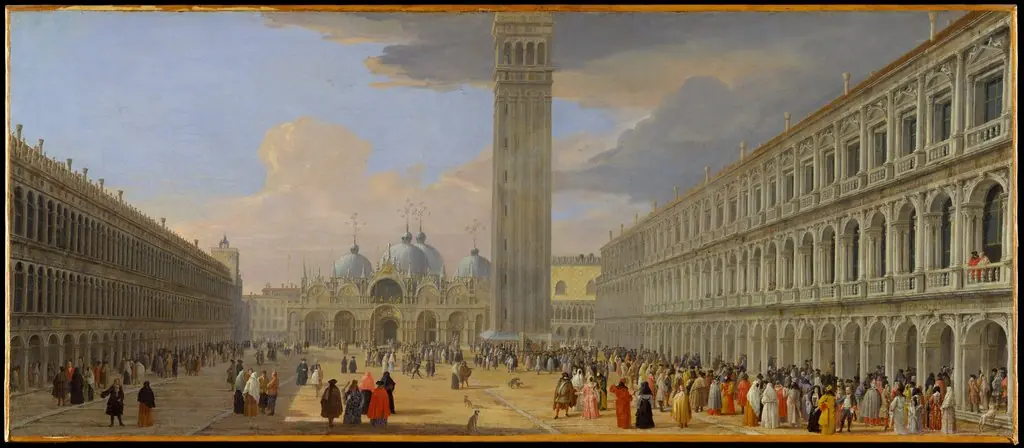
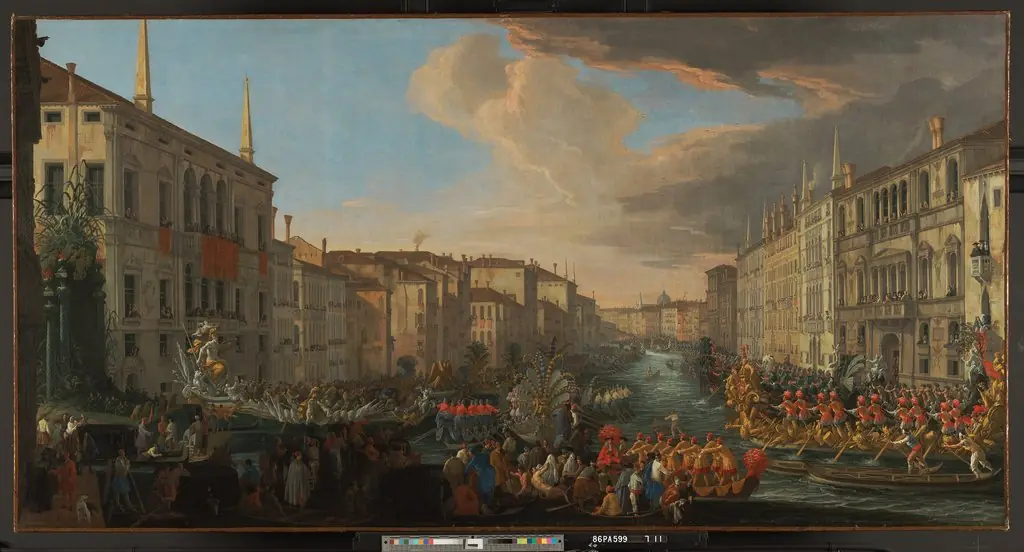
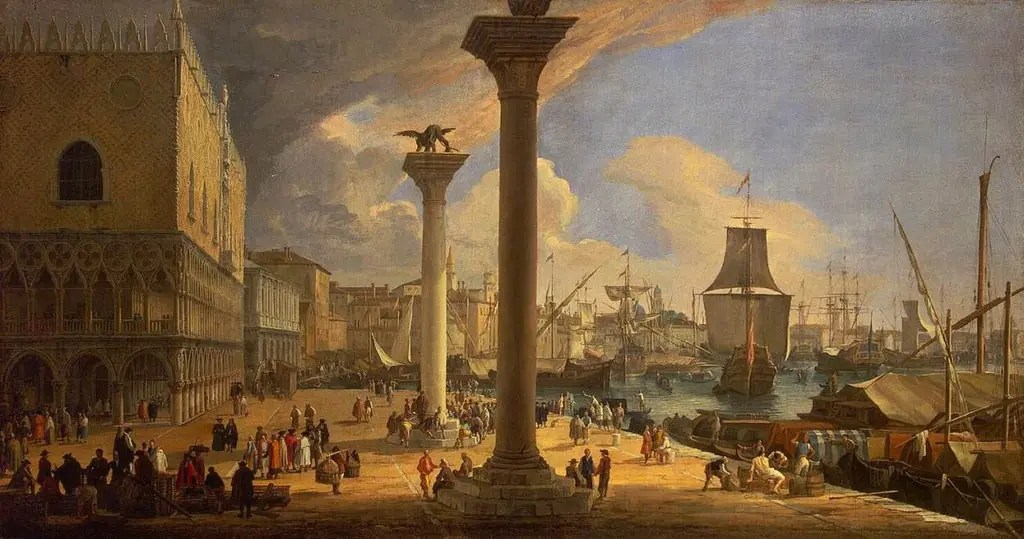
While Carlevarijs is noted for developing the Venetian cityscape (vedute) genre, A Gentleman Wearing a White Coat deviates from this theme, instead showcasing a detailed, intimate portrait.
Legacy
As an early work by Carlevarijs, it reflects his artistic contributions preceding the peak of Venetian vedute, though its singular focus on a figure sets it apart from his more renowned cityscapes.
Artist & collection
Artist
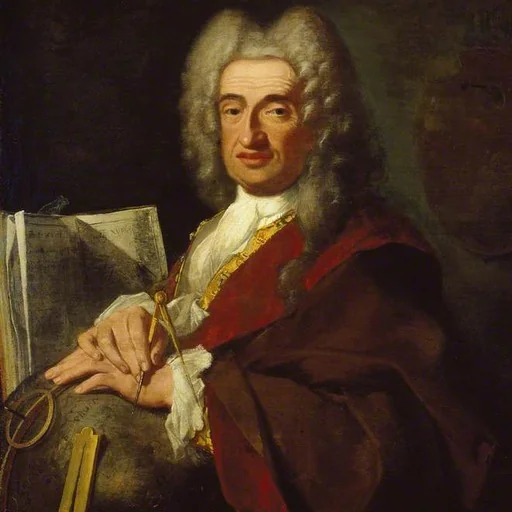
Luca Carlevarijs or Carlevaris (20 January 1663 – 12 February 1730) was an Italian painter and engraver working mainly in Venice.