Artwork
Neptune and Сoronis
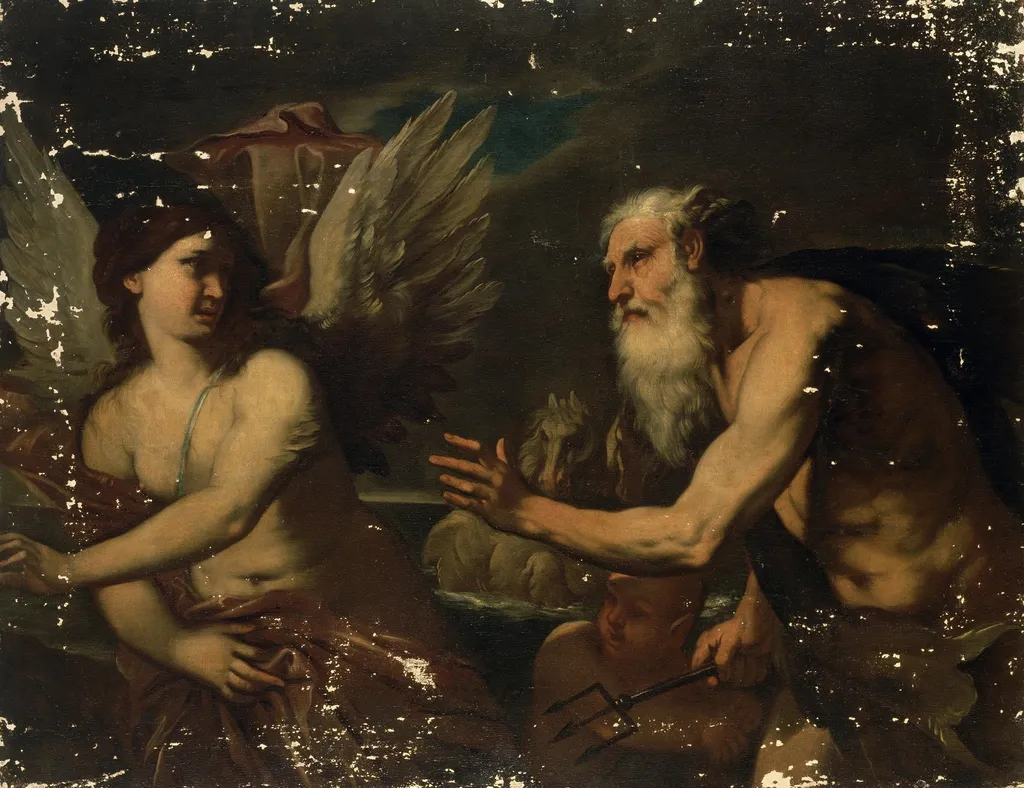
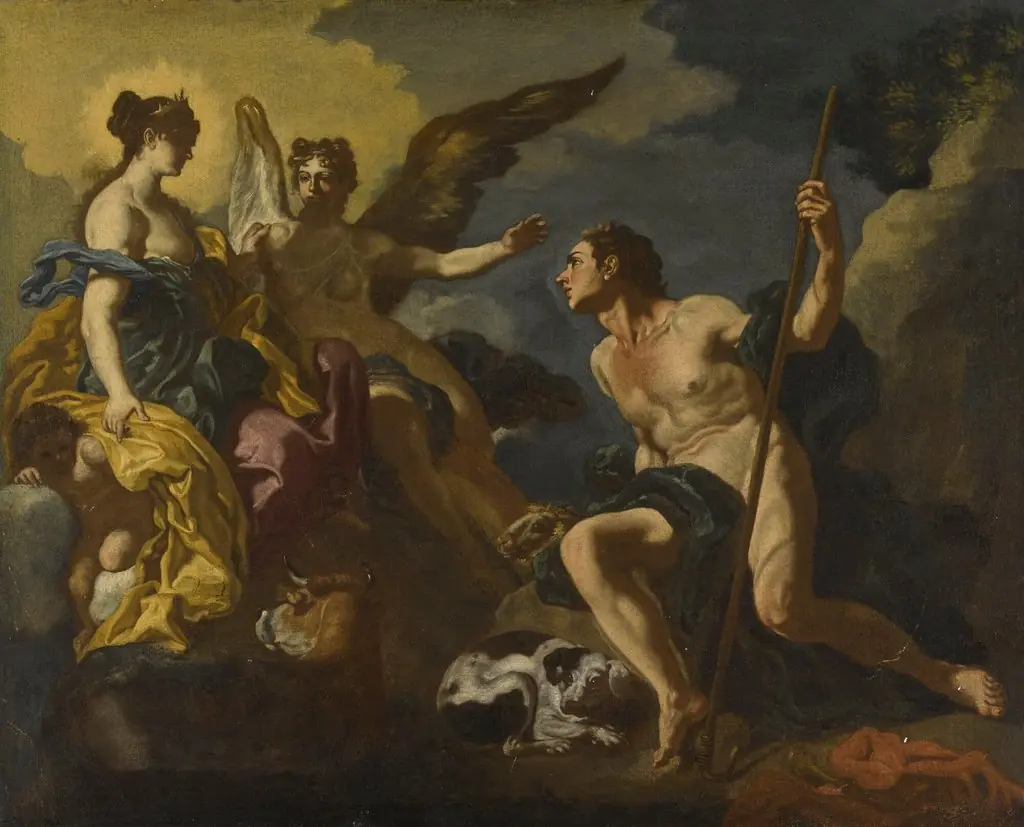
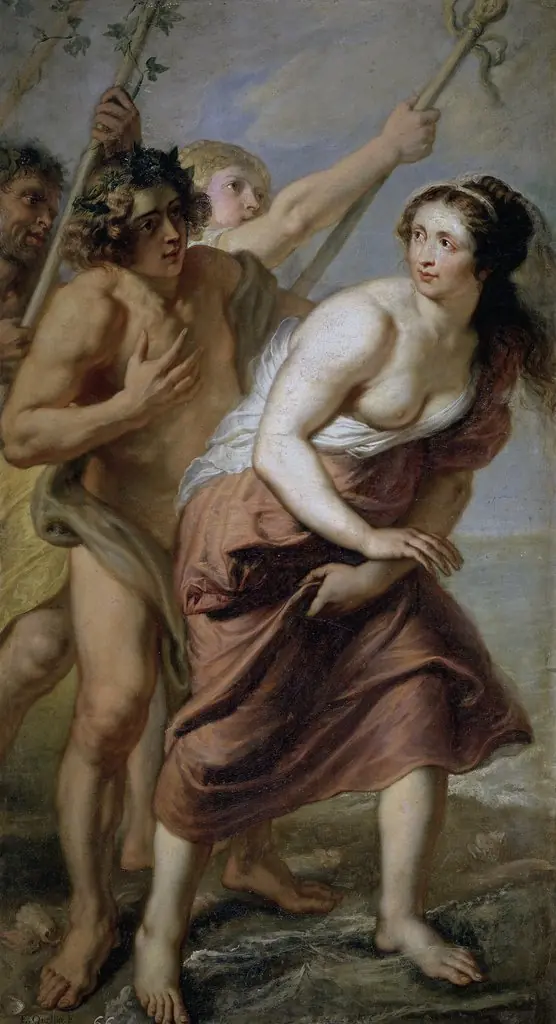
Neptune and Сoronis is an oil painting by the Early Baroque Italian artist Luca Giordano. It dates from 1654 and is held in the collection of the Hermitage Museum.
About this work
Overview
Its dynamic composition and dramatic lighting reflect Giordano’s early Baroque style, shaped by influences from Caravaggio and the Neapolitan school.
Painted in 1654 by Luca Giordano, this oil on canvas work portrays a mythological encounter between Neptune and Coronis. The painting is part of the State Hermitage Museum’s collection in Saint Petersburg. Its dynamic composition and dramatic lighting reflect Giordano’s early Baroque style, shaped by influences from Caravaggio and the Neapolitan school. The scene captures a moment of divine interaction, rendered with urgency and emotional intensity.
Subject & Meaning
The painting illustrates the myth of Neptune, god of the sea, and Coronis, a mortal woman associated with Apollo. Though traditionally Coronis is linked to Apollo, Giordano’s depiction may blend or reinterpret the narrative, placing her in direct confrontation with Neptune. Her winged form suggests divine or supernatural status, while Neptune’s trident and forceful posture imply authority. The tension between them hints at themes of fate, desire, or divine intervention.
Technique & Style
Giordano employs chiaroscuro to model the figures with strong contrasts between light and shadow, enhancing their three-dimensionality and emotional weight. Brushwork is fluid and expressive, particularly in the drapery of Coronis’s robe and the turbulent atmosphere behind them. The figures emerge from a dim, storm-lit background, their gestures exaggerated to amplify movement and psychological tension, characteristic of Giordano’s early Baroque approach.
History & Provenance
Created during Giordano’s formative years in Naples, the painting entered the Hermitage collection in the 18th century, likely through imperial acquisitions of Italian art. Its presence in Russia reflects the broader European fascination with Baroque mythological subjects during the Enlightenment. While its early ownership is not fully documented, its preservation in a major state museum underscores its recognized artistic value within 17th-century Italian painting.
Context
In mid-17th-century Naples, artists like Giordano responded to Caravaggio’s legacy by infusing religious and mythological scenes with heightened drama and naturalism. This work aligns with a trend of reimagining classical myths through emotional immediacy rather than idealized harmony. The inclusion of wings and stormy skies reflects contemporary interest in blending the divine with the visceral, appealing to patrons seeking both spectacle and symbolic depth.
Legacy
Though less widely known than Giordano’s later works, this painting exemplifies his early mastery of movement and light, influencing his development into one of the most prolific Baroque painters of his time. Its presence in the Hermitage ensures continued scholarly attention, offering insight into how Italian artists adapted mythological narratives for courtly and public audiences during the Baroque era.
Own this work as a print
Artist & collection

Artist
Luca Giordano was an Italian late-Baroque painter and printmaker in etching. Giordano was one of the most celebrated artists of the Neapolitan Baroque, whose vast output included altarpieces, mythological paintings and…