Artwork
Bacchus and Ariadne
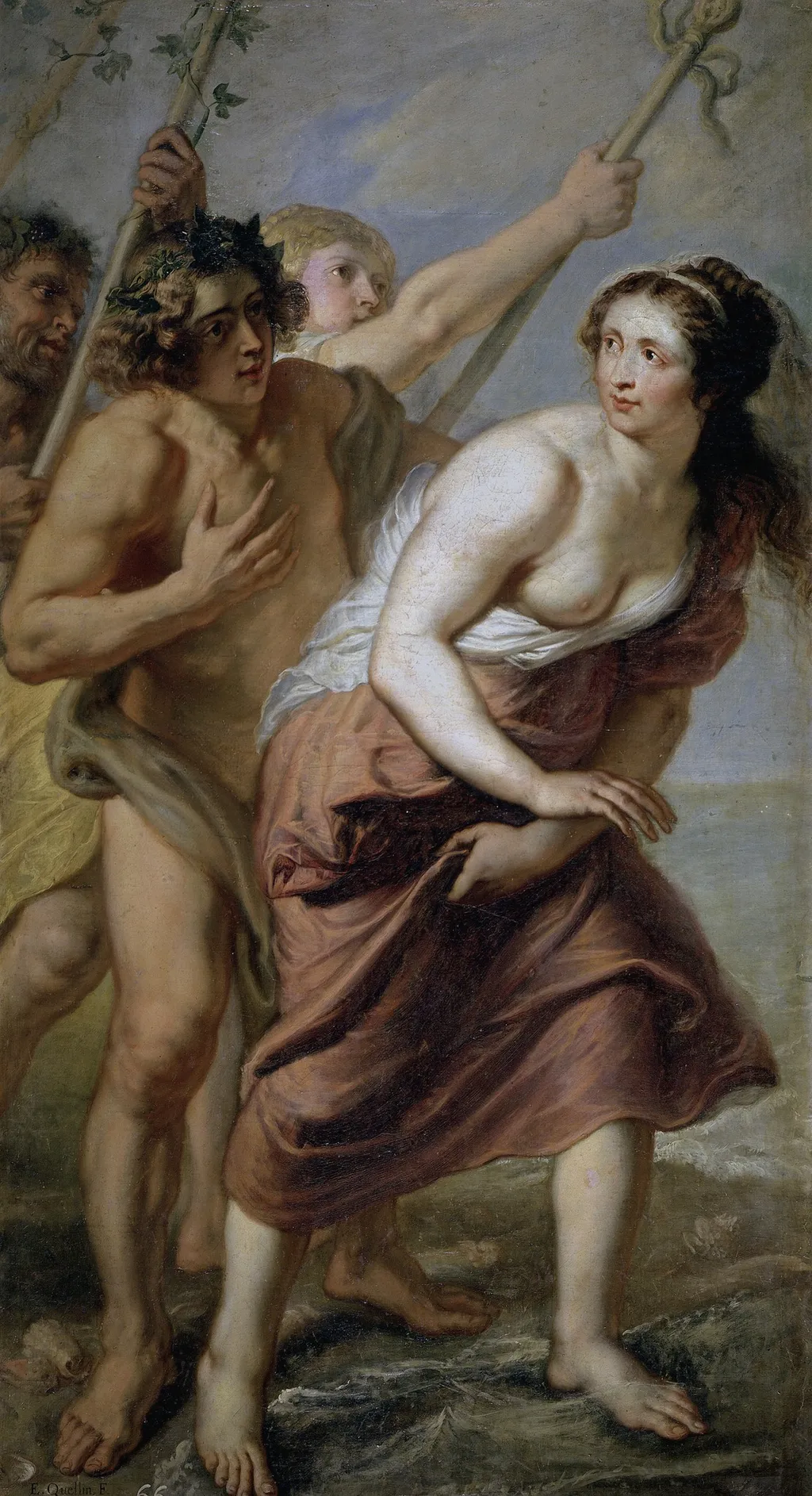
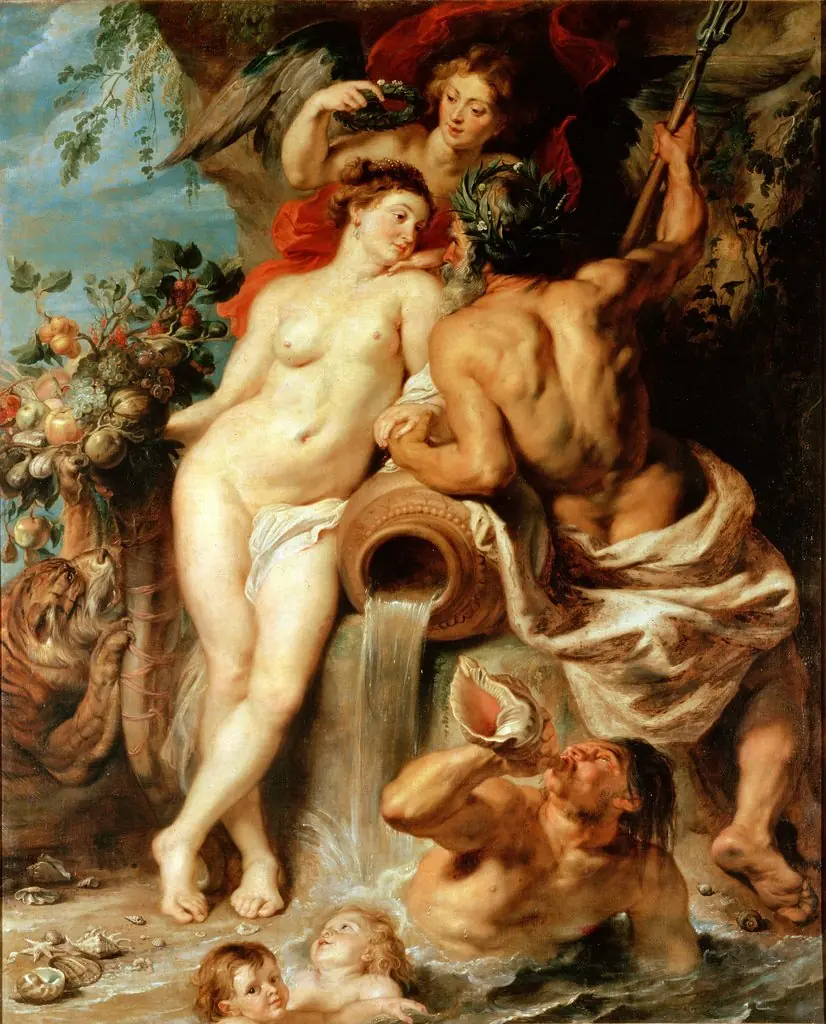
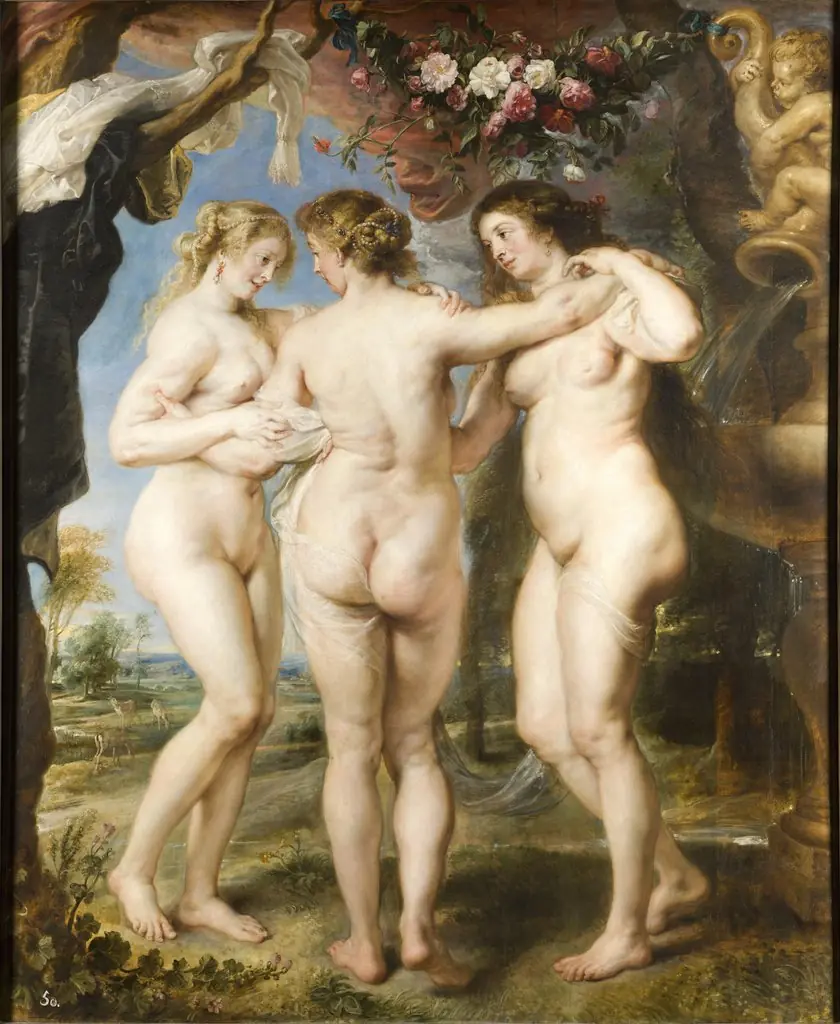
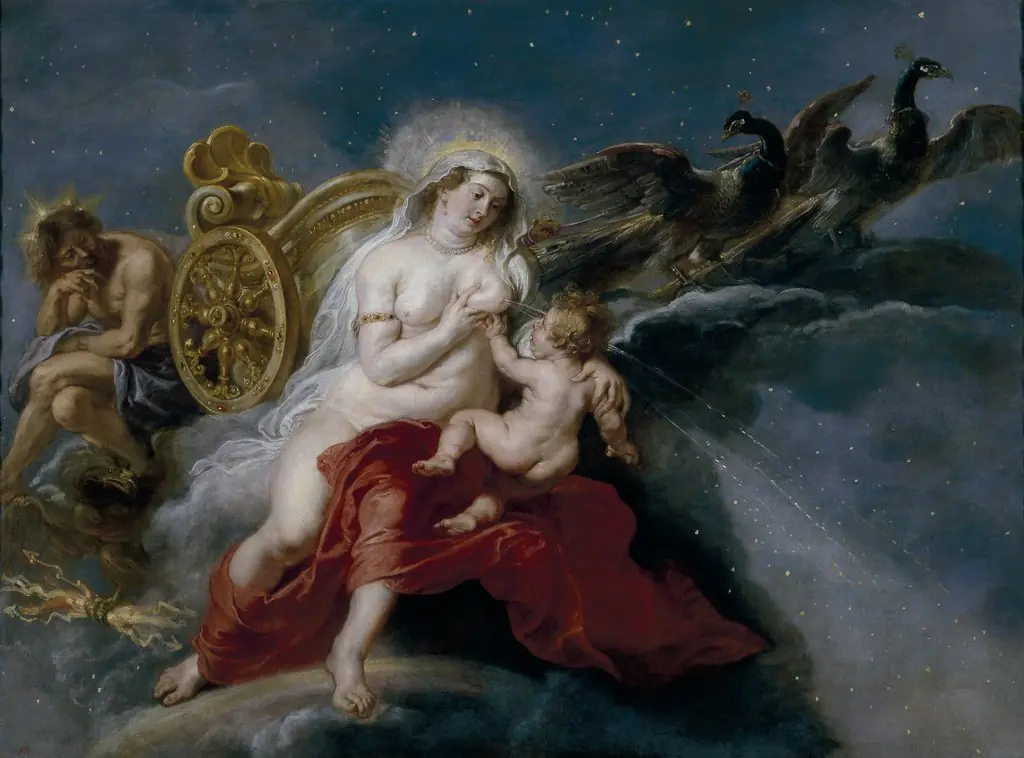
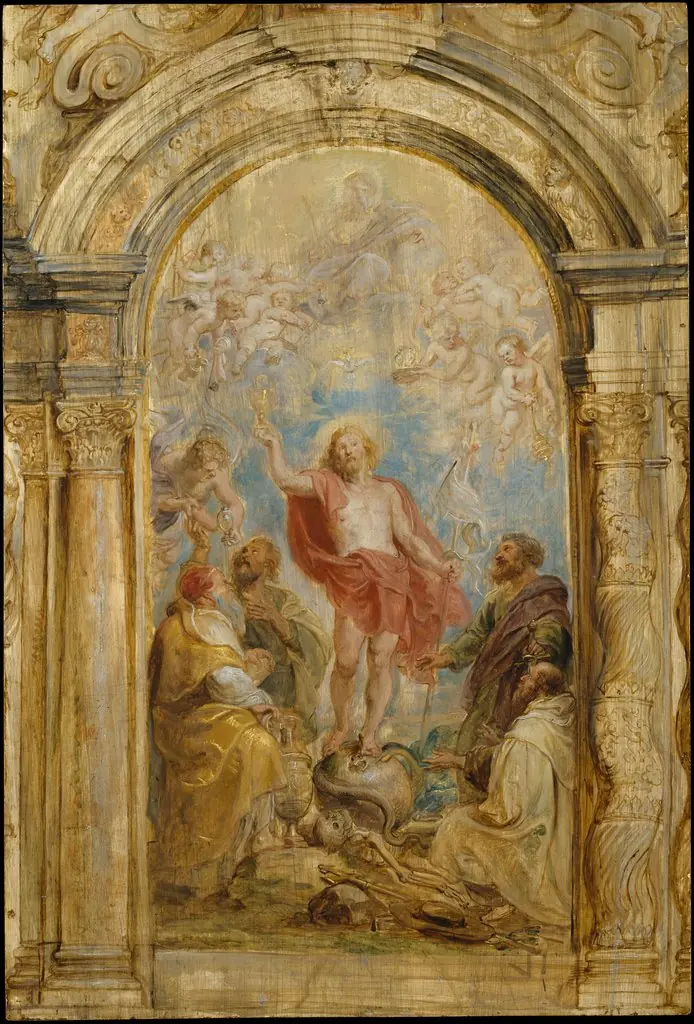
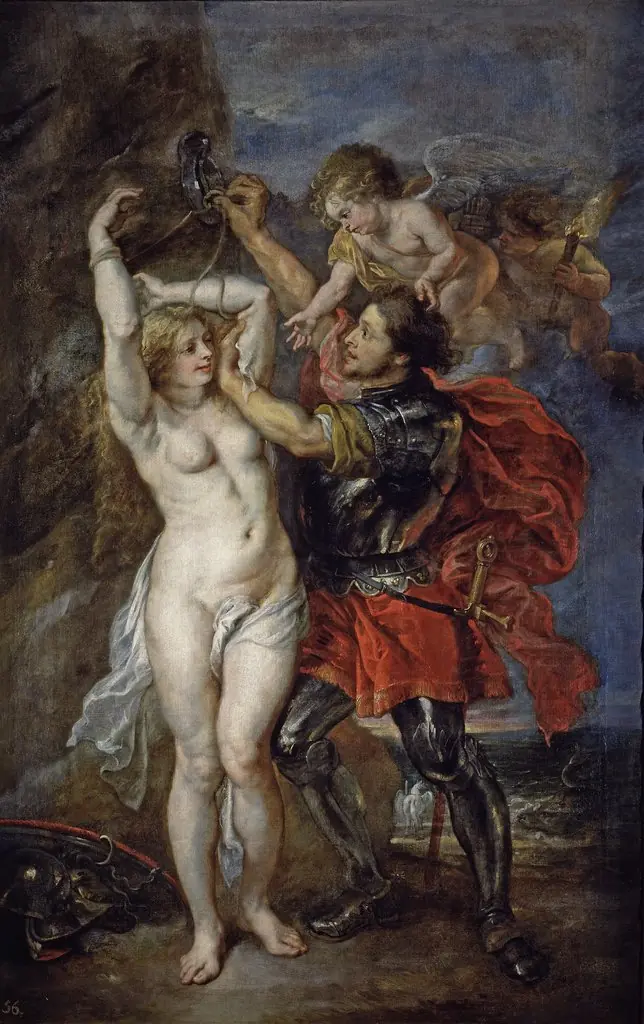
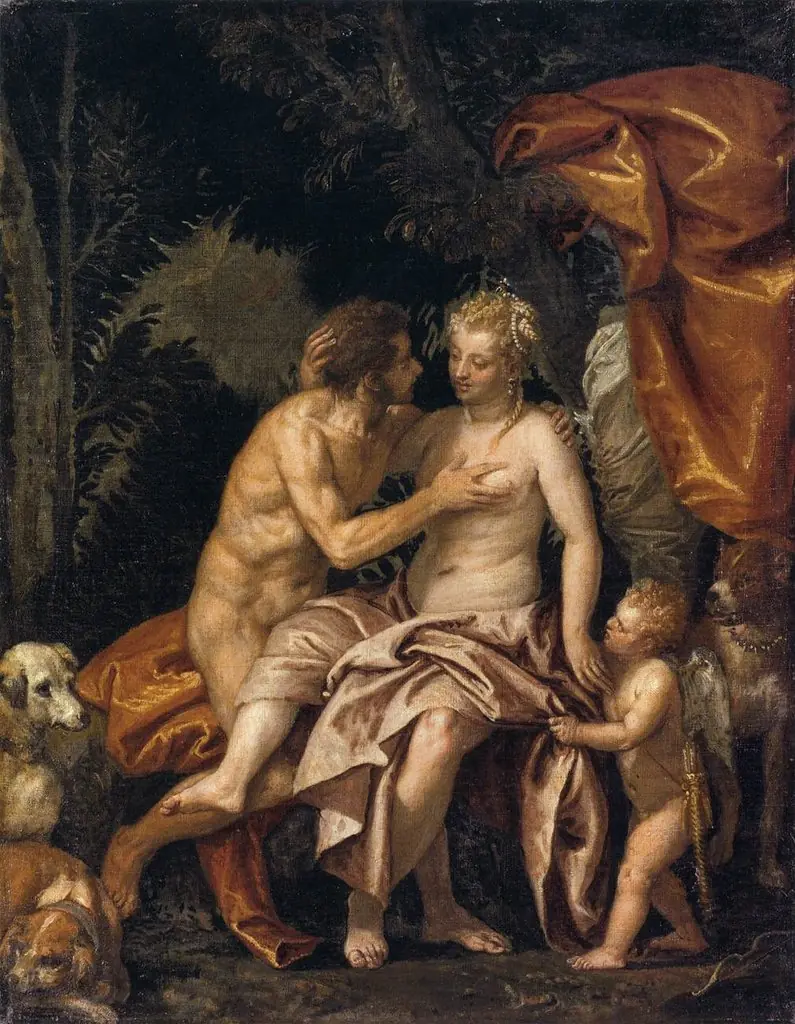
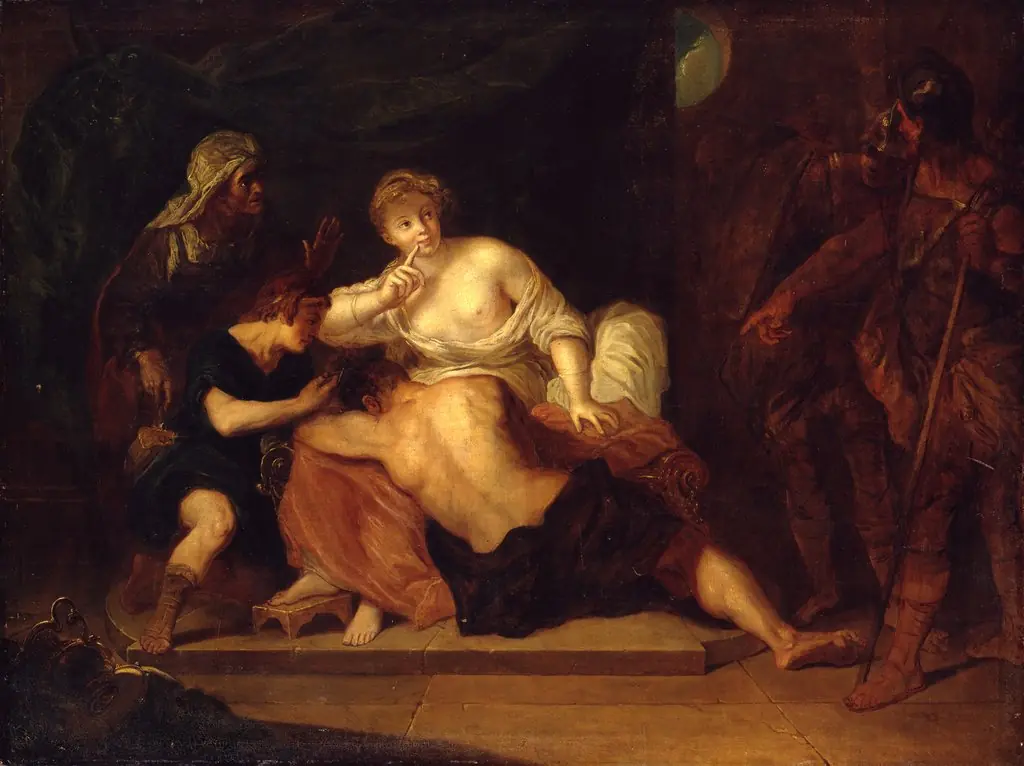
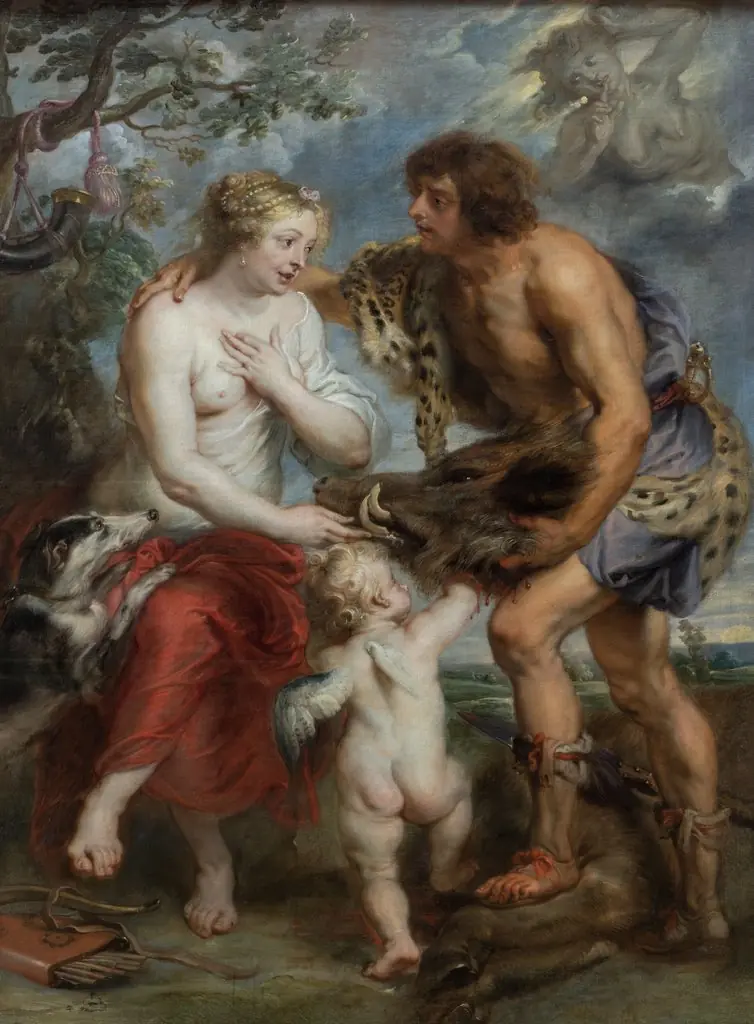
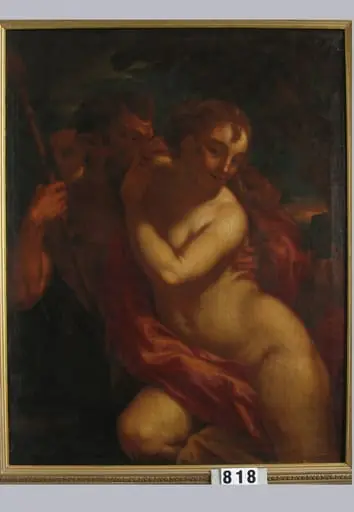
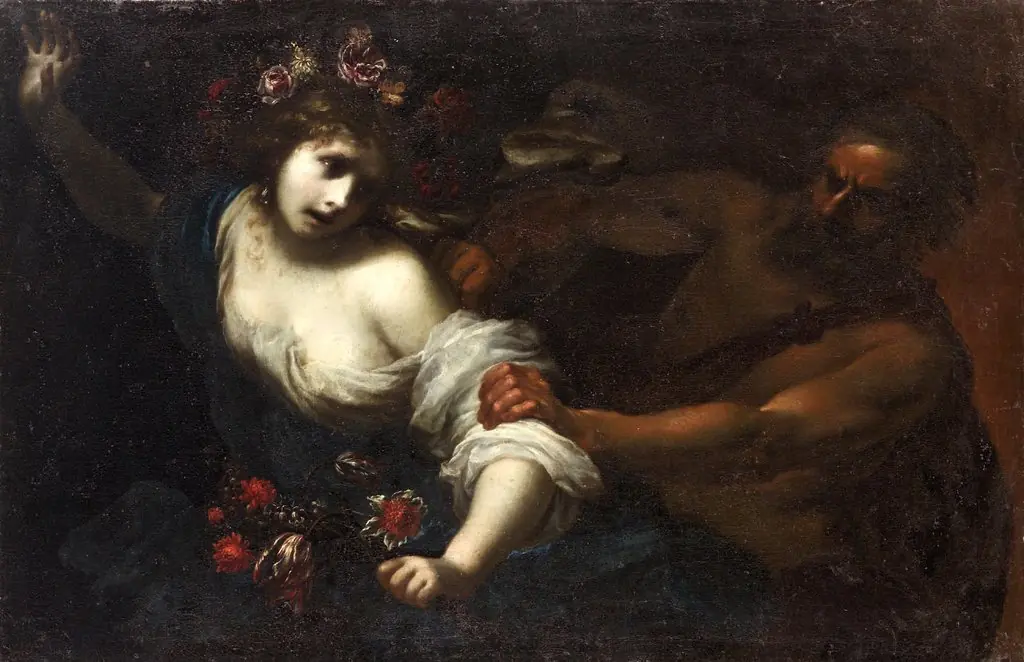
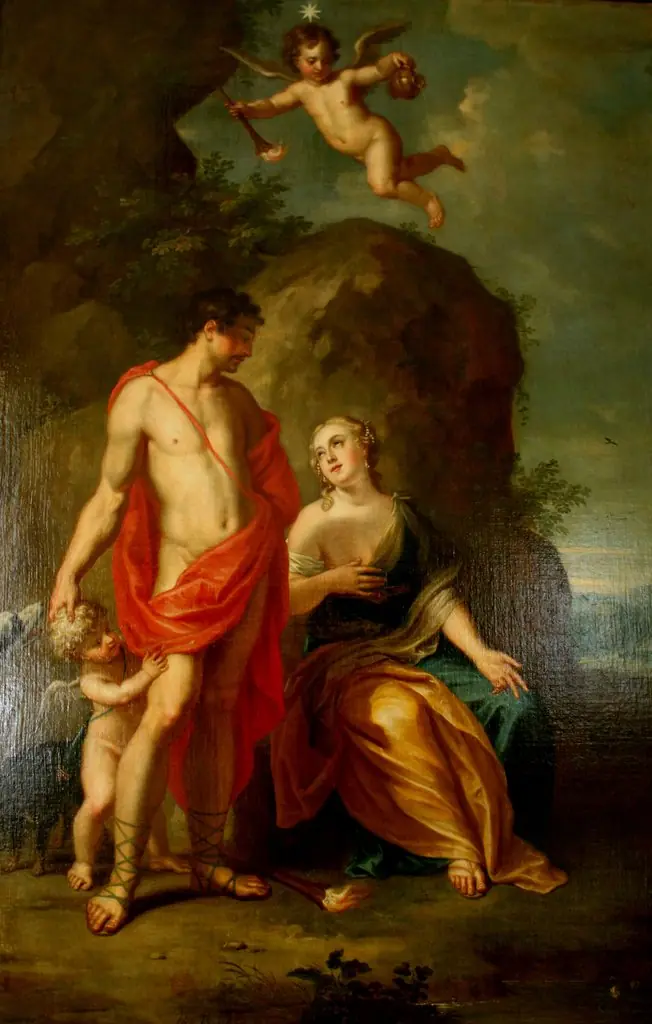
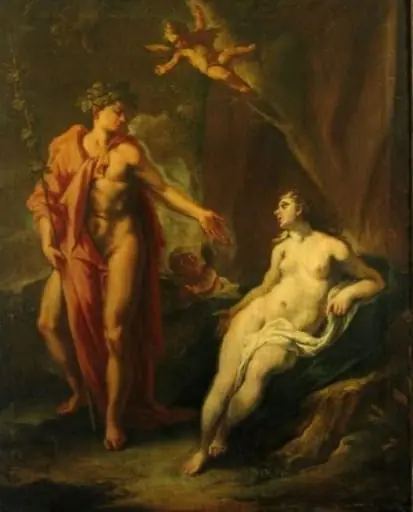
Bacchus and Ariadne is an oil painting by the Flemish Baroque painting artist Peter Paul Rubens. It dates from 1630 and is held in the collection of the Museo del Prado.
About this work
Overview
Bacchus and Ariadne is a 1630 oil painting by Peter Paul Rubens, exemplifying the Flemish Baroque style through its dynamic composition and vivid color palette.
Subject & Meaning
The painting depicts a scene from classical mythology featuring Ariadne and Bacchus, blending ancient and Christian allusions. Ariadne, serene and central, contrasts with the energetic, bare-chested male figures around her, emphasizing her importance.
Technique & Style
Rubens employs chiaroscuro to create depth, with strong contrasts between light and shadow. The soft, blurry background further emphasizes the foreground figures, while the interplay of textures (flowing robes, bare skin) adds visual richness.
History & Provenance
Created in 1630, the painting is now part of the Museo del Prado's collection.
Context
As a work of the Flemish Baroque, it reflects the period's fascination with classical themes and dramatic visual effects, characteristic of Rubens' diplomatic and artistic career.
Legacy
While the painting's direct influence is not broadly highlighted in the provided facts, its representation of mythological themes and use of chiaroscuro contribute to the broader legacy of Flemish Baroque's impact on European art.
Artist & collection
Artist
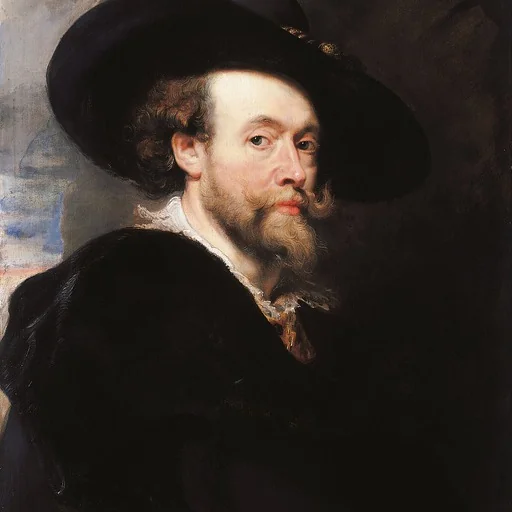
Sir Peter Paul Rubens ( ROO-bənz; Dutch: ; 28 June 1577 – 30 May 1640) was a Flemish artist and diplomat.