Artwork
Sfânta Maria Magdalena
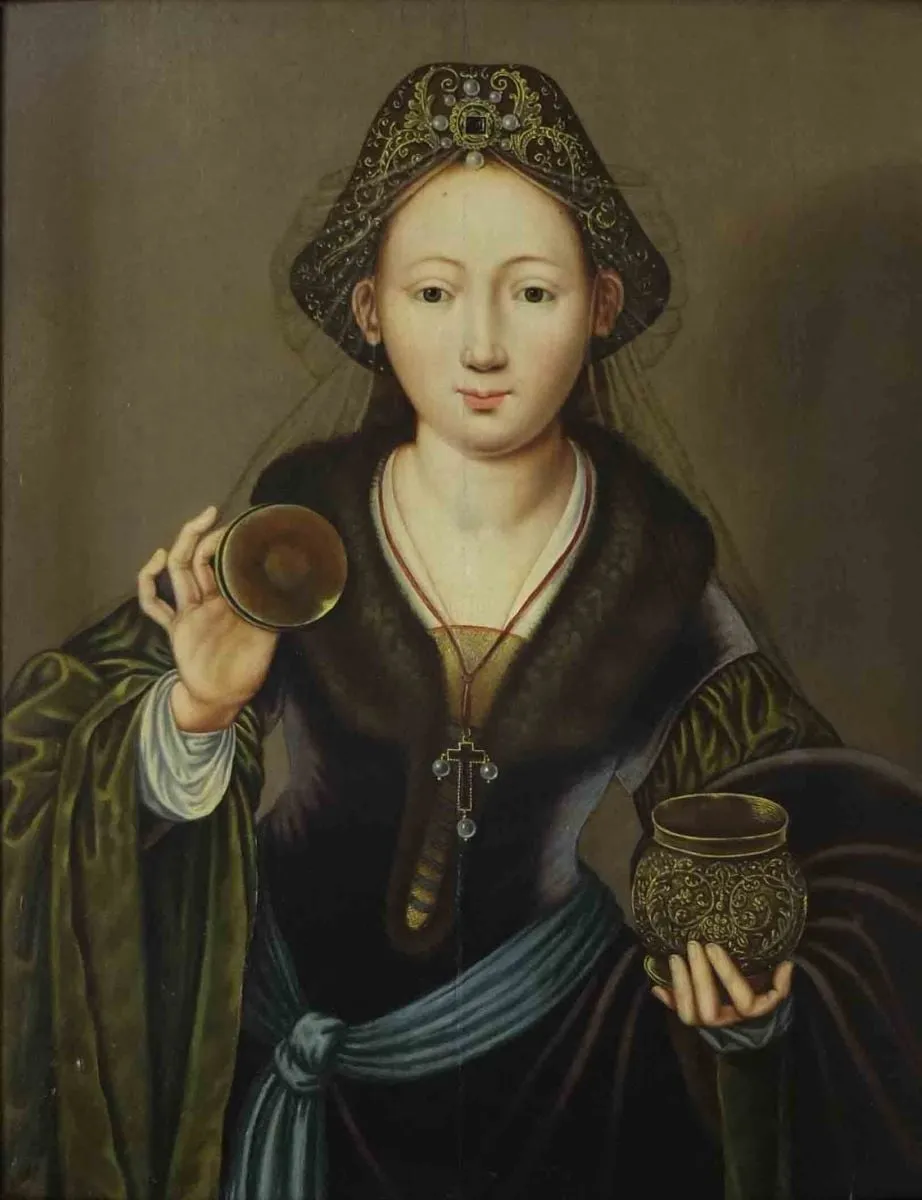
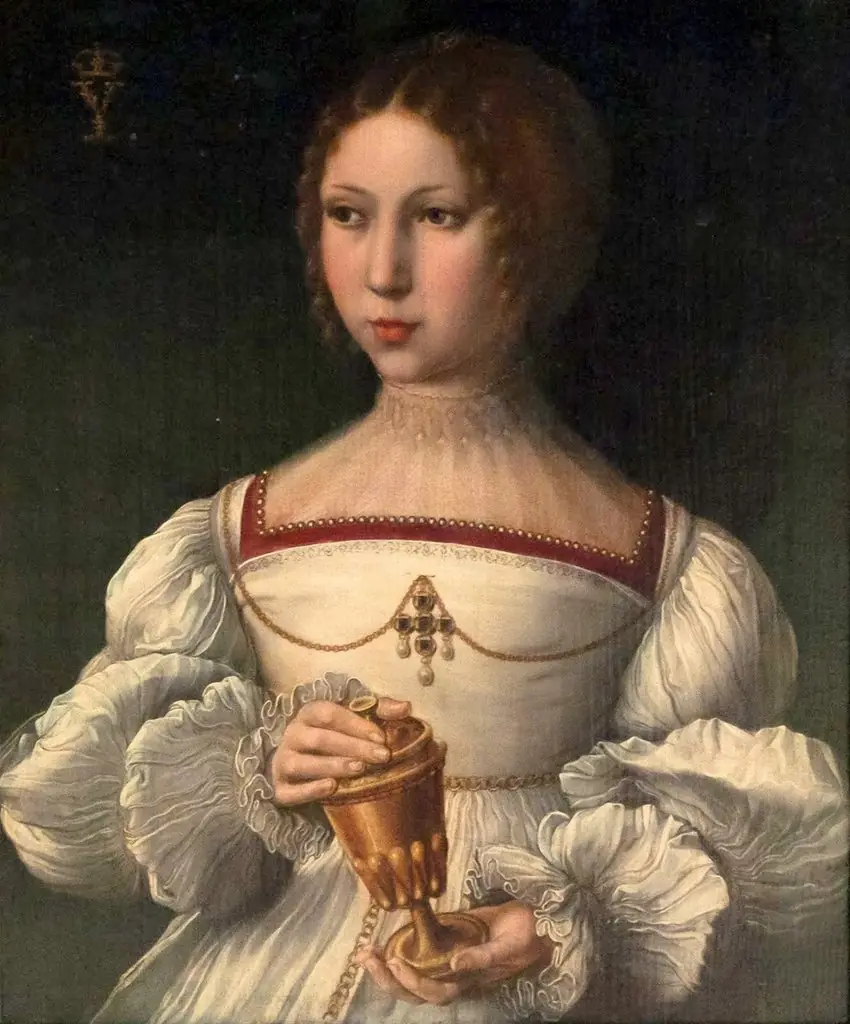
Sfânta Maria Magdalena is a print by anonim neerlandez. It is held in the collection of the National Museum of Art of Romania. This work portrays a solitary female figure, rendered in a restrained palette with minimal background detail.
About this work
Overview
The composition emphasizes the figure through contrast and focus, aligning with conventions of allegorical portraiture from the Dutch tradition.
This work portrays a solitary female figure, rendered in a restrained palette with minimal background detail. The subject is depicted with formal stillness, her posture and attire suggesting ritual or symbolic significance. The composition emphasizes the figure through contrast and focus, aligning with conventions of allegorical portraiture from the Dutch tradition. The absence of narrative context invites interpretation beyond literal representation.
Subject & Meaning
The figure is commonly identified as Mary Magdalene, though her depiction diverges from traditional iconography. She holds two cups, possibly symbolizing penitence and devotion, while the cross and ornate headwear imply spiritual authority. The neutral expression and direct gaze convey introspection rather than emotion, reinforcing the painting’s function as a visual metaphor for contemplative faith or moral resolve.
Technique & Style
The artist employs subtle tonal contrasts to model form, suggesting an awareness of chiaroscuro without dramatic lighting. Details in the hat and cloak are rendered with precision, indicating skilled brushwork and attention to textile texture. The muted background isolates the figure, directing focus to her costume and gesture. The style reflects Northern European realism, prioritizing quiet dignity over theatricality.
History & Provenance
The painting is attributed to an anonymous Dutch artist active in the late 16th or early 17th century. Its origin remains undocumented, and no early records of ownership or exhibition are known. The work likely originated in a private devotional context, possibly commissioned by a religious or aristocratic patron seeking a contemplative image for personal use.
Context
Created during a period of religious upheaval in the Netherlands, the image reflects a shift toward inward spirituality. While Catholic iconography persisted in some regions, Protestant sensibilities favored restraint and symbolism over overt narrative. This painting aligns with a broader trend of allegorical portraiture that conveyed moral or theological ideas through quiet, dignified figures.
Legacy
Though unsigned and unrecorded in major collections until modern times, the work contributes to understanding how allegory functioned in Dutch visual culture beyond well-known masters. Its emphasis on symbolic detail and psychological stillness influenced later genre scenes and devotional imagery, preserving a quiet, introspective strand of Northern Renaissance expression.
Artist & collection
Artist
This Dutch artist painted dramatic Bible scenes in oil, full of rich fabrics and candlelit faces.

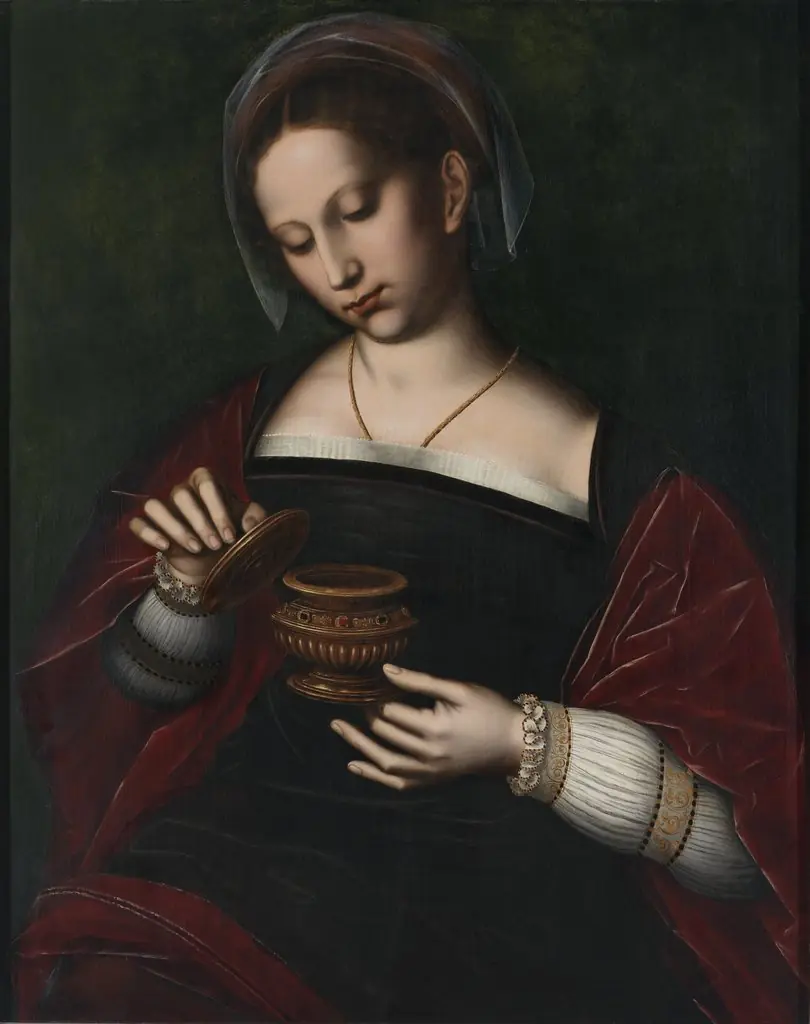 Saint Mary Magdalene
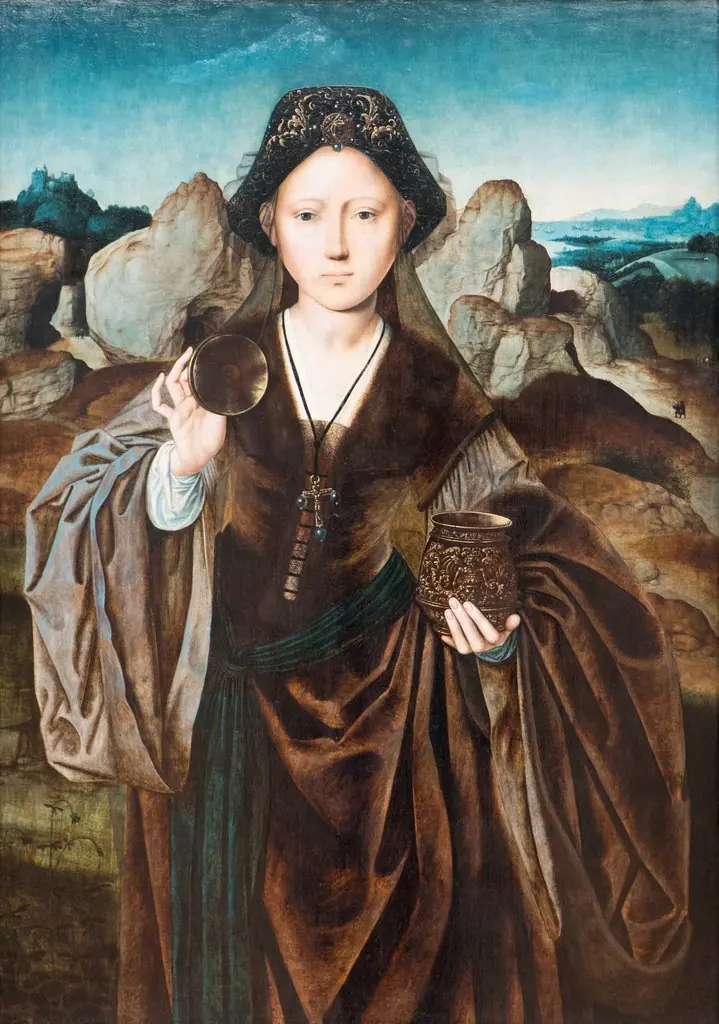 Mary Magdalen
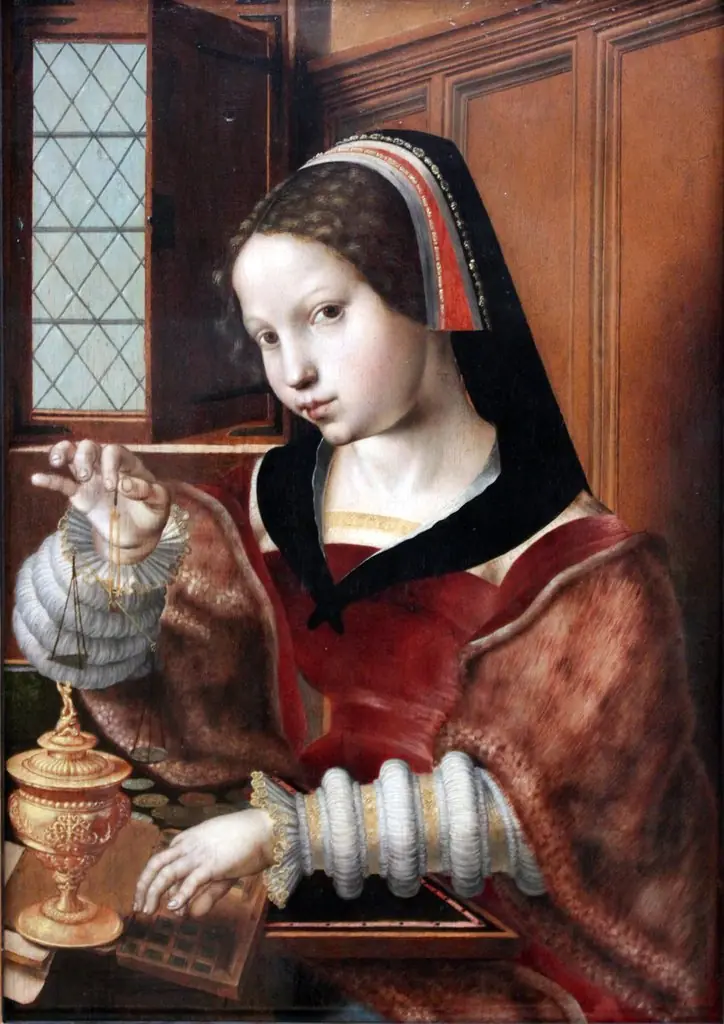 The Gold Weigher
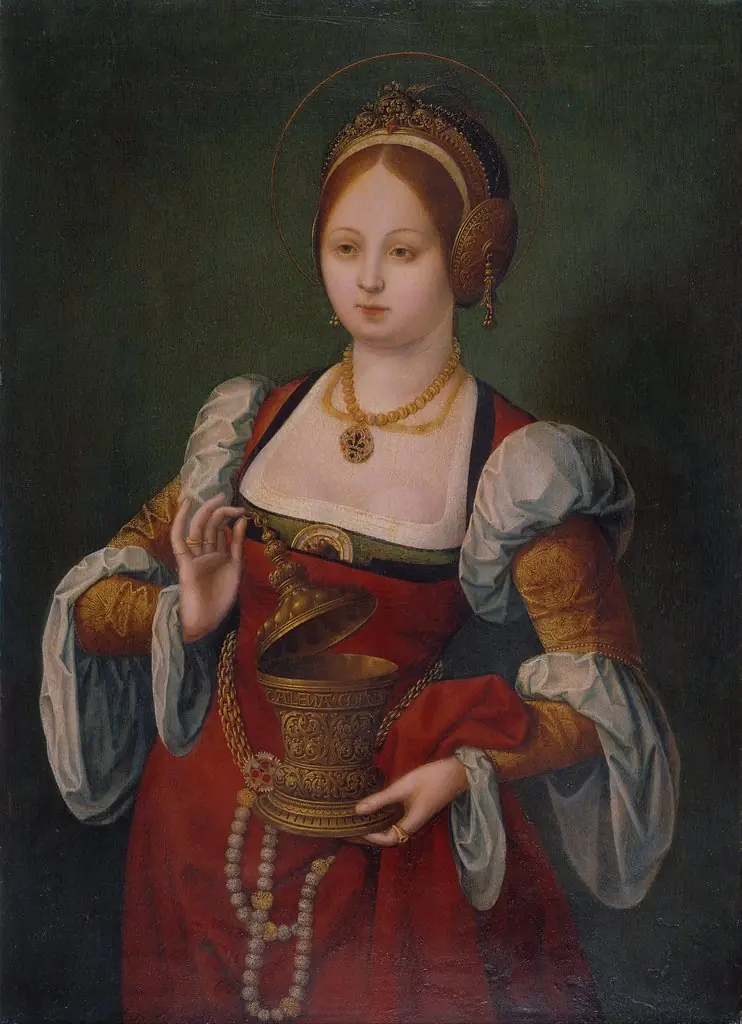 Mary Magdalene
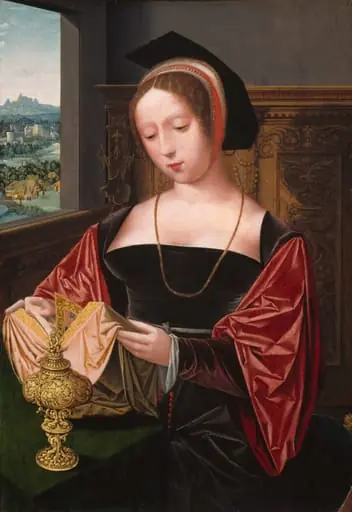 A Lady Reading (Saint Mary Magdalene)
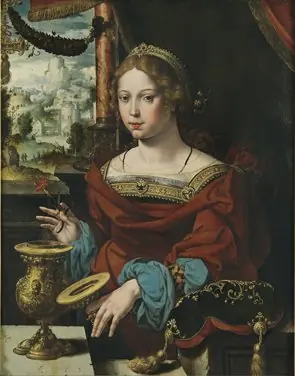 De H. Maria Magdalena met zalfpot en bloemen
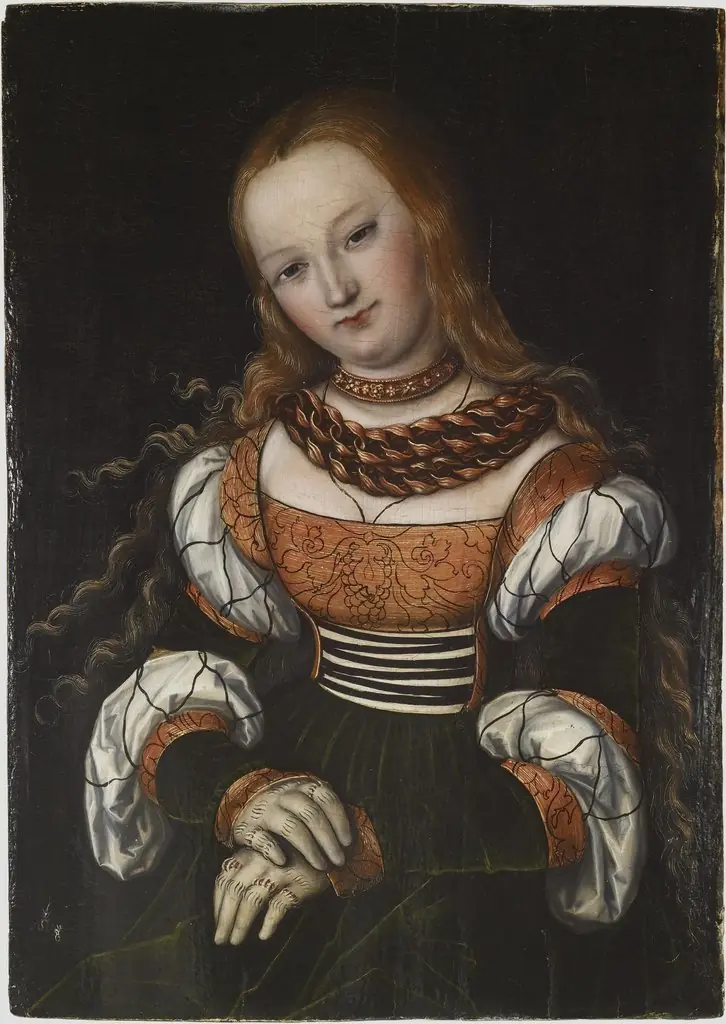 Portrait of a young woman
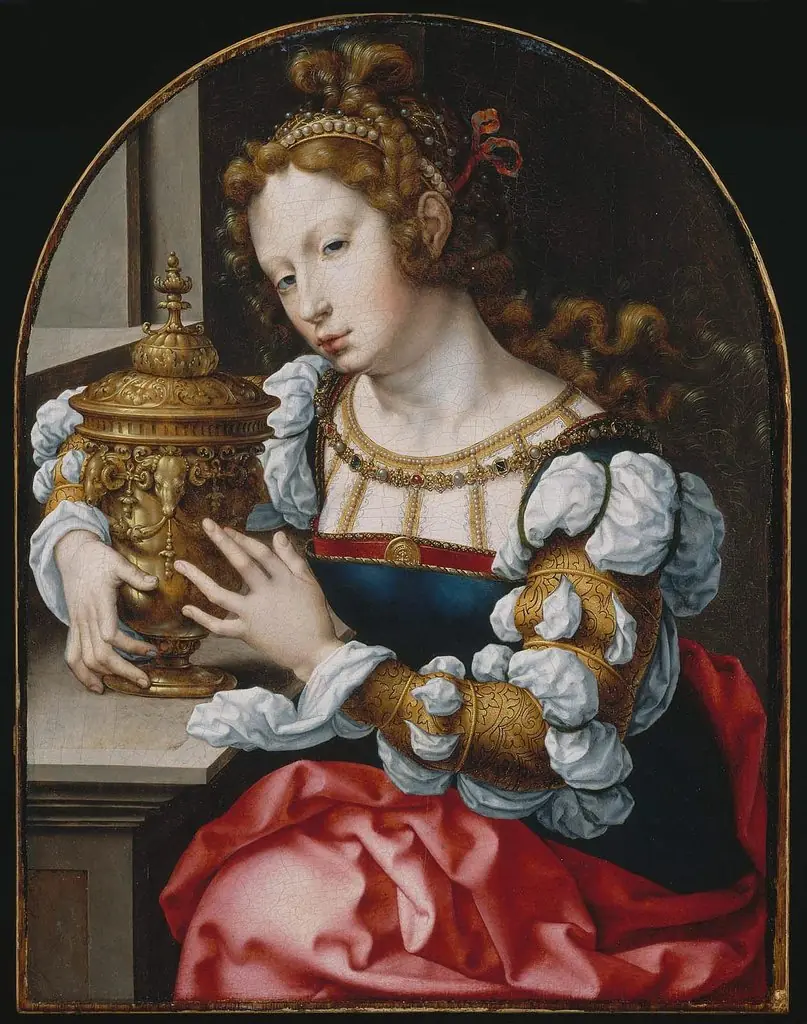 Mary Magdalen
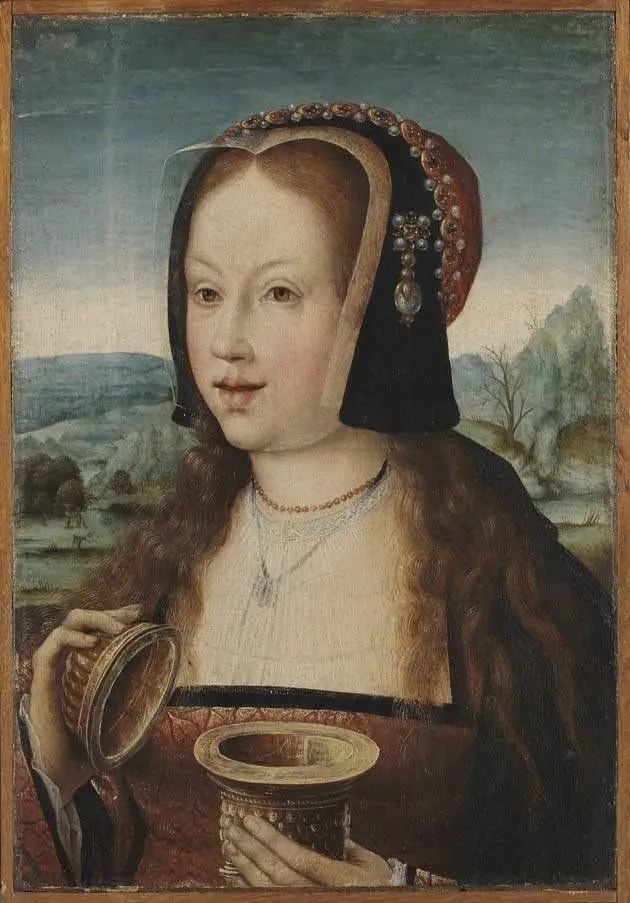 Portrait of Margaret of Austria (1480-1530) as Mary Magdalene
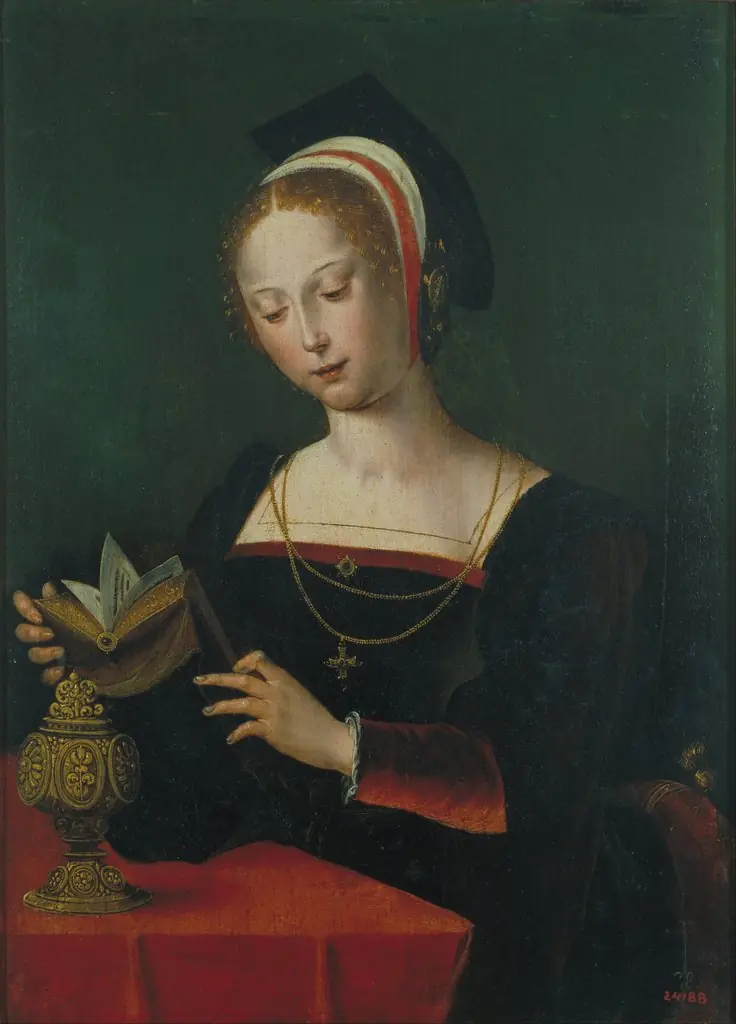 Saint Mary Magdalene
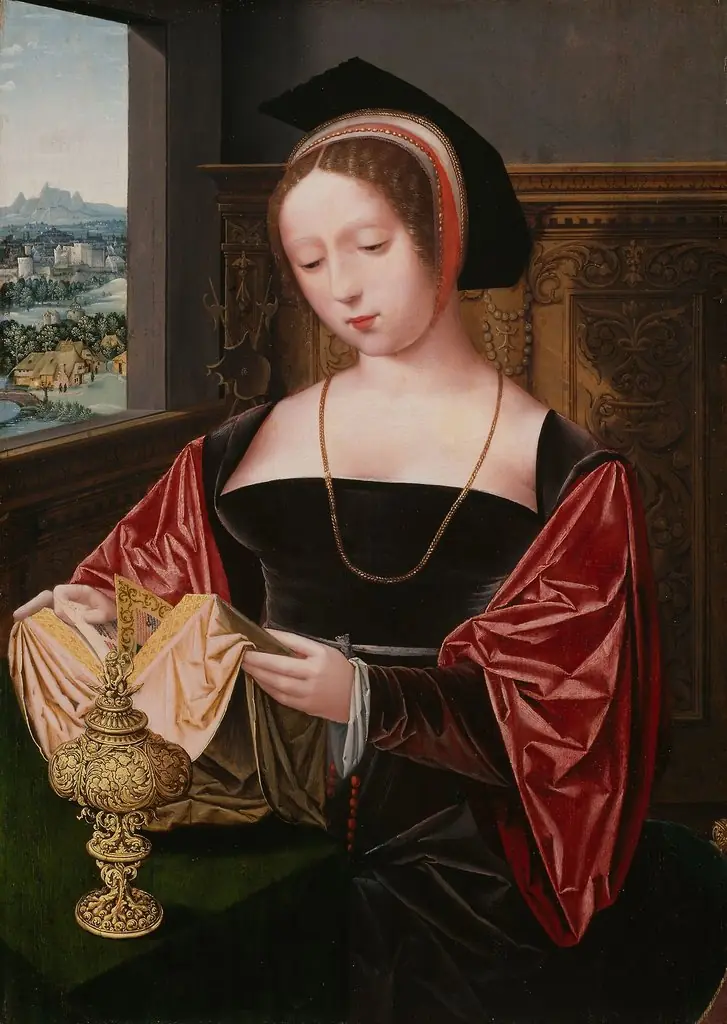 A Lady Reading as Mary Magdalene
 Portrait of a young lady as Mary Magdalene