Artwork
Saint Jerome
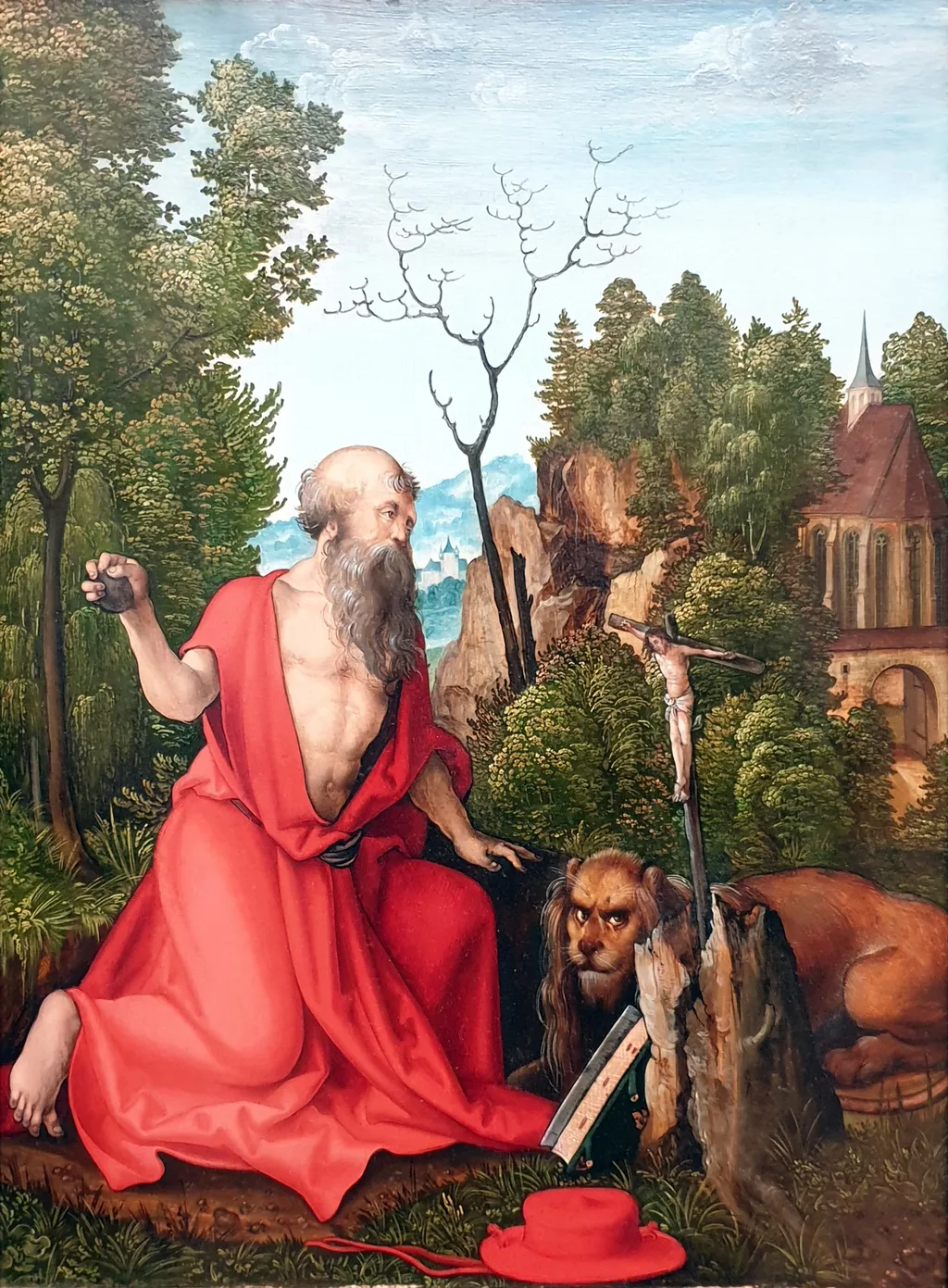
Saint Jerome is a paint painting by the Northern Renaissance artist Hans Leonhard Schäufelein. It dates from 1504 and is held in the collection of the Gemäldegalerie Berlin.
About this work
Overview
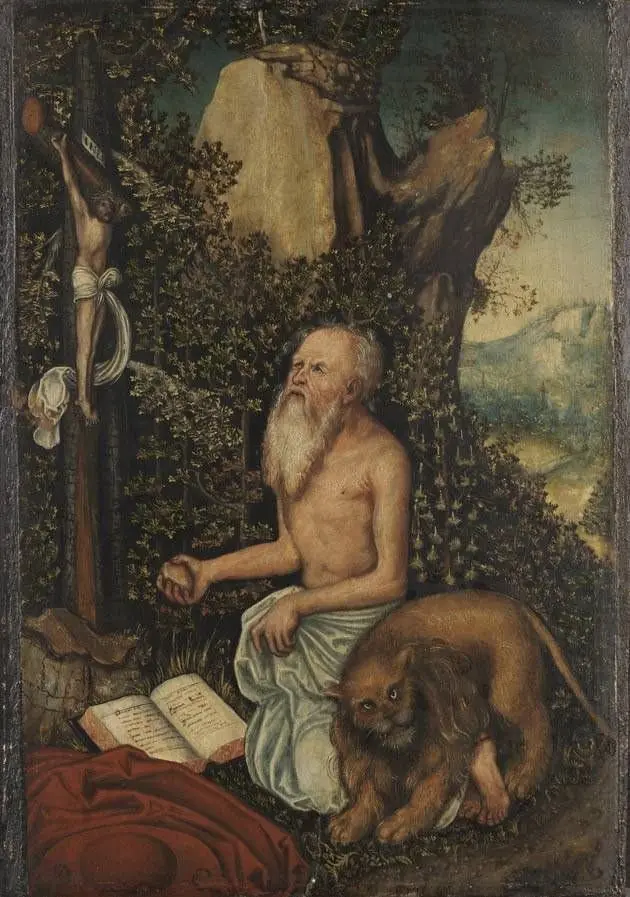
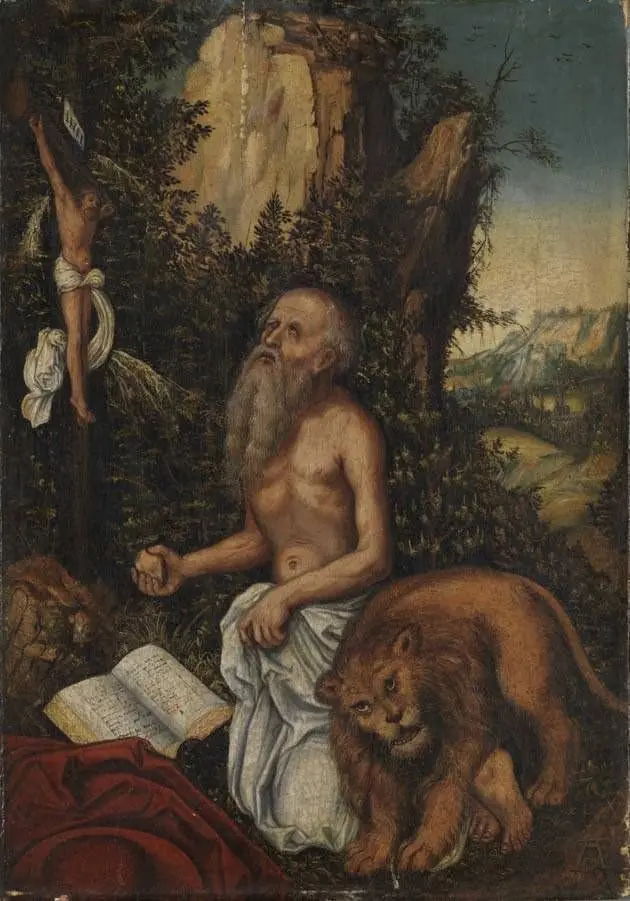
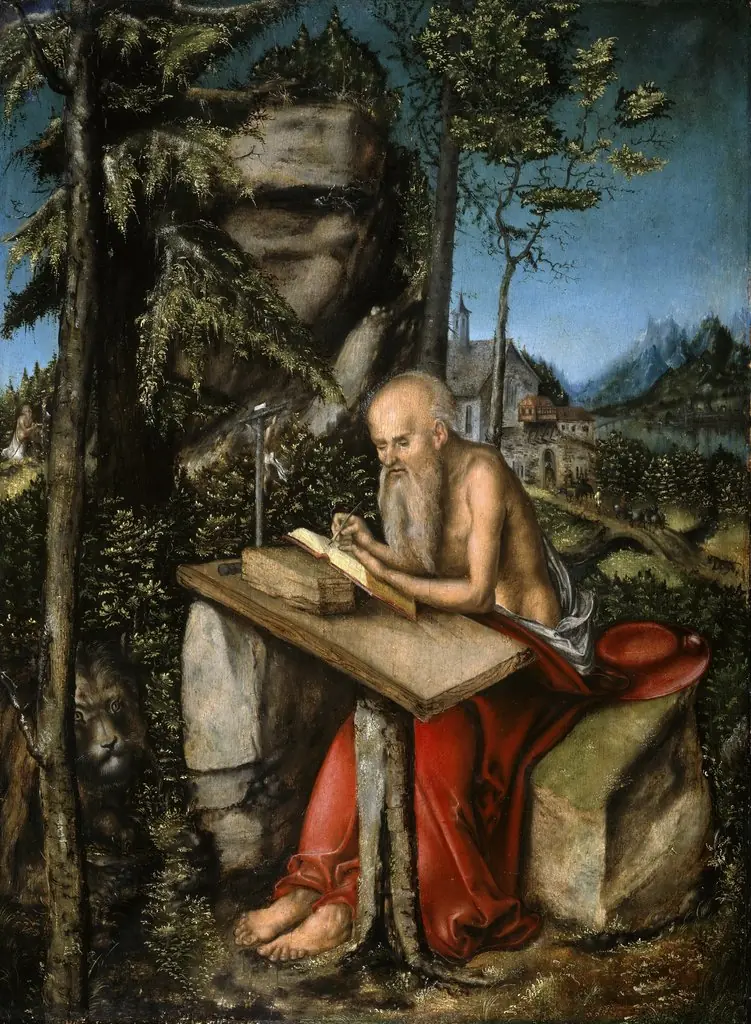
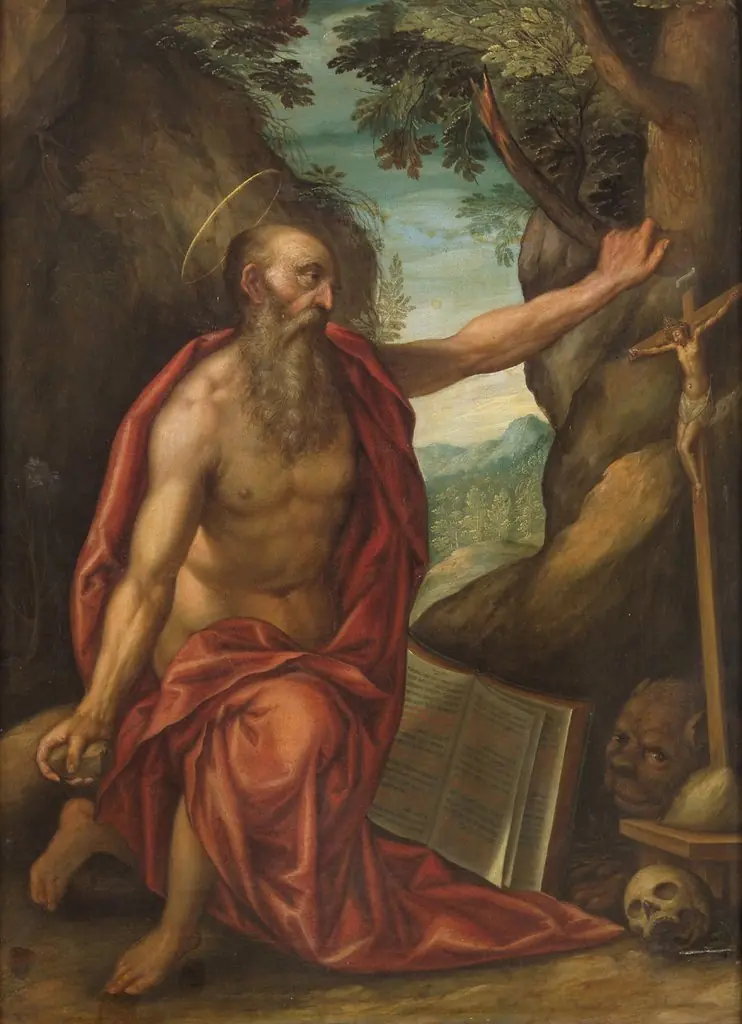
Painted in 1504 by Hans Leonhard Schäufelein, this work depicts Saint Jerome in a contemplative moment within a quiet natural setting. Executed in oil paint, the composition centers on the saint’s solitary figure, framed by elements that evoke both spiritual devotion and the wilderness. The painting resides in the Gemäldegalerie, Berlin, as part of its early German Renaissance collection.
Subject & Meaning
The lion, traditionally linked to his legend of removing a thorn from its paw, symbolizes tamed wildness through faith.
The figure represents Saint Jerome, the fourth-century scholar and translator of the Bible into Latin. His kneeling posture, bare feet, and clenched rock suggest penitence and the physical act of self-discipline. The lion, traditionally linked to his legend of removing a thorn from its paw, symbolizes tamed wildness through faith. The crucifix and distant church underscore his lifelong dedication to Christian scholarship and asceticism.
Technique & Style
Schäufelein employs precise brushwork to render texture in the saint’s robe, beard, and the rough bark of the stump. The red garment contrasts sharply with the muted greens and blues of the landscape, drawing focus to the figure. The background is rendered with soft atmospheric perspective, while the lion’s head emerges subtly from shadow, adding narrative depth without overt drama.
History & Provenance
The painting was created during Schäufelein’s active period in Nuremberg, likely commissioned for private devotion. It entered the Berlin collection in the 19th century through established German art acquisitions. Its attribution has remained consistent, with no major disputes over authorship or date, reflecting its clear stylistic ties to the artist’s known oeuvre.
Context
Created during the early Reformation, the image reflects enduring Catholic devotional traditions even as religious upheaval unfolded. Saint Jerome was a favored subject among Northern artists for his scholarly and ascetic virtues. Schäufelein’s version aligns with humanist interests in classical learning and personal piety, blending devotional imagery with naturalistic detail common in southern German art of the period.
Legacy
Though not among Schäufelein’s most widely reproduced works, the painting exemplifies his skill in integrating religious symbolism with intimate, grounded settings. It contributes to the understanding of how Northern Renaissance artists adapted traditional iconography for private contemplation, preserving devotional themes amid shifting theological landscapes.
Own this work as a print
Artist & collection
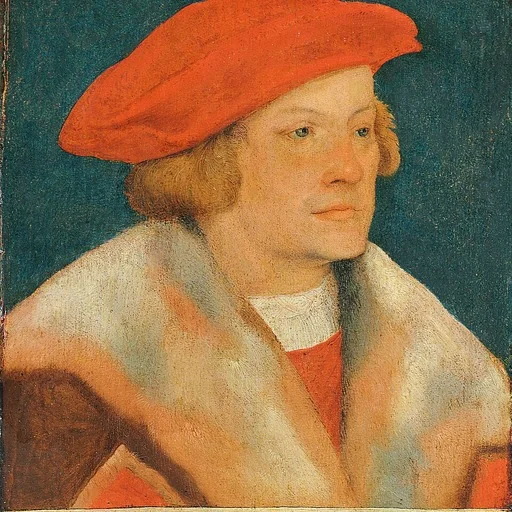
Artist
Hans Leonhard Schäufelein (1480–1540) was an artist, born in Nuremberg.

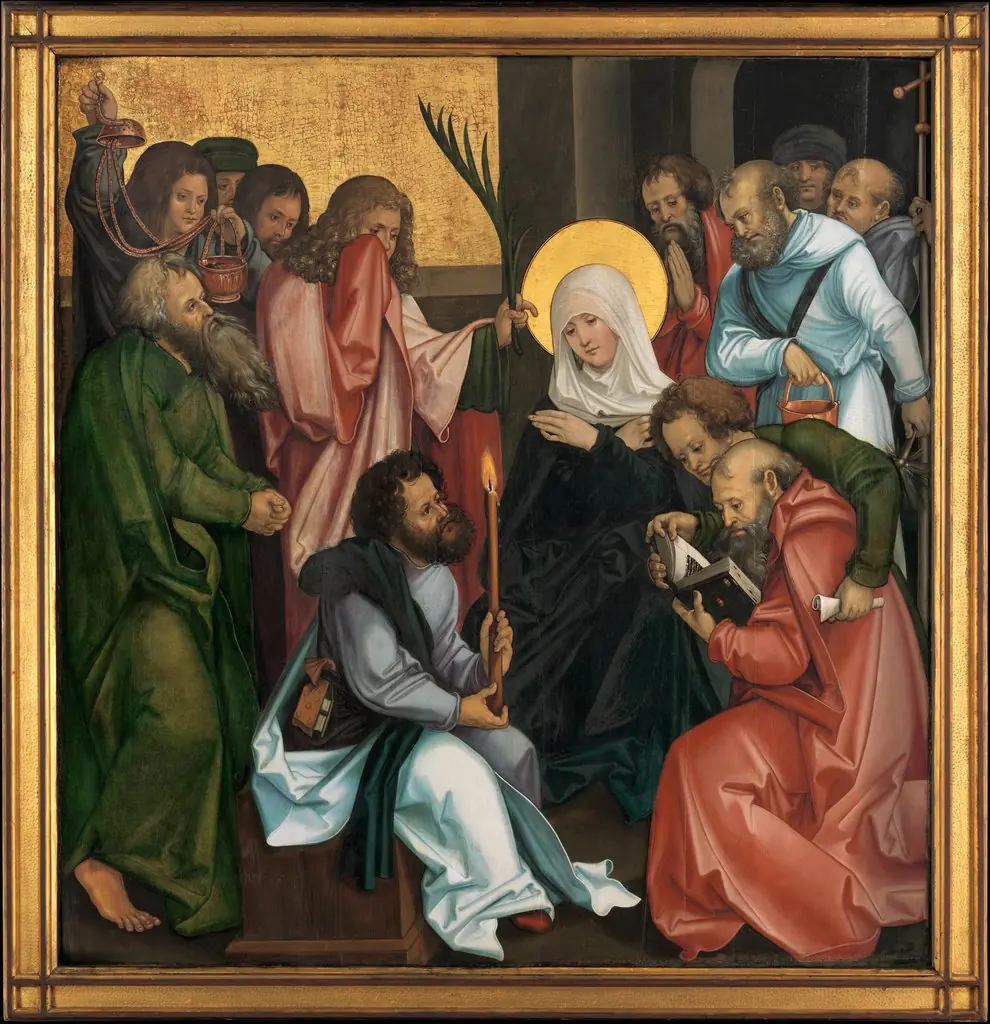 The Dormition of the Virgin; (reverse) Christ Carrying the Cross
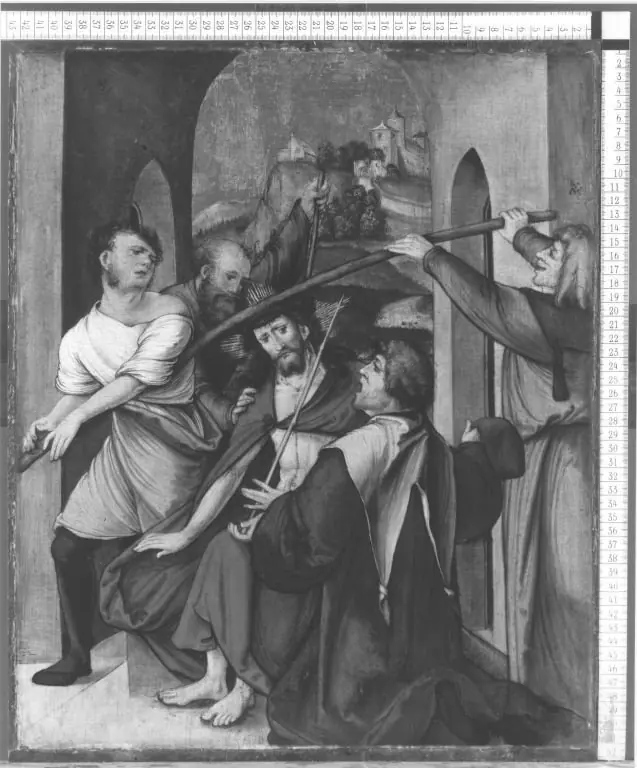 Christ crowned with thorns
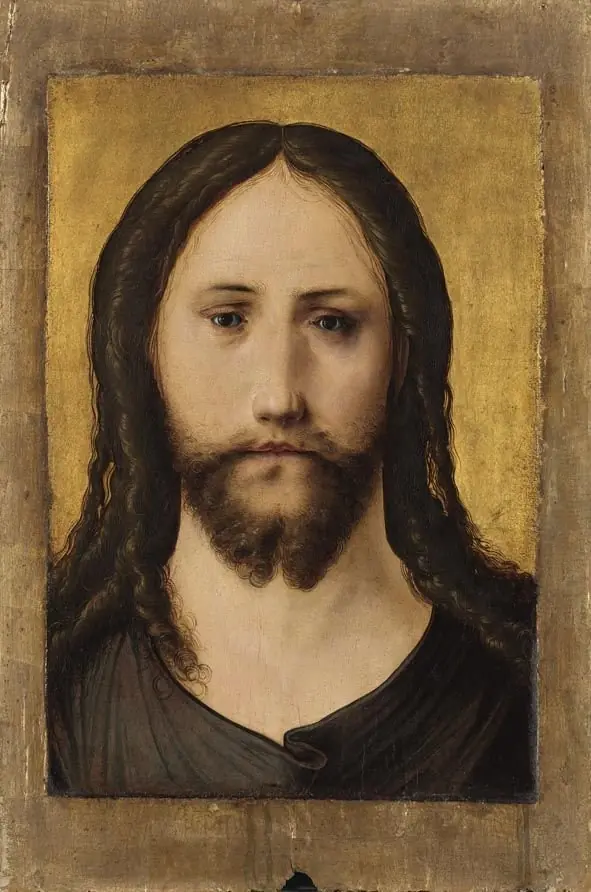 Christuskopf
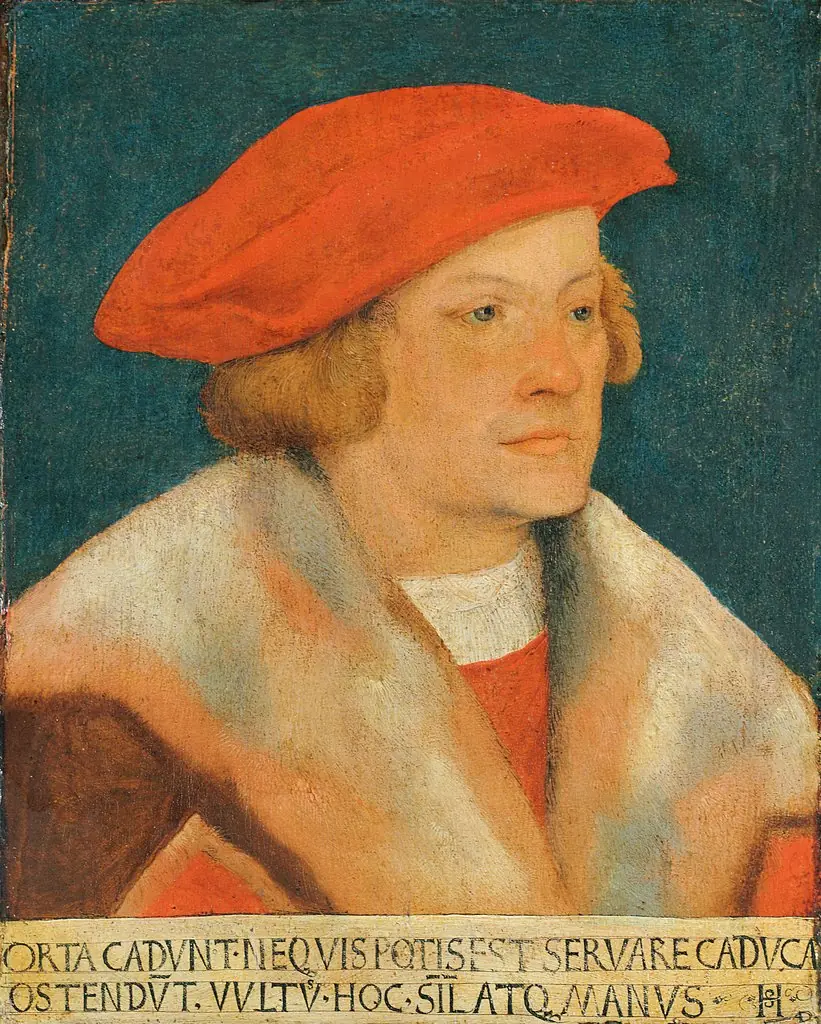 Portrait of a Man (Self-portrait?)
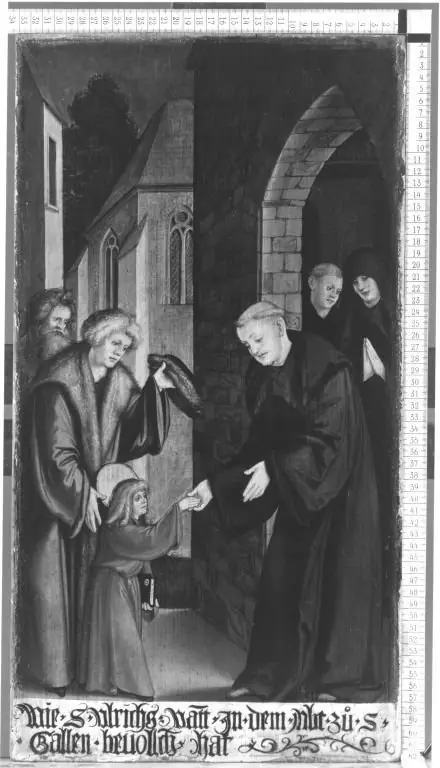 Der hl. Ulrich vor dem Abt von St. Gallen
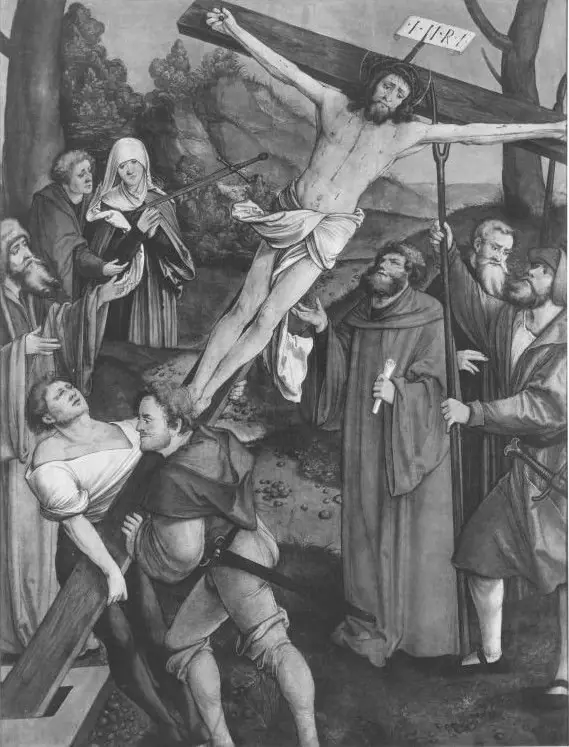 Christgartner Altar: Fall Christi bei der Kreuzaufrichtung (Abgetrennte Rückseite von WAF 920)
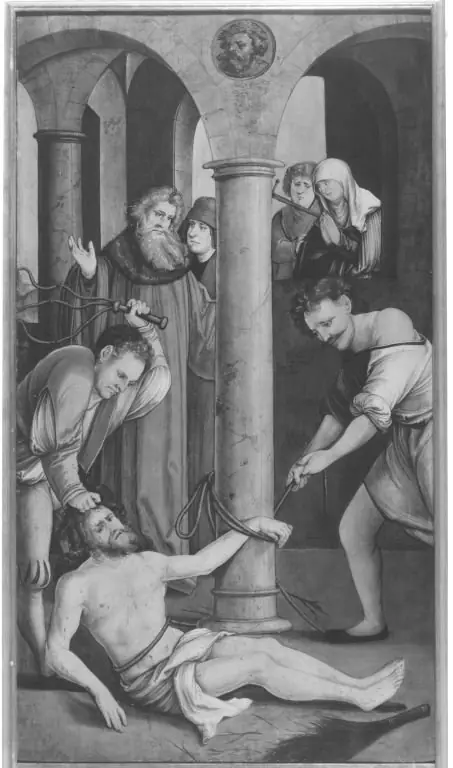 Fall of Christ during the Flagellation
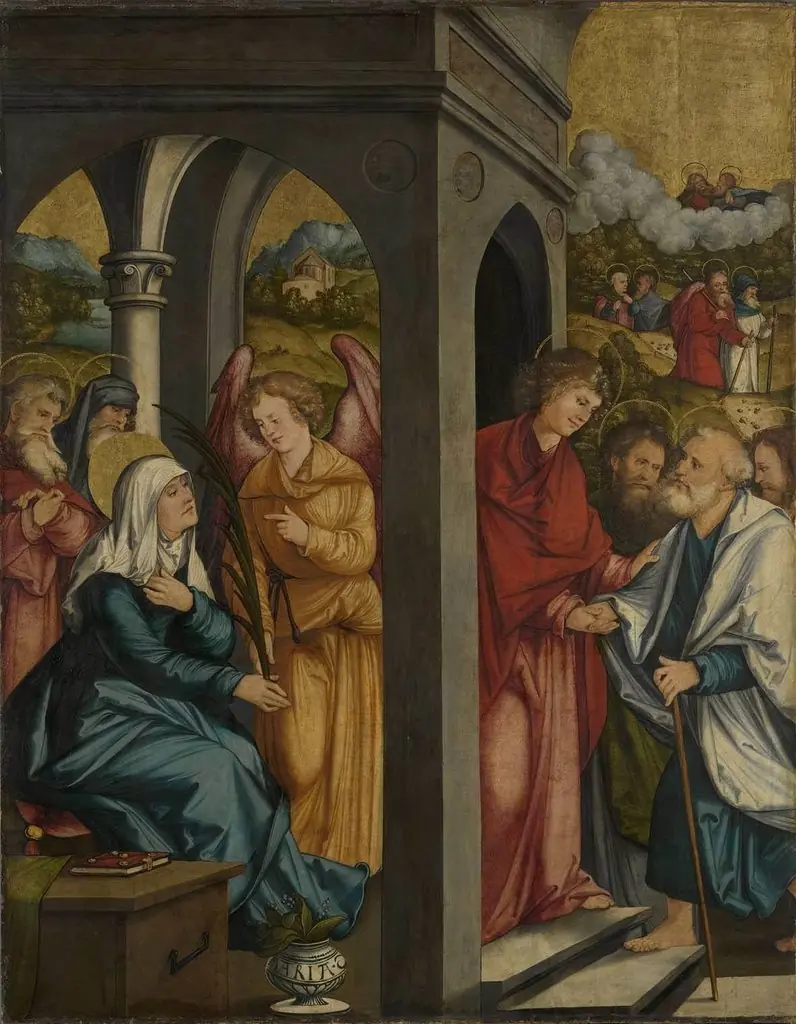 Christgartner Altar: Ein Engel reicht Maria die Palme