Artwork
Philip II
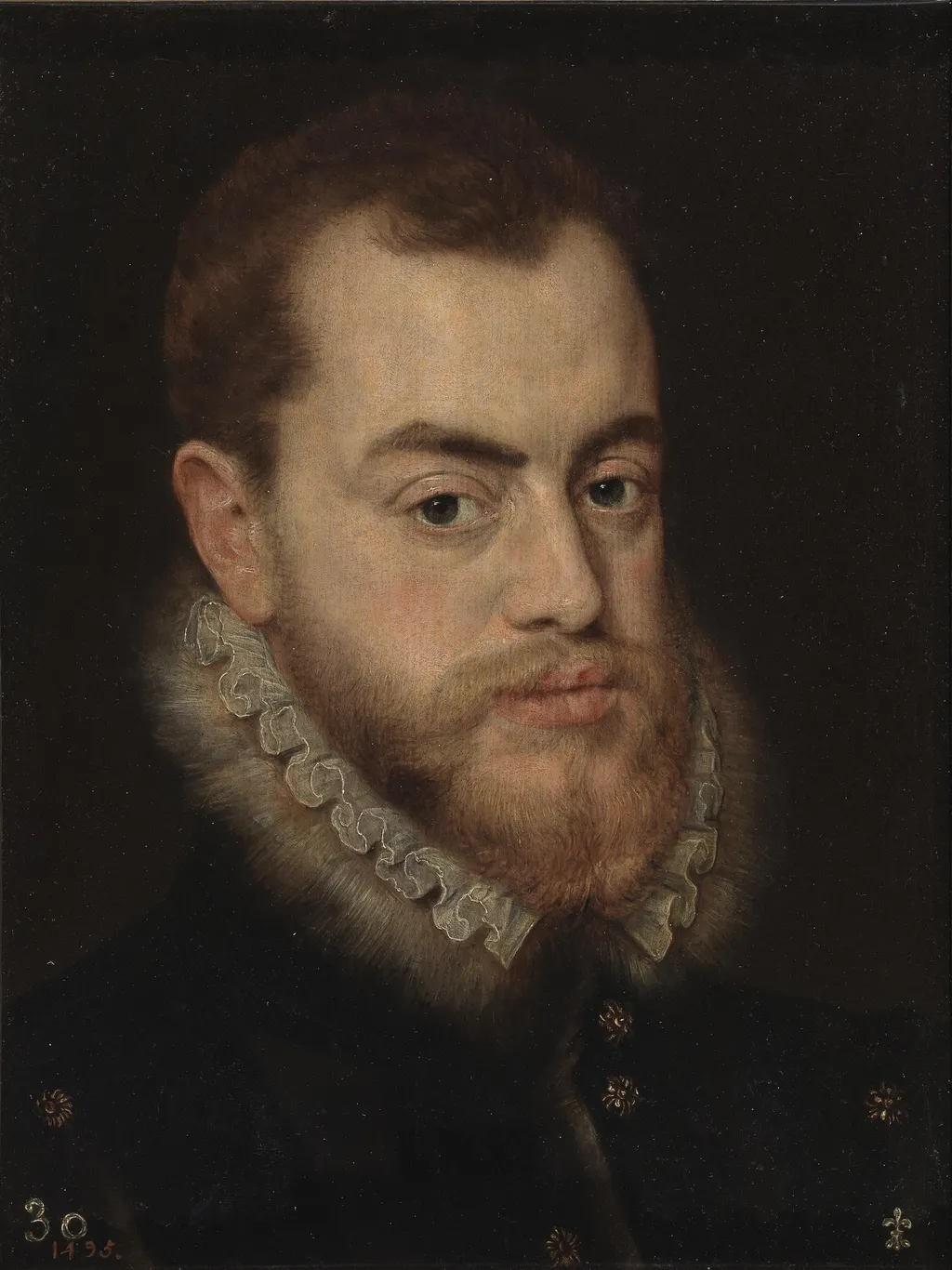
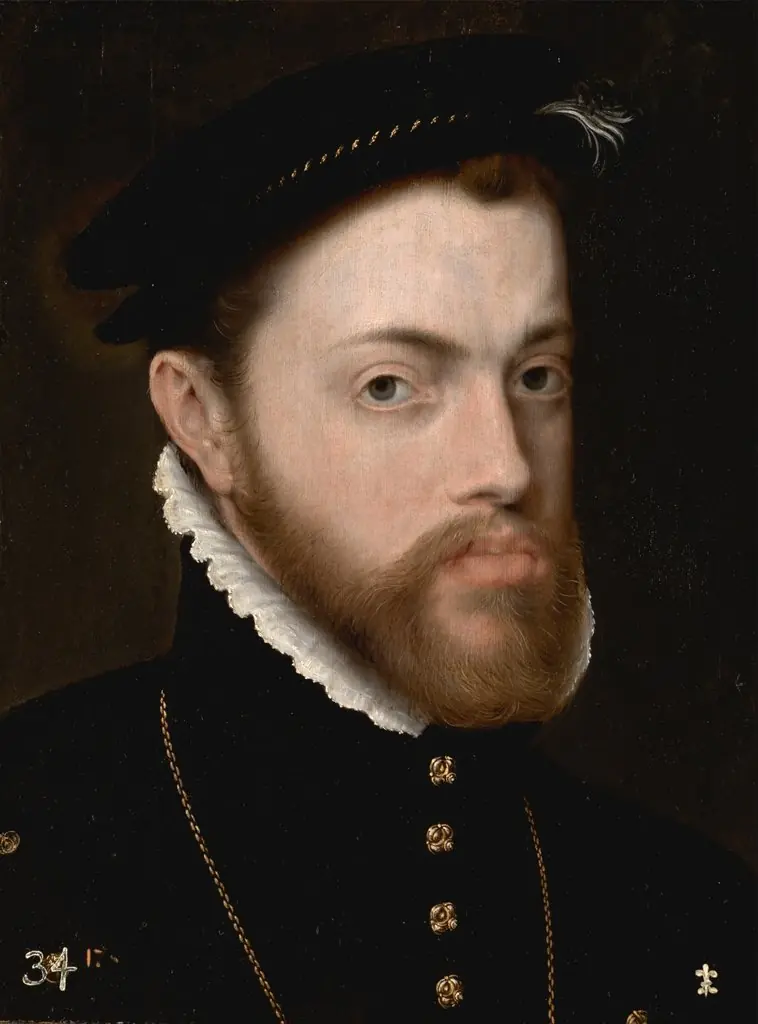
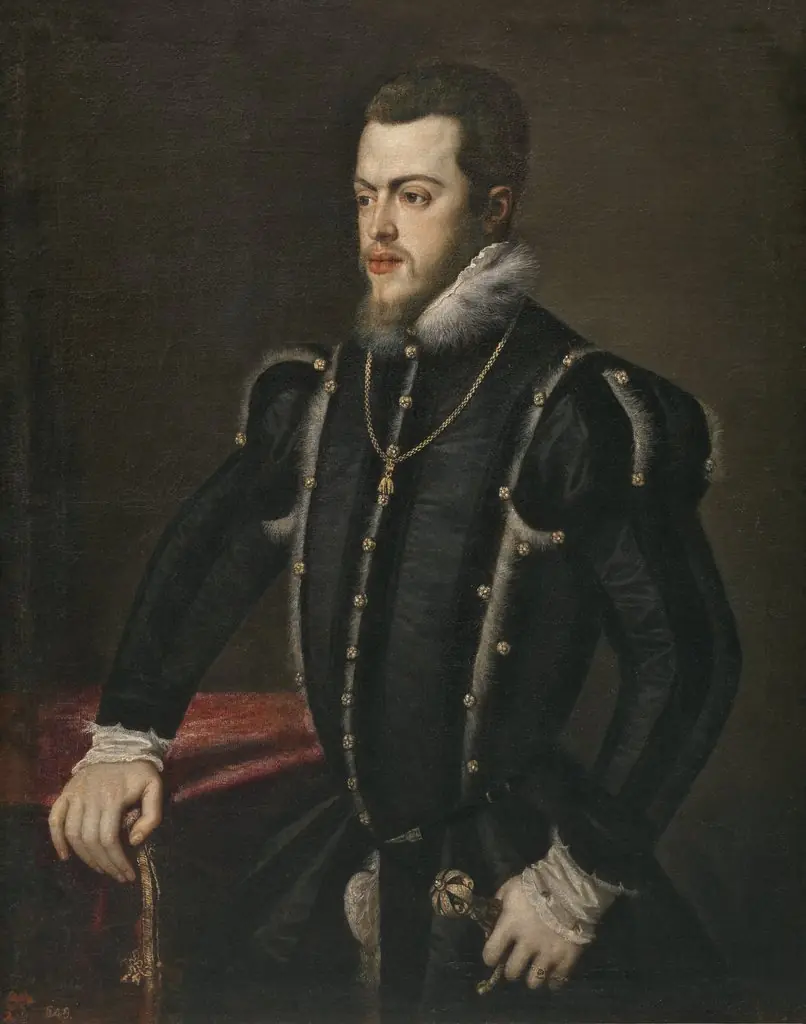
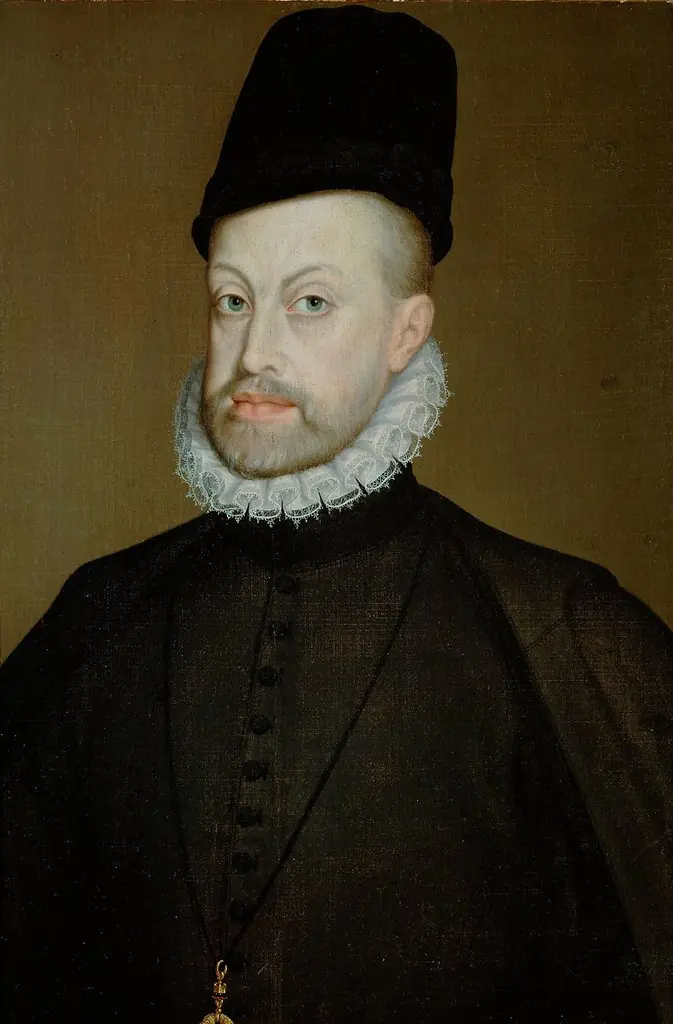
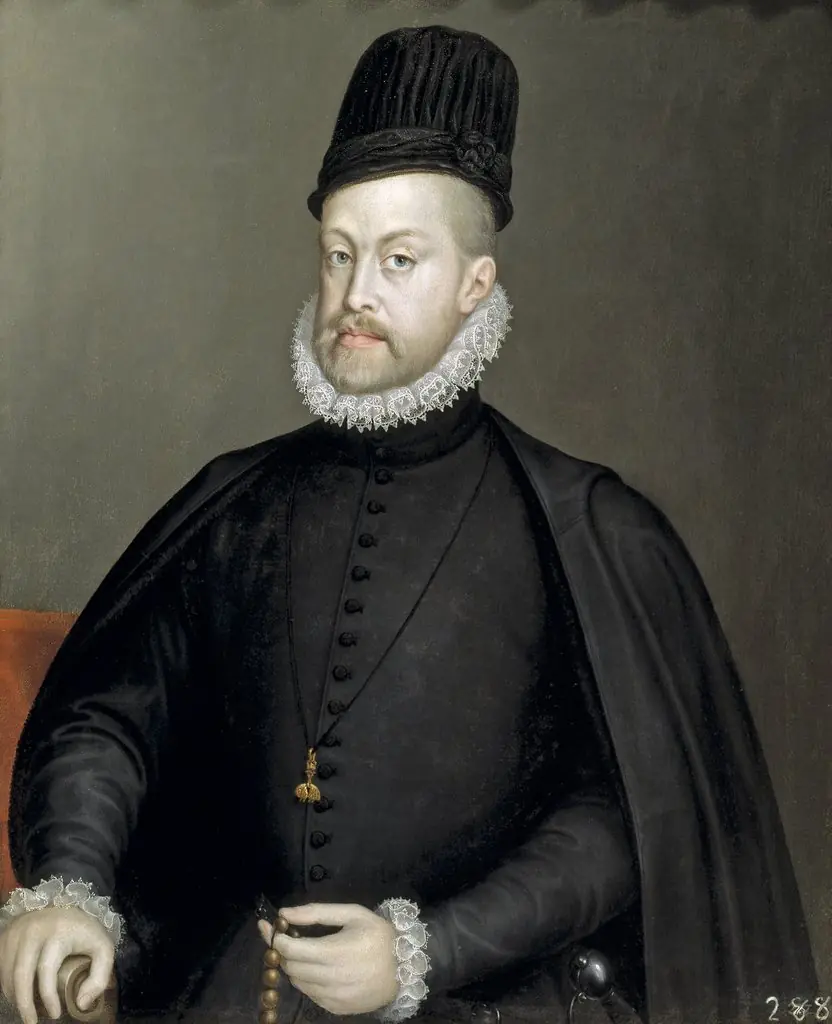
Philip II is an oil painting by the Northern Renaissance artist Lucas de Heere. It dates from 1550 and is held in the collection of the Museo del Prado.
About this work
Overview
Around 1550 Lucas de Heere, a Flemish painter noted for his portraiture, created an oil on canvas depiction of Philip II of Spain. Executed in the Northern Renaissance idiom, the work presents the monarch in the fashion of his time and is presently part of the Museo del Prado’s collection in Madrid.
Subject & Meaning
The sitter is shown with a solemn expression, a trimmed beard and a dark moustache, dressed in a black garment accented by an elaborate white lace collar. The emphasis on his face, set against an unadorned black background, underscores his authority and the personal gravity associated with the Spanish king.
Technique & Style
Heere employs a restrained chiaroscuro, allowing the illuminated features of the head to emerge from the surrounding darkness. The meticulous rendering of the lace collar demonstrates a keen attention to texture, while the overall composition reflects the Northern Renaissance focus on detailed surface treatment and realistic portrayal.
History & Provenance
The portrait has remained in Spain since its creation, eventually entering the holdings of the Prado Museum. Its attribution to Lucas de Heere is based on stylistic analysis and documentary evidence linking the artist’s activity in the mid‑sixteenth century to the Spanish court.
Context
During Philip II’s reign, portraiture served both diplomatic and propagandistic purposes, presenting the monarch as a dignified ruler. Heere’s Flemish background brought a distinct visual language to the Spanish court, merging Northern detail with the emerging tastes of the Habsburg monarchy.
Own this work as a print
Artist & collection
Artist
Lucas de Heere or Lucas d'Heere (Ghent, 1534 – possibly Paris, 29 August 1584) was a Flemish painter, watercolorist, print artist, biographer, playwright, poet and writer.

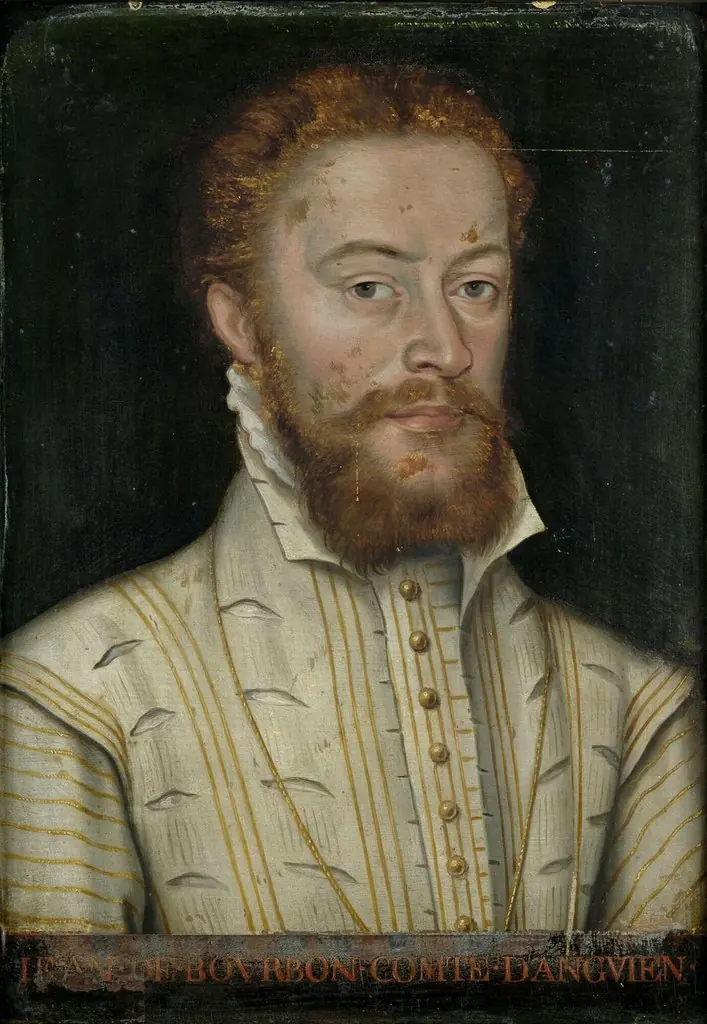 Jean de Bourbon, comte de Soissons et d'Enghien
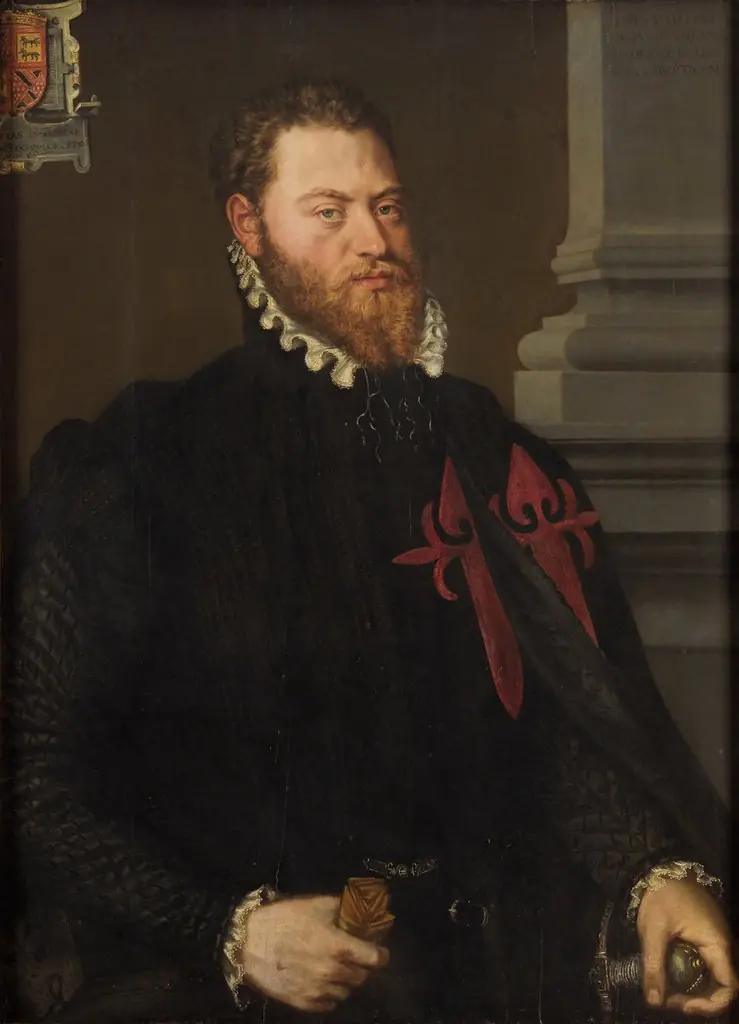 Don Inigo López de Mendoza y Zuniga
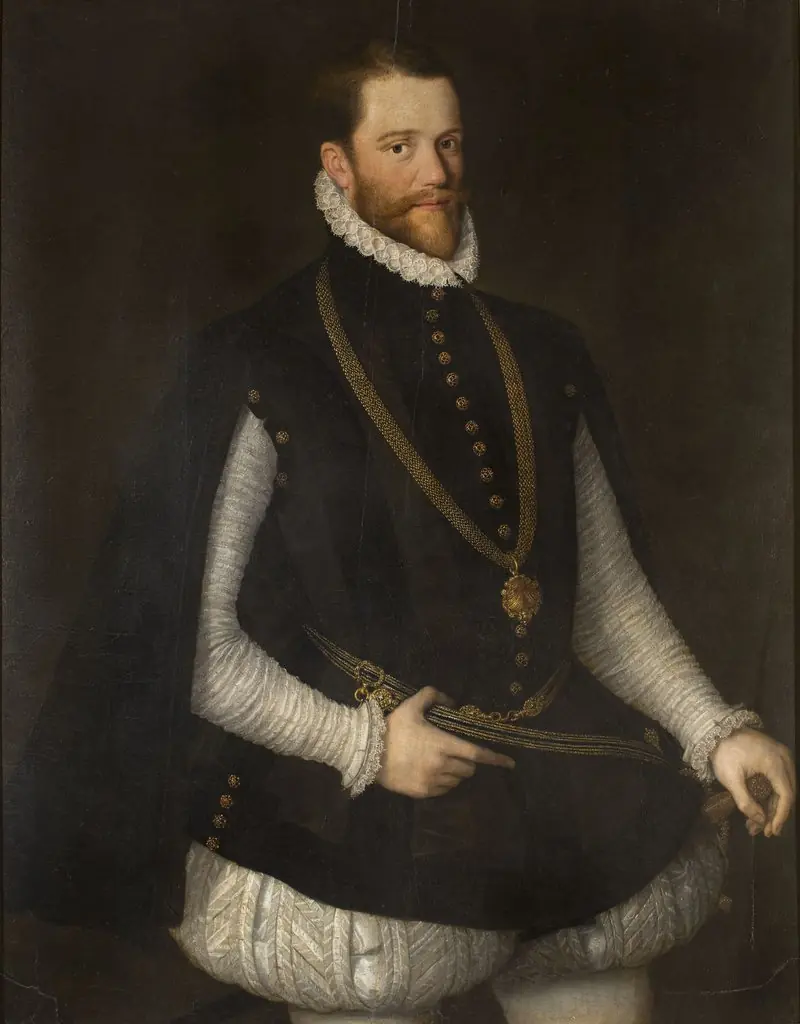 Portrait of a Gentleman of the order of Saint James
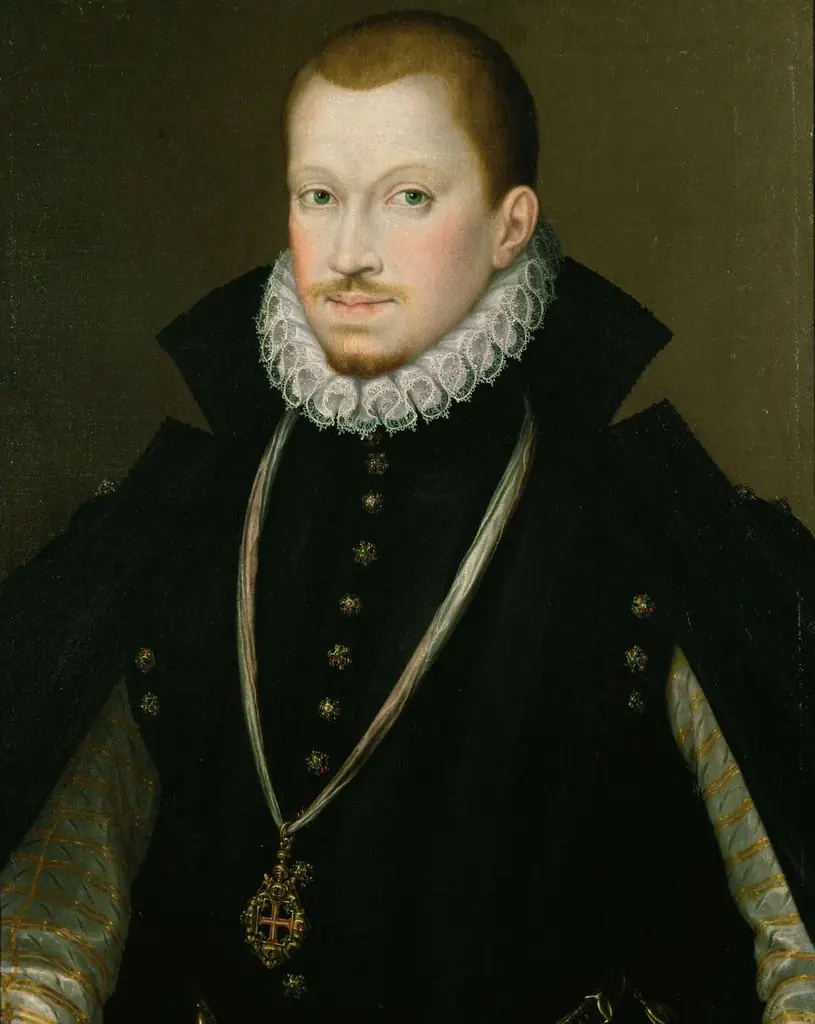 Don Sebastian (1554-nach 1578), König von Portugal, mit dem Kreuz des Christusordens, Halbfigur (beschnitten)
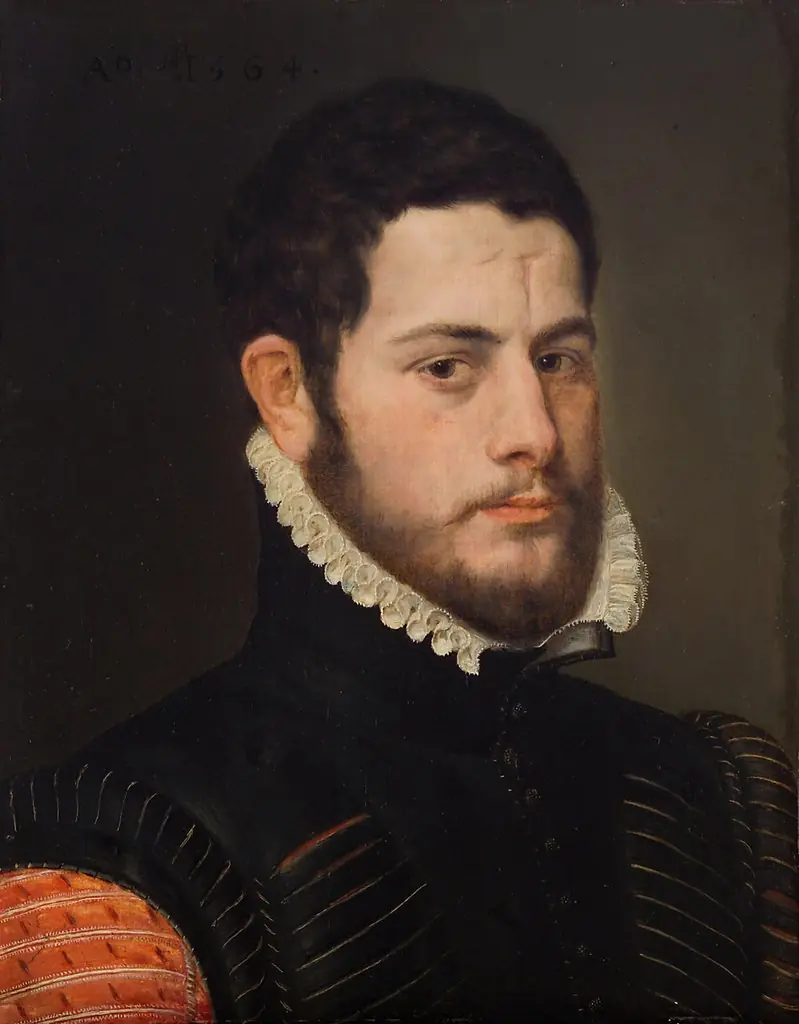 Portrait of a Man with Brow
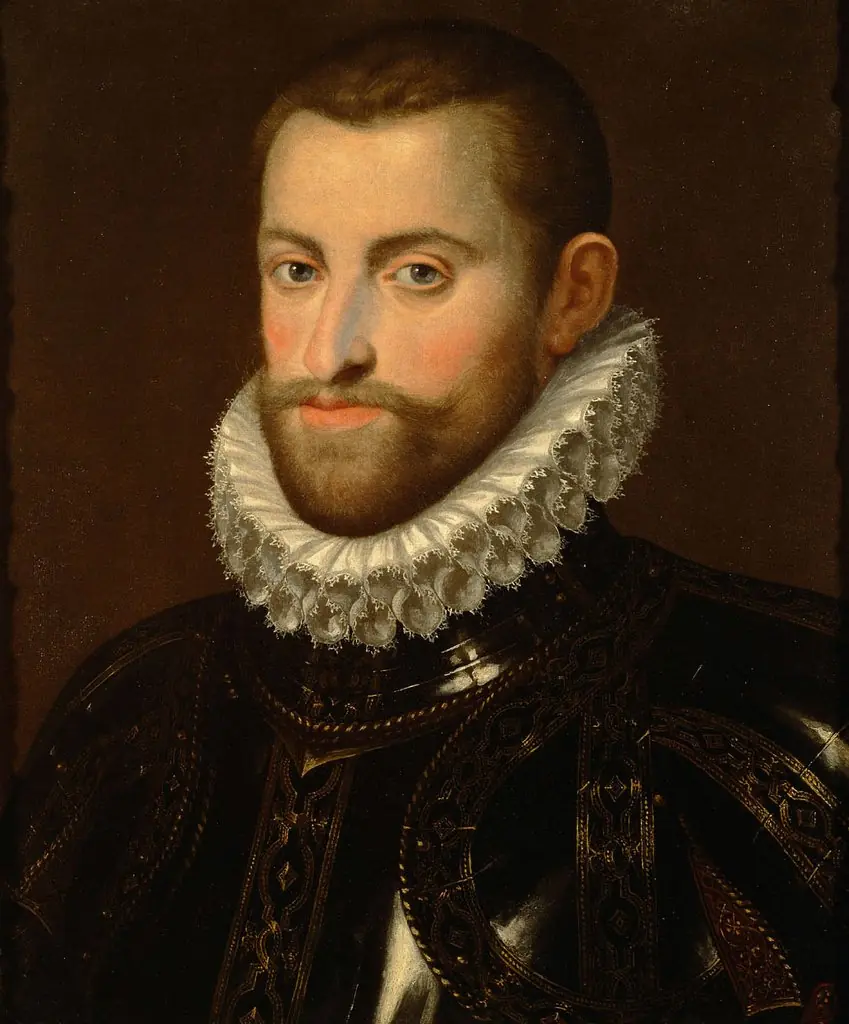 Erzherzog Ernst im Harnisch, Brustbild
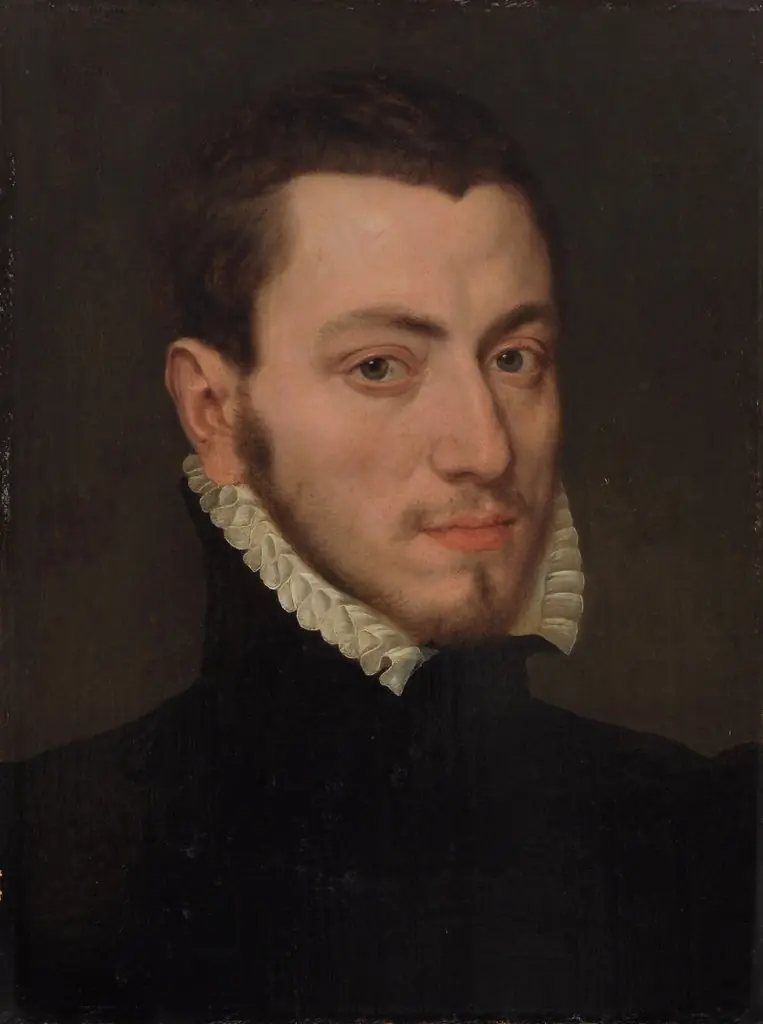 Male Portrait
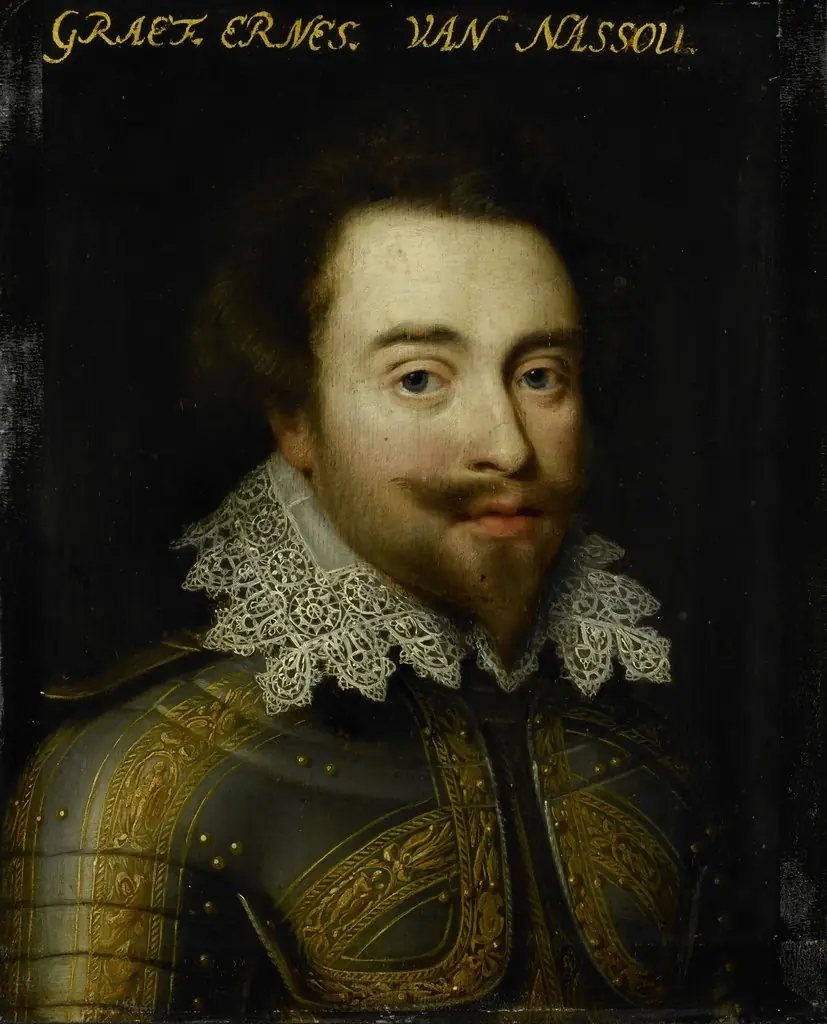 Portrait of Johan Ernst I (1582-1617), Count of Nassau-Siegen