Artwork
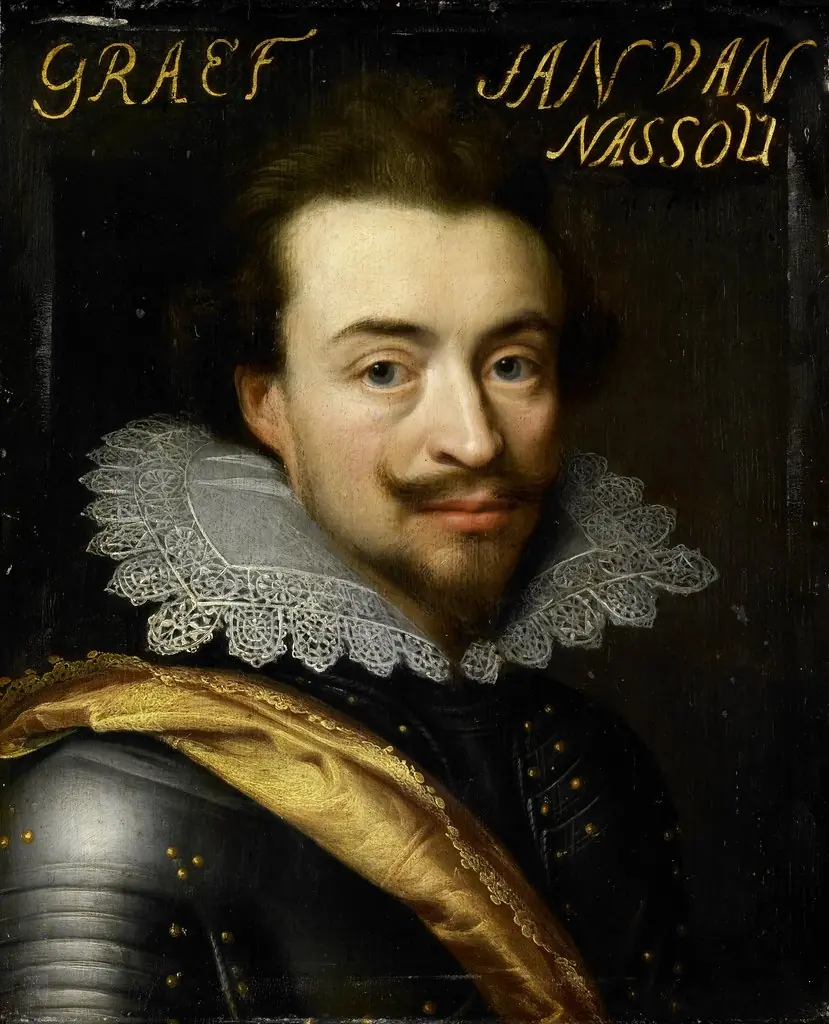
Portrait of Johan Ernst I (1582-1617), Count of Nassau-Siegen
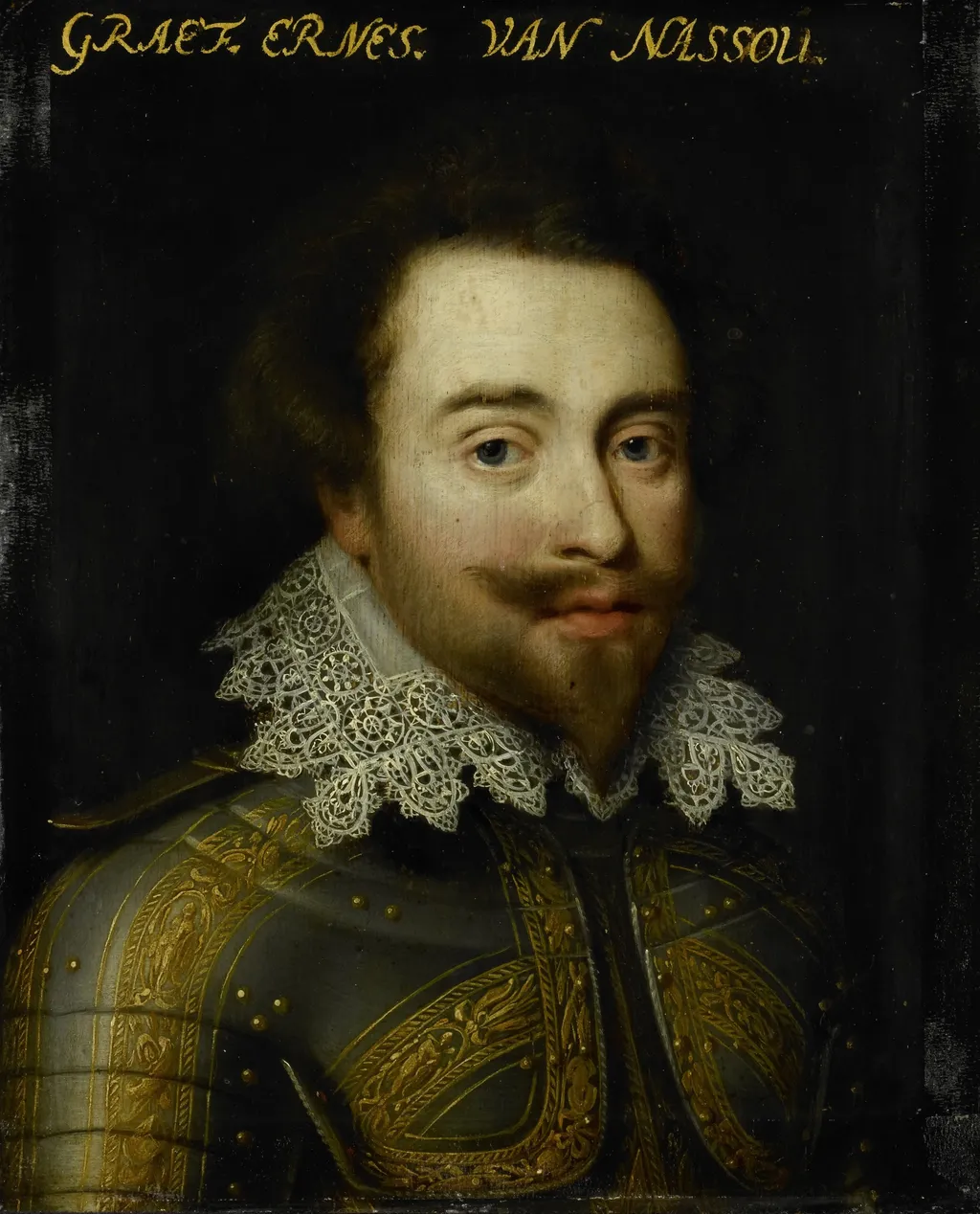
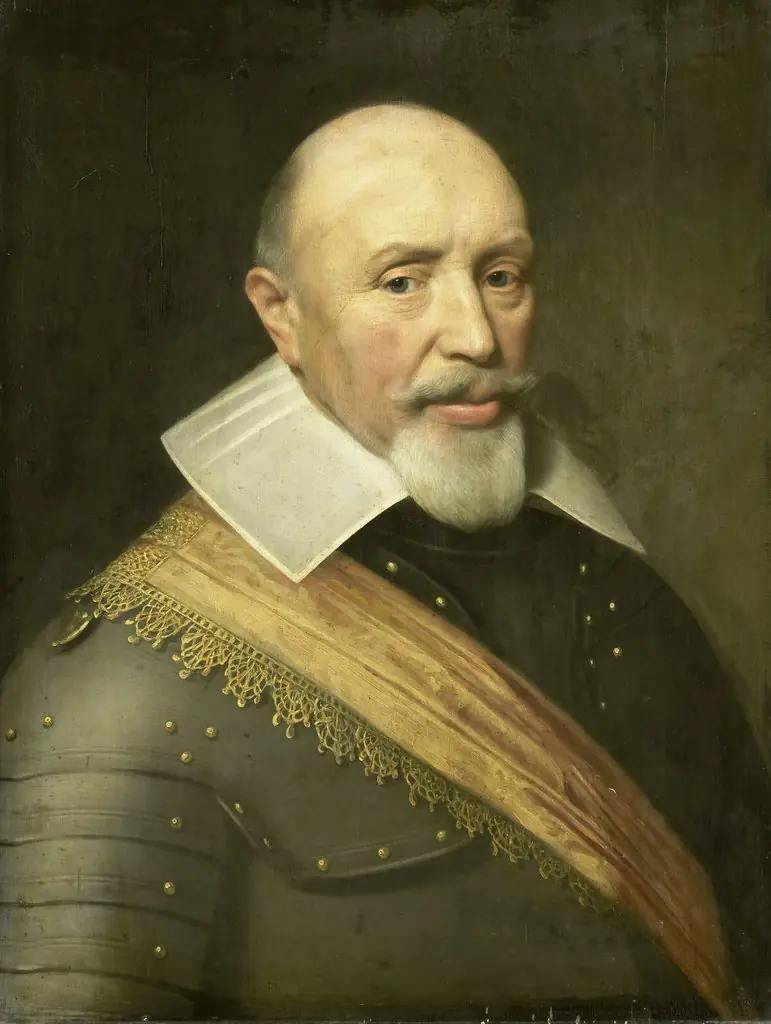
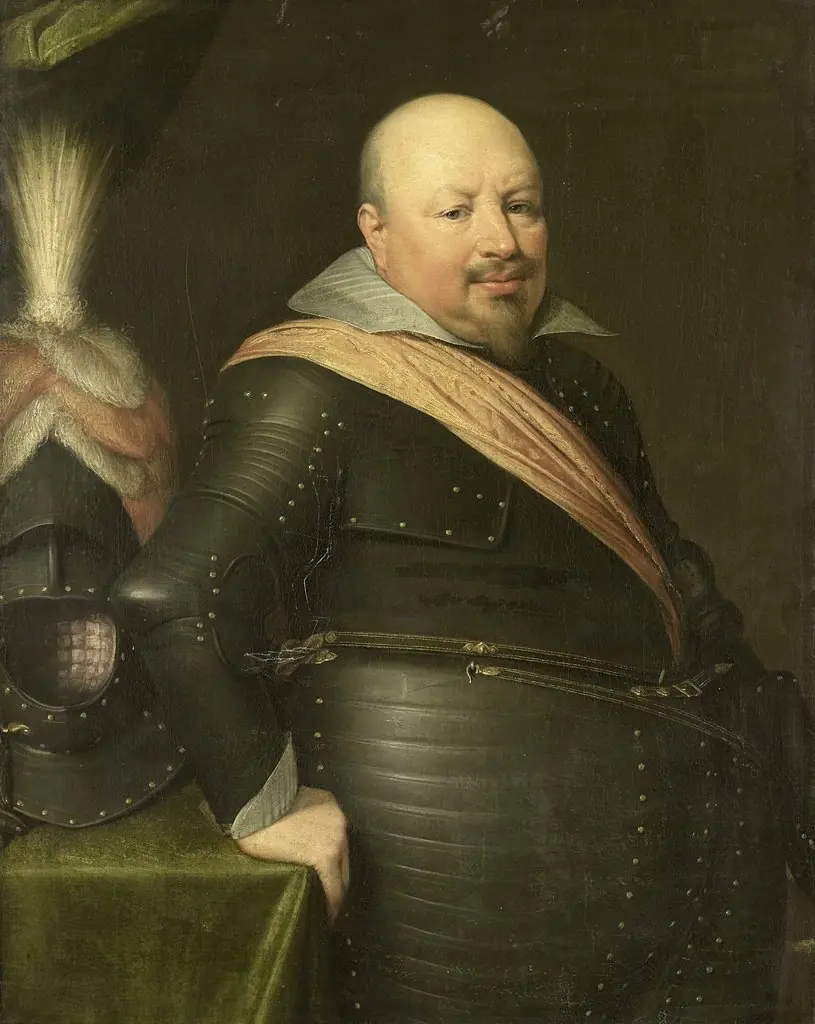
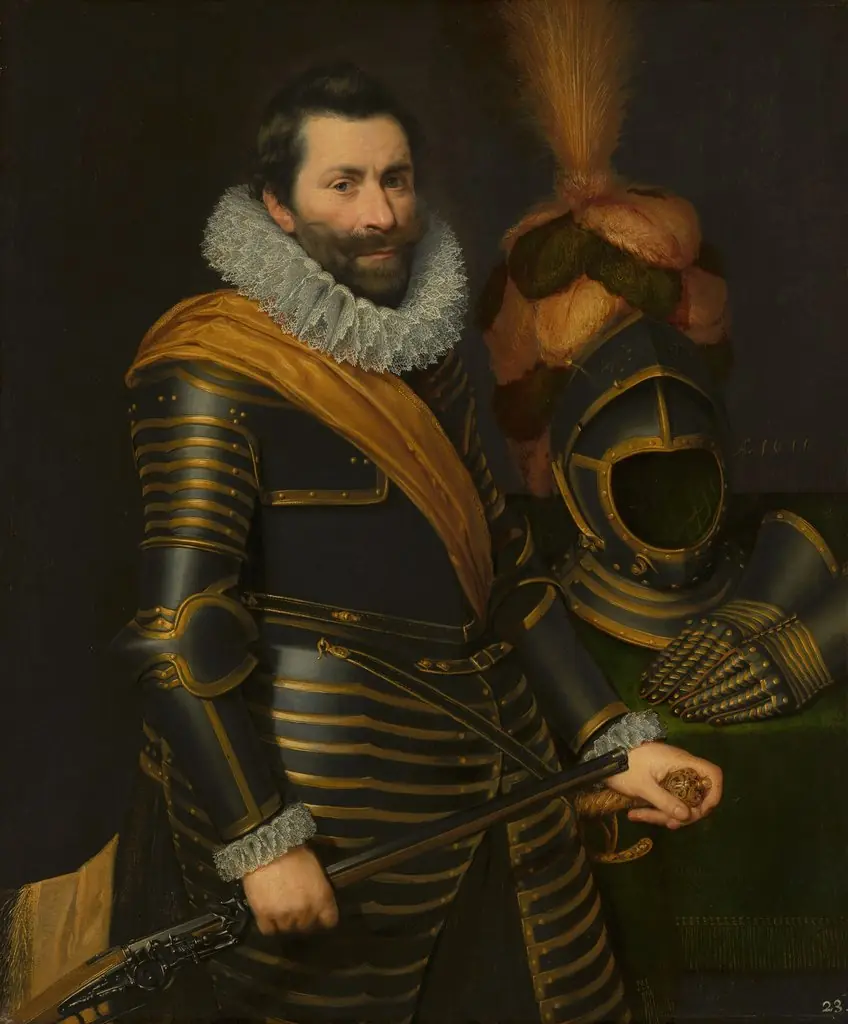
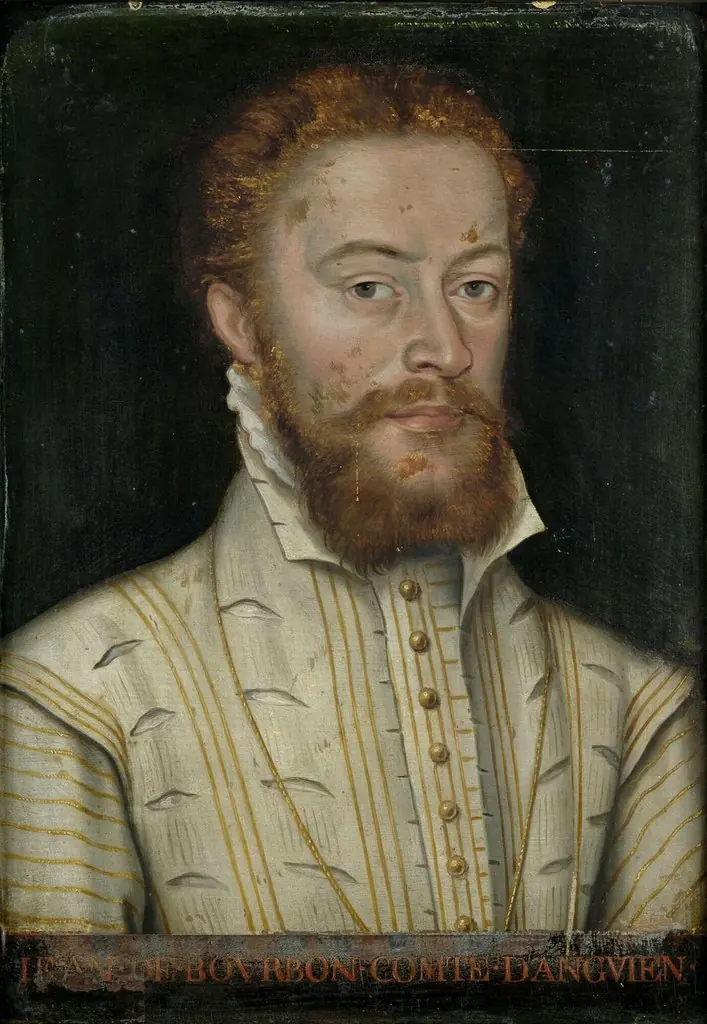
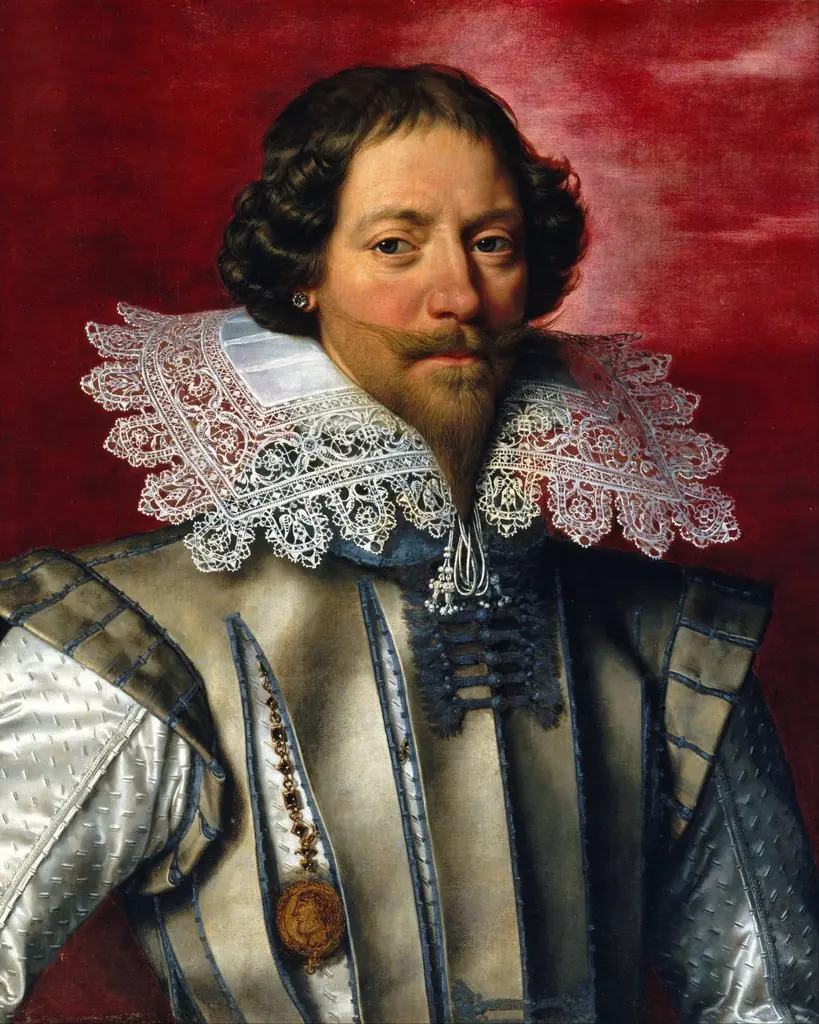
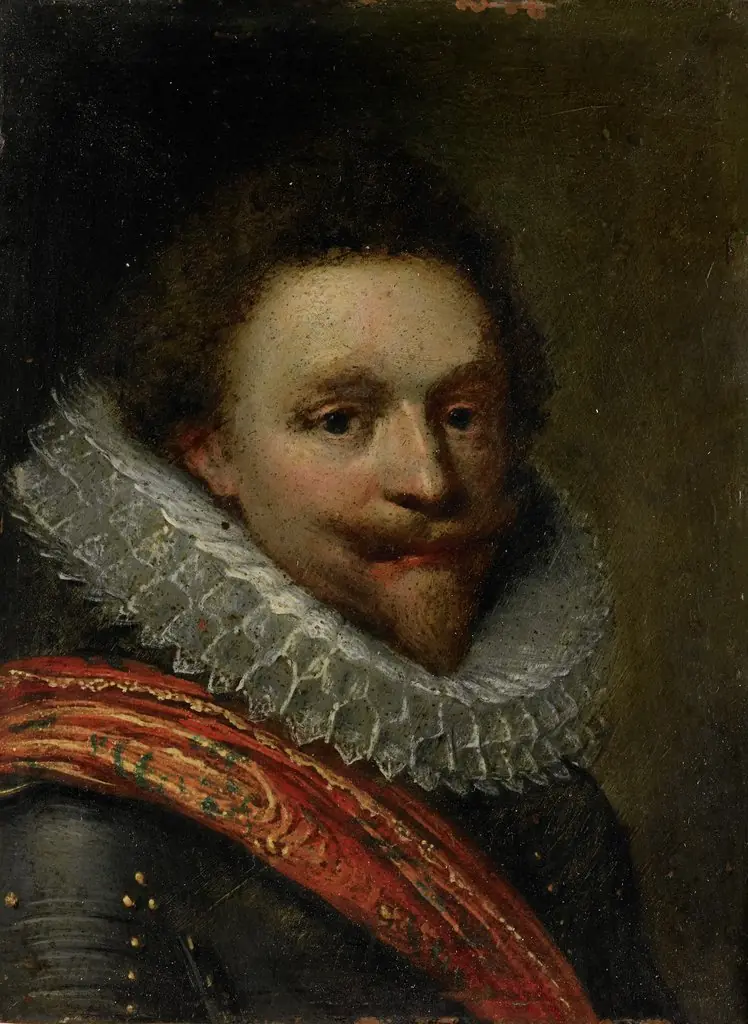
Portrait of Johan Ernst I (1582-1617), Count of Nassau-Siegen is an oil painting by the Dutch Golden Age artist Jan van Ravesteyn. It dates from 1621 and is held in the collection of the Rijksmuseum.
About this work
Overview
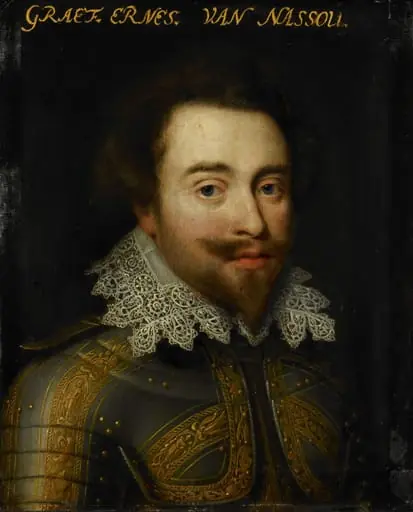
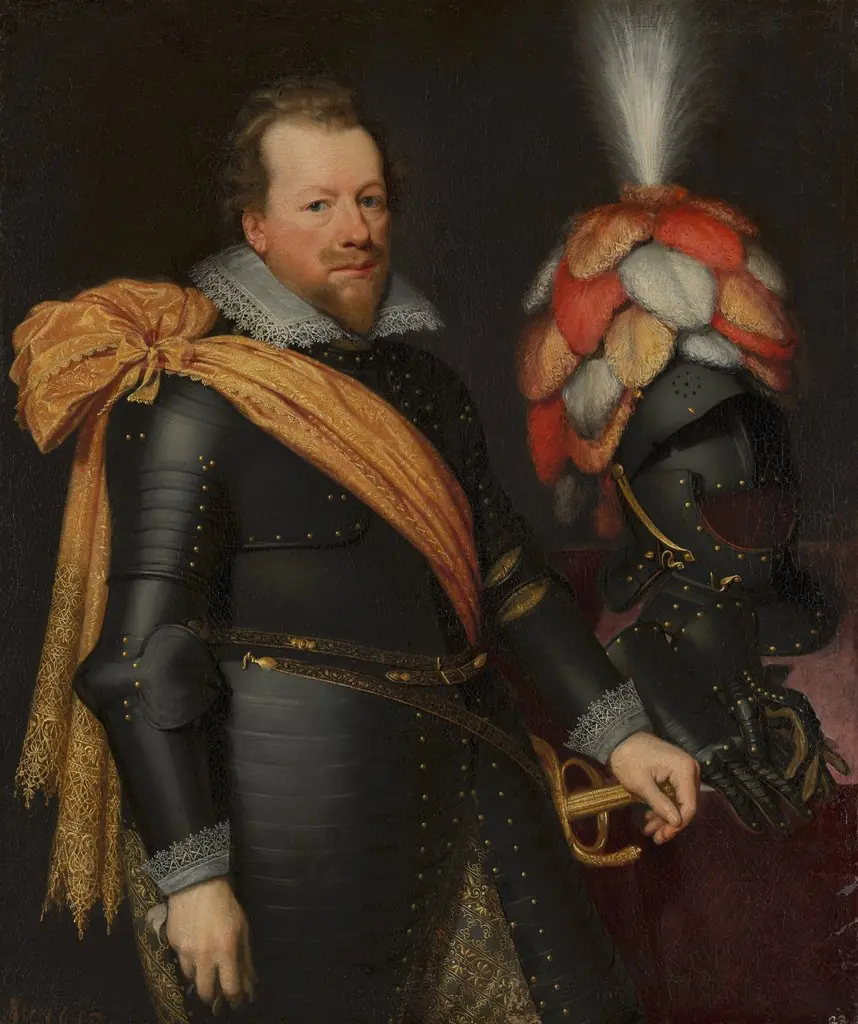
Executed in 1621 by Jan van Ravesteyn, this oil portrait presents Johan Ernst I, Count of Nassau‑Siegen, in a half‑length format. The sitter is shown against a dark, unadorned backdrop, his attire highlighted by a richly embroidered doublet and a lace collar. The painting resides in the Rijksmuseum’s collection, exemplifying the refined portraiture of the Dutch Golden Age.
Subject & Meaning
The work captures the young count at the height of his status, his posture and slight smile conveying confidence and authority. Elements such as the gold‑threaded sleeves and the formal collar allude to his noble rank and possible military affiliations, while the restrained expression reflects the period’s preference for dignified, sober representation of aristocratic identity.
Technique & Style
Ravesteyn employs a subtle chiaroscuro, allowing the illuminated fabrics to emerge from the deep shadows of the background.
Ravesteyn employs a subtle chiaroscuro, allowing the illuminated fabrics to emerge from the deep shadows of the background. The brushwork is smooth, particularly in rendering the lace and embroidered details, while the flesh tones are modeled with delicate gradations that give the face a lifelike presence. The overall composition adheres to the restrained elegance typical of early‑17th‑century Dutch court portraiture.
History & Provenance
Commissioned shortly after the count’s accession, the portrait entered the Dutch court’s visual record before eventually being acquired by the Rijksmuseum. Its documented provenance traces a clear line from the original patronage in The Hague to its present public setting, confirming its authenticity and continuous appreciation as a historical document.
Context
Created during the Dutch Golden Age, the painting reflects the era’s flourishing artistic production and the court’s demand for portraits that combined personal likeness with symbols of status. Jan van Ravesteyn, a prominent portraitist in The Hague, catered to aristocratic clients, and this work exemplifies his role in shaping the visual culture of the Dutch elite in the early 17th century.
Artist & collection
Artist
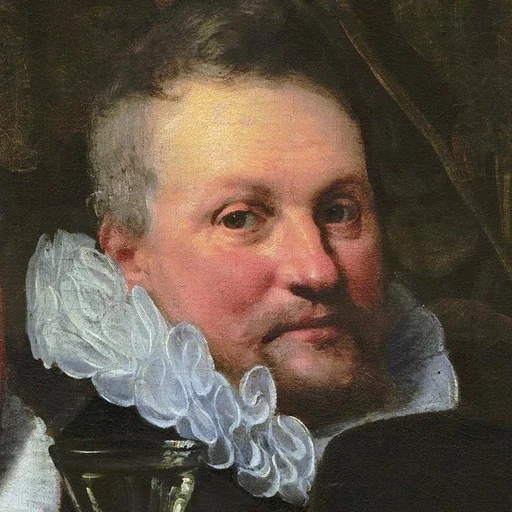
Jan Anthoniszoon (abbr. Anthonisz.) van Ravesteyn (c. 1572 – buried 21 June 1657) was a successful portrait painter to the Dutch court in The Hague.