Artwork
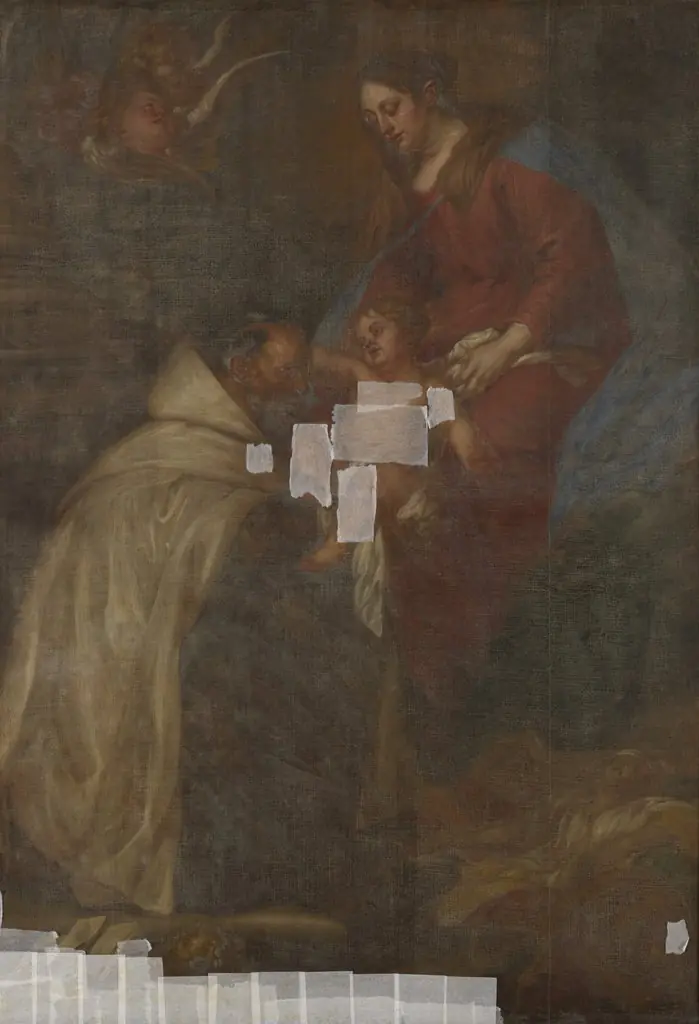
The Virgin and Child in a Glory of Angels
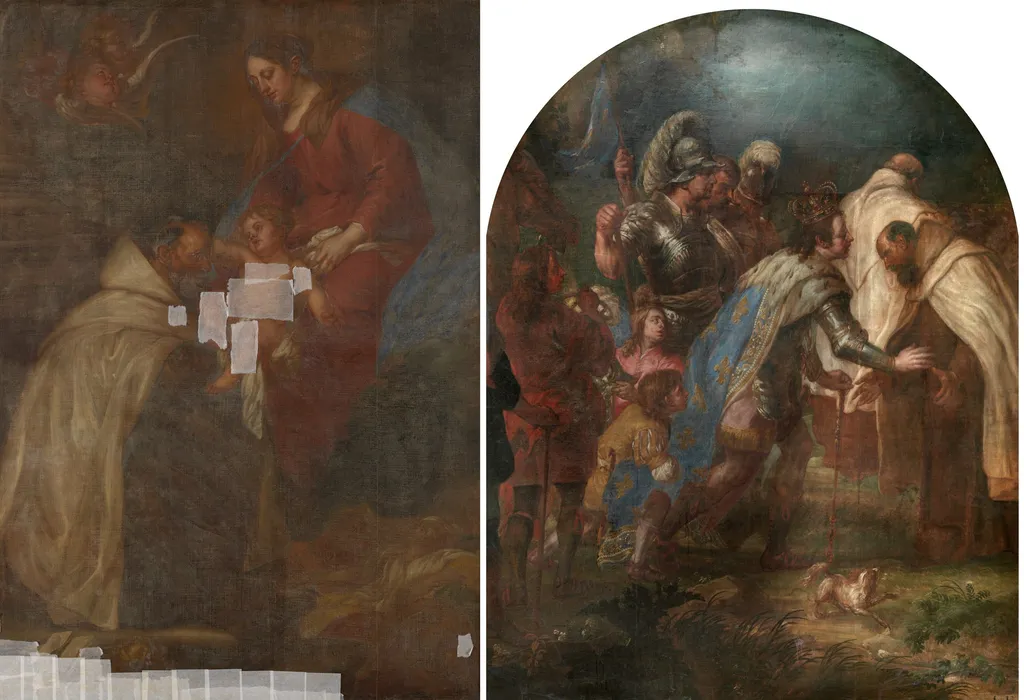
The Virgin and Child in a Glory of Angels is an unspecified painting by Lucas Franchoys the Younger. It dates from 1658 and is held in the collection of the Royal Museum of Fine Arts Antwerp.
About this work
Overview
The painting resides in the Royal Museum of Fine Arts Antwerp, where it remains a key example of mid-17th-century Catholic imagery in the Southern Netherlands.
Painted around 1658 by Lucas Franchoys the Younger, this work is a devotional altarpiece depicting the Virgin Mary and Christ Child enveloped by a celestial assembly of angels. Executed in the Flemish Baroque tradition, it reflects Franchoys’s specialization in religious subjects and his stylistic alignment with the elegance of Anthony van Dyck. The painting resides in the Royal Museum of Fine Arts Antwerp, where it remains a key example of mid-17th-century Catholic imagery in the Southern Netherlands.
Subject & Meaning
The Virgin, seated in quiet dignity, holds the Christ Child, whose presence signifies divine incarnation. Surrounding them, angels in varied postures of adoration reinforce the sacredness of the moment. A kneeling figure in white, likely a donor or faithful worshipper, grounds the scene in human reverence, bridging earthly devotion and heavenly glory. The composition affirms Marian intercession, a central theme in Counter-Reformation piety, inviting viewers to contemplate grace through contemplative stillness.
Technique & Style
Franchoys employs chiaroscuro to model the figures with soft, sculptural volume against a deep, shadowed background. A golden luminescence emanates from the central pair, drawing focus without harsh contrast. The angels’ wings and drapery are rendered with delicate brushwork, suggesting movement and texture. The restrained palette and controlled lighting reflect Van Dyck’s influence, while the intimate scale and emotional restraint distinguish it from more theatrical Baroque alternatives.
History & Provenance
Commissioned likely for a private chapel or religious institution, the painting entered the collection of the Royal Museum of Fine Arts Antwerp in the 19th century. Its survival intact suggests continuous veneration or careful preservation. While no definitive documentation of its original location survives, its format and iconography align with devotional works produced in Mechelen during the mid-1600s, a period of renewed Catholic artistic patronage after the turmoil of the Reformation.
Context
Created during the height of the Counter-Reformation, the painting responds to Church efforts to reaffirm Marian devotion through visual means. Flemish artists like Franchoys were encouraged to produce emotionally resonant, theologically clear imagery for both public and private worship. The inclusion of a kneeling donor reflects the era’s practice of integrating patrons into sacred narratives, reinforcing personal piety within communal religious life.
Legacy
Though not widely reproduced, the work exemplifies the quiet refinement of Flemish religious painting after Van Dyck’s death. Franchoys’s restrained approach—emphasizing serenity over drama—offers a counterpoint to the more exuberant Baroque trends. Today, it stands as a testament to the enduring role of intimate, contemplative imagery in Catholic devotion, preserved as a cultural artifact of spiritual practice rather than mere artistic display.
Artist & collection
Artist
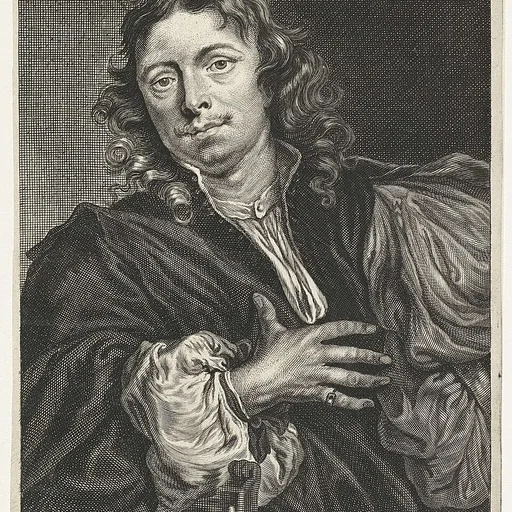
Lucas Franchoys the Younger or Lucas Franchoys II (28 June 1616 in Mechelen – 3 April 1681 in Mechelen) was a Flemish Baroque painter from Mechelen, who painted numerous altarpieces and portraits in a style reminiscent of Anthony van Dyck.

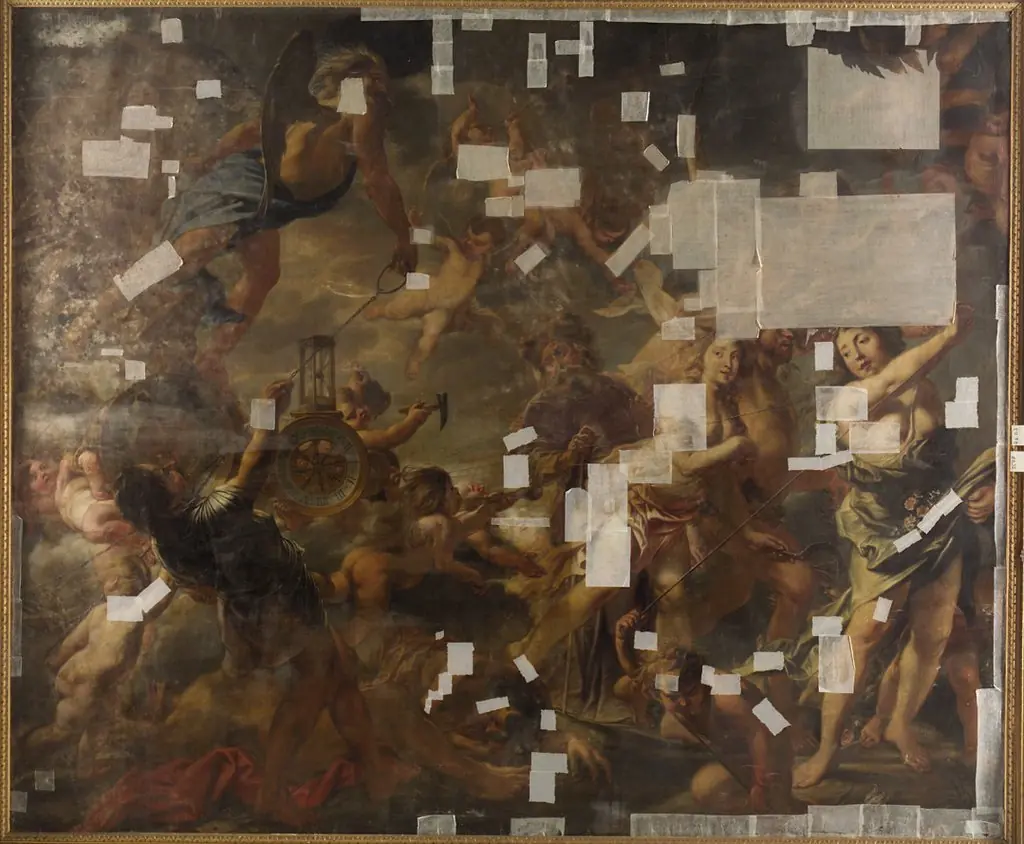 Triumph der Zeit
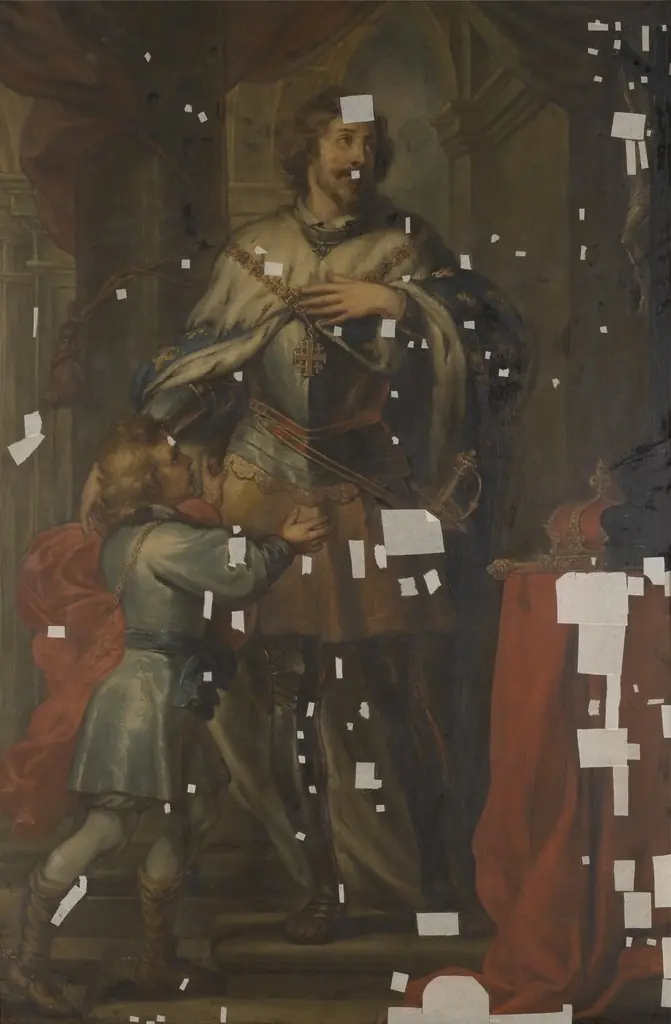 Saint Louis IX, King of France, the Crusader
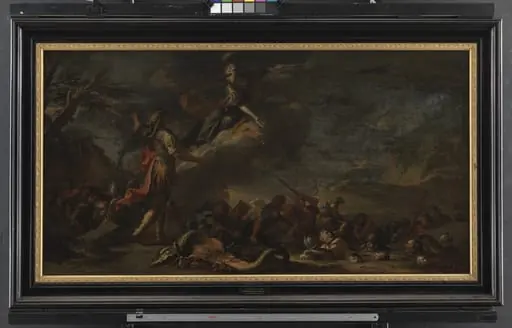 The Founding of Thebes
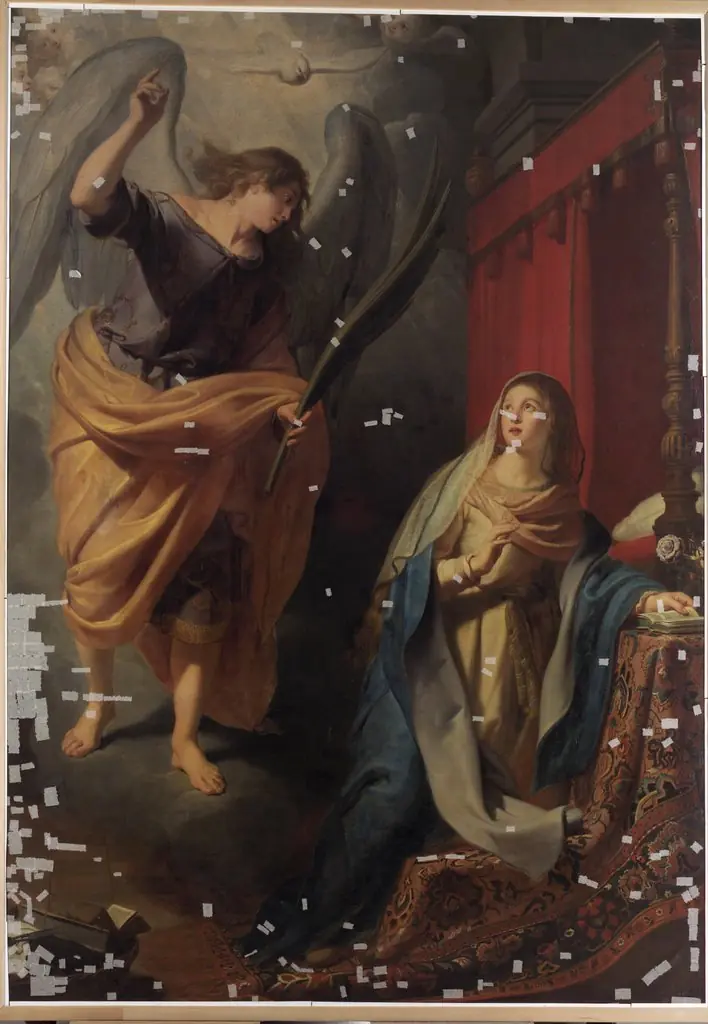 The Annunciation
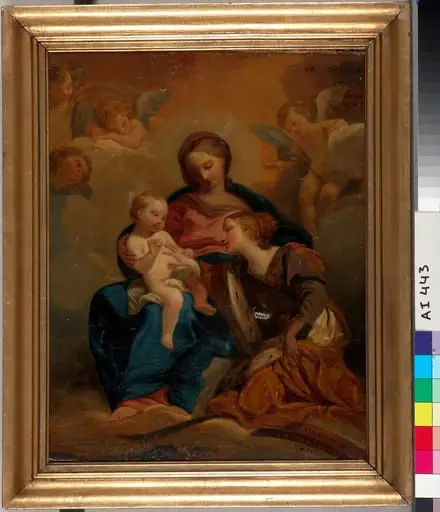 Pyhän Katariinan kihlaus, kopio
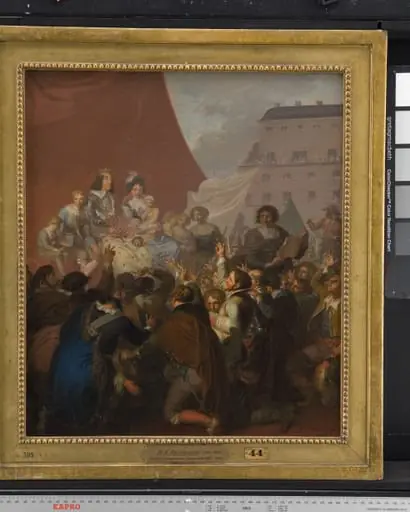 The Oath of Fealty in 1660
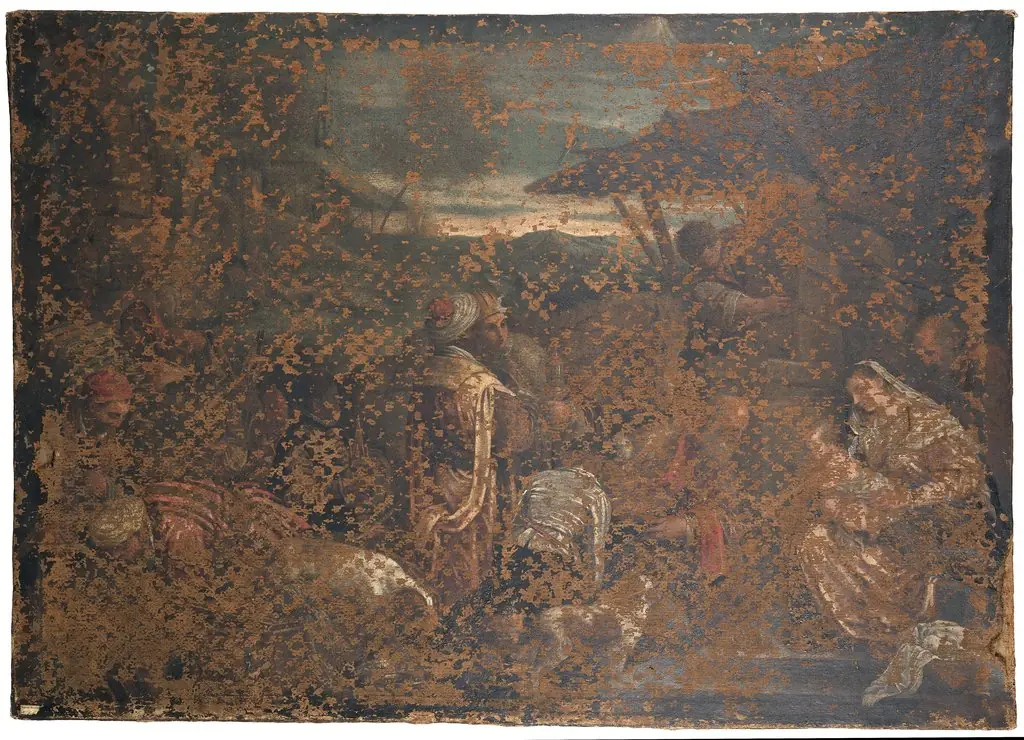 Konungarnas tillbedjan
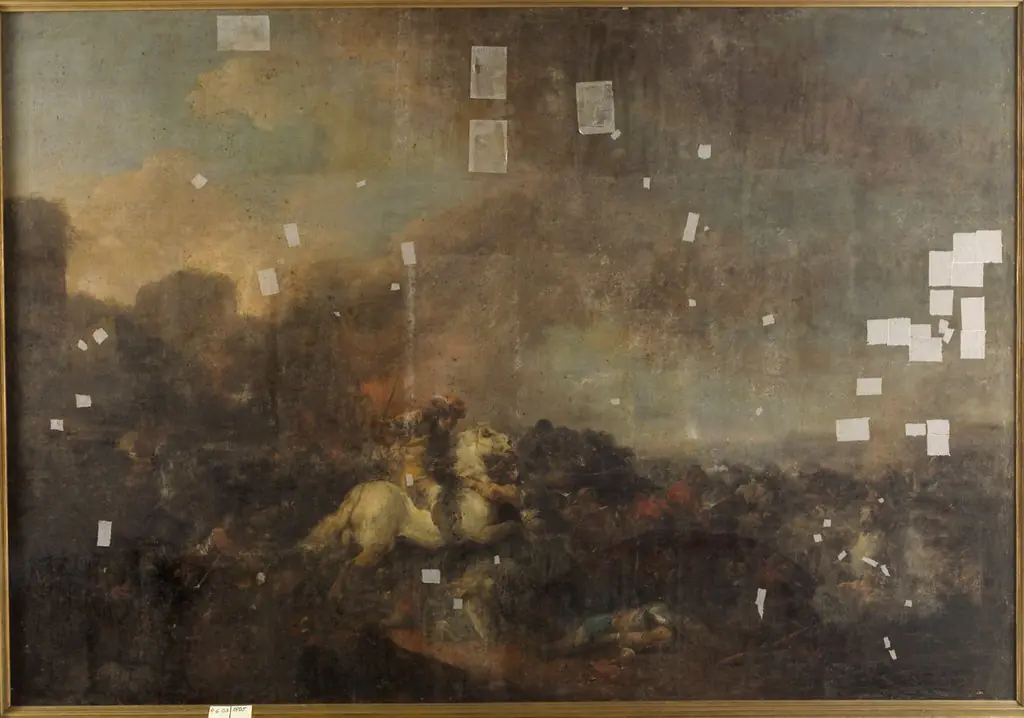 Battle scene
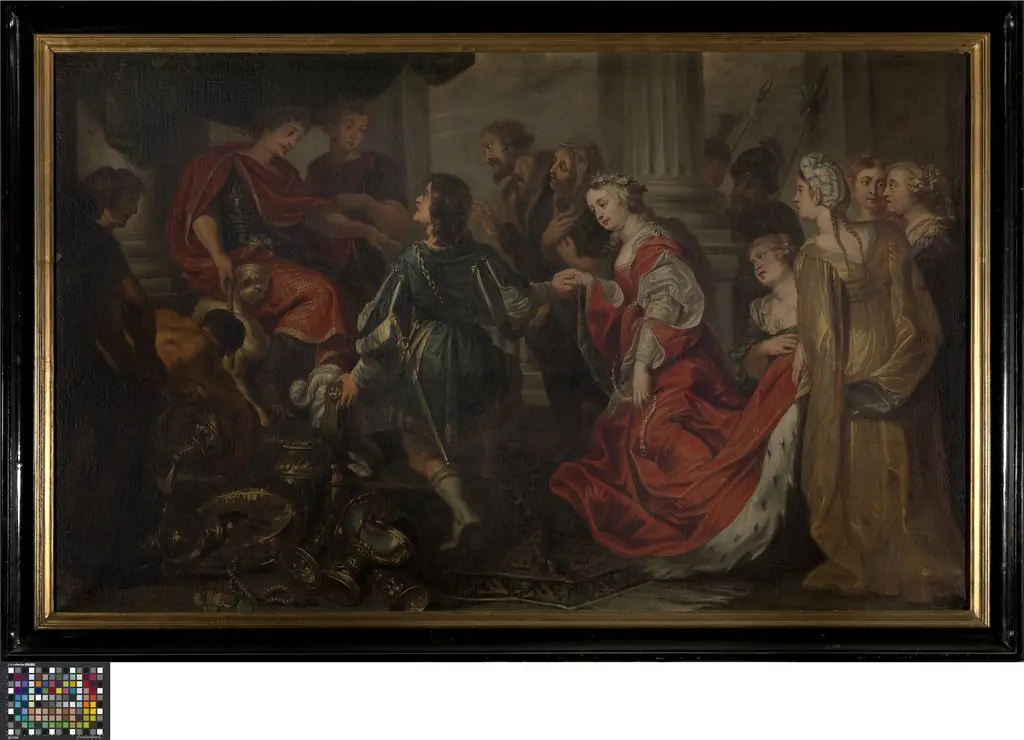 The Continence of Scipio
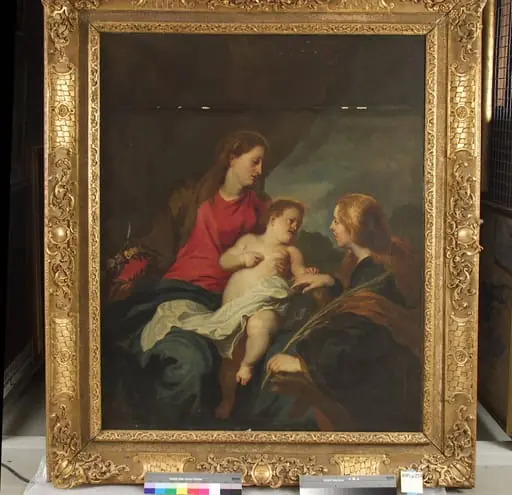 The Mystic Marriage of St Catherine of Alexandria
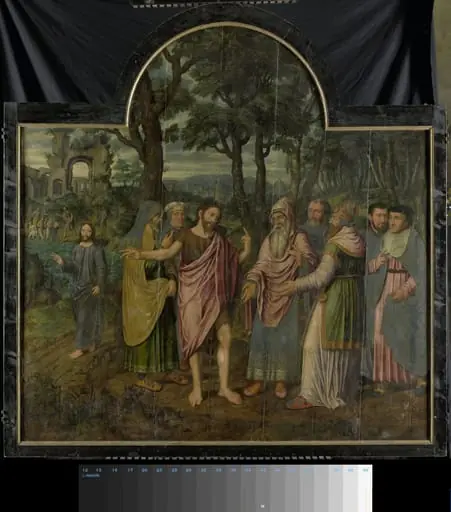 Triptych with Scenes from the Life of St John the Baptist
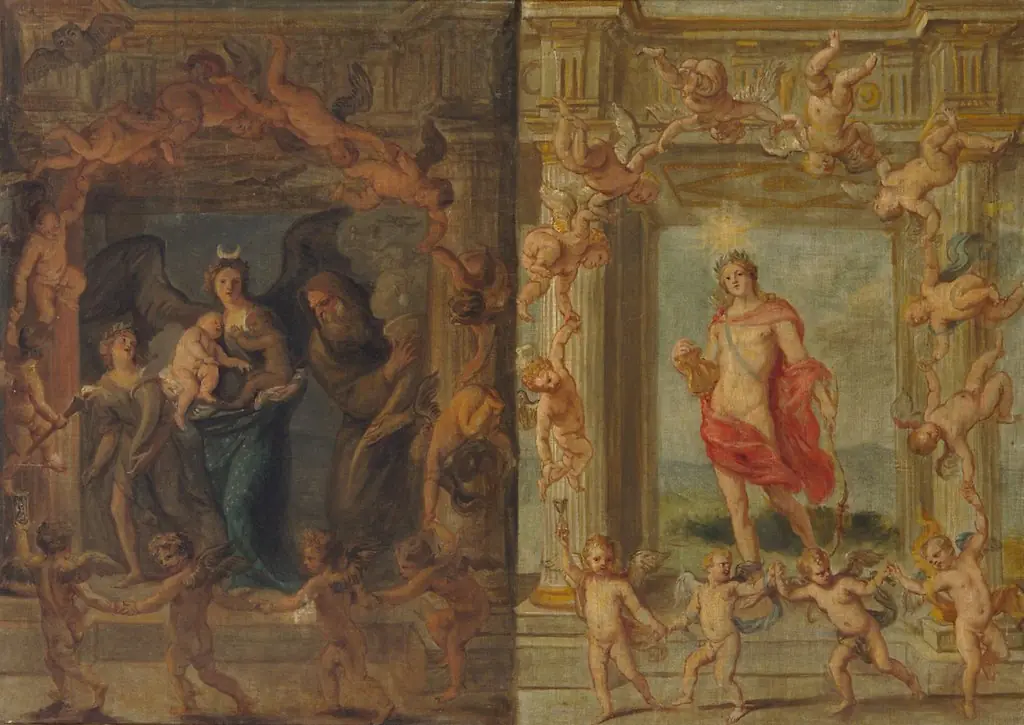 Tag und Nacht