Artwork
New ABC Booklet: X
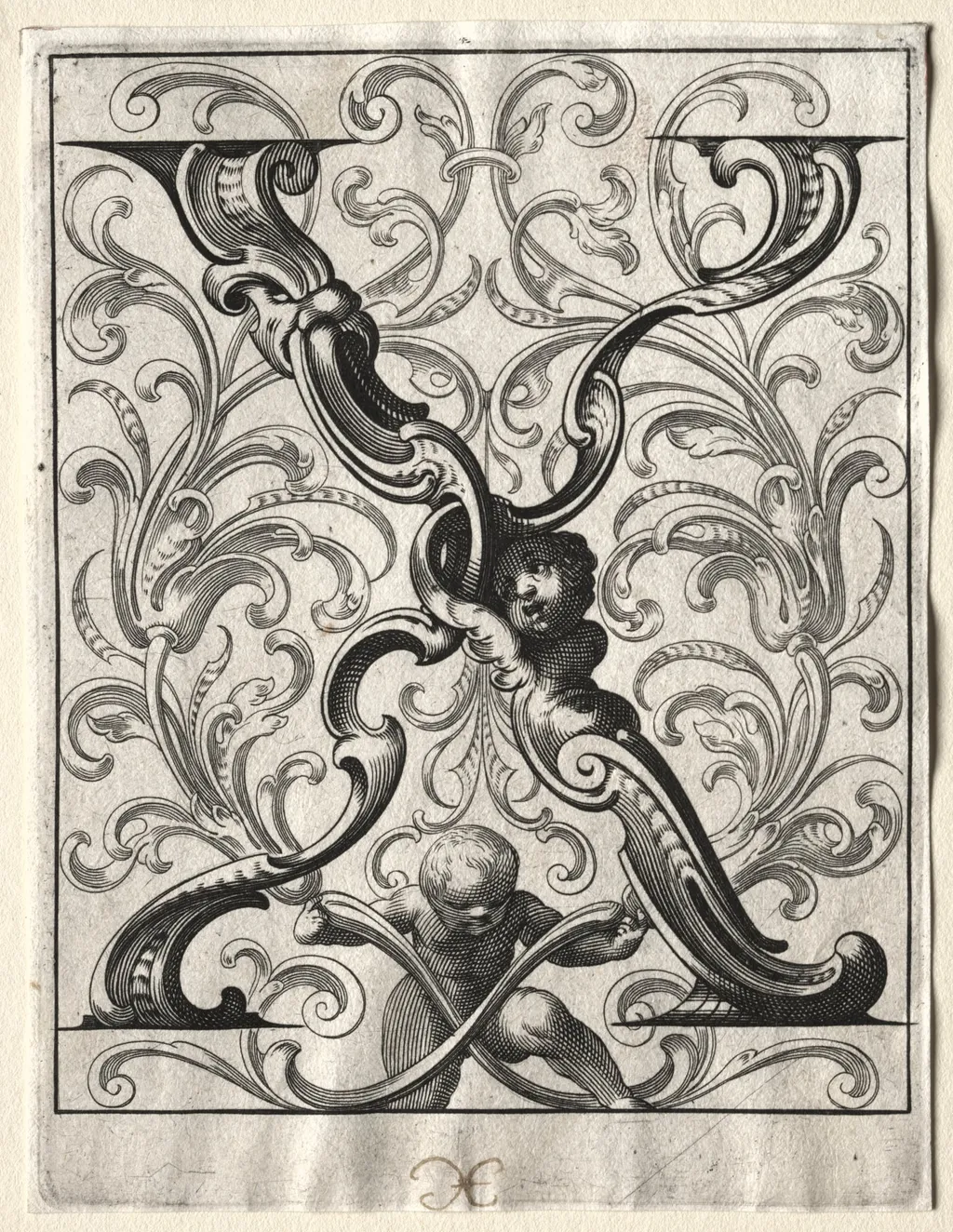
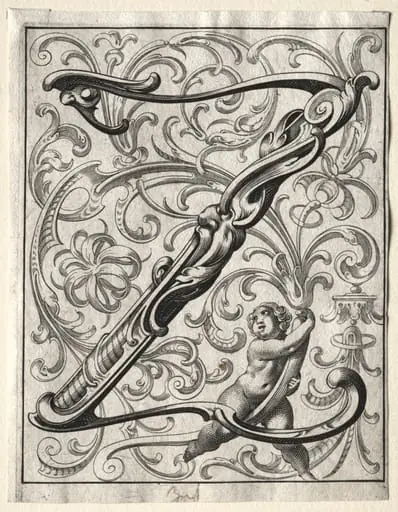
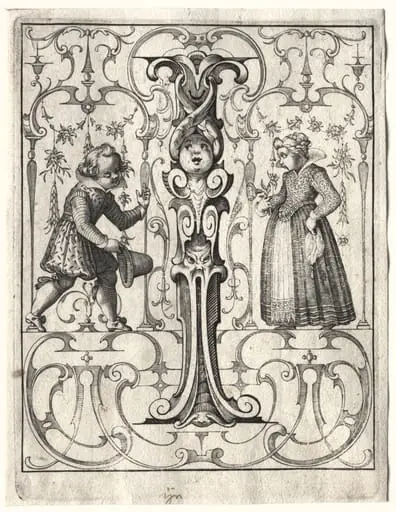
New ABC Booklet: X is a print by the Baroque artist Lucas Kilian. It dates from 1627 and is held in the collection of the Cleveland Museum of Art.
About this work
Overview
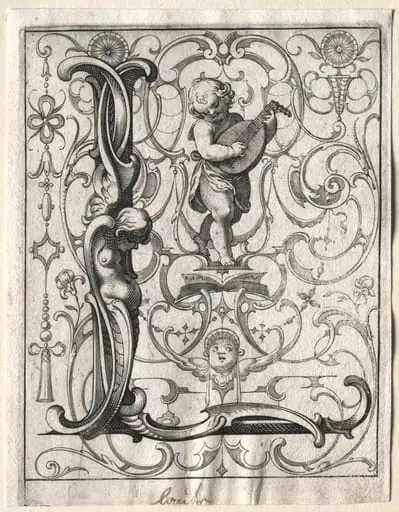
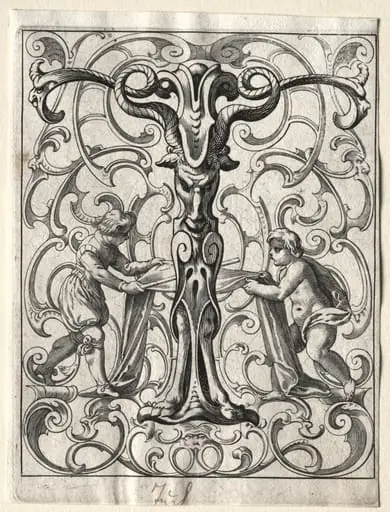
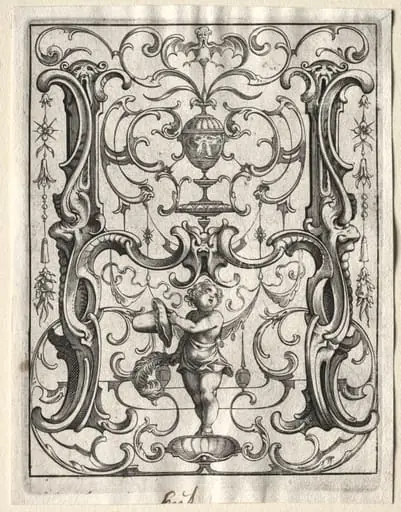
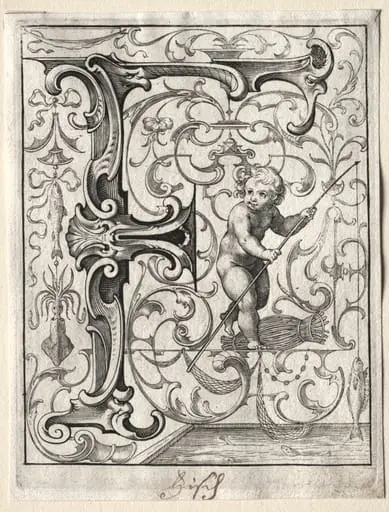
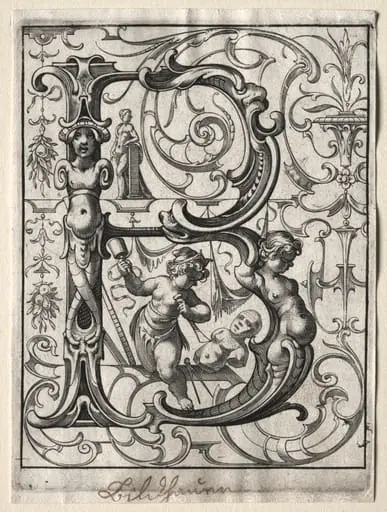
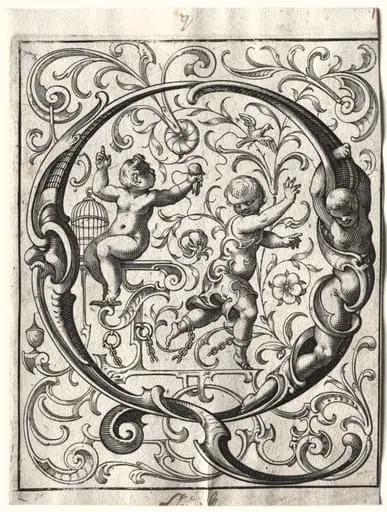
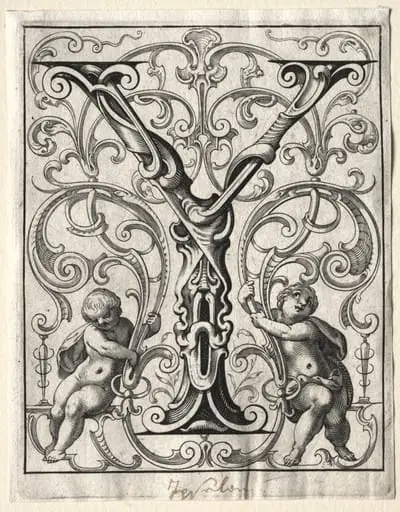
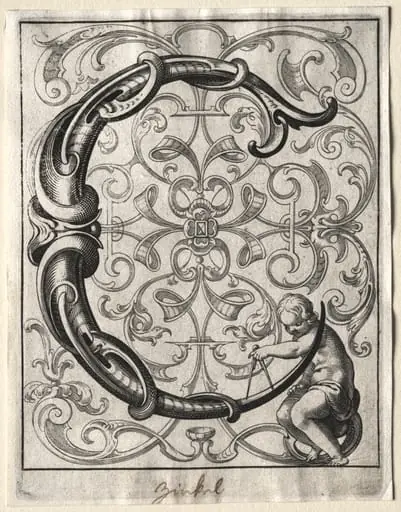
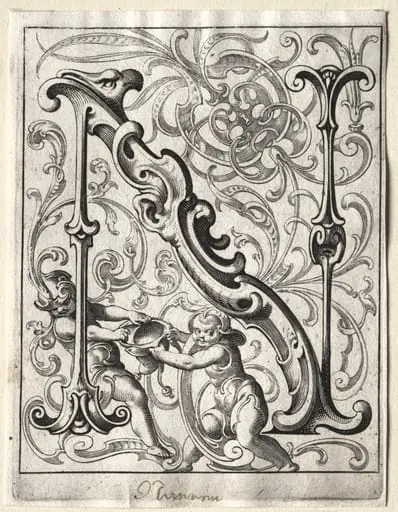
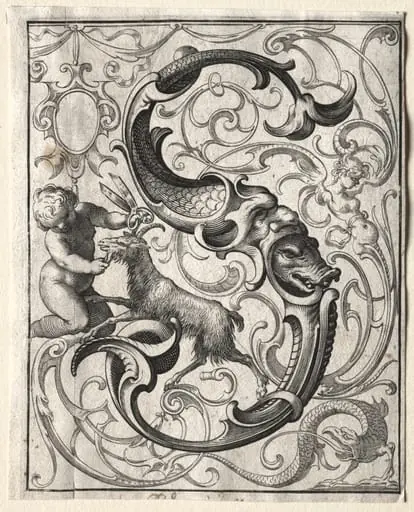
Created in 1627 by Lucas Kilian of Augsburg, this print is one of many educational and decorative engravings produced during the early Baroque period. Kilian, trained in the workshop of his stepfather, specialized in precise line work suited for mass reproduction. The piece functions as both a letterform study and ornamental design, typical of print culture in southern Germany at the time.
Subject & Meaning
The central letter 'X' serves as the structural and visual anchor, surrounded by symmetrical floral and scroll motifs. While not alphabetic in function, the design likely aimed to instruct children in letter recognition through visual appeal. The enclosed branches and circular terminals suggest natural order, aligning with Renaissance ideals of harmony in learning tools.
Technique & Style
Executed in fine-line engraving, the work demonstrates Kilian’s mastery of controlled, unbroken strokes. The dense, interwoven scrollwork fills the background without clutter, while the thick border frames the composition with geometric discipline. The absence of tone or shading emphasizes clarity, characteristic of Northern European printmaking traditions focused on precision over atmosphere.
History & Provenance
Produced in Augsburg, a hub of print production, the booklet was part of a series intended for domestic or school use. Kilian’s association with the Custos workshop ensured wide distribution through established networks of booksellers. Surviving examples are rare, but institutional collections hold fragments of similar educational prints from this period.
Context
In early 17th-century Germany, printed ABCs often combined literacy with moral or aesthetic instruction. Ornamental lettering was common in devotional and pedagogical materials, reflecting broader cultural values that linked learning with beauty. Kilian’s design fits within this tradition, bridging utility and decoration in a society increasingly reliant on printed media.
Legacy
Though not widely studied today, Kilian’s work exemplifies the craftsmanship behind everyday printed objects of the Baroque era. His approach influenced later decorative alphabets and typographic designs, particularly in Protestant regions where printed educational tools flourished. The piece remains a quiet testament to the role of print in shaping early modern literacy.
Artist & collection
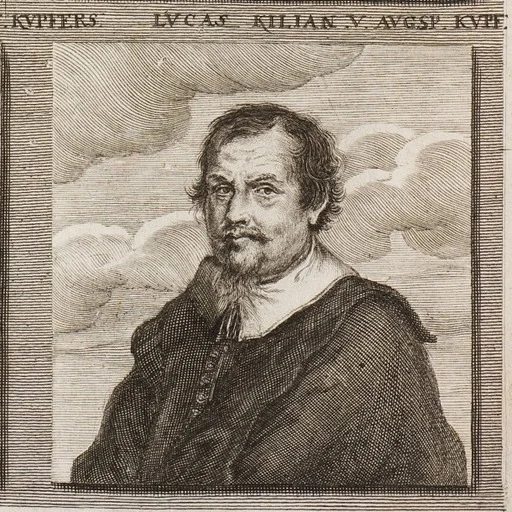
Artist
Lucas Kilian (Lucas Kilianus Augustanus; 1579–1637) was a German engraver and etcher from the Kilian family of engravers in Augsburg.