Artwork
New ABC Booklet: Z
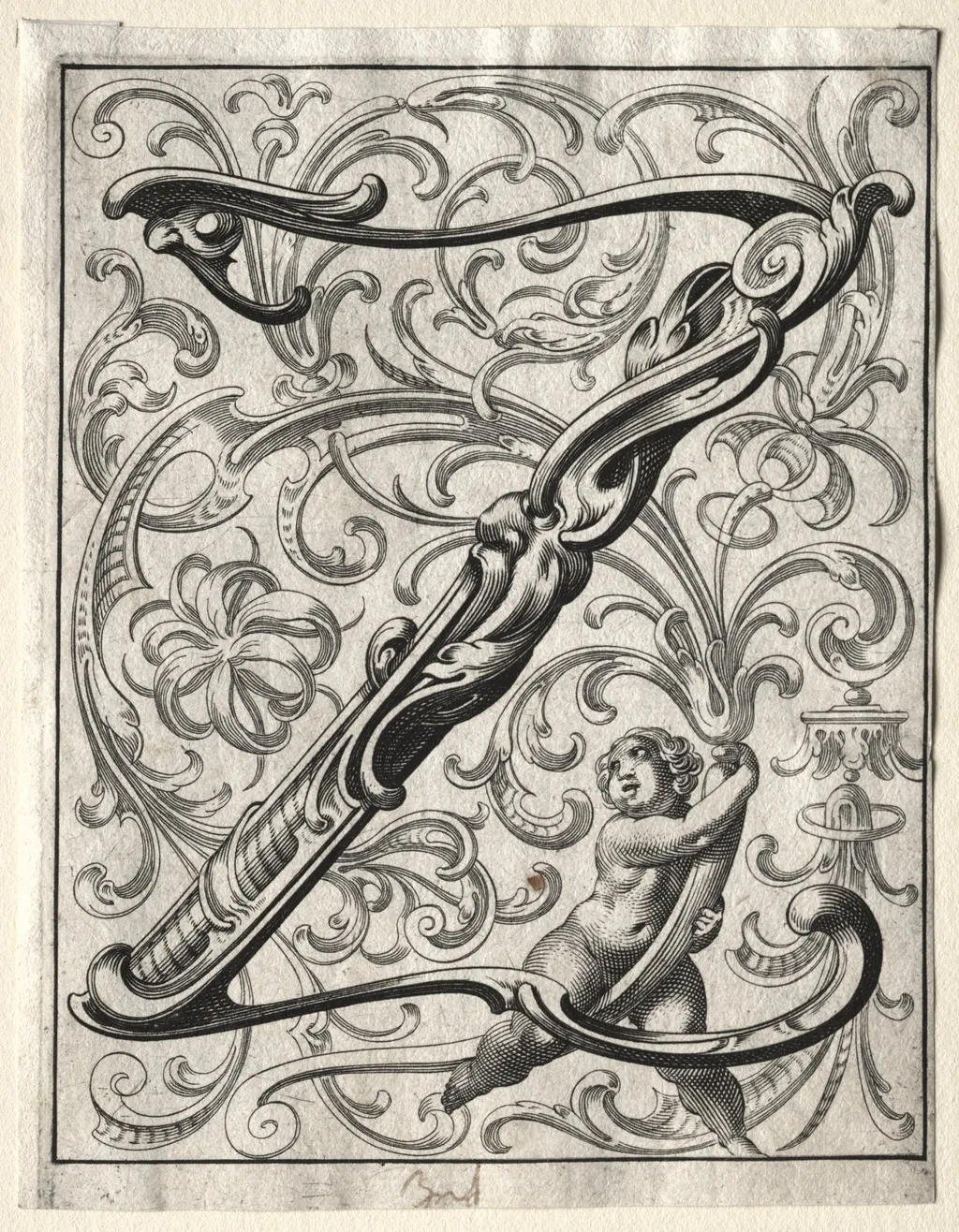
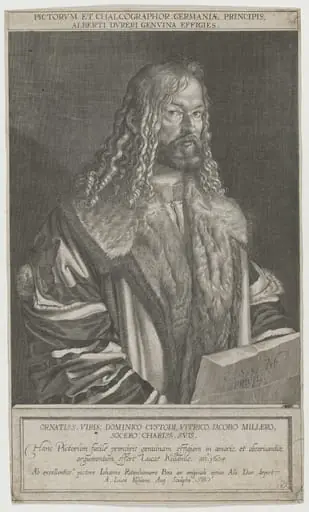
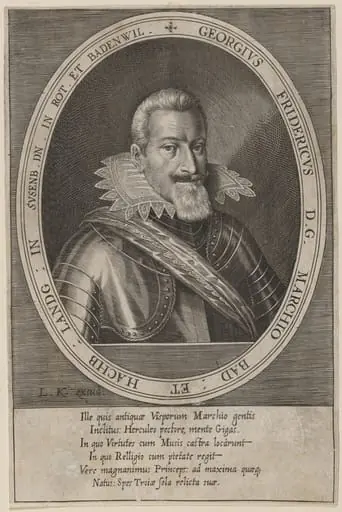
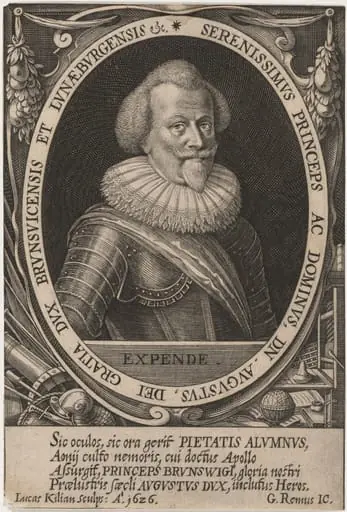
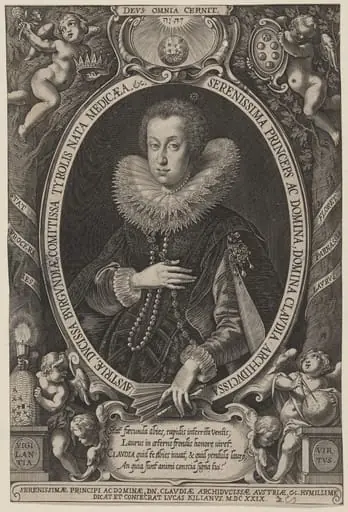
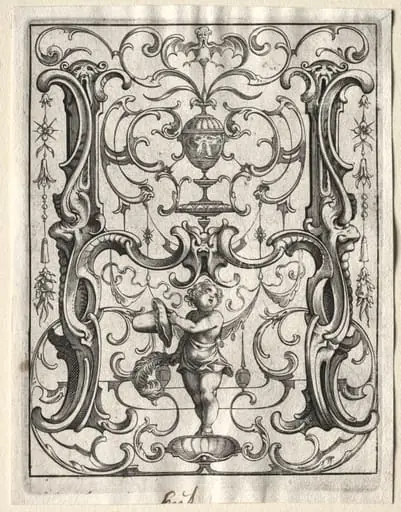
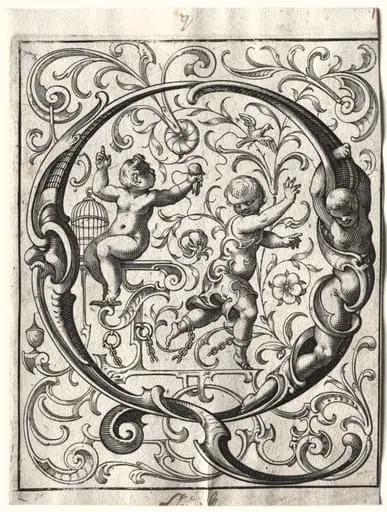
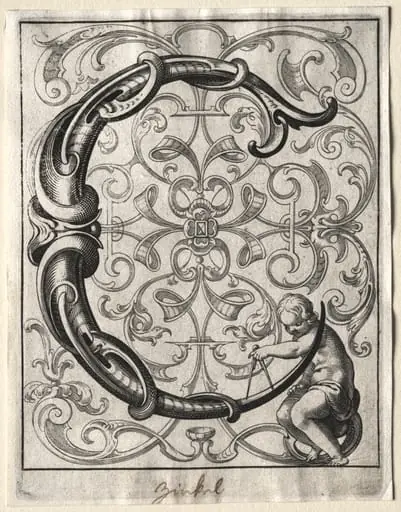
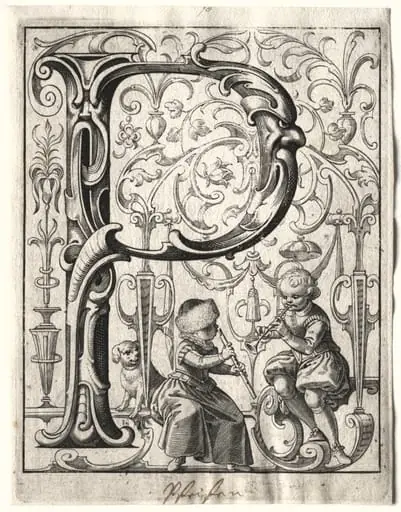
New ABC Booklet: Z is a print by the Baroque artist Lucas Kilian. It dates from 1627 and is held in the collection of the Cleveland Museum of Art.
About this work
Overview
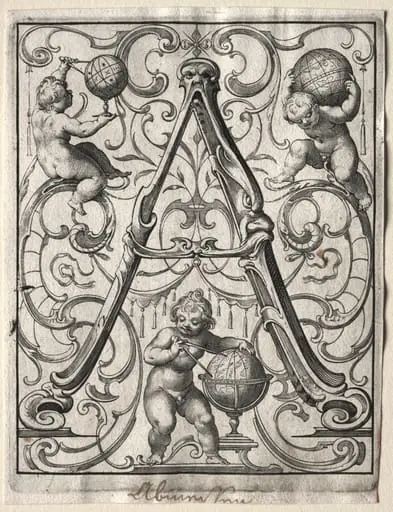
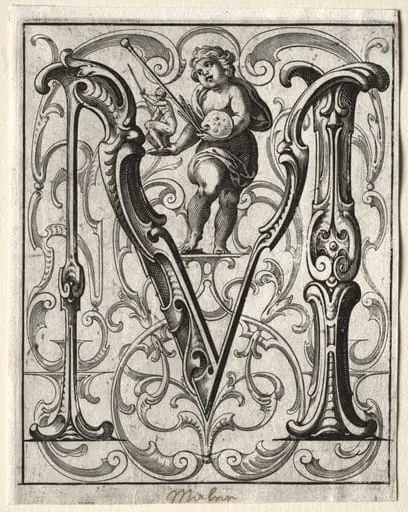
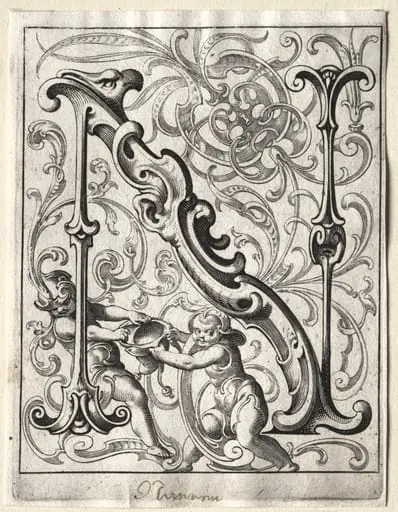
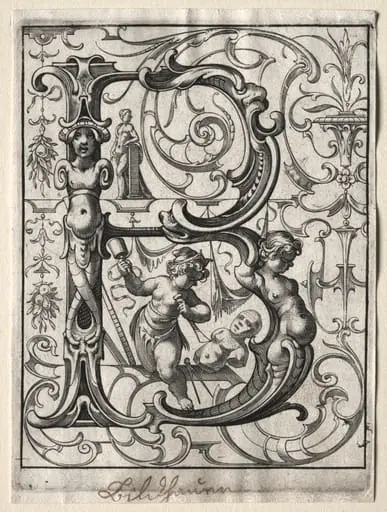
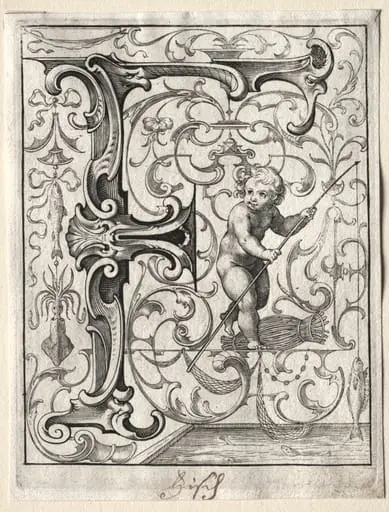
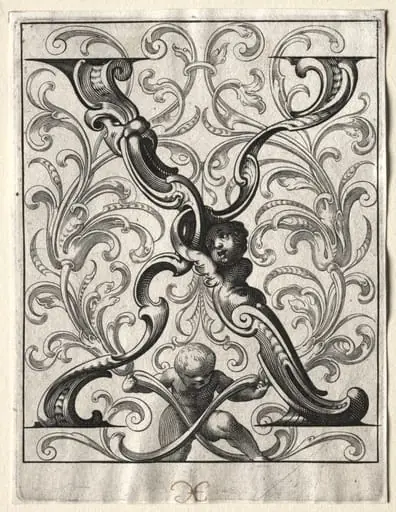
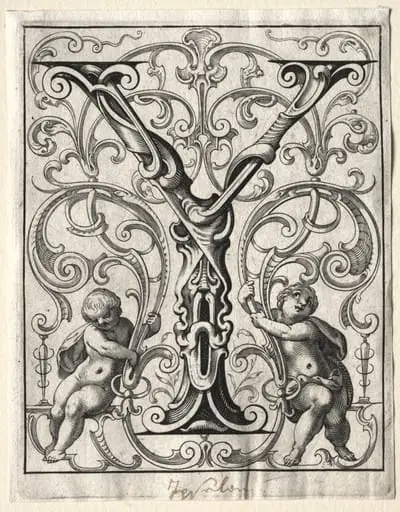
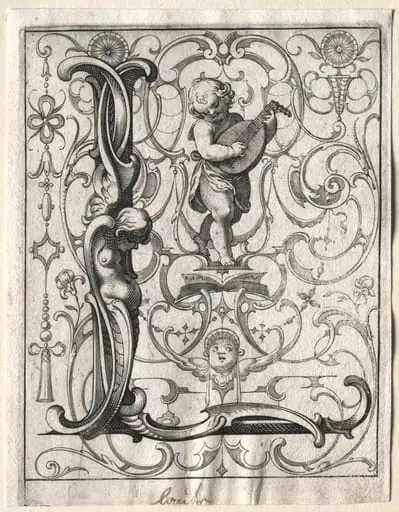
Created in 1627 by Lucas Kilian of Augsburg, this engraved print is one installment in a series illustrating the alphabet.
Created in 1627 by Lucas Kilian of Augsburg, this engraved print is one installment in a series illustrating the alphabet. Each letter is rendered as a decorative cover, with Z serving as the final entry. Kilian, trained in the influential Custos workshop, specialized in fine-line engraving and produced works across multiple genres, from portraiture to scientific illustration. The piece is currently held in the collection of The Cleveland Museum of Art.
Subject & Meaning
The letter Z is not merely a glyph but a ornamental frame, adorned with floral vines, scrolling tendrils, and small emblematic motifs. These embellishments reflect the Renaissance tradition of treating alphabetic characters as vehicles for artistic expression, particularly in educational or devotional texts. The decoration signals the book’s intended prestige, aligning the letter with ideals of refinement and learning rather than mere function.
Technique & Style
Kilian employed fine-line engraving to achieve intricate detail within a compact space, using controlled hatching and delicate cross-contours to model forms. The design avoids the soft blending associated with sfumato; instead, it relies on precise linear clarity, characteristic of Northern European printmaking of the period. The composition balances symmetry and ornamentation, typical of decorative book arts in early 17th-century Germany.
History & Provenance
The print originates from a complete ABC series commissioned for pedagogical or devotional use, likely intended for elite households or schools. Lucas Kilian, part of a multi-generational family of engravers, produced such works under the auspices of the Custos workshop, known for high-quality reproductive prints. The piece entered The Cleveland Museum of Art’s collection through documented acquisitions, preserving its provenance within the context of early modern print culture.
Context
In early 17th-century Augsburg, printed alphabets were often produced as teaching aids or luxury items, blending literacy with visual artistry. Such booklets reflected the era’s emphasis on visual pedagogy and the status of printed materials in domestic and scholarly settings. Kilian’s work aligns with broader trends in German printmaking, where craftsmanship and ornamentation elevated functional texts into objects of cultural value.
Legacy
Though part of a now-obscure series, Kilian’s Z remains a representative example of how printmakers transformed basic symbols into elaborate visual statements. Its survival in a major museum collection underscores the historical value placed on decorative printing, preserving a quiet but significant strand of early modern visual culture that prioritized precision and artistry over mass reproduction.
Artist & collection
Artist
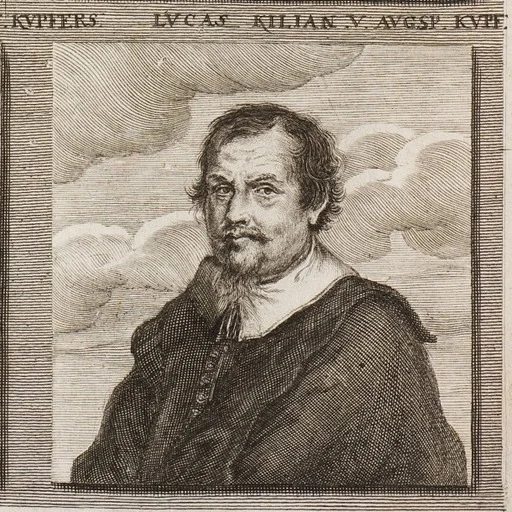
Lucas Kilian (Lucas Kilianus Augustanus; 1579–1637) was a German engraver and etcher from the Kilian family of engravers in Augsburg.