Artwork
Abraham and the Three Angels
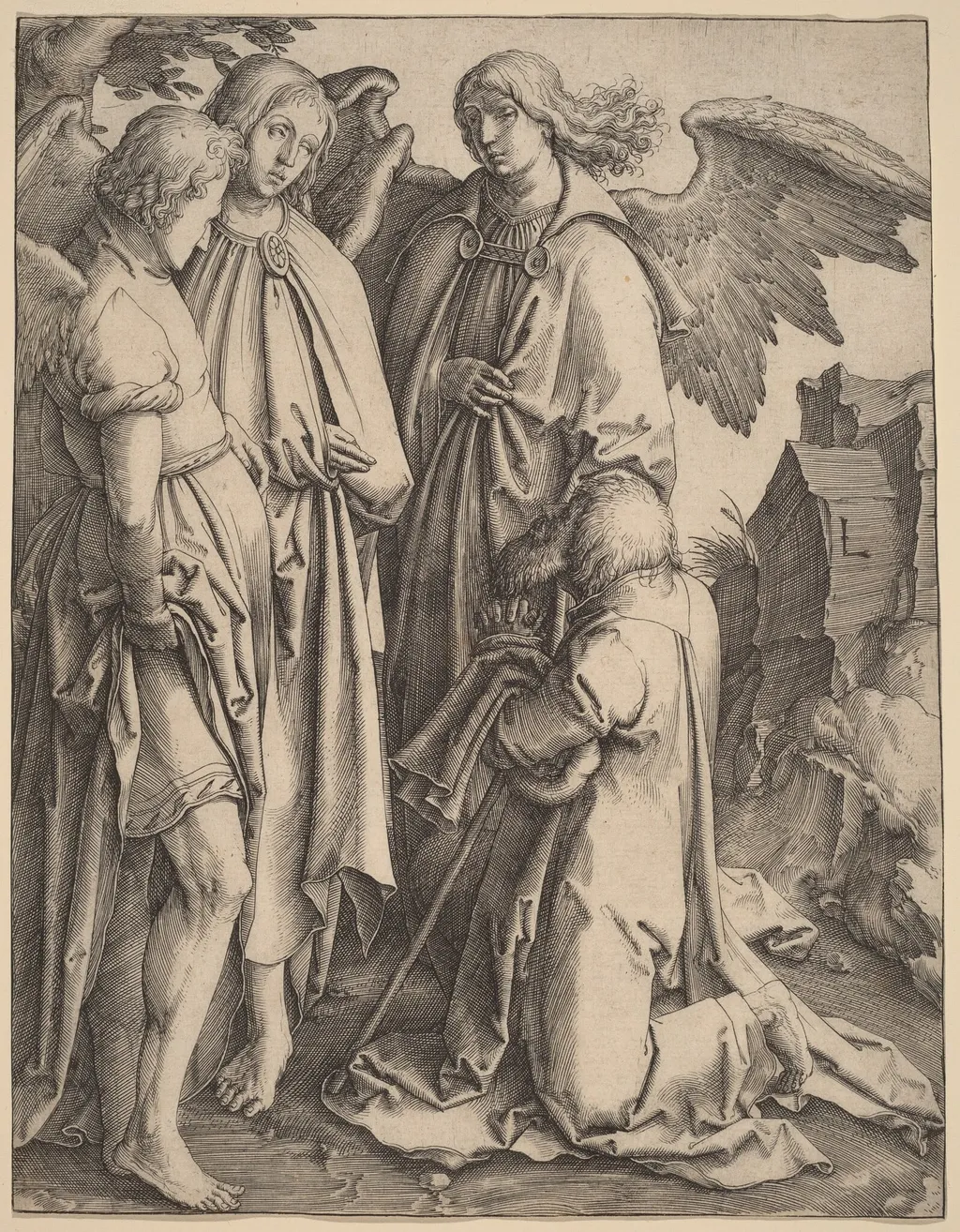
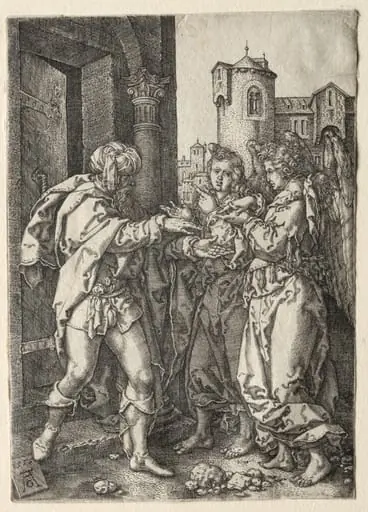
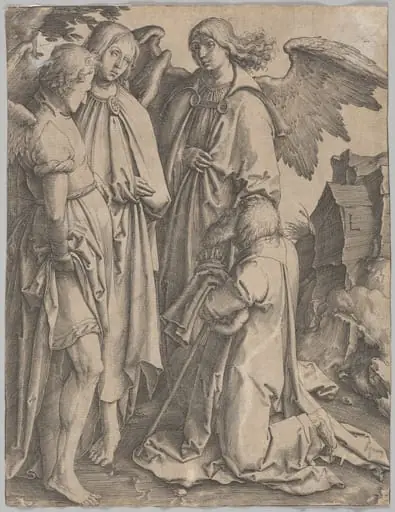
Abraham and the Three Angels is an ink print by the Renaissance artist Lucas van Leyden. It dates from 1513 and is held in the collection of the National Gallery of Art.
About this work
This engraving shows three angels visiting Abraham under a tree. The middle angel glows brighter than the others, standing out in the dark scene.
Lucas van Leyden made this print in 1513. Back then, engravings were a big deal because they let art travel far without paintings. Notice how every line adds shadow or shape—no color needed.
Want to see more? Look up Lucas van Leyden.
Overview
Created in 1513 by the Dutch artist Lucas van Leyden, this engraving captures a moment from Genesis in which Abraham is visited by three celestial beings.
Created in 1513 by the Dutch artist Lucas van Leyden, this engraving captures a moment from Genesis in which Abraham is visited by three celestial beings. As a skilled printmaker, van Leyden exploited the precision of engraving to render complex narratives in monochrome, making his works widely distributable across Europe. The print exemplifies the Northern Renaissance’s focus on detailed storytelling through graphic media.
Subject & Meaning
The scene illustrates the biblical appearance of three angels to Abraham at the oaks of Mamre, an event interpreted as both divine revelation and a prefiguration of the Trinity. The central figure is rendered with heightened luminosity, suggesting sacred presence amid the quiet, earthbound figures of Abraham and his household. The composition invites contemplation of hospitality, divine mystery, and human response to the sacred.
Technique & Style
Van Leyden employed fine, controlled lines to model form and depth without color, relying entirely on tonal variation. The engraving’s dense cross-hatching and delicate shading define textures—from fabric to foliage—while maintaining clarity. The dark background intensifies the glow of the central angel, demonstrating his command of contrast and spatial illusion within the constraints of the medium.
History & Provenance
Produced during the early 16th century, the print was part of a flourishing market for religious engravings in the Low Countries. Van Leyden’s reputation as a printmaker ensured wide circulation; copies reached collectors and clergy beyond the Netherlands. Though original impressions are rare today, the work’s influence persisted through reproductions and artistic emulation in Northern Europe.
Context
In early 1500s Northern Europe, engraving offered a portable, reproducible alternative to panel painting, enabling religious imagery to reach broader audiences. Van Leyden’s work aligned with humanist interests in biblical narrative and naturalistic detail. His prints contributed to a shift in devotional practice, where personal meditation on scripture was supported by accessible, finely crafted images.
Legacy
Van Leyden’s *Abraham and the Three Angels* helped establish engraving as a serious artistic medium in the North, influencing later printmakers like Dürer and Rembrandt. His ability to convey narrative depth and spiritual atmosphere through line alone set a standard for generations. The work remains a key reference in studies of early modern print culture and religious iconography.
Artist & collection

Artist
Lucas van Leyden (1494 – 8 August 1533), was a Dutch painter and printmaker in engraving and woodcut. Lucas van Leyden was among the first Dutch exponents of genre painting and was a very accomplished engraver.

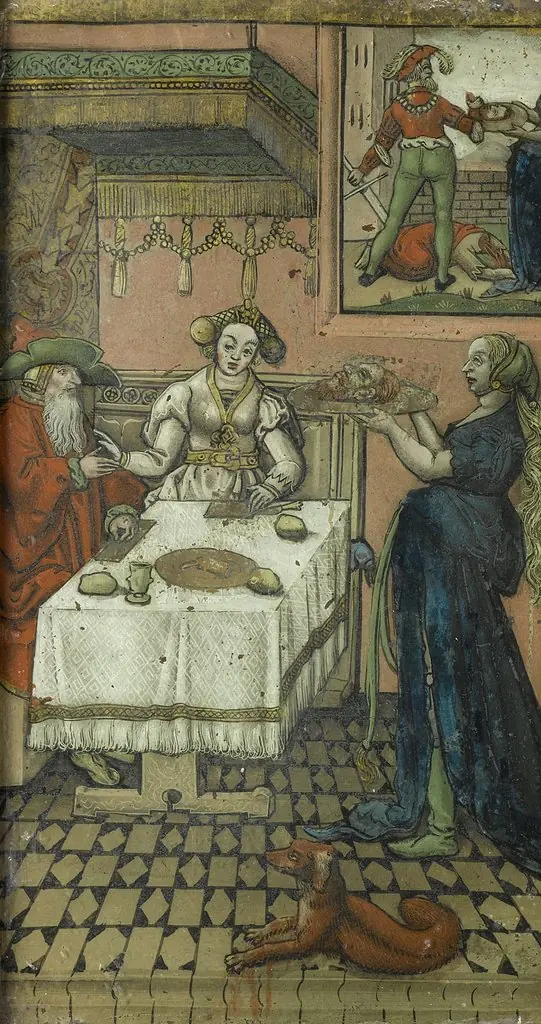 Salome with the head of St John the Baptist
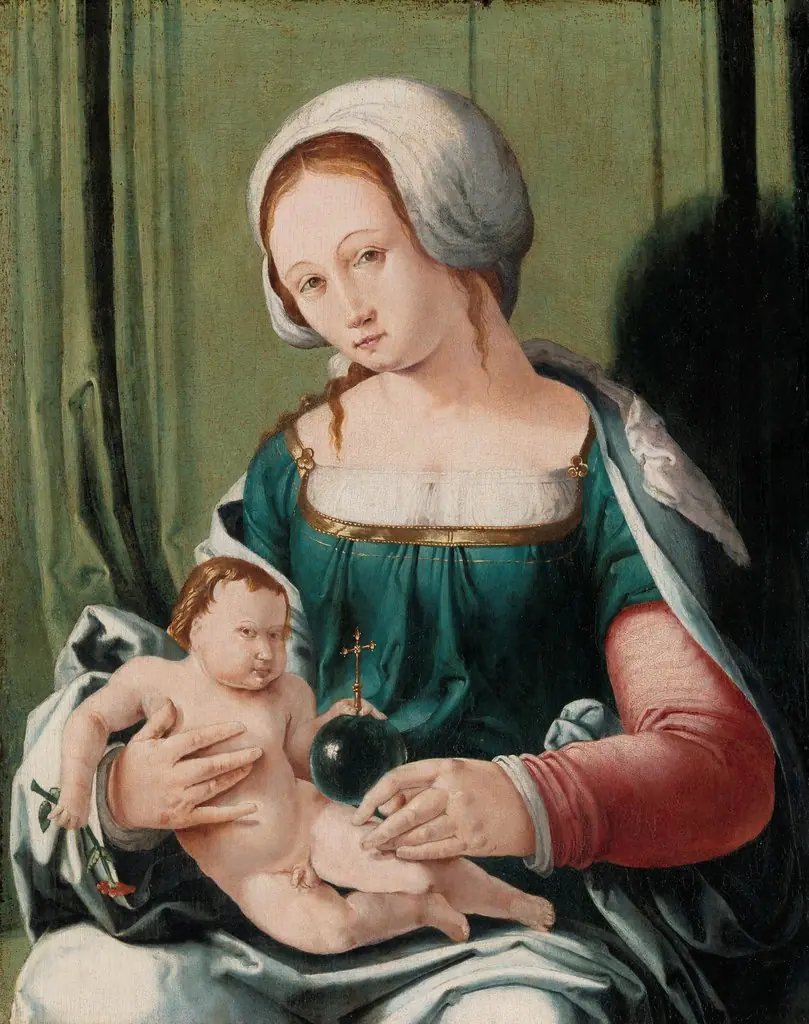 The Virgin and Child
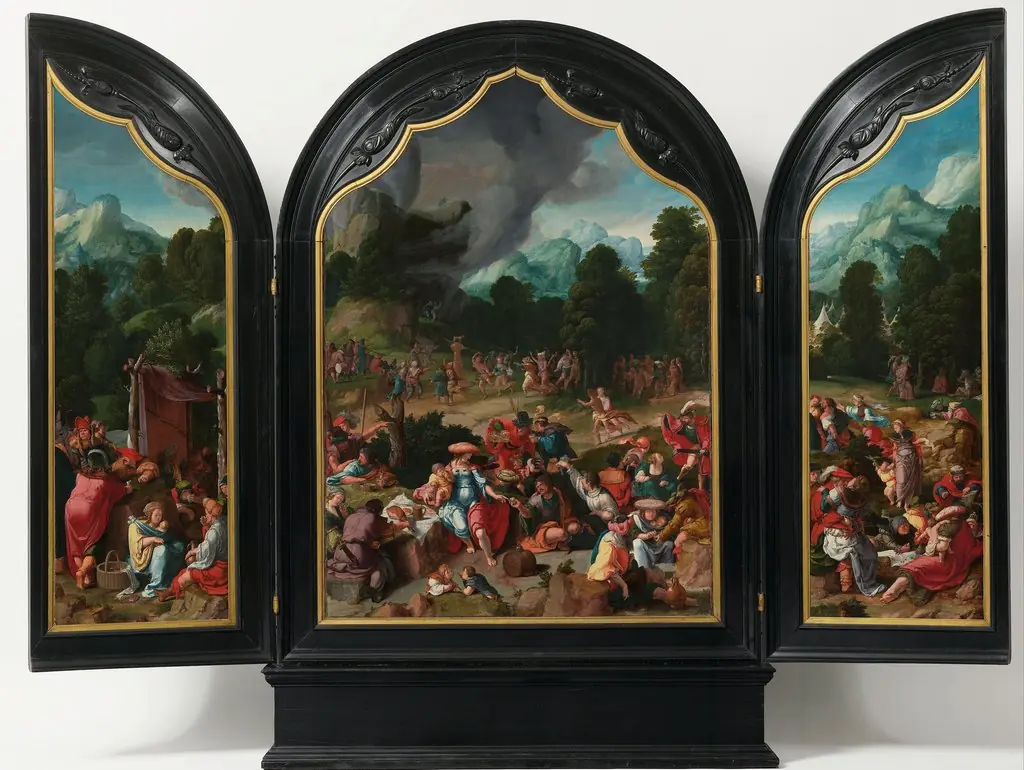 Worship of the Golden Calf
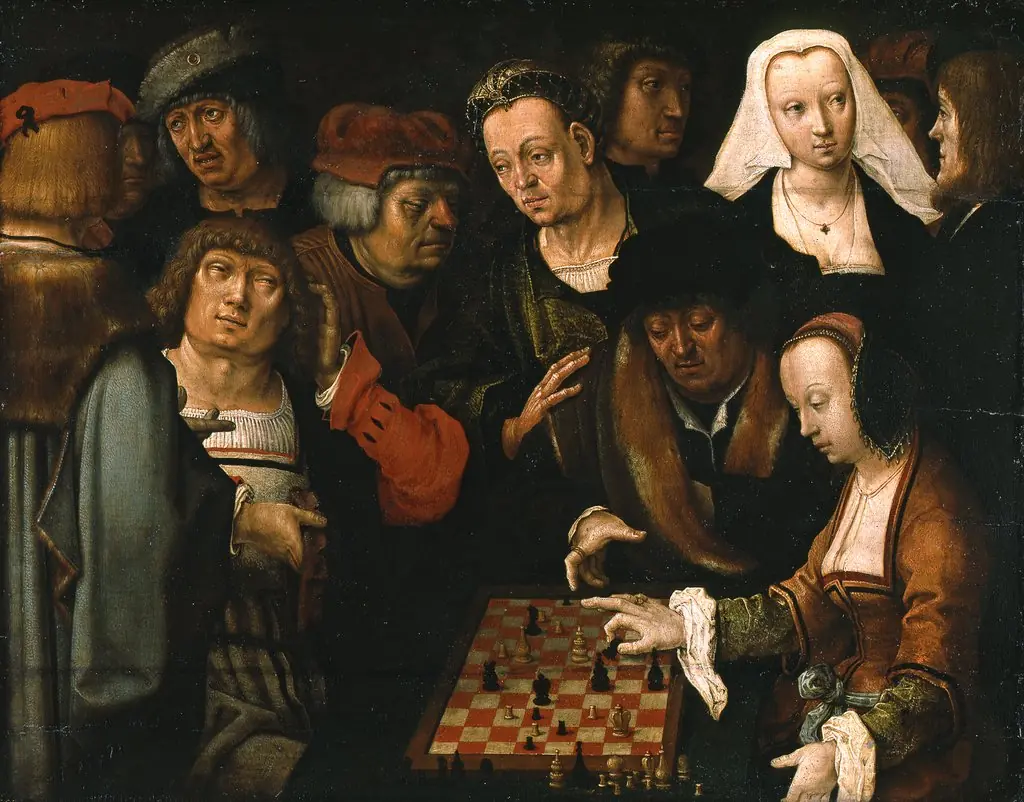 A Game of Chess
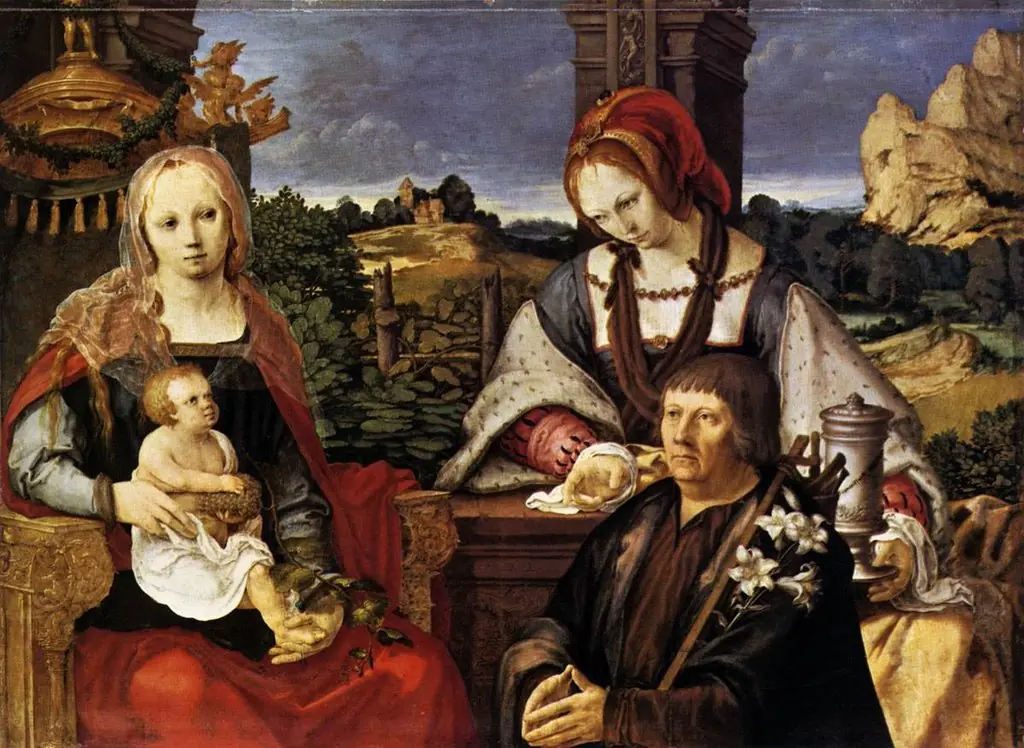 Mary with Child, St. Maria Magdalena and founder (separate outside, Inv. No. 7713)
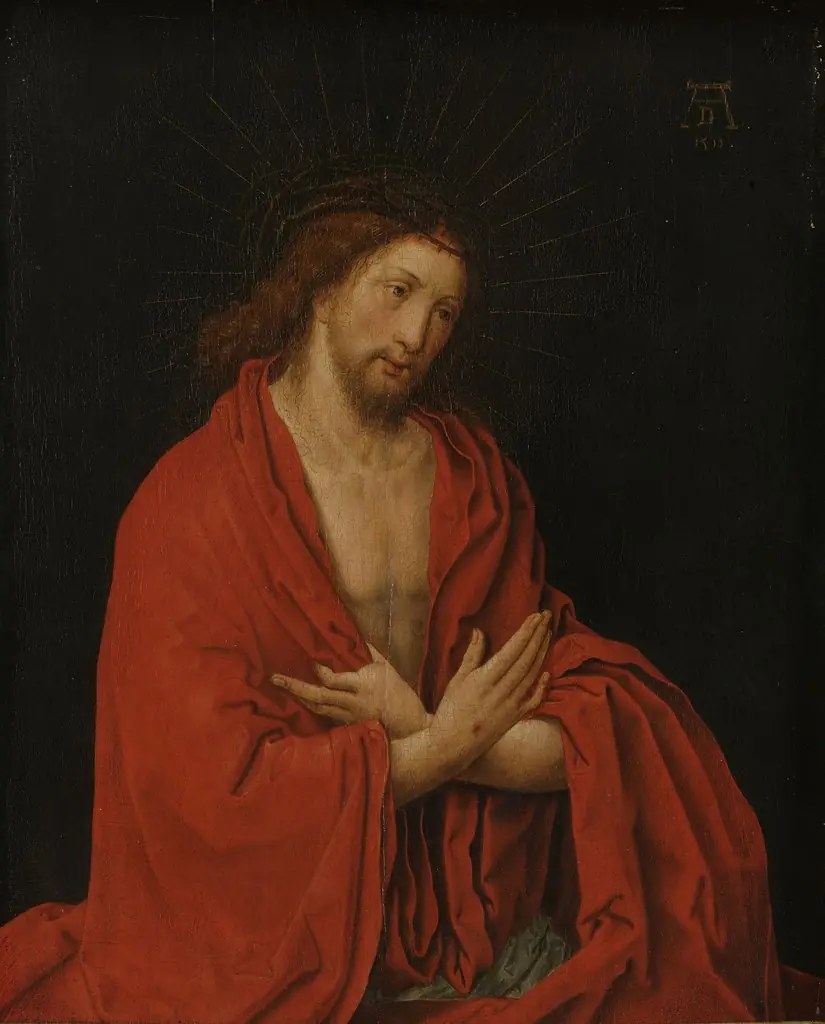 Inner left wing of a diptych with Christ as the Man of Sorrows
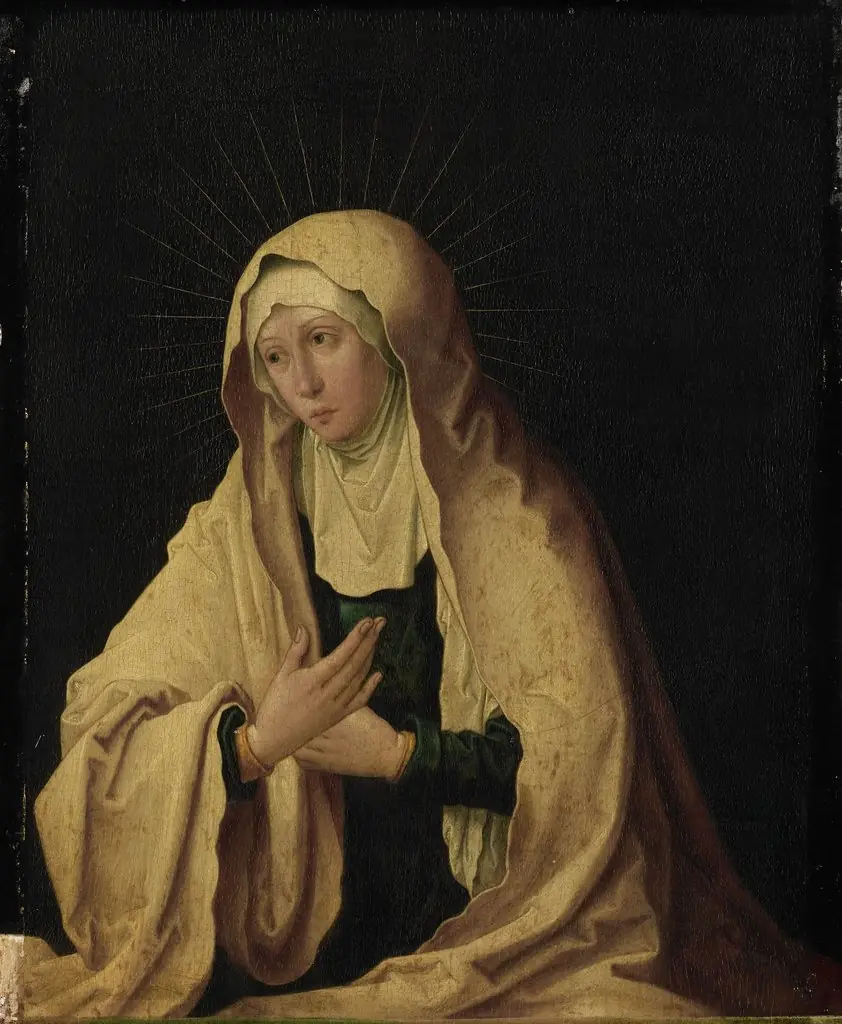 Inner right wing of a diptych with the Virgin as Mater Dolorosa
 Annunciation