Artwork
Cain Killing Abel
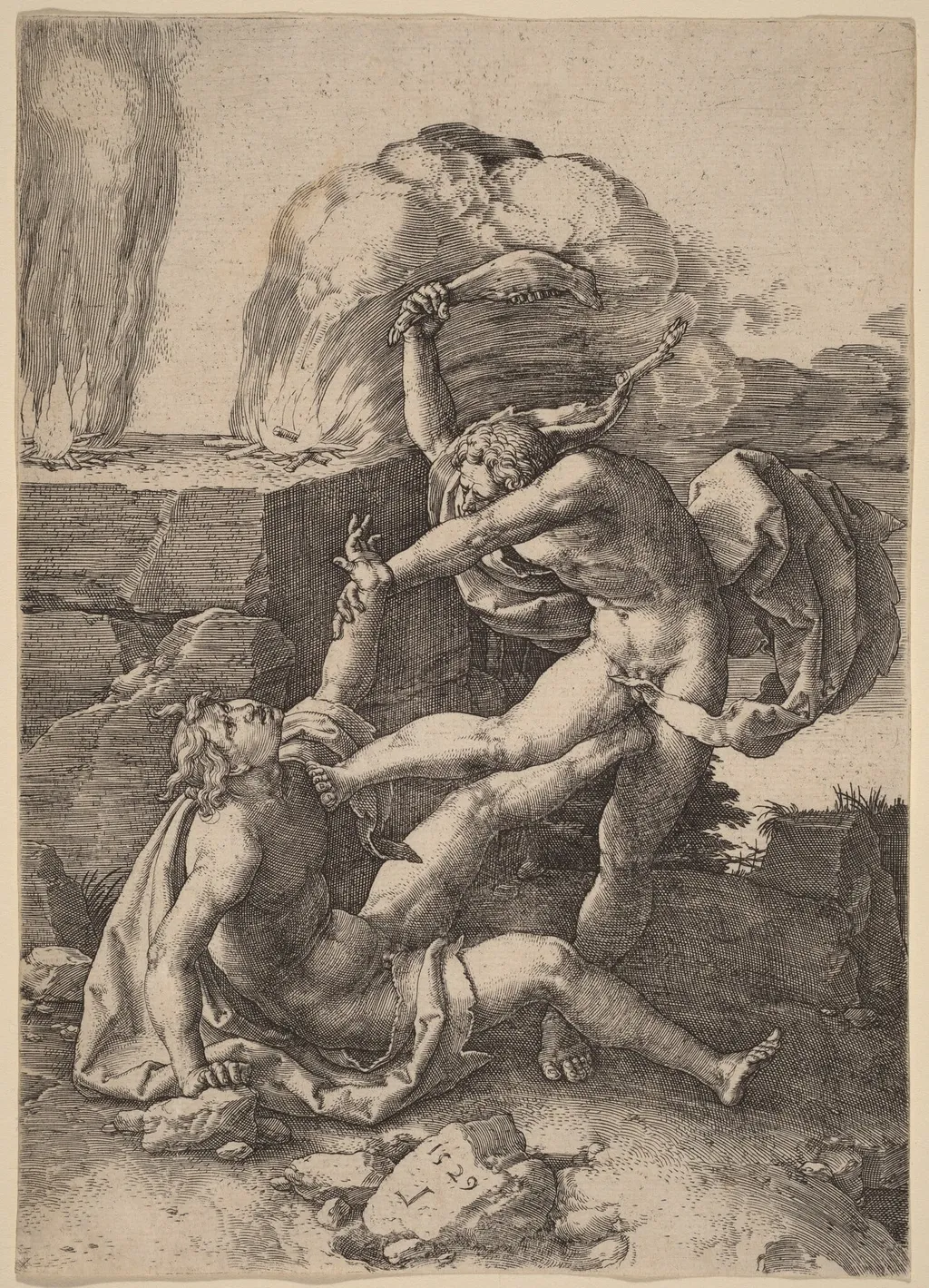
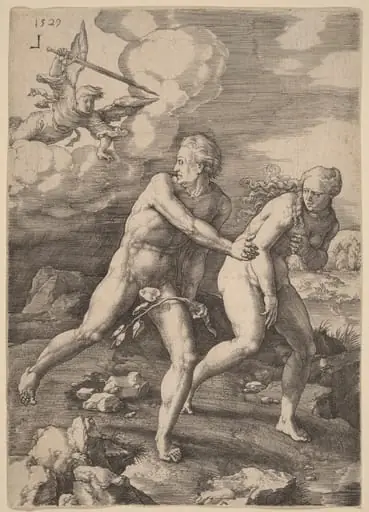
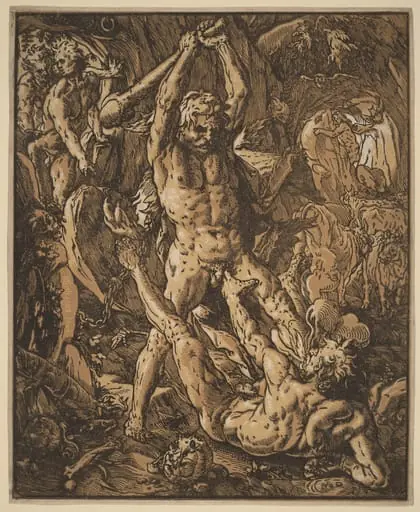
Cain Killing Abel is an ink print by the Renaissance artist Lucas van Leyden. It dates from 1529 and is held in the collection of the National Gallery of Art.
About this work
Overview
Lucas van Leyden’s 1529 engraving *Cain Killing Abel* presents a compact, high‑contrast scene set in a craggy landscape. The composition centers on two male figures: one kneeling with his head lowered, the other poised behind him, lifting a stone. The work exemplifies the Northern Renaissance’s focus on detailed narrative illustration through the medium of print.
Subject & Meaning
The image visualizes the biblical story of Cain’s murder of Abel, emphasizing the moment of violent intent. By isolating the two brothers in a stark, rocky setting, the engraving underscores themes of fraternal rivalry, moral transgression, and divine judgment that were central to Reformation‑era religious discourse.
Technique & Style
Van Leyden employs fine, intersecting lines in a cross‑hatching technique to model form and generate deep shadows across flesh, drapery, and stone. The sharp, dark strokes create a tactile sense of texture and heighten the dramatic tension, while the precise linear rendering reflects the artist’s skill in manipulating engraving tools for narrative effect.
History & Provenance
Created during a period when engraving was a primary vehicle for disseminating biblical narratives, the print illustrates van Leyden’s role in advancing Dutch printmaking. Though specific ownership records are scarce, the work circulated among collectors of religious prints in the early sixteenth century, contributing to the spread of Northern Renaissance visual culture.
Artist & collection

Artist
Lucas van Leyden (1494 – 8 August 1533), was a Dutch painter and printmaker in engraving and woodcut. Lucas van Leyden was among the first Dutch exponents of genre painting and was a very accomplished engraver.

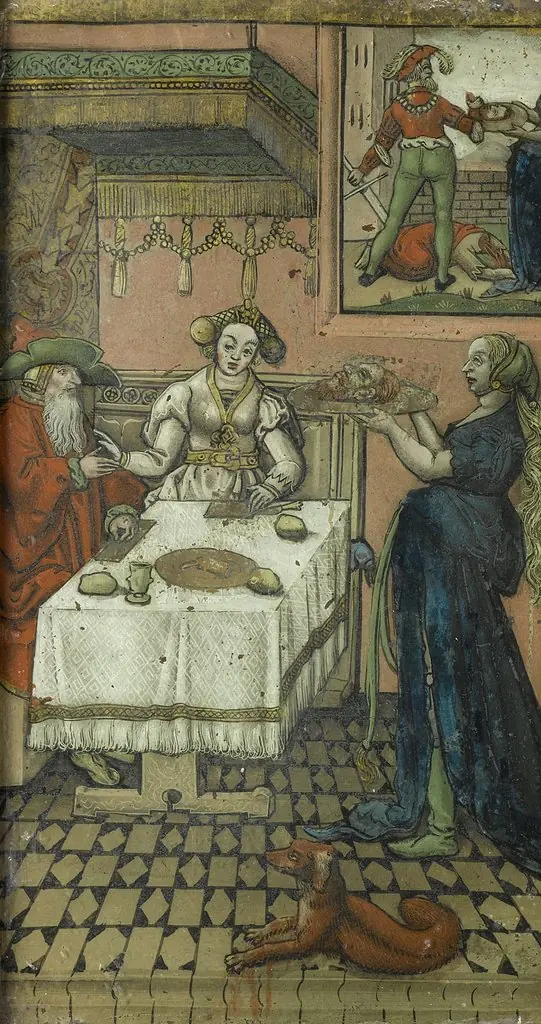 Salome with the head of St John the Baptist
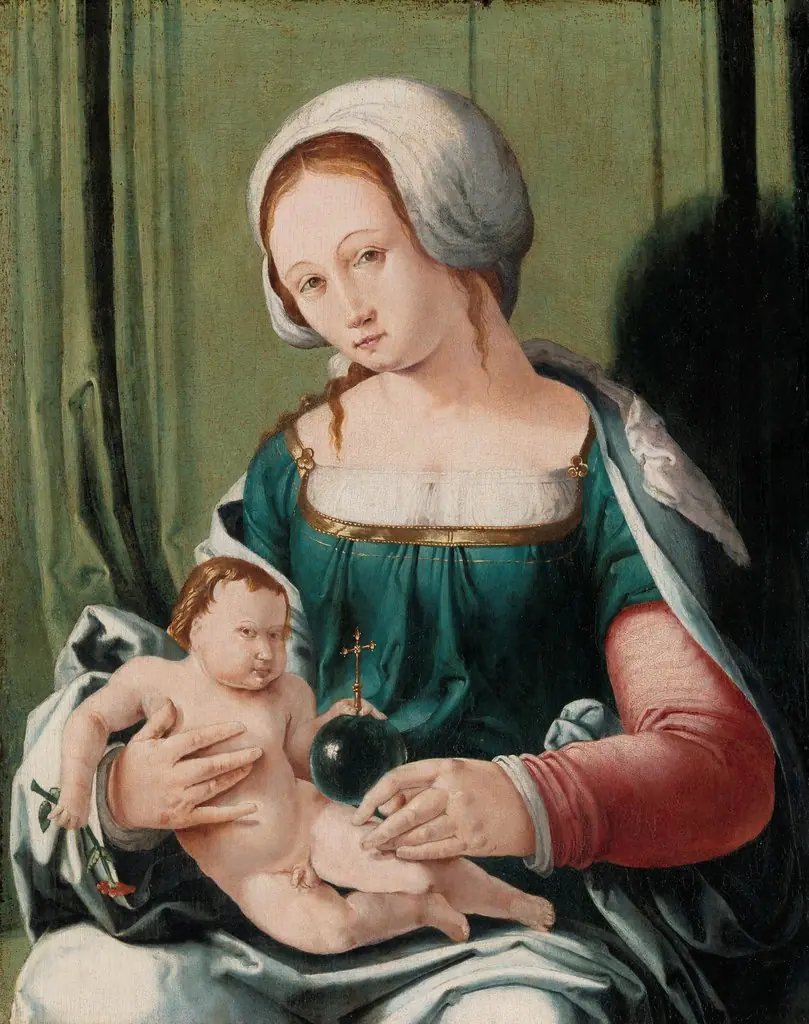 The Virgin and Child
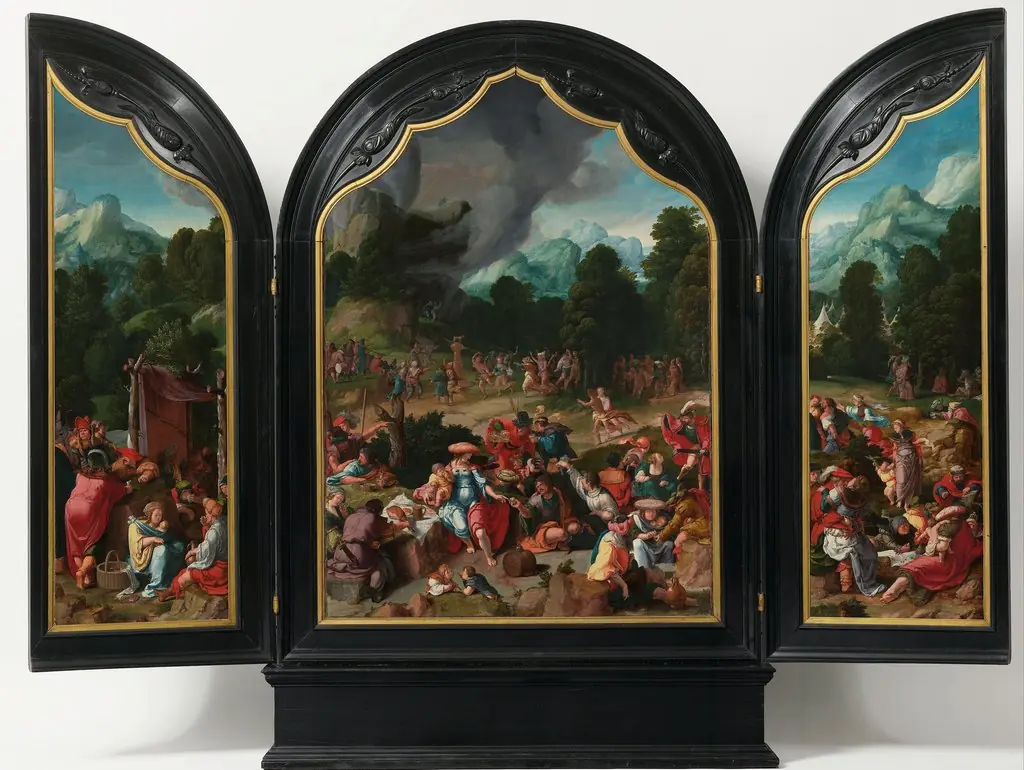 Worship of the Golden Calf
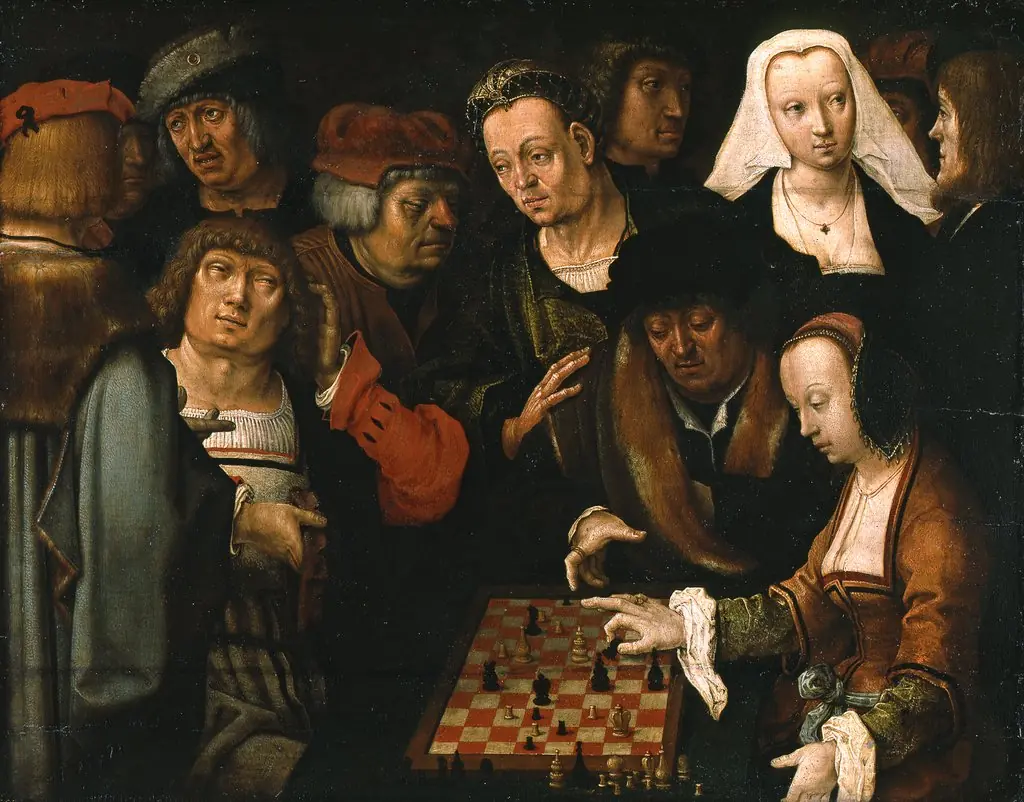 A Game of Chess
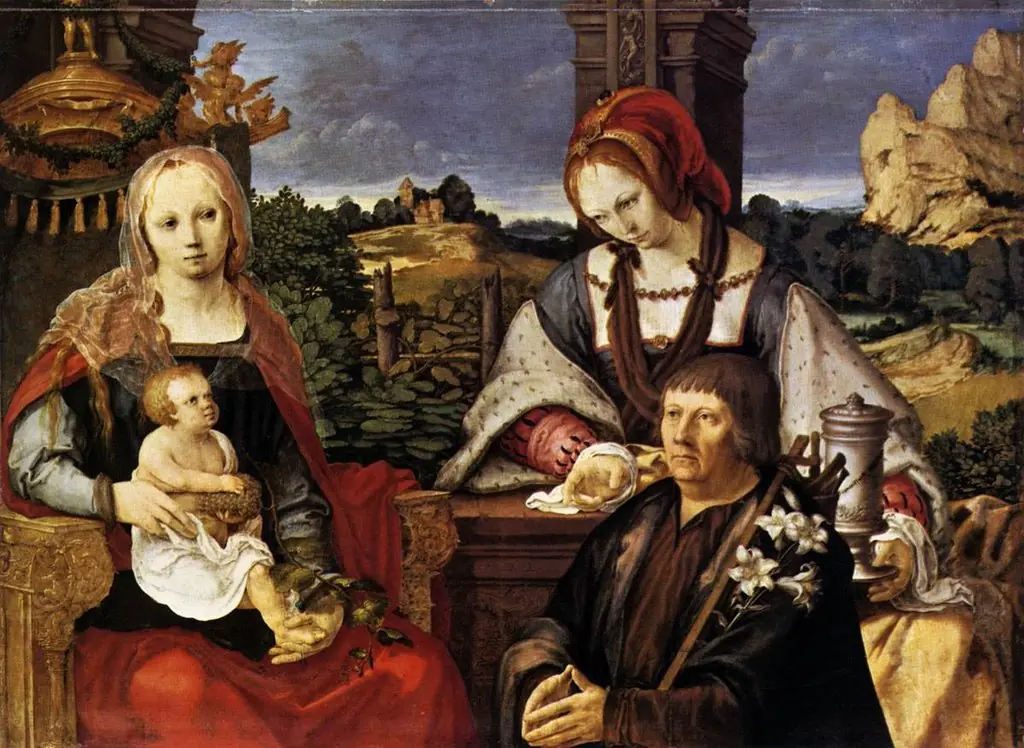 Mary with Child, St. Maria Magdalena and founder (separate outside, Inv. No. 7713)
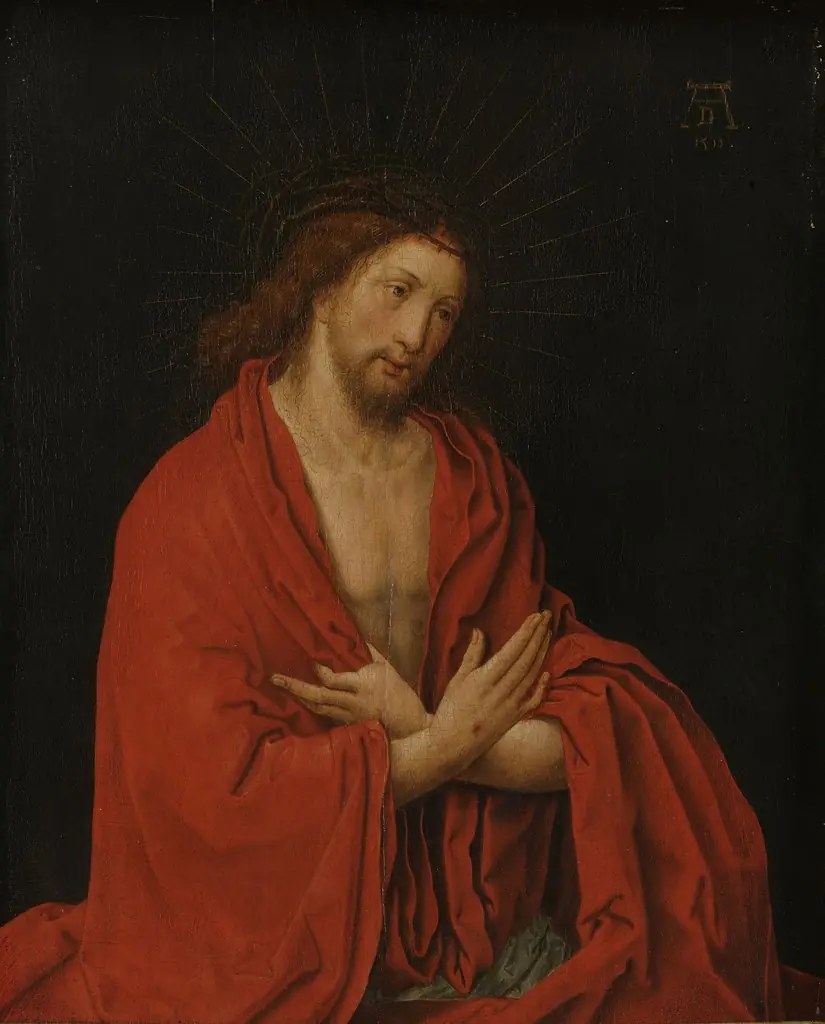 Inner left wing of a diptych with Christ as the Man of Sorrows
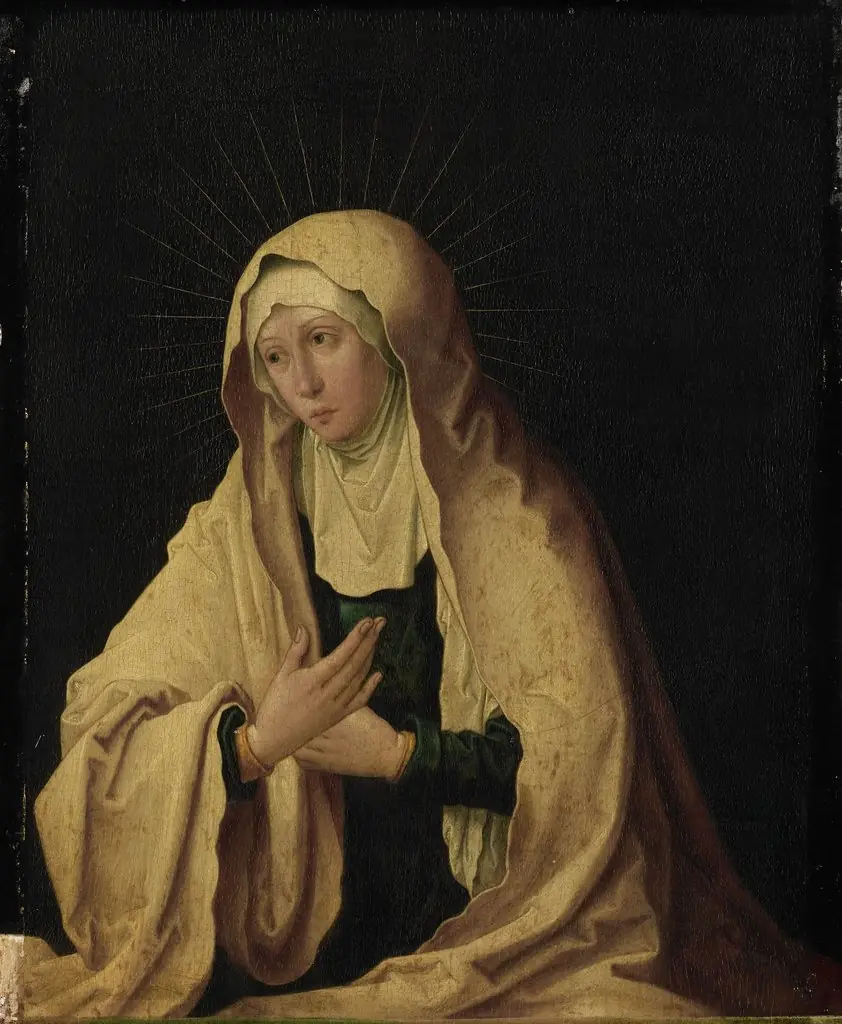 Inner right wing of a diptych with the Virgin as Mater Dolorosa
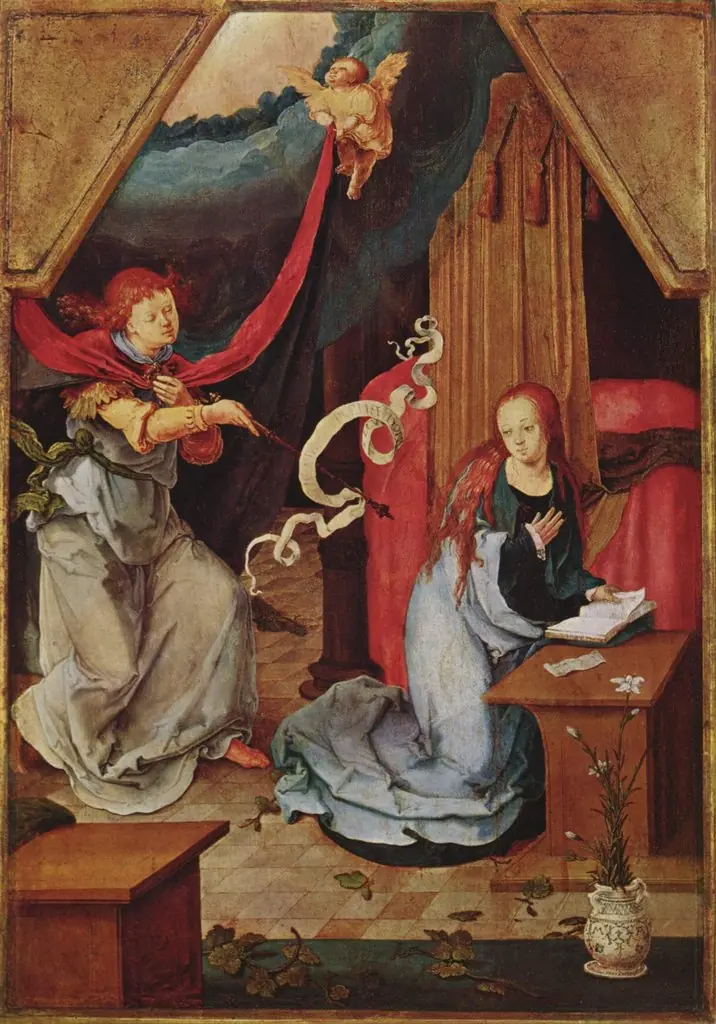 Annunciation