Artwork
The Passion: The Last Supper
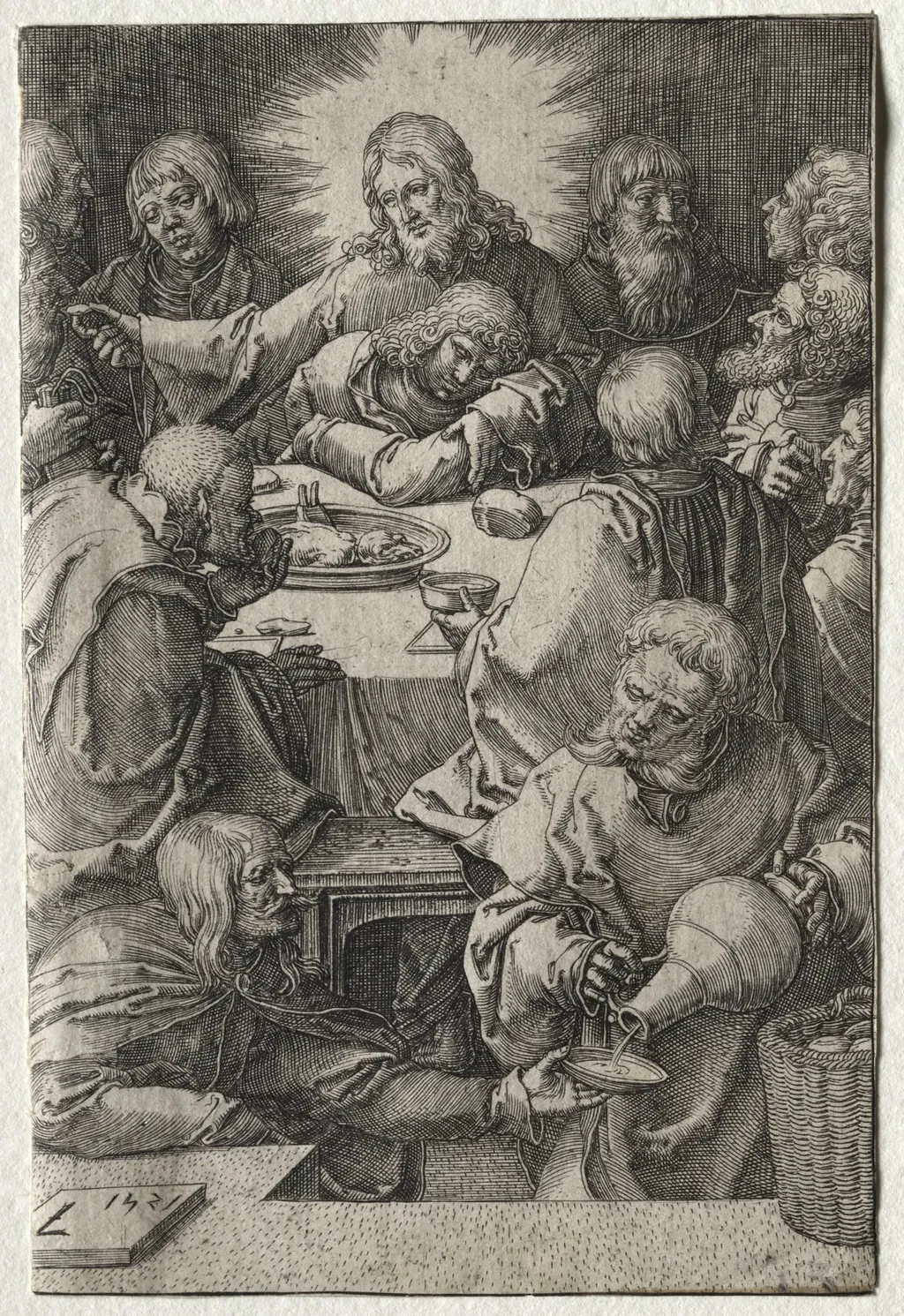
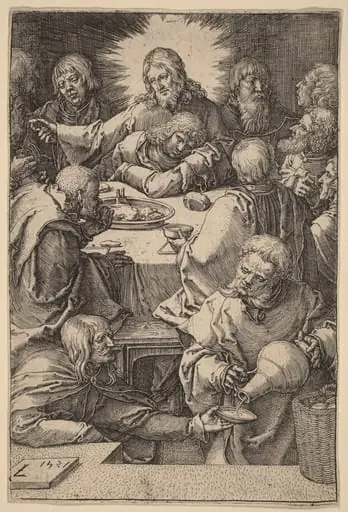
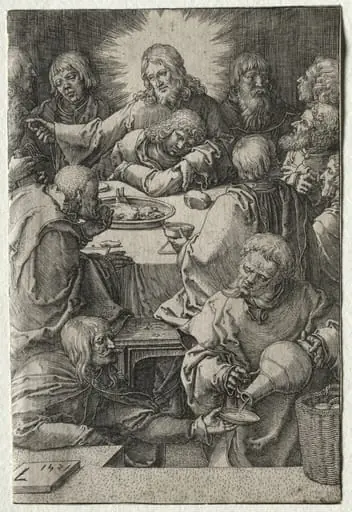
The Passion: The Last Supper is a print by the Renaissance artist Lucas van Leyden. It dates from 1521 and is held in the collection of the Cleveland Museum of Art.
About this work
Overview
Created in 1521 by the Dutch artist Lucas van Leyden, this woodcut illustrates the Last Supper as described in the Gospels.
Created in 1521 by the Dutch artist Lucas van Leyden, this woodcut illustrates the Last Supper as described in the Gospels. Executed in black ink on paper, the print belongs to a series depicting scenes from Christ’s Passion. Van Leyden’s skill in woodcut technique allowed intricate detail and dramatic contrast, making this work a significant example of early 16th-century Northern European printmaking.
Subject & Meaning
The scene captures the moment Jesus announces that one of his disciples will betray him. Figures react with varied expressions—some lean in, others withdraw, and a few gaze downward, conveying unease and introspection. The central figure of Christ, holding the cup, anchors the composition, while the dog in the corner adds a quiet, earthly presence. The narrative tension reflects theological themes of loyalty, foreknowledge, and human frailty.
Technique & Style
Van Leyden employed fine, controlled lines to model form and depth, using hatching and cross-hatching to create chiaroscuro effects without color. The background remains sparse, composed of rhythmic linear patterns, allowing the figures to emerge with sculptural presence. Facial features and gestures are rendered with psychological nuance, demonstrating his ability to convey emotion through line alone, a hallmark of his printmaking approach.
History & Provenance
The print entered the Cleveland Museum of Art’s collection as part of its broader holdings in Northern Renaissance prints. It was produced during the height of van Leyden’s career, when his works circulated widely across Europe. Though originally created for private devotion or scholarly study, its survival in good condition reflects its enduring value among collectors and institutions.
Context
Produced just before the Protestant Reformation, the image reflects Catholic devotional traditions still dominant in the Low Countries. Van Leyden’s focus on biblical narrative aligned with contemporary interest in accessible religious imagery, even as reformers began challenging the use of sacred art. His prints bridged traditional iconography and emerging humanist sensibilities.
Legacy
Van Leyden’s technical precision and emotional depth influenced later printmakers in the Netherlands and Germany. His ability to convey complex narratives in monochrome set a standard for narrative woodcuts. Though overshadowed in later centuries by painters, his prints remain studied for their compositional rigor and psychological insight into biblical moments.
Artist & collection

Artist
Lucas van Leyden (1494 – 8 August 1533), was a Dutch painter and printmaker in engraving and woodcut. Lucas van Leyden was among the first Dutch exponents of genre painting and was a very accomplished engraver.

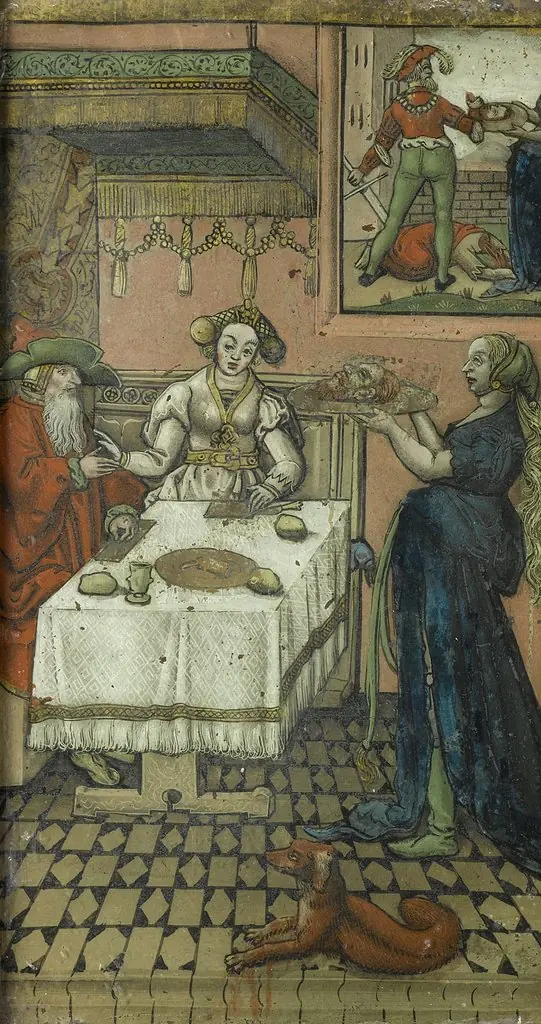 Salome with the head of St John the Baptist
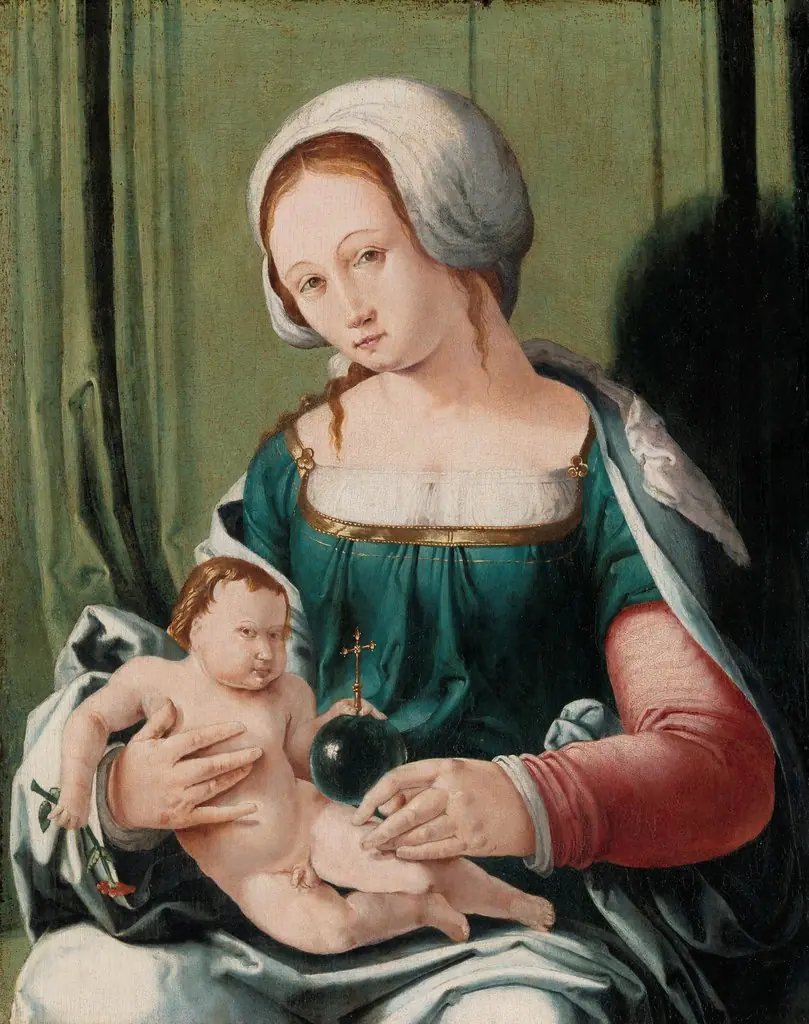 The Virgin and Child
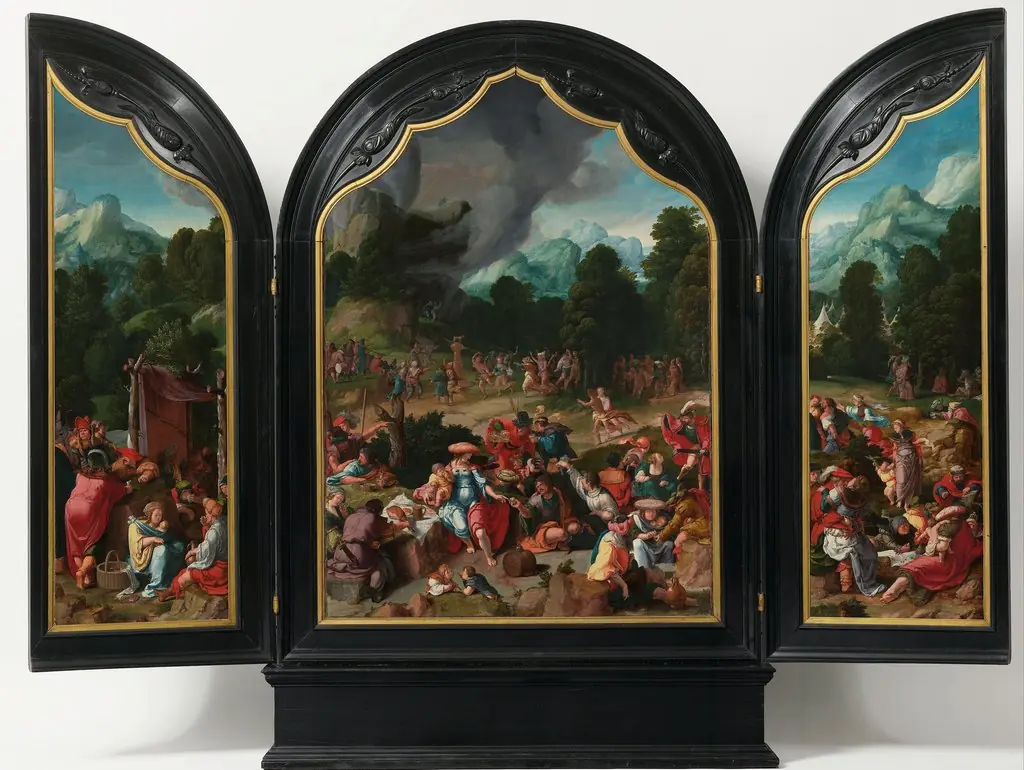 Worship of the Golden Calf
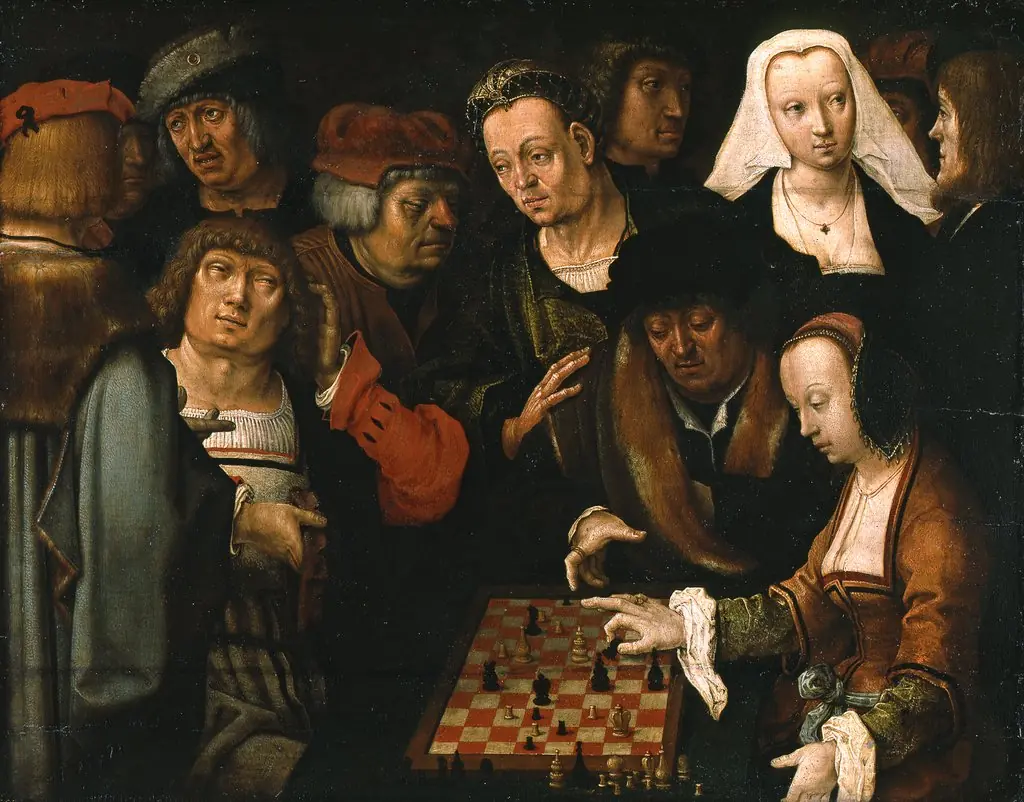 A Game of Chess
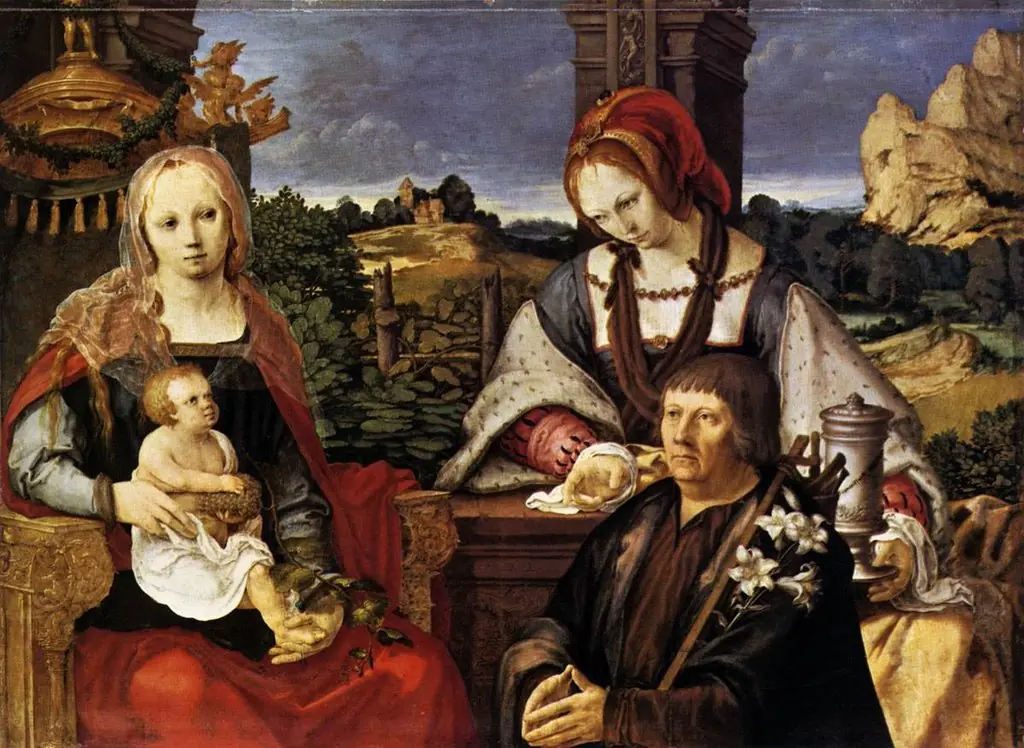 Mary with Child, St. Maria Magdalena and founder (separate outside, Inv. No. 7713)
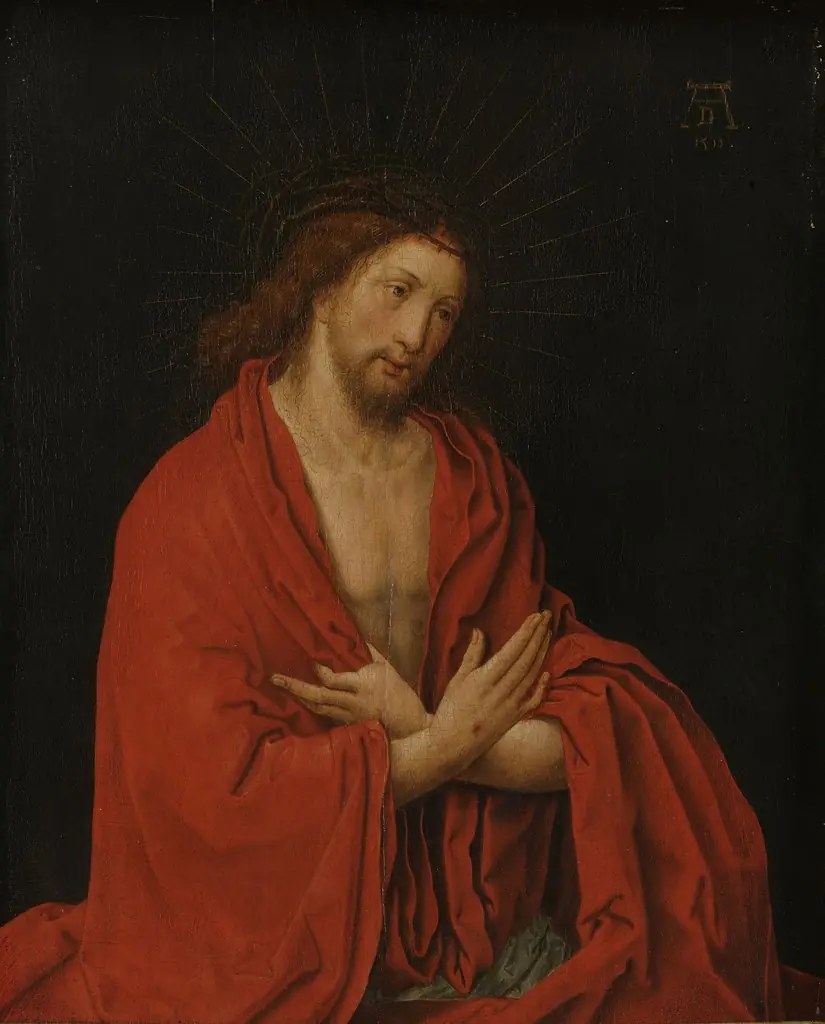 Inner left wing of a diptych with Christ as the Man of Sorrows
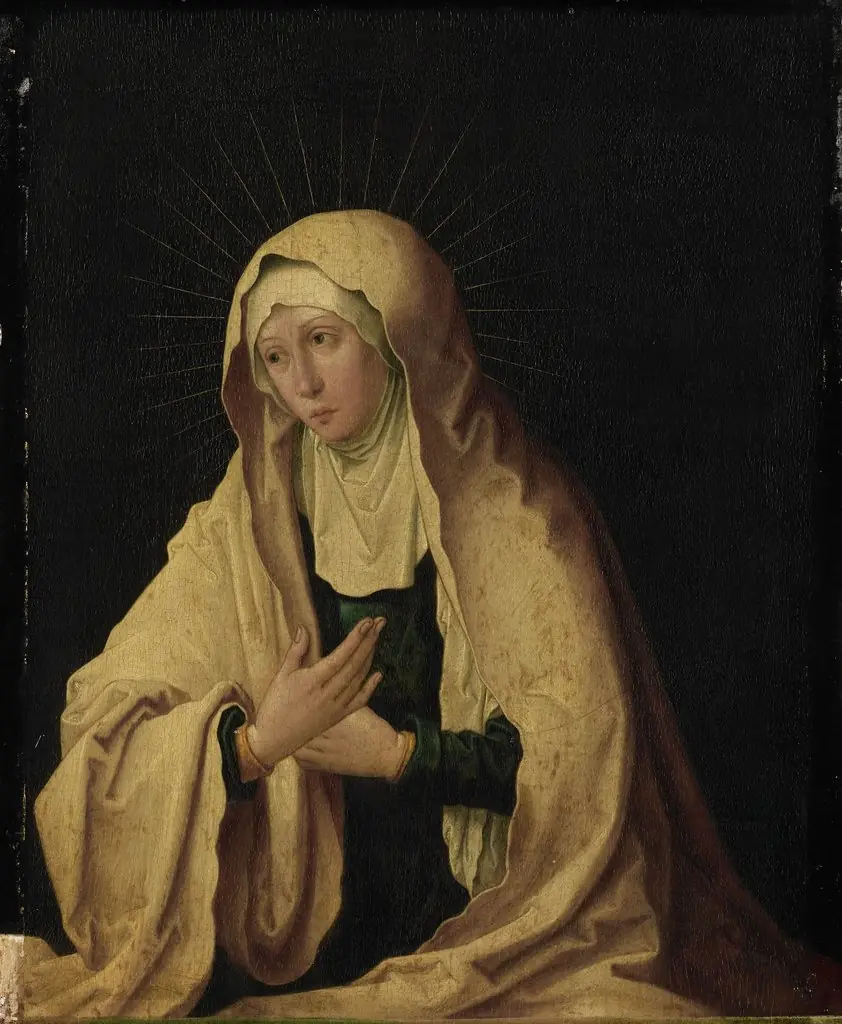 Inner right wing of a diptych with the Virgin as Mater Dolorosa
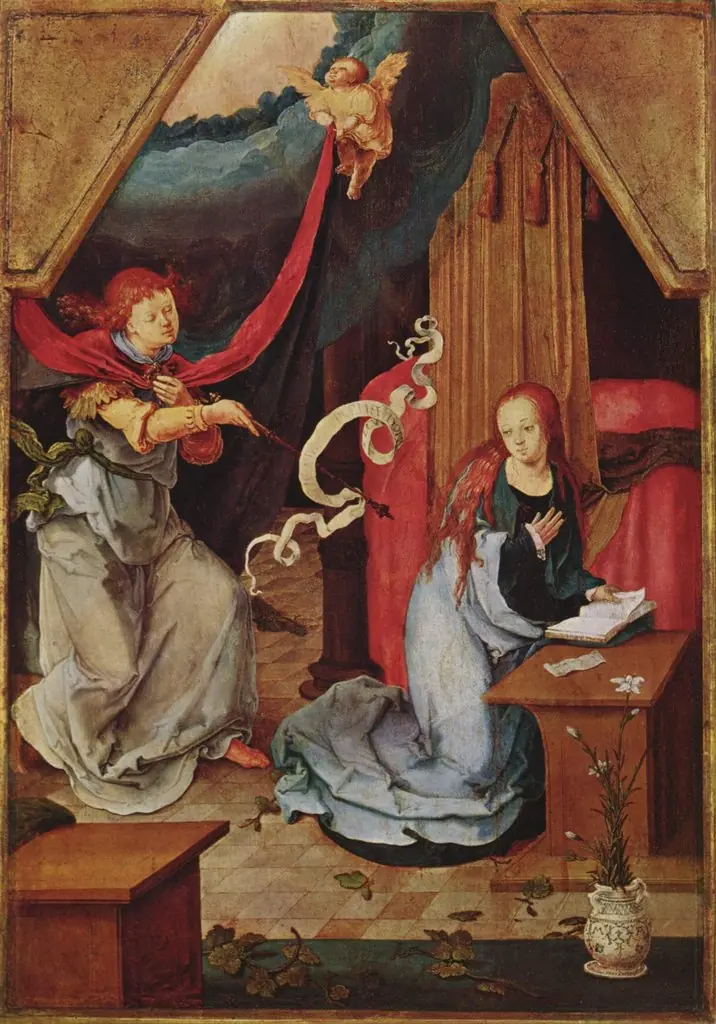 Annunciation