Artwork
The Last Supper
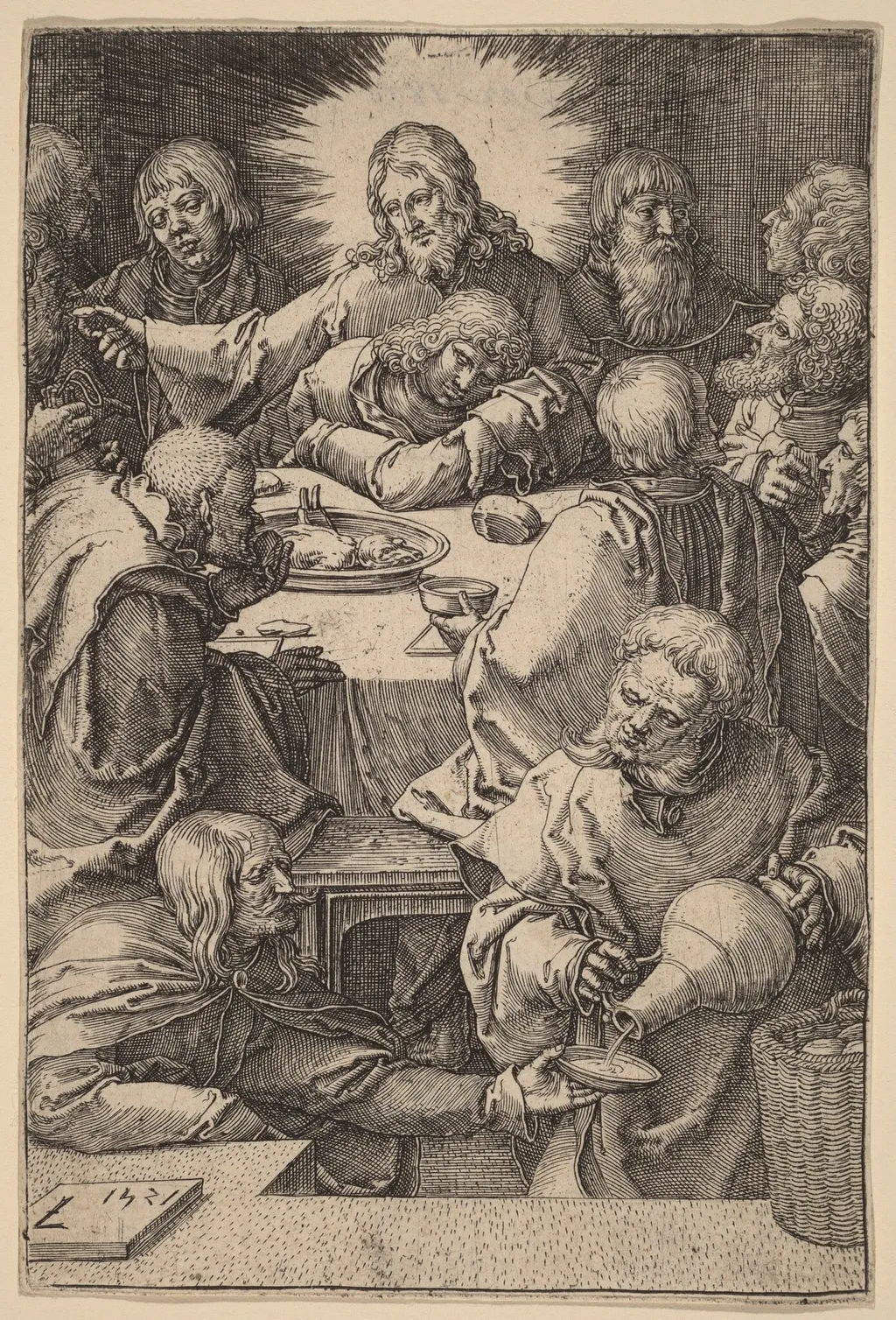
The Last Supper is an ink print by the Renaissance artist Lucas van Leyden. It dates from 1521 and is held in the collection of the National Gallery of Art.
About this work
Overview
The work exemplifies his technical precision and reflects the Northern Renaissance’s focus on intimate religious narratives through the medium of print.
Created in 1521, Lucas van Leyden’s *The Last Supper* is a black-and-white engraving that captures the biblical moment Jesus announces his betrayal. As a printmaker active in the Netherlands during the early 16th century, van Leyden used fine, controlled lines to render a complex scene with remarkable detail. The work exemplifies his technical precision and reflects the Northern Renaissance’s focus on intimate religious narratives through the medium of print.
Subject & Meaning
The scene depicts Christ and his twelve disciples gathered around a table, moments after Jesus declares that one among them will betray him. Christ, centered and calm, raises a cup, while the disciples react with varied expressions of shock, confusion, and inquiry. The composition emphasizes human emotion and psychological tension, aligning with contemporary devotional practices that encouraged personal reflection on sacred events.
Technique & Style
Van Leyden employed fine, intersecting lines to model form and depth, creating a sense of volume in faces, drapery, and architecture. The dark background isolates the figures, enhancing their emotional intensity. Subtle gradations of tone, achieved through hatching and cross-hatching, give the scene a sculptural quality. The inclusion of a distant doorway introduces spatial depth, a hallmark of van Leyden’s sophisticated approach to perspective in printmaking.
History & Provenance
The engraving was produced during the height of van Leyden’s career, when his prints circulated widely across Europe. It was likely made for private collectors and religious households, reflecting the growing demand for devotional imagery in the decades before the Reformation. Though no specific early ownership records survive, its survival in multiple institutional collections attests to its enduring presence in Northern European print culture.
Context
In early 16th-century Netherlands, religious imagery remained central despite rising tensions with the Church. Van Leyden’s work bridges traditional Catholic iconography and emerging humanist interests in psychological realism. His prints, often smaller and more accessible than paintings, allowed broader audiences to engage with sacred narratives, contributing to the spread of visual piety in a time of religious upheaval.
Legacy
Van Leyden’s *The Last Supper* influenced later Northern printmakers through its mastery of line and emotional nuance. His ability to convey complex narratives in small-scale engravings helped elevate printmaking from craft to a respected artistic medium. Though overshadowed in later centuries by painters like Dürer, his technical innovations remained a reference point for generations of engravers in the Low Countries.
Artist & collection

Artist
Lucas van Leyden (1494 – 8 August 1533), was a Dutch painter and printmaker in engraving and woodcut. Lucas van Leyden was among the first Dutch exponents of genre painting and was a very accomplished engraver.

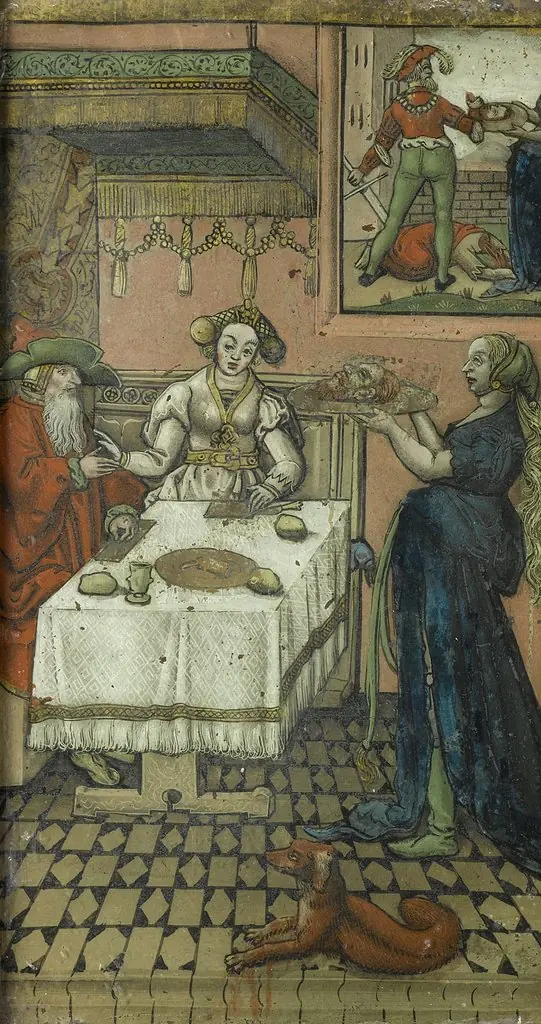 Salome with the head of St John the Baptist
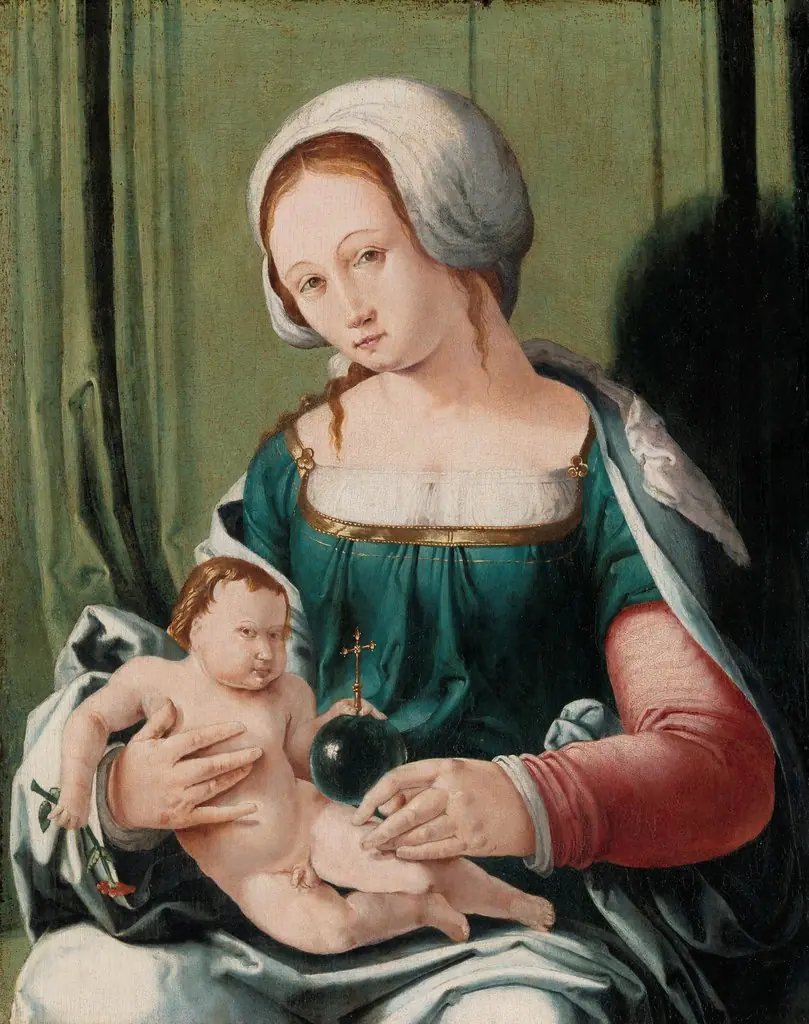 The Virgin and Child
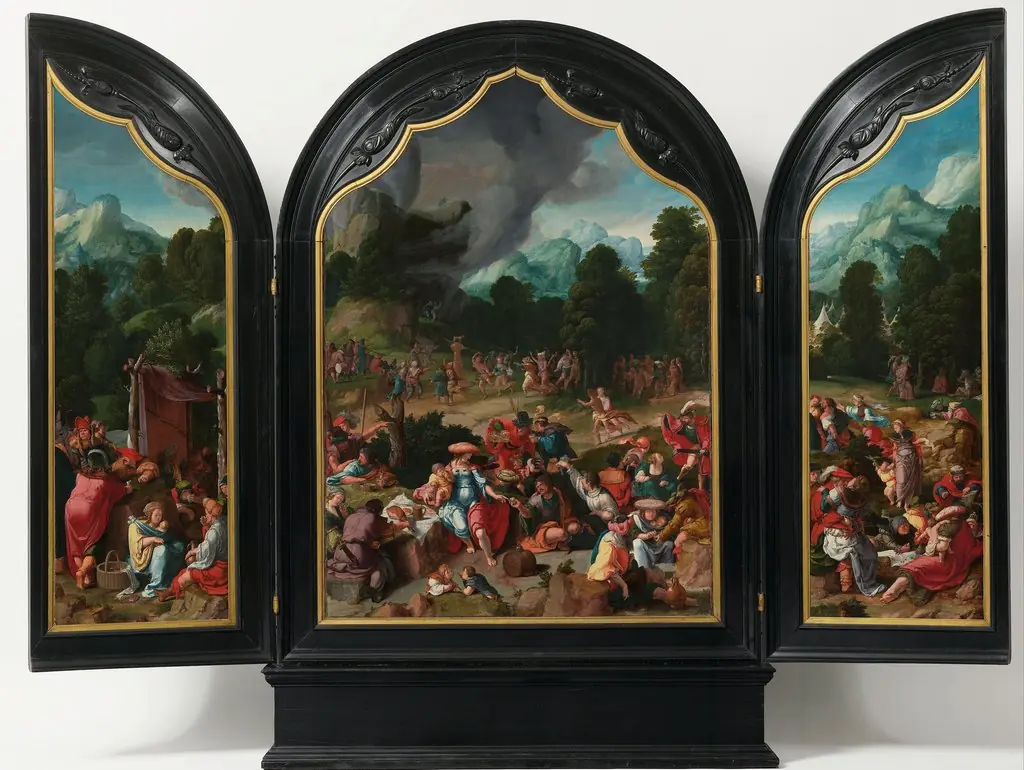 Worship of the Golden Calf
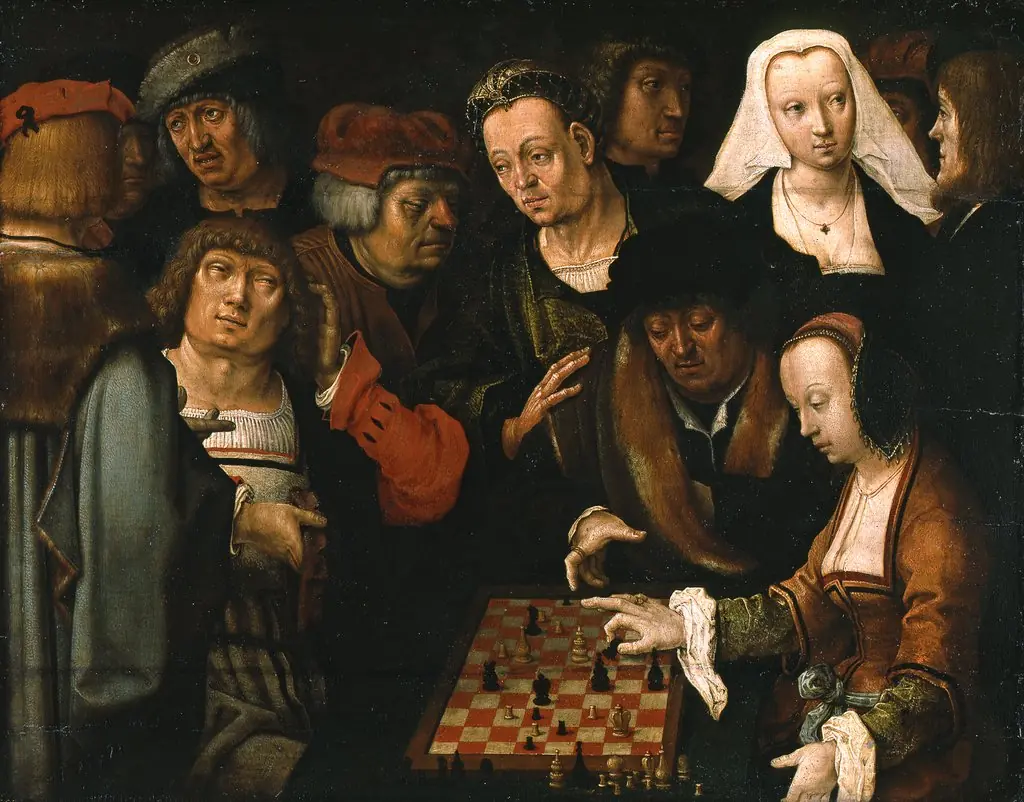 A Game of Chess
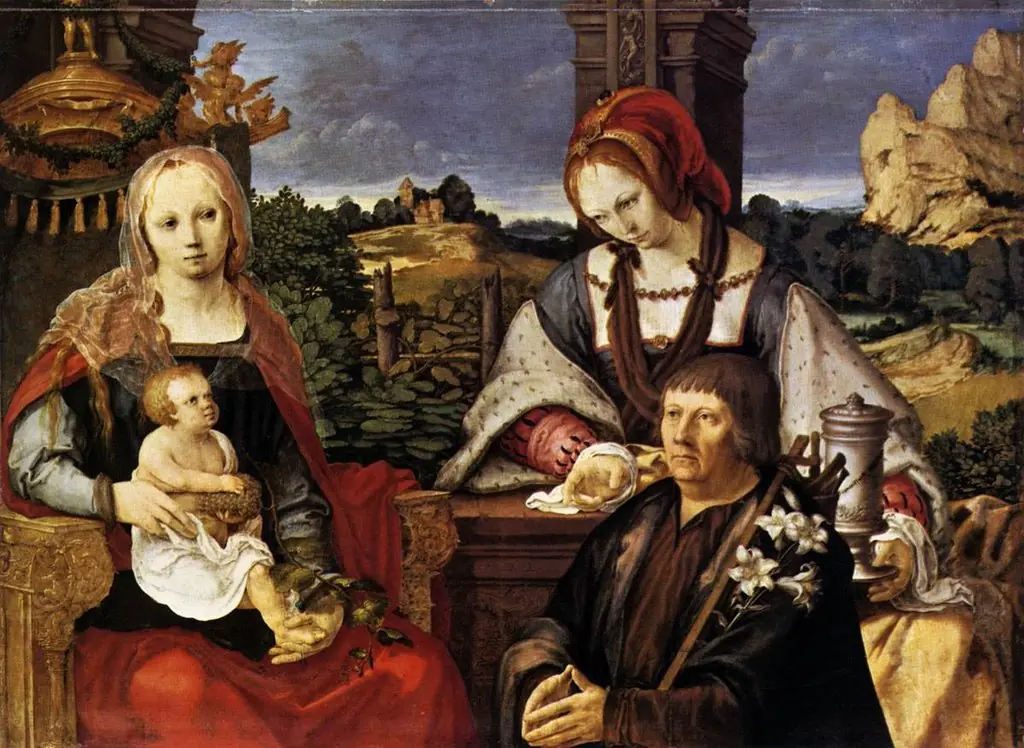 Mary with Child, St. Maria Magdalena and founder (separate outside, Inv. No. 7713)
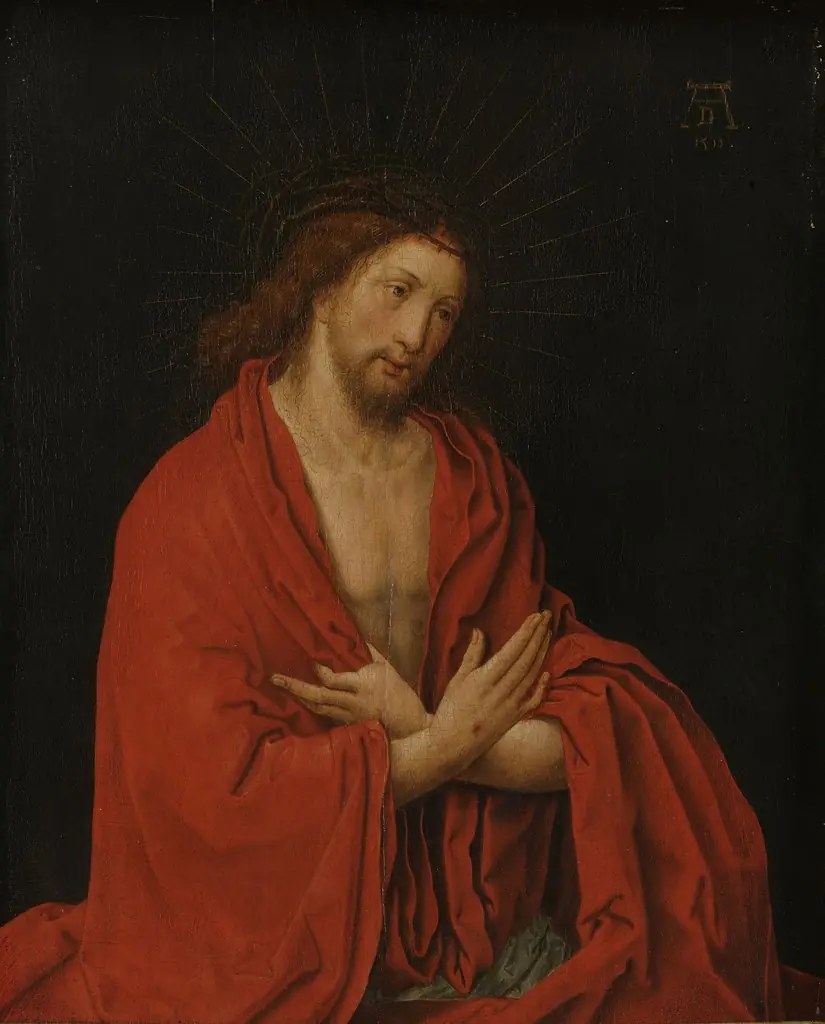 Inner left wing of a diptych with Christ as the Man of Sorrows
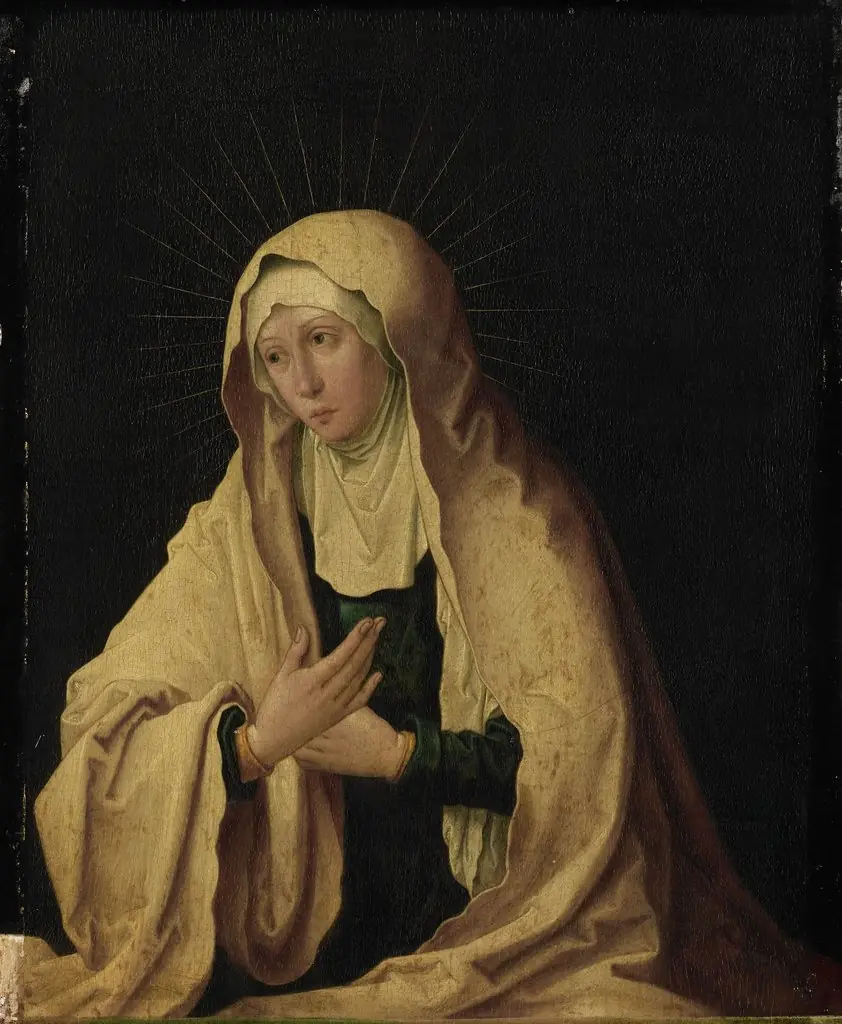 Inner right wing of a diptych with the Virgin as Mater Dolorosa
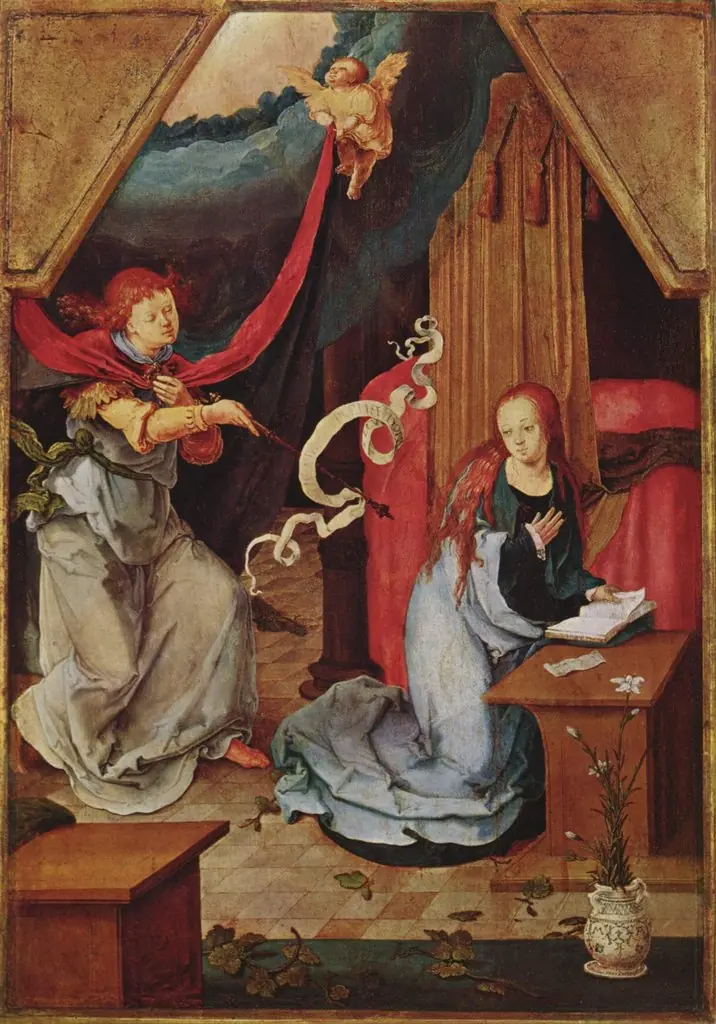 Annunciation
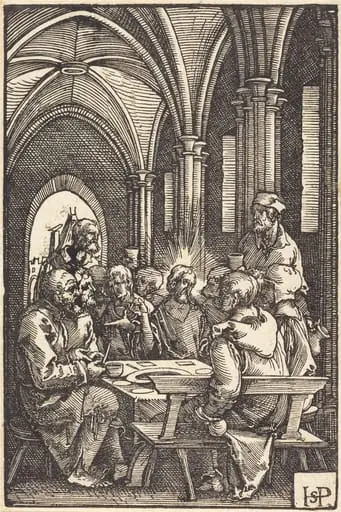 The Last Supper
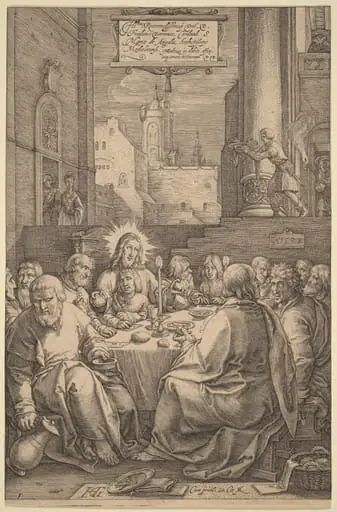 The Last Supper
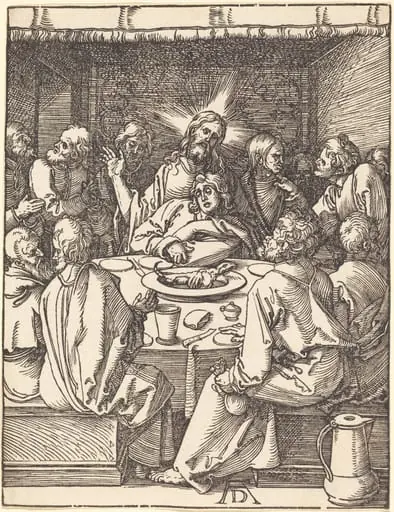 The Last Supper
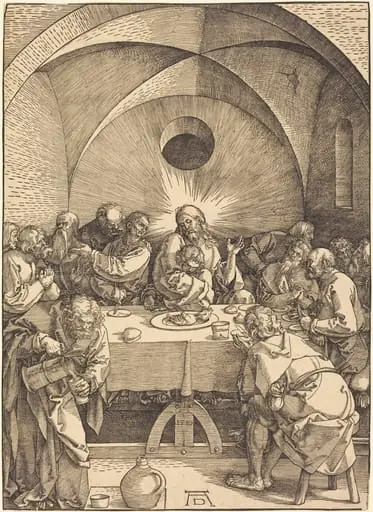 The Last Supper
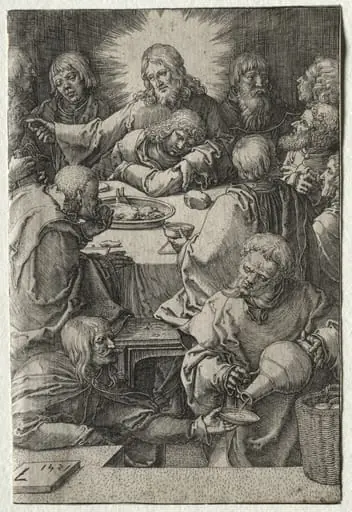 The Passion: The Last Supper
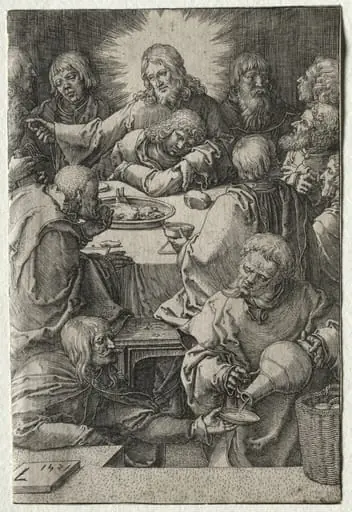 The Last Supper
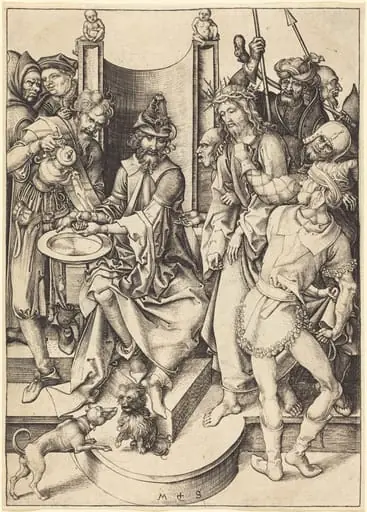 Christ before Pilate
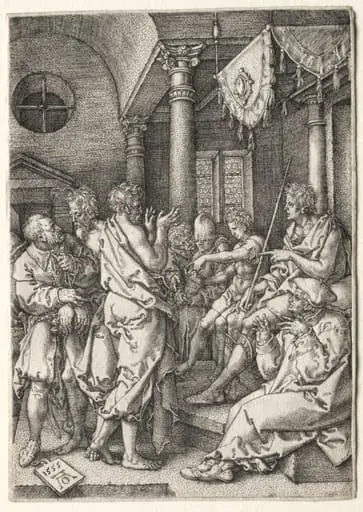 The Story of Susanna: Daniel Cross-Examining the Elders
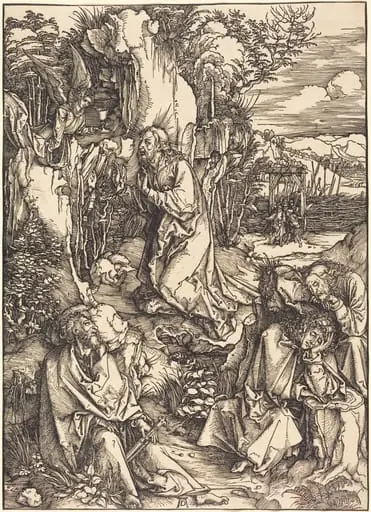 Christ on the Mount of Olives
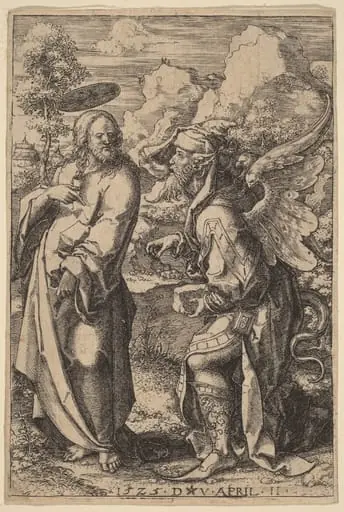 The Temptation of Christ
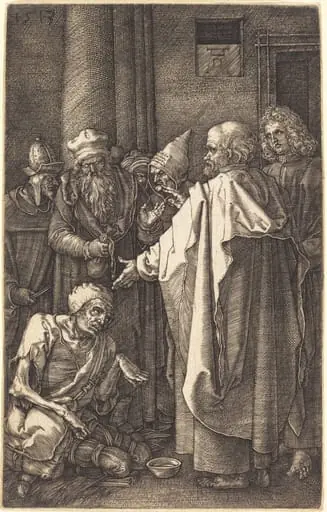 Saint Peter and Saint John Healing a Cripple at the Gate of the Temple
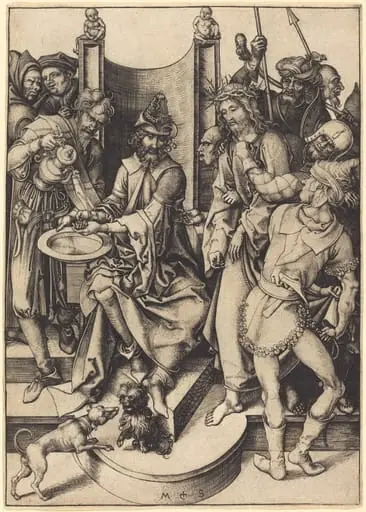 Christ before Pilate