Artwork
Golgotha
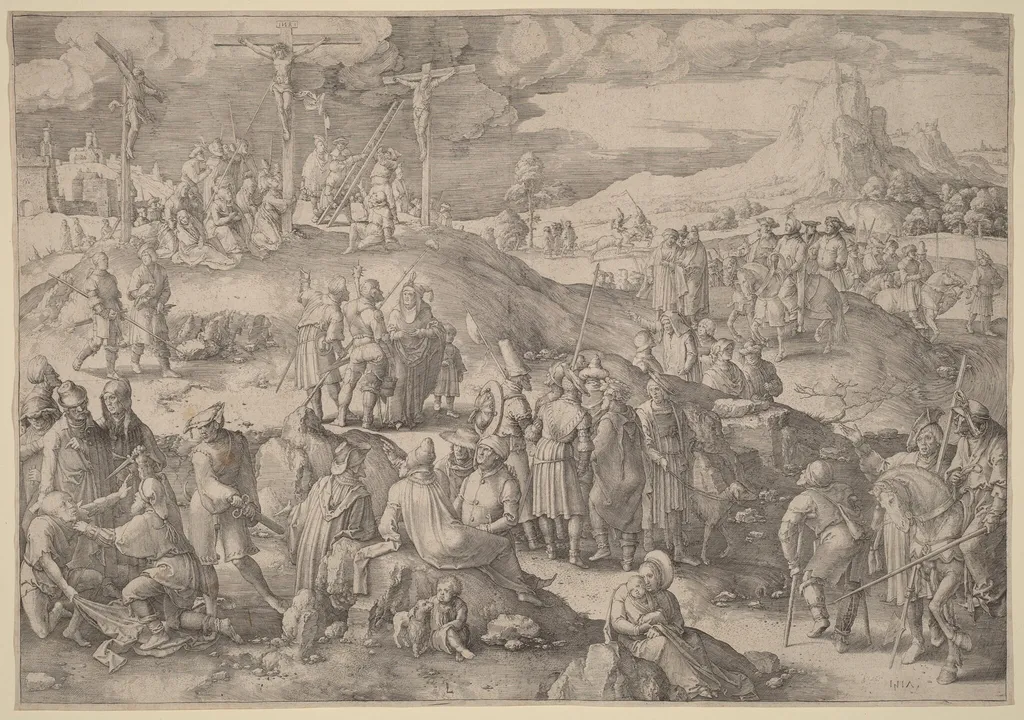
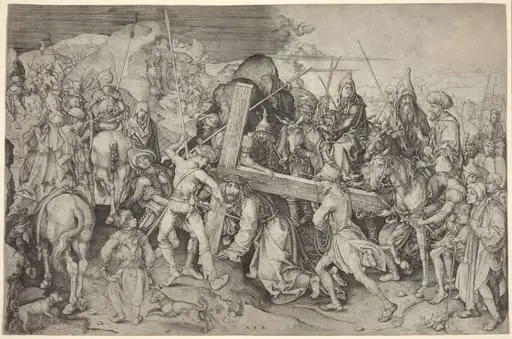
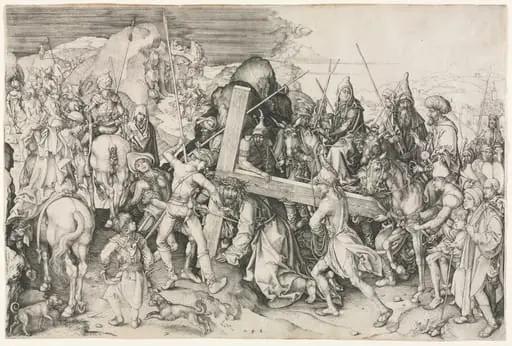
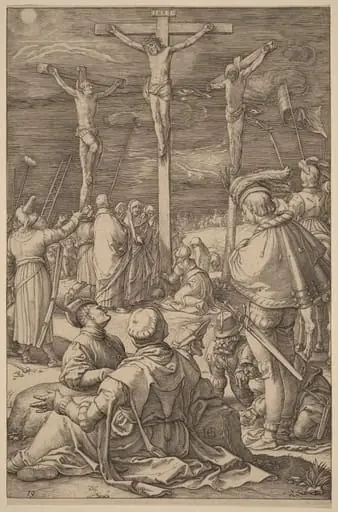
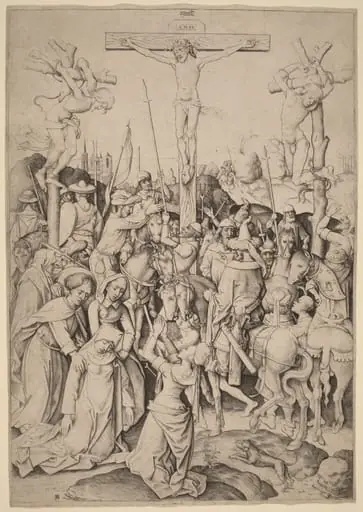
Golgotha is an ink print by the Renaissance artist Lucas van Leyden. It dates from 1517 and is held in the collection of the National Gallery of Art.
About this work
Overview
Lucas van Leyden’s 1517 engraving titled *Golgotha* presents a detailed visual account of the crucifixion. Executed in the Northern Renaissance tradition, the print captures a solemn gathering around the foot of the cross, set against a stark, rocky horizon punctuated by distant trees and structures.
Subject & Meaning
The image focuses on the moment of Christ’s death on Golgotha, a theme frequently explored by Netherlandish artists. Figures in the foreground display gestures of mourning and prayer, underscoring the devotional intensity of the scene.
Technique & Style
Rendered through fine incised lines, the engraving demonstrates van Leyden’s command of chiaroscuro, using sharp contrasts of light and shadow to model forms and convey depth. The meticulous texture work and realistic rendering reflect the artist’s skill in translating complex tonal values into the print medium.
History & Provenance
Created early in van Leyden’s career, *Golgotha* exemplifies his reputation as a pioneering printmaker in the Netherlands. The work circulated among collectors of the period, contributing to the spread of his reputation for technical virtuosity in engraving.
Context
During the early sixteenth century, depictions of the crucifixion were common in Northern art, serving both devotional and didactic purposes. Van Leyden’s treatment aligns with contemporary religious sensibilities while also showcasing the emerging interest in genre-like detail within sacred narratives.
Artist & collection

Artist
Lucas van Leyden (1494 – 8 August 1533), was a Dutch painter and printmaker in engraving and woodcut. Lucas van Leyden was among the first Dutch exponents of genre painting and was a very accomplished engraver.

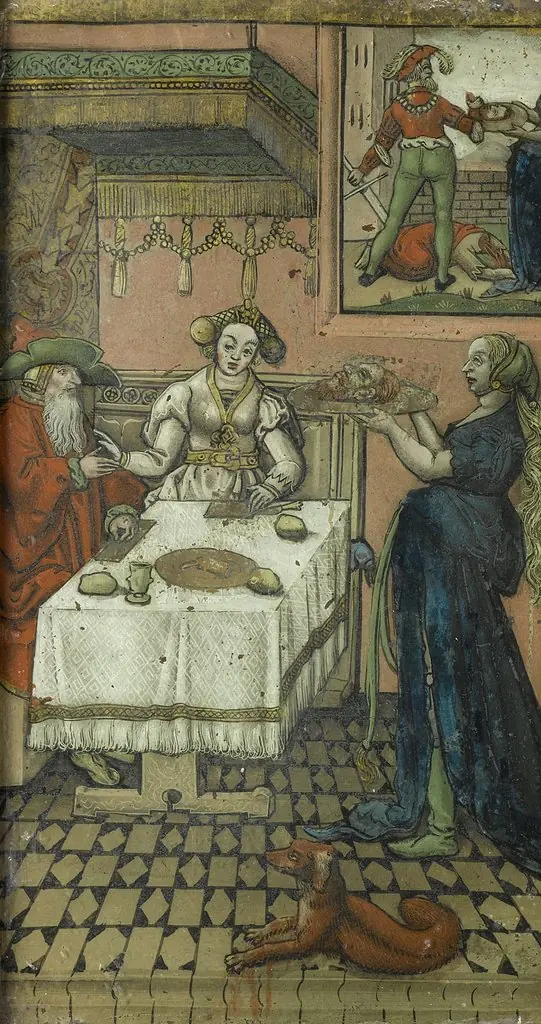 Salome with the head of St John the Baptist
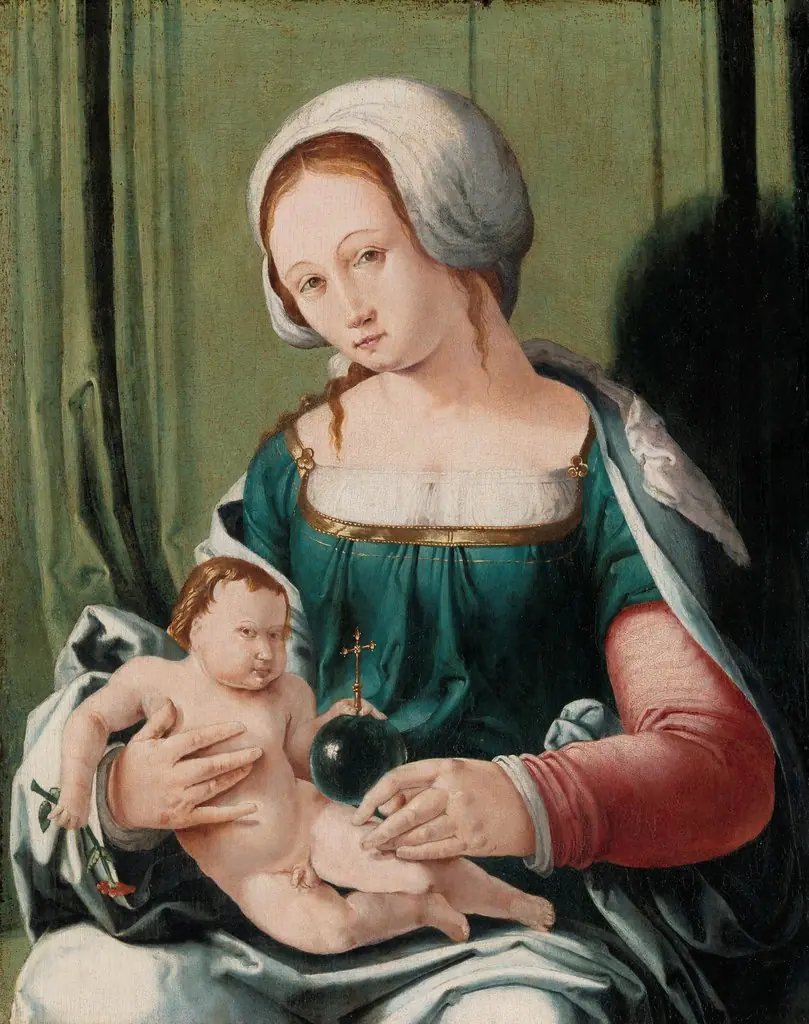 The Virgin and Child
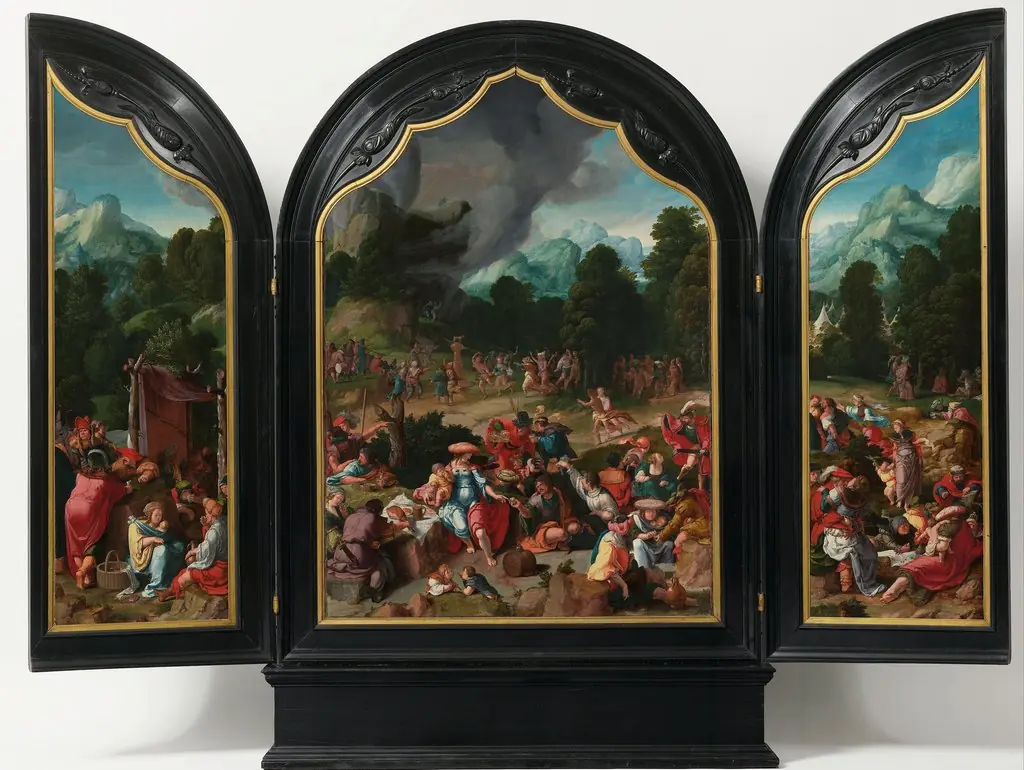 Worship of the Golden Calf
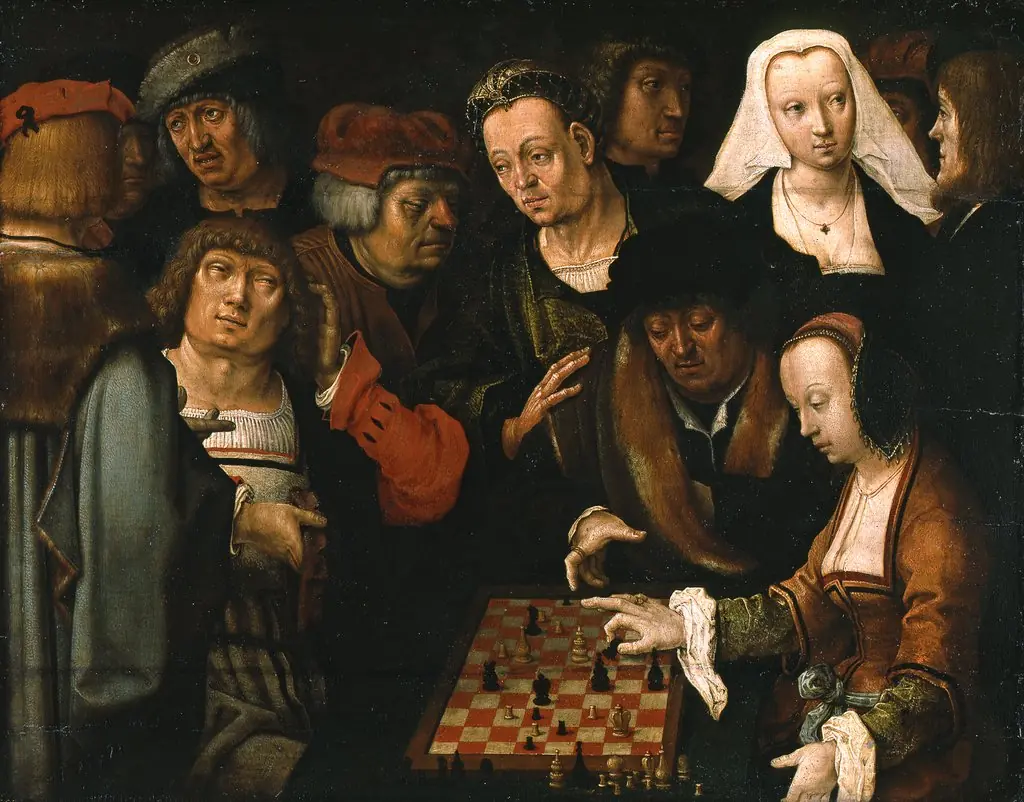 A Game of Chess
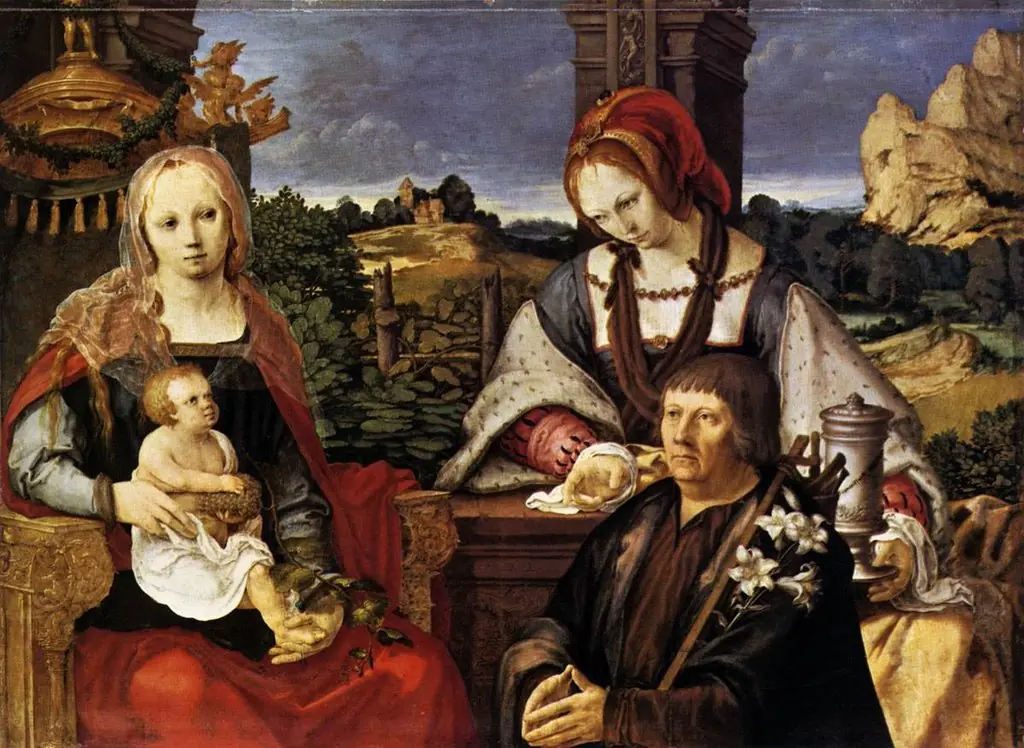 Mary with Child, St. Maria Magdalena and founder (separate outside, Inv. No. 7713)
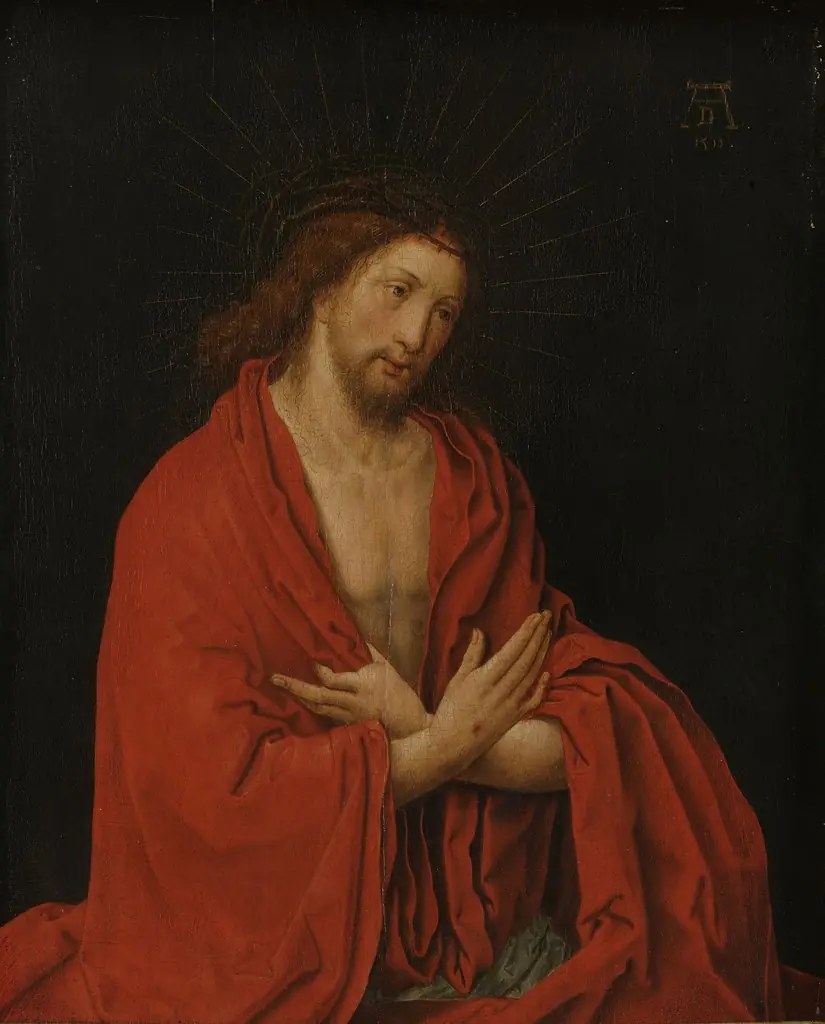 Inner left wing of a diptych with Christ as the Man of Sorrows
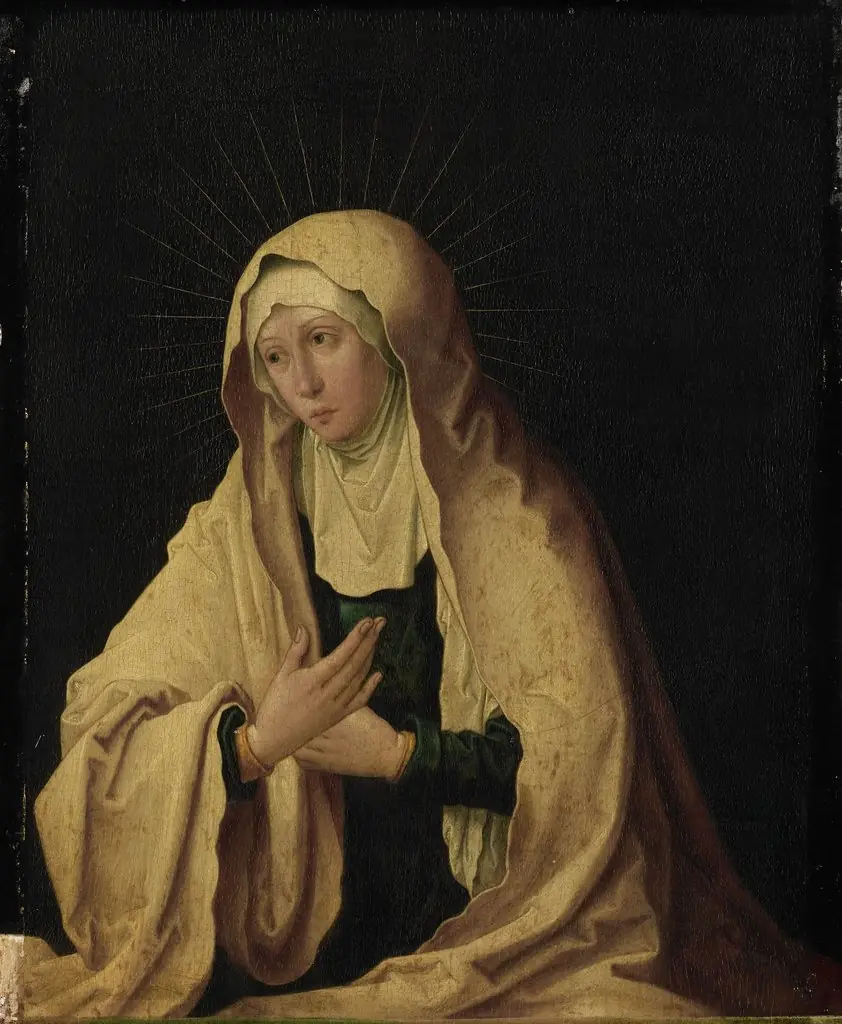 Inner right wing of a diptych with the Virgin as Mater Dolorosa
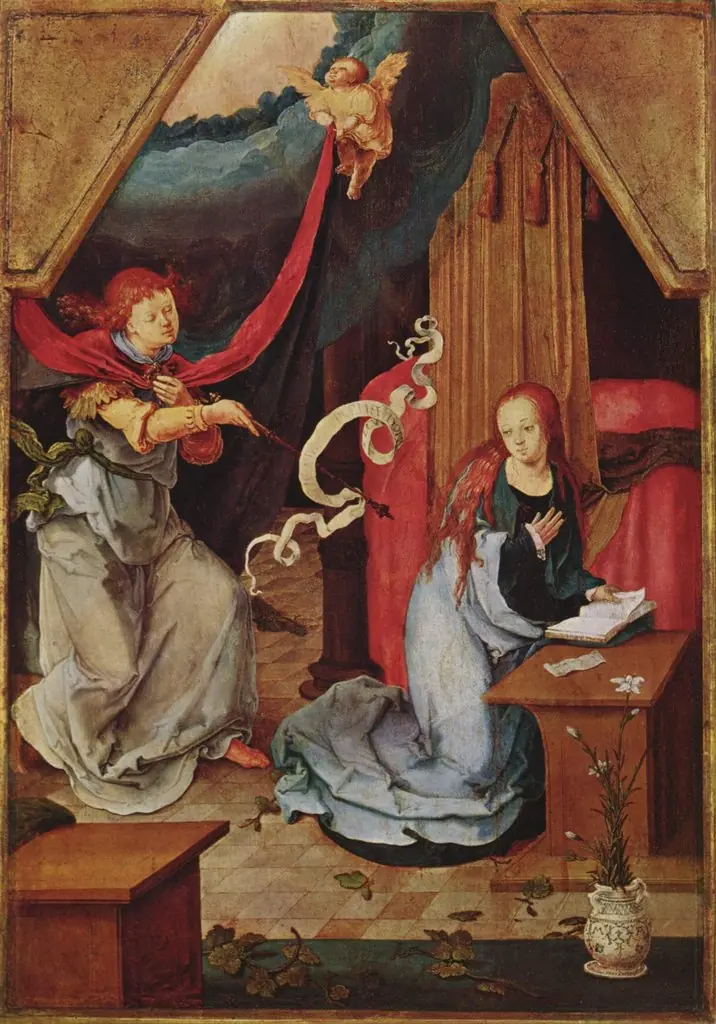 Annunciation