Artwork
Saint Anthony
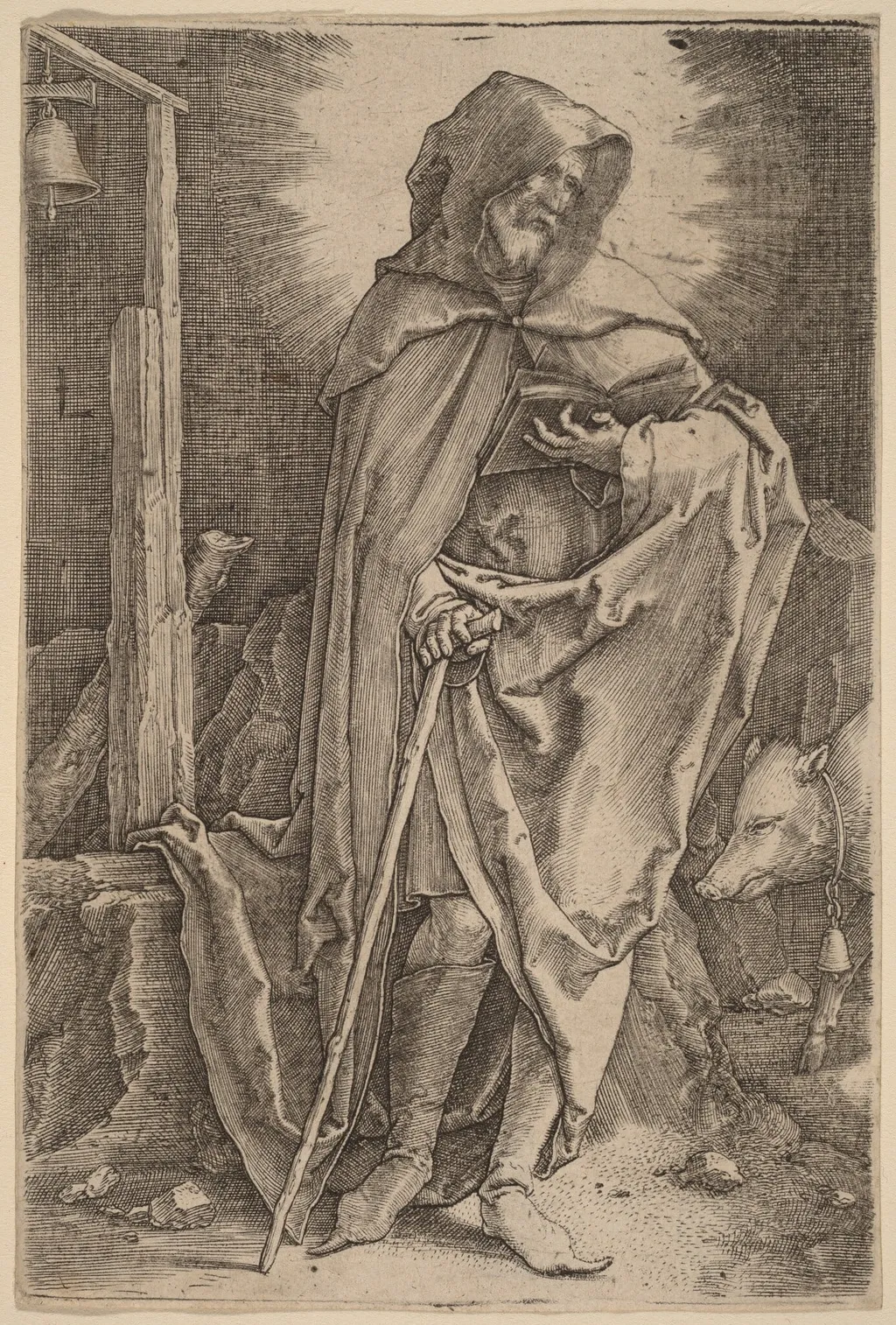
Saint Anthony is an ink print by the Renaissance artist Lucas van Leyden. It dates from 1521 and is held in the collection of the National Gallery of Art.
About this work
Overview
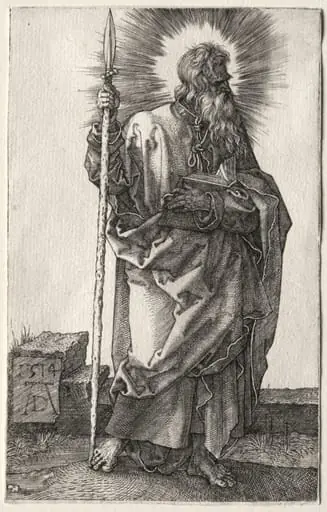
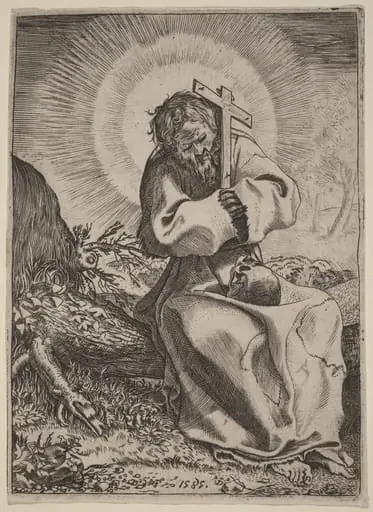
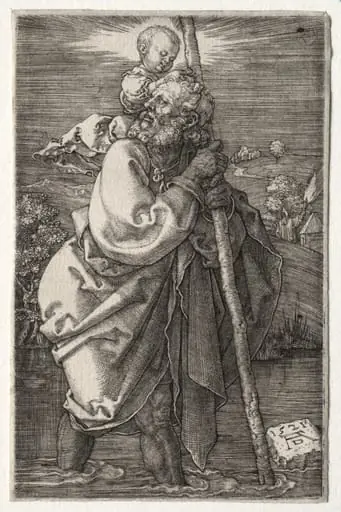
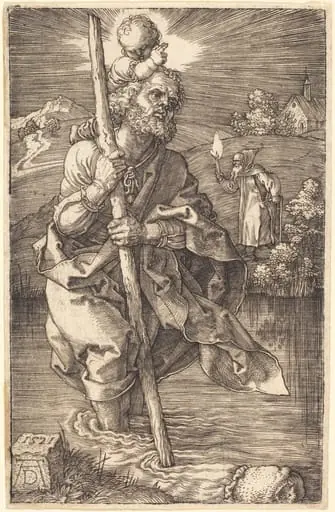
Lucas van Leyden’s engraving *Saint Anthony*, executed circa 1521, presents a solitary figure in a stark monochrome composition. The saint is shown as a weary hermit, leaning on a staff, his heavy robe draped around him, while a small bell hangs nearby and a dog rests at his feet. The image exemplifies early 16th‑century Dutch religious printmaking.
Subject & Meaning
The work portrays Saint Anthony the Great, a model of asceticism and spiritual struggle in Christian tradition. By emphasizing the saint’s fatigue, the modest staff, and the humble animal companion, the engraving underscores themes of solitude, penitence, and the saint’s reliance on divine guidance amid earthly hardships.
Technique & Style
Van Leyden employs fine cross‑hatching to render shadows and texture, creating a dense, almost incised surface that conveys depth and materiality. The meticulous line work defines the folds of the robe, the contours of the face, and the tactile presence of the dog, reflecting the artist’s mastery of the engraving medium and his attention to detail.
History & Provenance
Created during the later phase of van Leyden’s career, the print reflects his reputation as one of the first Dutch artists to explore genre subjects through print. While the original copper plate no longer survives, surviving impressions have circulated among European collections since the 16th century, attesting to the work’s continued relevance in the study of early Netherlandish engraving.
Artist & collection

Artist
Lucas van Leyden (1494 – 8 August 1533), was a Dutch painter and printmaker in engraving and woodcut. Lucas van Leyden was among the first Dutch exponents of genre painting and was a very accomplished engraver.

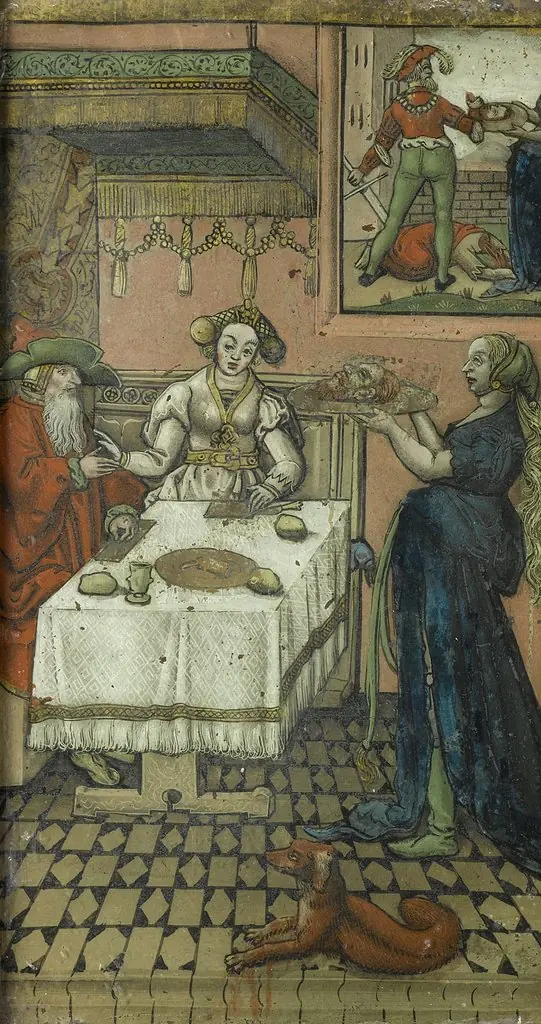 Salome with the head of St John the Baptist
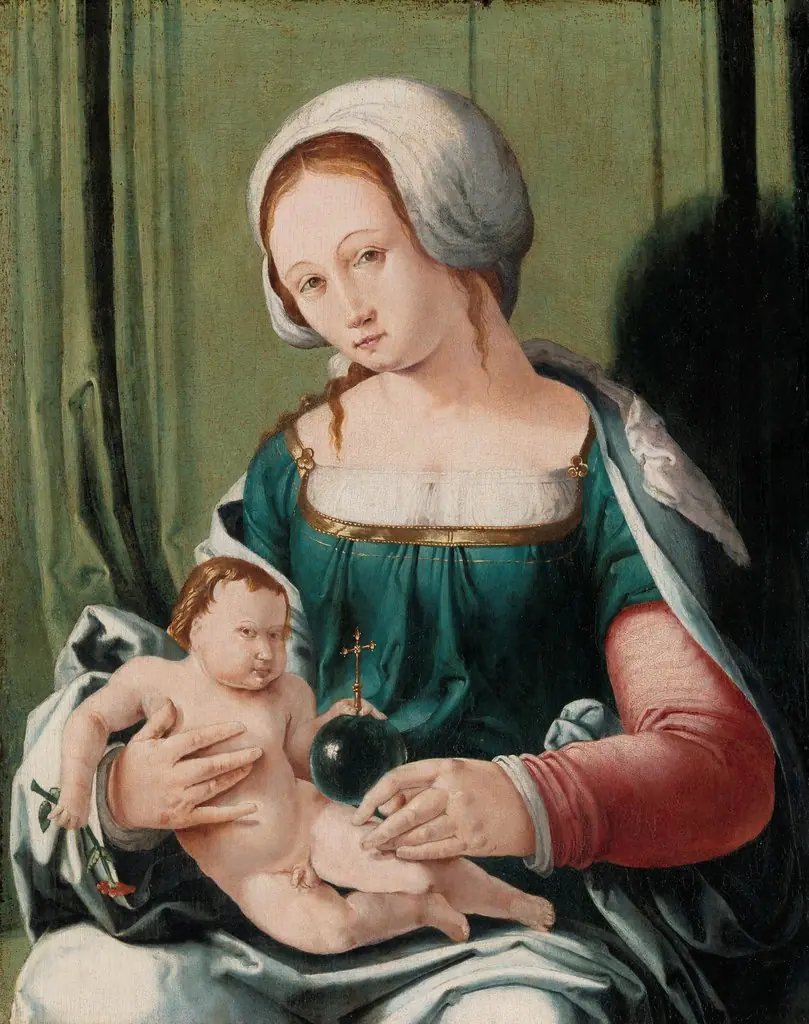 The Virgin and Child
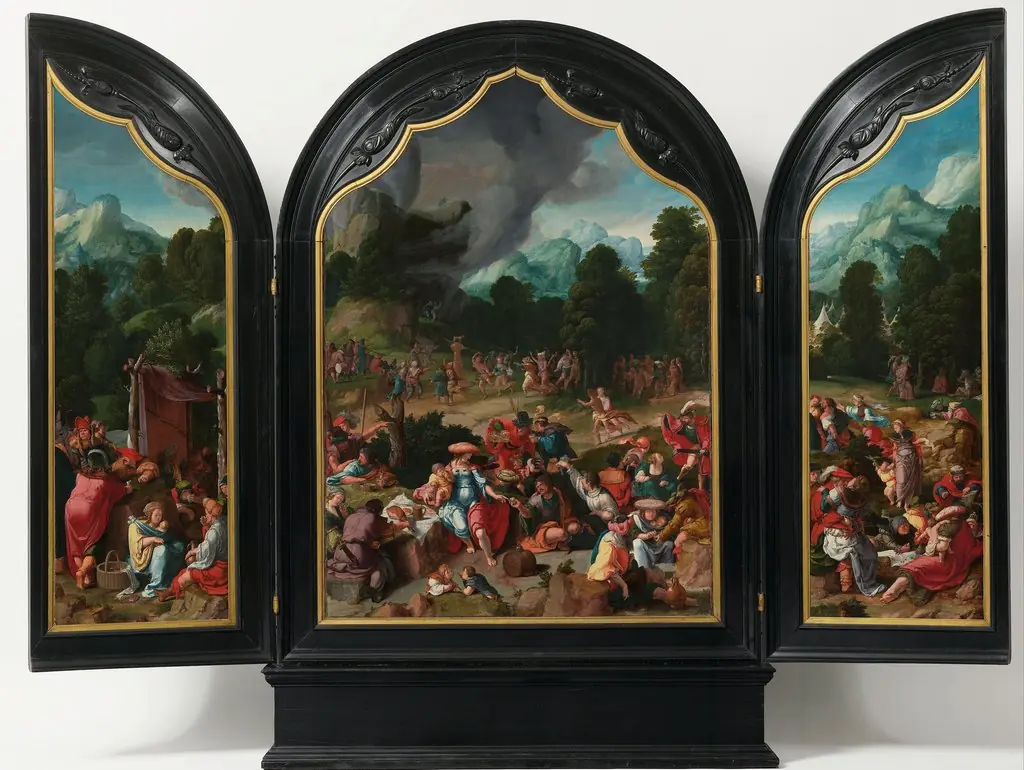 Worship of the Golden Calf
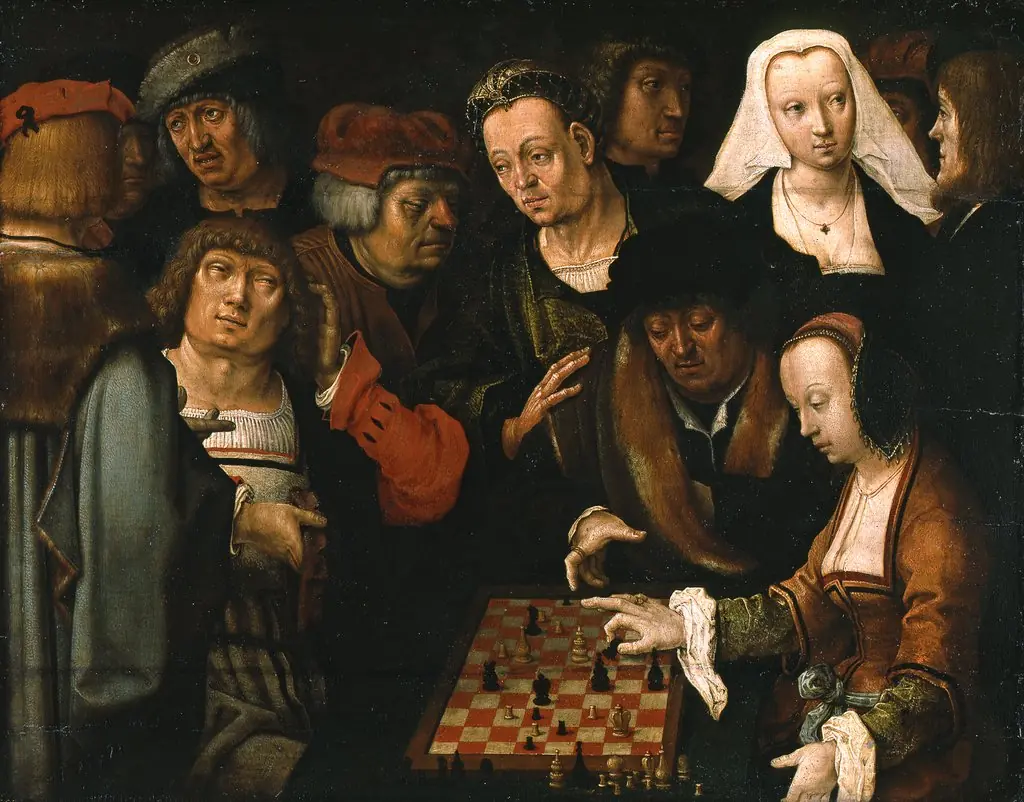 A Game of Chess
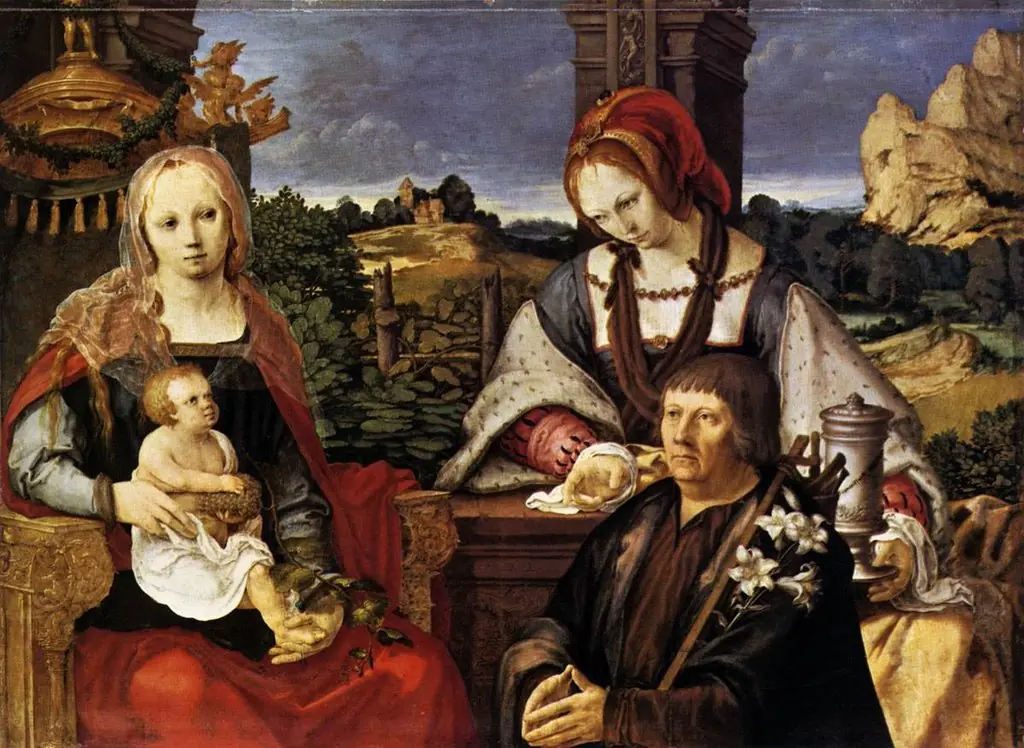 Mary with Child, St. Maria Magdalena and founder (separate outside, Inv. No. 7713)
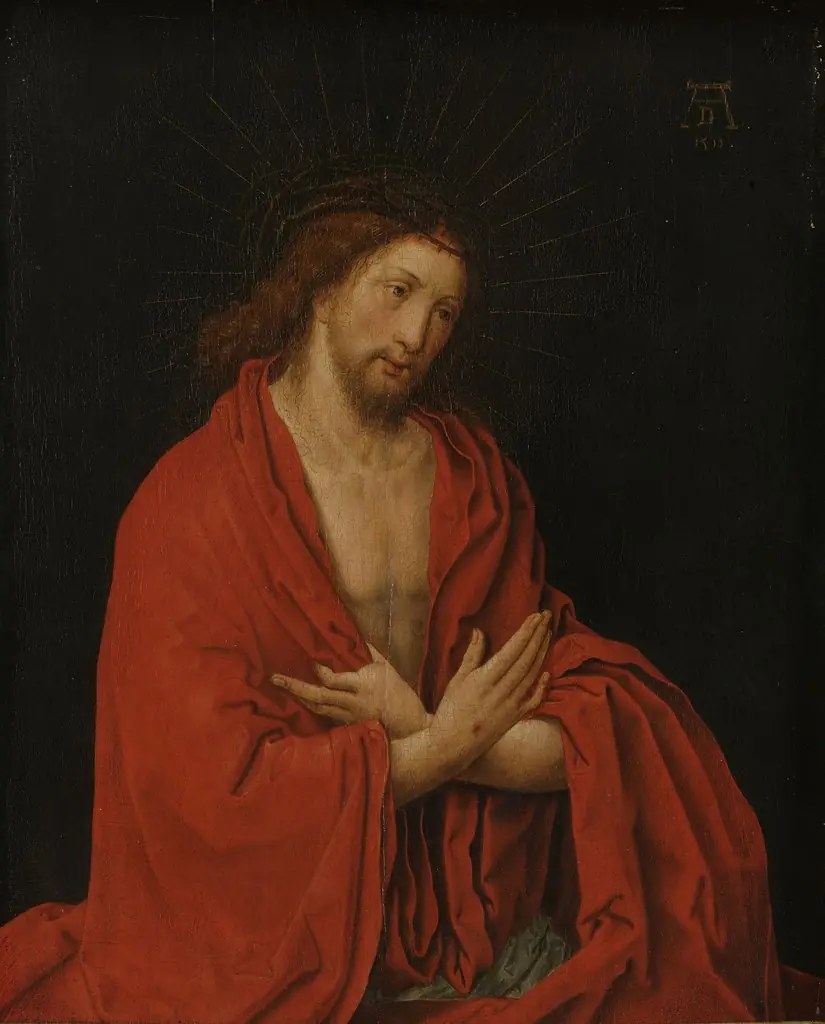 Inner left wing of a diptych with Christ as the Man of Sorrows
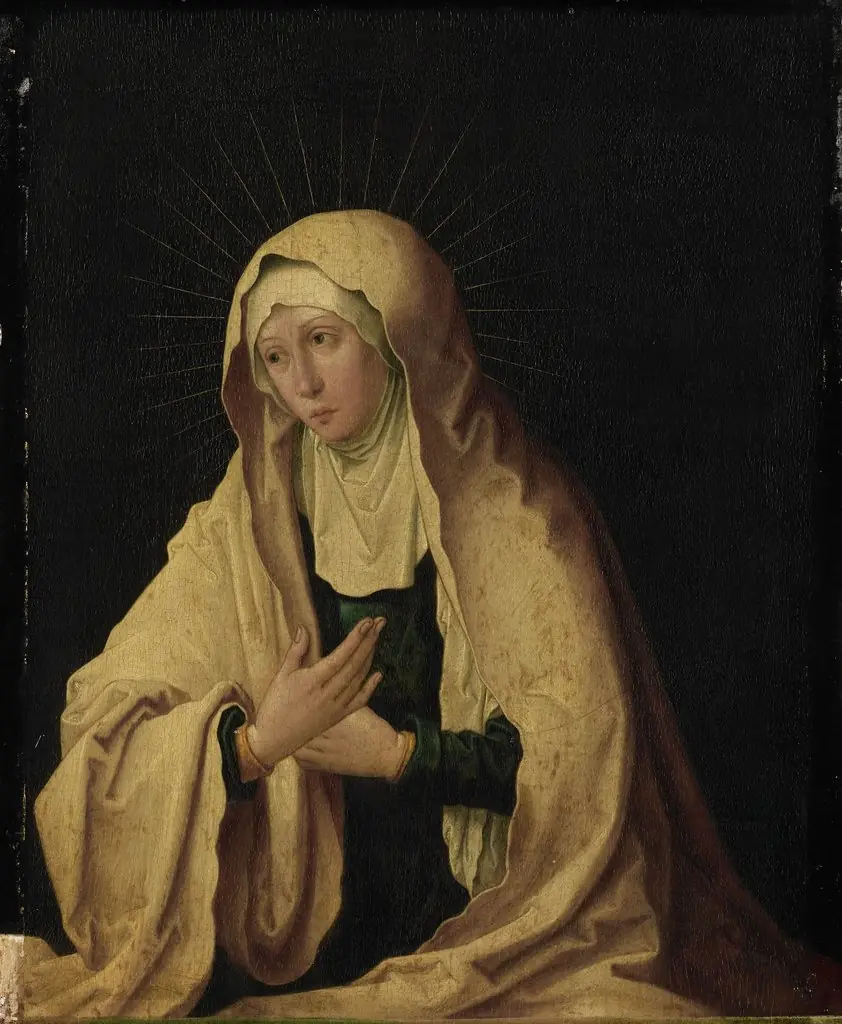 Inner right wing of a diptych with the Virgin as Mater Dolorosa
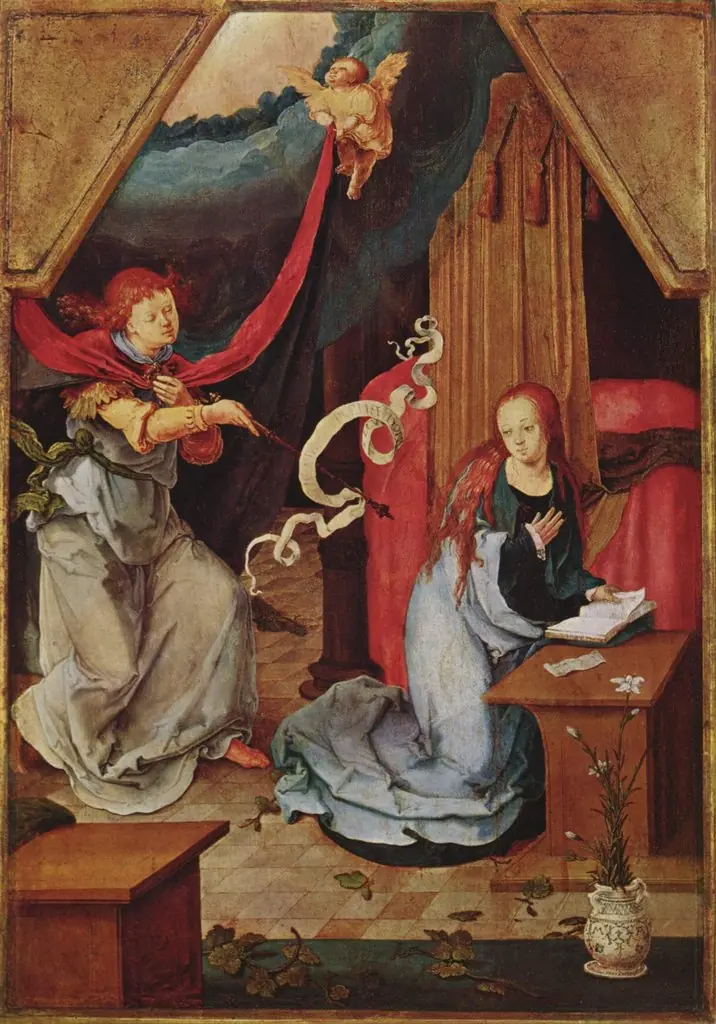 Annunciation