Artwork
Saint Sebald
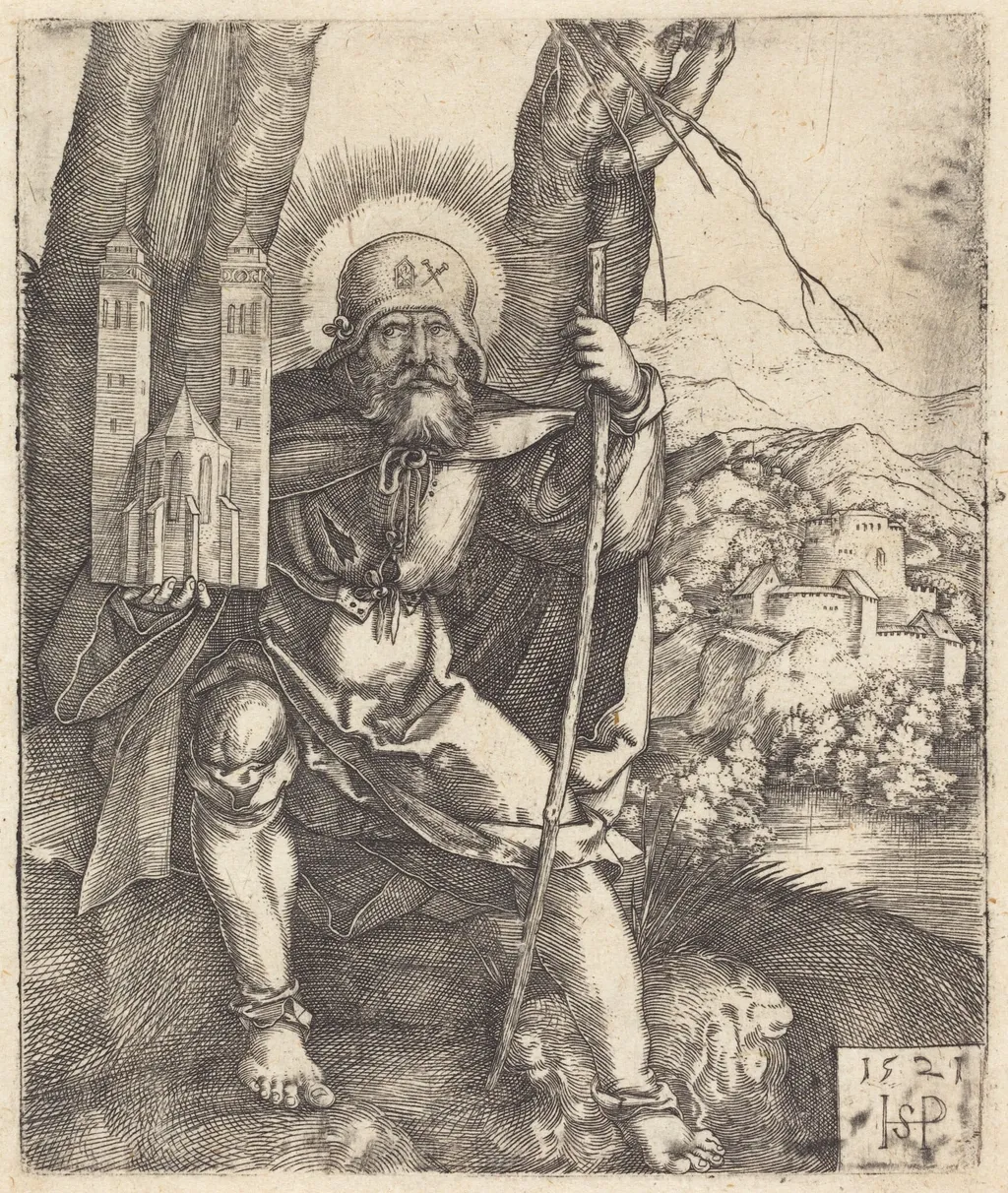
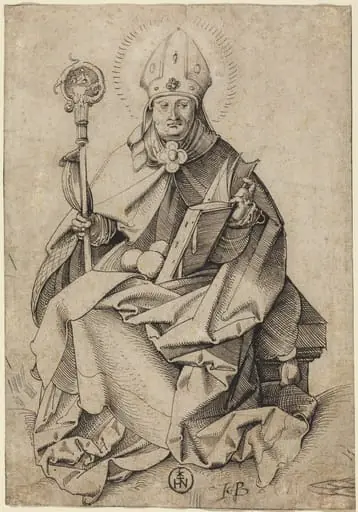
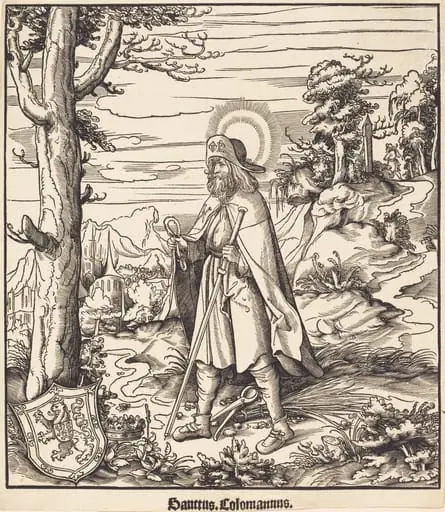
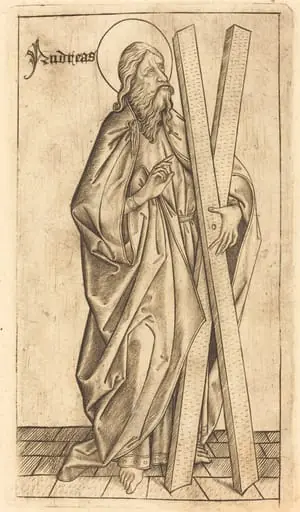
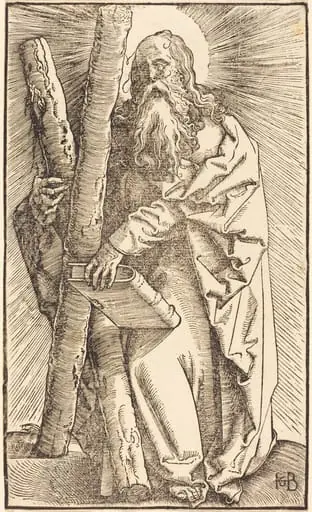
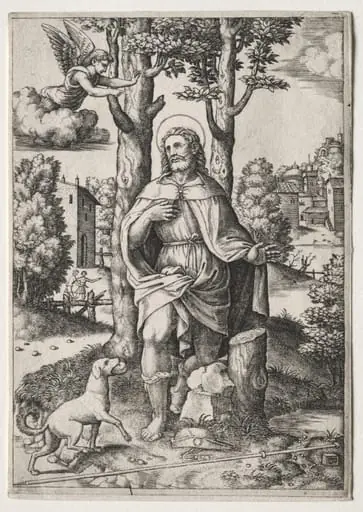
Saint Sebald is an ink print by the Renaissance artist Sebald Beham. It dates from 1521 and is held in the collection of the National Gallery of Art.
About this work
Overview
A Nuremberg-born artist, Beham was associated with the group known as the 'Little Masters,' who specialized in intricate, small-format prints.
Created in 1521 by Sebald Beham, this engraving is one of approximately 250 prints he produced during his career. A Nuremberg-born artist, Beham was associated with the group known as the 'Little Masters,' who specialized in intricate, small-format prints. Unlike large-scale paintings, his work emphasized precision and detail, suited for intimate viewing. This piece exemplifies his mastery of the engraving technique, using fine lines to render complex scenes within a compact space.
Subject & Meaning
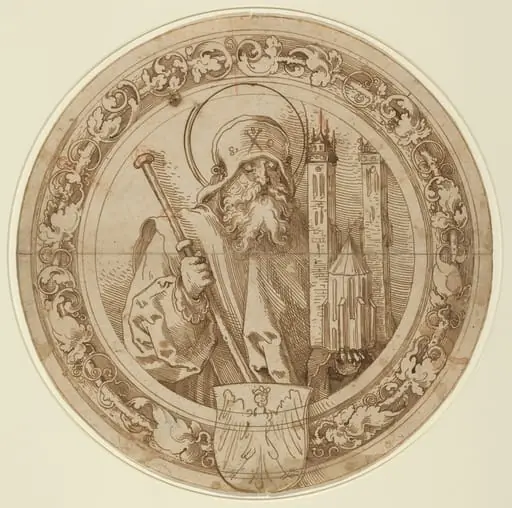
The figure depicted is Saint Sebald, a legendary 8th-century missionary associated with Nuremberg. He is shown as an elderly man with a long beard and a crown-like headdress, signifying his spiritual authority. The staff he holds may reference his role as a pilgrim or shepherd of the faithful. The background landscape, including a church and fortified city, alludes to his historical ties to Nuremberg, reinforcing his local veneration rather than universal sainthood.
Technique & Style
Beham employed fine, controlled engraving lines to model form and texture. The folds of the saint’s robes are rendered with dense, parallel strokes that suggest weight and volume. Distant architecture and natural elements are suggested through delicate, receding lines, creating a sense of spatial depth. The absence of tone or color relies entirely on line variation to convey light, shadow, and materiality, showcasing the engraver’s technical discipline and attention to minute detail.
History & Provenance
The print was made during Beham’s early career in Nuremberg, before his later move to Frankfurt. It reflects the city’s thriving print culture, where artists like Dürer had established a market for small religious images. While specific early ownership records are sparse, such engravings were widely circulated among collectors and clergy. Its survival in multiple institutional collections suggests it was valued for its craftsmanship and devotional utility.
Context
In early 16th-century Germany, religious imagery remained central despite growing Reformation tensions. Beham’s work catered to both Catholic patrons and those seeking traditional devotional aids. His small-scale prints offered accessible alternatives to altarpieces, fitting into private homes or monastic settings. The detailed landscapes and architectural backgrounds reflect a broader interest in naturalism and topographical accuracy emerging in Northern Renaissance art.
Legacy
Beham’s engravings, including this one, helped define the aesthetic of the 'Little Masters'—artists who refined printmaking as a medium for intricate storytelling. Though overshadowed by Dürer’s fame, his technical precision influenced later generations of engravers. The enduring presence of his works in museum collections attests to their role in preserving the visual culture of early Reformation Germany.
Artist & collection
Artist
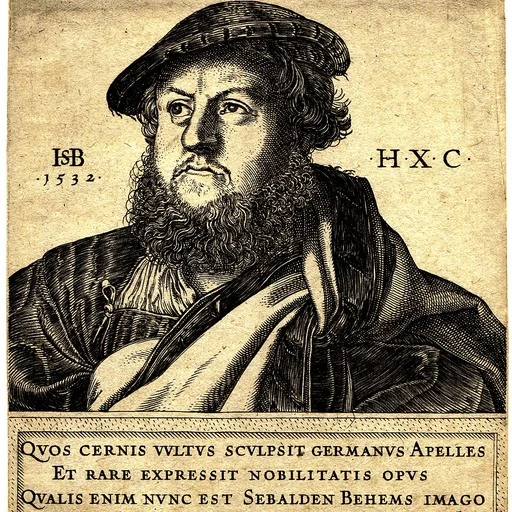
Sebald Beham (1500–1550) was a German painter and printmaker, mainly known for his very small engravings.