Artwork
Saint Francis of Assisi Receiving the Stigmata
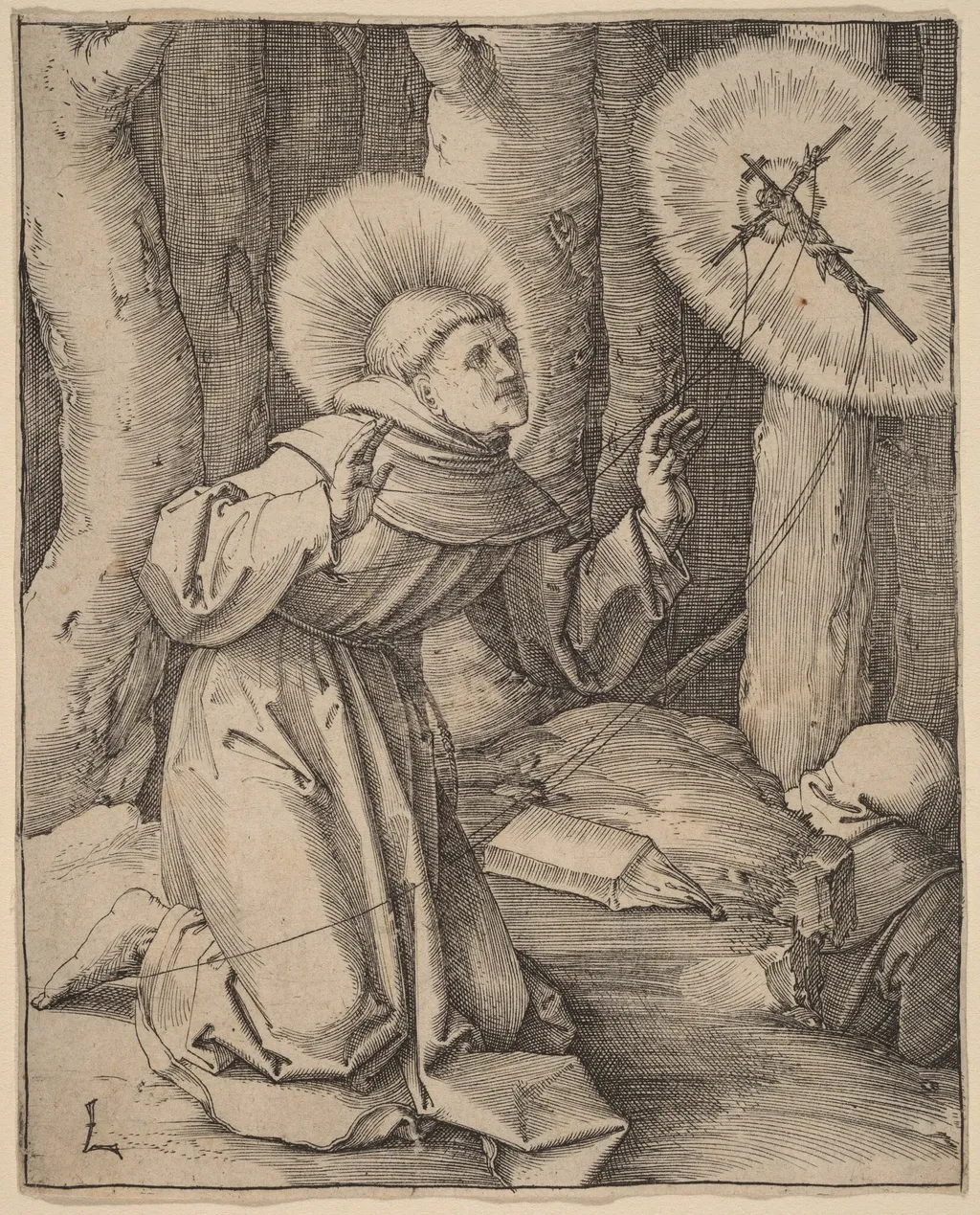
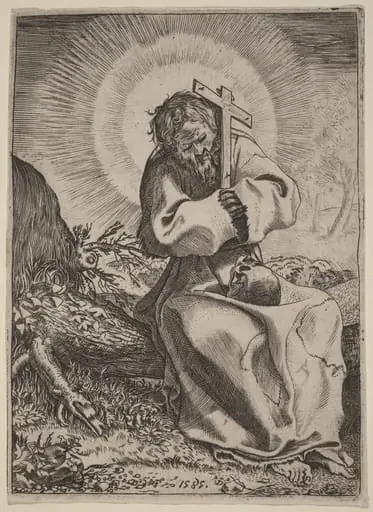
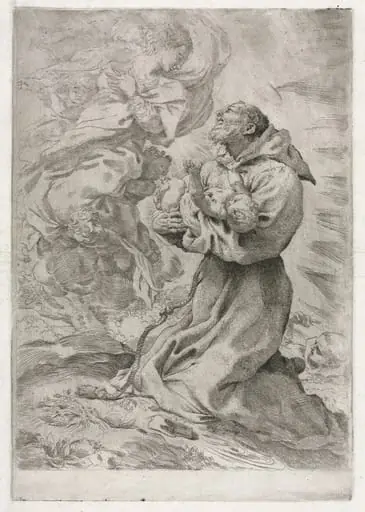
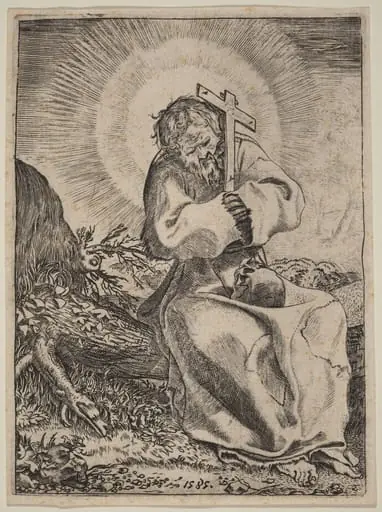
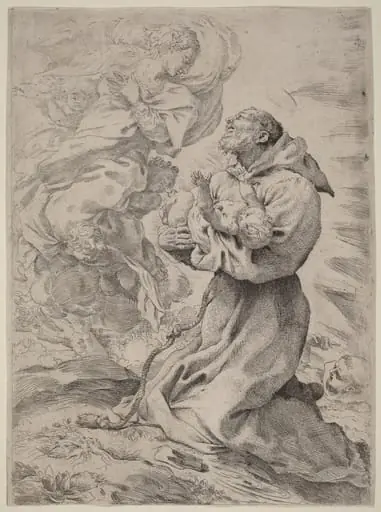
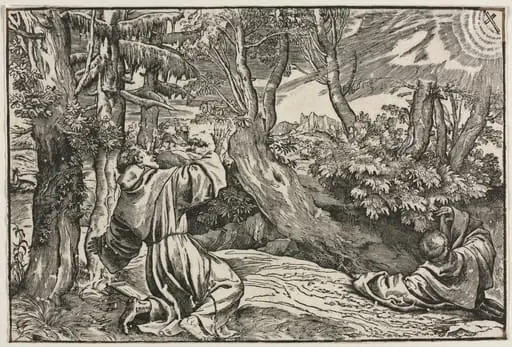
Saint Francis of Assisi Receiving the Stigmata is an ink print by the Renaissance artist Lucas van Leyden. It dates from 1514 and is held in the collection of the National Gallery of Art.
About this work
Overview
Created around 1514 by the Dutch artist Lucas van Leyden, this engraving captures a pivotal moment in the life of Saint Francis of Assisi.
Created around 1514 by the Dutch artist Lucas van Leyden, this engraving captures a pivotal moment in the life of Saint Francis of Assisi. As one of van Leyden’s early prints, it demonstrates his command of the engraving technique and his interest in devotional subjects. The work belongs to a broader tradition of Northern Renaissance religious imagery, where spiritual narratives were rendered with meticulous detail and emotional gravity.
Subject & Meaning
The scene portrays Saint Francis kneeling in prayer as he receives the stigmata—the wounds of Christ’s crucifixion—miraculously appearing on his hands and feet. Above him, a seraphim-crucifix hovers in the air, its presence marked by radiant lines. The saint’s uplifted gaze and humble posture convey surrender to divine will. The wooded setting, sparse yet evocative, isolates the moment as a private encounter between the saint and the divine.
Technique & Style
Van Leyden employed fine, controlled lines and dense cross-hatching to model form and suggest texture in the robes, bark, and foliage. The contrast between light and shadow enhances the three-dimensionality of the figures and the atmospheric depth of the forest. The engraving’s precision reflects the Northern Renaissance emphasis on naturalism, while the composition’s clarity and balance align with contemporary ideals of harmony and spiritual order.
History & Provenance
The print was produced during van Leyden’s most active period in Leiden, when he was refining his engraving technique and gaining recognition across Europe. Though specific early ownership records are sparse, the work circulated widely through print markets, influencing religious imagery in the Low Countries. Its survival in multiple institutional collections attests to its enduring presence in early modern print culture.
Context
In the early 1500s, devotional prints like this one served as tools for personal piety and religious instruction, especially as literacy expanded. Van Leyden’s engagement with Franciscan themes reflected broader interest in mendicant spirituality within Northern Europe. His work bridged the detailed realism of Flemish art and the emerging humanist focus on individual spiritual experience, placing him at the center of regional artistic developments.
Legacy
This engraving exemplifies van Leyden’s role in elevating printmaking to a respected art form. His technical finesse and emotional restraint influenced later Northern engravers, including Dürer’s followers. While not as widely known today as his paintings, the print remains a key example of how religious narratives were translated into intimate, accessible formats during the Reformation era.
Artist & collection

Artist
Lucas van Leyden (1494 – 8 August 1533), was a Dutch painter and printmaker in engraving and woodcut. Lucas van Leyden was among the first Dutch exponents of genre painting and was a very accomplished engraver.

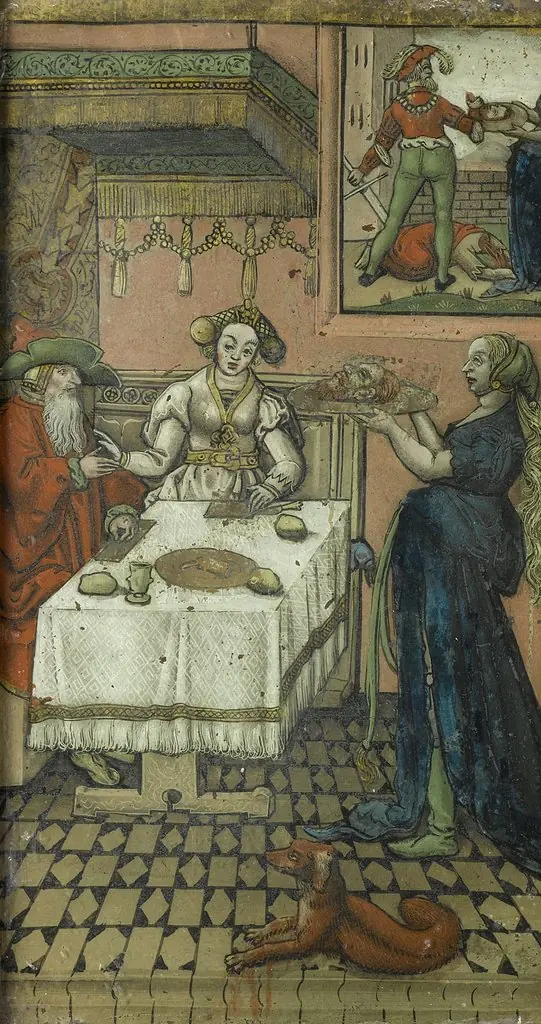 Salome with the head of St John the Baptist
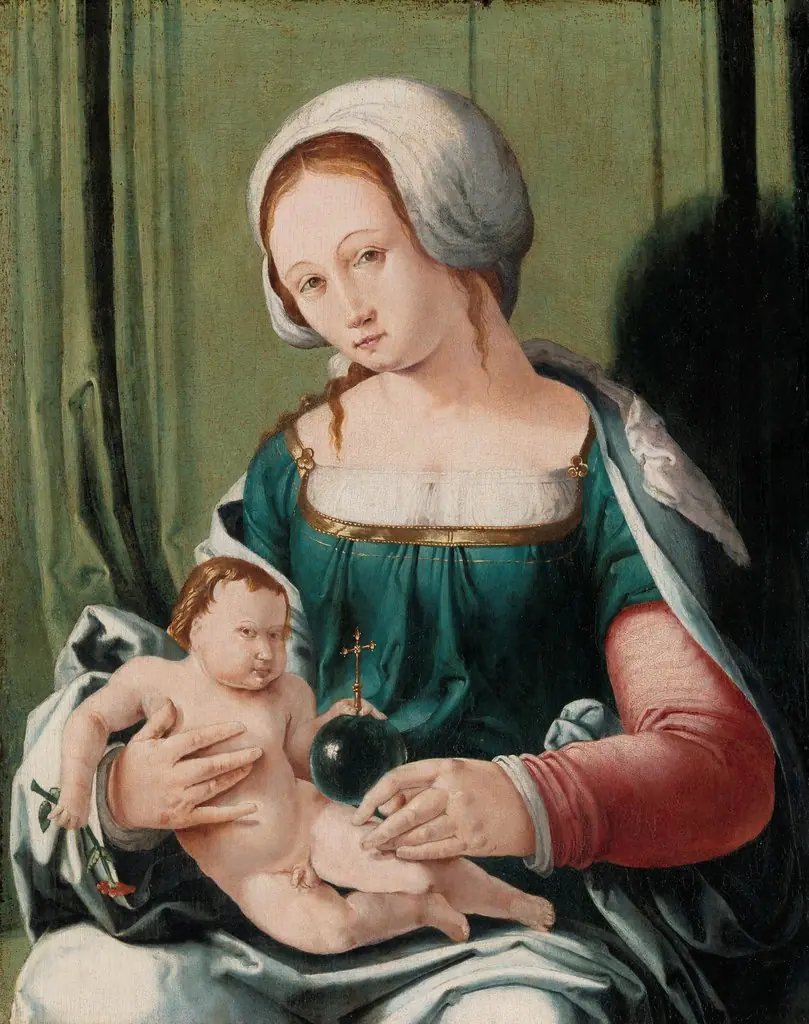 The Virgin and Child
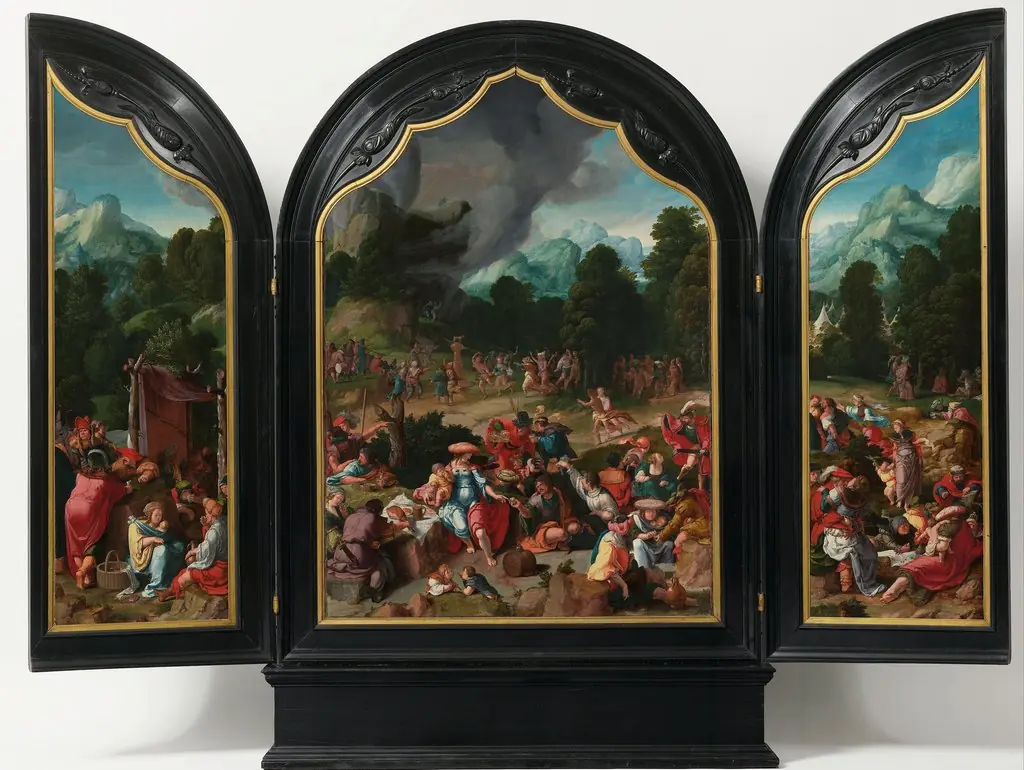 Worship of the Golden Calf
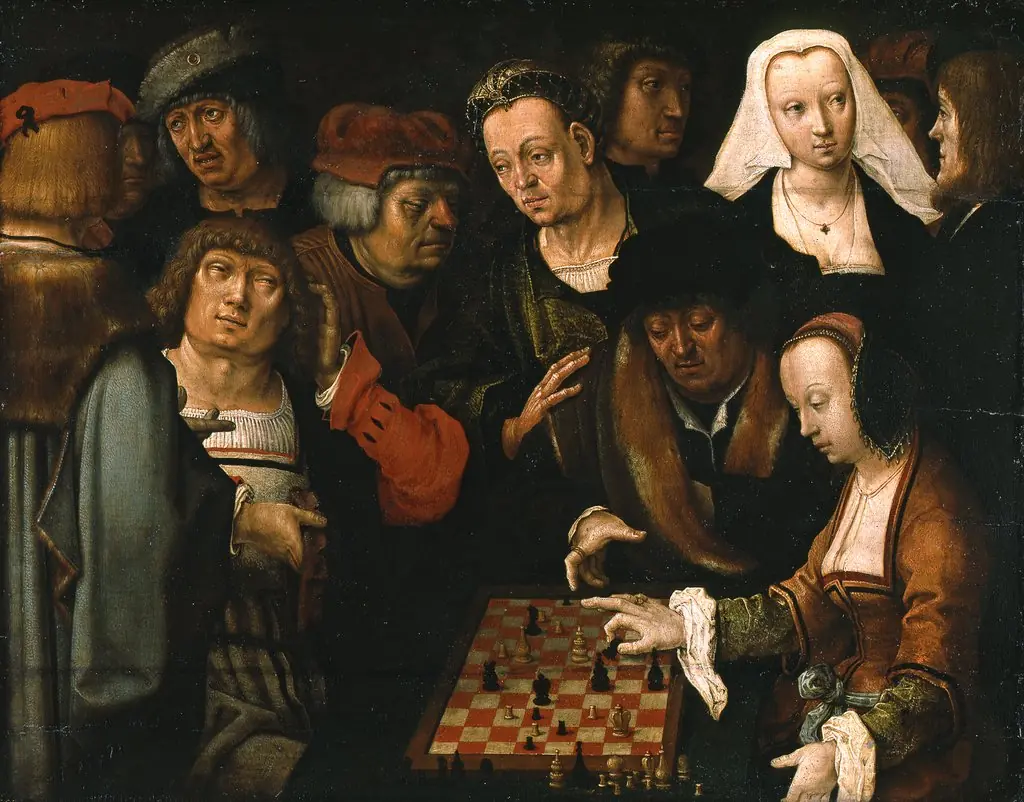 A Game of Chess
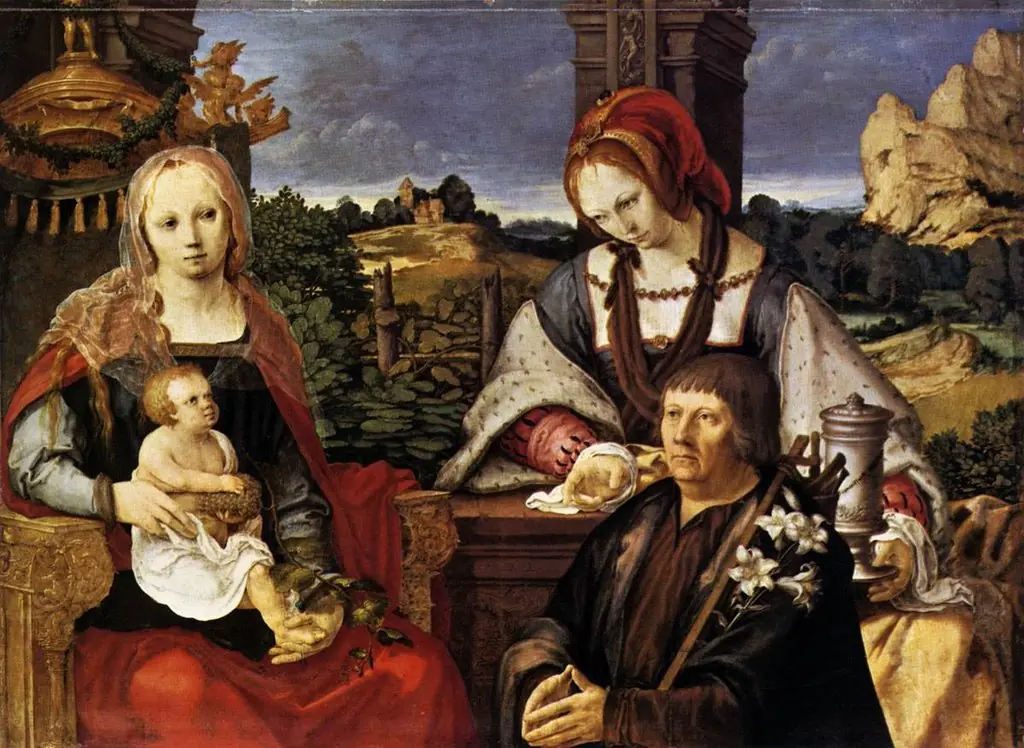 Mary with Child, St. Maria Magdalena and founder (separate outside, Inv. No. 7713)
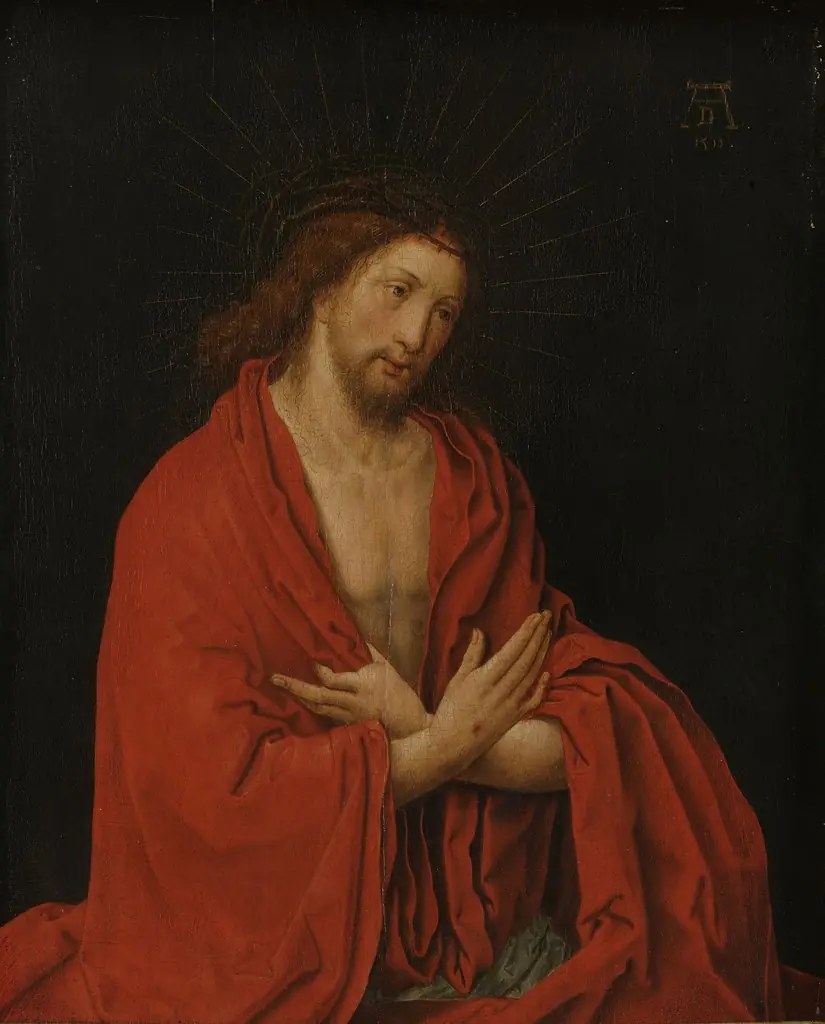 Inner left wing of a diptych with Christ as the Man of Sorrows
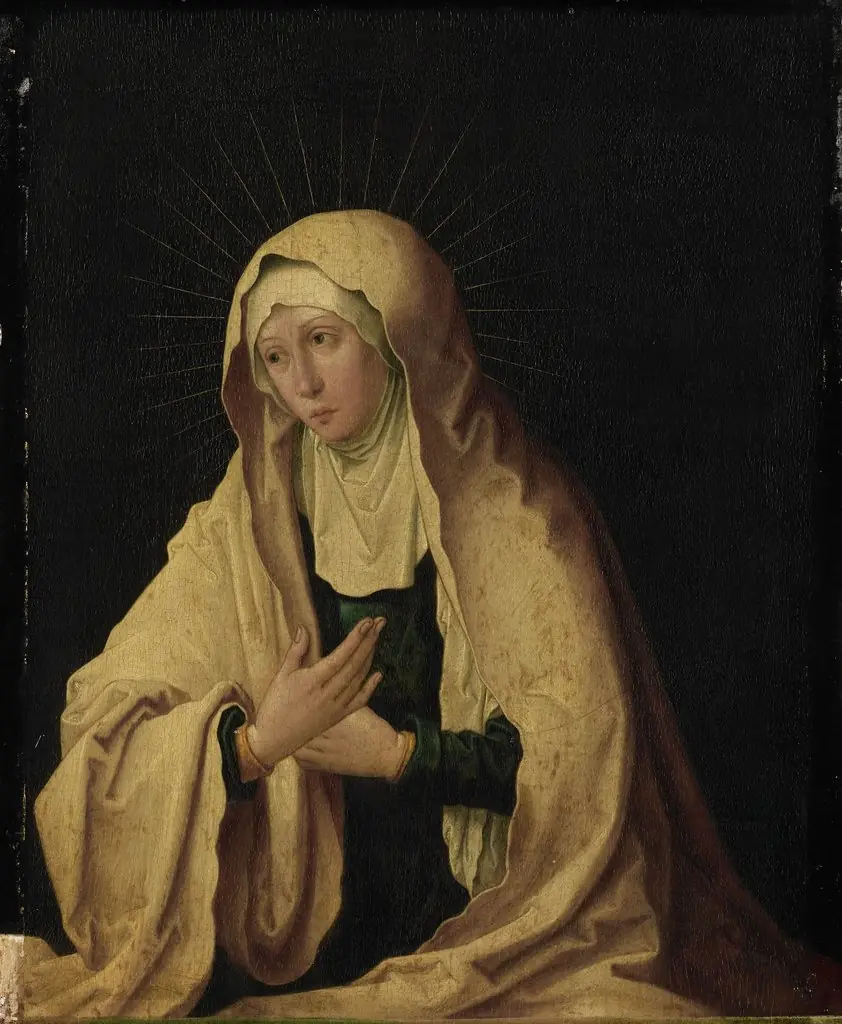 Inner right wing of a diptych with the Virgin as Mater Dolorosa
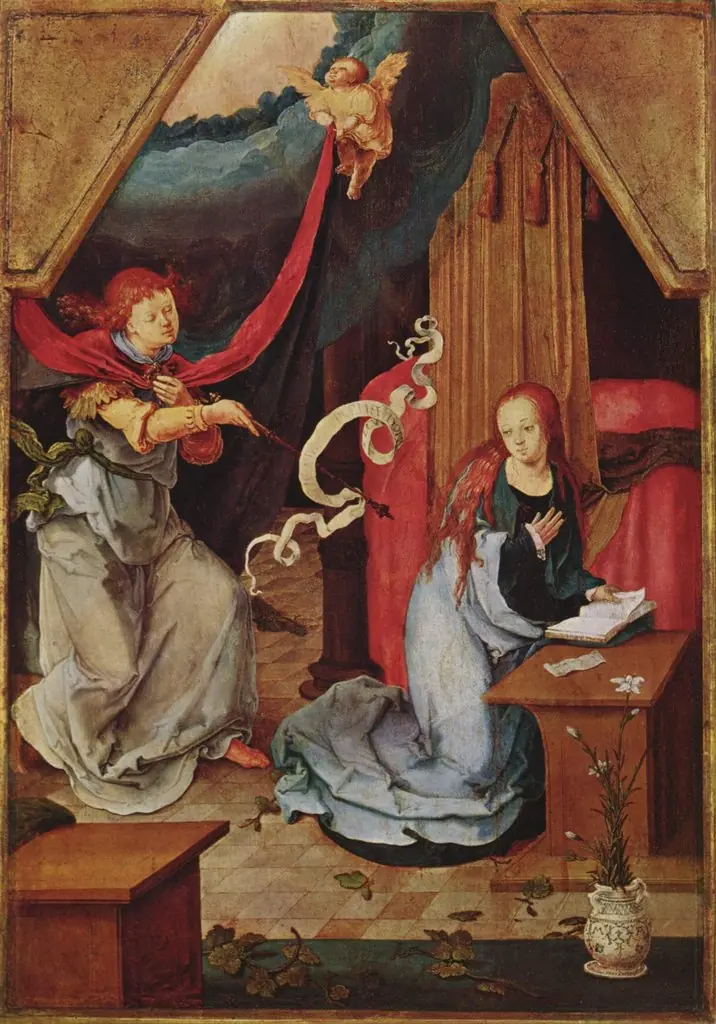 Annunciation