Artwork
Sanctus Bernhardinus
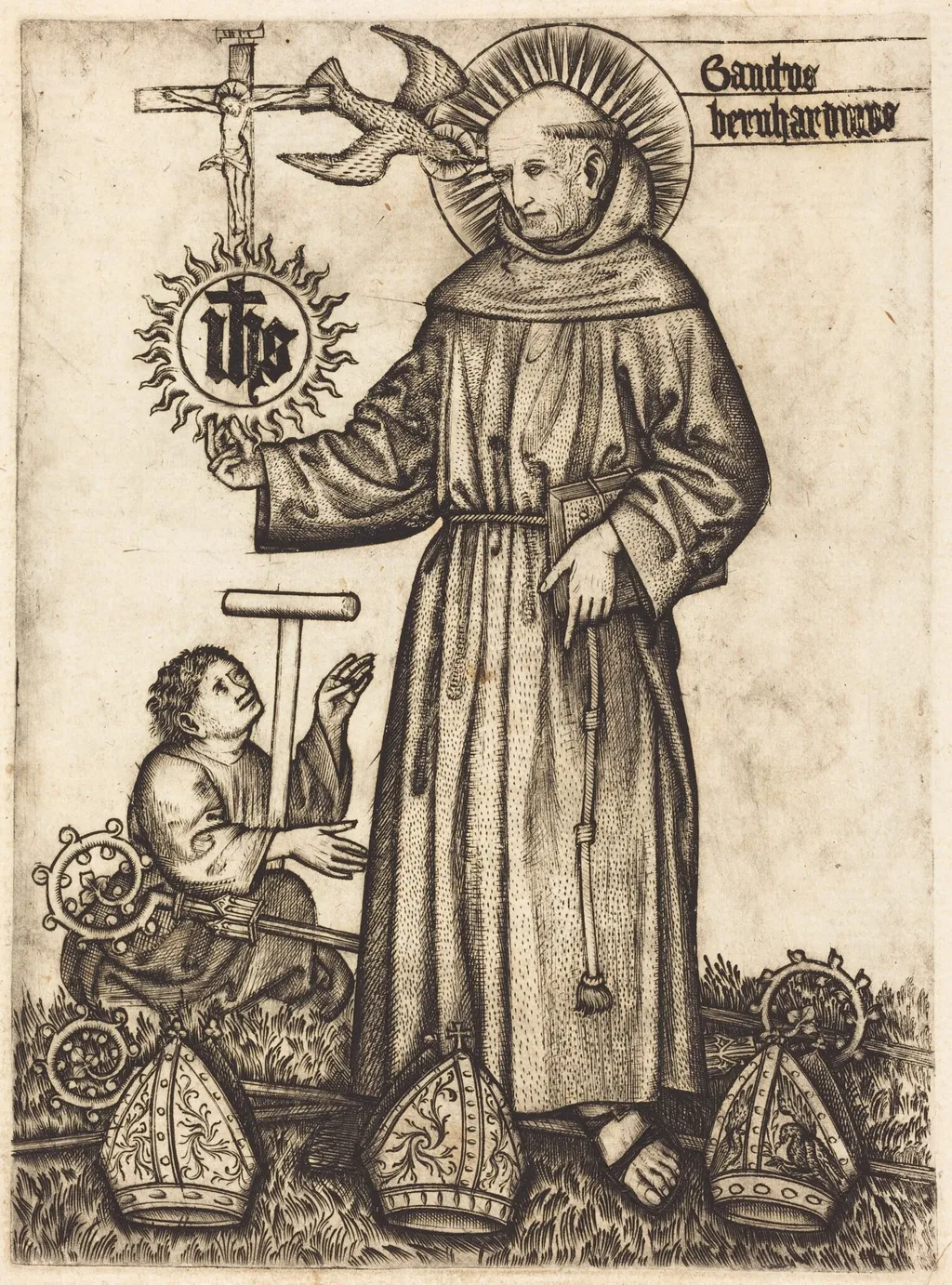
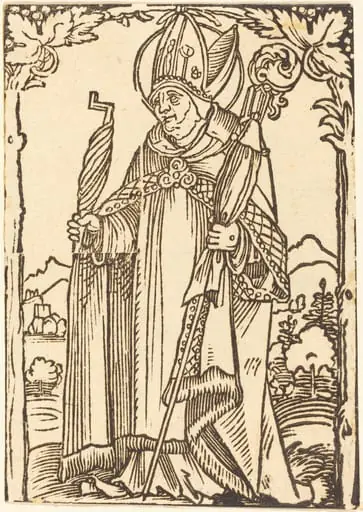
Sanctus Bernhardinus is an ink print by the Renaissance artist Master of Balaam. It dates from 1454 and is held in the collection of the National Gallery of Art.
About this work
Overview
Sanctus Bernhardinus is a mid‑15th‑century engraving executed on laid paper. Attributed to the anonymous artist known as the Master of Balaam, the work dates to around 1454 and belongs to the corpus of early Northern European printmaking.
Subject & Meaning
The composition centers on a robed male figure clutching a cross topped by a bird, the cross itself adorned with a sunburst and the monogram IHS, a Christogram. To his left a smaller, kneeling figure holds a staff, suggesting a devotional or intercessory scene, likely intended to honor Saint Bernard or a related holy personage.
Technique & Style
The print demonstrates the fine line work characteristic of early engraving, employing dense cross‑hatching to model forms and suggest texture. The artist renders foliage and ground with delicate stippling, creating a sense of depth on the flat paper support.
History & Provenance
Created circa 1454, the engraving entered the collections of several European private owners before being documented in 19th‑century museum inventories. Its attribution to the Master of Balaam rests on stylistic parallels with other prints bearing similar compositional and ornamental features.
Context
The work reflects the growing interest in religious iconography among Northern printers during the early Renaissance, when devotional images were increasingly reproduced for personal contemplation. The inclusion of the IHS monogram aligns with contemporary devotional practices centered on the Holy Name.
Legacy
Sanctus Bernhardinus exemplifies the technical advancements of early engraving, illustrating how printmakers began to achieve nuanced tonal variation. It contributes to our understanding of the spread of Renaissance visual language beyond Italy into the Germanic lands.
Artist & collection


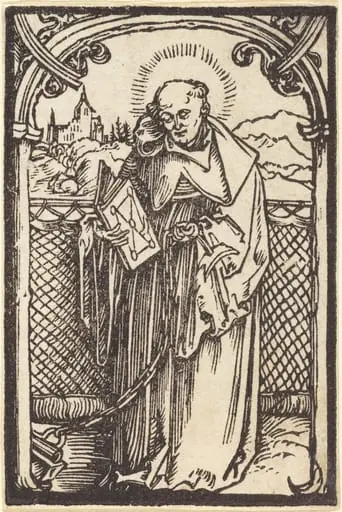 Saint Leonard
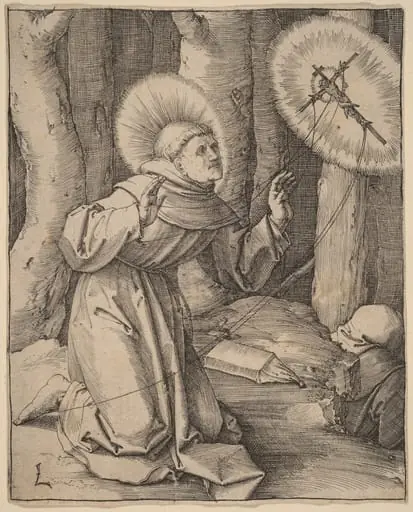 Saint Francis of Assisi Receiving the Stigmata
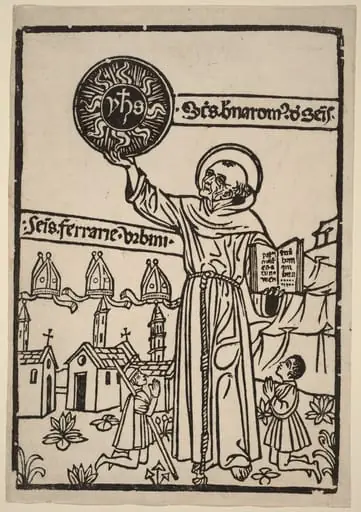 Saint Bernardino of Siena
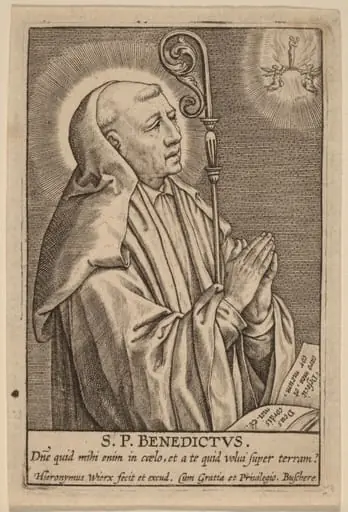 S. P. Benedictus
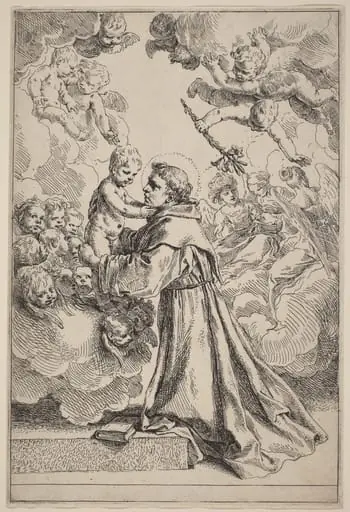 The Large Saint Anthony of Padua
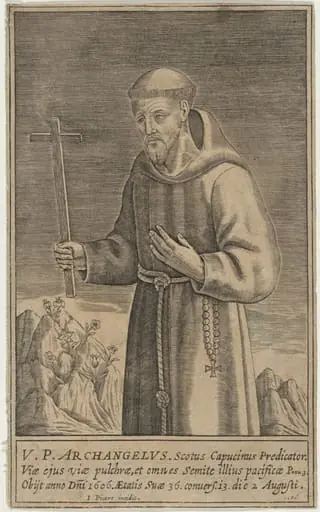 John Forbes
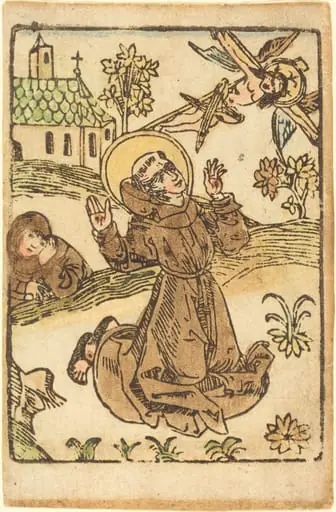 Saint Francis Receiving the Stigmata
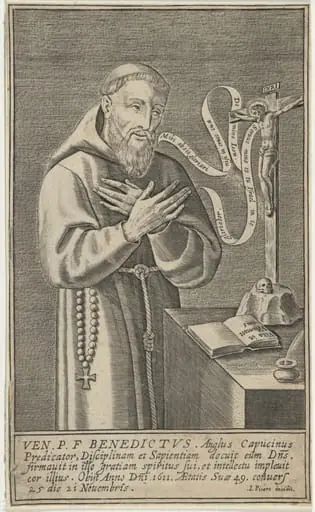 William Fich of Canfield, Essex
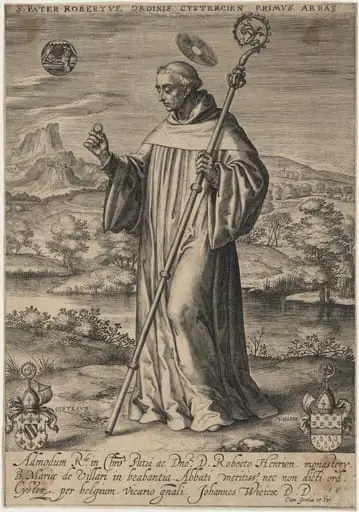 Saint Robert, Founder and First Abbot of the Cistercian Monks
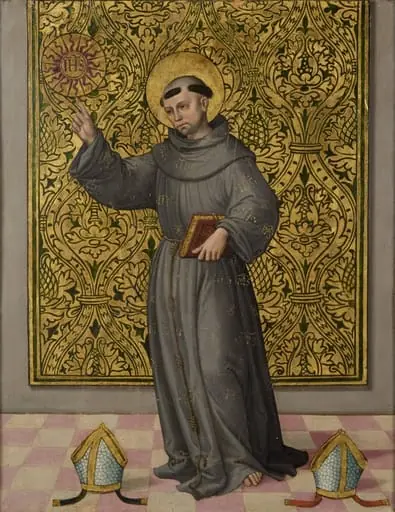 Saint Bernardino of Siena
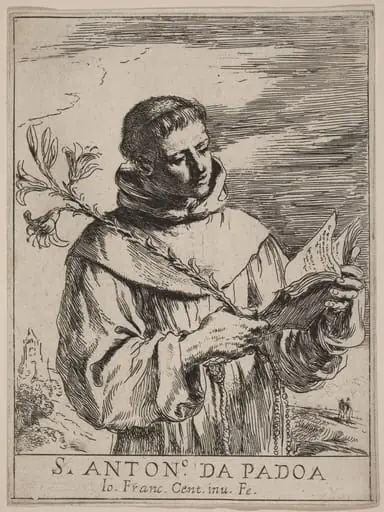 Saint Anthony of Padua
 Saint Erasmus as Bishop