Artwork
The Baptism of Christ in the Jordan
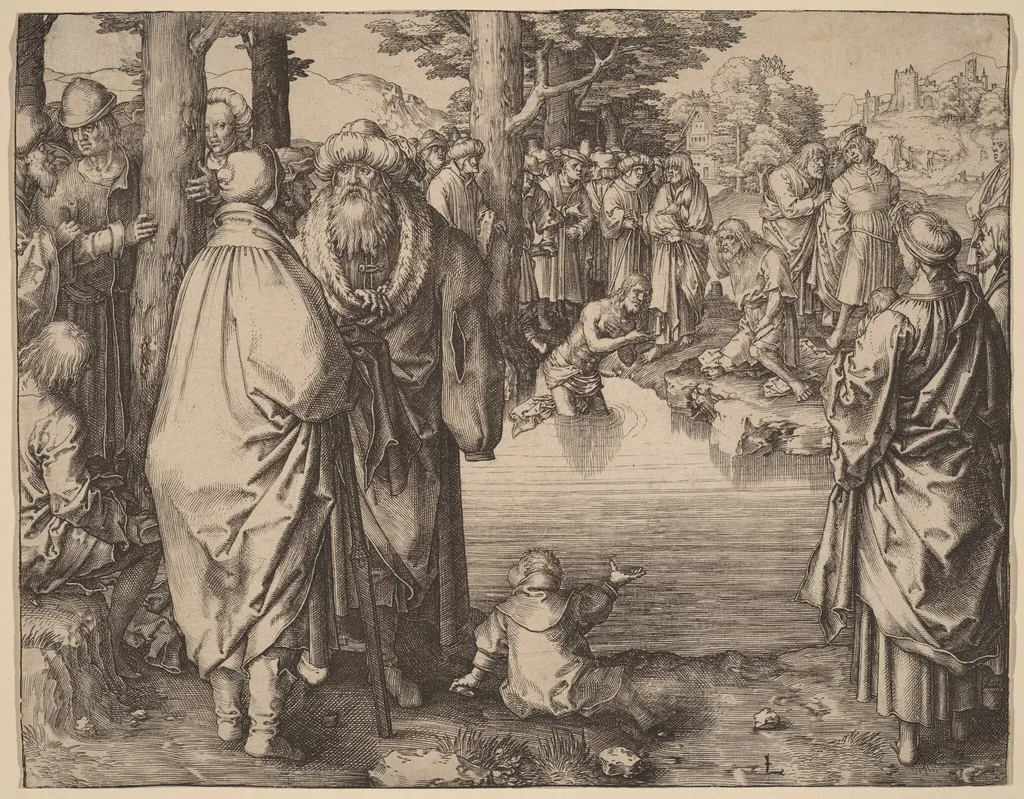
The Baptism of Christ in the Jordan is an ink print by the Renaissance artist Lucas van Leyden. It dates from 1510 and is held in the collection of the National Gallery of Art.
About this work
Overview
Created around 1510 by the Dutch artist Lucas van Leyden, this engraving captures the biblical moment of Christ’s baptism in the Jordan River.
Created around 1510 by the Dutch artist Lucas van Leyden, this engraving captures the biblical moment of Christ’s baptism in the Jordan River. As a printmaker renowned for his technical precision, van Leyden used the engraving process to produce a detailed, monochromatic image intended for wide circulation. The work reflects the growing role of prints in spreading religious imagery during the early Renaissance, making sacred narratives accessible beyond church walls.
Subject & Meaning
The scene illustrates the moment when John the Baptist baptizes Jesus, as described in the Gospels. Christ stands in the river, partially submerged, while John, bearded and robed, pours water over his head. A woman, likely Mary, observes nearby, and a diverse crowd of onlookers—some kneeling in reverence, others standing in quiet awe—lines the riverbank. The composition emphasizes humility and divine presence, with the figures’ gestures and postures conveying spiritual solemnity.
Technique & Style
Van Leyden employed fine, controlled lines incised into a copper plate to render texture, depth, and atmosphere. The engraving’s intricate detailing—individual strands of hair, folds in fabric, and the suggestion of distant architecture—demonstrates his mastery of line weight and cross-hatching. Subtle tonal variations emerge from the density of the lines, creating a sense of light and shadow without color. The composition is tightly organized, guiding the viewer’s eye toward the central figures.
History & Provenance
Produced in the early 16th century in the Netherlands, this engraving was part of a broader trend in Northern Europe where artists used printmaking to reach broader audiences. Van Leyden’s works were widely distributed across Europe, often copied or collected by patrons and clergy. While the exact early ownership history of this specific impression is not fully documented, its survival in multiple institutional collections suggests it was valued for its craftsmanship and devotional clarity.
Context
During the early 1500s, religious subjects dominated print production, especially in regions influenced by both Catholic tradition and emerging reformist ideas. Engravings like this one served as visual aids for personal devotion and education, particularly where literacy was limited. Van Leyden’s work aligned with the humanist emphasis on naturalistic detail and emotional expression, distinguishing Northern European prints from more stylized southern counterparts.
Legacy
Lucas van Leyden’s engraving contributed to the elevation of printmaking as a serious artistic medium, not merely a reproductive tool. His ability to convey narrative depth and emotional nuance through line influenced later generations of Northern European engravers. Though overshadowed in popular memory by painters of the High Renaissance, his technical rigor and compositional clarity remain benchmarks in the history of early printmaking.
Artist & collection

Artist
Lucas van Leyden (1494 – 8 August 1533), was a Dutch painter and printmaker in engraving and woodcut. Lucas van Leyden was among the first Dutch exponents of genre painting and was a very accomplished engraver.

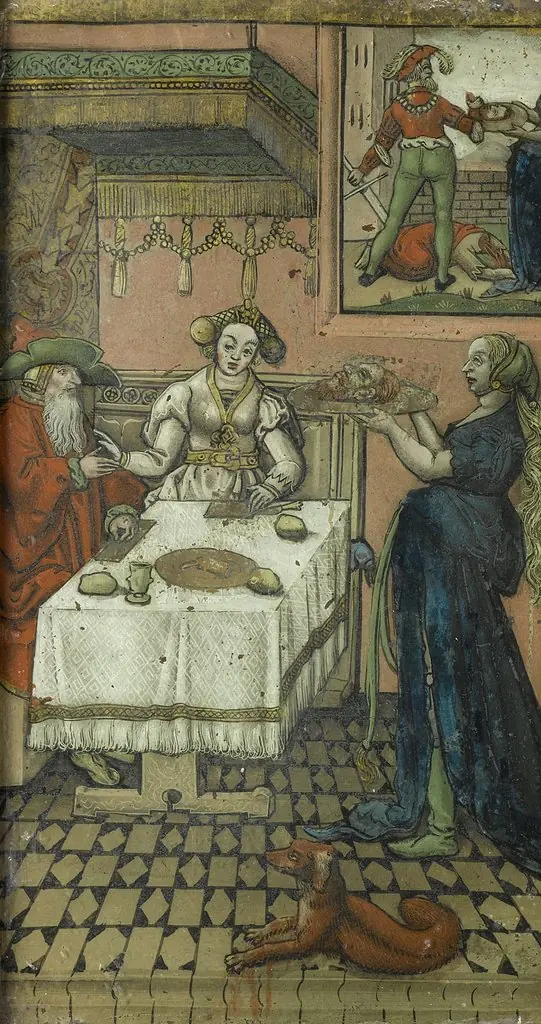 Salome with the head of St John the Baptist
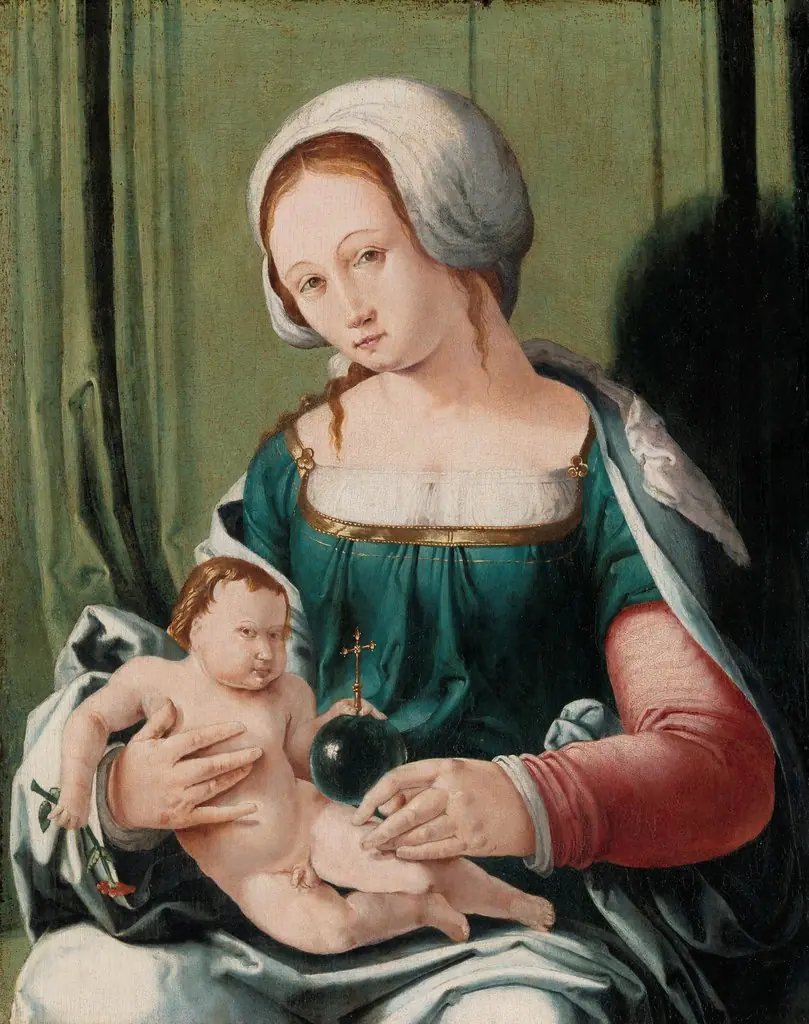 The Virgin and Child
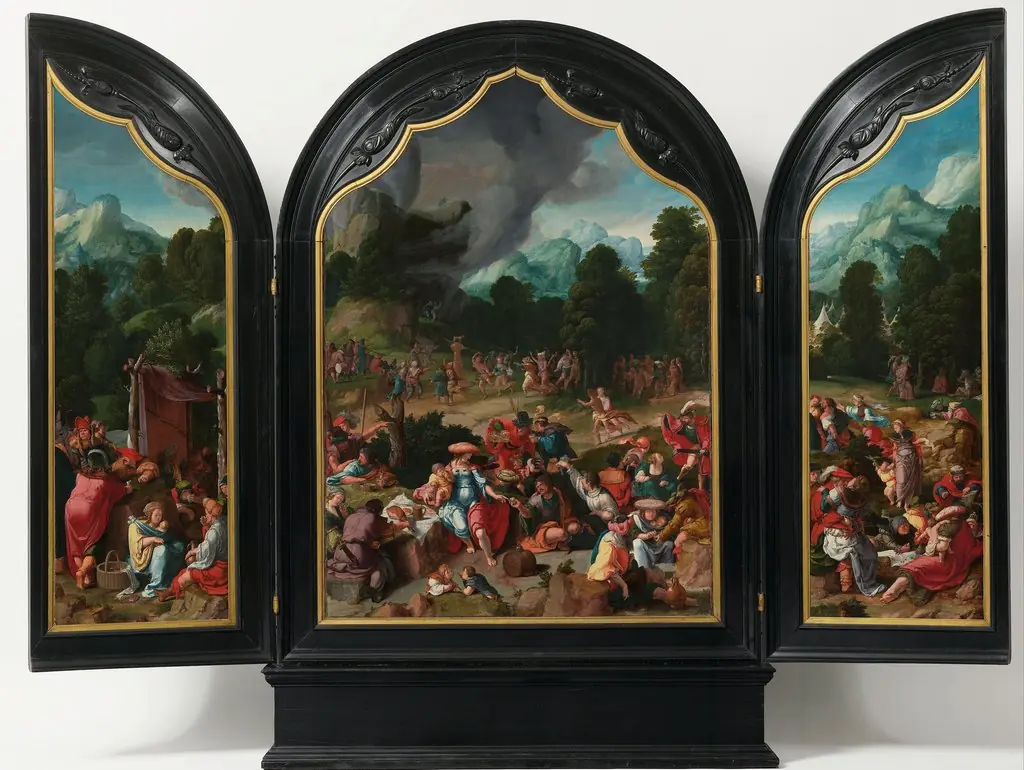 Worship of the Golden Calf
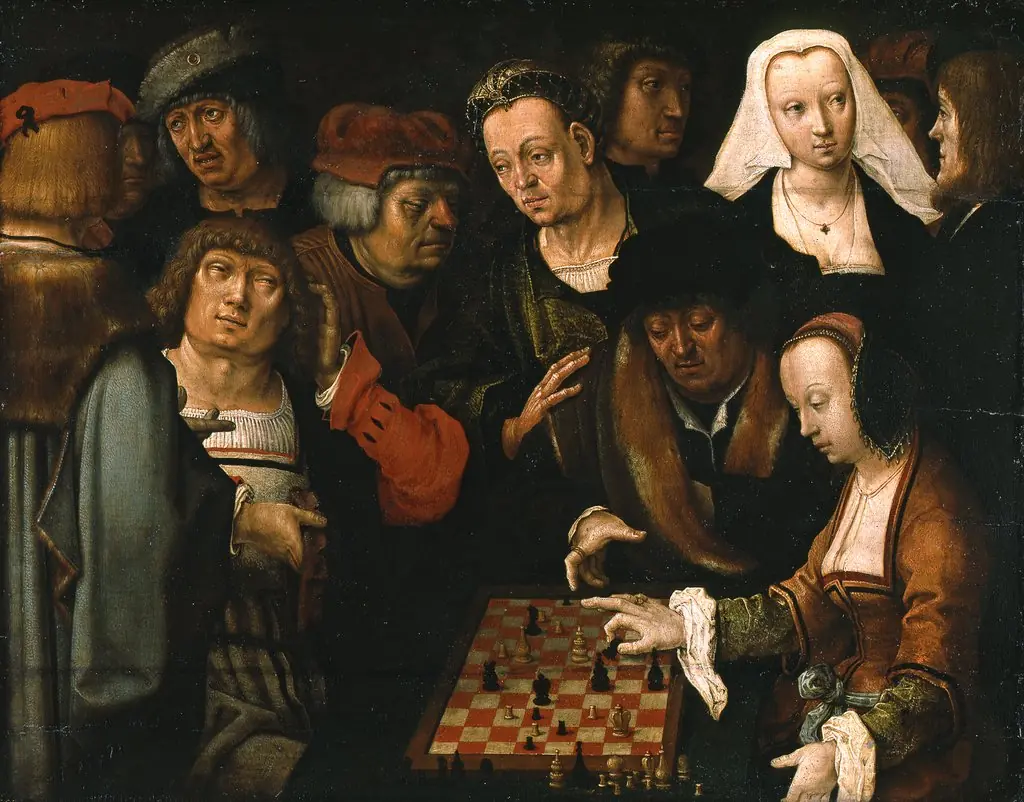 A Game of Chess
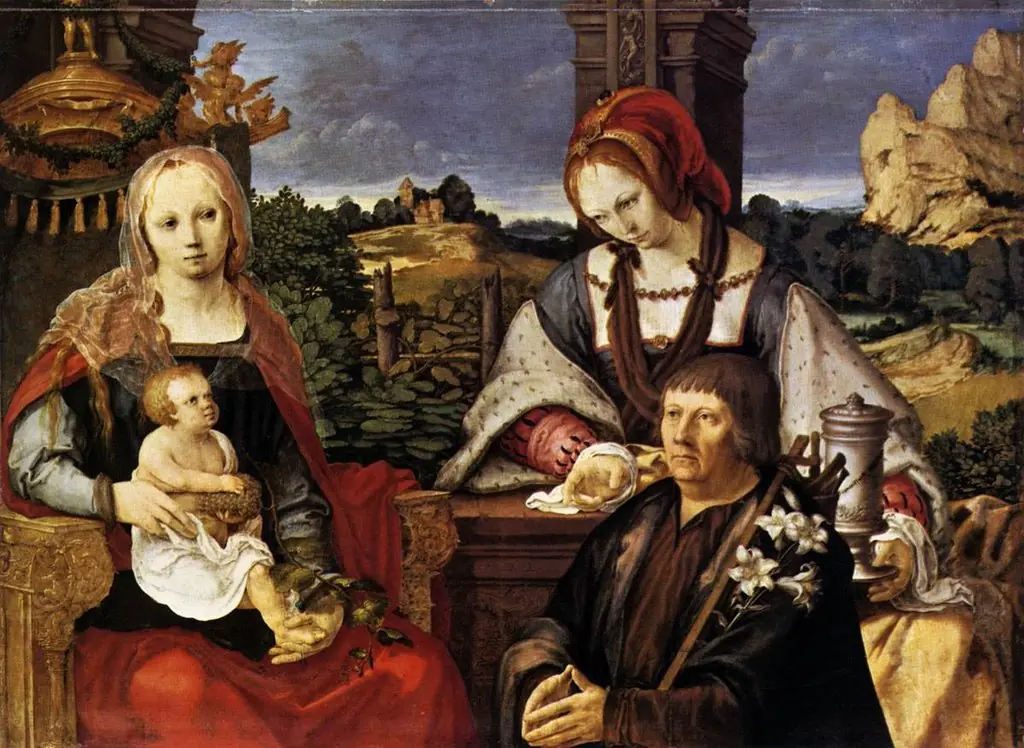 Mary with Child, St. Maria Magdalena and founder (separate outside, Inv. No. 7713)
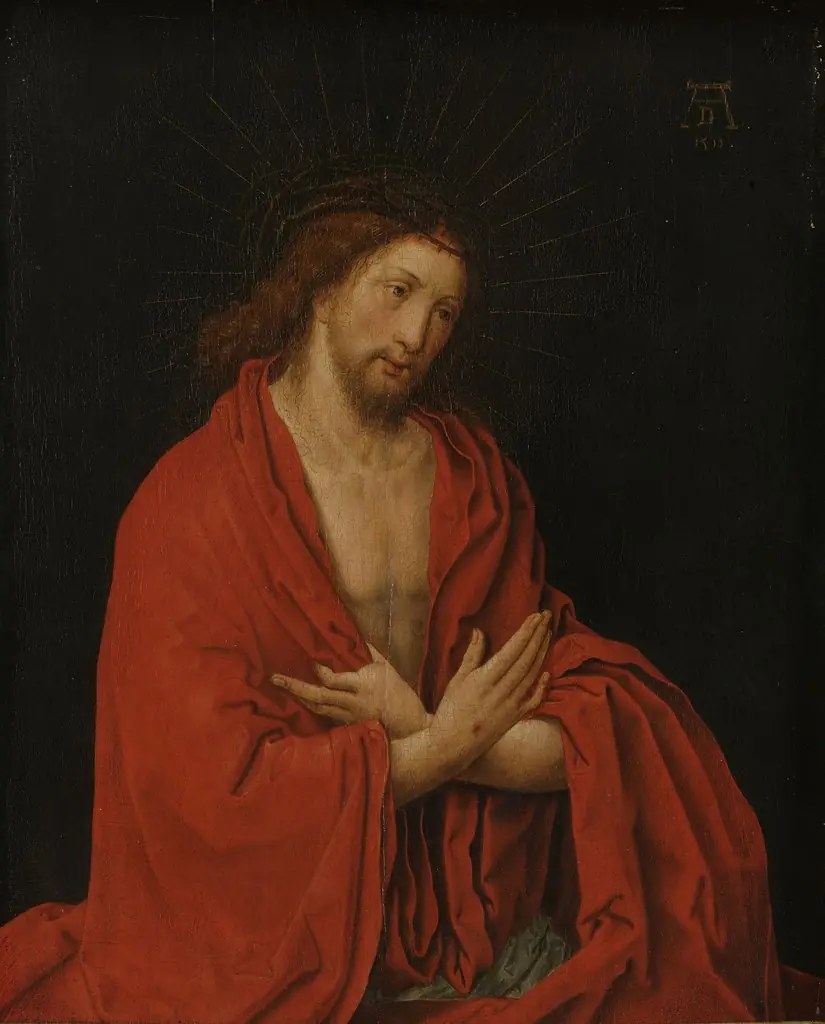 Inner left wing of a diptych with Christ as the Man of Sorrows
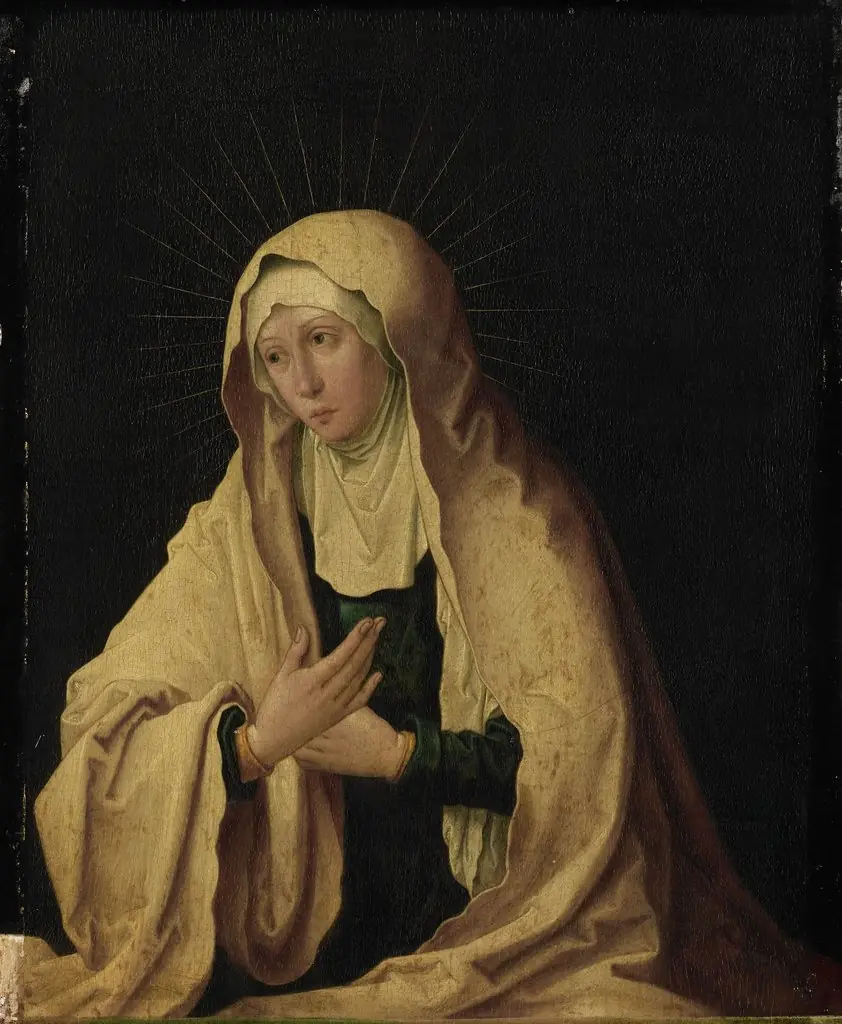 Inner right wing of a diptych with the Virgin as Mater Dolorosa
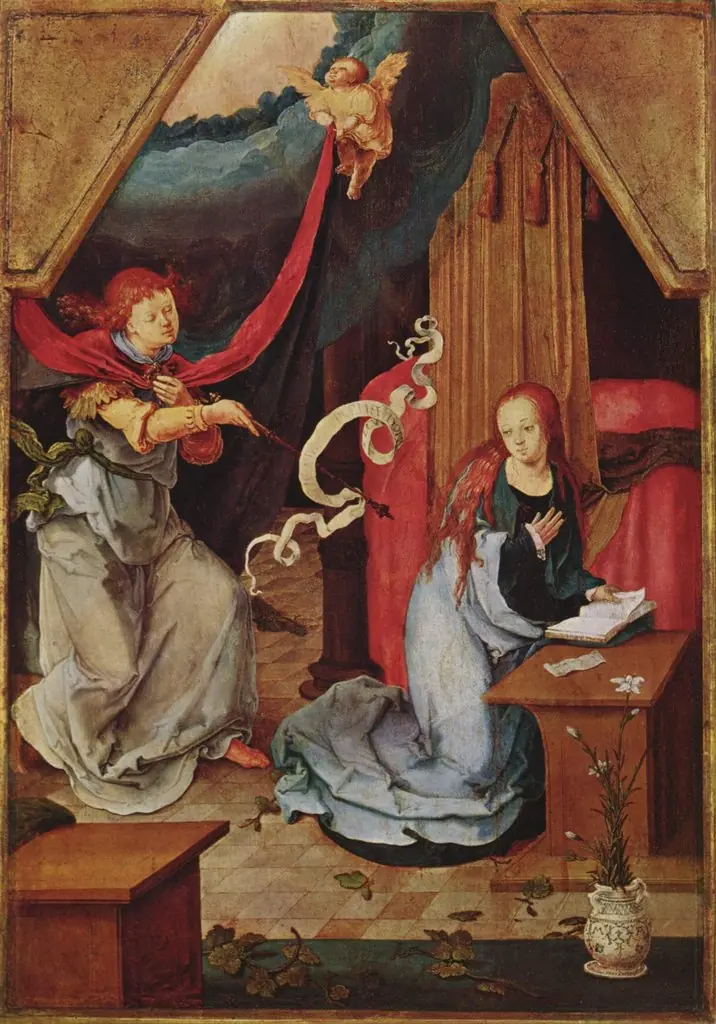 Annunciation